

Asset Publisher

Geneva Telegram

PABS Annex to the WHO Pandemic Agreement: IGWG7 brings competing System Models on the Table

Two concrete proposals are on the table for structuring access to pathogen materials and sequence information and the associated sharing of benefits.

Learn more
Geneva Telegram

75th anniversary of the 1951 Refugee Convention: Insights from the UNHCR Global Trends report

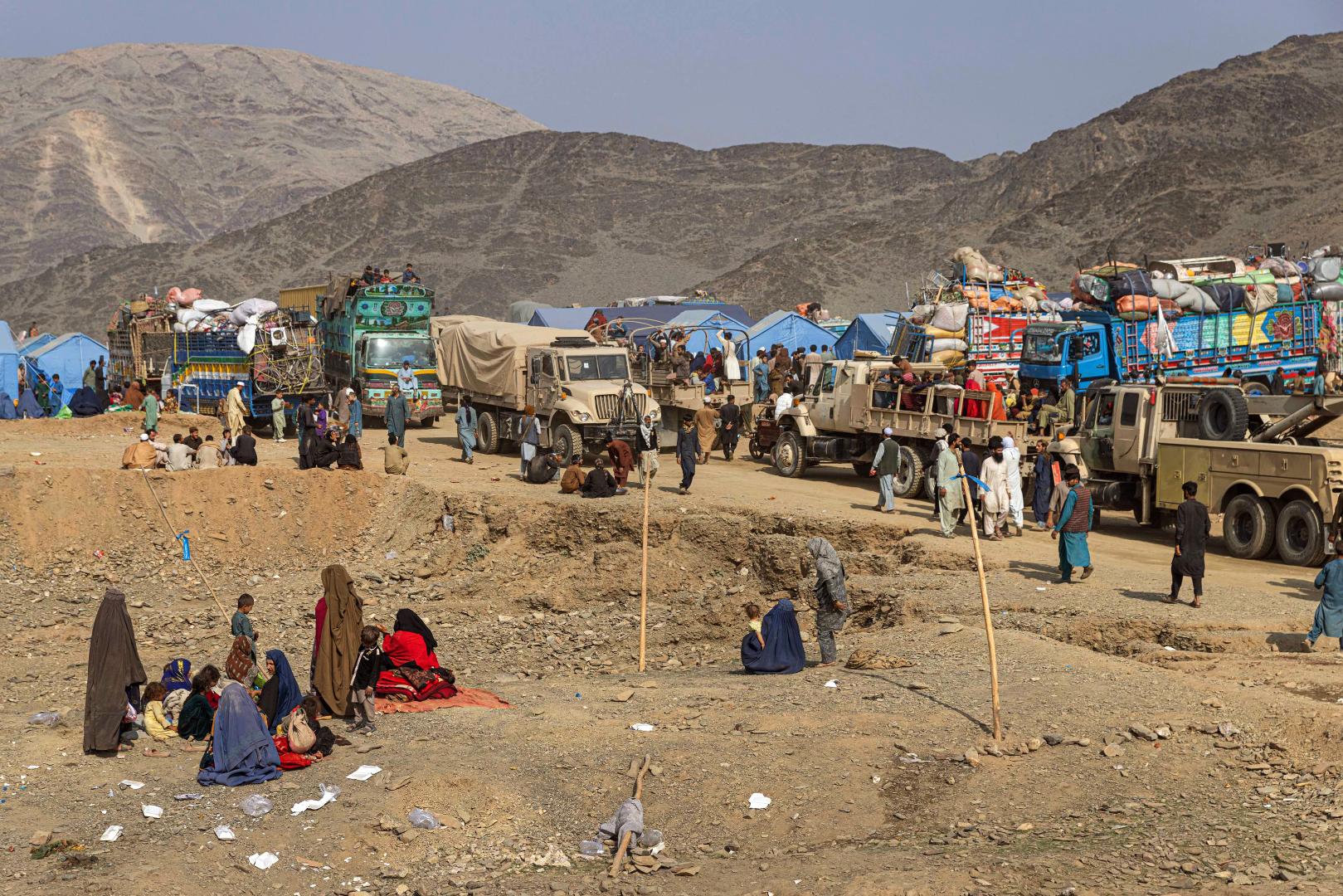
On 28 July 2026, the Geneva Refugee Convention turned 75. Its enduring relevance is particularly evident in light of the record numbers of people forcibly displaced worldwide.

Learn more
Geneva Telegram

The global fight against HIV/AIDS amid financial pressures and an uncertain future for UNAIDS

Although the global fight against HIV/AIDS has made remarkable epidemiological and medical progress, its political, financial, and institutional foundations are coming under increas...

Learn more
Einzeltitel

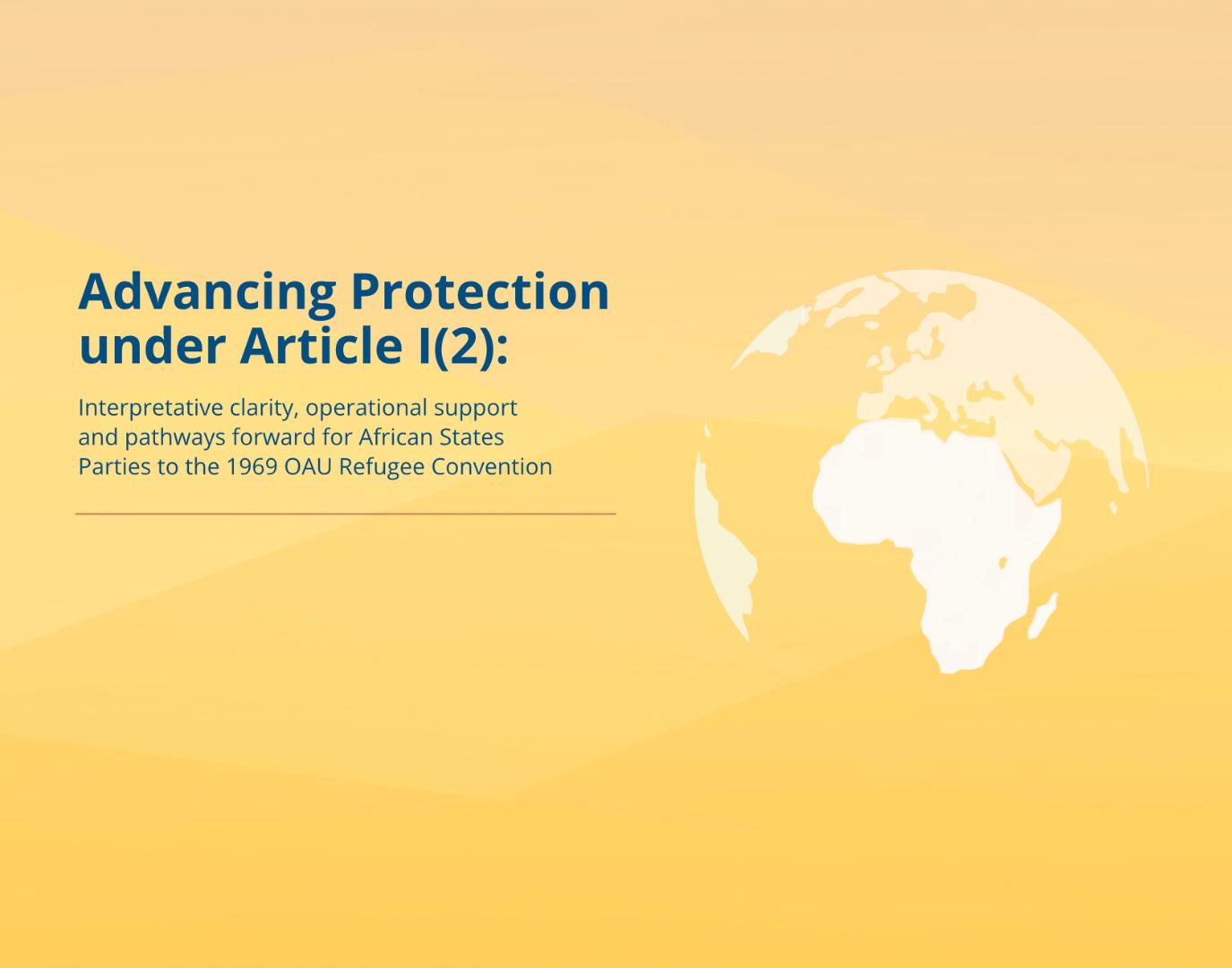
Advancing Protection under Article I(2) of the 1969 OAU Refugee Convention

Article I(2) of the 1969 OAU Refugee Convention is the ‘most influential conceptual standard of refugee status apart from the [1951] Convention definition itself’.

Learn more
Geneva Telegram

Analysis of the Swiss vote on the 10 Million Initiative on 14 June 2026

On Sunday, 14 June 2026, Swiss voters and cantons delivered a clear verdict on the Swiss People's Party's (SVP) initiative to cap Switzerland's resident population at 10 million.

Learn more
Geneva Telegram

Vote on the 10-million initiative on 14 June 2026

On 14 June, Switzerland will vote on the Swiss People’s Party’s (SVP) 10-million initiative. The SVP aims to strictly limit the population through this measure.

Learn more

Asset Publisher

Welcome

Freedom, justice and solidarity are the basic principles underlying the work of the Konrad-Adenauer-Stiftung (KAS). The KAS is a political foundation, closely associated with the Christian Democratic Union of Germany (CDU).
More about us

Asset Publisher

Media library

Neue Folge des Podcasts Multipod

Multipod: WHO macht Fortschritte bei internationalen Gesundheitsvorschriften

Die Covid-Pandemie hat auch auf internationaler Ebene Folgen. Erfahren Sie, wie die Weltgesundheitsorganisation (WHO) und ihre Mitgliedstaaten sich besser für die Zukunft wappnen.

Read now
Neue Folge des Podcasts Multipod

Multipod: Wie können Frauenrechte im Gesundheitssektor gestärkt werden?

Erfahren Sie mehr über die Herausforderungen von Frauen, Ihr Recht auf Gesundheit einzufordern.

Read now
Statement

Norbert Lammert on the 75th anniversary of the Universal Declaration of Human Rights

"Human rights are not laws of nature. [...], they must be protected & defended by people who take the claim to the inviolability of human dignity seriously".

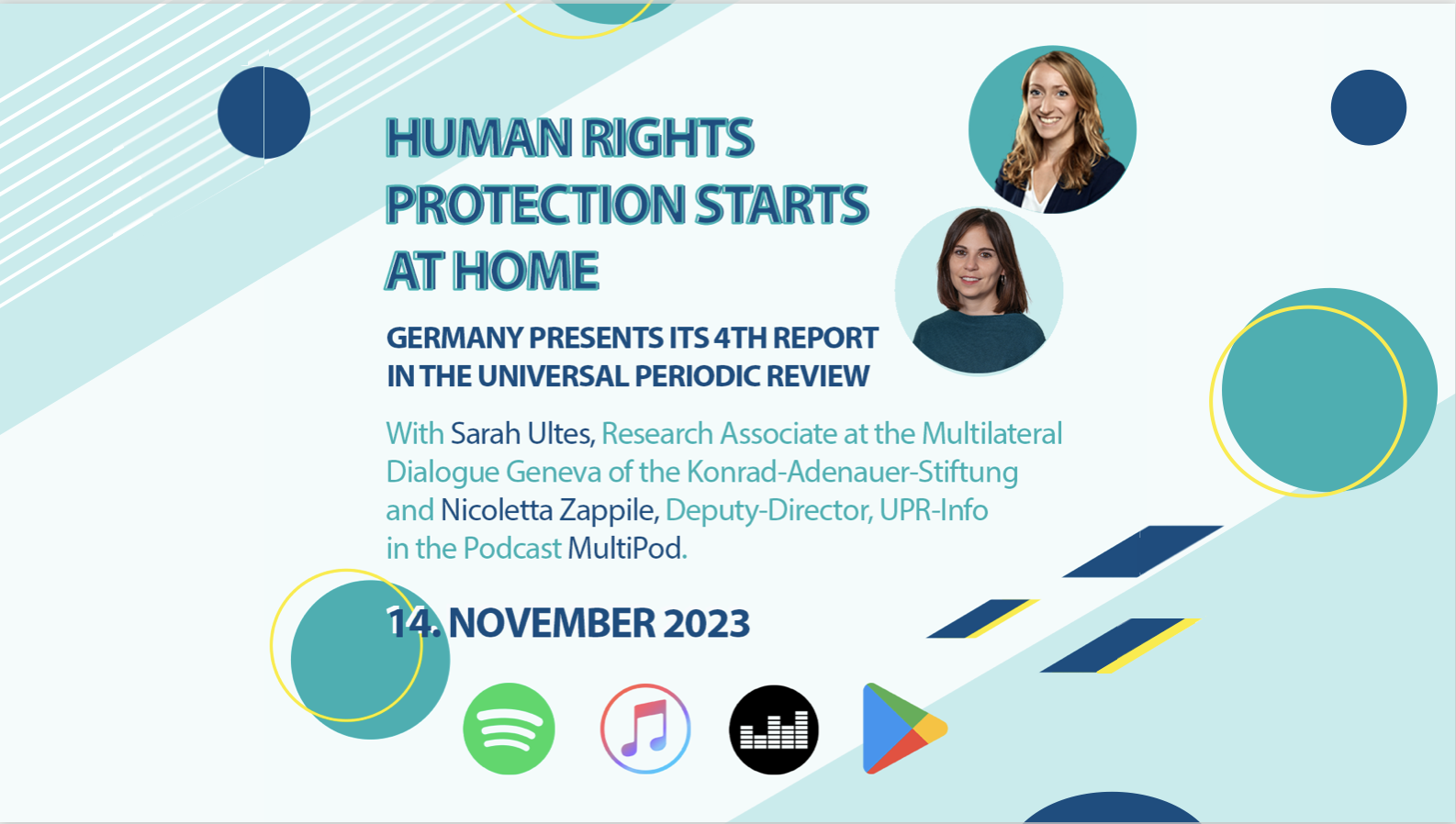
Multipod: Review of Germany in the UPR

Multipod: Human rights protection starts at home. Germany in the UPR

On 9th November 2023, the United Nation's Human Rights Council discussed the human rights situation in Germany

Read now
Genfreise

Geneva Security Debate zum Krieg in der Ukraine

Prof. Dr. Lammert, Botschafter Dr. Heusgen und Botschafter Greminger zu den Auswirkungen des Krieges in der Ukraine auf den Multilateralismus und die Weltordnung

Delegationsreise

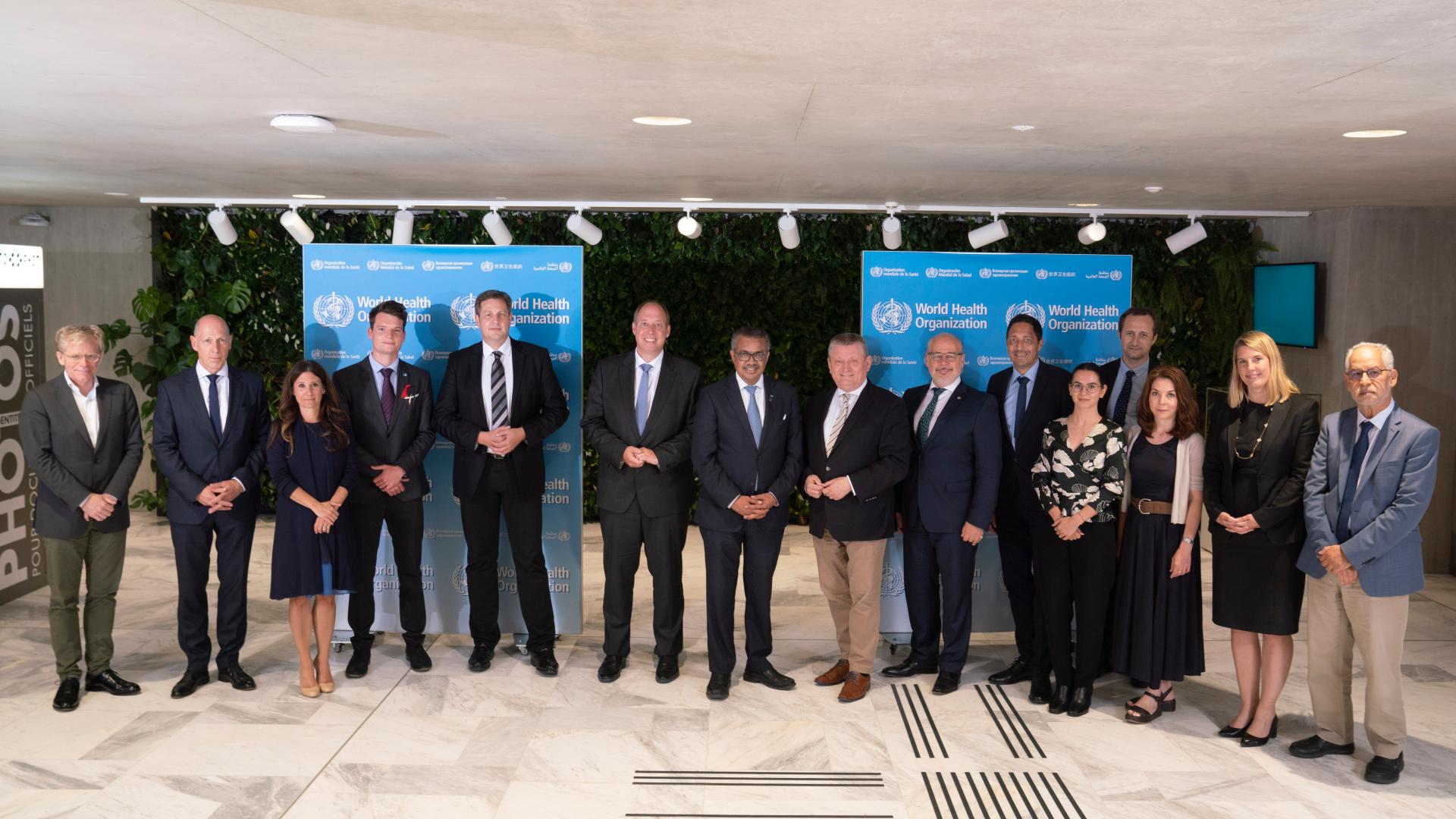
Dialogprogramm des Arbeitskreises Globale Gesundheit der Konrad-Adenauer-Stiftung in Genf

Erfahren Sie mehr über die Delegationsreise zu aktuellen Herausforderungen im Bereich Globale Gesundheit vom 7-9. Juni

Asset Publisher

Asset Publisher

Asset Publisher

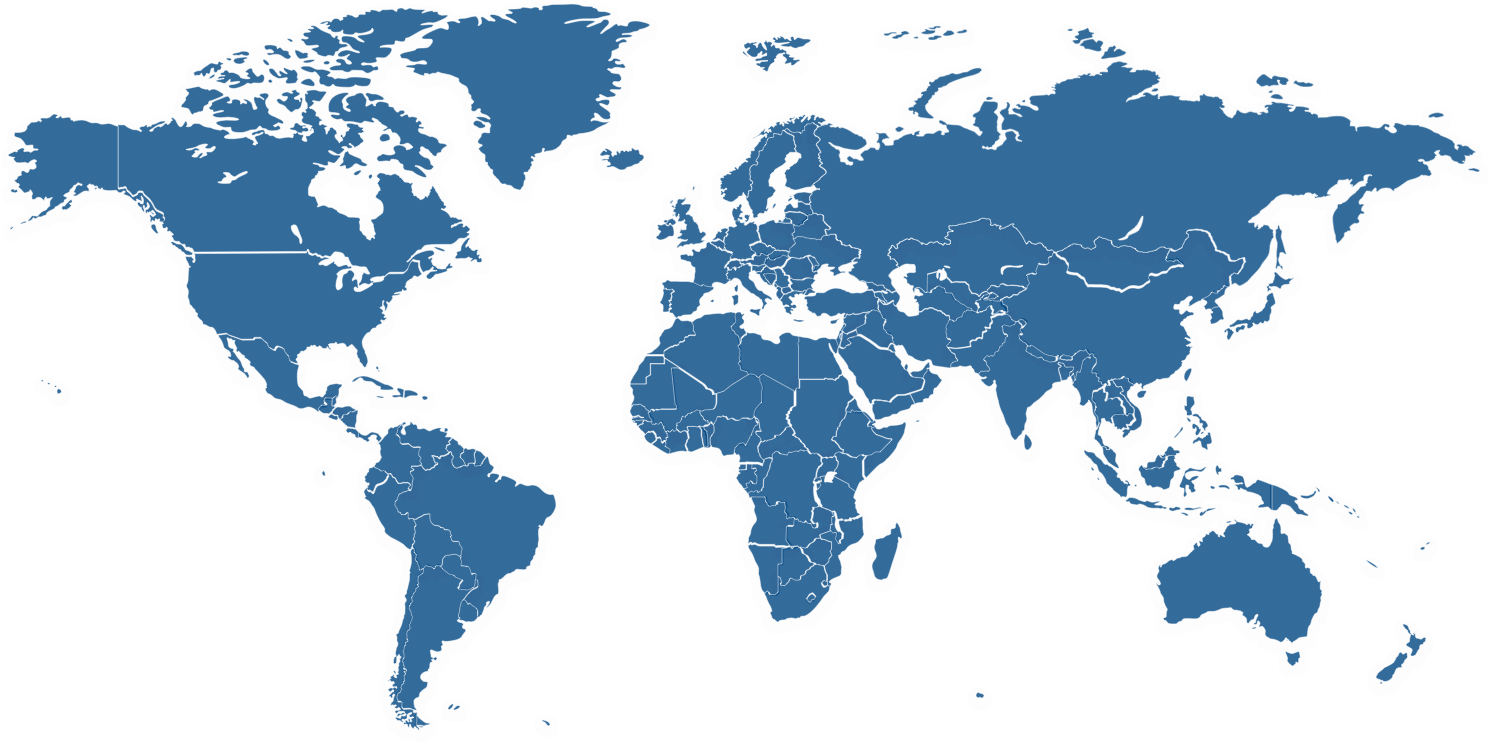
Map of the Month

The KAS Map of the Month

Publications

The new composition of the UN Human Rights Council as of 1 January 2021

Map of the Month 10/2020

On 13 October, the UN General Assembly elected 15 new member states for a period of 3 years (2021-23) into the UN Human Rights Council that consists of 47-member states. Candidates are nominated by 5 regional groups that often do not allow for selection ("clean slate"). Only the Asia Pacific group allowed for selection: China was elected, but with an all-time low of 139 votes; with only 90 votes Saudi Arabia did not make it at all. Russia and Cuba are among the newly elected members as well.

Countries participating in the COVAX Facility

Map of the Month 09/2020

To ensure a fair and equitable distribution of COVID-19 vaccines to all countries, over 170 countries have joined forces since June 2020 to form the so-called “COVAX Facility”. The goal is to procure around two billion doses of vaccines by the end of 2021. COVAX is co-led by Gavi, the Vaccine Alliance, the World Health Organization (WHO) and the Coalition for Epidemic Preparedness Innovations (CEPI). COVAX is the first procurement programme for COVID-19 vaccines that is open to all countries. The initiative allows 92 low-income countries access to vaccines funded by development aid. Other participating countries are so-called self-financing countries of higher-income countries, which support the mechanism with additional funds. Germany joined the COVAX – initiative via the EU. The following map depicts the countries that joined the initiative so far (as of September 28).

The Humanitarian Response to COVID-19

Map of the Month 08/2020

Even before the outbreak of the COVID-19 pandemic, 2020 was already being regarded as the year of the worst humanitarian crisis since World War II. Millions of people are now in danger of losing their livelihoods and of falling into poverty. The Global Humanitarian Response Plan COVID-19 (GHRP) provides an overview of the additional humanitarian requirements of all UN agencies in the context of the pandemic. Since the publication of its first edition at the end of March that asked for $2 billion for 54 countries, the requirements were strongly revised upwards within a couple of weeks. Currently, the total requirements for a total of 63 countries stand at $10.31 billion until the end of the year. So far (as of August 18) only $ 2.19 billion have been received. Experts warn that development gains of several decades are at stake if not more than the 20% that have been made available until now are provided soon. So far the US is the largest donor (with more than 100 times the amount provided by China), followed by Japan and Germany.

Criticism and support for China in the Human Rights Council

Map of the Month 07/2020

In the framework of the 44th Human Rights Council in Geneva, 27 countries supported a UK-led joint statement which heavily criticized China's actions in Xinjiang and the controversial national security law for Hongkong. However, a statement by 46 countries, led by Belarus, dismissed criticism towards China regarding Xinjiang. Another statement, presented by Cuba and backed by 53 countries defended the national security law for Hongkong. The following map illustrates which countries supported the respective statements.

Showing 101 to 104 of 113 entries.

Asset Publisher

Geneva Telegram

PABS Annex to the WHO Pandemic Agreement: IGWG7 brings competing System Models on the Table

Two concrete proposals are on the table for structuring access to pathogen materials and sequence information and the associated sharing of benefits.

View details

Asset Publisher