





The adoption of Resolution 2797 on the Western Sahara conflict by the United Nations Security Council marks a significant turning point in the decades-long dispute. For the first time, the Council explicitly refers to Morocco’s 2007 autonomy plan as a realistic and credible basis for a political solution, indicating a shift in the UN’s traditional approach. The resolution renews the mandate of the UN Mission for the Referendum in Western Sahara (MINURSO) until October 2026 but omits any reference to an independence referendum, signaling an evolution in the international discourse on the issue.
The initiative, introduced by the United States as penholder, passed with 11 votes in favor, three abstentions (China, Russia, and Pakistan), and no vetoes. Algeria did not participate in the vote. In Morocco, the decision was broadly welcomed as a diplomatic success, while other stakeholders expressed varying reactions to the new direction of the UN process.
Resolution 2797 aims to revitalize UN-led negotiations and to promote a mutually acceptable political settlement. It also reflects shifting international alignments, with growing support for the autonomy framework among several Western, Arab, and African states. The decision may further influence EU–Morocco relations by helping to address long-standing legal and political challenges related to the territory’s status.
Despite renewed diplomatic momentum, the prospects for a comprehensive settlement remain uncertain. The coming months, particularly the UN’s strategic review of the MINURSO mandate in April 2026, will be decisive in assessing whether the new framework can generate substantive progress and peace.
The full country report is only available in German.

Media library
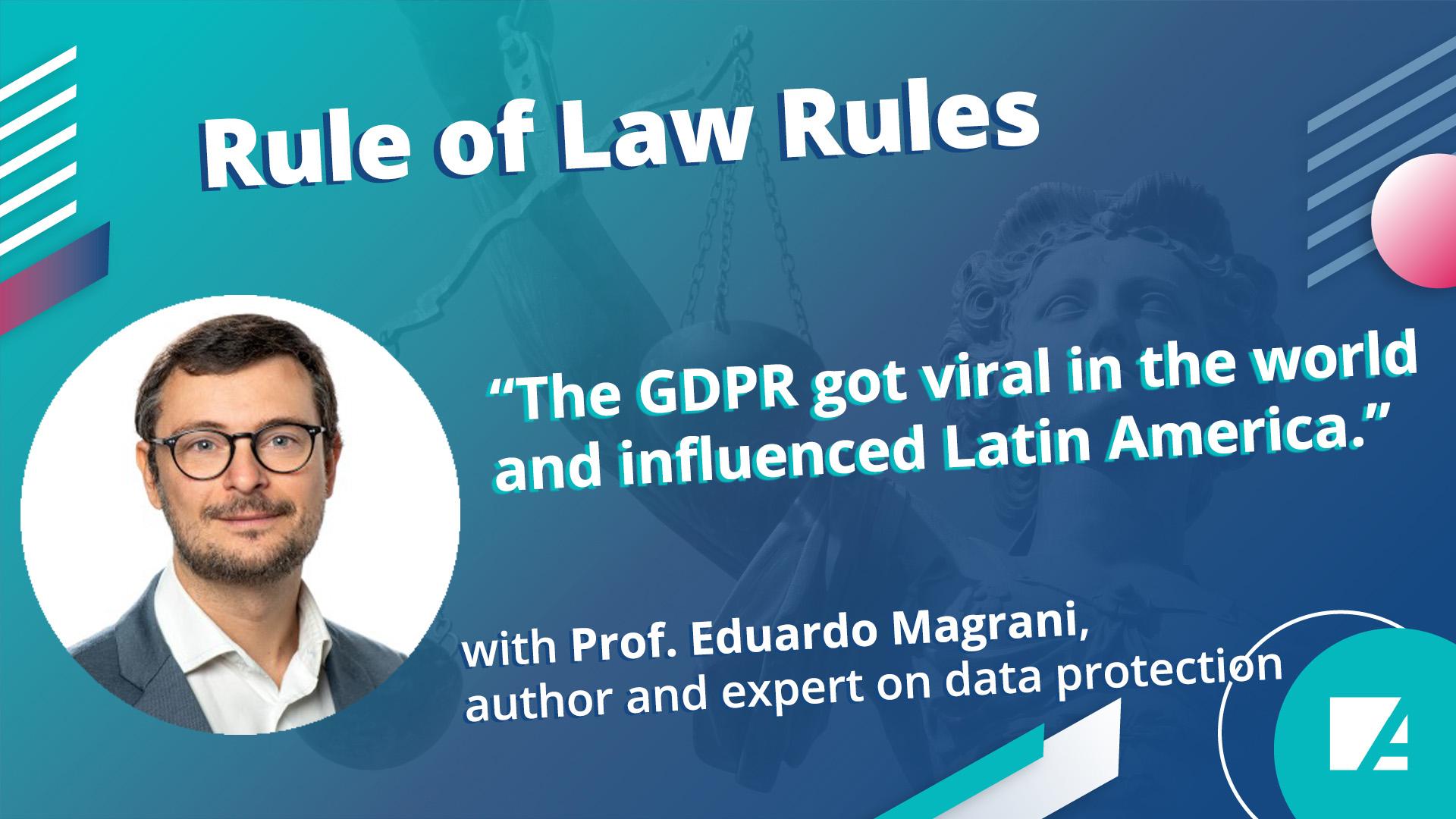
#3: Eduardo Magrani on Data Protection in Latin America
We speak with Eduardo Magrani about the General Data Protection Regulation and its influence in Brazilian and Latin American legal framework.
Read now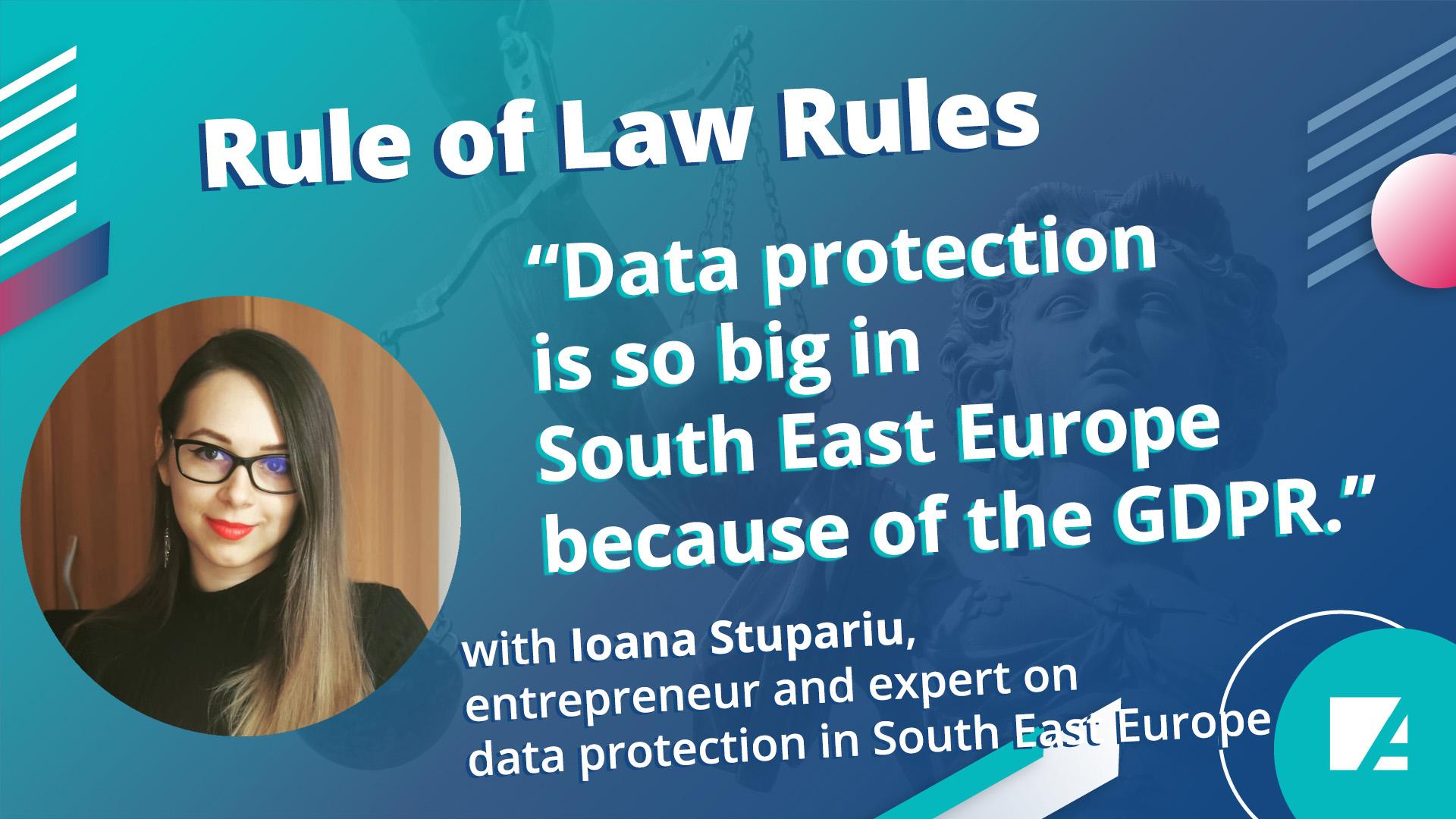
#2: Ioana Stupariu on the GDPR's influence in South East Europe
Ioana Stupariu works with tech and healthcare start-ups and companies across Central and Eastern Europe. And she researches on Data protection & Privacy.
Read now