Visit us also at
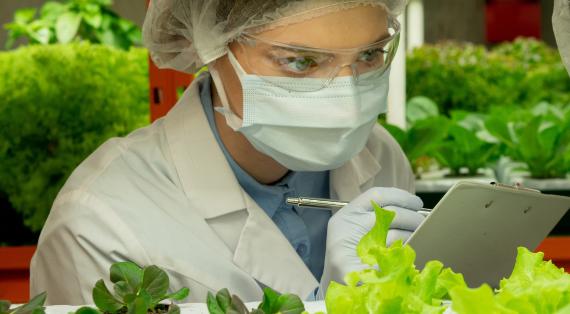
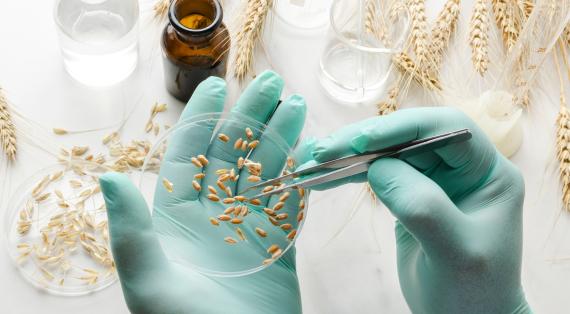
In July 2023, the European Commission is expected to present a revised directive on genetically modified plants. The new breeding techniques have so far been classified as genetically modified organisms (GMOs) by the ECJ's 2018 ruling and regulated accordingly. In this interview, Christopher Sieler, Head of Government & Public Affairs Germany for Syngenta, explains the potential of the new breeding techniques and shows why new business areas are also opening up for small and medium-sized companies.
In July 2023, the European Commission is expected to present a revised directive on genetically modified plants. The new breeding techniques have so far been classified as genetically modified organisms (GMOs) by the ECJ ruling from 2018 and regulated accordingly. Why should the new breeding techniques be removed from the strict GMO definition? Can these techniques make an important contribution to sustainable agriculture?
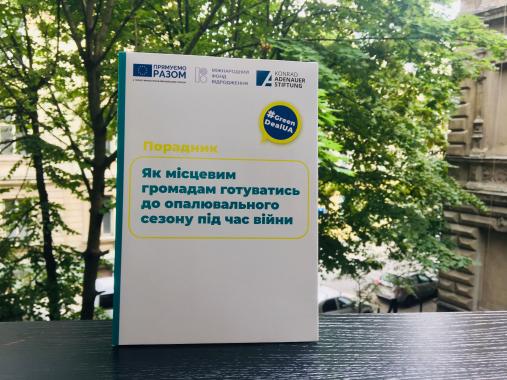
До старту Європейських Днів сталої енергії, що триватимуть в Україні до кінця червня, ФКА підтримав друк Порадника «Як місцевим громадам готуватись до опалювального сезону під час війни», у якому Асоціація «Енергоефективні міста України» зібрала практичні поради для забезпечення стійкості громад в умовах повномасштабної війни і обмеженого постачання енергоресурсів.
10 years ago, Vietnam's first earth observation satellite VNREDSAT-1 was launched into orbit with French-European support - a milestone for the emerging Southeast Asian country
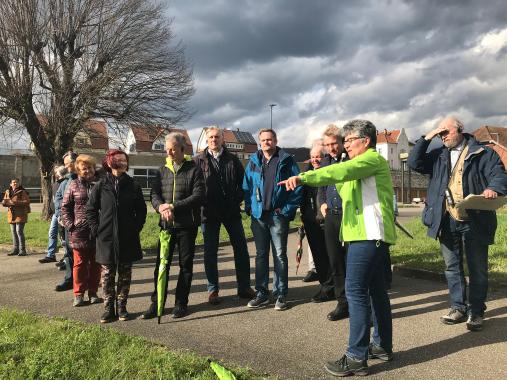
Was ist eigentlich "die Energiewende" und wie kann sie vor Ort gelingen? Nach einer Führung durch das Wasserkraftwerk Wyhlen referierte Bürgermeister Dr. Tobias Benz über die Umsetzung der Energiewende am Beispiel seiner Kommune. Zahlreichen Möglichkeiten stehen noch mehr gesetzliche Hürden entgegen.
Against the backdrop of the war, our core themes - security, innovation and representation and participation - have once again proven their worth in the past year. They have given our work the necessary orientation in turbulent times. We were able to sharpen our positions and communicate them to the public in a targeted manner.
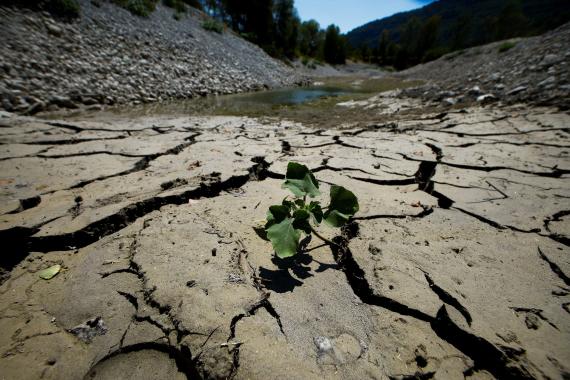
This year's United Nations World Water Day on March 22nd took place under the slogan "Accelerating Change" and called for an acceleration and intensification of efforts towards sustainable water use at all levels - nationally and internationally. On 15 March 2023, the Federal Cabinet adopted the Federal Government's National Water Strategy: In view of the consequences of climate change, the Federal Government intends to initiate a "water turnaround" by focusing on ten strategic themes to accelerate the transformation in the water sector.
New virtual communication spaces such as the Metaverse enable even better immersion in a fictitious, yet very real, environment. In this environment, there is an even stronger mixing of entertainment and information. Therefore, disinformation as well as manipulation can be absorbed more intensively there. What exactly do we have to adjust to with this technology and how can disinformation be countered in these communication spaces?
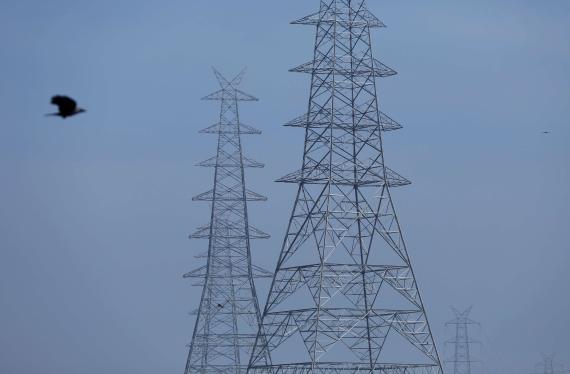
War in Ukraine, reduction of CO2 emissions, phasing out lignite; these are all keywords in the prevailing debates when it comes to energy supply in Europe. In the last two years, the way energy was used for electricity, heat and transport has been fundamentally changed. In the future, we will have to find new ways of producing and generating energy and prepare ourselves for a new era. Greece and the Eastern Mediterranean can play an important new role in this, to the benefit of the whole of Europe.
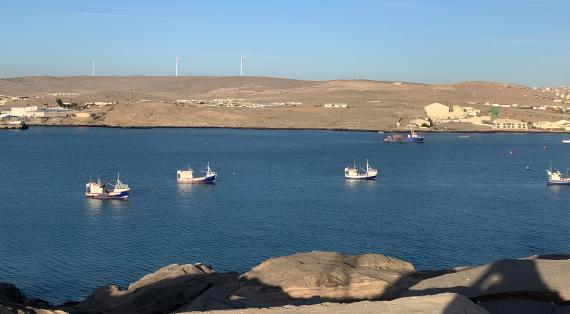
By implementing its plans for becoming a leading producer of green hydrogen, Namibia has the potential to kickstart its economy, create jobs nad help fight climate change. International partnerships, investment and know-how are key to making this long-anticipated hope a reality.