 KAS Kroatien-Slowenien
 KAS Kroatien-Slowenien
 KAS Kroatien-Slowenien
KAS Kroatien-Slowenien
KAS Kroatien-Slowenien
KAS Kroatien-Slowenien
KAS Kroatien-Slowenien
KAS Kroatien-Slowenien
KAS Kroatien-Slowenien
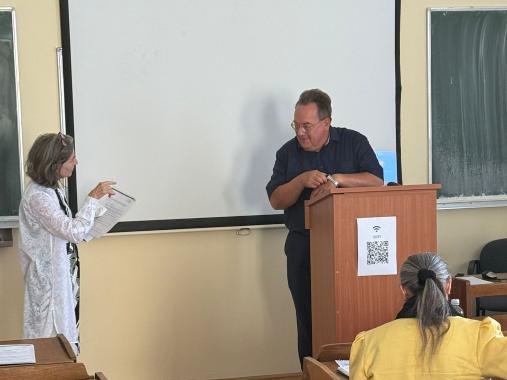
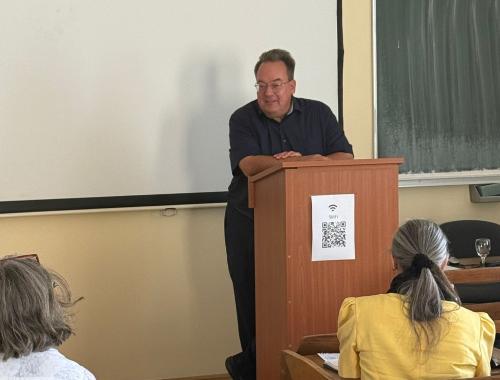
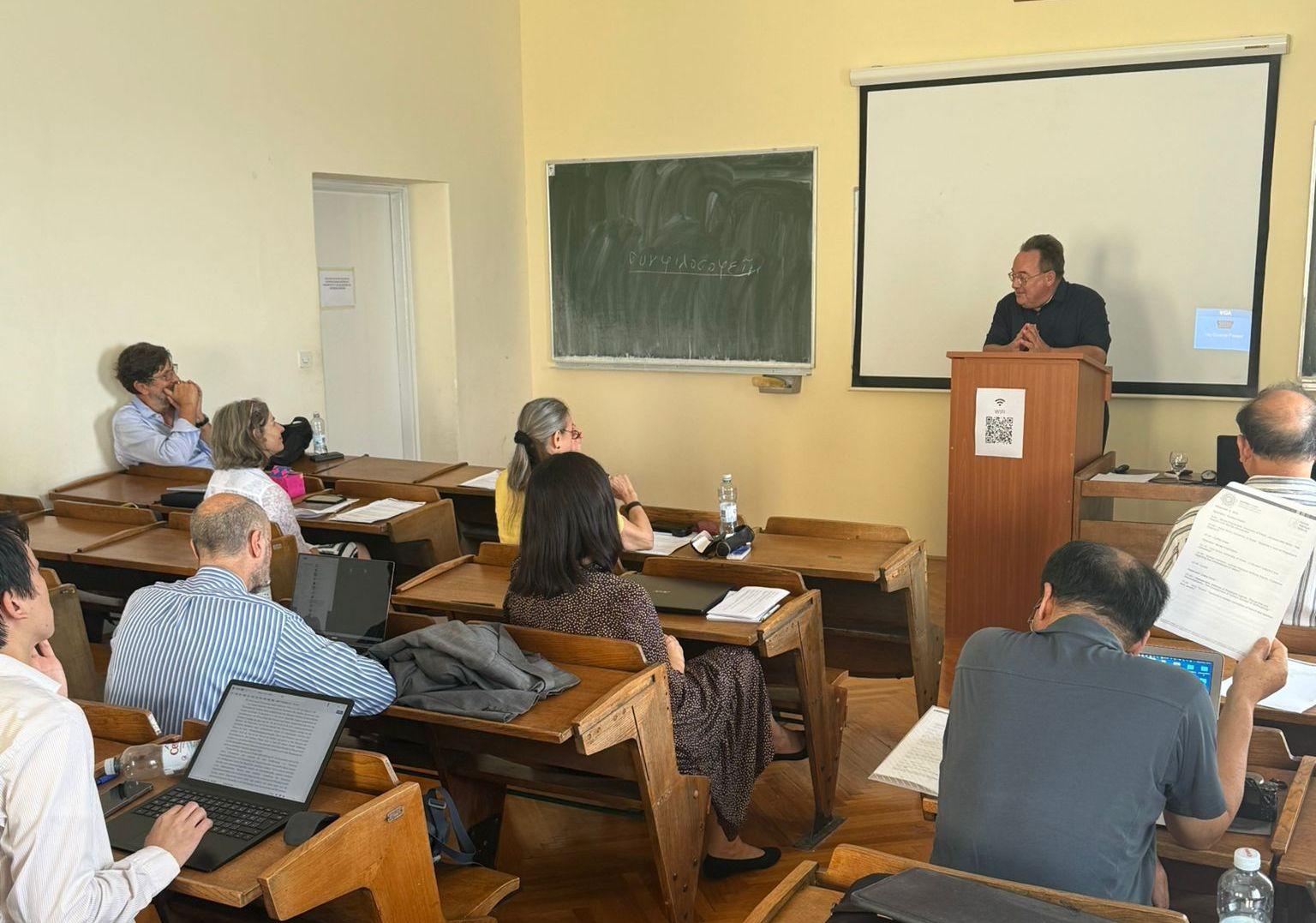
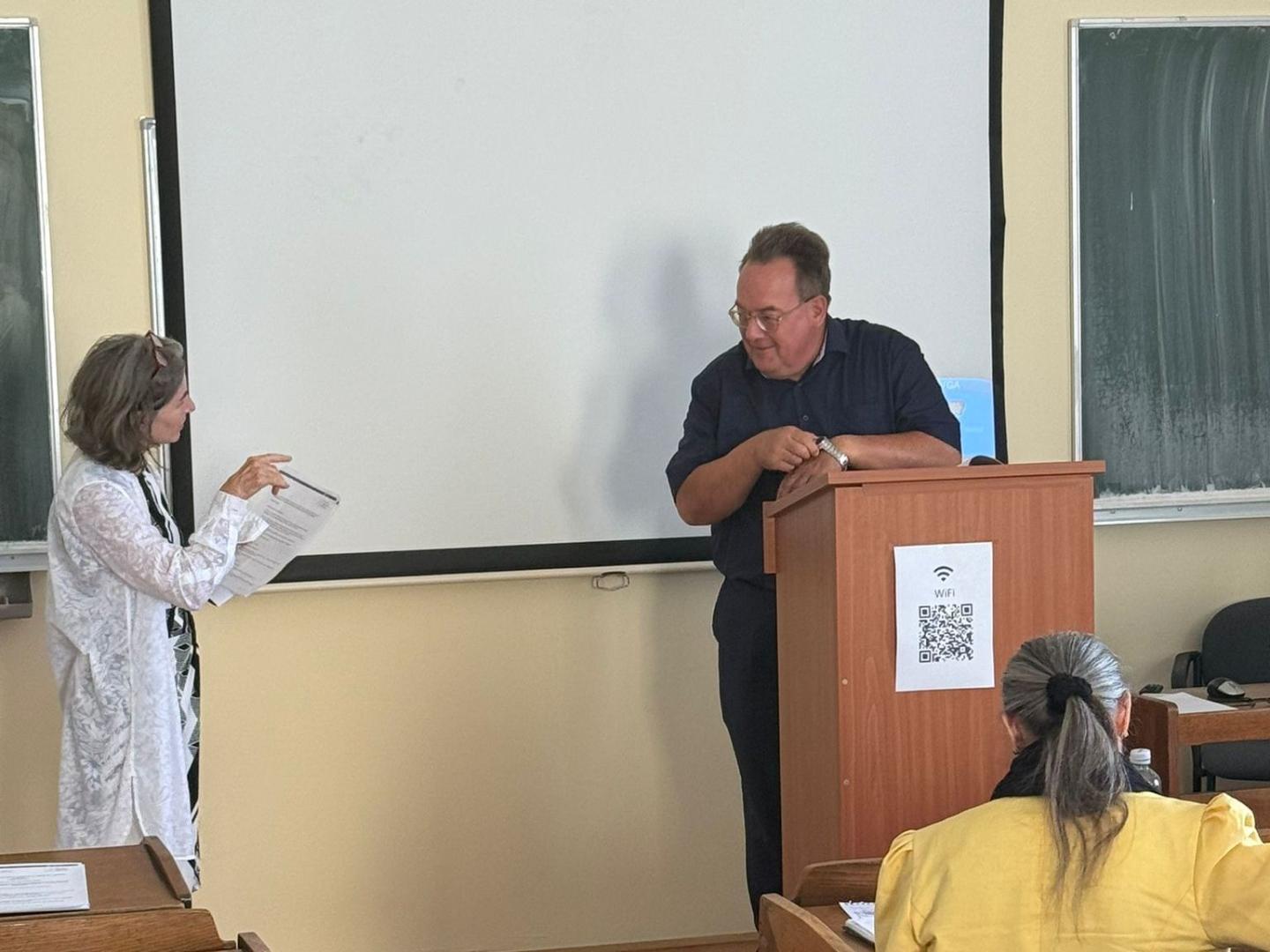
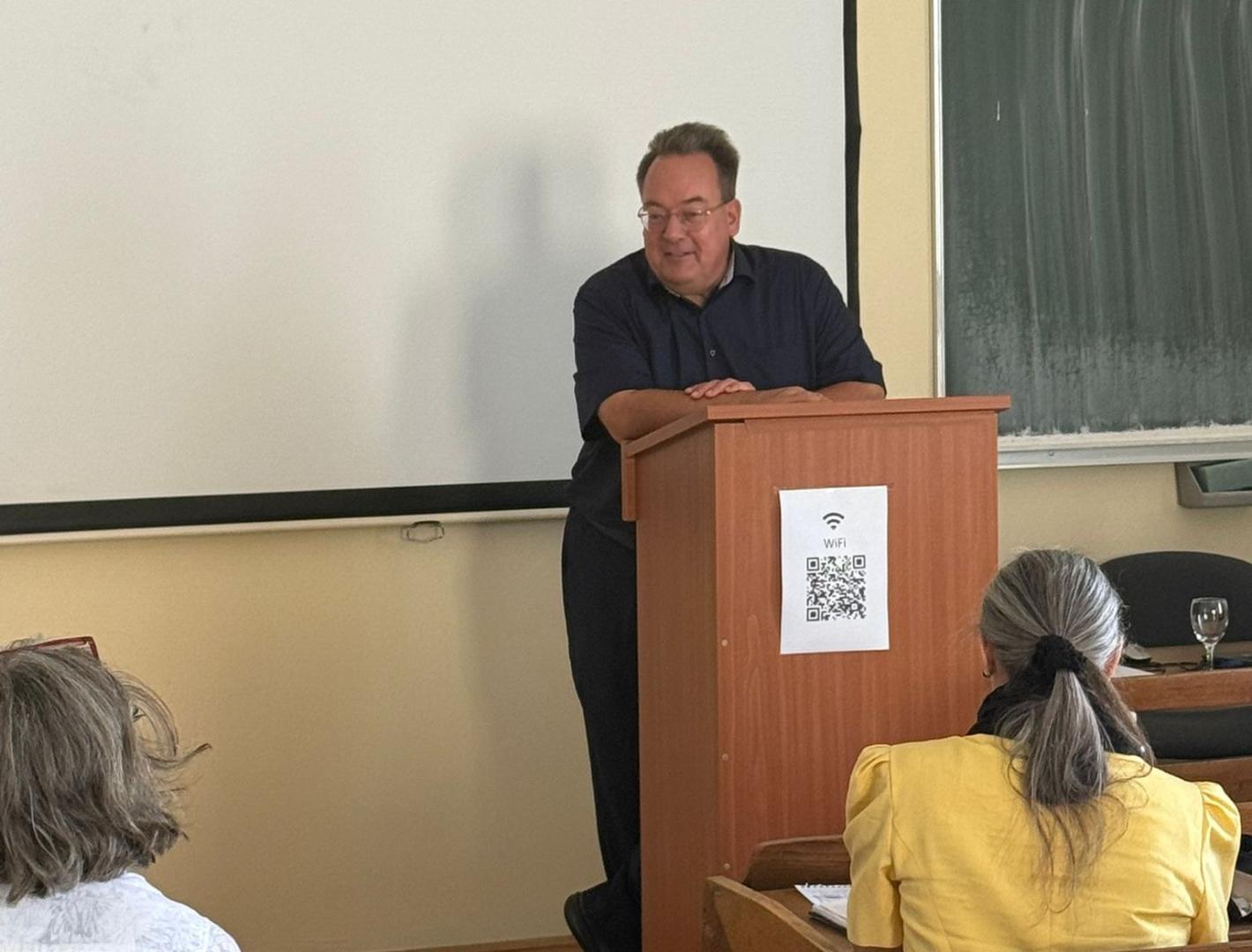
During the three-day conference, international experts engaged intensively in numerous presentations on the question of how consensus and intersubjectivity can be understood in science, politics, and society. Renowned scholars from Germany, Austria, Italy, Croatia, and China enriched the interdisciplinary program with diverse perspectives.
The range of topics extended from fundamental philosophical questions and hermeneutic interpretations to current debates on democracy, education, and cultural identity. A particular focus was placed on the role of consensus in history, medicine, and the arts. Toward the end of the conference, contributions focused on the significance of prejudice in judgment, the concept of prompting in Fichte, and Leonardo’s understanding of nature. On the final day, the works of Derrida, Levinas, Spinoza, and Kant were discussed, along with their relevance for the formation of national identity.
Although philosophy is often perceived by many as a rather abstract discipline, the event demonstrated the great relevance of philosophical theories and reflections in today’s politically turbulent world. Careful and thorough consideration of problems, which philosophy encourages, is helpful in addressing current societal conflicts worldwide and – as this conference showed – would be particularly valuable for politicians.