








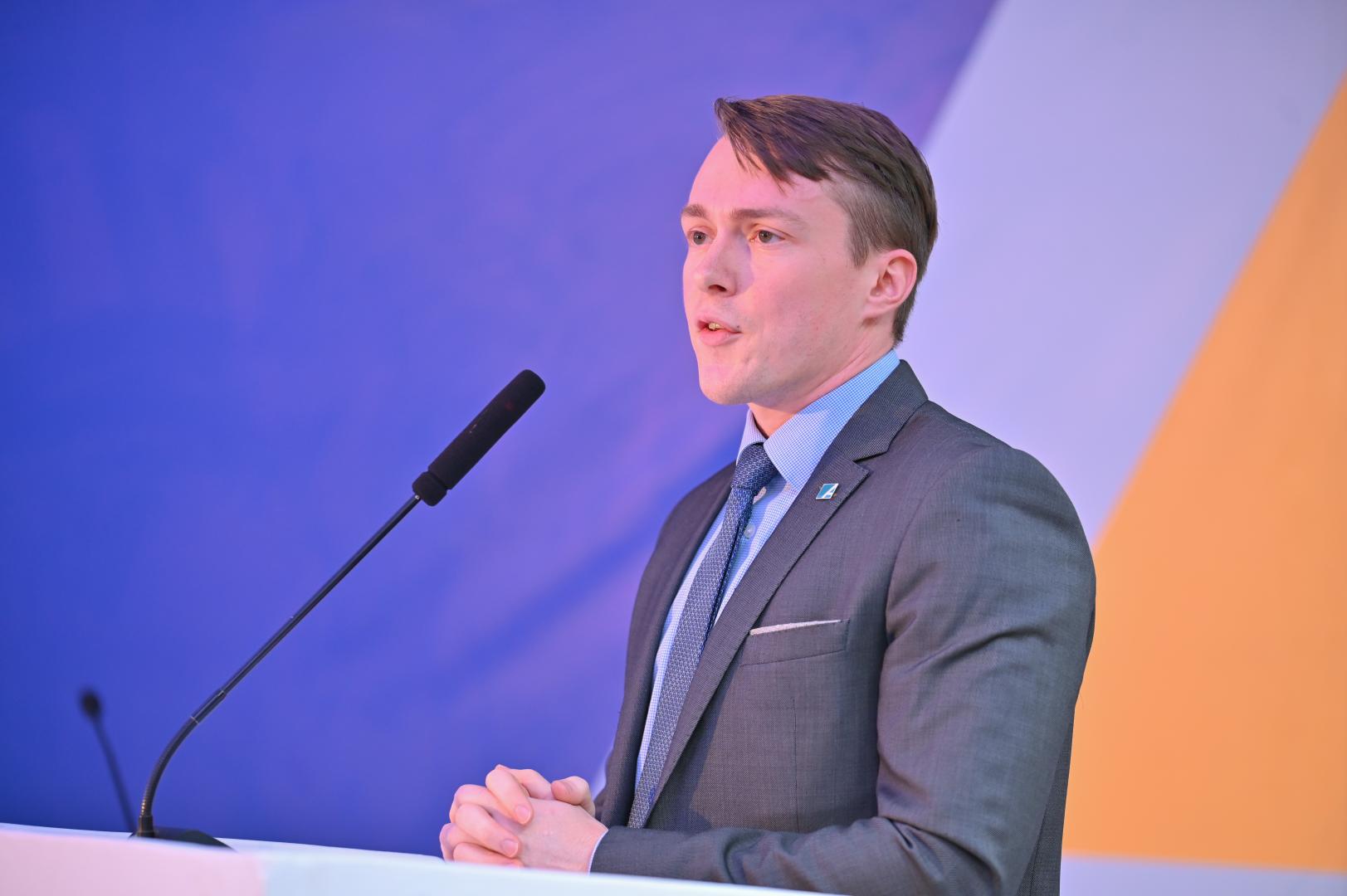
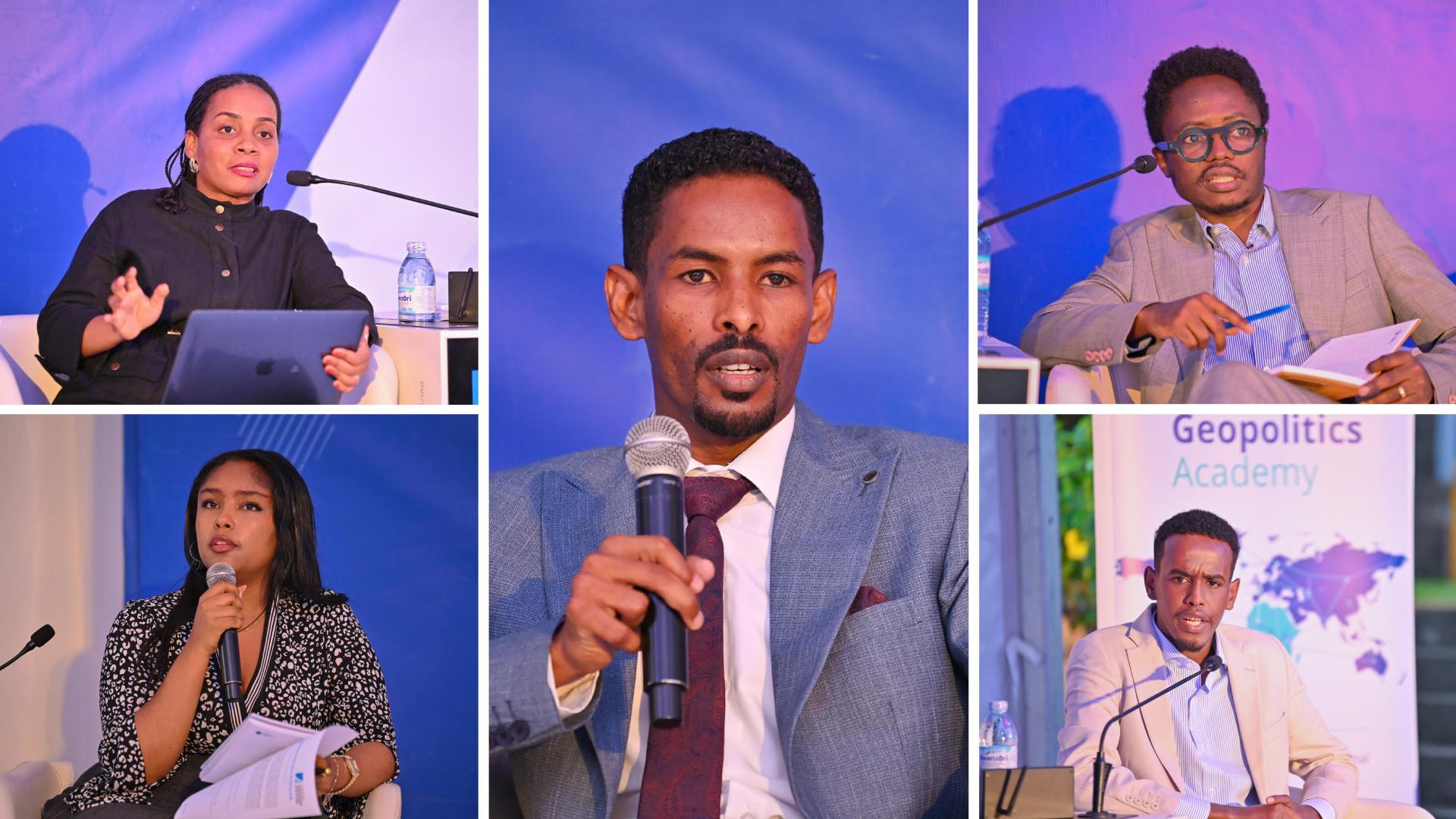
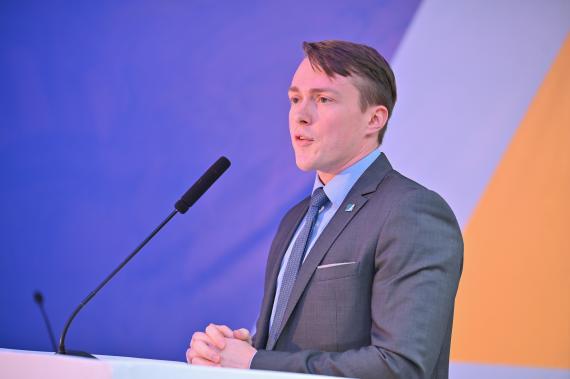
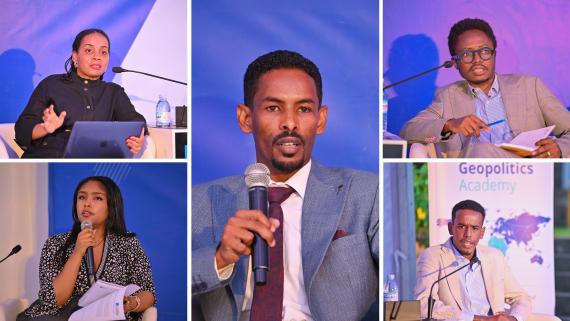
The event began with welcoming remarks from Jan-Ole Voss, Director, KAS RP SIPODI East Africa, who expressed gratitude to the numerous participants for their attendance. A panel discussion then followed, moderated by Meron Gebeyehu Damtew, Multilateral Affairs Officer at the Institute of Foreign Affairs, Ethiopia. The panel consisted of four policy and security experts from East African countries that were concurrently participating in the Kampala Geopolitics Academy 2026.
The first input was given by Hassan Hamid, a Sudanese Political and Strategic Analyst, who gave a highlight of the Sudanese civil war. He emphasised the disastrous humanitarian consequences of the war, which forced around 14 million people to flee their homes since the beginning of the conflict in April 2023. He however noted that the Capital Khartoum was slowly returning to normalcy and that institutions of the Transitional Sovereignty Council (TSC) and diplomatic missions had also resumed their operating from the Capital.
Reagan El Kambale Miviri, Senior Conflict Analyst, Ebuteli Research Institute, then gave his assessment on security developments in the Democratic Republic of Congo (DRC). Reagan highlighted the multidimensional aspect of the current crisis in the DRC. He explained that the crisis has security, economic and ethnic dimensions, owing to the multiplicity of rebel movements in Eastern Congo, conflict of access to minerals and control of mines and marginalisation of some ethnic groups.
Melanie Alexandra Ribeiro de Aguiar Cipriano, Lecturer, Centre for International and Strategic Studies, Joaquim Chissano University, Maputo, also gave an input in regard to the Islamist insurgency in northern Mozambique. Melanie emphasised that the Mozambican armed forces still rely on external military assistance to contain the insurgency and have not developed adequate capacities to take over the security roles. She also noted that the insurgency is fuelled by a sense of marginalisation of the local population in northern Mozambique who claim not to benefit from revenues from liquefied natural gas (LNG) projects in the area.
The final input came from Mustafa Osman Farah, Programme Manager, Balqiis Insights, Somalia. Mustafa’s analysis focused on al-Shabaab’s insurgency and regional counterterrorism measures. He warned that al-Shabaab’s insurgency might spill-over into neighbouring countries and therefore advocated for a deepening of regional efforts and cooperation in combating the terrorist group. Mustafa also outlined increasing maritime security threats off Somalia’s coastline, such as piracy and maritime terrorism.
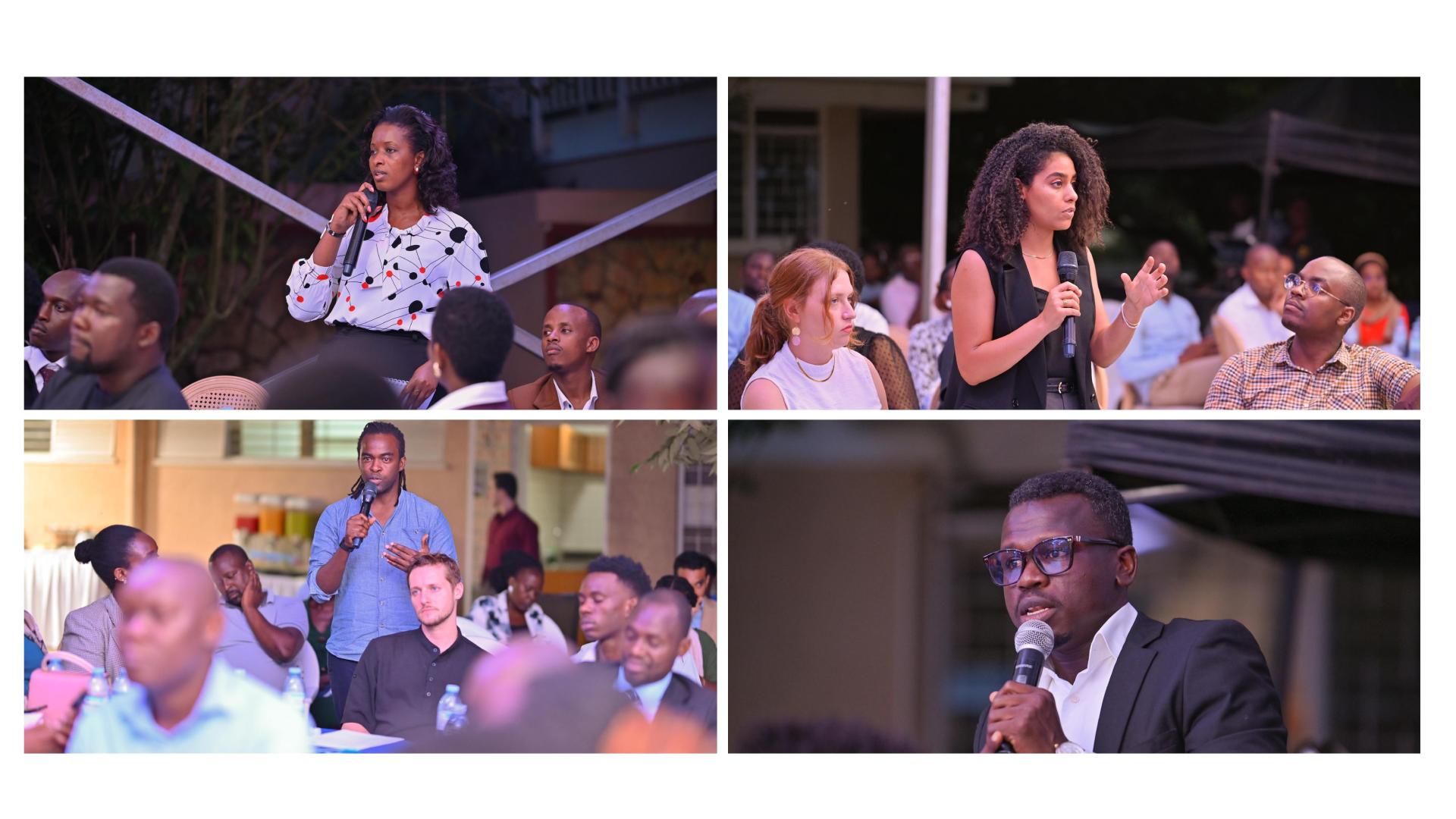
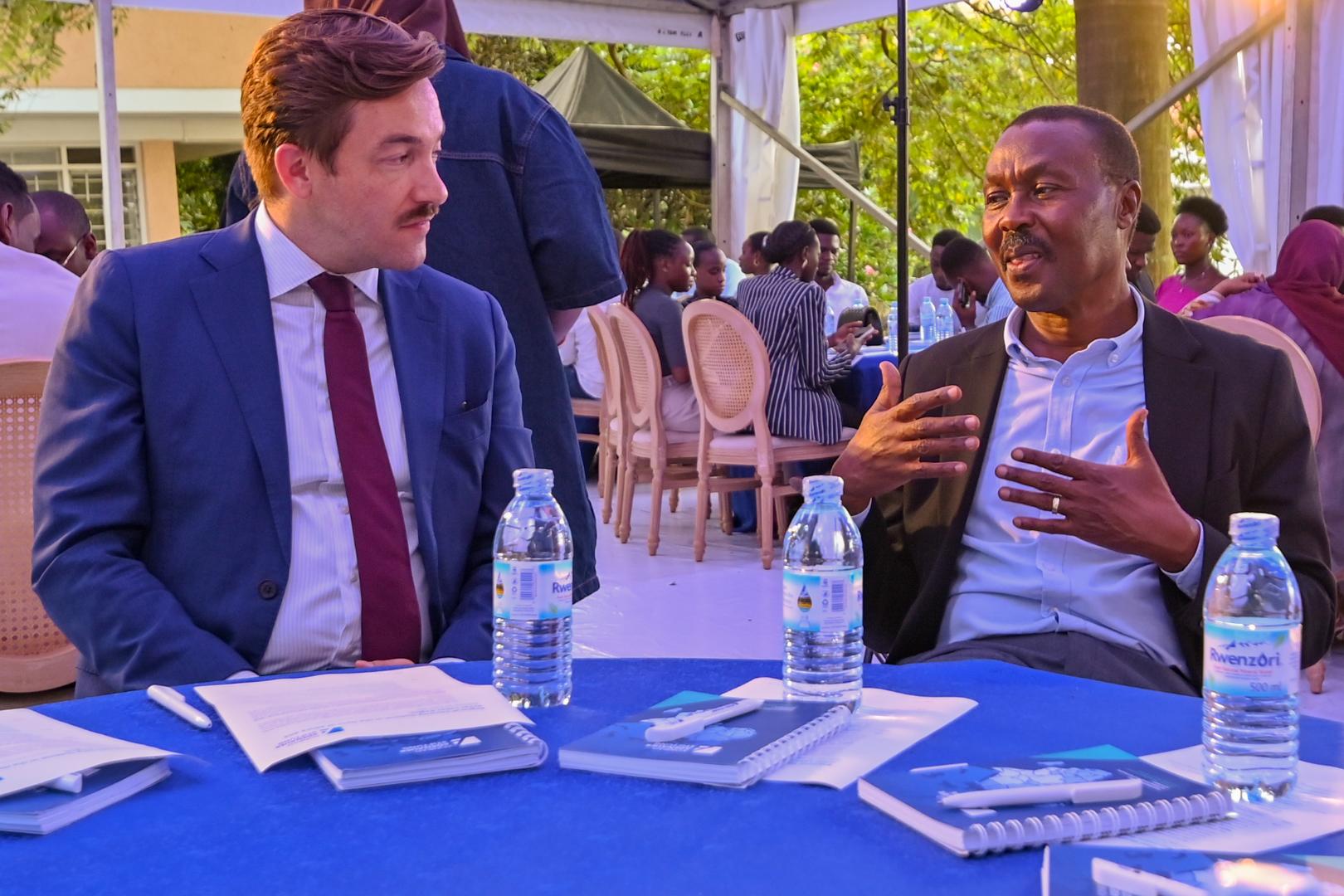
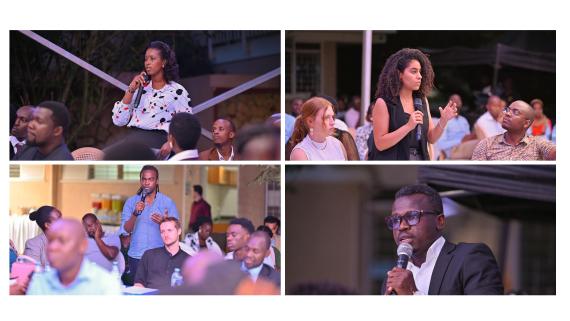
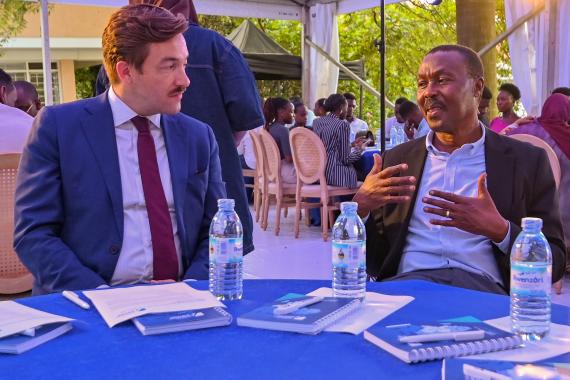
The discussion was followed by a question-and-answer session that also engaged the audience. In his closing remarks Jan-Ole Voss thanked the panellists for their interesting inputs and the audience for its active participation and welcomed them to a dinner and networking session.

About this series
The Konrad-Adenauer-Stiftung, its educational institutions, centres and foreign offices, offer several thousand events on various subjects each year. We provide up to date and exclusive reports on selected conferences, events and symposia at www.kas.de. In addition to a summary of the contents, you can also find additional material such as pictures, speeches, videos or audio clips.