








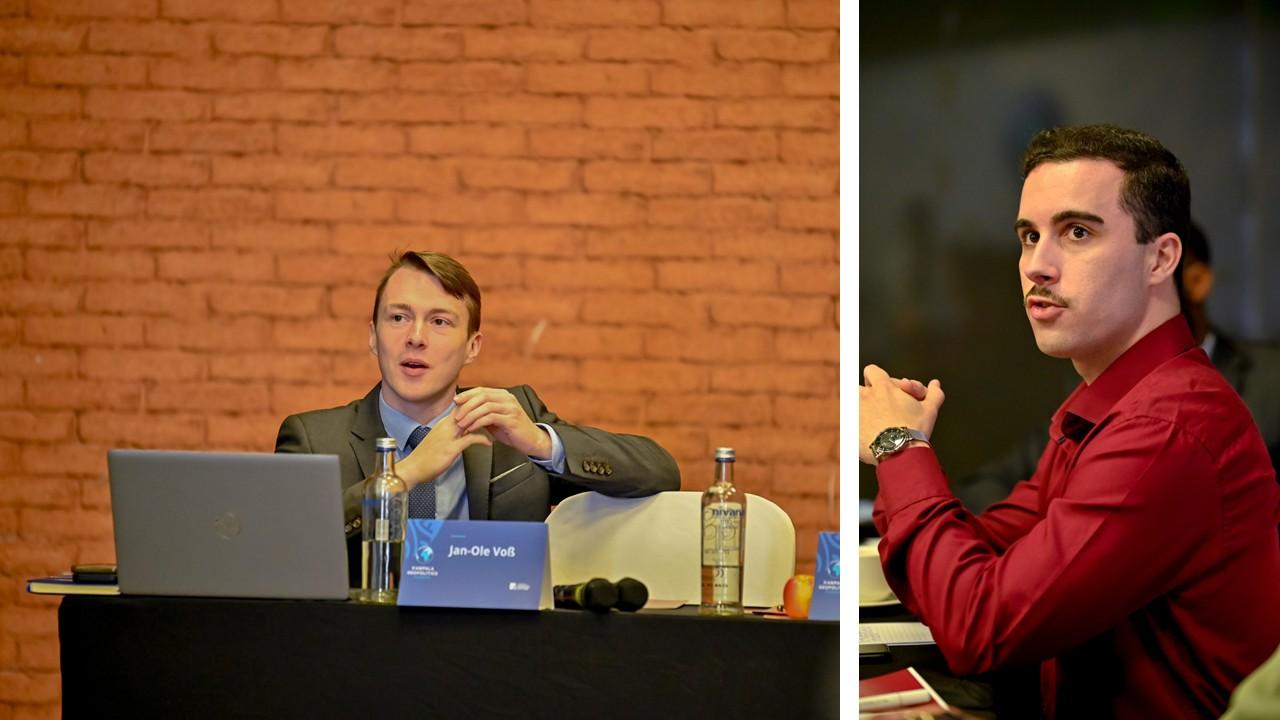
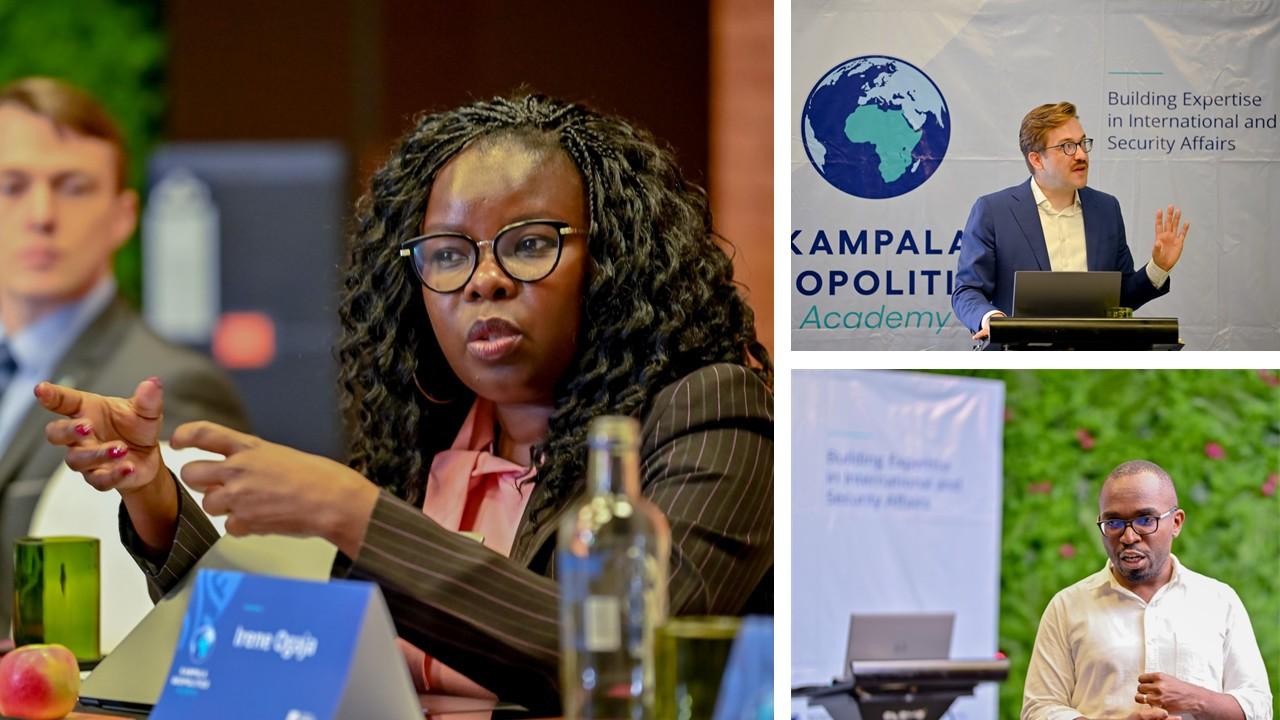
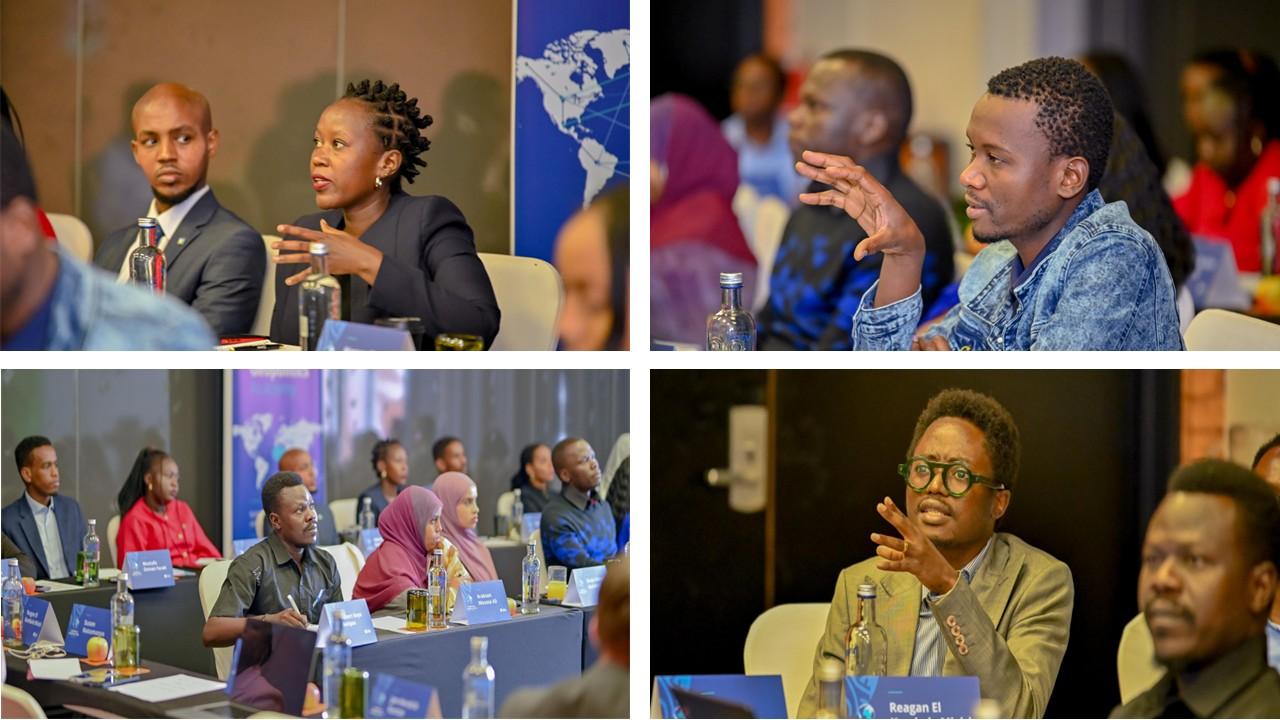
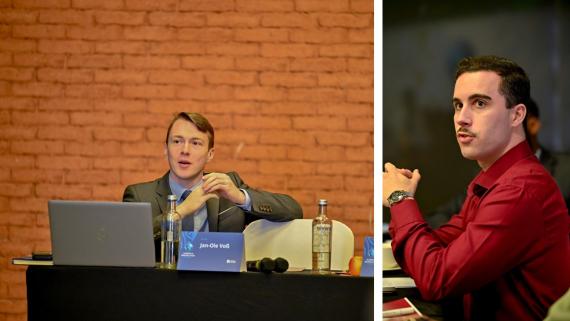
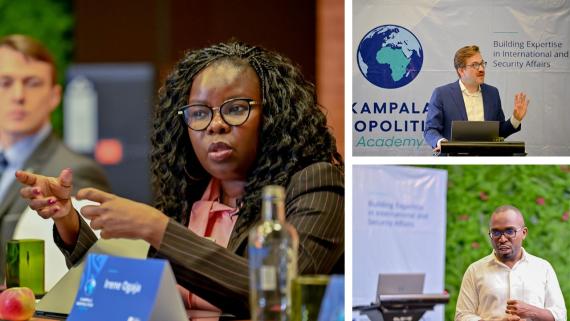
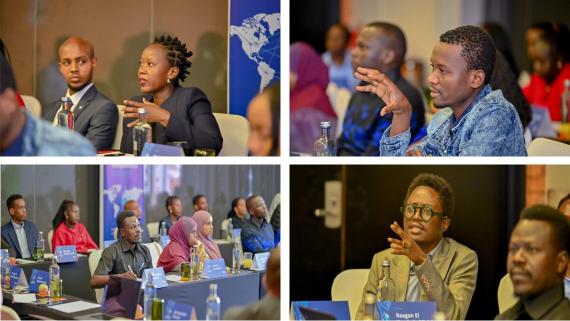
For the third time, RP SIPODI East Africa brought together in Kampala young professionals and experts in the fields of international politics, security, and diplomacy. The academy aims to shape a better understanding of international and security affairs in a globalized world. It was designed to strengthen participants' capacity for critical analysis and to contextualize African perspectives within global frameworks. The academy comprised a series of lectures, workshops and open discussions
On 25 August, Jan-Ole Voß, Director at RP SIPODI East Africa, officially opened the Kampala Geopolitics Academy (KGA). In his welcome remarks, he gave an in-depth introduction to the work and history of the Konrad-Adenauer-Stiftung. Over the course of the week, participants engaged in a wide range of topics spanning from geopolitics, economic security, digital sovereignty, multilateralism, and to the evolving role of Africa in global affairs.
The lecture by Jan-Ole Voß and Karl Wiesemeyer, Programme Manager, RP SIPODI East Africa, explored Germany’s evolving Africa Strategy, highlighting a shift from a predominantly aid-focused approach toward partnerships based on mutual interests and strategic priorities. They emphasized how Germany is increasingly focusing on trade and investment, energy and security partnerships; while responding to growing competition from global actors such as China, Russia, the United States, and the Gulf states.
The second session, facilitated by Angelo Izama, Economist and Political Analyst, examined how critical minerals, global supply chains, and energy systems have increasingly become areas of geopolitical competition. He highlighted countries’ including United States of America, China, and Russia’s growing efforts to secure access to critical resources especially lithium, cobalt, and rare earth elements. He also emphasized how this shift has transformed economic relations from a focus primarily on trade and cooperation toward strategies centred on supply-chain diversification, and national security.
On 26 August 2026, Jan-Hendrik Kuntze, Senior Policy Advisor, CDU/CSU Parliamentary Group in the Bundestag, examined the concept of digital sovereignty and the importance of securing African and European agency in the age of artificial intelligence. During his presentation, he highlighted concerns around dependence on foreign technology providers, data ownership, digital infrastructure, cybersecurity, and the growing influence of global technology companies. The discussion emphasised the importance of building local digital capacity, investing in skills and infrastructure, establishing effective AI governance frameworks, and strengthening Africa–Europe cooperation to ensure that both regions can shape technological development in ways that protect their interests, values, and strategic autonomy.
Daniel Bwambale, Regional Political Analyst, later discussed the topic, “Geography as Power: Ports, chokepoints, and the maritime contest for East Africa.” He examined the strategic importance of East Africa’s coastline, ports, and major maritime routes in shaping regional and global geopolitics and highlighted how control and access to key ports and chokepoints influence trade, energy security, military operations, and economic connectivity. The discussion also explored growing competition among regional and global powers for influence over East Africa’s maritime infrastructure, while highlighting the opportunities and risks this creates for the region’s economic development, security, and strategic autonomy.
The sessions on 27 August 2026 by Irene Ogaja, Assistant Conflict Analyst, Eastern Africa Standby Force, on “African Multilateralism Under Stress” and “The Future of Peacekeeping in Africa” examined the evolving role of African institutions and countries in responding to regional security challenges amid increasing great-power competition. The discussions highlighted the roles of the African Union (AU) and Intergovernmental Authority on Development (IGAD) in promoting peace, security, regional cooperation, and conflict resolution, while noting the challenges posed by political divisions, limited resources, and competing external interests. The sessions also explored the changing nature of peacekeeping in Africa, with Uganda presented as a case study of a security exporter due to its active contribution of troops and security capabilities to regional peace operations. Overall, the discussions emphasised the importance of strengthening African-led security mechanisms and enhancing the continent’s capacity to address its own peace and security challenges.
Finally, on 28 August 2026, Prof Phillip Kasaija Apuuli, Department of Political Science and Public Administration, Makerere University, enriched the academy with sessions which examined Turkey’s growing engagement in Africa and the implications of expanding global partnerships for African agency. Turkey’s African Pivot session explored how Ankara combines soft power—including diplomacy, education, humanitarian assistance, and cultural engagement—with strategic economic and security partnerships, with Somalia serving as a key case study of this approach. The discussions also examined BRICS expansion and the idea of African multipolarity, focusing on Ethiopia’s membership and what it means for the continent’s ability to diversify its international partnerships.
A policy workshop enabled participants to apply the analytical tools acquired throughout the week. Working in groups, they developed and gave presentations on policy recommendations on contemporary security and geopolitical challenges, drawing on the various themes discussed during the academy.
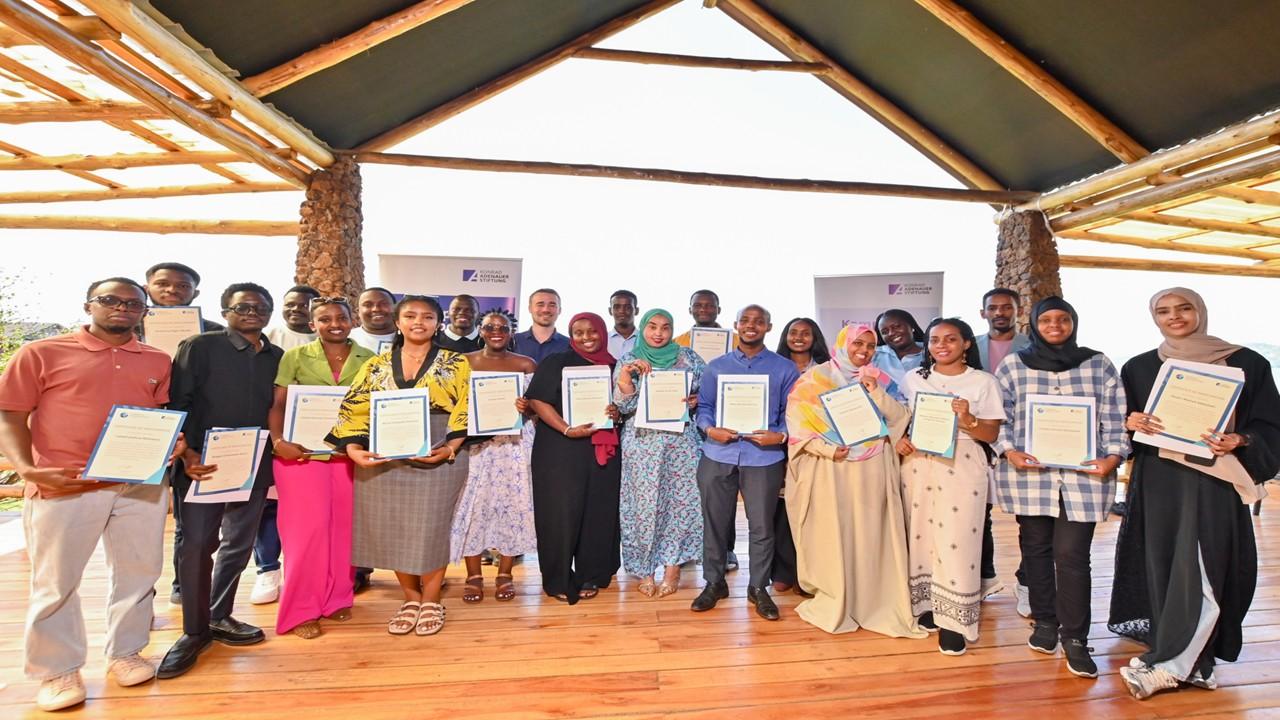
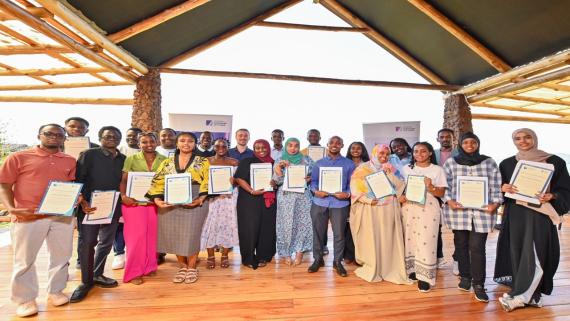
The Kampala Geopolitics Academy 2026 concluded on August 29, with participants presenting their policy briefs, followed by a wrap-up and feedback session at Kalanoga Resort in Busabala. The programme concluded with the presentation of certificates of participation to the participants.

About this series
The Konrad-Adenauer-Stiftung, its educational institutions, centres and foreign offices, offer several thousand events on various subjects each year. We provide up to date and exclusive reports on selected conferences, events and symposia at www.kas.de. In addition to a summary of the contents, you can also find additional material such as pictures, speeches, videos or audio clips.