








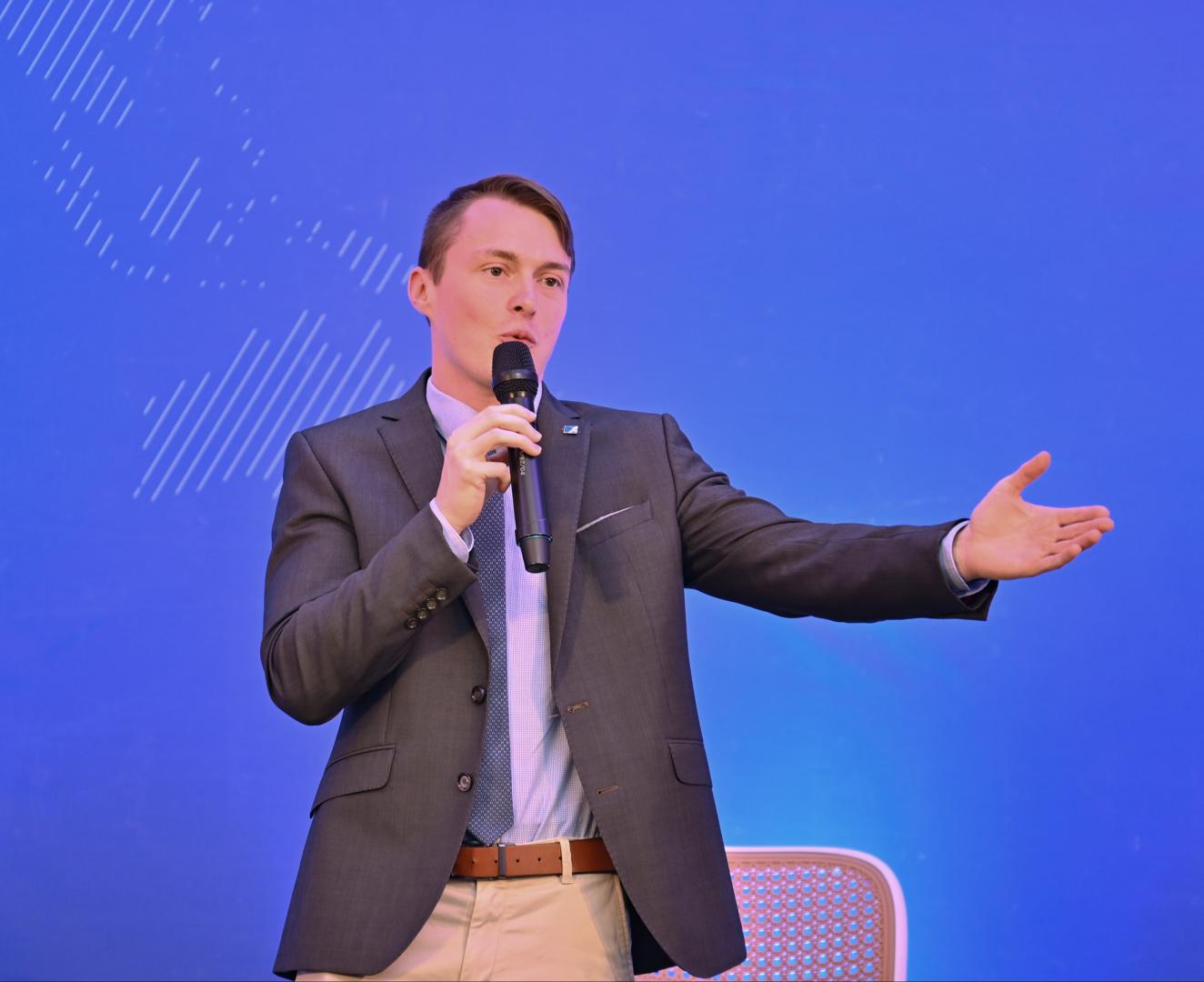
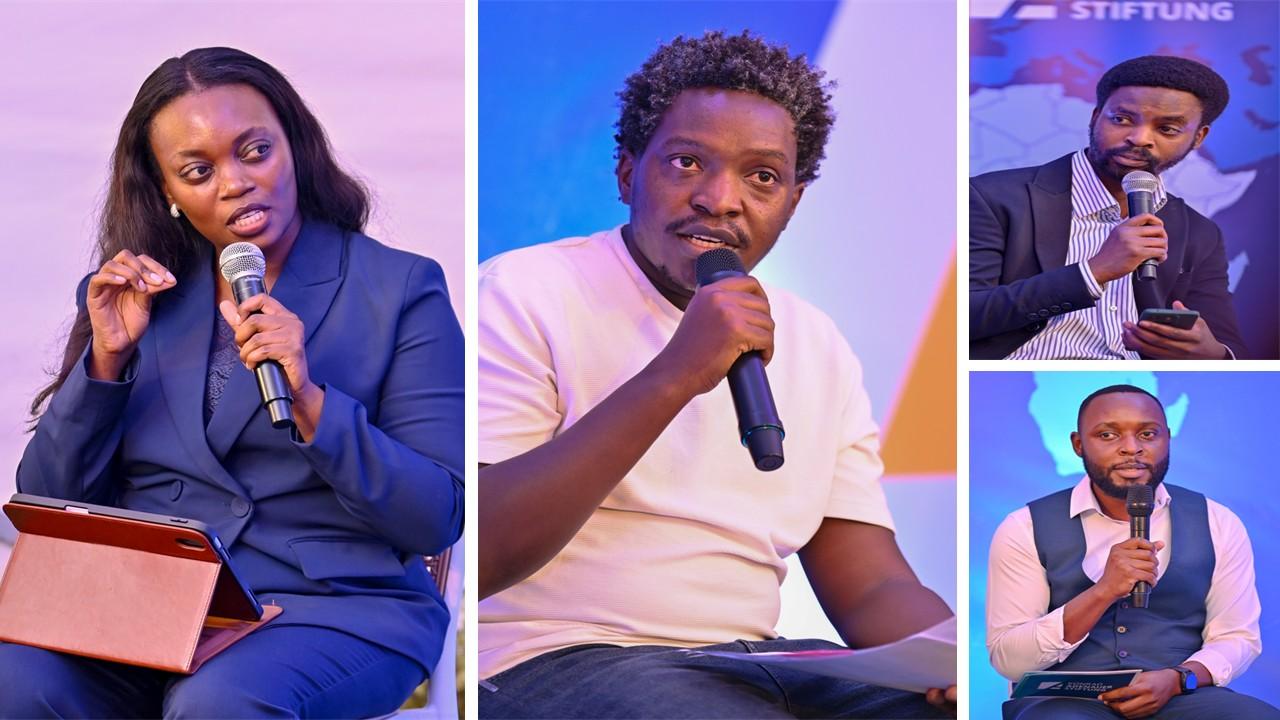
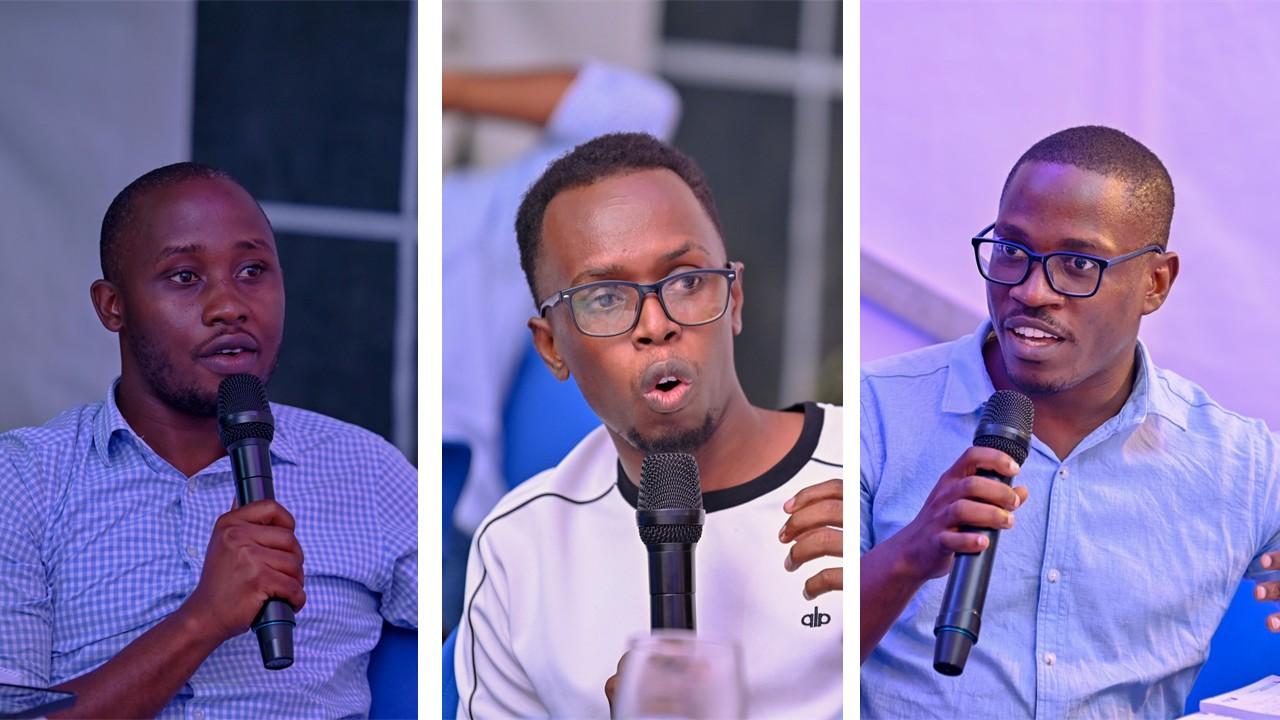
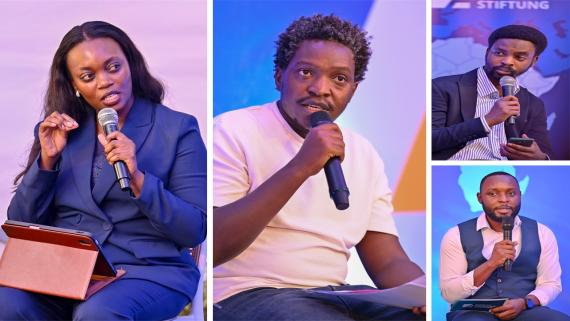
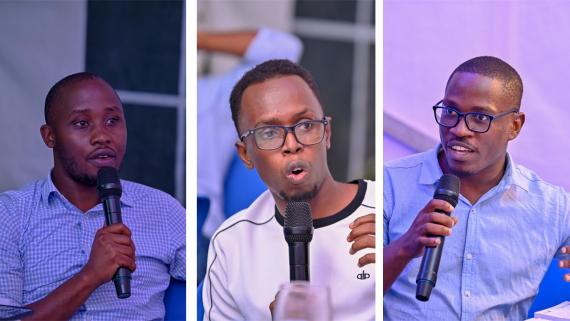
The event began with welcoming remarks from Jan-Ole Voss, Director, KAS RP SIPODI East Africa, who expressed gratitude to the numerous participants for their attendance. Afterwards, the panel discussion started with a short introduction delivered by Patience Naamanya, Head of Programs at Inside Diplomacy, who moderated the discussion. The first input was delivered by Dr Arnold Segawa, journalist and expert on the United States, who argued that the Memorandum of Understanding (MoU) signed last June between the U.S. and Iran lacks a sense of reality. In his remarks, Dr Segawa focused on the U.S. perspective, reminding the audience that the 2015 nuclear agreement between both countries was incomplete, as the stockpiles of Iranian intercontinental ballistic missiles (ICBM) were not subject to limitations. Dr Segawa also pointed out to two major insights gained from the Iran war for assessing the current dynamics of international relations. According to him, the war reveals a shift in foreign policy, evolving from classical state-led actions to a greater role of non-state proxies, as exemplified by Iran’s Axis of Resistance that involves armed groups such as the Houthis and Hamas. In addition, Dr Segawa explained that the Iran war shows the operational limits of traditional naval warfare, pointing out to the limited military impact of American aircraft carriers against Iran.
The second panellist, Barnet Musasizi, Associate Research Executive at Innovations for Democratic Engagement and Action, also considered the 2015 nuclear agreement between the U.S. and Iran as having been incomplete from the very beginning. He explained to the audience the evolution of U.S.-Iran relations since then, considering the increasing lack of trust between both countries, which ultimately led to the war. According to Barnet Musasizi, the U.S.-Iran MoU reveals the limited efficiency of military solutions to political tensions between states. At the end of his remarks, the researcher reminded the geo-economic significance of the Strait of Hormuz, emphasising that around 70 per cent of the Gulf countries’ food imports pass through the maritime chokepoint.
Edgar Mwine, Project Manager at KAS RP SIPODI East Africa, delivered the third input and stressed the growing influence of Gulf states across the Horn of Africa. He explained that following the Arab Springs, the Gulf countries realised the link between regional security and their own domestic security and therefore began expanding their economic and military involvement in the Horn of Africa. Edgar Mwine emphasised the engagement of the United Arab Emirates (UAE), whose company DP World acquired shares in regional ports such as Berbera or Bosaso to secure its sea trade. Regarding the implications of the Iran war for the Horn of Africa, he argued that the U.S. is no longer considered as a reliable security partner for regional countries, since the American troops failed to efficiently protect their allied countries in the Gulf from Iranian airstrikes. At last, Edgar Mwine reminded the audience that the fact that the Horn of Africa countries haven’t condemned the American and Israeli attacks on Iran but the Iranian retaliation instead, indicates the significant political influence of the Gulf states in the Horn of Africa.
The discussion was further enriched by numerous insightful questions from the audience, which were thoroughly addressed by the three panellists. In his closing remarks Jan-Ole Voss thanked the panellists for their insightful inputs and the audience for its active participation. After emphasising the importance of discussing global and regional geopolitical developments, he opened the dinner reception for further discussions and networking among the participants.

About this series
The Konrad-Adenauer-Stiftung, its educational institutions, centres and foreign offices, offer several thousand events on various subjects each year. We provide up to date and exclusive reports on selected conferences, events and symposia at www.kas.de. In addition to a summary of the contents, you can also find additional material such as pictures, speeches, videos or audio clips.