Details
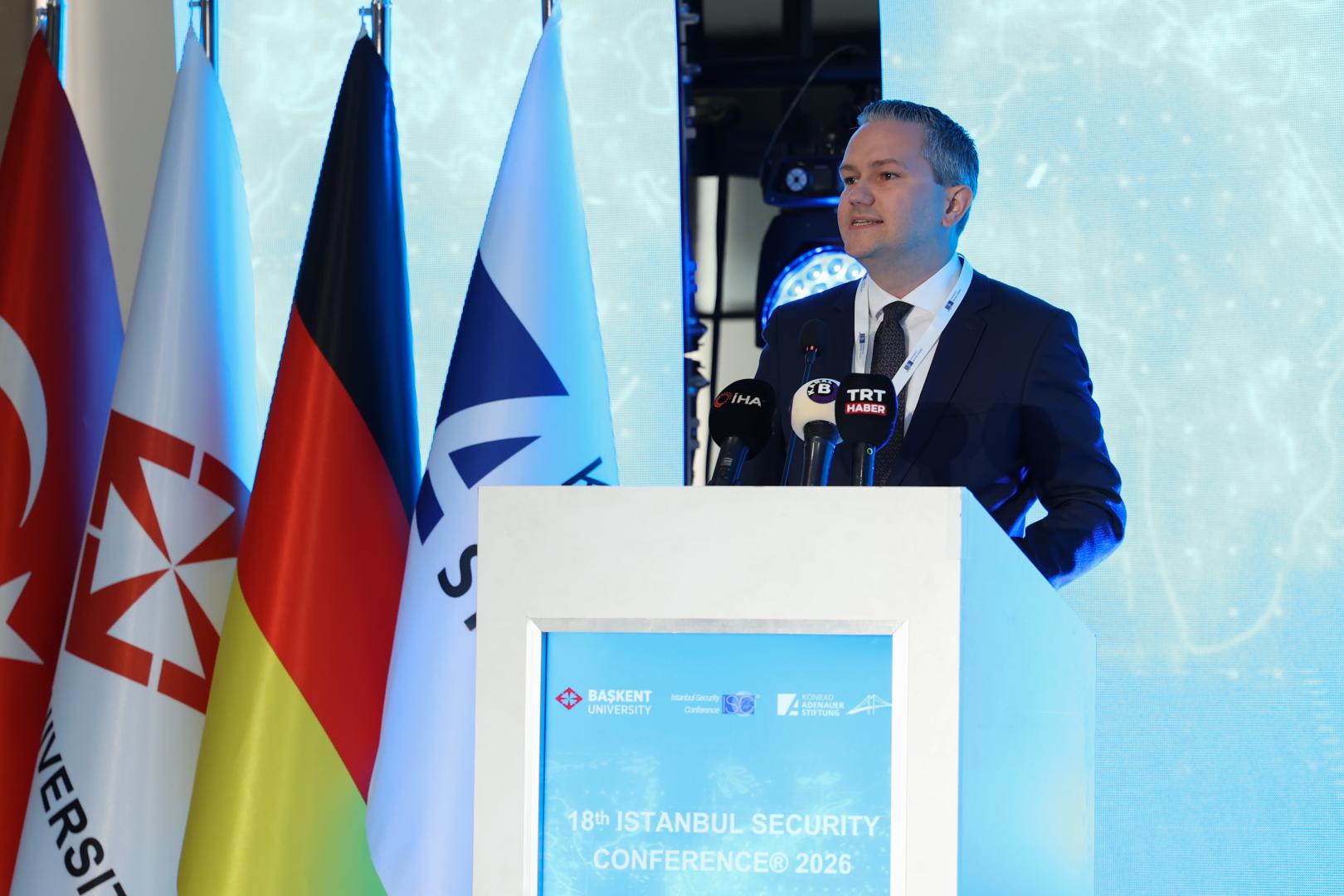
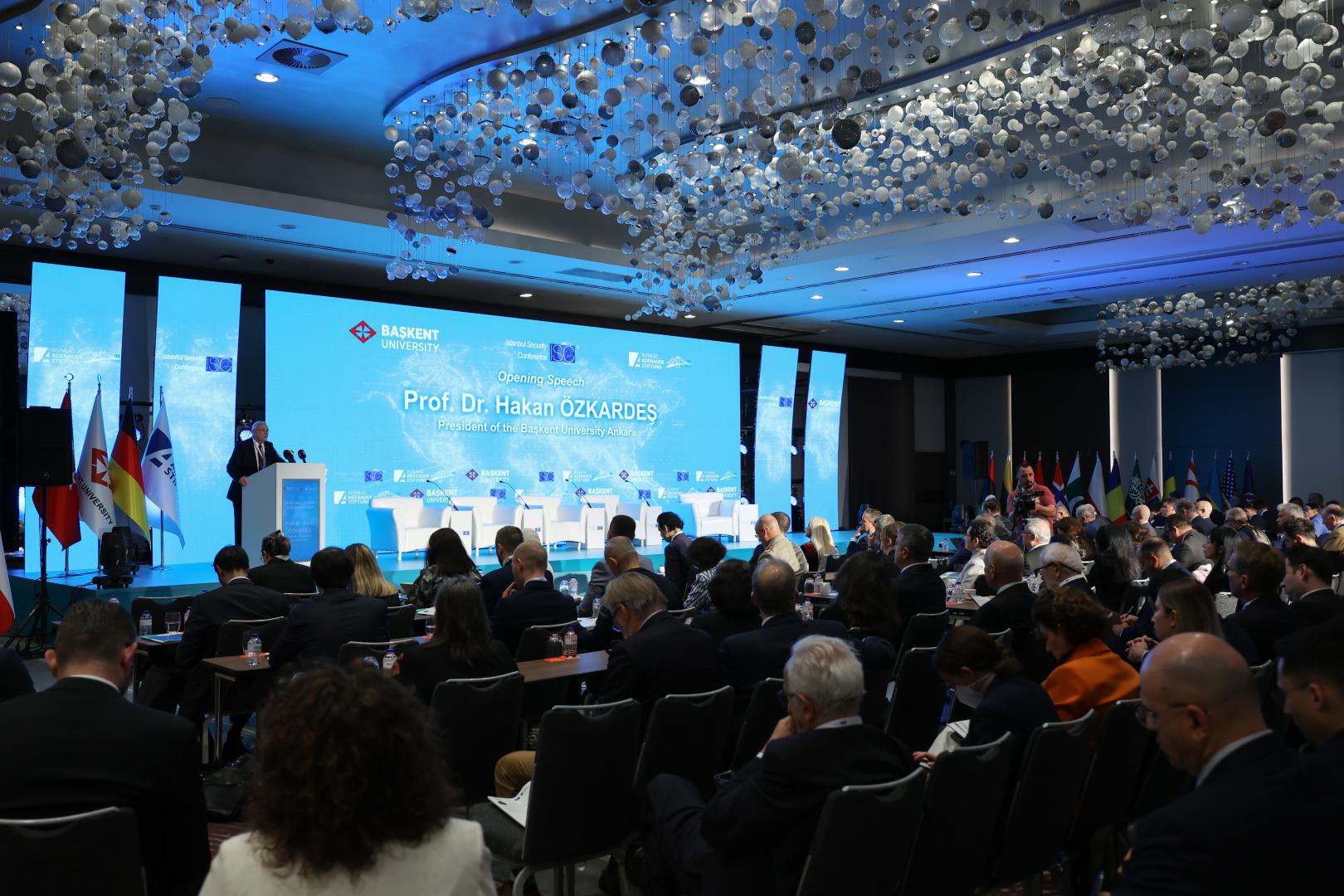
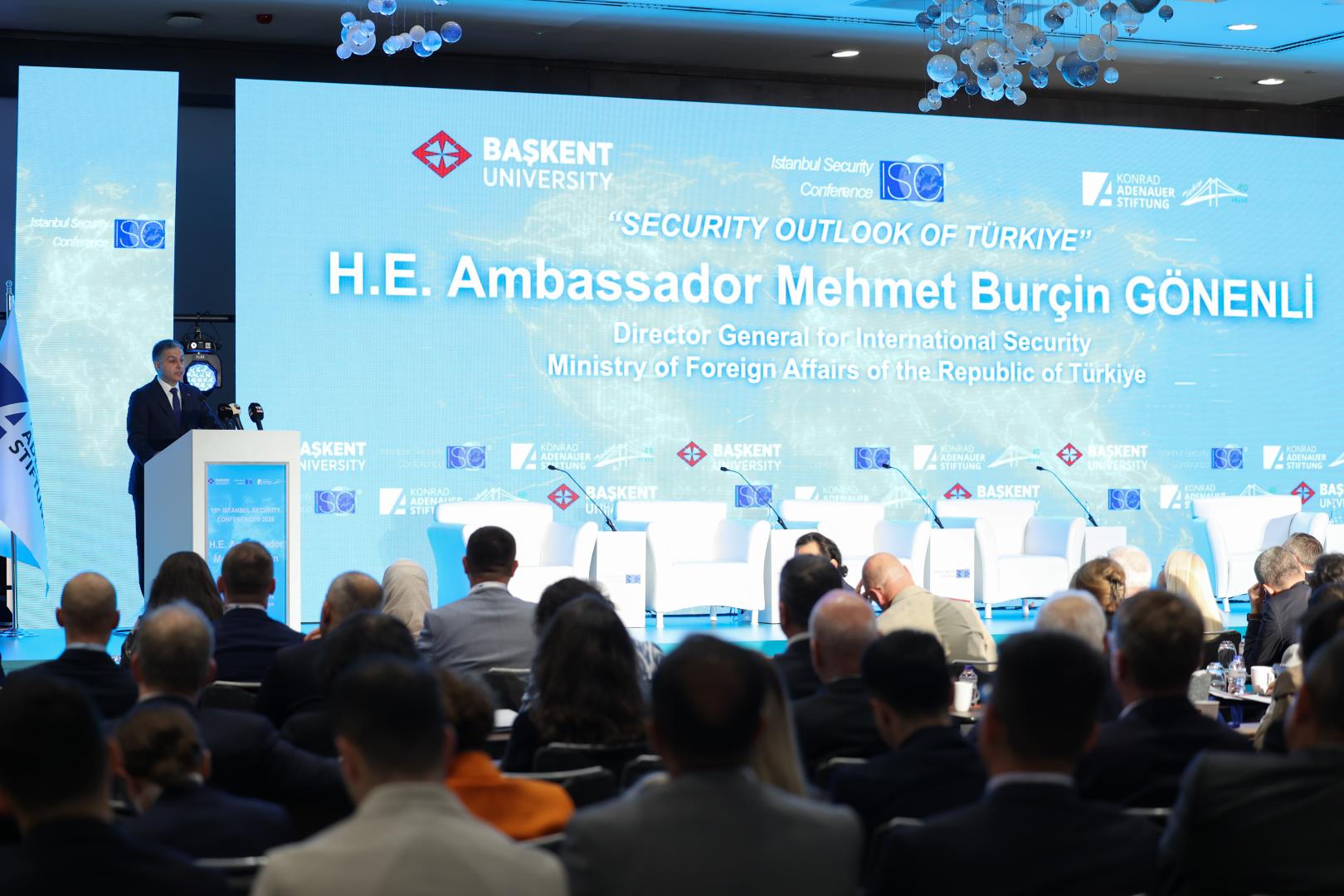
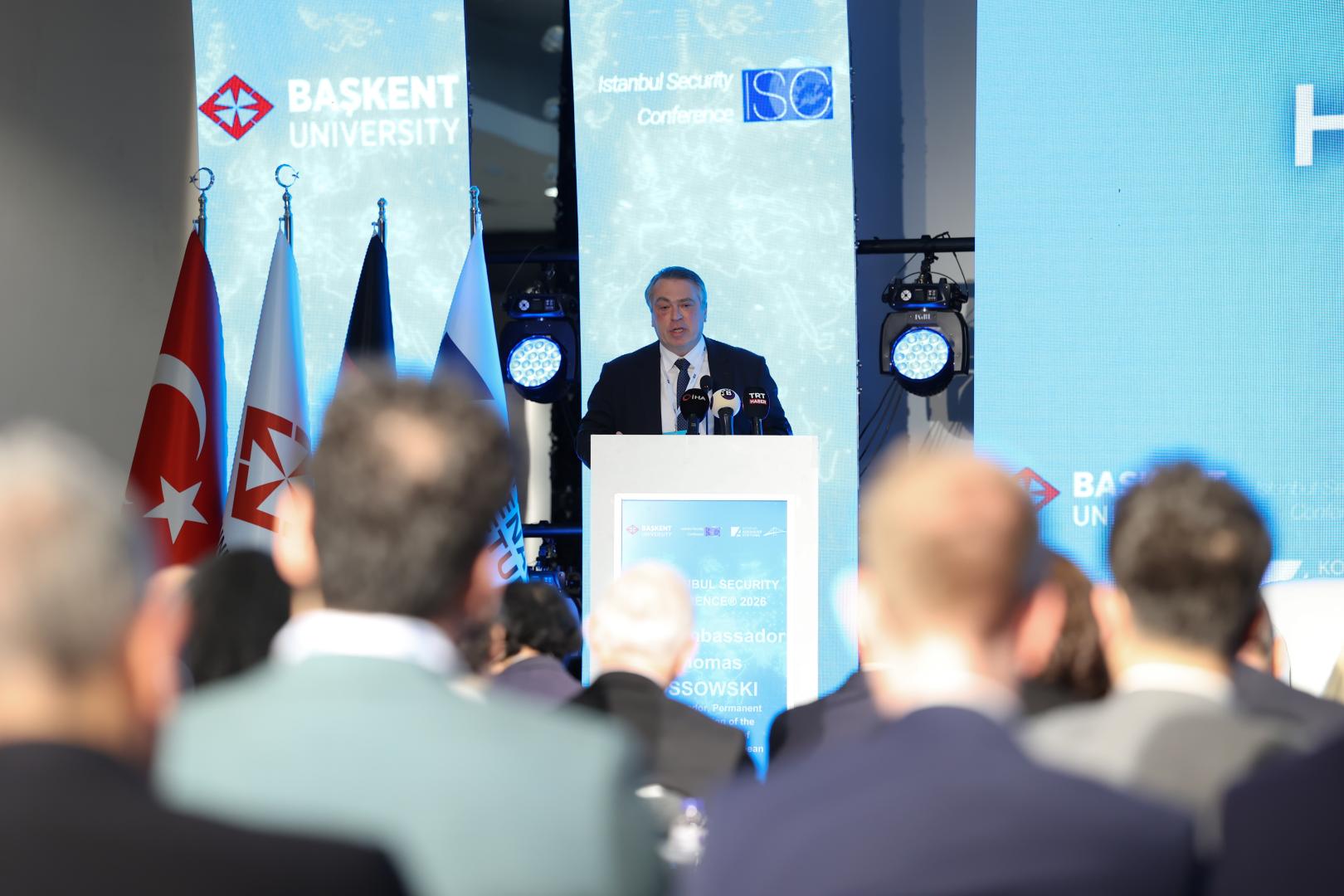
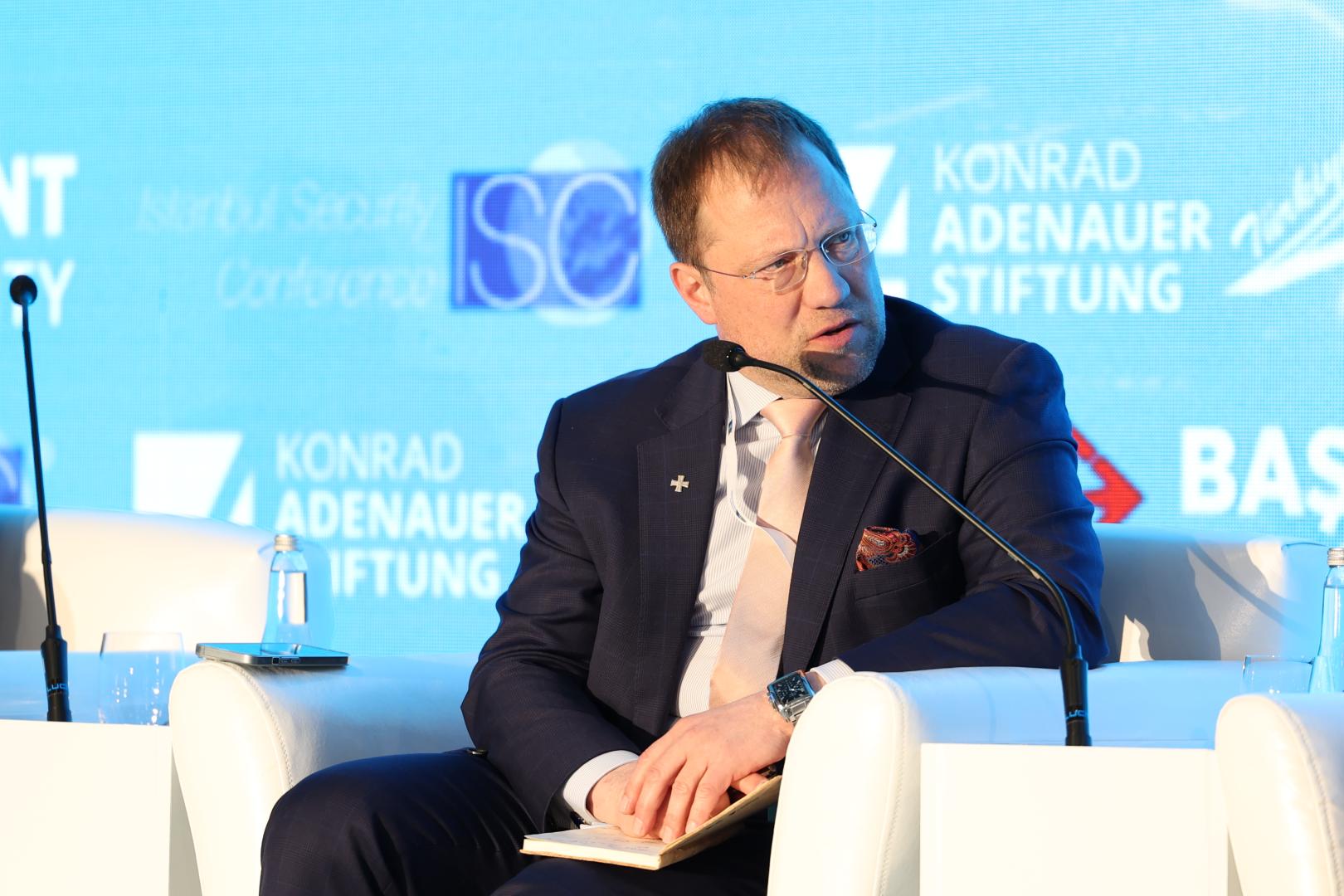
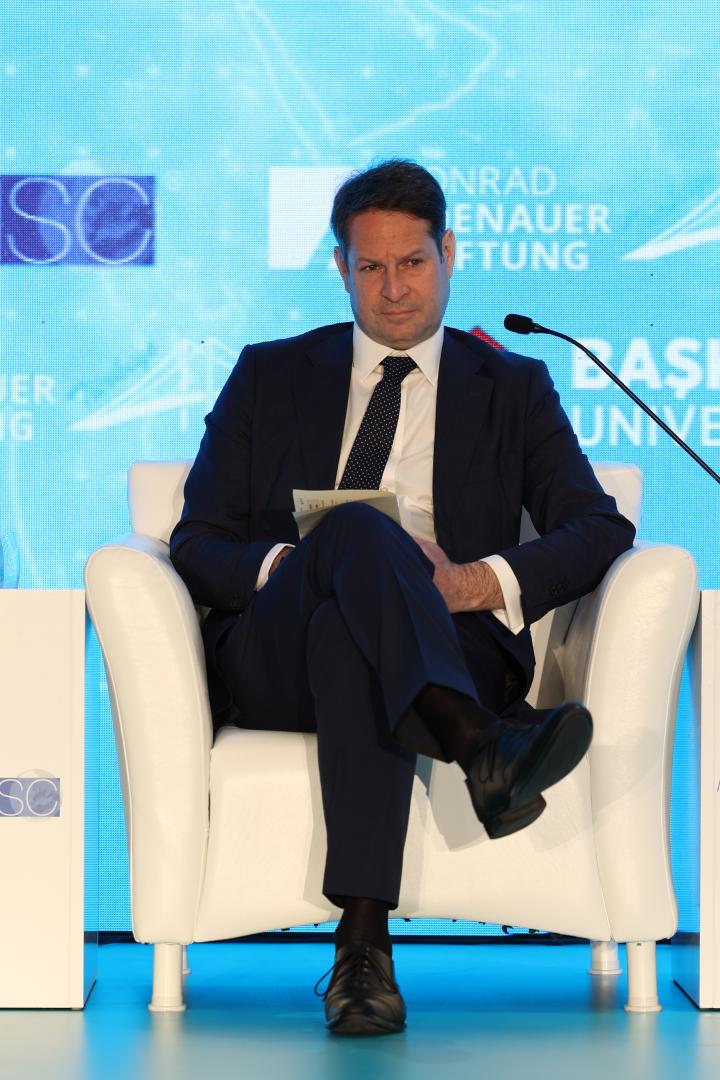
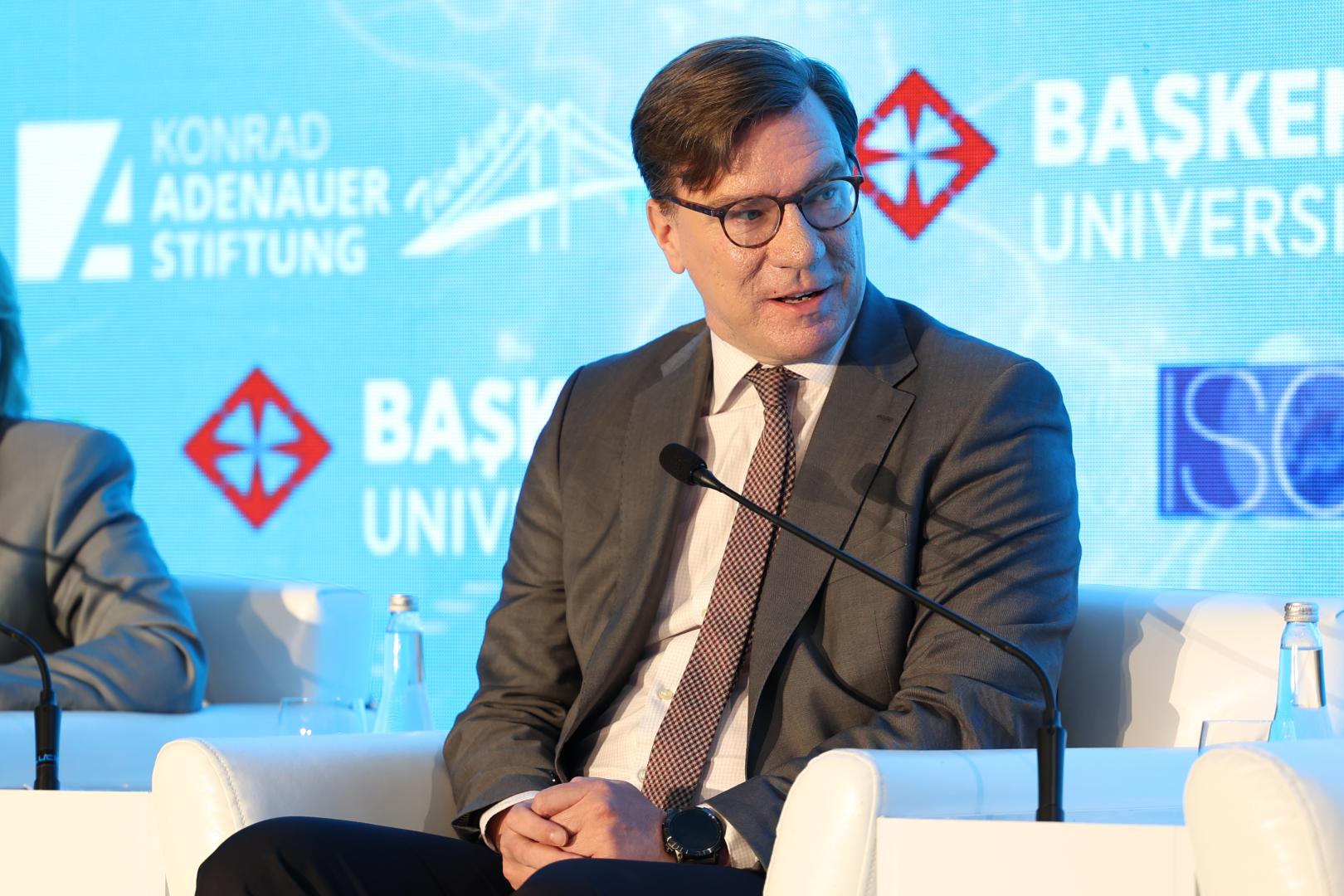
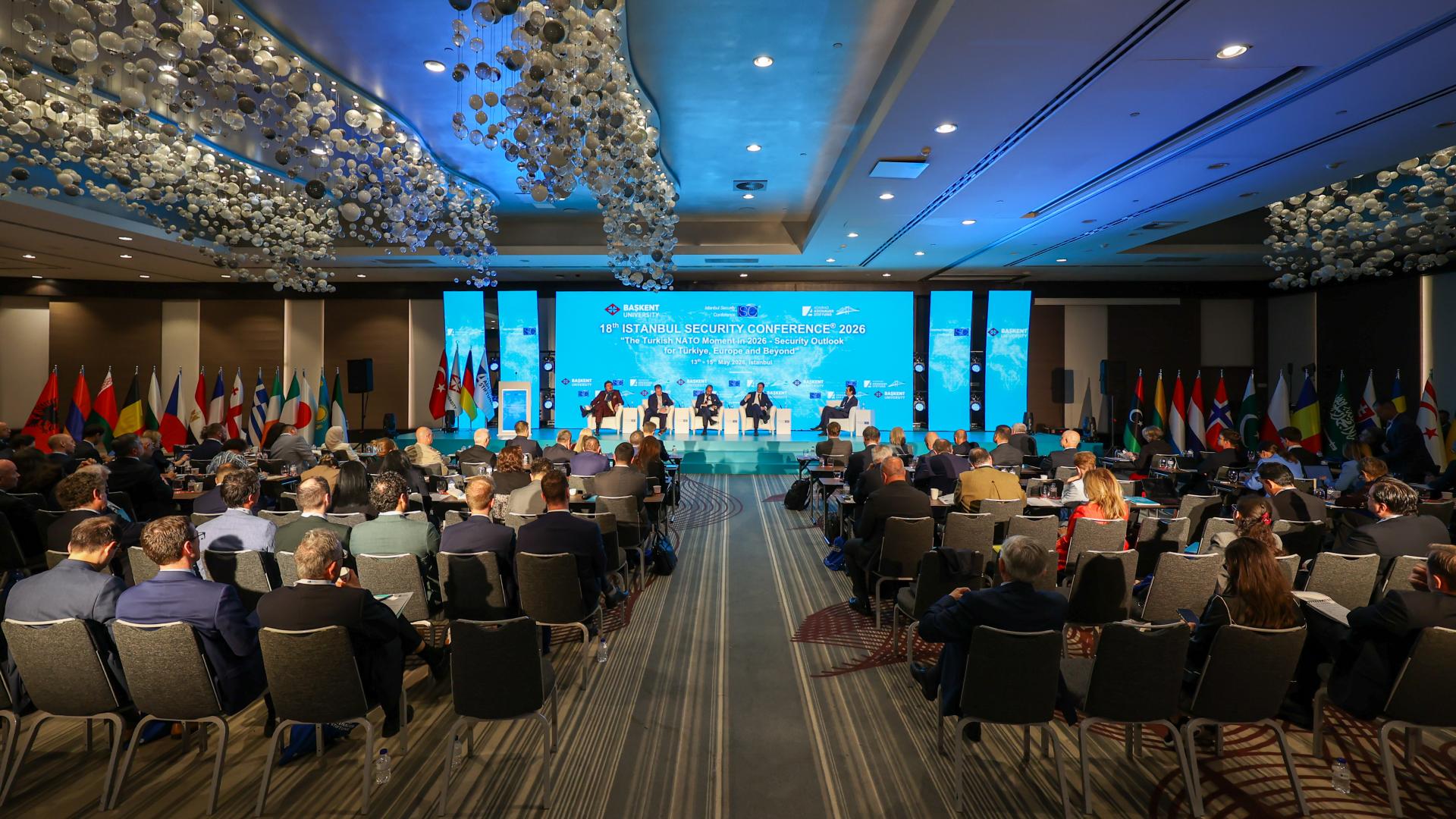
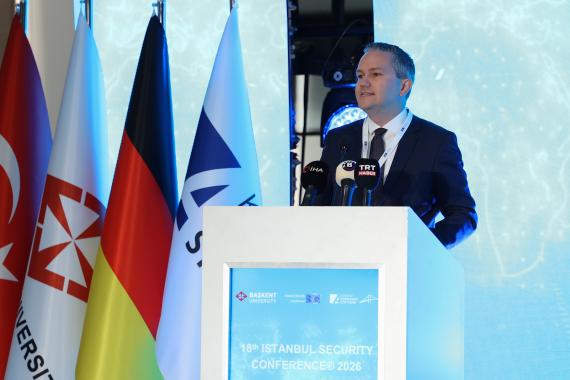
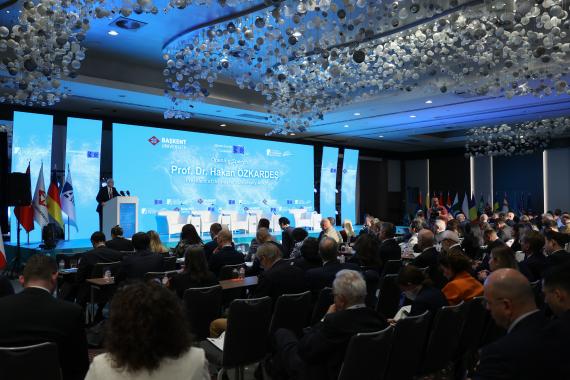
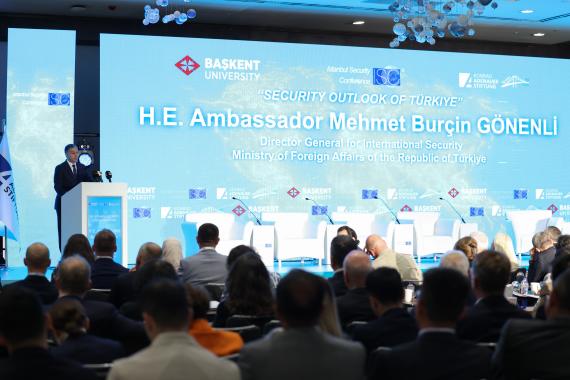
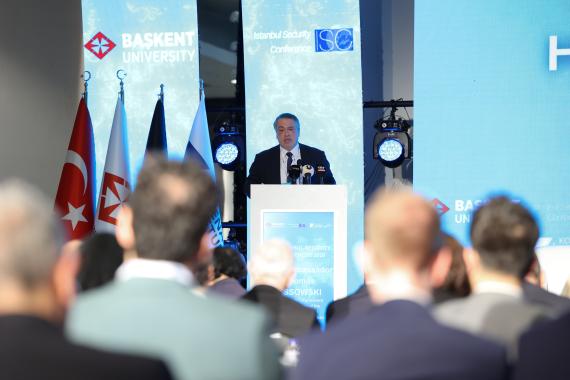
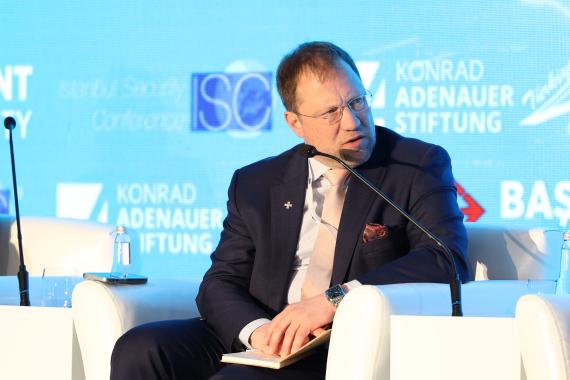
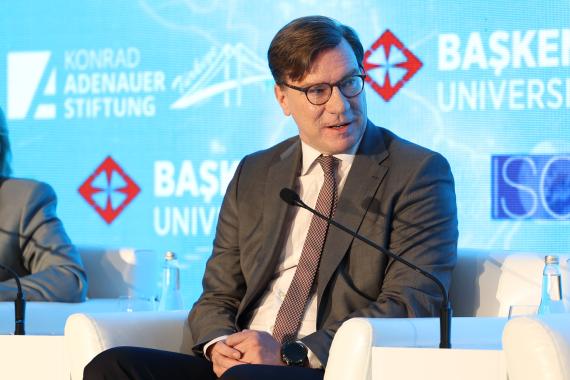
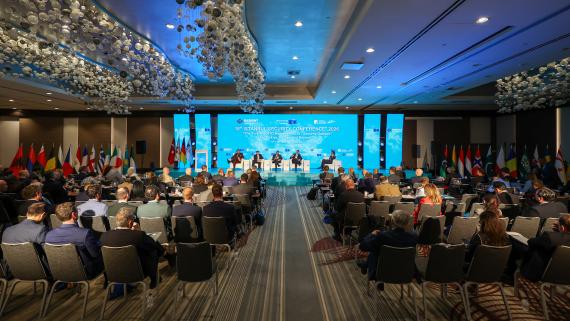
18th Istanbul Security Conference® 2026
“The Turkish NATO Moment in 2026 – Security Outlook for Türkiye, Europe and Beyond”
The 18th Istanbul Security Conference® 2026, took place in Istanbul, co‑organized by Konrad‑Adenauer‑Stiftung Türkiye and Başkent University Ankara, with over 200 participants. Nearly 30 countries were represented at this regional highlight, with participants from 20 embassies and consulates, 29 universities, and more than 50 international institutions contributing to the discussions.
The conference gathered distinguished policymakers, members of the diplomatic corps, academics, and practitioners who engaged in high‑level dialogue on Türkiye’s evolving role within NATO, its impact on European security, and the broader implications for global stability.
As one of the region’s flagship platforms for strategic foresight, the Istanbul Security Conference® continued to foster multilateral cooperation and forward‑looking perspectives on diplomacy and defense.
The conference opened with reflections on the theme “The Turkish NATO Moment in 2026 – Security Outlook for Türkiye, Europe and Beyond.” It was emphasized that security today can no longer be understood in narrow or static terms. Conventional military threats, regional instability, technological disruption, economic vulnerability, and societal resilience all intersect to shape the Euro-Atlantic environment.
Türkiye was highlighted as a central actor in this debate whose geography places it at the crossroads of Europe, the Black Sea, the Mediterranean, the Middle East, and the Caucasus. Its alliances, capabilities, and political choices carry consequences well beyond its borders. The upcoming NATO Summit in Ankara was described as a critical opportunity to reaffirm solidarity and define how the Alliance should respond to a more dangerous and unpredictable strategic environment.
Türkiye’s approach was presented as multi-vectored: firmly committed to diplomacy, dialogue, and regional ownership, while also investing heavily in deterrence, defense, and technological capacity. Hosting the NATO Summit was seen as a concrete manifestation of Türkiye’s strategic responsibility and readiness to help shape the evolving security order.
Türkiye and European Security Architecture
Discussions repeatedly returned to Türkiye’s role within Europe’s security framework. Many argued that Türkiye is already indispensable due to its geography, military capabilities, defense industry, and operational experience. Maritime security in the Black Sea, deterrence against Russia, and flexible cooperation formats beyond EU structures were identified as areas where Türkiye contributes significantly.
At the same time, political obstacles -most notably the Cyprus issue and EU veto mechanisms- were seen as barriers to deeper institutional integration. The prevailing view was that cooperation would be mutually beneficial, but institutional blockages continue to limit Türkiye’s full participation.
NATO and Strategic Balance
The conference underscored the shift from “burden sharing” to “burden shifting,” with European allies expected to assume greater responsibility for deterrence and defense. NATO remains the cornerstone of European security, but questions persist regarding U.S. engagement and the credibility of Europe’s own capabilities.
Nuclear deterrence, space capacities, and rapid adaptation to crises were repeatedly stressed. The importance of resilience and preparedness was emphasized as essential for peace to endure.
Future Warfare: Cyber, Hybrid, and AI
Sessions on future warfare examined the growing sophistication of hybrid threats, particularly from Russia, including sabotage, cyberattacks, disinformation, and covert operations. Emerging technologies -drones, artificial intelligence, quantum systems, and next-generation communication networks- are reshaping the battlefield.
NATO’s efforts to build resilience through innovation ecosystems and cooperation with industry and academia were highlighted as essential. The challenge of responding to “grey zone” activities below the threshold of conventional war was identified as a critical test for deterrence and alliance cohesion.
Türkiye’s Neighbourhood in Crisis
Debates also focused on the overlapping crises in Türkiye’s wider neighbourhood. The war in Ukraine, instability in Syria, and tensions involving Iran were described as interconnected challenges with global repercussions, particularly for energy security and regional stability.
Türkiye’s long-term vision of regional connectivity -linking the Black Sea, Caspian, and Mediterranean- was presented as a strategic opportunity. Yet questions of identity and belonging within Europe remain unresolved, constraining Türkiye’s room for manoeuvre.
NATO Summit in Ankara: Looking Ahead
Panels ahead of the NATO Summit in Ankara emphasized the need to strengthen the European pillar of NATO through increased defense spending, industrial capacity, and credible deterrence. Trust among allies was described as the foundation of the Alliance, while resilience and preparedness -drawing lessons from Ukraine- were seen as vital for the future.
The summit was framed as a moment to reaffirm unity, adapt to technological transformation, and integrate non-EU allies more effectively into Europe’s security architecture.
Conclusion
The Istanbul Security Conference® 2026 highlighted that European security is no longer defined solely by institutions but by flexible, capability-based partnerships. Türkiye was consistently described as a structurally significant actor whose full potential remains constrained by political obstacles. Across all sessions, the urgency of rapid adaptation, pragmatic cooperation, and collective resilience was emphasized.
The prevailing message was clear: in an era of multidimensional crises, Europe and its partners must act decisively -there is no time for “business as usual.”