







Details
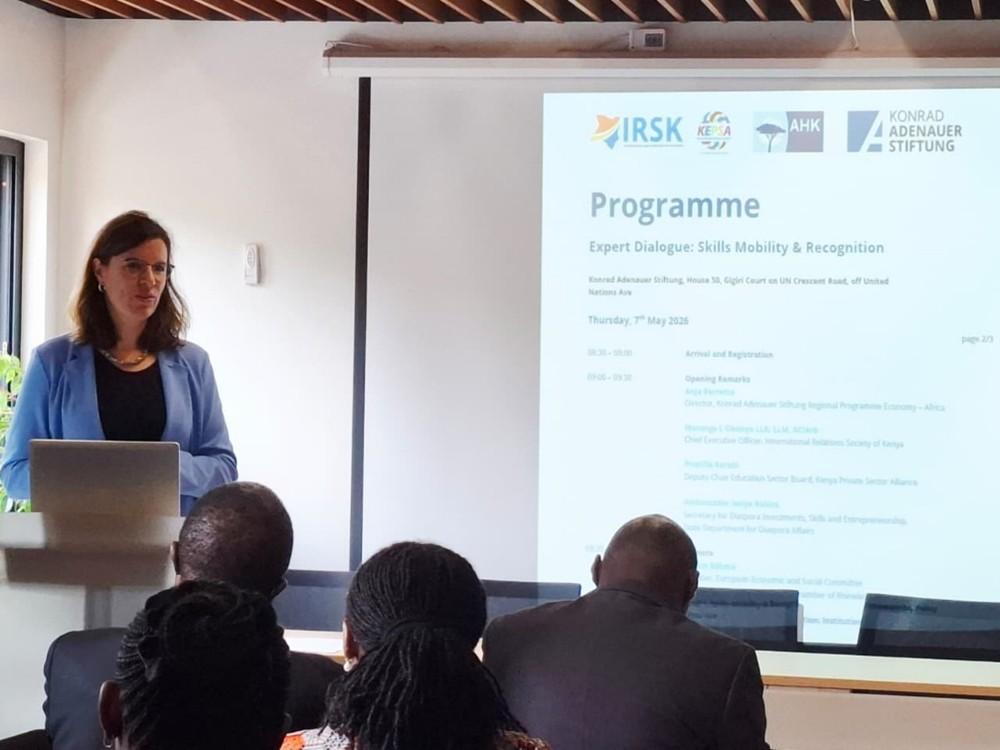
Qualifications alone do not guarantee mobility. Differences in education systems, professional licensing requirements and recognition procedures can prevent qualified individuals from accessing education and employment opportunities across borders.
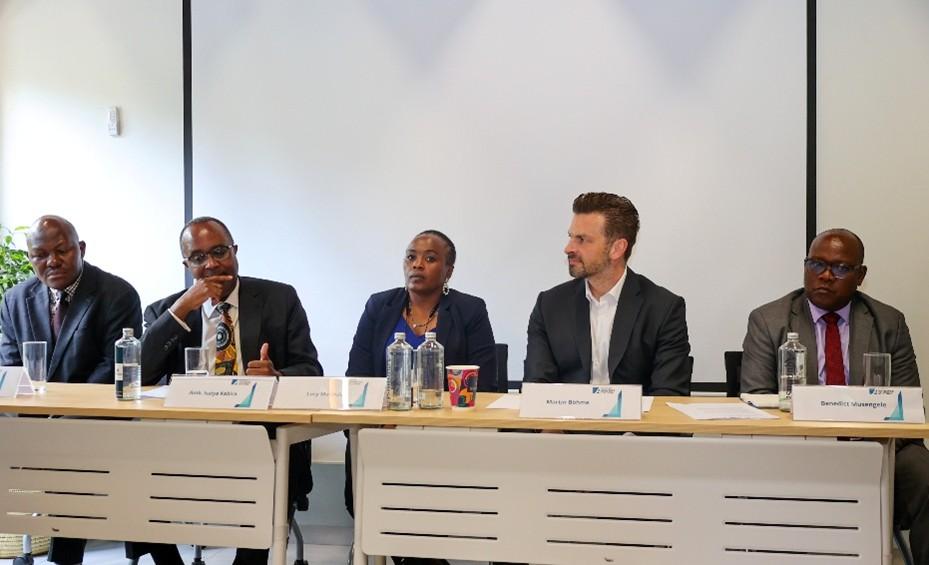
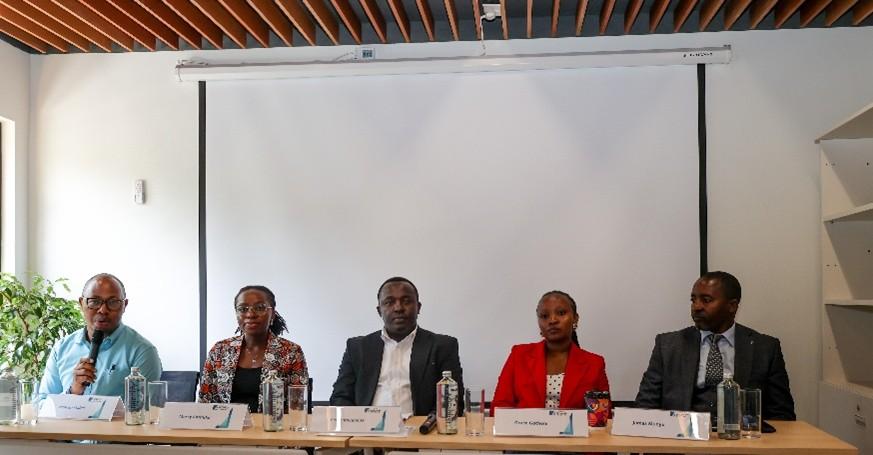
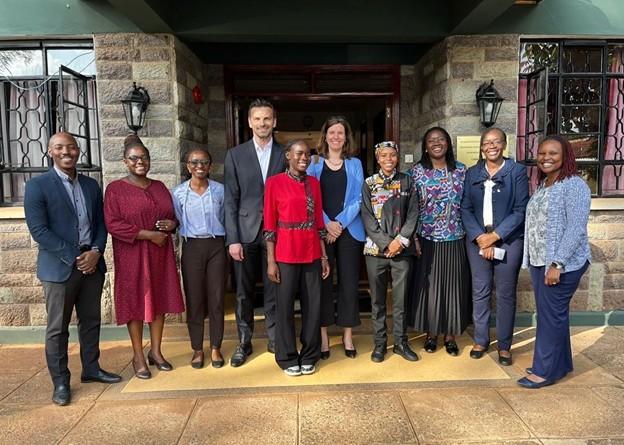
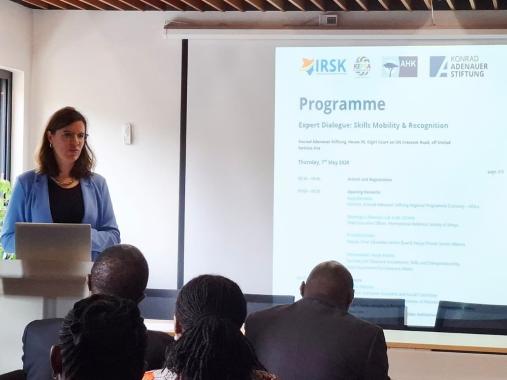
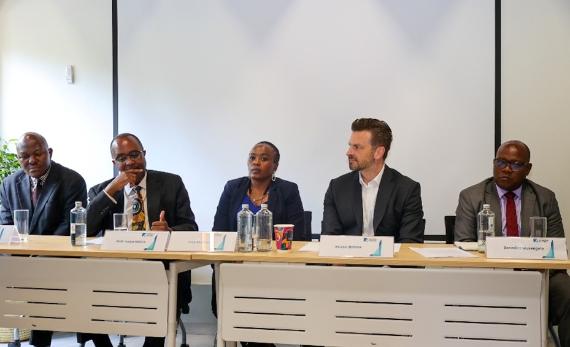
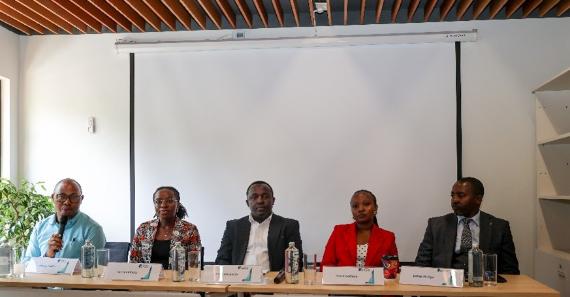
The dialogue brought together representatives from government, academia, professional bodies, business and international institutions to examine these challenges within the East African Community (EAC) and between Africa and Europe. Discussions distinguished between academic recognition, professional licensing and recognition by employers, highlighting the importance of institutional cooperation and trust.
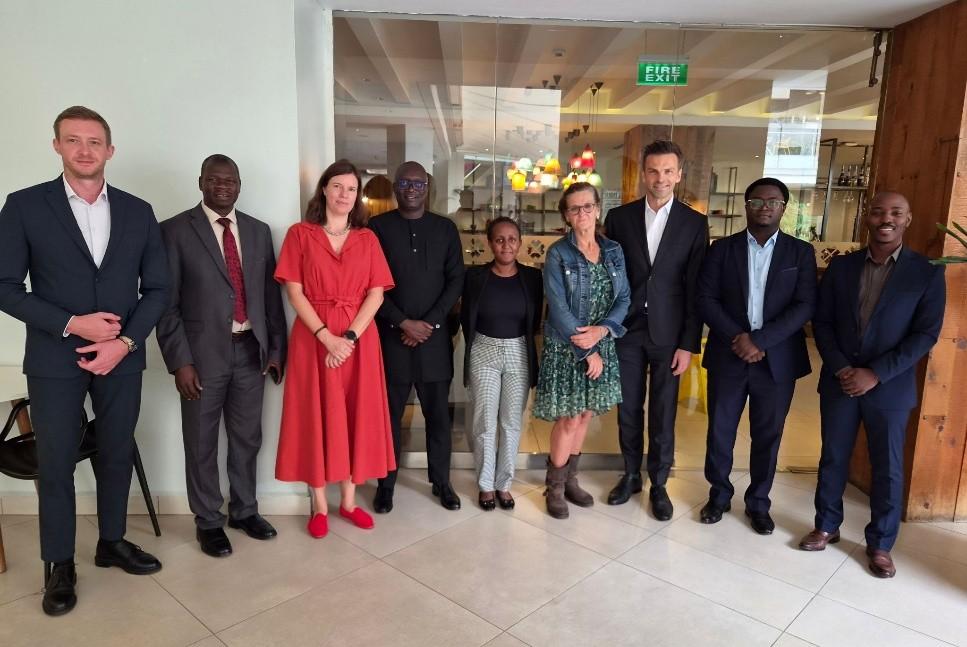
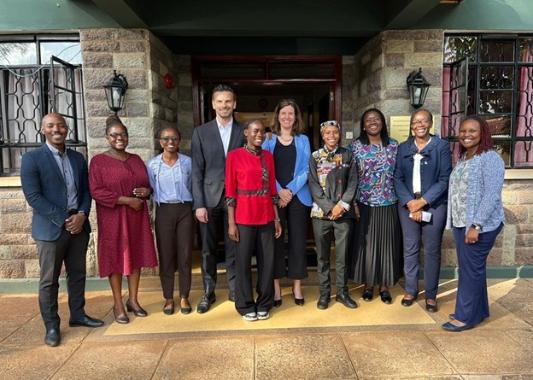
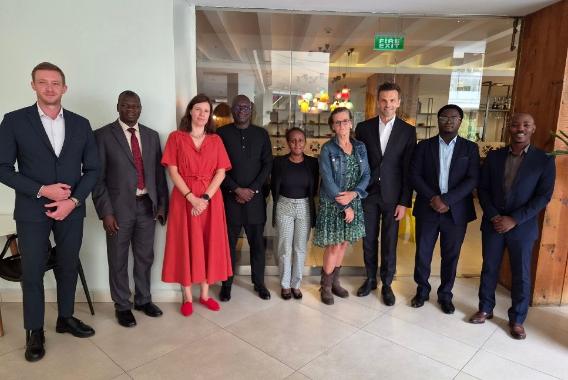
Participants examined implementation gaps in existing regional frameworks, including Mutual Recognition Agreements, and compared African and European approaches to qualification recognition. Priorities identified included greater harmonisation of qualifications, Recognition of Prior Learning, stronger links between education and industry, and more effective implementation of regional mobility agreements. A visit to Kibondeni College provided practical insights into vocational education and industry-oriented training, while a specialised Breakfast Dialogue explored regional qualification recognition and mobility in greater depth. Overall, the exchanges underscored the importance of transparent recognition procedures and closer cooperation between education institutions, regulators and employers in translating skills into cross-border opportunities.