



Asset Publisher

Publications

Asset Publisher

IMAGO / Xinhua

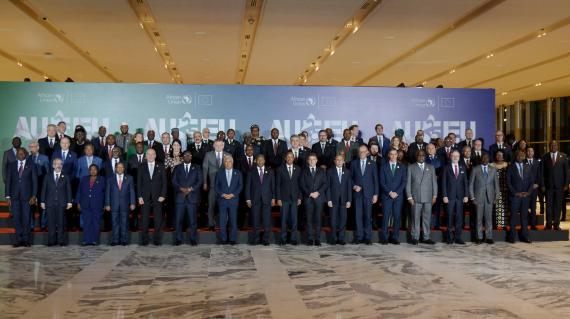
7th AU-EU Summit

A fresh start for a partnership on equal terms

The 7th Joint Summit of the African Union (AU) and the European Union (EU) on November 24-25 in the Angolan capital Luanda took place under complex circumstances: On the one hand, the summit marked the 25th anniversary of the strategic partnership between the EU and the AU. On the other hand, the summit took place at a time when relations between the two continents are not free of tensions. In a global environment in which political and economic power is shifting worldwide and fundamental rules of the world order are being questioned and undermined, the summit offered a window of opportunity to restart relations in a way that does justice to the roles and expectations of both sides. Overall, the summit succeeded in sending out initial positive signals for such a fresh start, the sustainability of which will of course depend on the implementation of the promises made. Existing differences and dilemmas – including on the issues of migration and dealing with democratic backsliding – will not disappear overnight, however.

IMAGO / Brazil Photo Press

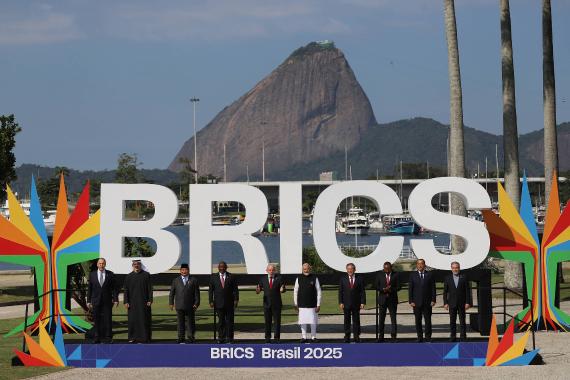
Ethiopia's BRICS membership

Between exaggerated expectations and geopolitical rivalry

On 1 January 2024, Ethiopia officially joined the BRICS group — a highly symbolic step that marks the country’s turn away from the traditional West and towards a supposedly more multipolar world order (Council on Foreign Relations, 2024). Addis Ababa presented the accession as a historic success for its foreign policy. It was seen as a sign of a return to geopolitical relevance, opening the door to new economic and diplomatic opportunities. However, this rhetoric conceals an increasingly visible discrepancy between Ethiopia's expectations of BRICS and the group of states' structural and political realities. However, the absence of economic returns to date, coupled with the emergence of new geopolitical tensions among members, calls into question the benefits of accession.

IMAGO / photothek

Third EU-AU ministerial meeting in Brussels

New impetus for the anniversary?

On May 21, the foreign ministers of the European Union and the African Union met for the third time in Brussels. The aim of the meeting was to take stock of the progress made since the sixth EU-AU summit in February 2022 [1] . Both sides also wanted to explore how the partnership can be further deepened in the face of global challenges. The adopted declaration gives an idea of the potential for cooperation. However, it cannot hide existing differences on key issues such as migration. To ensure that cooperation is not limited to solemn declarations and ambitious announcements at summit meetings, it was agreed to set up a monitoring mechanism.

Addisou Deresse

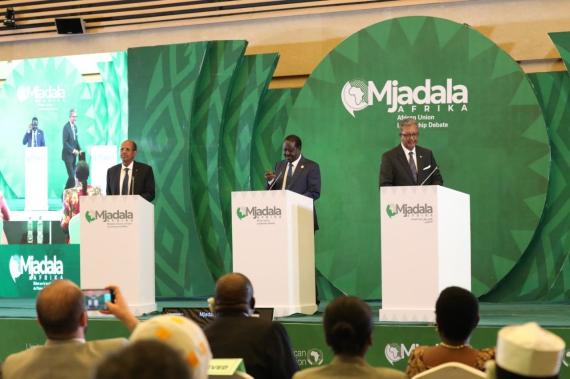
From Paralysis to Progress? Who will be the new face of the African Union?

A portrait of the candidates for the chairmanship of the AU Commission

The African heads of state will elect a new leadership on February 15th and 16th. Will the new chairman of the African Union Commission be able to tackle existing challenges that have been paralyzing the efficiency of the Union? Who are the candidates for the most powerful position within the AU and what do they stand for? Martino Faccenda and Lukas Kupfernagel have been taking a look behind the scenes to unpack the candidates and potential implications for the future EU-AU relations.

The African Union in 2025 - Insights and Outlooks

Study Publication

As Africa navigates a period of unprecedented challenges and opportunities, the African Union (AU) finds itself at a pivotal moment in its history. In recent years, the continent has faced a complex array of issues, including the resurgence of unconstitutional changes of government, the spread and intensification of terrorism, the COVID-19 pandemic, the outbreak of internal conflicts such as in Sudan, and increasing inter-state tensions. These challenges have compelled African countries and the AU to reevaluate its functioning and leadership. At the same time, major geopolitical shifts, such as the African Union’s admission into the G20 and renewed discussions on United Nations Security Council reform, offer Africa a unique opportunity to assert itself on the global stage.

From Policy to Practice

Implementing Transitional Justice in Ethiopia with International Standards

In the wake of Ethiopia’s tumultuous history, the recently adopted transitional justice policy marks a pivotal step towards truth, accountability, healing, and reconciliation. This policy brief, crafted by Dr. Tadesse Simie, delves into the intricate process of implementing transitional justice in Ethiopia, aligning with international standards and best practices.

Die Guided Trade Initiative

Between protectionism and potentials

The African Continental Free Trade Area (AfCFTA) is regarded as the African Union's project of hope - 54 African countries have committed to joining the free trade area by 2063 and shaping the future of the continent. But what are the results of the pilot project, the "Guided Trade Initiative"? A look at the first attempts of free trade on the continent.

IMAGO / Xinhua

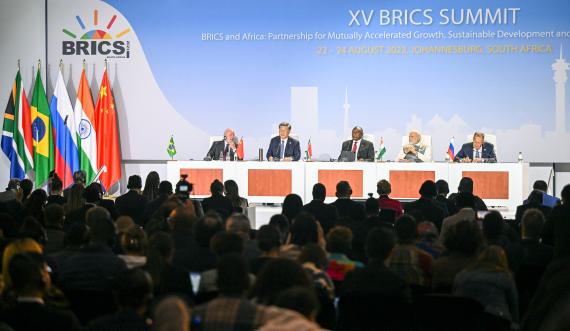
BRICS is growing

Ethiopia’s new relevance in geopolitics and trade

The BRICS community of states will be history from 1 January 2024 and will receive a new acronym through the admission of six new member states. Ethiopia will also join the BRICS next year and has high hopes for its membership. But what does this mean for the fundamental positioning of Africa's most populous country after Nigeria in world politics?

Summit Diplomacy

KAS Newsletter: African Union - December 16, 2022

49 heads of state and government travel to Washington DC. The continent is still ailing from the pandemic's economic shocks. 2023 will be a major election year for Africa. Who will become the new AU chairperson?

The Architecture and Use of Emergency Powers: The Case of Ethiopia

From 1995 until 2020

Prof. Zelalem Eshetu Degifie analyzes the use of emergency powers in Ethiopia.