






 KAS
KAS
 KAS
KAS
 KAS
KAS
 KAS
KAS
KAS
KAS
KAS
KAS
KAS
KAS
KAS
KAS
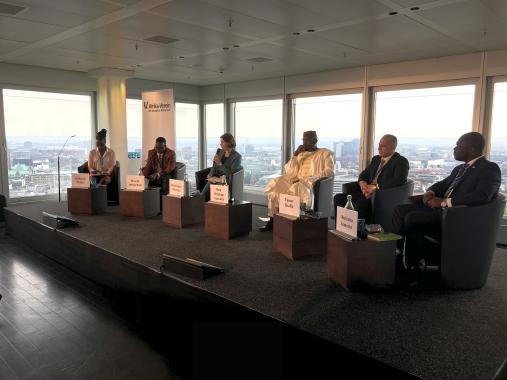
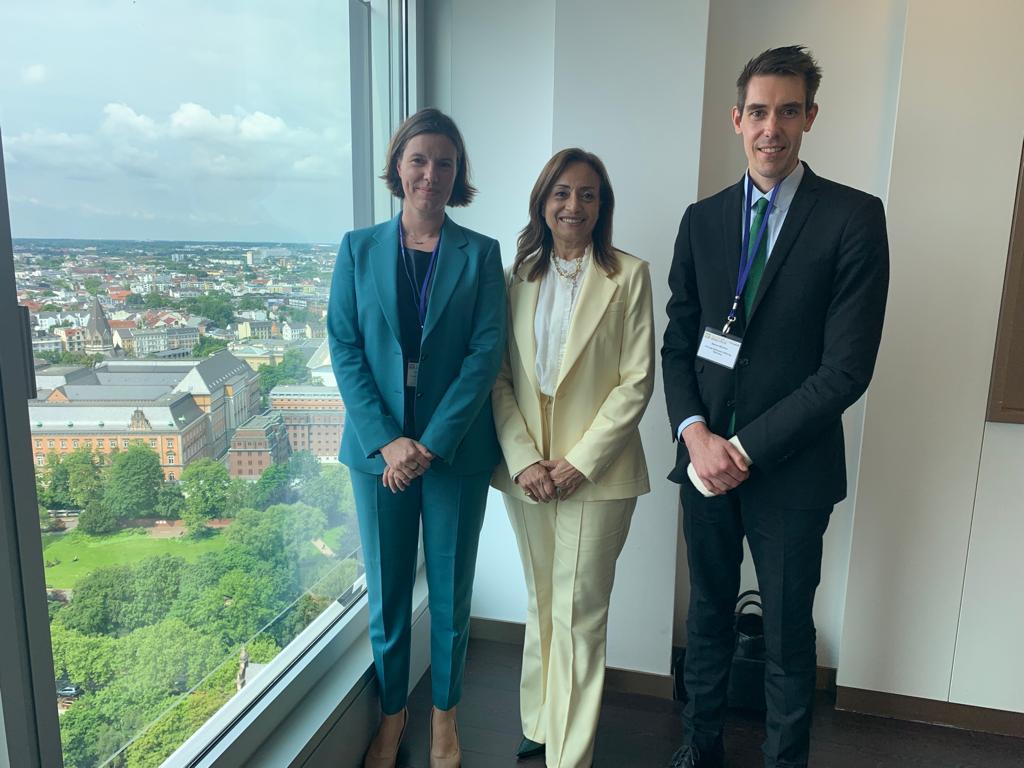
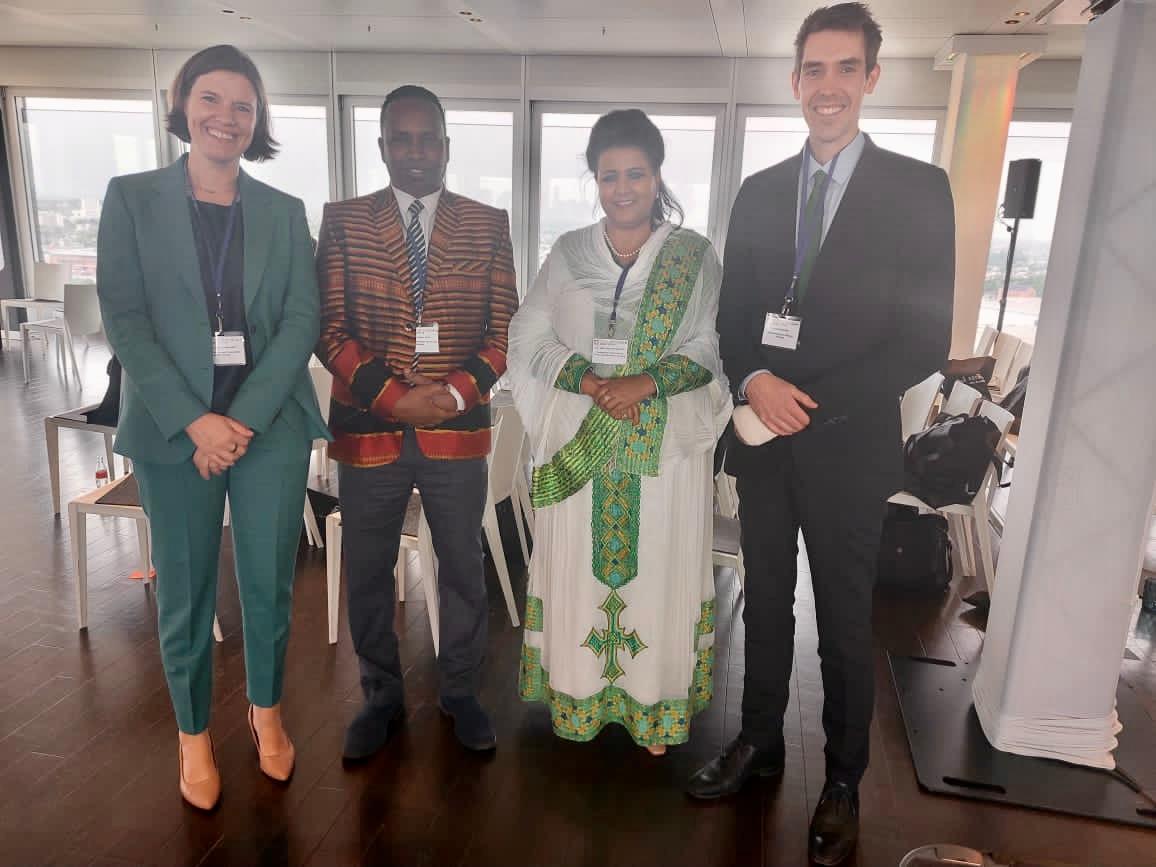
The 15th edition of the German-African Energy Forum of the Africa Association of German Business (Afika-Verein) took place in Hamburg in early June 2022. The forum brought together around 350 experts, entrepreneurs, government representatives and members of international organizations, including the African Union Commissioner for Infrastructure and Energy, HE Dr. Amani Abou-Zeid, as well as numerous ministers of energy from various AU member states.
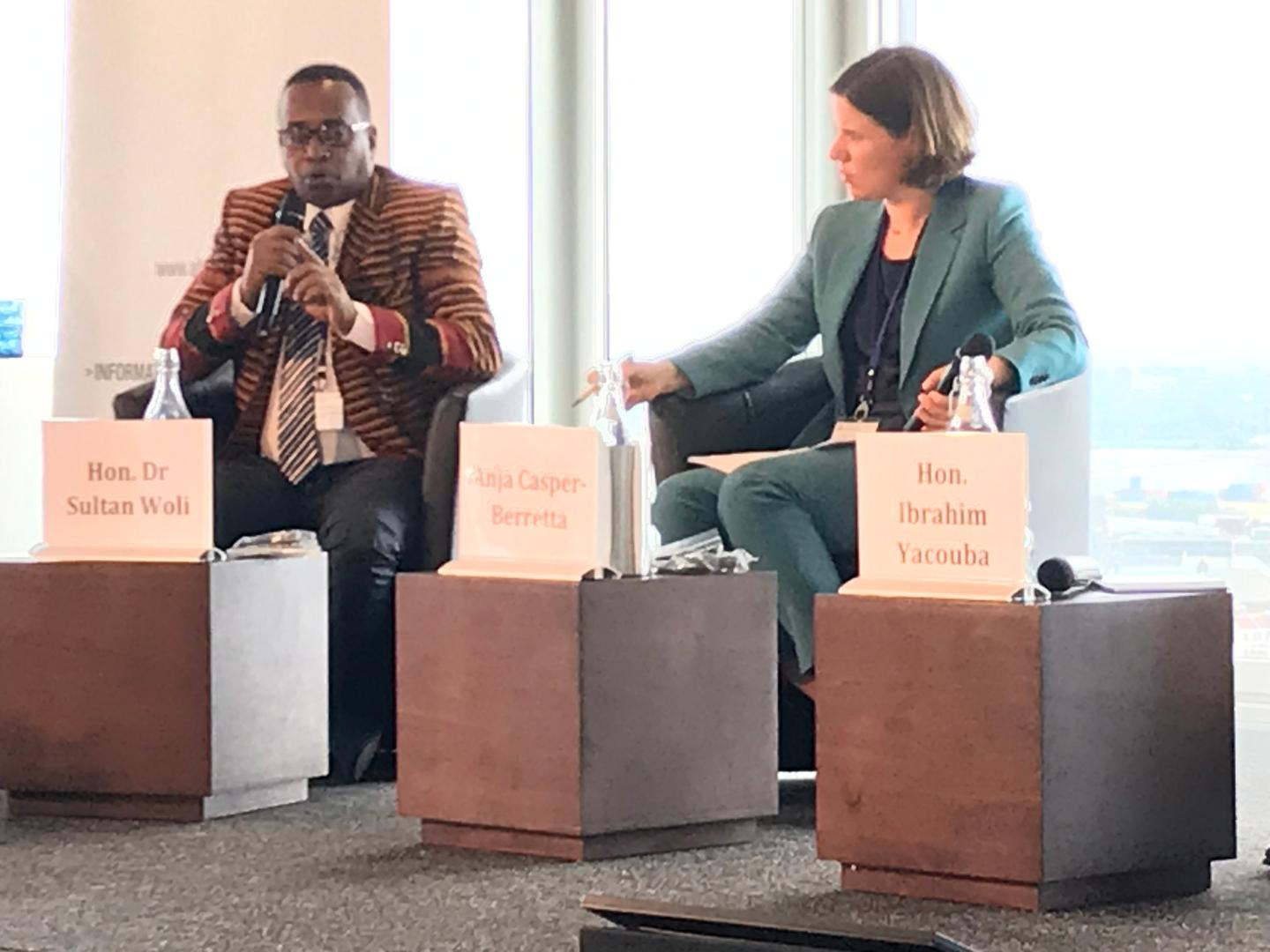
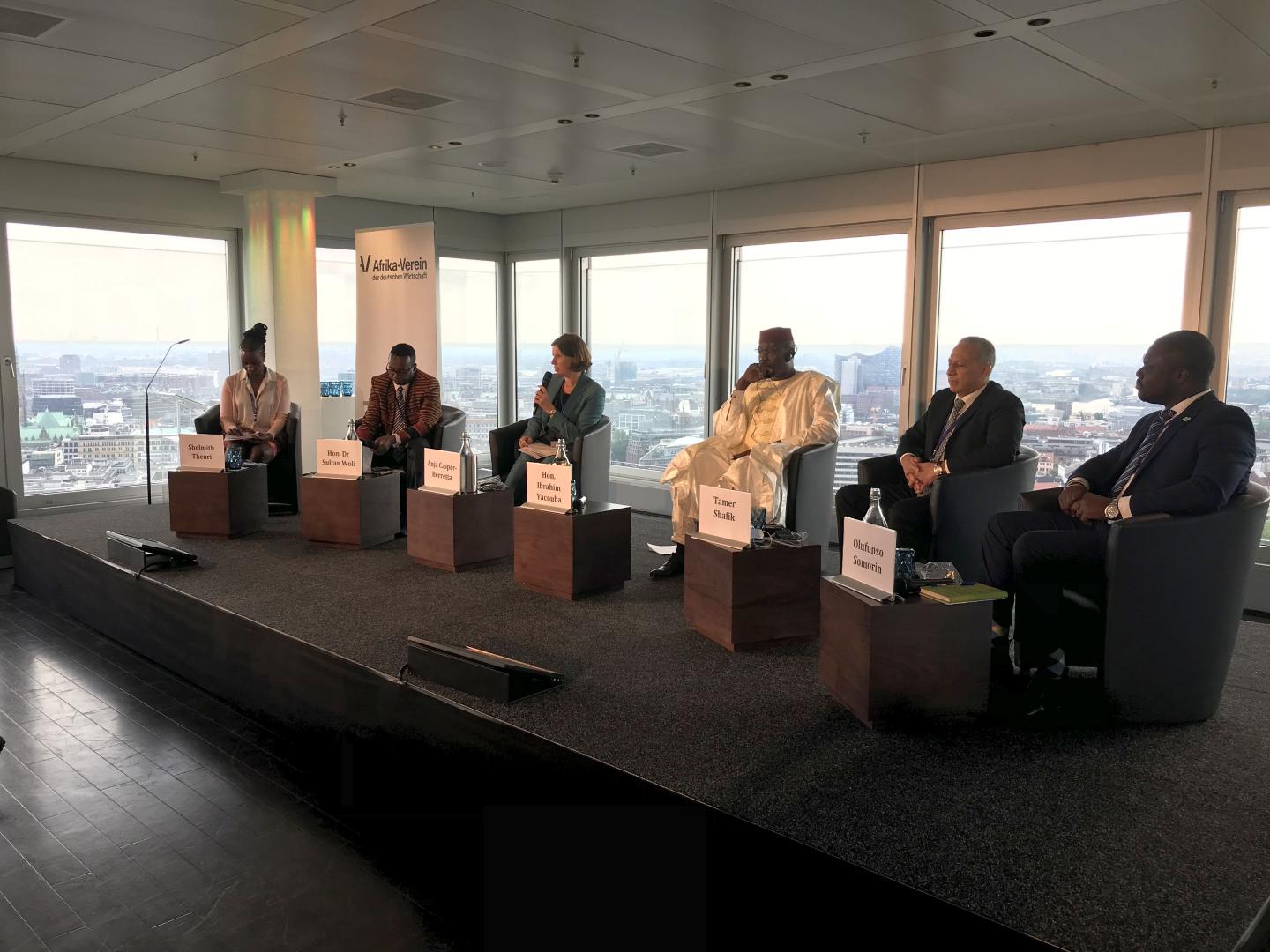
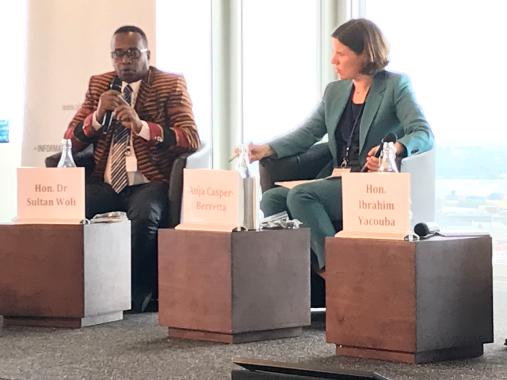
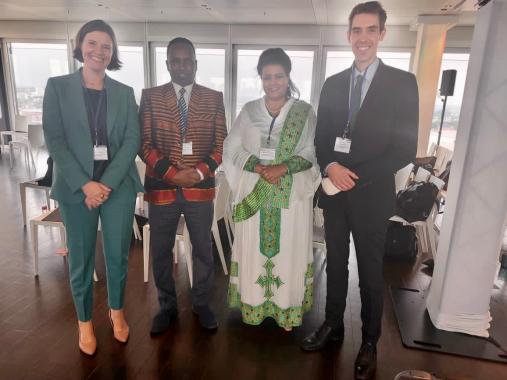
The Konrad Adenauer Foundation, strategic partner of the Forum, hosted a panel on the first day of the conference on the topic of "Scaling Up Investments and Partnerships for Renewable Energy in Africa." The panel discussion, moderated by the Head of the KAS Regional Programme Energy Security and Climate Change in Sub-Saharan Africa, Anja Berretta, included: Dr. Sultan Woli, Minister of State for Energy of the Federal Democratic Republic of Ethiopia; Ibrahim Yacouba, Minister of State for Energy and Renewable Energy of the Republic of Niger; Tamer Shafik, Vice President Business Development of the Egyptian international construction company Orascom Construction; Dr. Olufunso Somorin, Regional Principal Officer for climate finance for East Africa at the African Development Bank (AfDB); and Shelmith Theuri, Deputy Director Off-grid Fund Management at Kenyan consultancyy firm GreenMax Capital Advisors.
Ethiopia's Minister of State, Dr. Sultan Woli, highlighted his government's efforts to diversify energy sources, not least in light of climate change. Ethiopia, he said, has a "strategic position" in the region as a potential producer and exporter of green hydrogen to neighboring countries. The Ethiopian government is currently working on a green hydrogen strategy, he said, and the next step is for parliament to approve it. The state minister emphasized the role of the private sector and public-private funded projects, especially in the high-cost energy sector. Ethiopia has taken important steps in recent years to improve the investment climate in the country, he said.
Niger's Minister of State for Renewable Energy, Ibrahim Yacouba, also emphasized his country's potential, especially in the field of solar and wind power. He regretted, however, that so far renewable energies account for only seven percent of Niger's energy mix. Niger has improved the investment climate in the country, he said, and has recorded remarkable GDP growth figures of around six percent over the past three to four years. On the side of challenges for his country, he said, are connecting the population to the electricity grid, low private investment, and the unstable security situation in the Sahel region. In large-scale projects, he said, the protection of facilities must be taken into account. Niger is very interested in energy partnerships with Germany and neighboring countries in the Sahel region, he said.
Tamer Shafik, Vice President Business Development at Orascom Construction, began by highlighting the company's expertise in plant construction across the continent. He said that the company sees the great potential in Africa. However, he said, one of the disadvantages at present is the subsidy models of various development banks, which have recently also led to African companies with less capital being at a disadvantage in international competition - which is detrimental to Africa. Chinese companies, he said, bring their own experts and their own equipment, which is not conducive to strengthening Africa. "We don't do that," Shafik said.
Dr. Olufunso Somorin of the African Development Bank said of the future of renewable energy in Africa, "We don't have a problem of demonstrating that the potential is huge." For him, the three challenges going forward are: accelerating work on national and international frameworks for investment; better financing partnerships; and leveraging regional advantages among AU member states. Kenya, which now gets nearly 80 percent of its electricity from renewable sources, is an example of how a nearly carbon-neutral future is possible for African countries without dependence on fossil fuels, he said. In this context, Dr. Somorin pointed to large-scale projects such as the Lake Turkana wind farm, with a production capacity of 210 megawatts, and the planned green hydrogen project in Namibia, worth about $9.4 billion and with a potential of up to 8 gigawatts by the end of the decade.
Shelmith Theuri of GreenMax Capital Advisors also critically highlighted the existing imbalance between local and international investors and appealed to African governments to generally create a better investment climate in the countries. "What are you doing so that the private sector can invest?" asked Theuri.
The Regional Programme Energy Security and Climate Change in Sub-Saharan Africa as well as the Ethiopia/African Union Office Abroad of the Konrad-Adenauer-Stiftung support the development of renewable energies on the African continent but also the access of the population to affordable and clean energy according to the Sustainable Development Goal 7. Policy dialogue and the creation of adequate political framework conditions are at the center of KAS activities.