 Armand Plaka
 Armand Plaka
 Standard.at
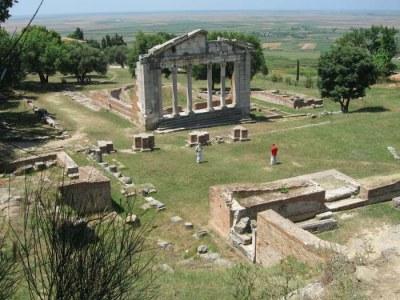 wikipedia.org
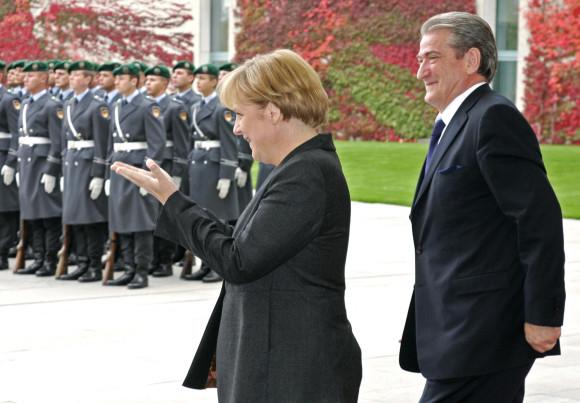 Bundesregierung.de
 wikimedia.org
Armand Plaka
Armand Plaka
Standard.at
wikipedia.org
Bundesregierung.de
wikimedia.org
wikimedia.org
Armand Plaka
Armand Plaka
Standard.at
wikipedia.org
Bundesregierung.de
wikimedia.org
ALBANIA AT A GLANCE
General Information
Official Name: Republic of Albania (Republika e Shqipërisë)
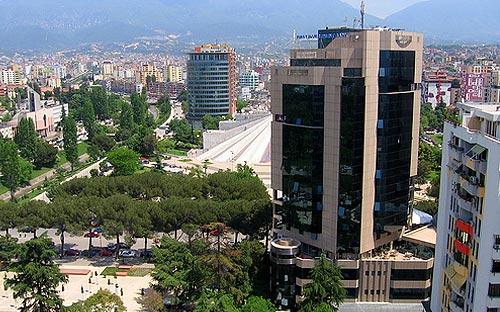
Capital: Tirana
Official Language: Albanian (Shqip)
Area: 28,748 km²
Population: Approximately 2.34 million inhabitants (2026)
Currency: Albanian Lek (ALL)
Time Zone: Central European Time (GMT +1), GMT +2 during daylight saving time
International Dialing Code: +355
Geography and Climate
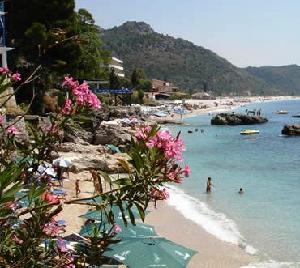
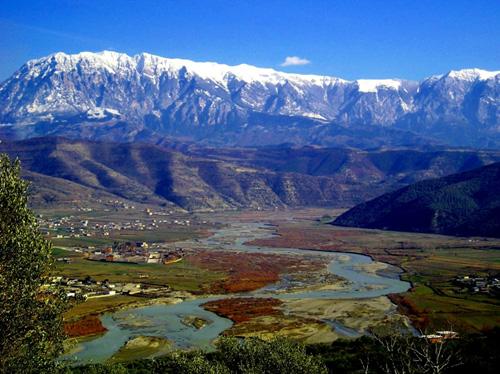
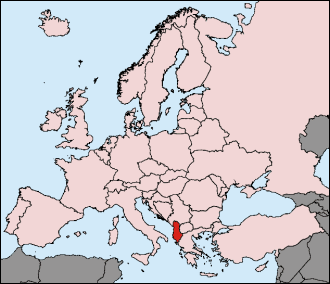
Albania is located in Southeast Europe, on the western part of the Balkan Peninsula. It borders Montenegro and Kosovo to the north, North Macedonia to the east, and Greece to the south. To the west, the country has a coastline along the Adriatic and Ionian Seas, with Italy located approximately 70 km across the Adriatic Sea.
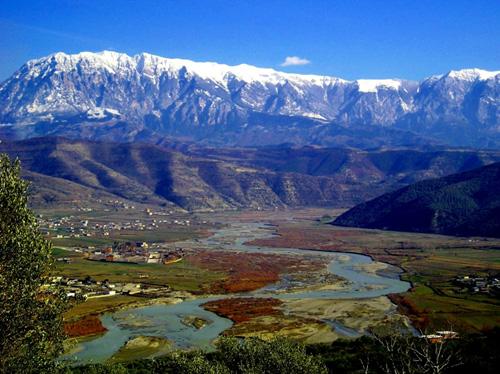
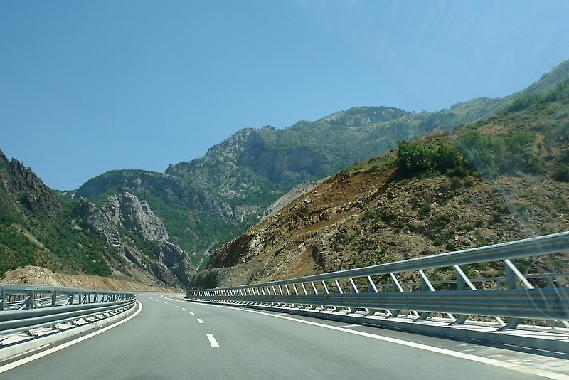
Covering an area of 28,748 km², Albania has a diverse landscape consisting of mountains, hills, rivers, lakes, and coastal areas. The highest mountain peak is Mount Korab, reaching 2,764 meters above sea level.
The country has a Mediterranean climate along the coast, characterized by mild winters and hot, dry summers. Inland regions experience a more continental climate, with colder winters and greater seasonal temperature variations.
Population and Society
Albania has a population of approximately 2.34 million people. The majority of the population is Albanian, while the country is also home to several recognized minority communities.
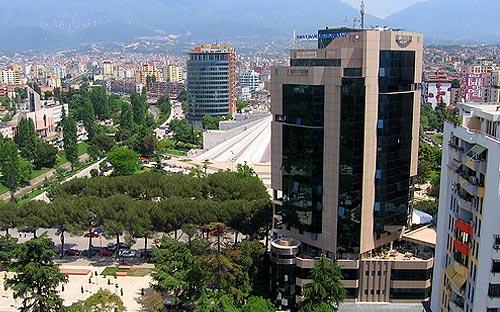
The population is increasingly concentrated in urban areas, with Tirana serving as the country's largest city and its main political, economic, and cultural center.
Political System
Albania is a parliamentary republic. The country has a unicameral parliament, with the President serving as Head of State and the Government exercising executive power.
The Constitution of Albania, adopted in 1998, guarantees fundamental rights and freedoms, including freedom of expression, religion, media, assembly, and association.
International Relations
Albania is a member of NATO, the United Nations, the Organization for Security and Co-operation in Europe (OSCE), the Council of Europe, the World Trade Organization (WTO), the International Monetary Fund (IMF), and the World Bank.
The country is part of the European Union enlargement process. Albania received EU candidate status in 2014 and officially opened accession negotiations with the European Union in 2022.
As a Western Balkan country, Albania plays an important role in regional cooperation, European integration, and security initiatives. (consilium.europa.eu)
Economy
Albania has a developing and increasingly service-oriented economy. Key sectors include tourism, energy, agriculture, construction, manufacturing, and information technology.
In recent years, economic growth has been supported by the expansion of tourism, infrastructure development, foreign investment, and closer integration with European markets.
GDP per capita has increased significantly compared to previous decades, reaching approximately USD 10,000 to 11,000 in nominal terms according to recent international estimates.
Administrative Structure
Albania is divided into:
-
12 counties (qarqe)
-
61 municipalities (bashki)
-
National Holidays
28 November: Independence Day, commemorating the declaration of independence from the Ottoman Empire in 1912.
29 November: Liberation Day, marking the end of foreign occupation during World War II in 1944.
Useful Albanian Expressions
(English- Albanian)
Hello / Good day - Mirëdita
Goodbye - Mirupafshim
Yes- Po
No - Jo
Thank you - Faleminderit
Please - Ju lutem