








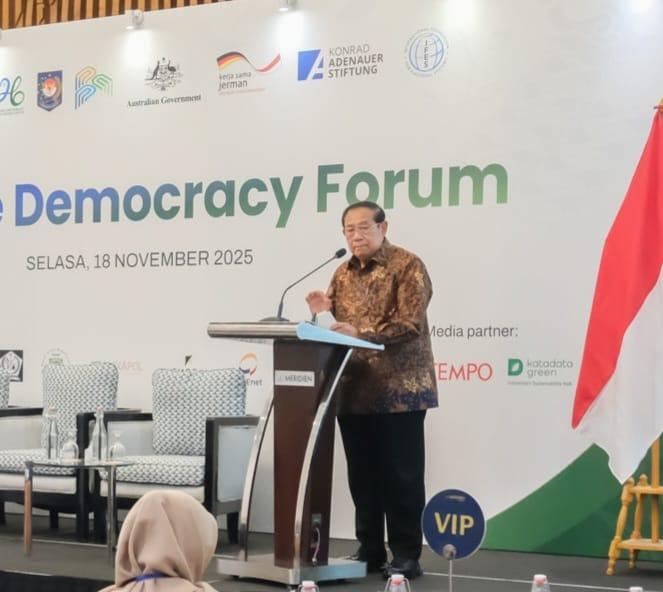
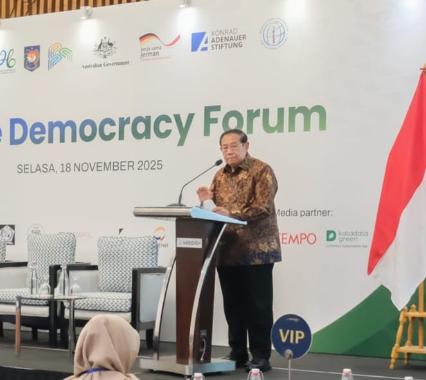
“The main focus of democracy should not lie solely in the labeling of a system, but equally in the quality of its implementation,” emphasized the sixth President of the Republic of Indonesia, Susilo Bambang Yudhoyono (SBY), in his keynote address at the Habibie Democracy Forum 2025. The forum is held annually with the support of the Konrad-Adenauer-Stiftung (KAS) as the main partner, in collaboration with The Habibie Center (THC). This year’s forum was dedicated to the theme “Realizing Ecological Justice and Democratic Resilience.”
SBY, who in 2004 became Indonesia’s first president to be elected through a direct popular vote, thereby marking an important milestone in the country’s democratic development, highlighted that the world is currently experiencing a period of growing instability. He pointed to the rise of power politics and nationalism, as well as the increasing number of states turning away from multilateralism. At the same time, he underscored that achieving global climate targets is only possible through collective action and that effective climate protection requires close cooperation among all nations.
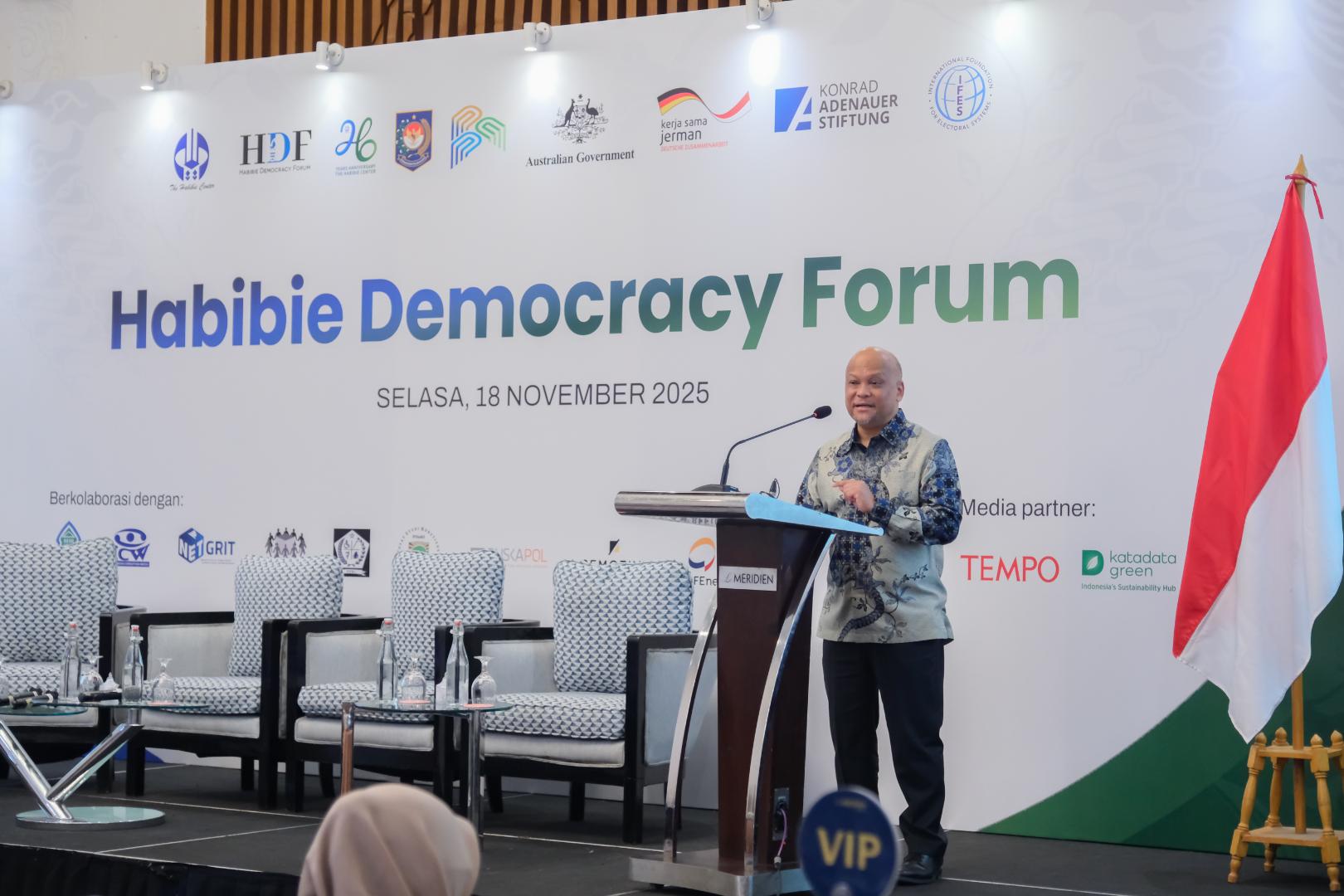
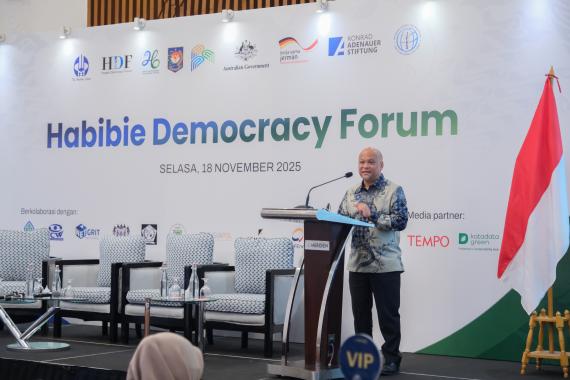
Earlier, Dr. Ilham Habibie, Co-Founder of The Habibie Center and son of the third President of the Republic of Indonesia, B. J. Habibie, recalled in his opening remarks his father’s central vision: during his presidency, B. J. Habibie regarded it as crucial to consistently steer Indonesia toward the path of democracy. During the transitional phase of his administration, he introduced, among other reforms, freedom of the press and enabled the establishment of political parties, thereby laying the groundwork for the country’s first democratically conducted election.
Dr. Dewi Fortuna Anwar, Chairperson of The Habibie Center, further emphasized that the decisive contributions to accelerating democratic reforms — particularly the transition from the authoritarian New Order (Orde Baru) regime to a democratic state — were largely driven during President Habibie’s term in office.
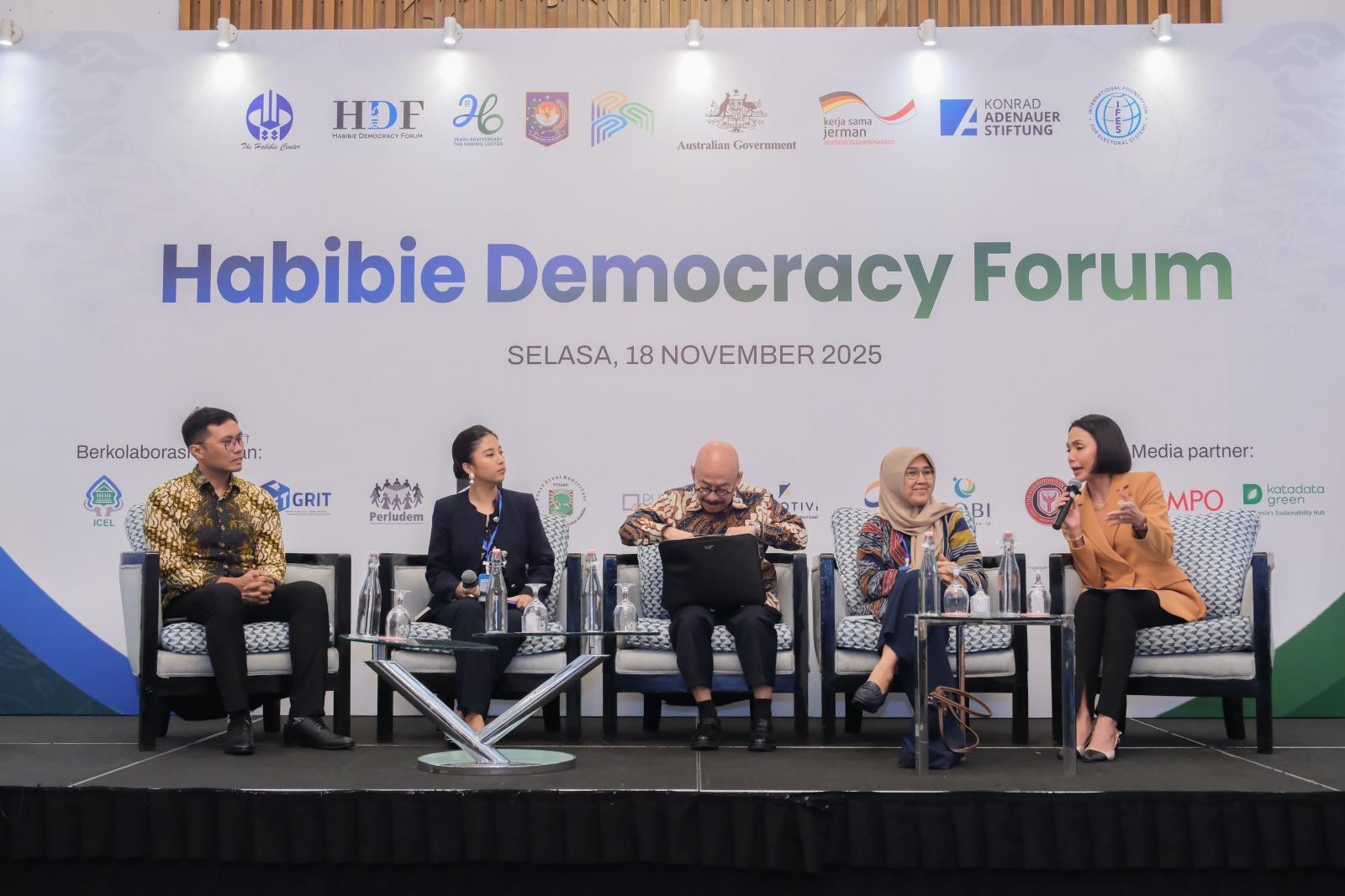
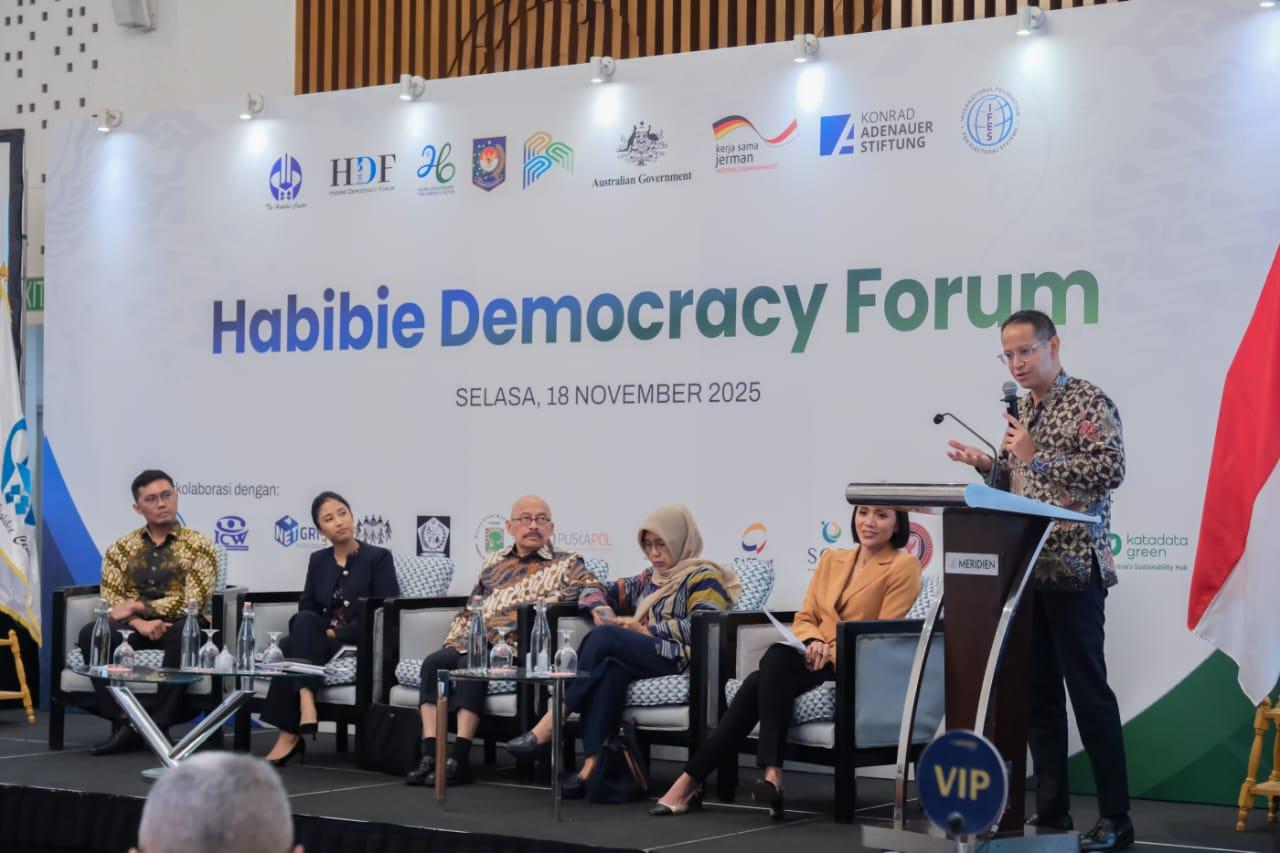
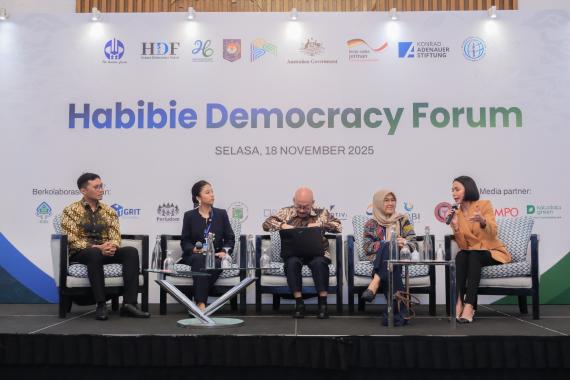
Following the keynote addresses, a panel discussion on democracy and climate protection was held. Experts and members of parliament examined the interrelationship between democratic governance and effective climate policy, and highlighted the importance of political participation and institutional cooperation in addressing the climate crisis.
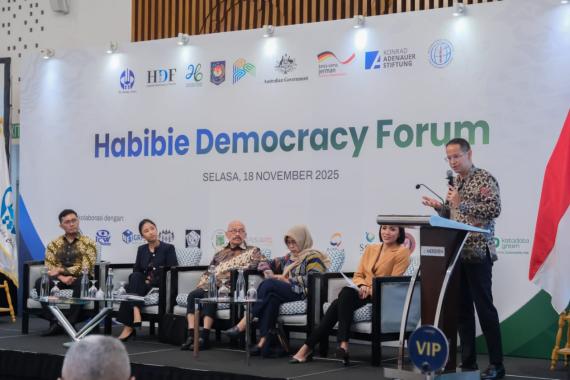
To conclude the forum, Dr. Denis Suarsana, Head of the Konrad-Adenauer-Stiftung for Indonesia and Timor-Leste, provided insights into German climate policy and the challenges associated with it. He explained that, as a result of climate policies perceived by parts of the population as overly demanding during the “traffic light” coalition, many former supporters of climate action had turned away and, in some cases, shifted toward populist parties that do not prioritize climate protection.
He therefore emphasized that, in order to implement effective climate policy in a democracy, it is crucial to secure broad public support and actively engage society throughout the transformation process.
