








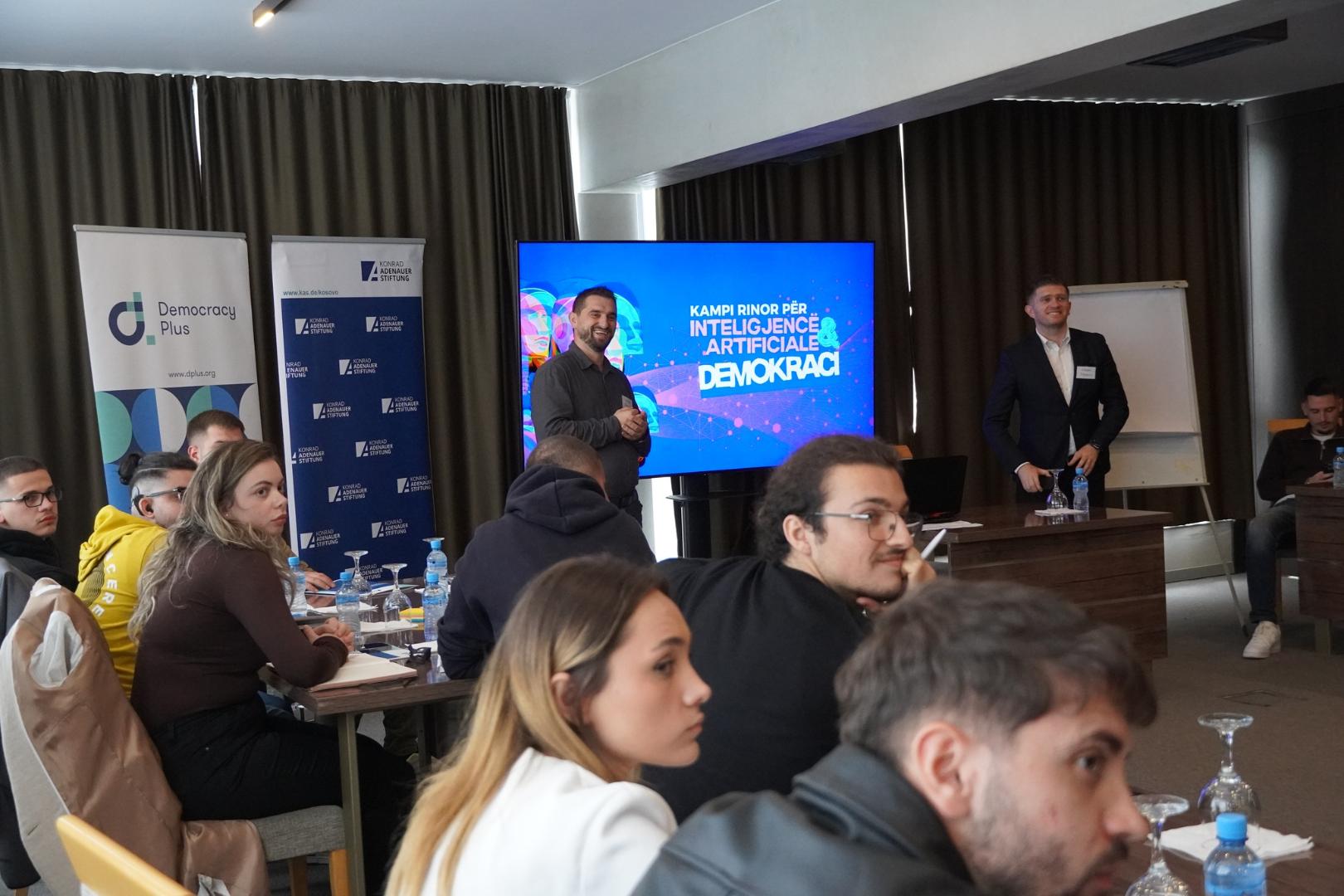
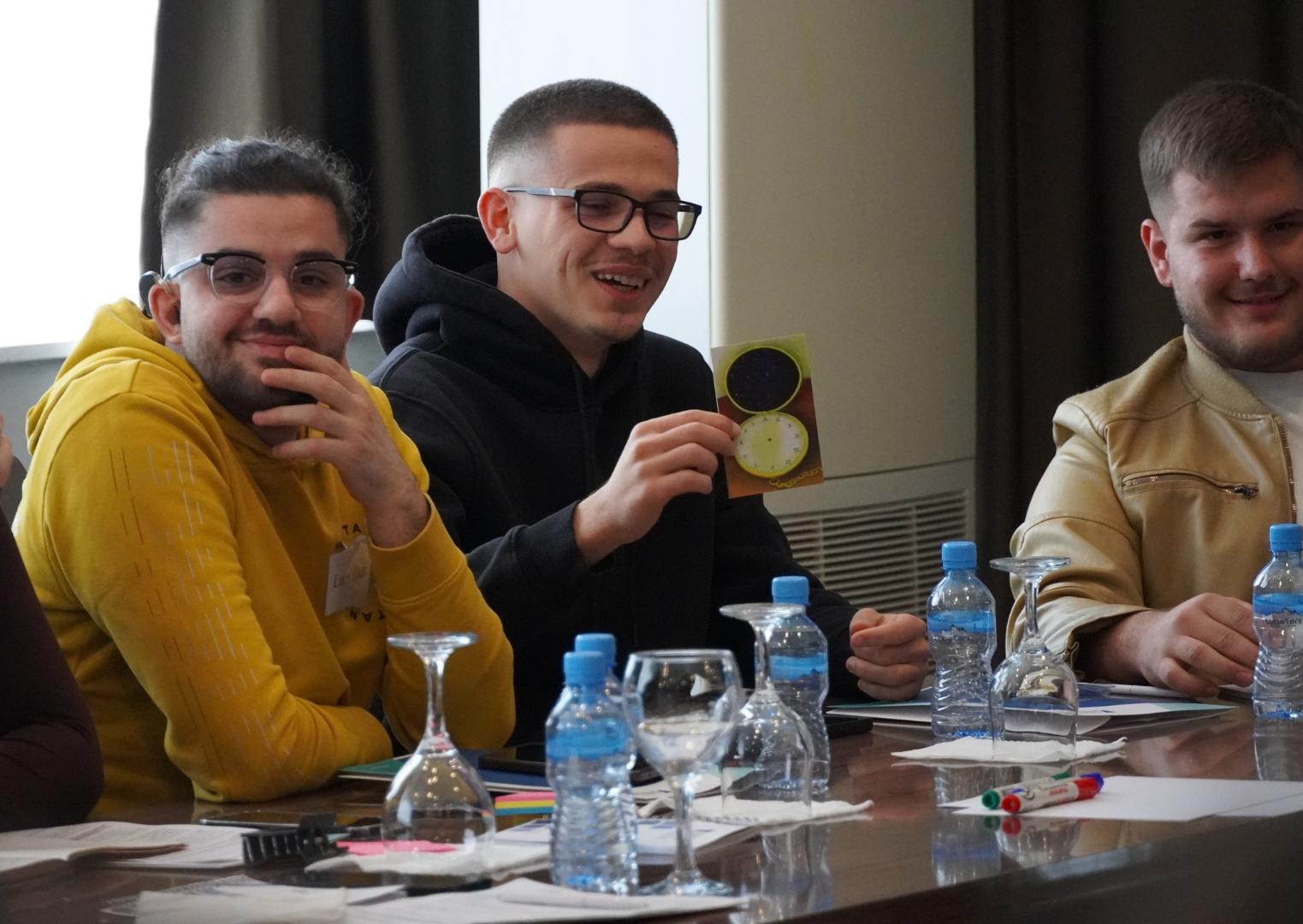

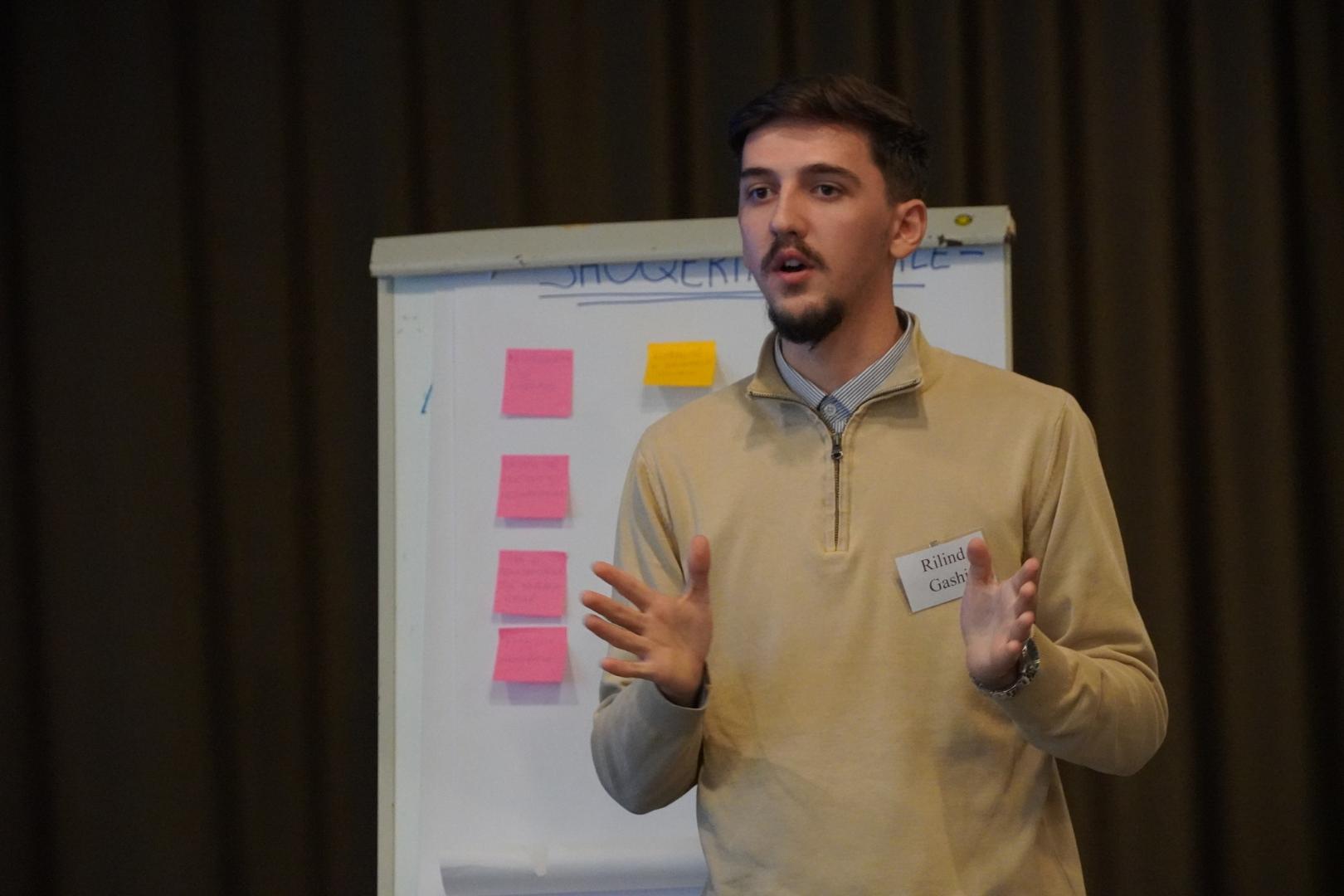
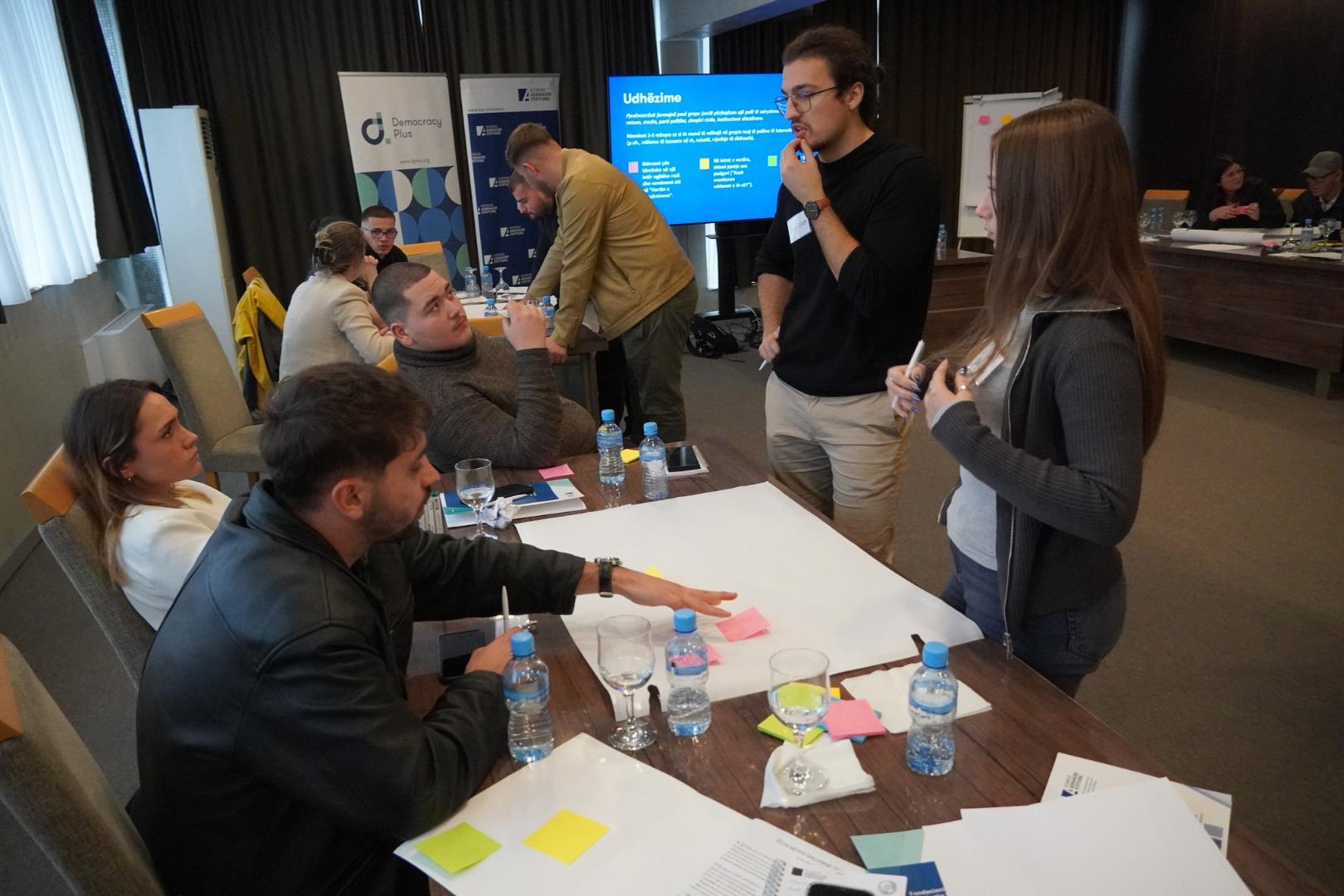
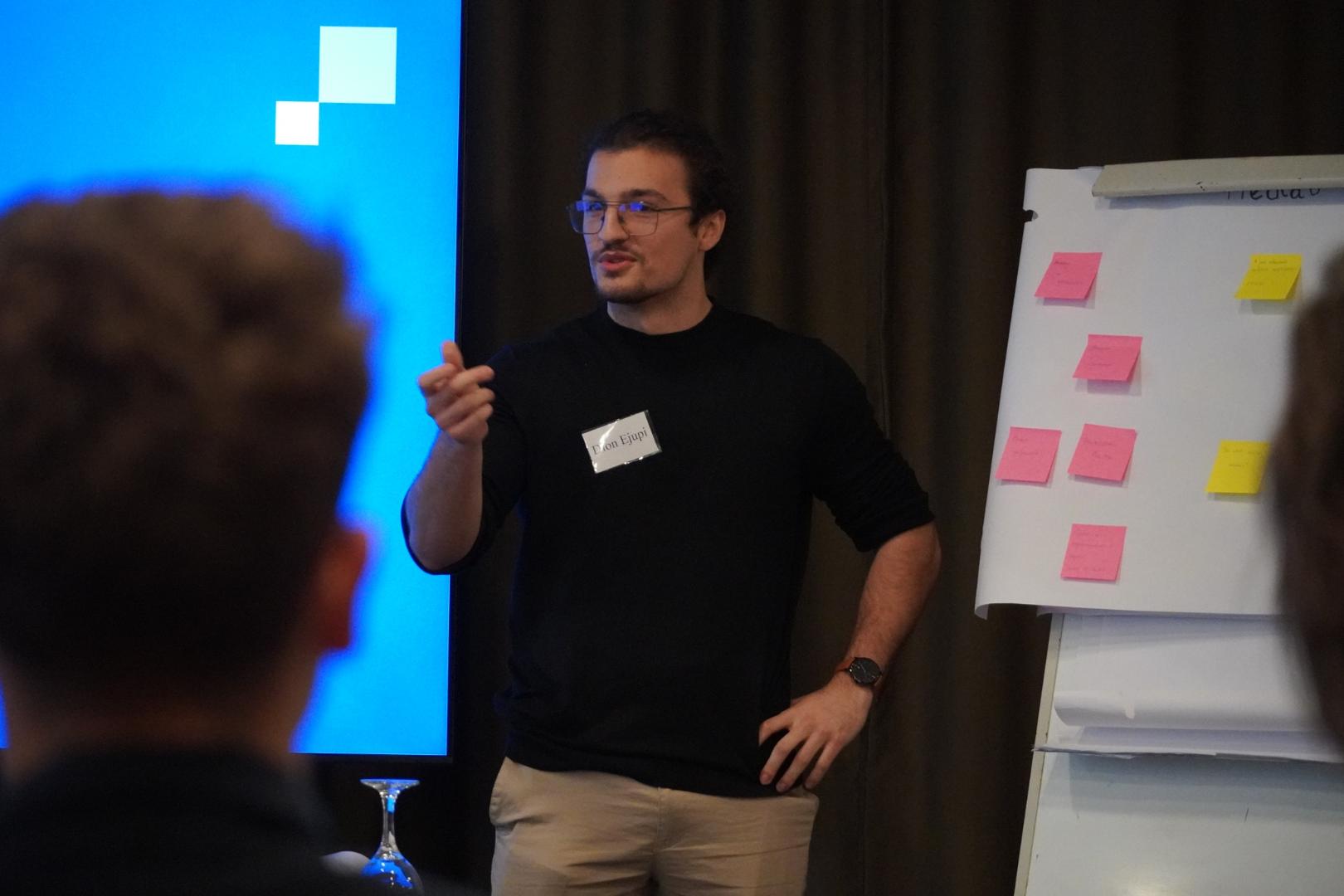
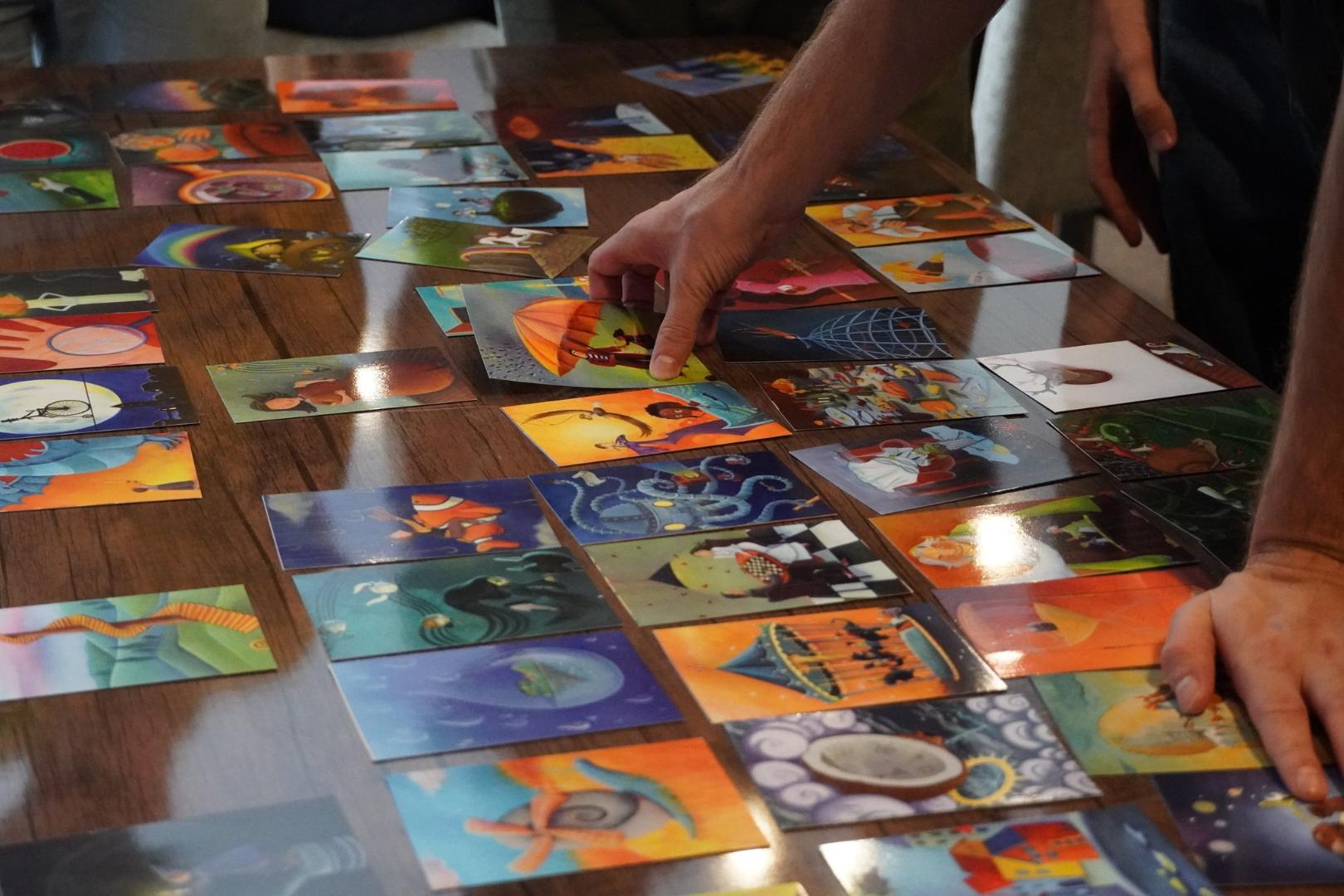
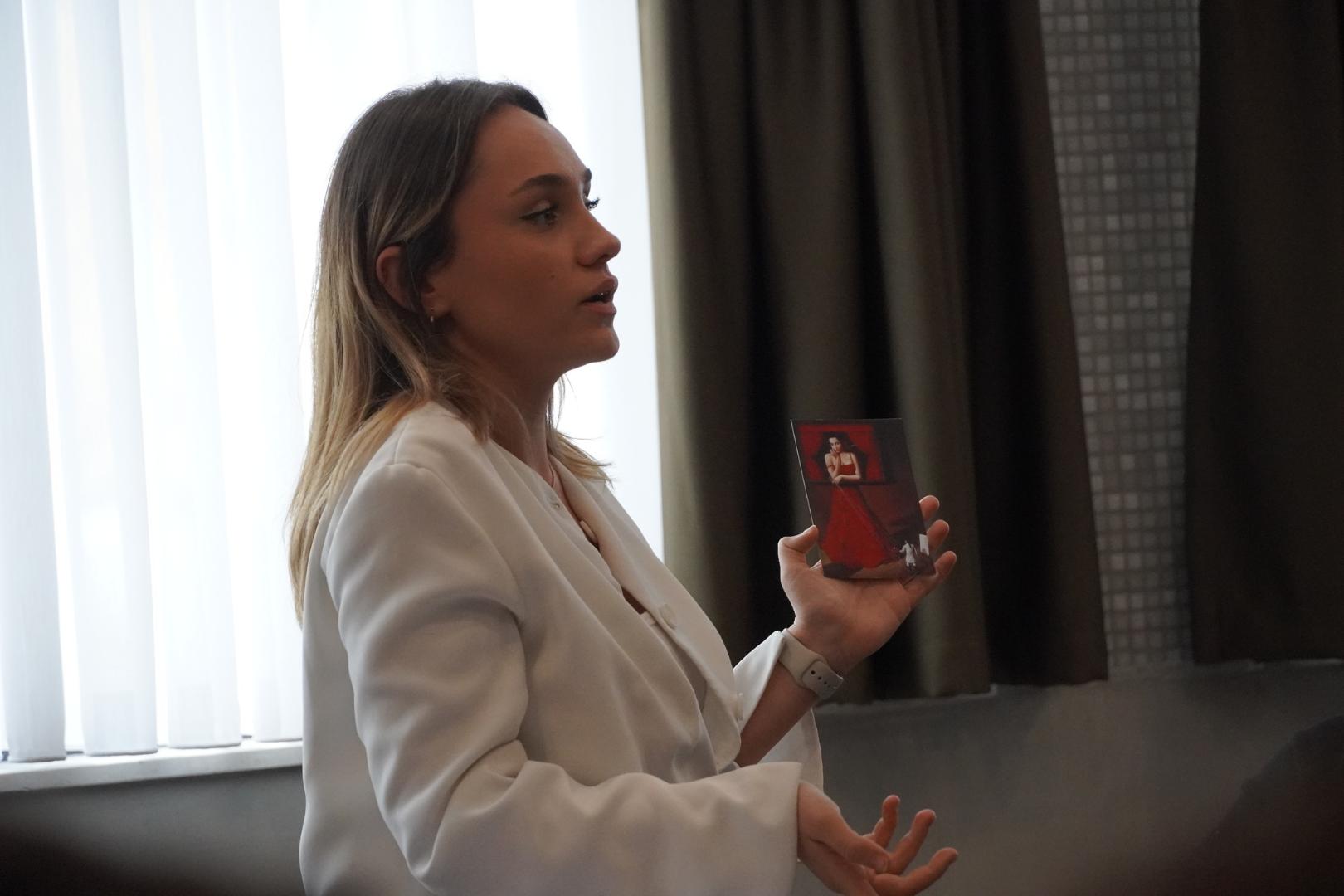
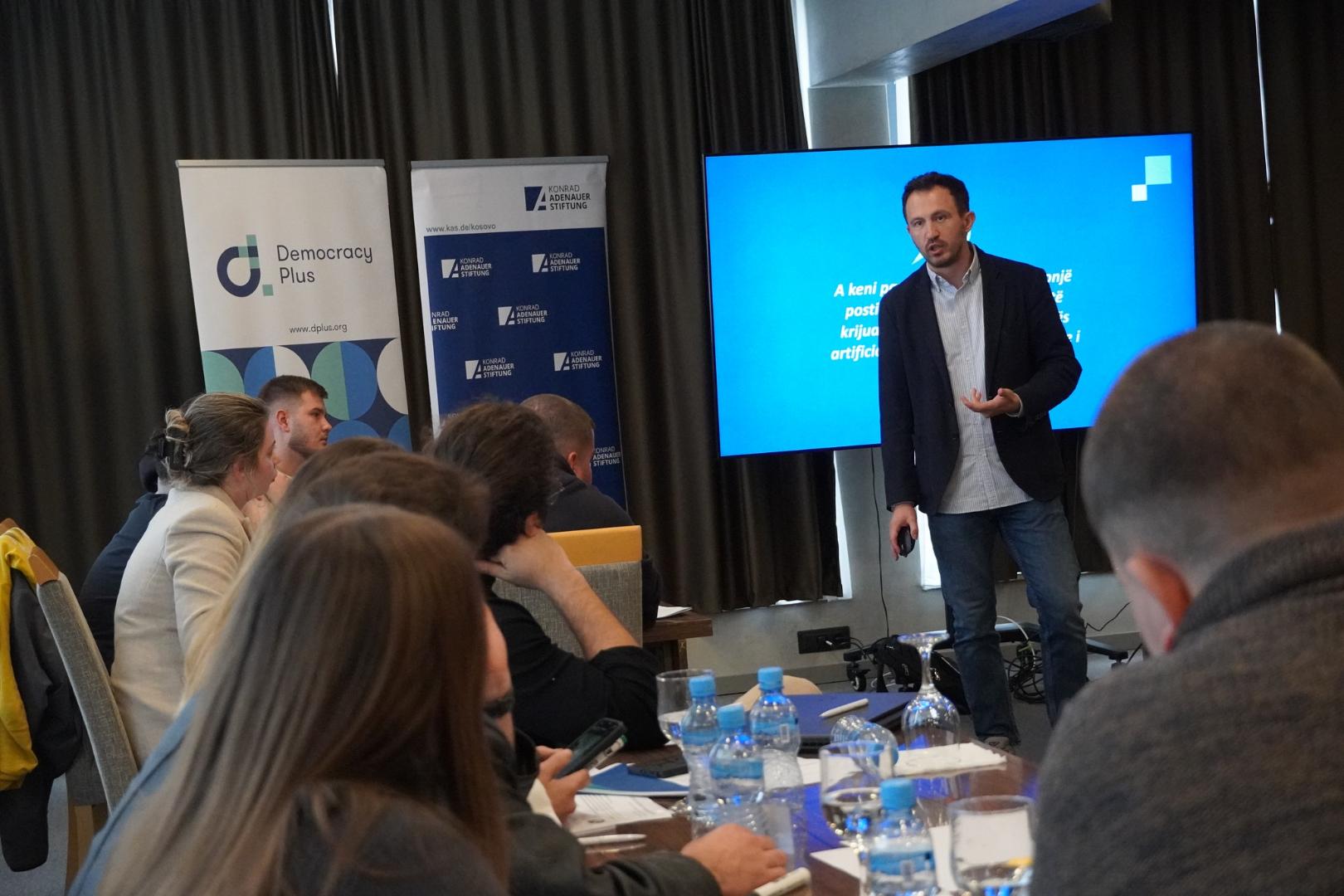
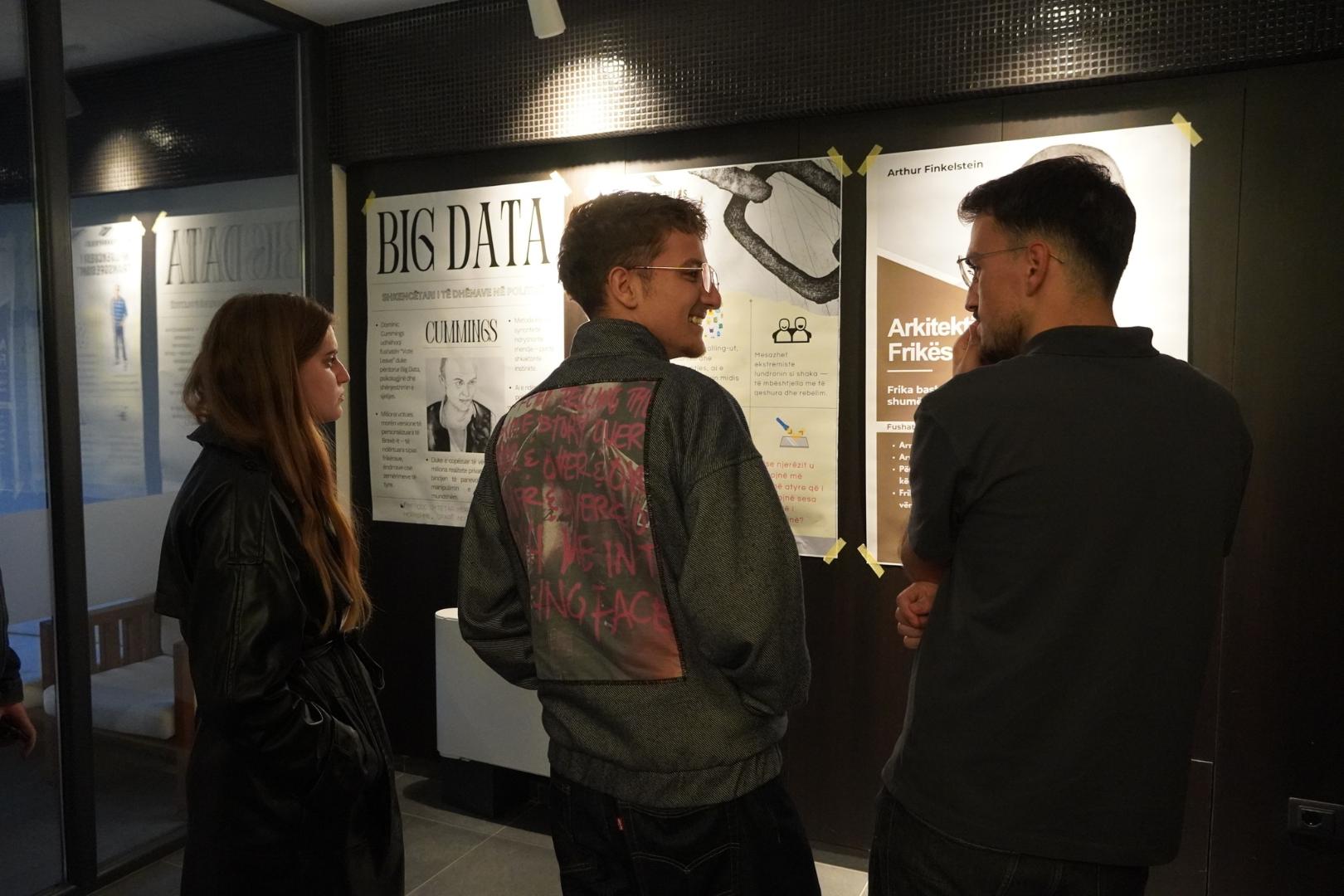
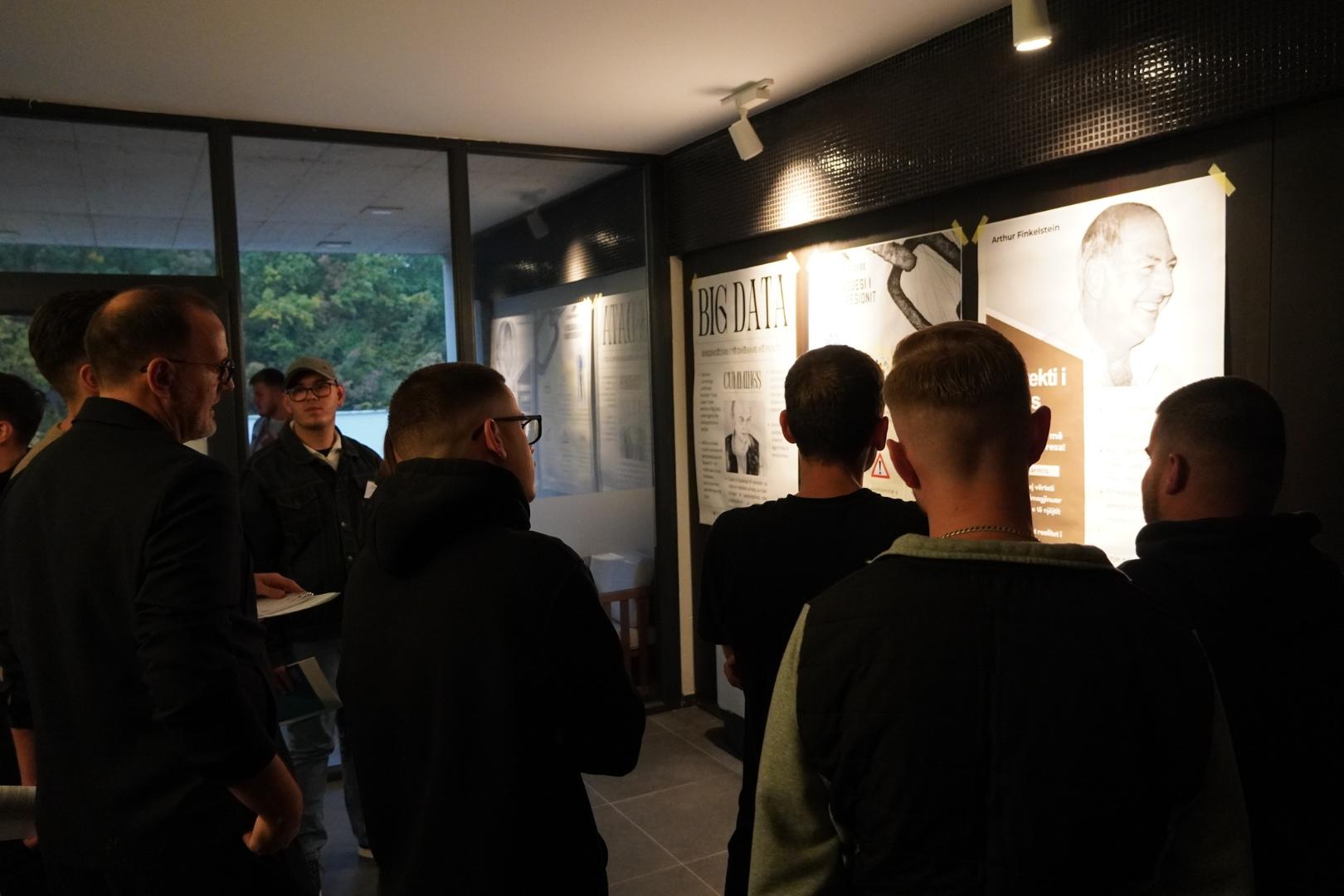
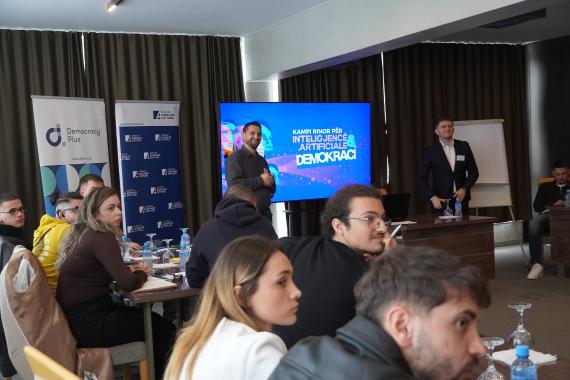
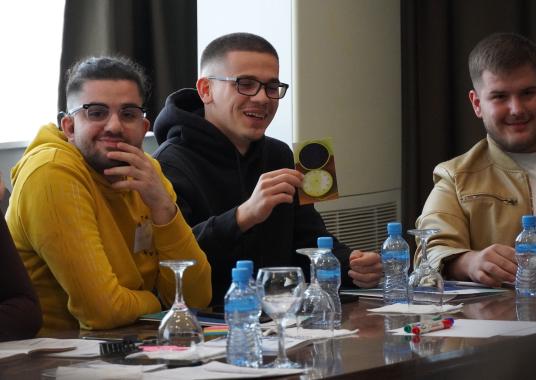
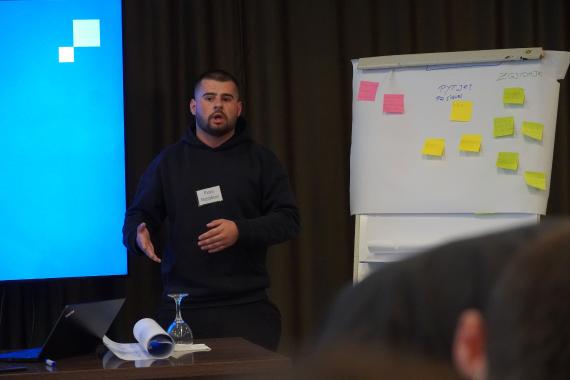
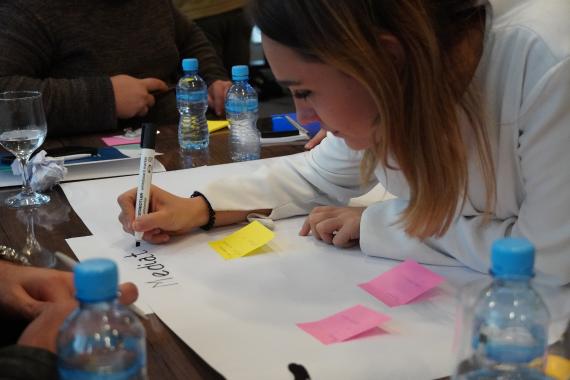
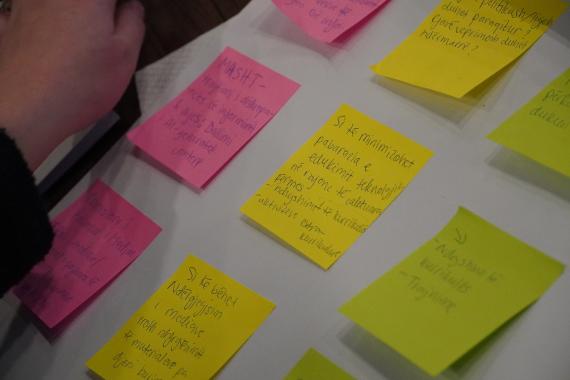
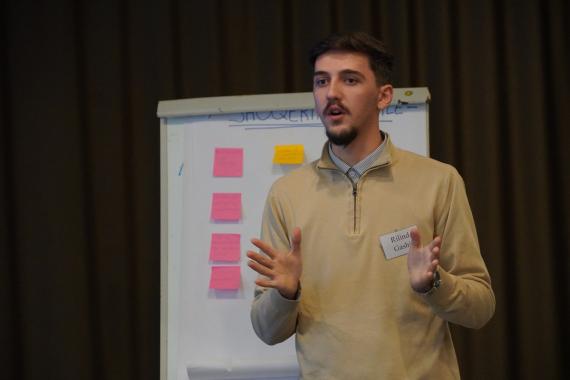
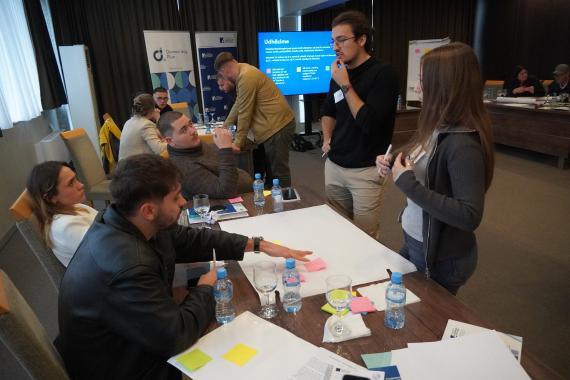
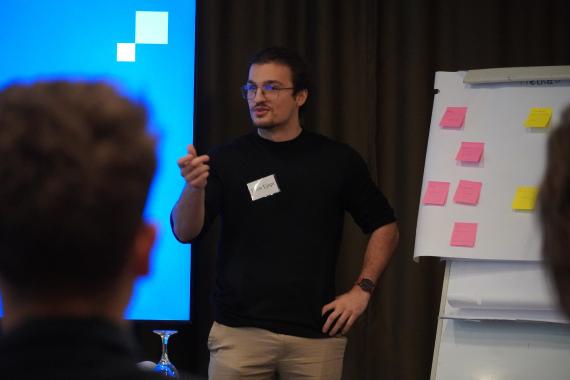
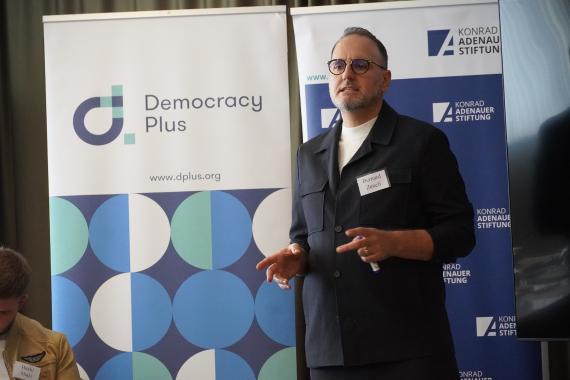
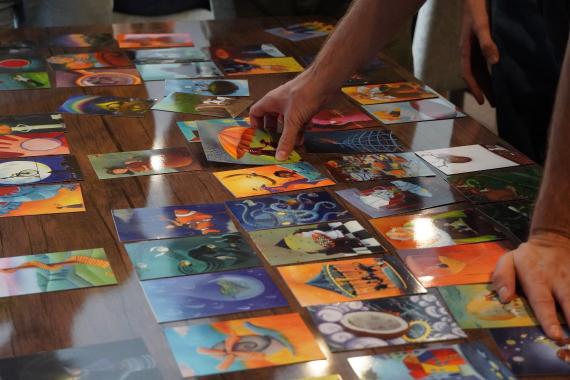
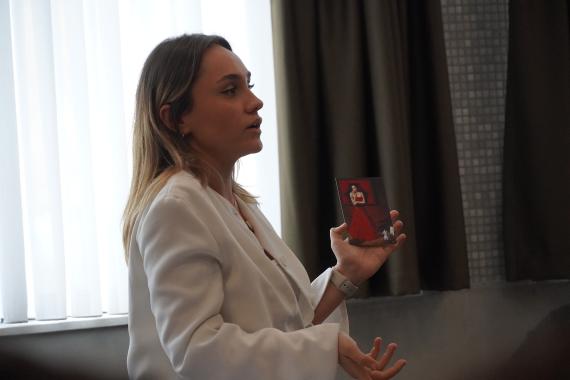
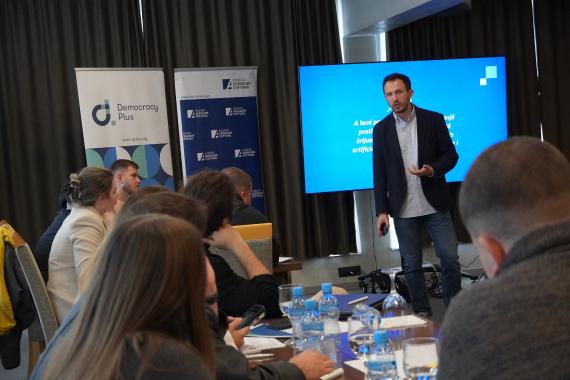
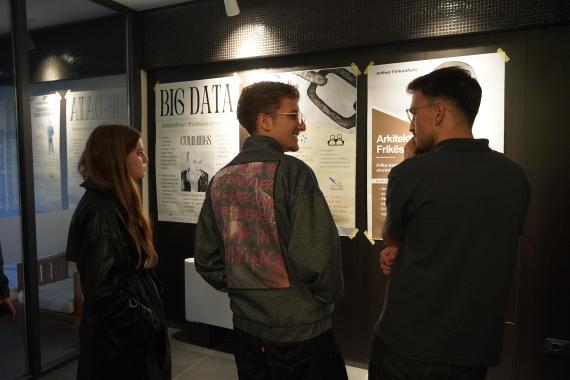
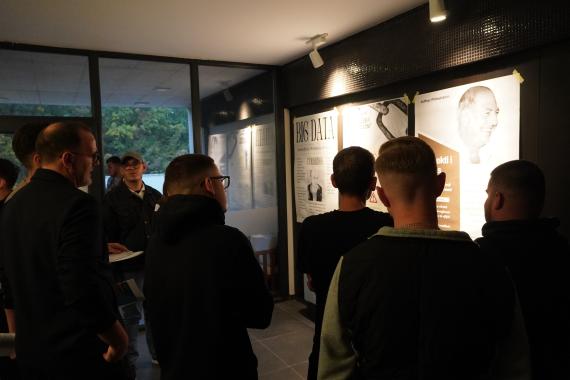
From 17 to 19 October 2025, the Konrad-Adenauer-Stiftung (KAS) and Democracy+ (D+) held the “Youth Camp on Artificial Intelligence and Democracy” at Hotel Solid in Suhareka. The program brought together young participants from across Kosovo to analyze the changing nature of democracy in the digital era, the challenges posed by AI, and the emerging opportunities for ethical innovation and civic engagement.
The camp opened with welcome remarks by Granit Tërnava (KAS) and Valmir Ismaili (D+), outlining the goals of the three-day program.
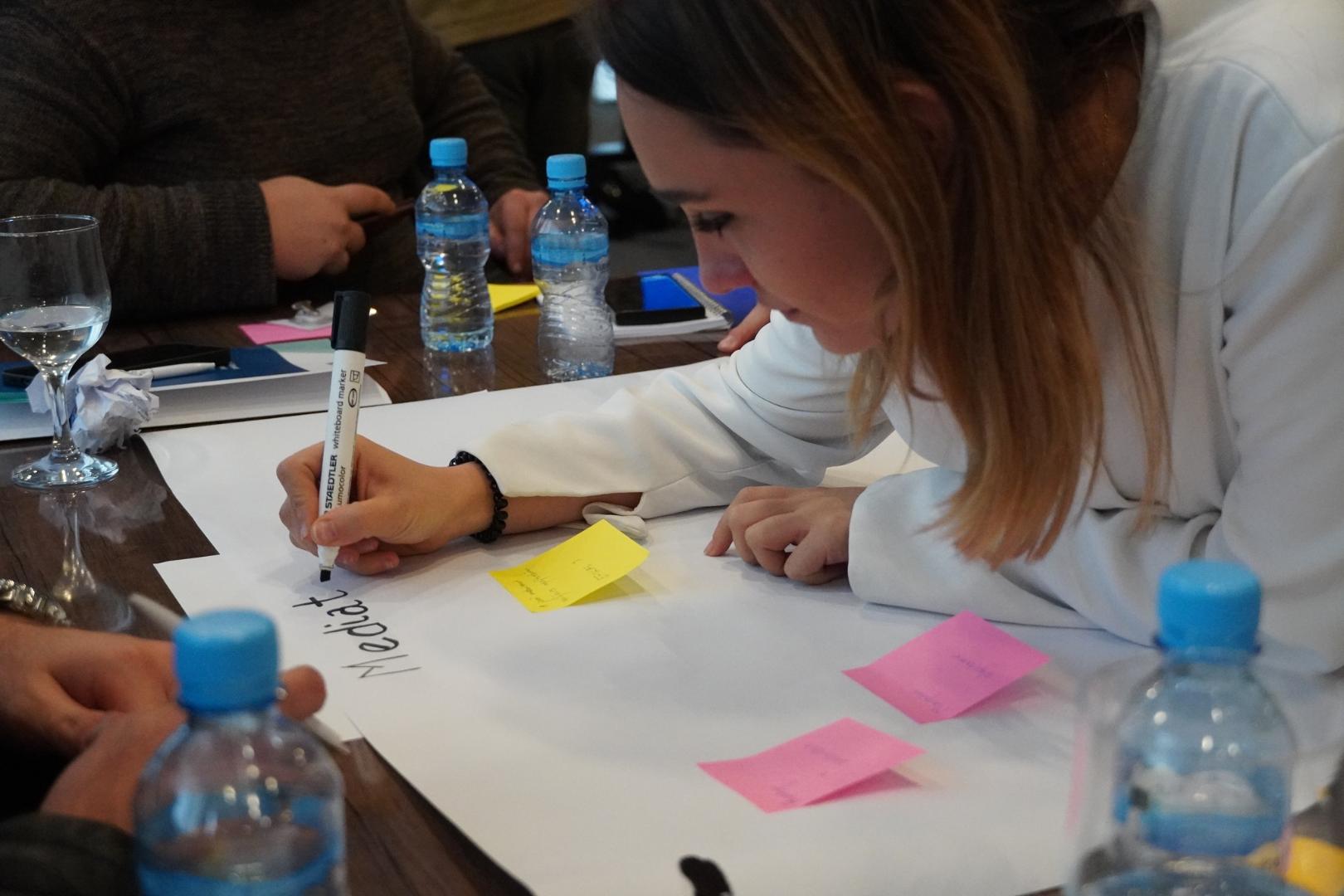
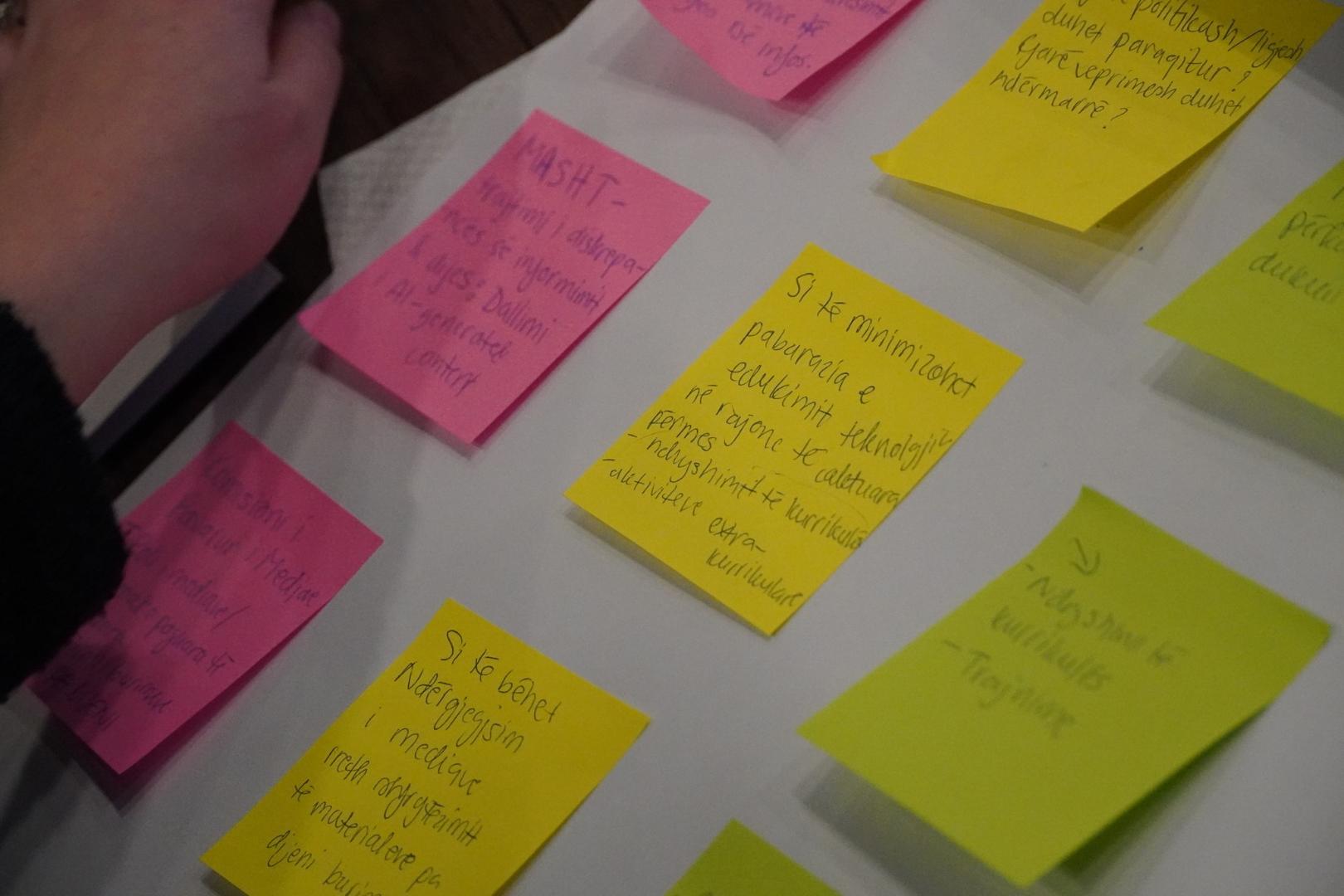
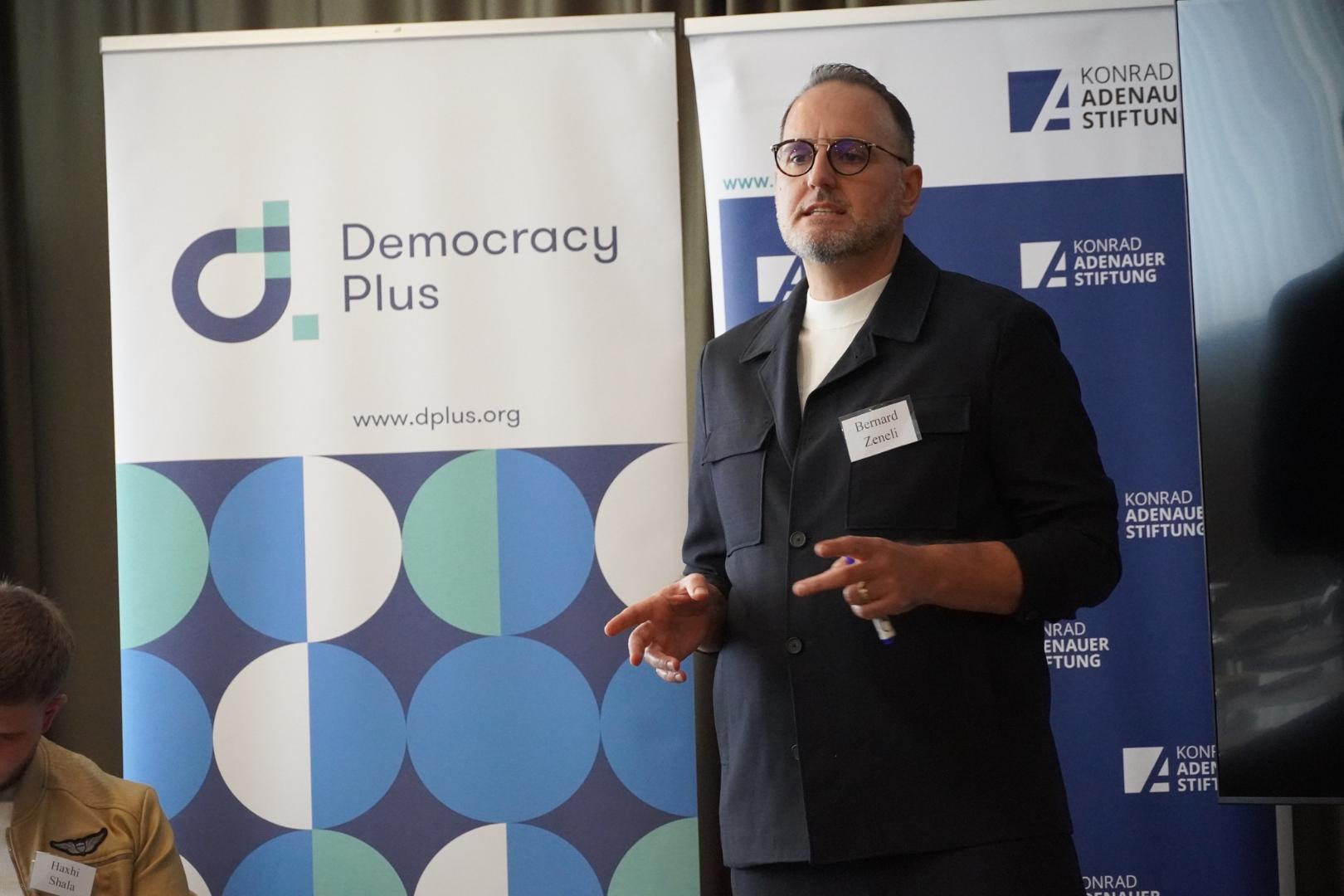
The first major session, Democracy in Transition – from civic space to digital space, led by Bernard Zeneli, explored how social networks, algorithmic feeds and online mobilization have transformed political participation and undermined fact-based public debate. The conversation combined interactive discussion with group work, allowing participants to map the rapid shift from traditional communication to digital ecosystems.
After lunch, Prof. Alfred Marleku delivered the keynote address, The Future of Democracy in the Age of Digital Emotions, examining how algorithm-driven emotions, virality and engineered outrage shape public opinion, power distribution and civic behavior. The afternoon continued with The New Authoritarianism – organized chaos and digital control, a case-study-based session with Bernard Zeneli focused on manipulation, disinformation and emotional amplification in digital politics. The day ended with the informal evening event The Café of Ideas – “My Generation and Democracy”, moderated by Tërnava and Ismaili.
The second day opened with a recap session before transitioning into the camp’s AI-focused component. Prof. Blerton Abazi led What is Artificial Intelligence?, a hands-on introduction to the foundations of AI, its applications and its influence on everyday life in Kosovo. After a coffee break, Rina Mehana guided participants through the session AI and Democratic Values – transparency, fairness and ethical risks, combining debate with practical case studies.
After lunch, the workshop Truth in the Age of Deepfakes, delivered by Visar Prebreza, challenged participants to identify AI-generated disinformation and test fact-checking tools through real scenarios. The final session of the day, Digital Rights and AI Regulation, delivered by Labinot Leposhtica, examined privacy, data protection and the implications of the EU AI Act for Kosovo. The evening concluded with Dinner & Dialogue – Digital Freedoms, a social event with an interactive quiz moderated by Donika Ahmetaj and two students.
The final day opened with Albert Krasniqi’s session AI and Elections – a new democratic battlefield, analyzing campaign micro-targeting, algorithmic influence, deepfakes and voter manipulation. After the break, Bernard Zeneli led the closing session From Camp to Global Engagement – Erasmus+ Virtual Exchanges, presenting opportunities for European youth collaboration through digital platforms.
The camp concluded with a collective reflection session, awarding of certificates, and the “Tree of Democracy and AI” activity, where participants shared commitments for future democratic engagement.