 https://x.com/AndrejPlenkovic
 https://x.com/AndrejPlenkovic
 https://x.com/AndrejPlenkovic
 https://x.com/AndrejPlenkovic
 https://x.com/AndrejPlenkovic
 https://x.com/AndrejPlenkovic
 https://x.com/AndrejPlenkovic
https://x.com/AndrejPlenkovic
https://x.com/AndrejPlenkovic
https://x.com/AndrejPlenkovic
https://x.com/AndrejPlenkovic
https://x.com/AndrejPlenkovic
https://x.com/AndrejPlenkovic
https://x.com/AndrejPlenkovic
https://x.com/AndrejPlenkovic
https://x.com/AndrejPlenkovic
https://x.com/AndrejPlenkovic
https://x.com/AndrejPlenkovic
https://x.com/AndrejPlenkovic
https://x.com/AndrejPlenkovic
https://x.com/AndrejPlenkovic
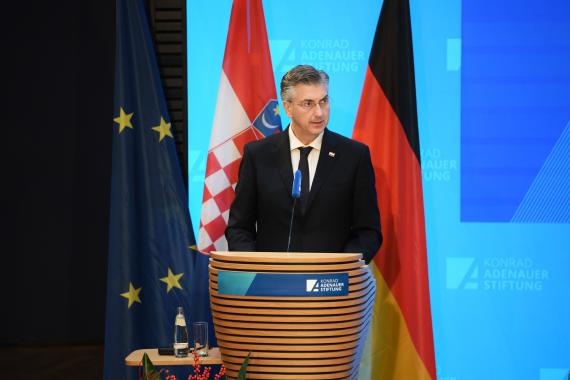
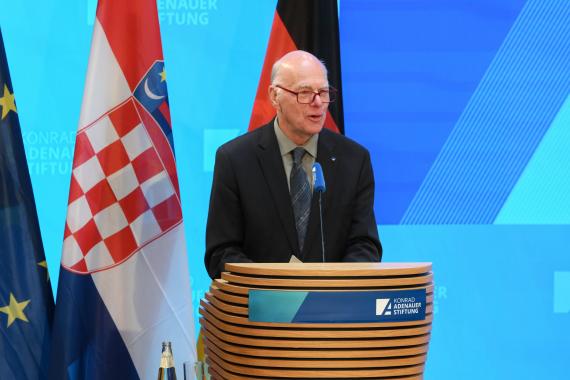
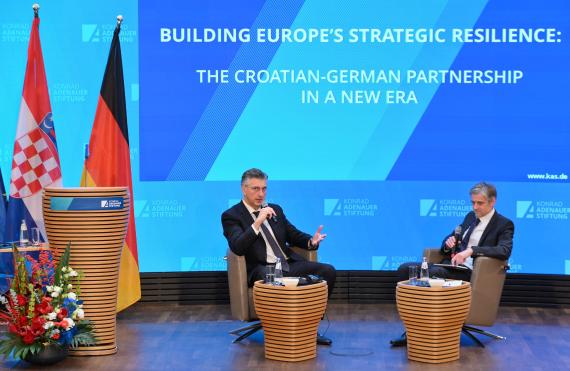
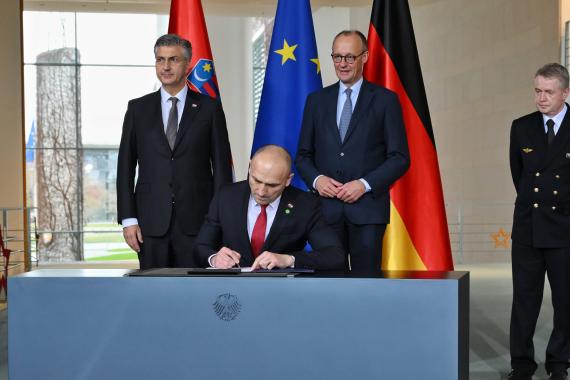
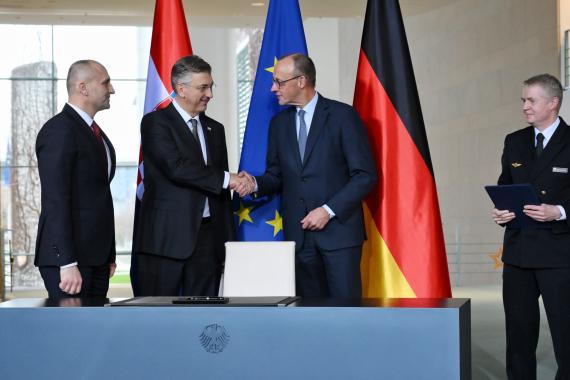
He also recalled that Ukraine has been bravely defending itself against Russian aggression for almost four years and that Croatia remains firmly committed to fully supporting Kyiv in upholding its sovereignty. He added that Europe must be at the centre of all security discussions, as decisions concerning European security should not be made without the European states themselves. Plenković underlined that Croatia regards Germany as a leading force in strengthening Europe’s defence and as a key partner within NATO and the EU. Security cooperation between the two countries has significantly deepened over the past two years; he cited the Croatian-German security cooperation pact, concluded as part of Croatia’s procurement of 44 Leopard 2A8 battle tanks, as an important milestone.
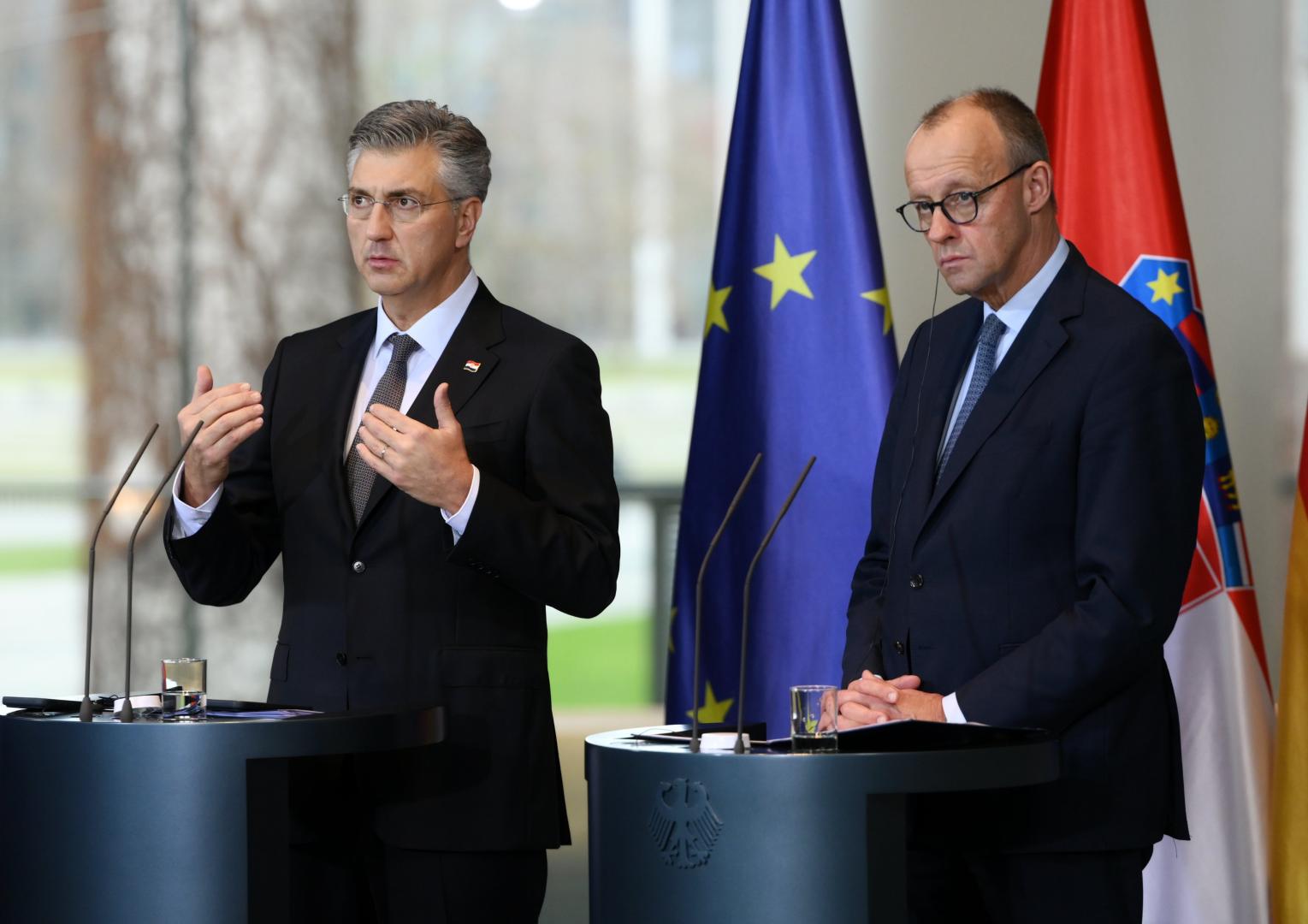
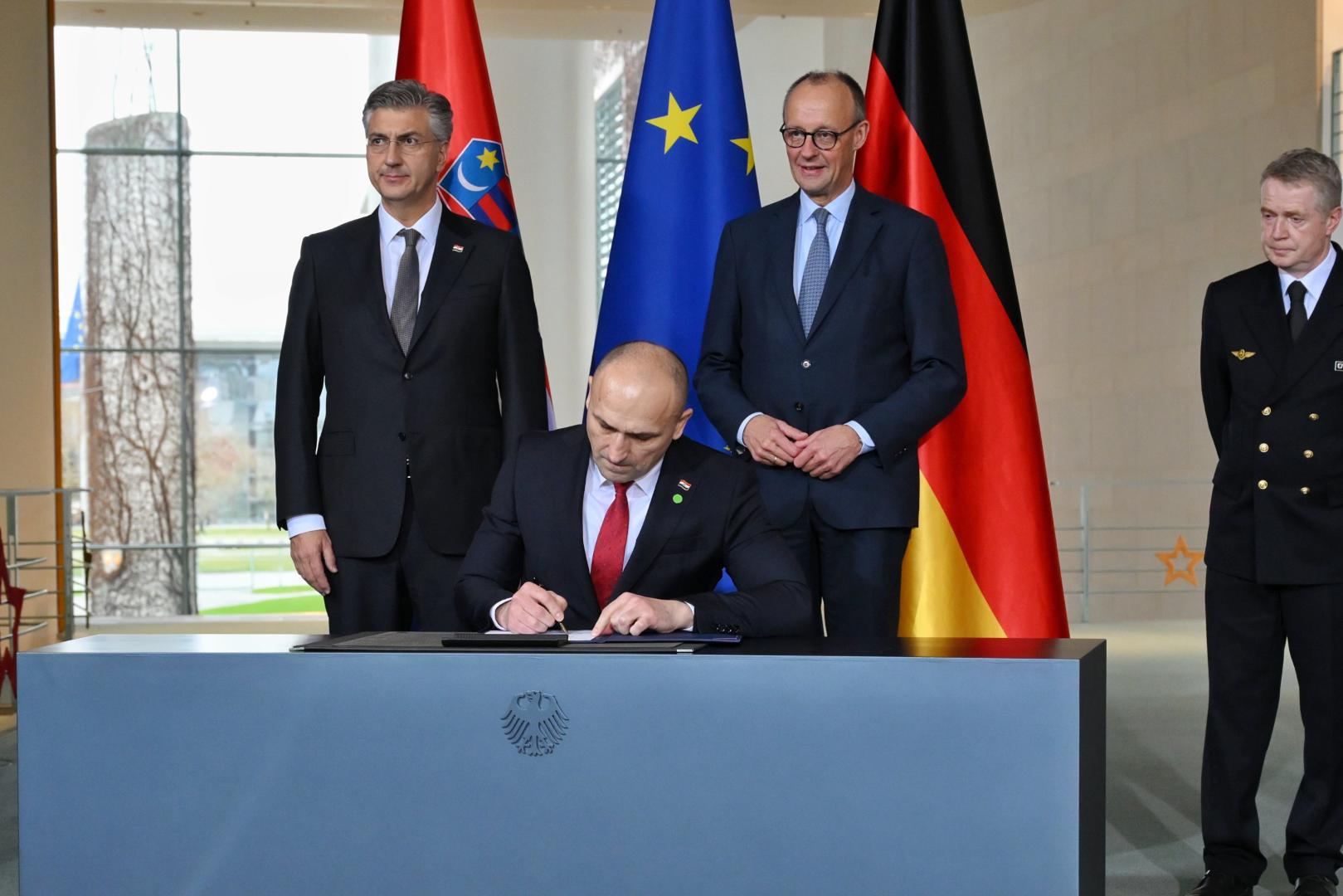
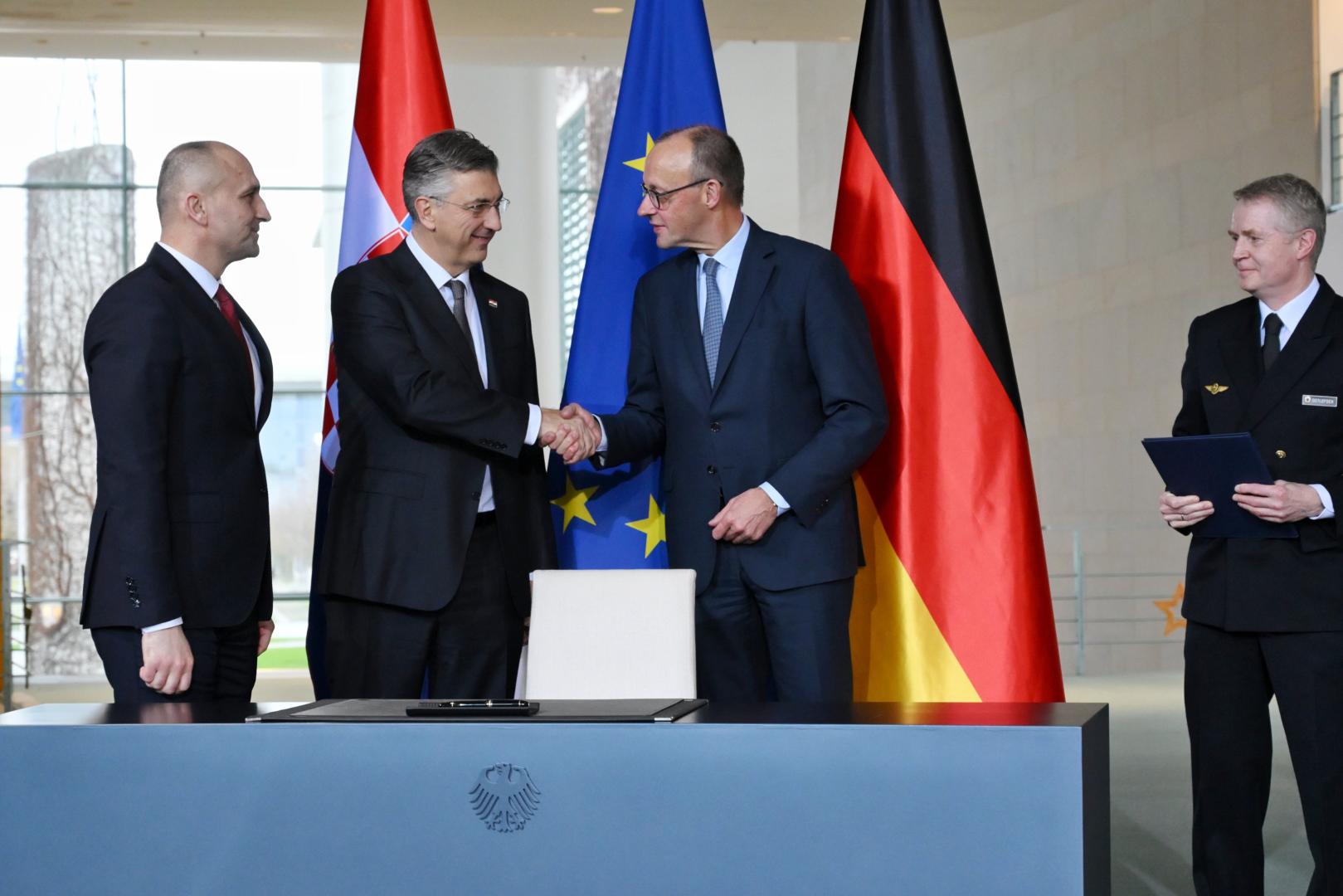
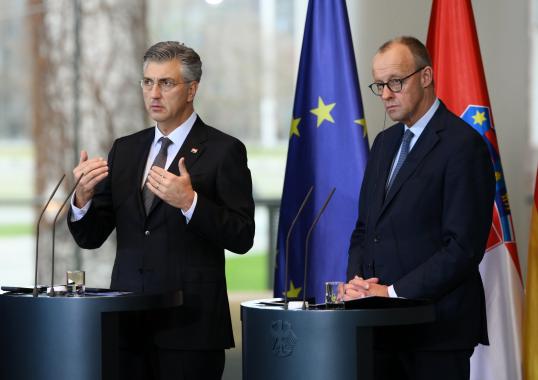
The following day, he met with Federal Chancellor Friedrich Merz. Both underlined the excellent and friendly relations between Croatia and Germany – including the fact that Germany, with a trade volume of 9 billion euros last year, was Croatia’s most important trading partner as well as a major country of origin for tourists. Their discussions also addressed global crises, particularly the war in Ukraine, with Plenković once again stressing that any solution must respect the Ukrainian state, its territorial integrity, and international law. During the meeting, the contract for the delivery of 44 Leopard 2A8 tanks was also signed. The agreement includes simulators, spare parts, extended warranties, and comprehensive logistical support. These tanks are among the most advanced in the world, equipped with highly sophisticated offensive systems and the Trophy active protection system.
Plenković also spoke about Europe’s energy security, highlighting the strategic importance of the LNG terminal on the island of Krk and the JANAF system. He announced that discussions on European security, the new Multiannual Financial Framework, and EU enlargement to Southeast Europe would continue at the next European Council. He particularly emphasised the need for support for Bosnia and Herzegovina, as well as the equal treatment of its three constituent peoples, as a prerequisite for the country’s functionality and stability.
In conclusion, it was emphasised that by deepening their cooperation in the fields of defence, security, and energy, as well as by upholding shared European values, Croatia and Germany are further strengthening the European Union and laying the foundation for a prosperous common future.