 Boris Ščitar
 Boris Ščitar
 Boris Ščitar
 Boris Ščitar
 Boris Ščitar
 Boris Ščitar
 Boris Ščitar
 Boris Ščitar
Boris Ščitar
Boris Ščitar
Boris Ščitar
Boris Ščitar
Boris Ščitar
Boris Ščitar
Boris Ščitar
Boris Ščitar
Boris Ščitar
Boris Ščitar
Boris Ščitar
Boris Ščitar
Boris Ščitar
Boris Ščitar
Boris Ščitar
Boris Ščitar
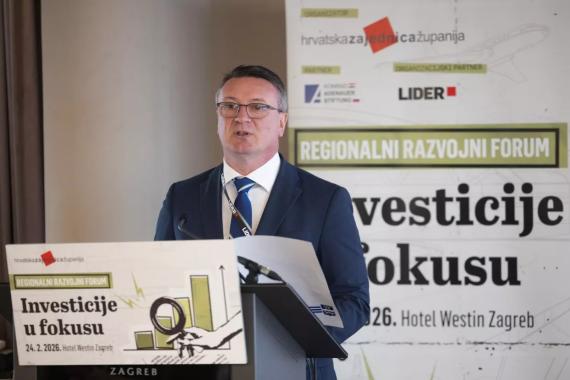
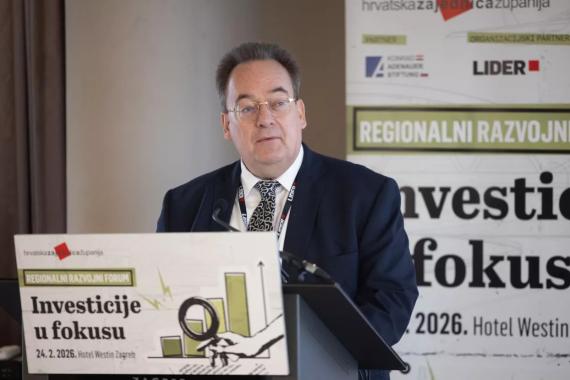
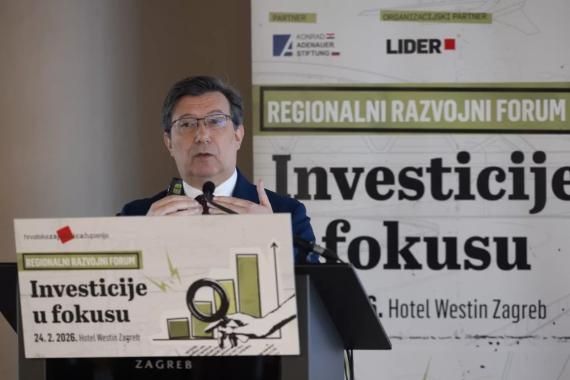
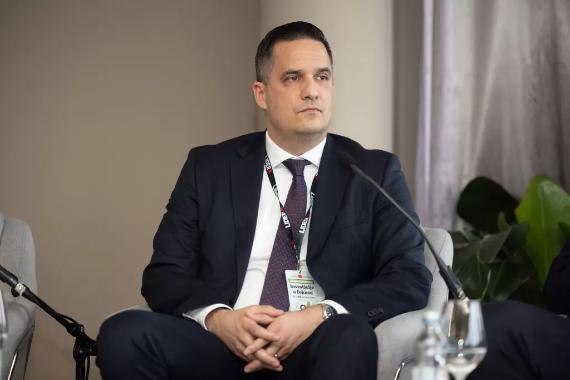

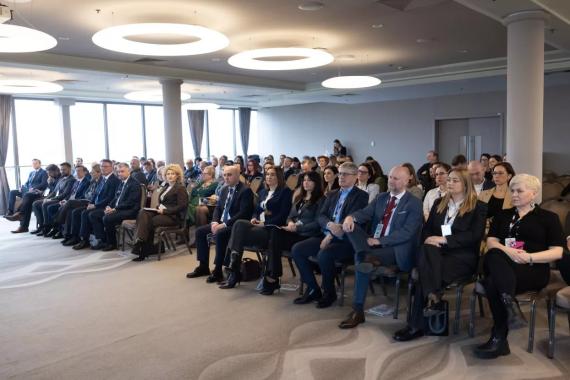
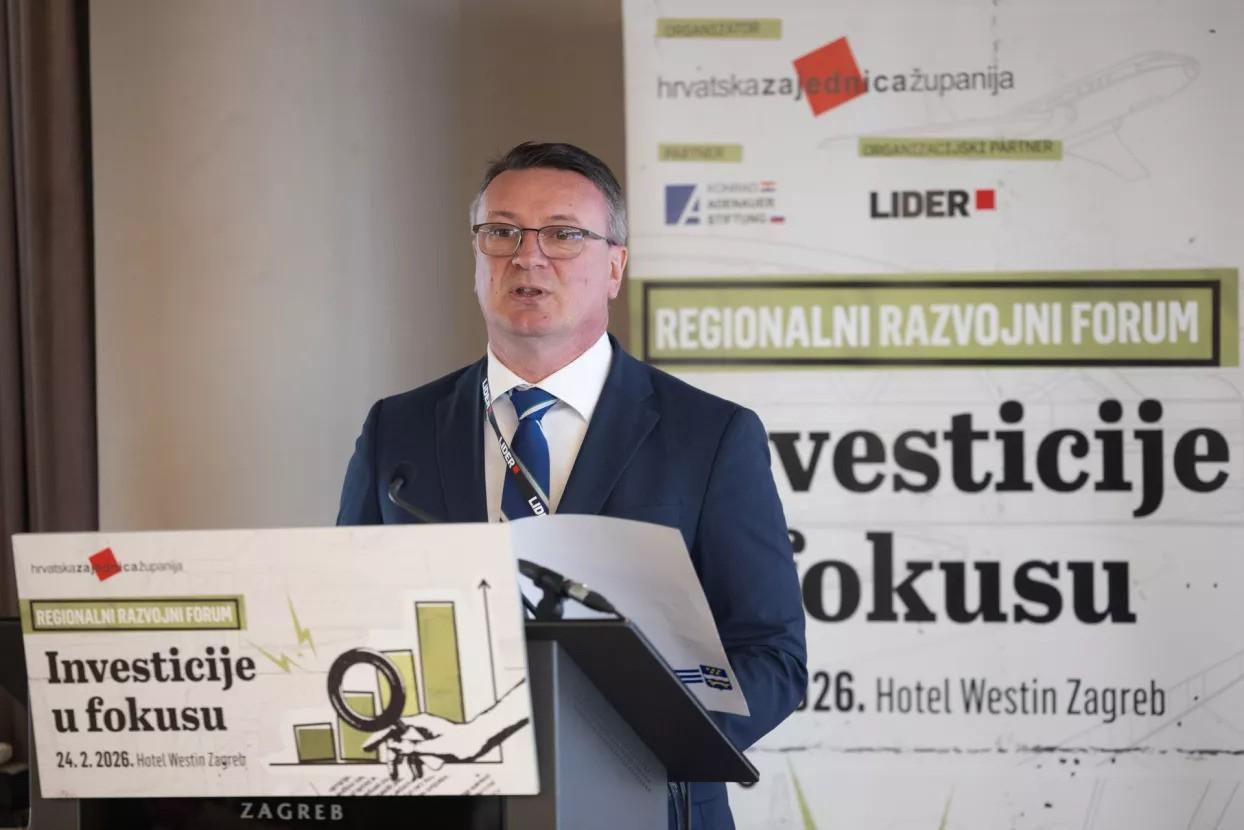
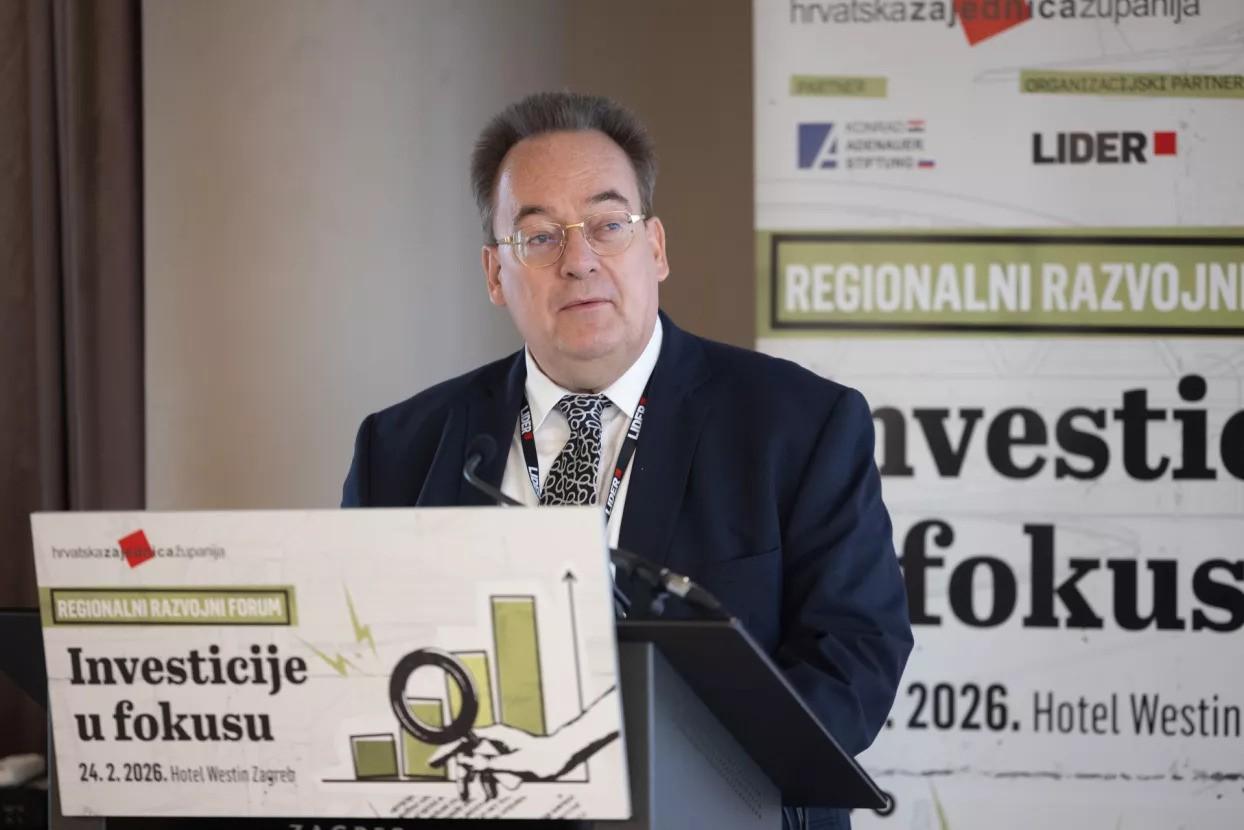
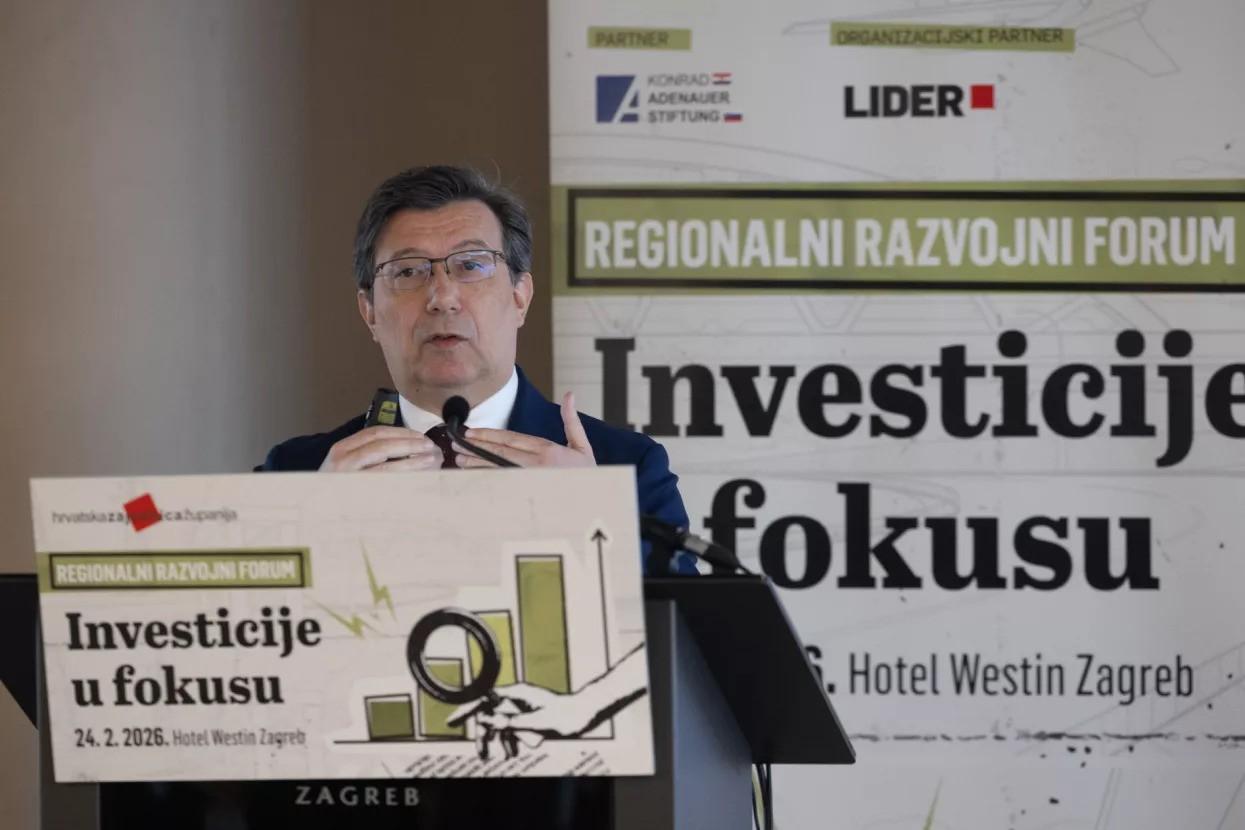
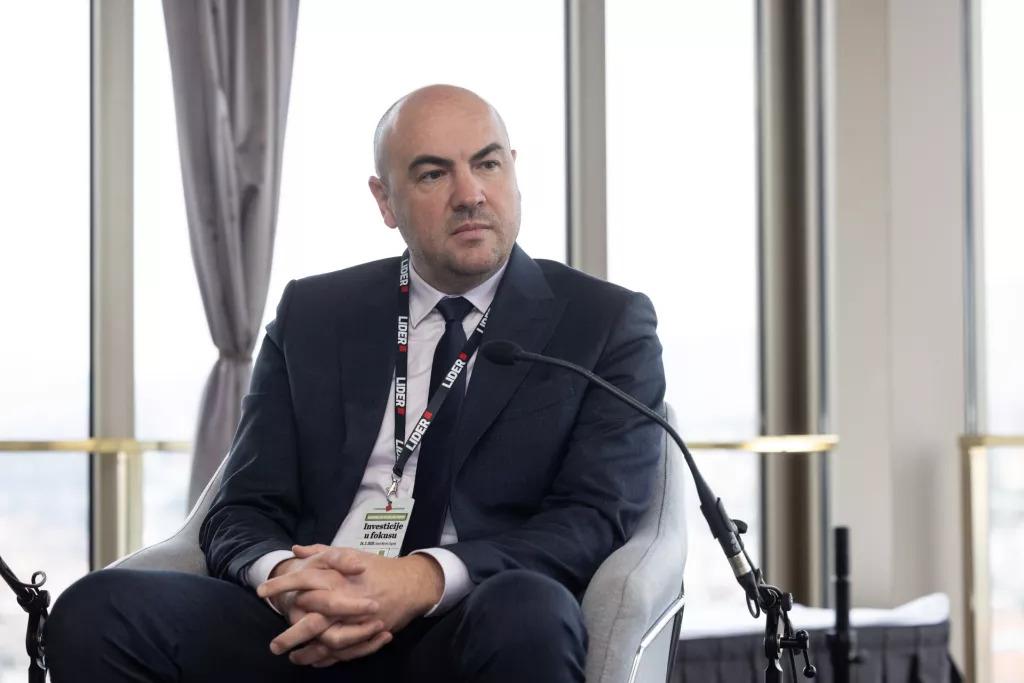
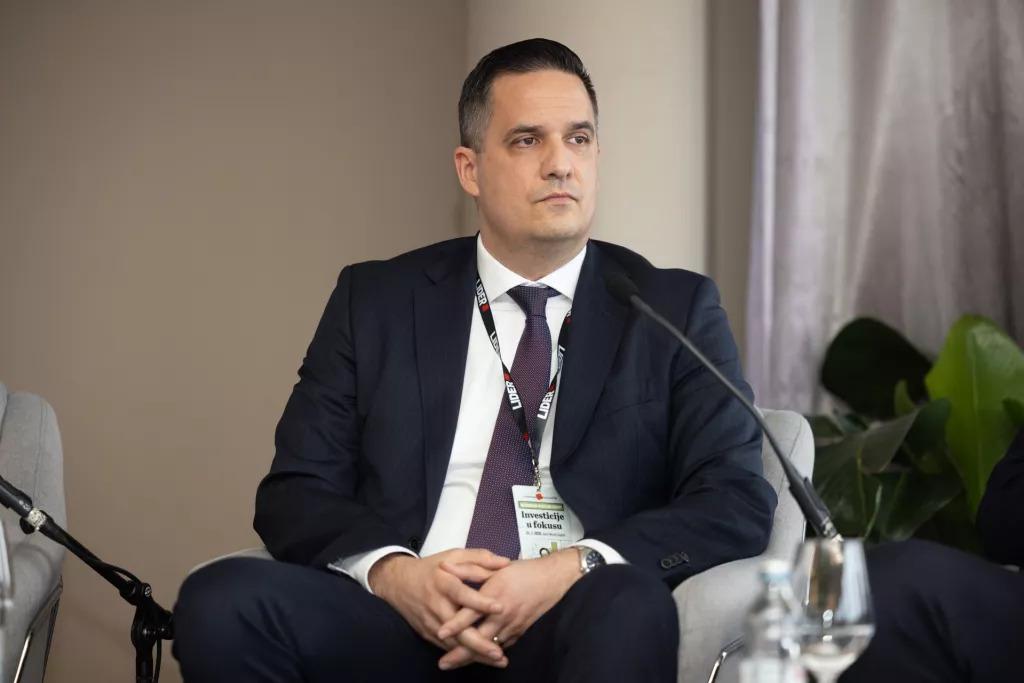
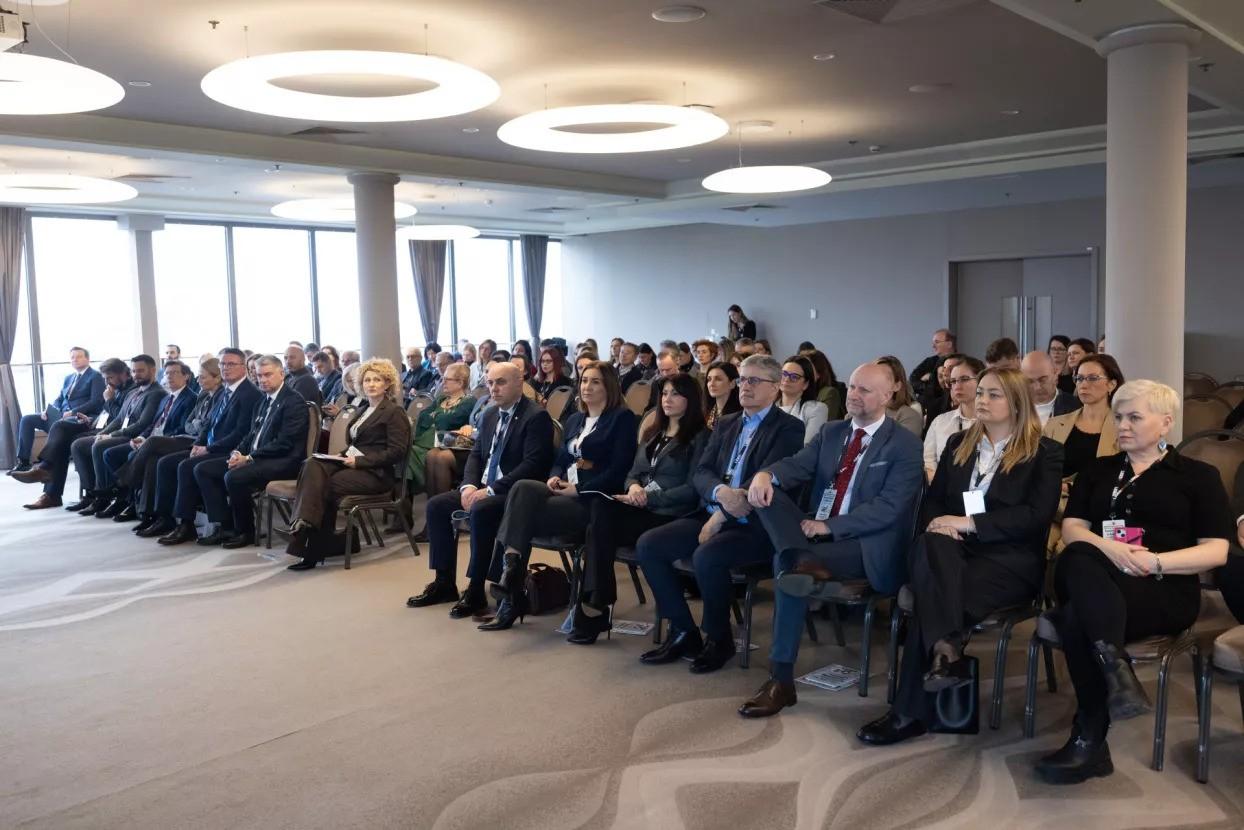
In this sense, the Regional Development Forum 2026 – “Investments in Focus” was held in Zagreb, organised by the Croatian Counties Association (CCA) and the KAS Croatia-Slovenia Office, with the support of the economic magazine Lider. Representatives from politics, public administration, the financial sector, and the business community discussed ways to accelerate investments and promote sustainable regional development.
The forum was opened by CCA President and County Prefect, Danijel Marušić and the Director of the KAS Croatia-Slovenia Office, Dr. Norbert Eschborn. Marušić highlighted the successful use of EU funds since Croatia’s accession to the European Union, as well as additional financing opportunities through the National Recovery and Resilience Plan, while Dr. Eschborn emphasised the importance of close coordination between national and local levels as a key prerequisite for sustainable investment policy.
A key focus of the forum was housing policy. According to State Secretary Željko Uhlir, Croatia is facing a shortage of more than 236,000 housing units; the average age at which young people leave their parental home is 31.8 years, and the overcrowding rate is 34.4%. The 2025 National Housing Policy Plan until 2030 aims to create 20,200 affordable housing units through measures such as activating vacant properties, promoting non-profit housing cooperatives, and supporting new construction programmes. The planned Affordable Housing Act includes various models ranging from subsidised construction and sales to rental schemes and first-home purchase subsidies, explicitly positioning housing policy as an investment driver with broader economic effects.
In the infrastructure panel, regional projects were presented, including the completion of the motorway to Dubrovnik, the development of port infrastructure, and the construction of a dam on the Neretva River in Dubrovnik-Neretva County, as well as the completion of the breakwater in Pula and the planned transformation of the “Istrian Y” into an “X” by building the Žminj–Labin connection by 2030 in Istria County. It was also emphasised that investments in healthcare and education enhance the long-term attractiveness of regions.
The Croatian Bank for Reconstruction and Development provided public sector loans amounting to EUR 800 million over the past five years, half of which was disbursed in 2024 and 2025. However, high construction costs continue to slow project implementation. The Council of Foreign Investors highlighted Croatia’s growing international visibility, particularly in research and development, tourism, and infrastructure.
In conclusion, it was stressed that counties should act as a “one-stop shop” for investors, working within a stable legal framework and strengthening public–private partnerships.