



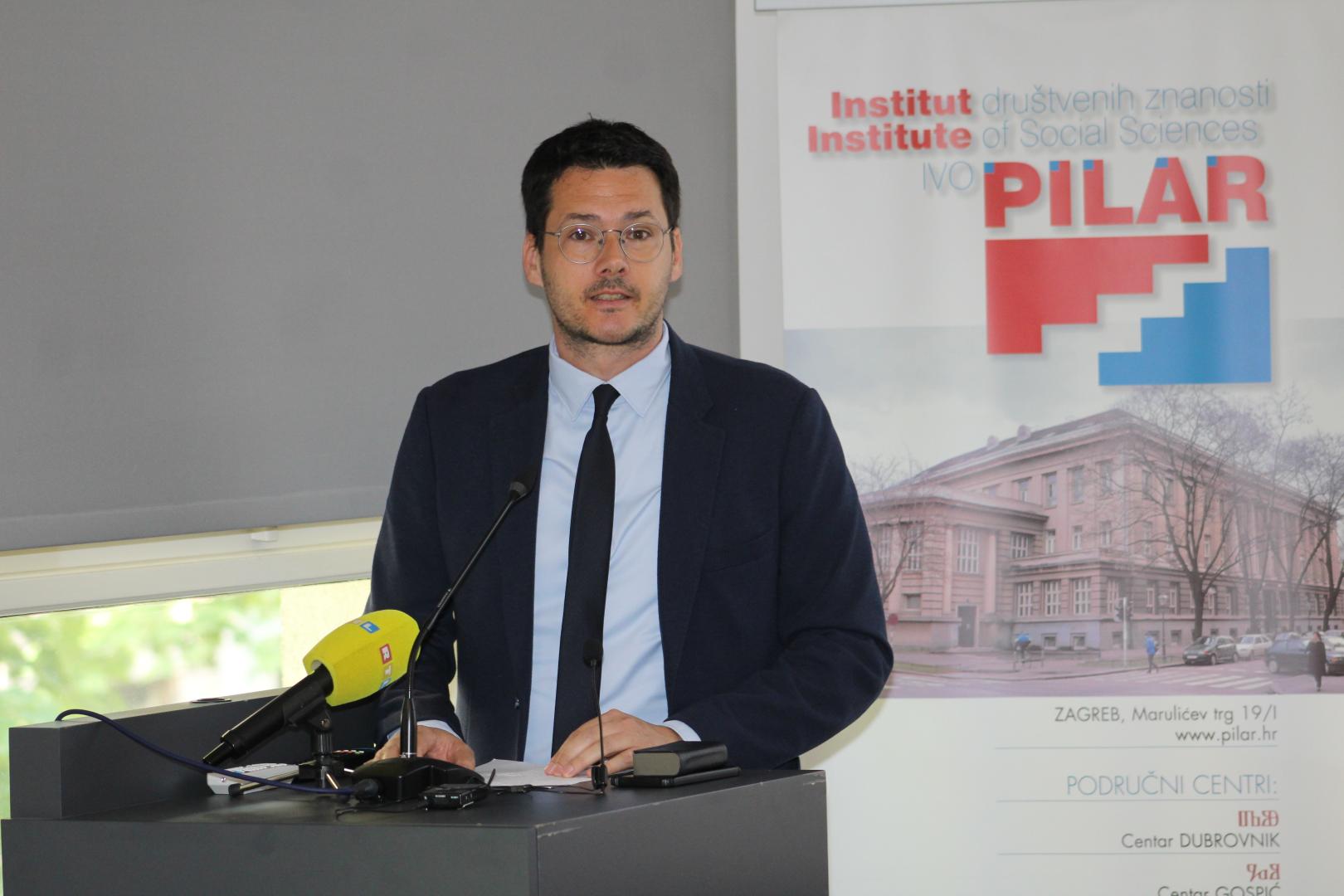
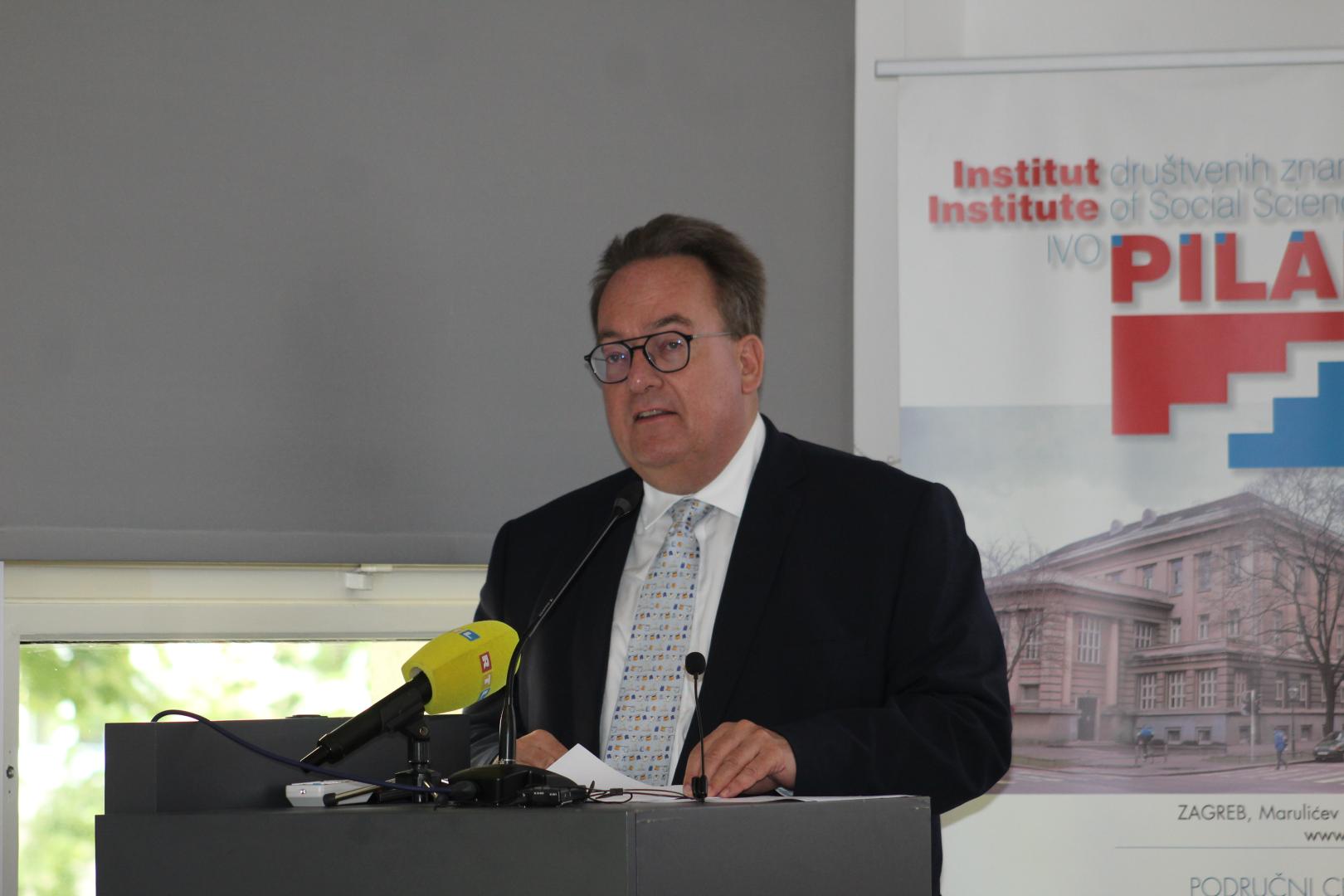
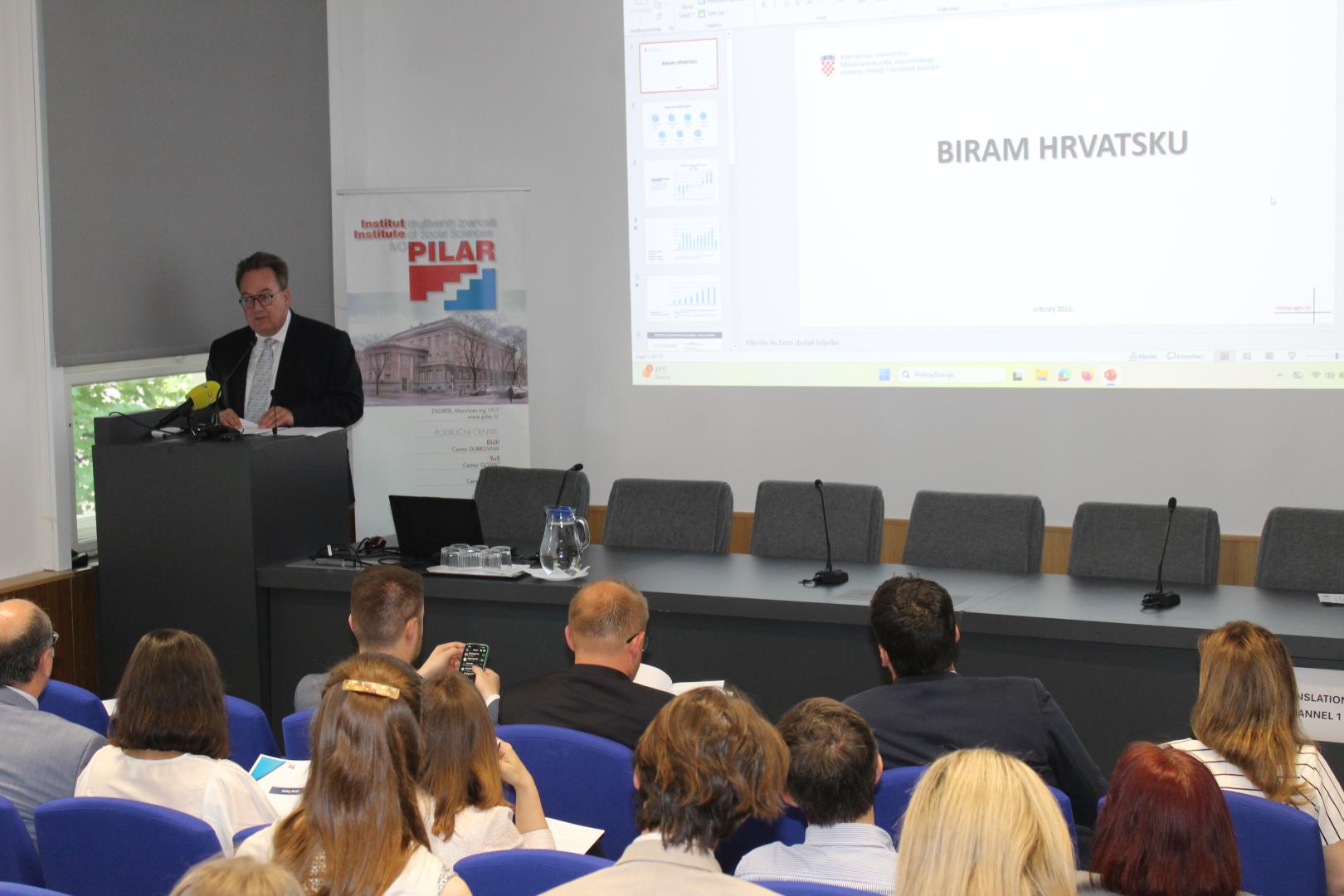
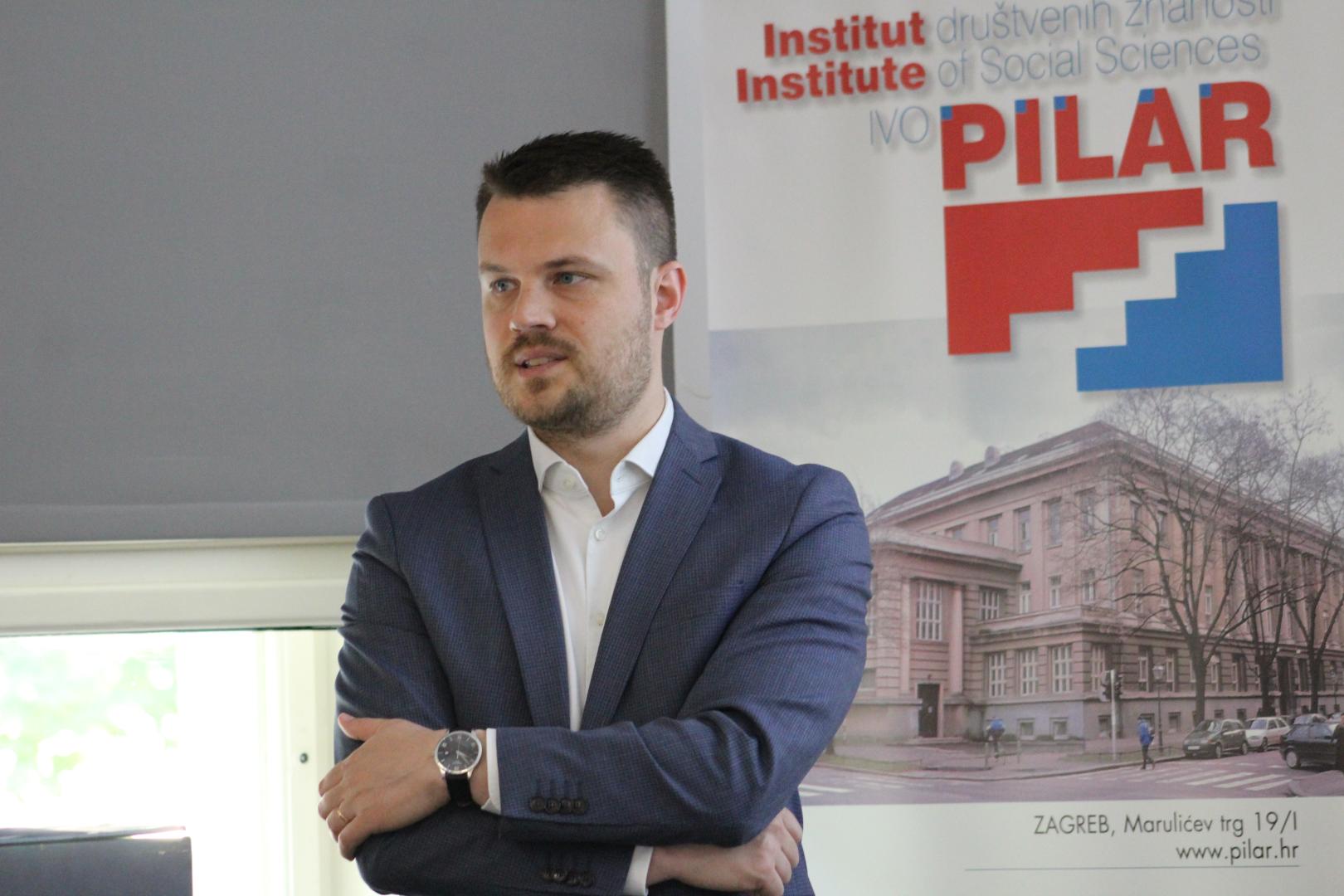
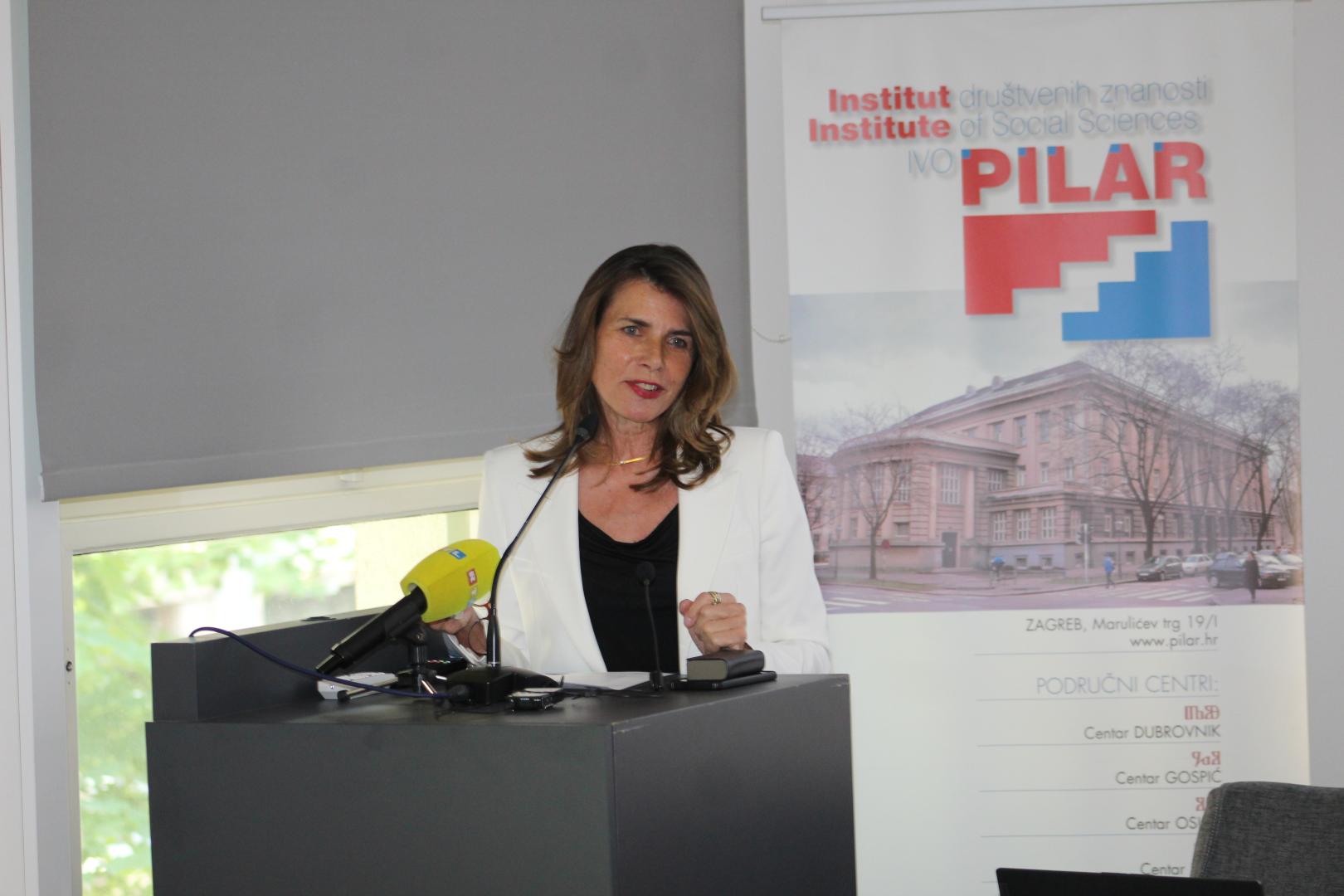
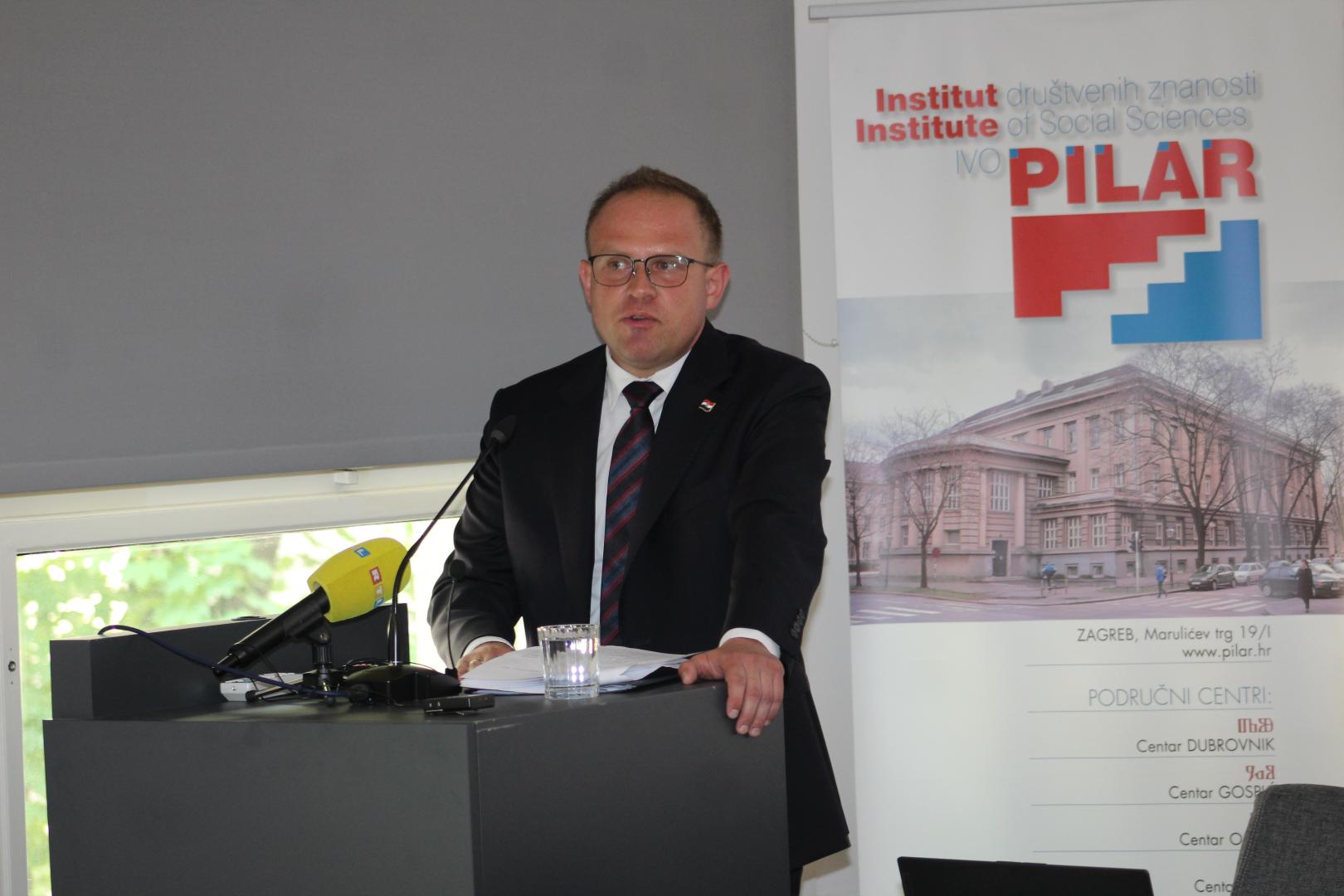
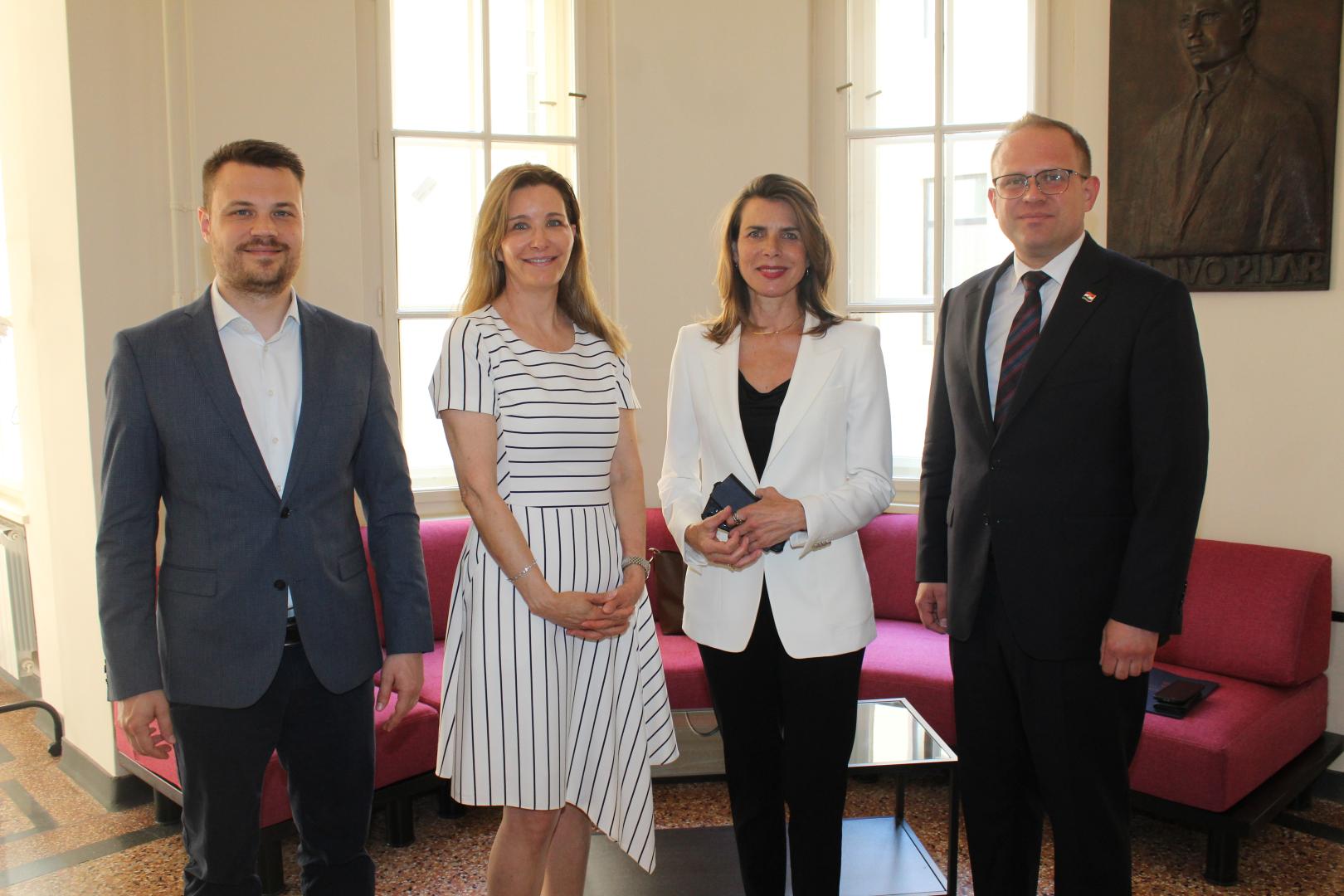
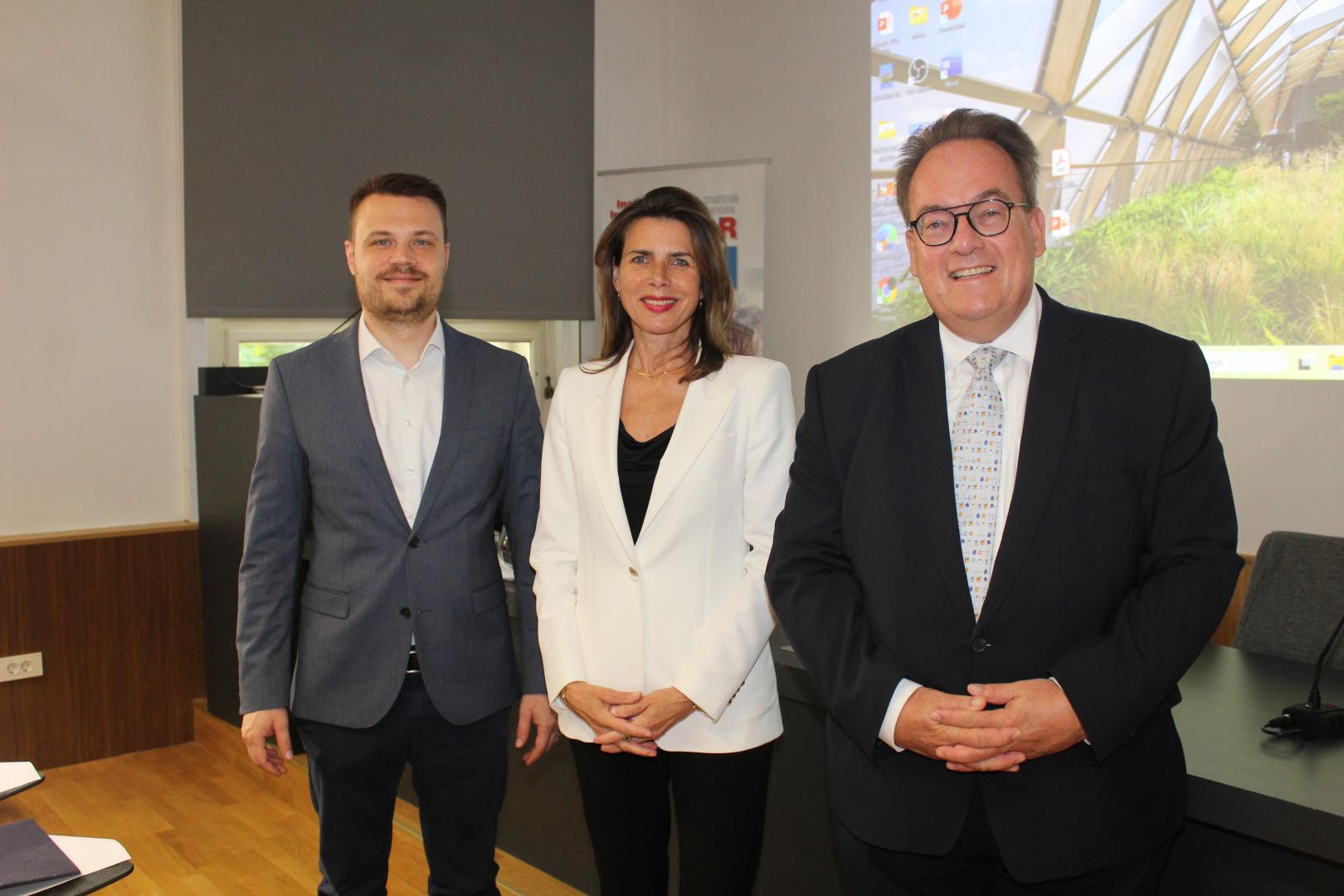
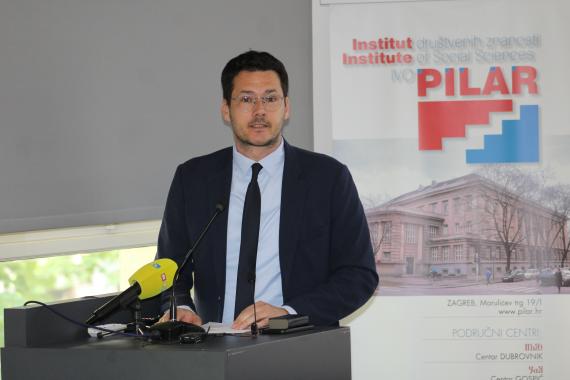
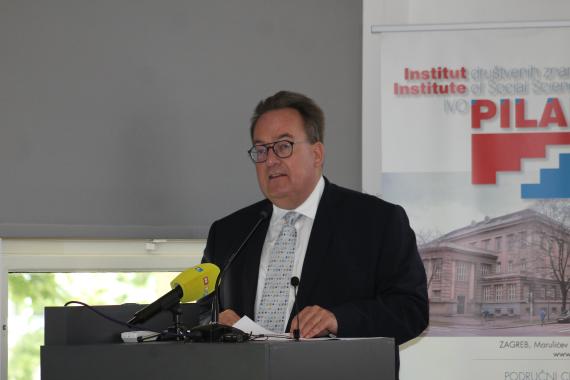
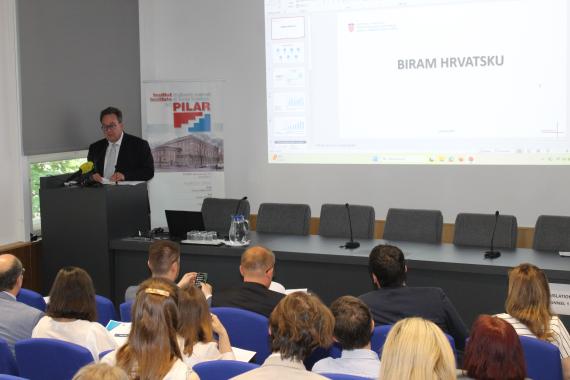
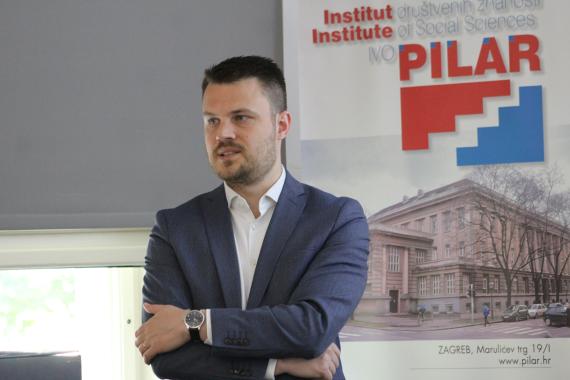
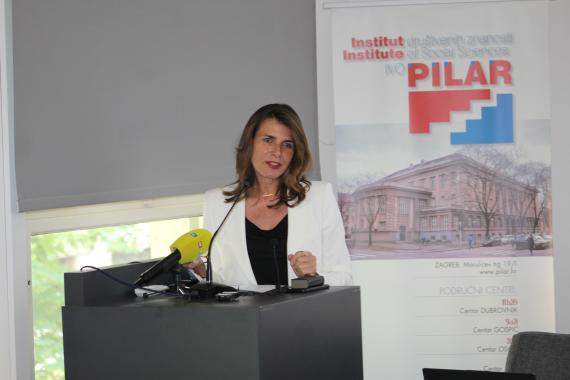
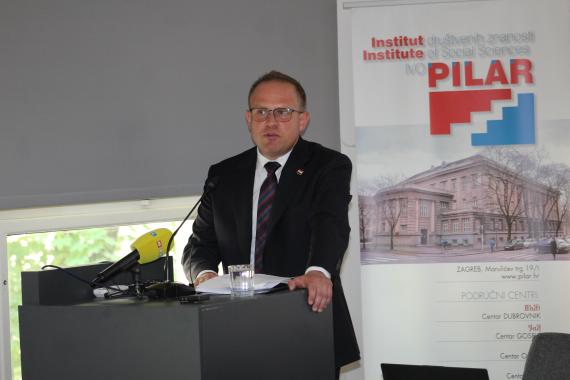
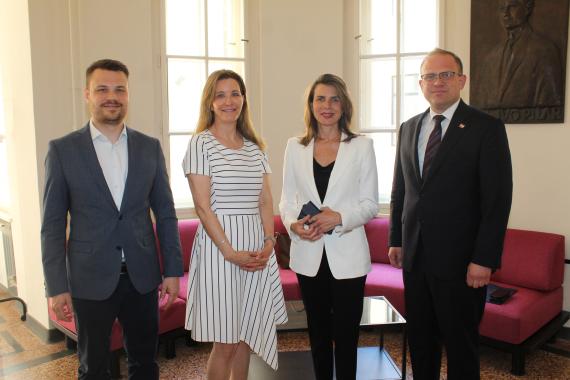
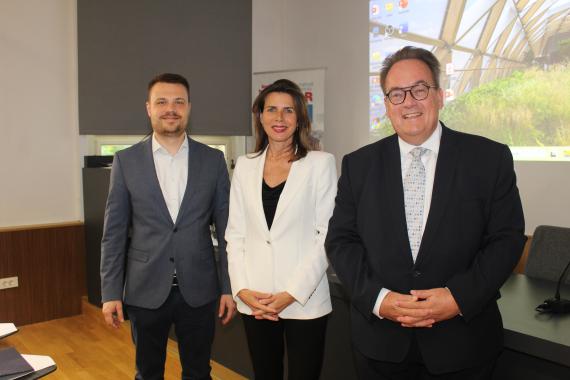
The event opened with welcoming remarks by Dr. Ivan Hrstić, Deputy Director of the Institute of Social Sciences Ivo Pilar, and Dr. Norbert Eschborn, Director of the K KAS Croatia-Slovenia Office. Both speakers emphasised that emigration, demographic decline, and population ageing represent some of the most pressing challenges facing contemporary Croatia, particularly in less developed and rural areas of continental Croatia. They underlined that measures such as Biram Hrvatsku are therefore of particular importance, as they seek to encourage the return of Croatian emigrants and contribute to the revitalisation of local communities through self-employment and entrepreneurial activity.
Attention was drawn to the fact that Croatia has been undergoing a significant migration transition in recent years—from a country characterised by strong emigration to one that is simultaneously facing labour shortages and increasing immigration of foreign workers. In this context, the return of Croatian citizens from abroad has gained additional strategic relevance as a key issue for labour market development and long-term demographic sustainability.
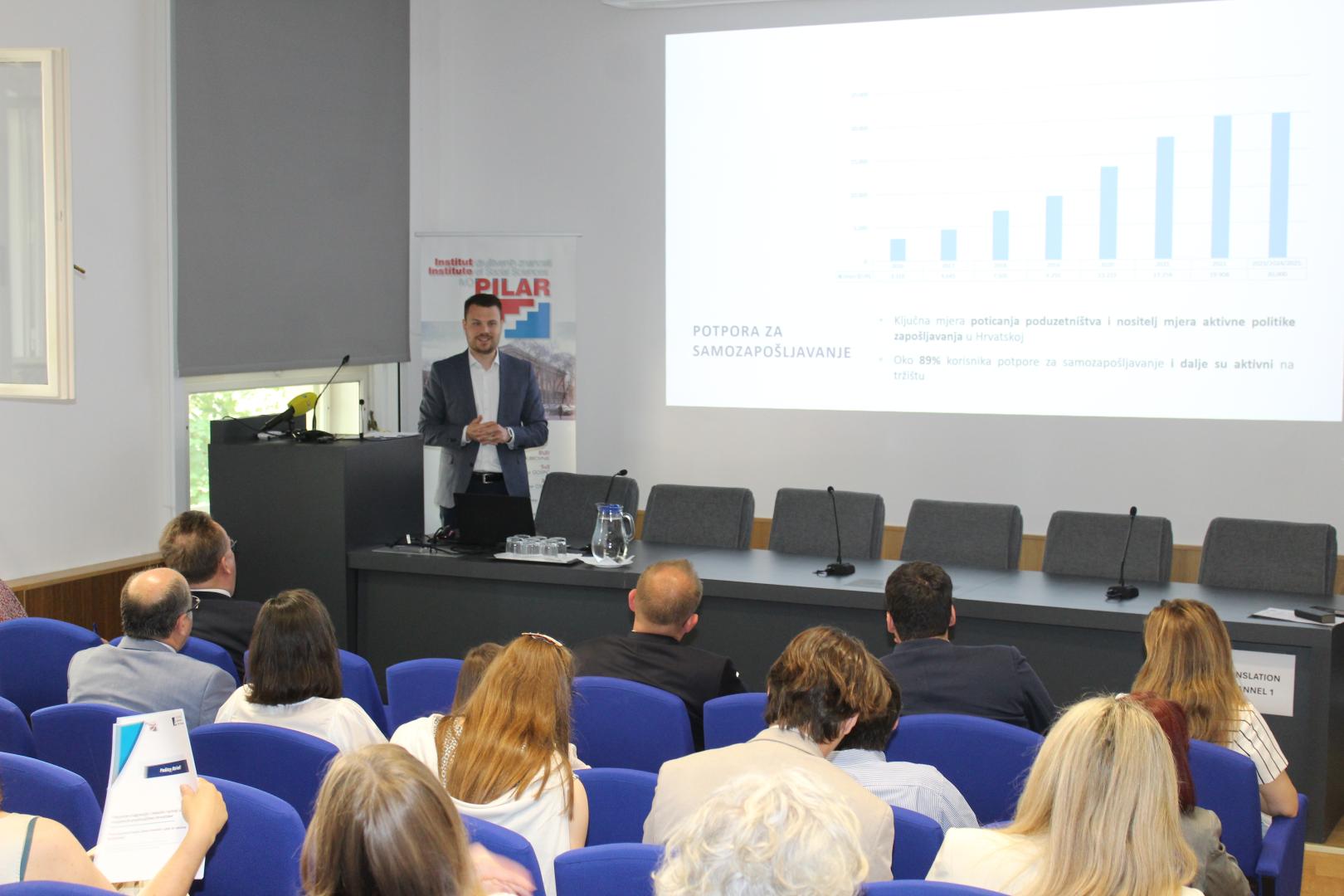
In his presentation Fostering return migration and development in Croatia´s lagging regions - The policy perspective, Ivan Vidiš, State Secretary at the Ministry of Labour, Pension System, Family and Social Policy, outlined the objectives and measures of active employment policy. He highlighted Biram Hrvatsku as one of the key instruments through which the Government of the Republic of Croatia supports self-employment, labour mobility, and the return of Croatian citizens from abroad. Addressing labour market conditions, Vidiš noted that Croatia has experienced positive economic trends in recent years, while simultaneously facing a significant shortage of labour across various sectors. In this context, he stressed the importance of policies aimed at encouraging the return of Croatian emigrants, investing in local development, and integrating economic and demographic measures. Presenting the programme’s concrete effects, he emphasised that Biram Hrvatsku provides financial support to returnees and individuals relocating to less developed areas to start their own businesses. He also reflected on implementation challenges and prospects, describing the policy as a long-term investment in regional revitalisation and labour market strengthening.
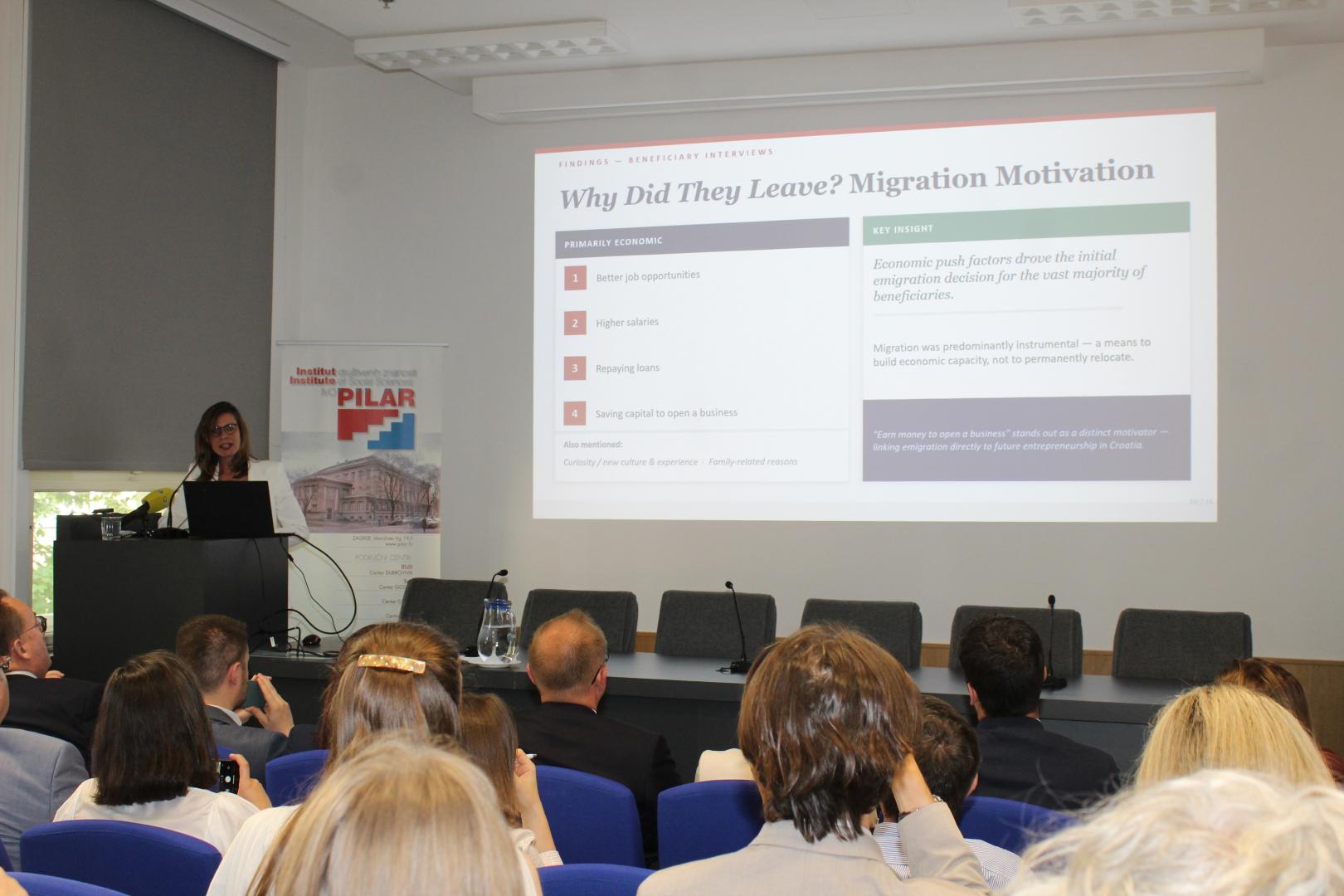
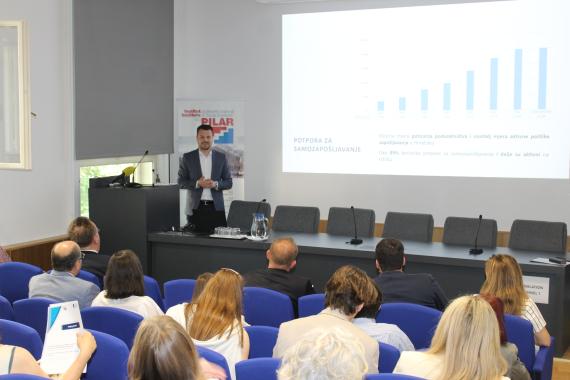
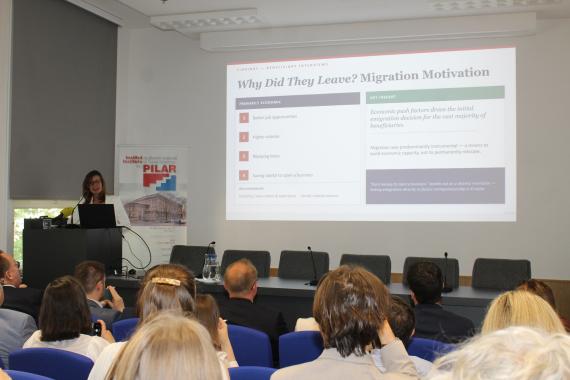
The scientific perspective of the pilot study was presented by Dr. Caroline Hornstein Tomić, Senior Research Advisor at the Institute of Social Sciences Ivo Pilar, who presented findings from research conducted among beneficiaries of the Biram Hrvatsku measure. She placed particular emphasis on Croatia’s demographic crisis and negative trends in so-called “lagging regions”—areas affected by depopulation, economic underdevelopment, and sustained emigration. The study presented data on net migration trends and the main drivers of emigration among Croatian citizens, with economic factors predominating—particularly the search for higher living standards, safer working conditions, and better professional opportunities. The research showed that migration experiences often result in the acquisition of new skills, business experience, social networks, and forms of capital that can be effectively transferred back to local communities upon return. Dr. Hornstein Tomić emphasised that the core objective of Biram Hrvatsku is to encourage the return of Croatian citizens to less developed regions through self-employment and entrepreneurial initiatives. In this context, special attention was given to Osijek-Baranja, Sisak-Moslavina, and Slavonski Brod-Posavina counties as regions most affected by depopulation and emigration. She also highlighted key barriers faced by returnees, including administrative obstacles, reintegration challenges, financial uncertainty, and demanding business conditions. At the same time, the most common motivations for return were identified as family reasons, the desire for a higher quality of life, a sense of belonging, and the opportunity to establish one’s own business in Croatia. The research further demonstrated that returnees bring not only financial capital but also so-called “social and intangible remittances”—new knowledge, business ideas, work habits, international experience, and social innovation. These elements can play a significant developmental role in local communities. The presentation concluded with an evaluation of return experiences, highlighting both successes and challenges in the reintegration process.
Further strategies for encouraging the return of the Croatian diaspora were presented by Mladen Barać, State Secretary at the Ministry of Demography and Immigration. He outlined ministry activities aimed at demographic renewal, strengthening ties with the Croatian diaspora, and creating conditions for sustainable return migration. He emphasised the importance of inter-ministerial cooperation, demographic policy coordination, and regional development, as well as the need to improve living and economic conditions in less developed parts of Croatia.
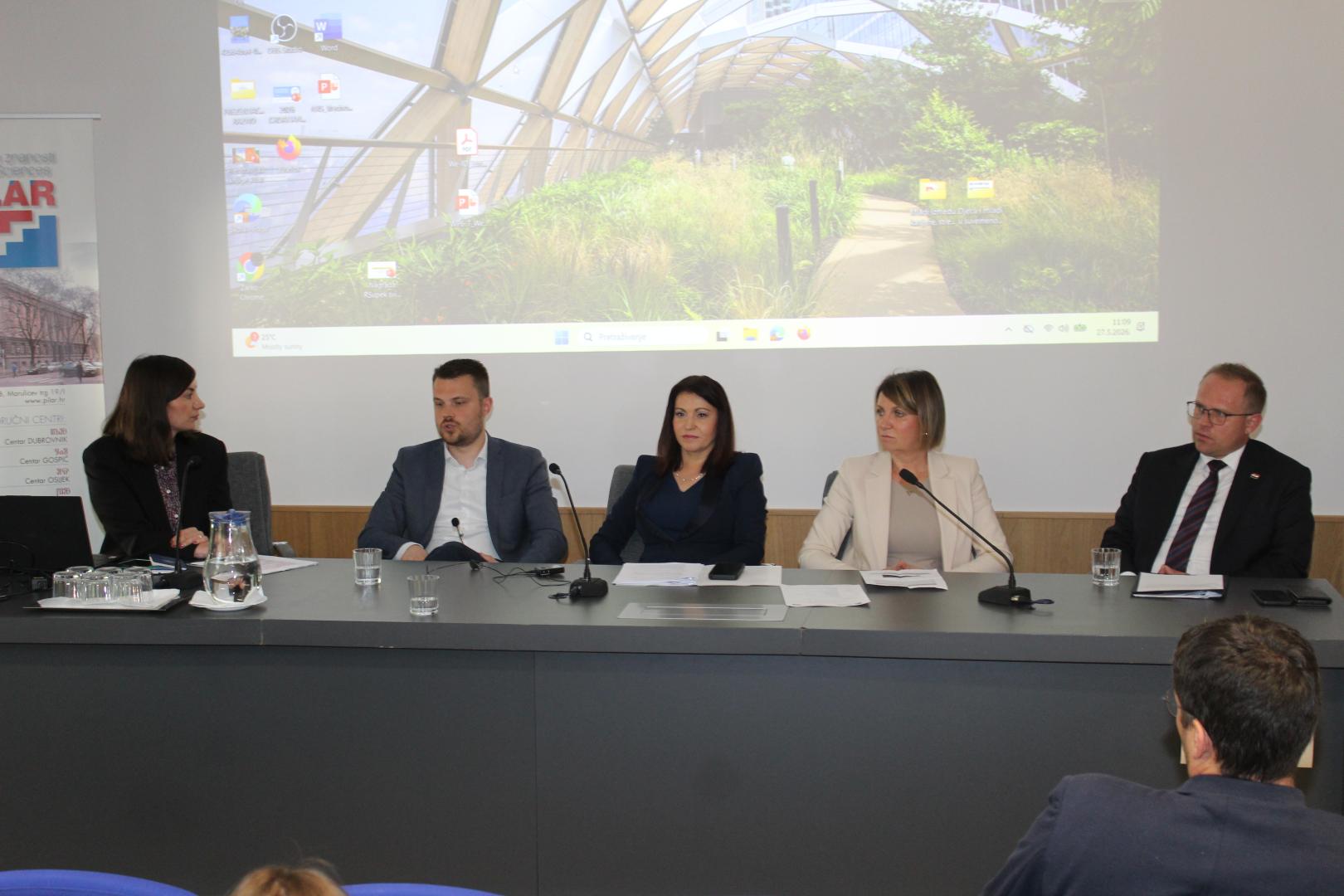
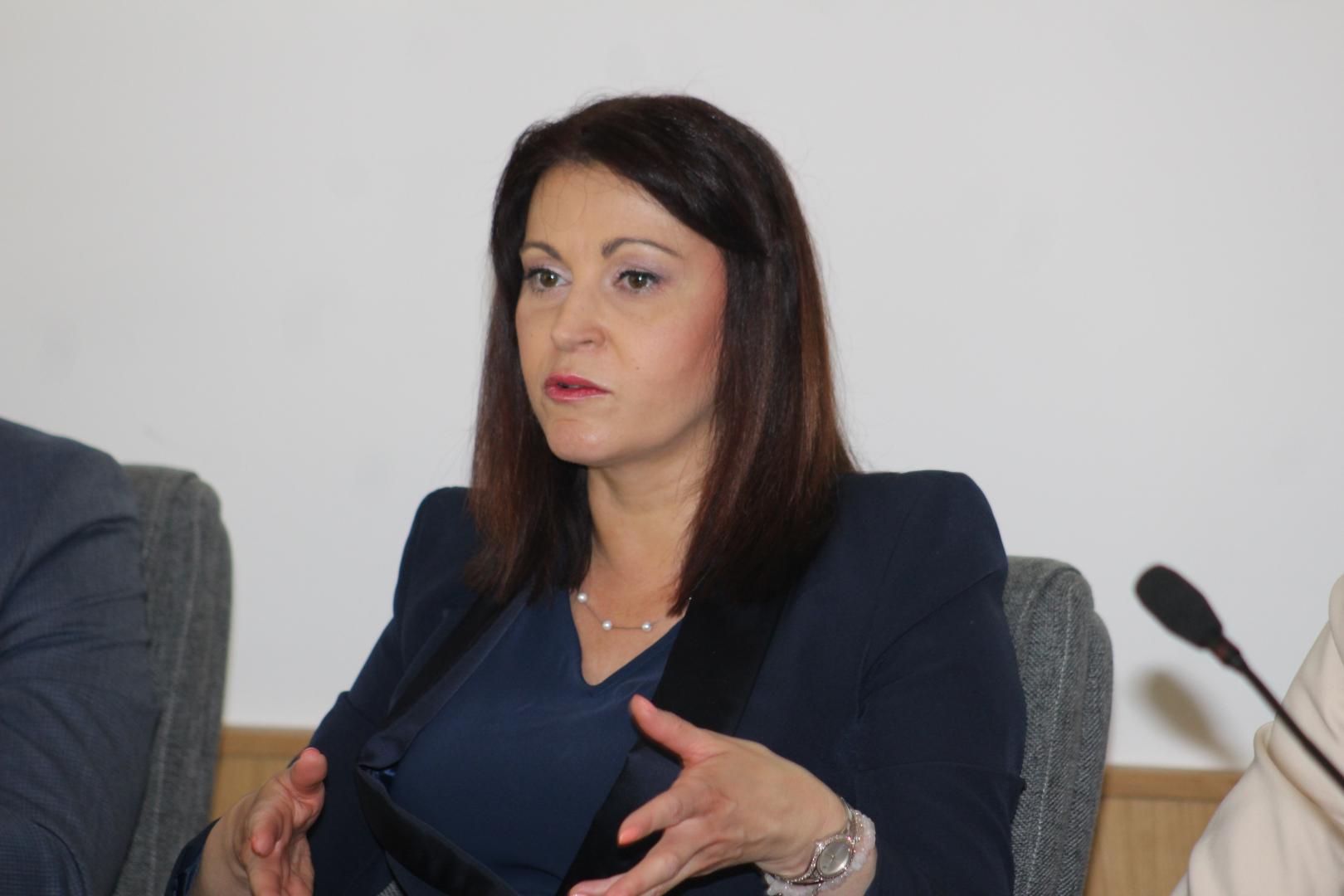
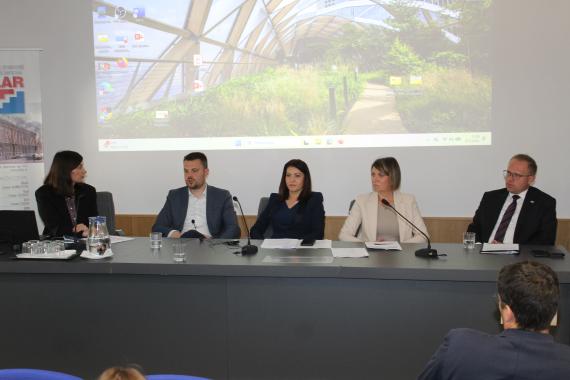
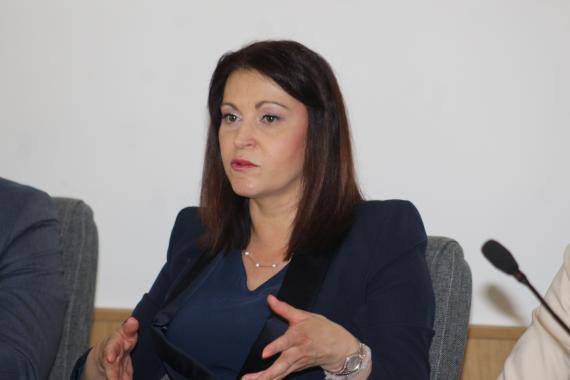
The final part of the programme featured a panel discussion with State Secretaries Vidiš and Barać, Osijek-Baranja County Prefect Nataša Tramišak, Deputy Director of the Croatian Employment Service Ivana Mehle, and Ana Budimir Župić from the Faculty of Political Science, University of Zagreb. The panelists discussed their professional experiences with the implementation of the measure, achieved results, challenges faced by returnees and institutions, and current migration and demographic trends in Croatia. They also addressed future prospects for Biram Hrvatsku, including its potential further development and the need to strengthen institutional support for returnees and entrepreneurs in less developed regions.
The presentation of the pilot study demonstrated that return migration is becoming one of the key development issues in contemporary Croatia. Participants agreed that measures such as Biram Hrvatsku represent an important step toward linking demographic renewal, economic development, and regional revitalisation. However, they also emphasised that achieving long-term results will require continuous and coordinated public policies capable of creating sustainable conditions for living, working, and returning to Croatia.