




 RACVIAC
 RACVIAC
 RACVIAC
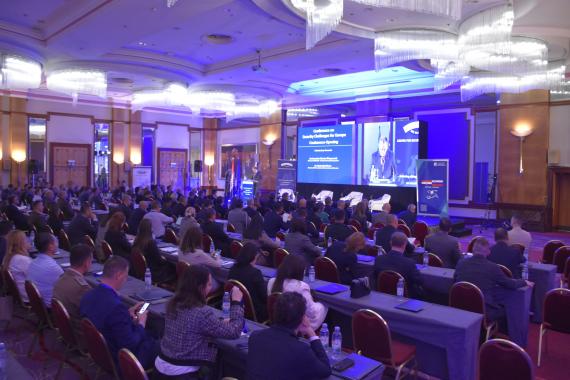
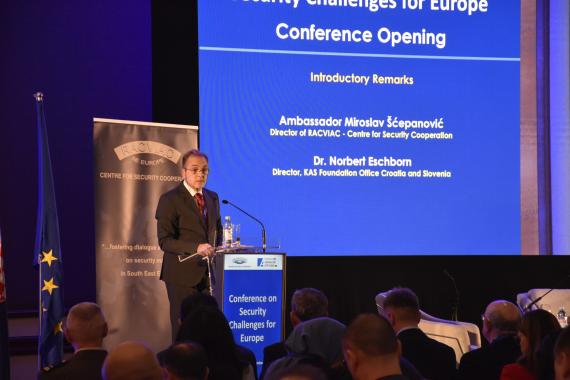
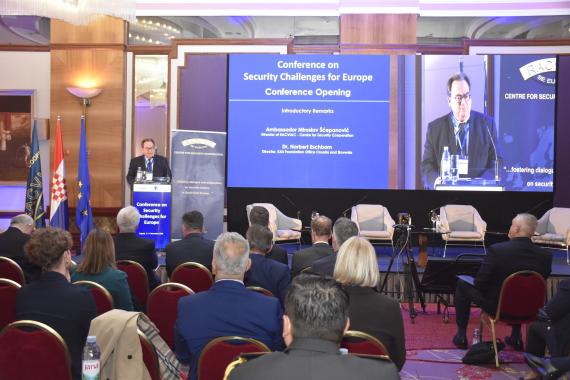
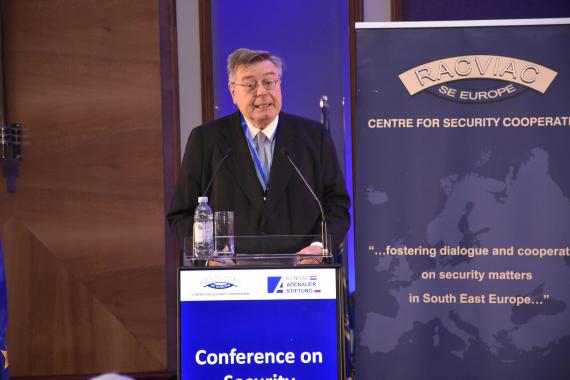
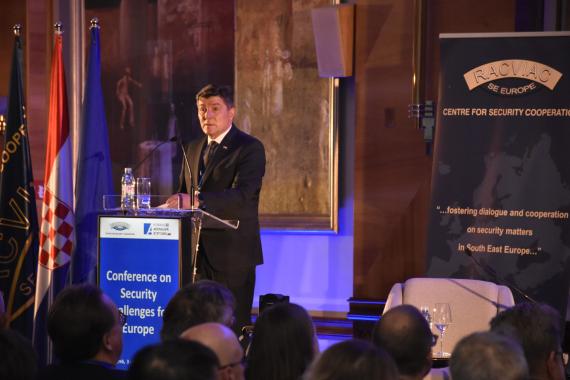
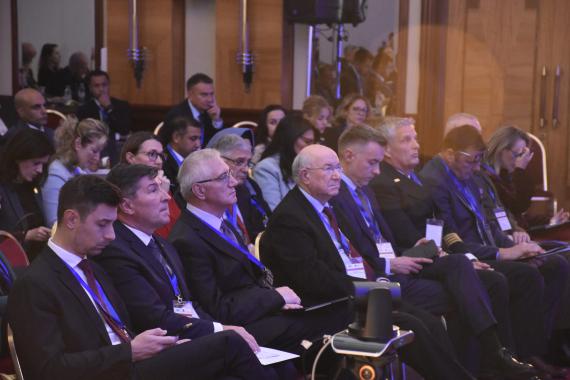
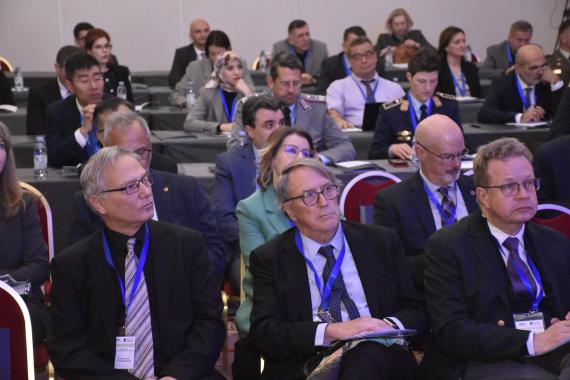
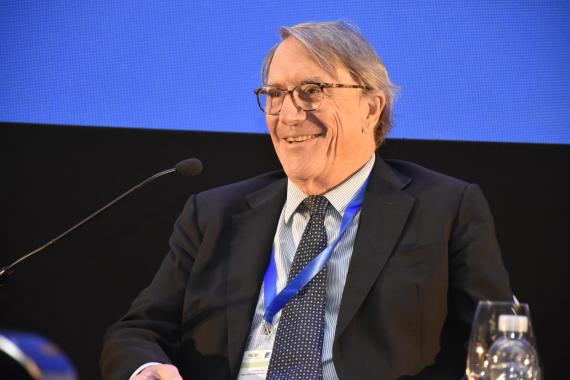
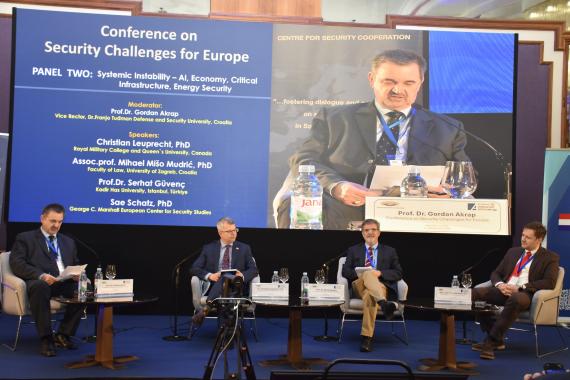
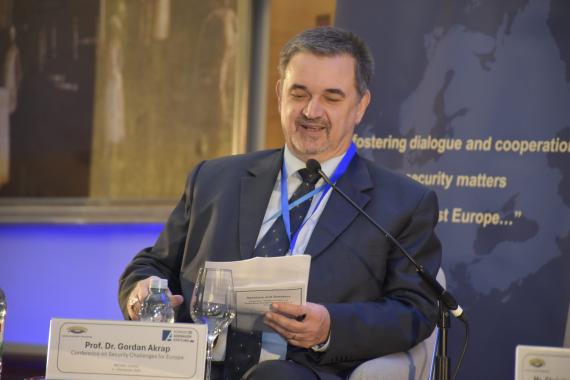
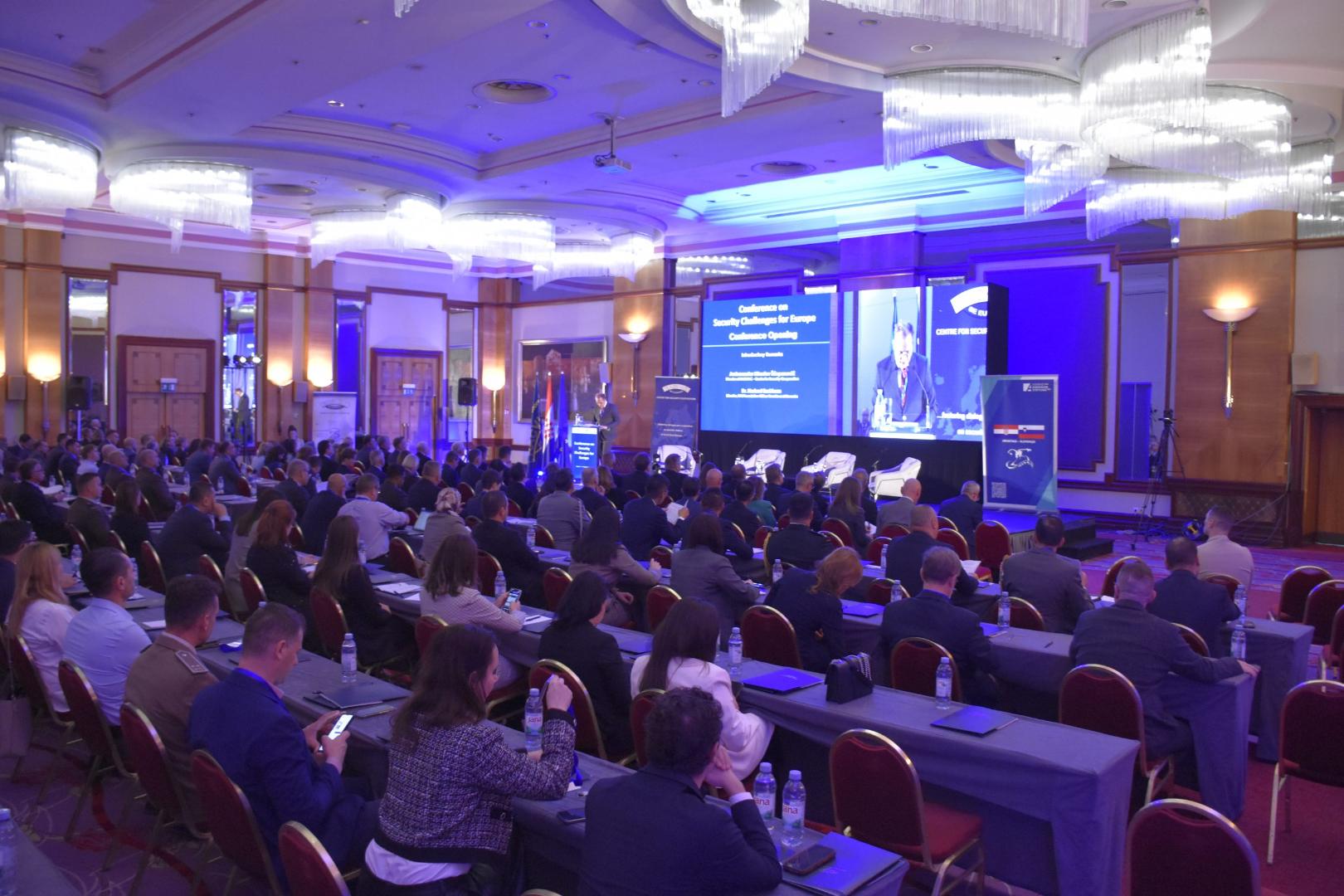
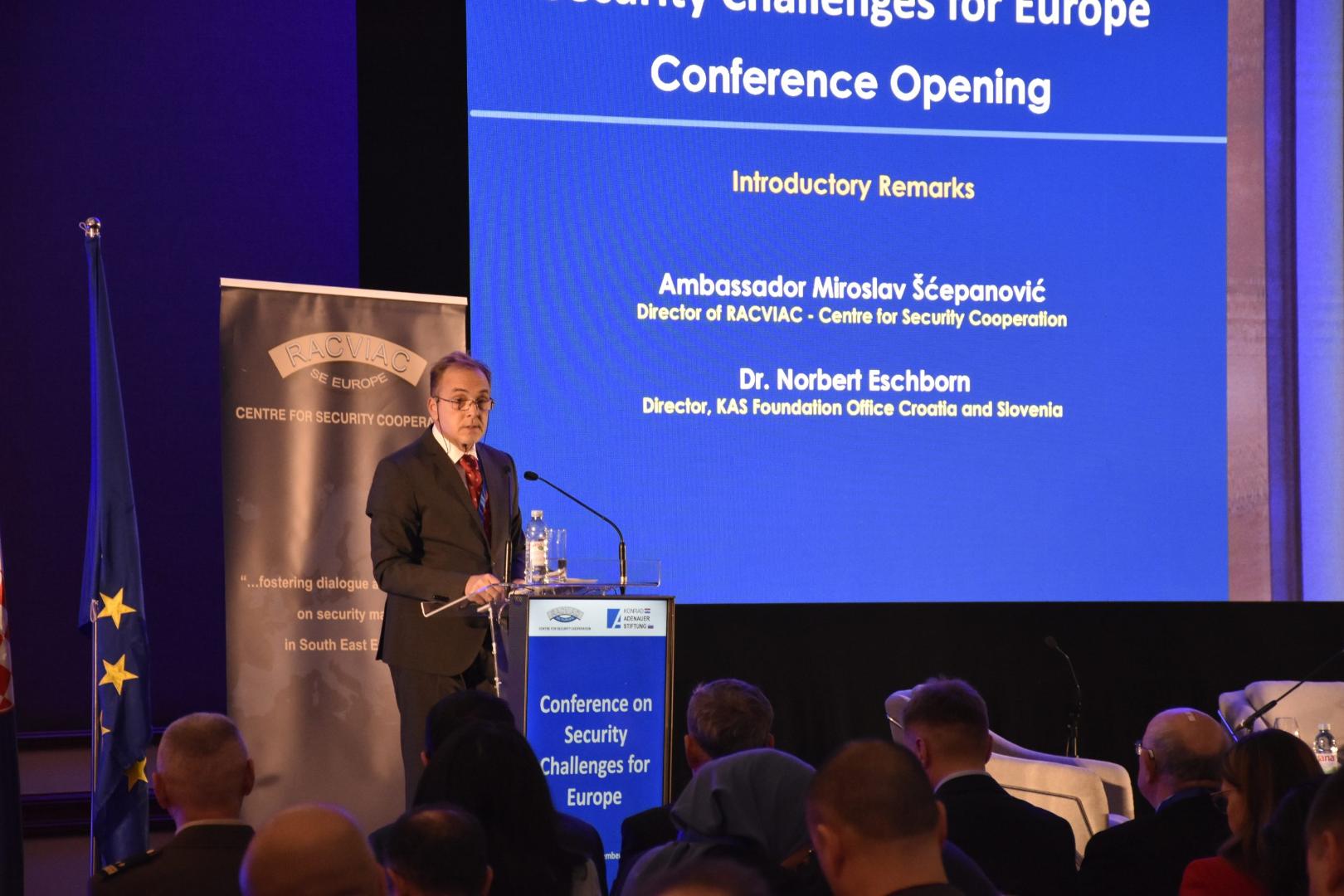
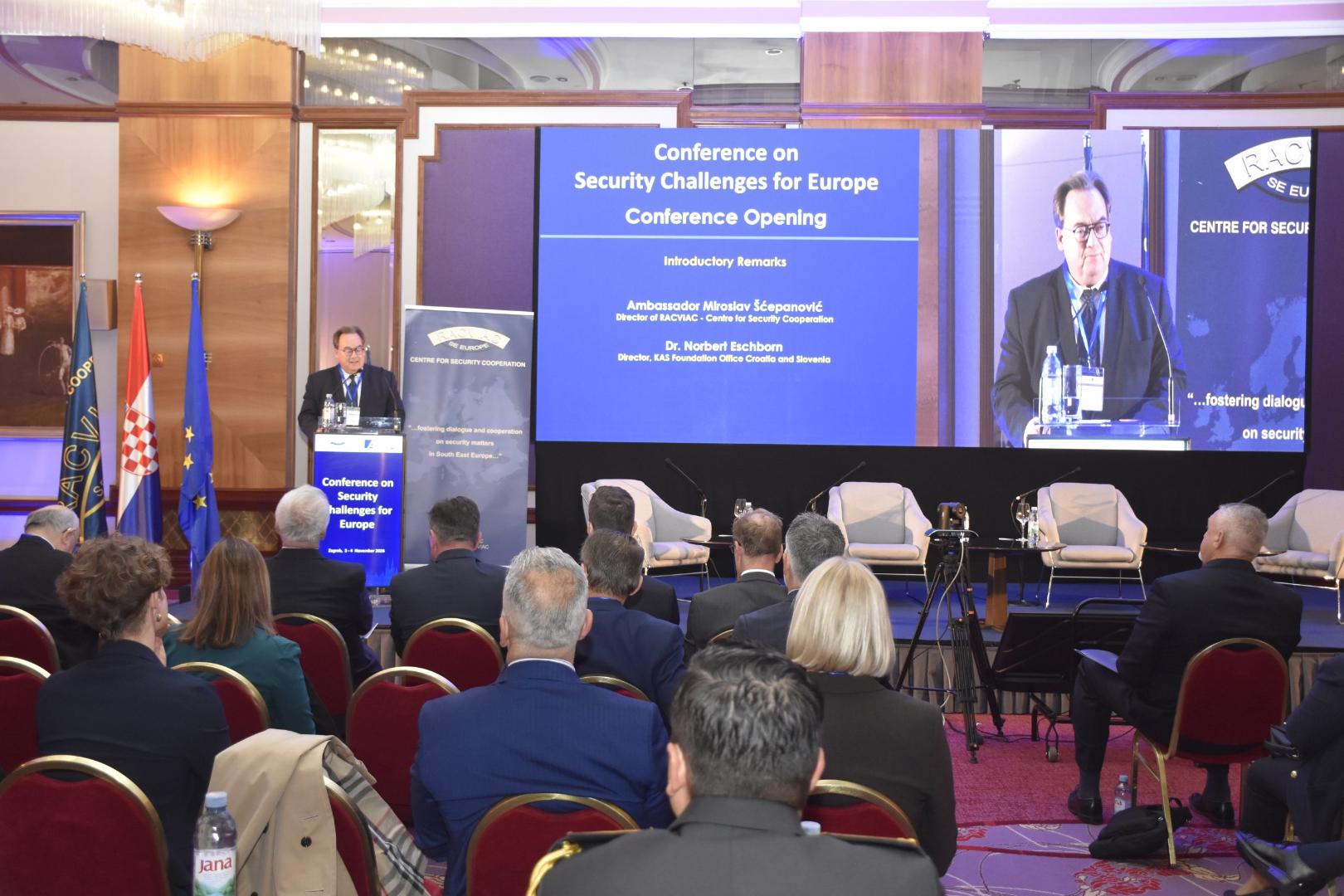
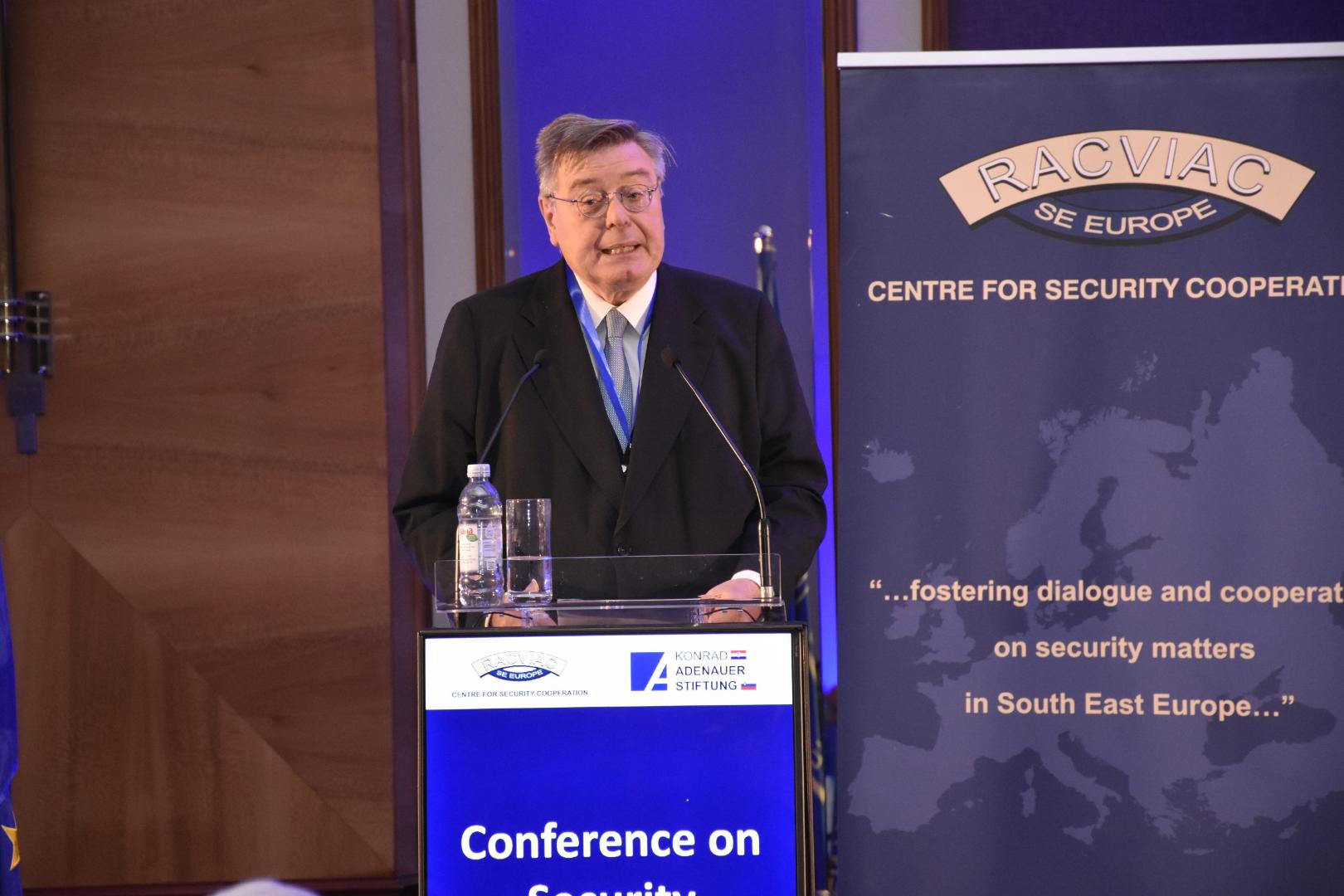
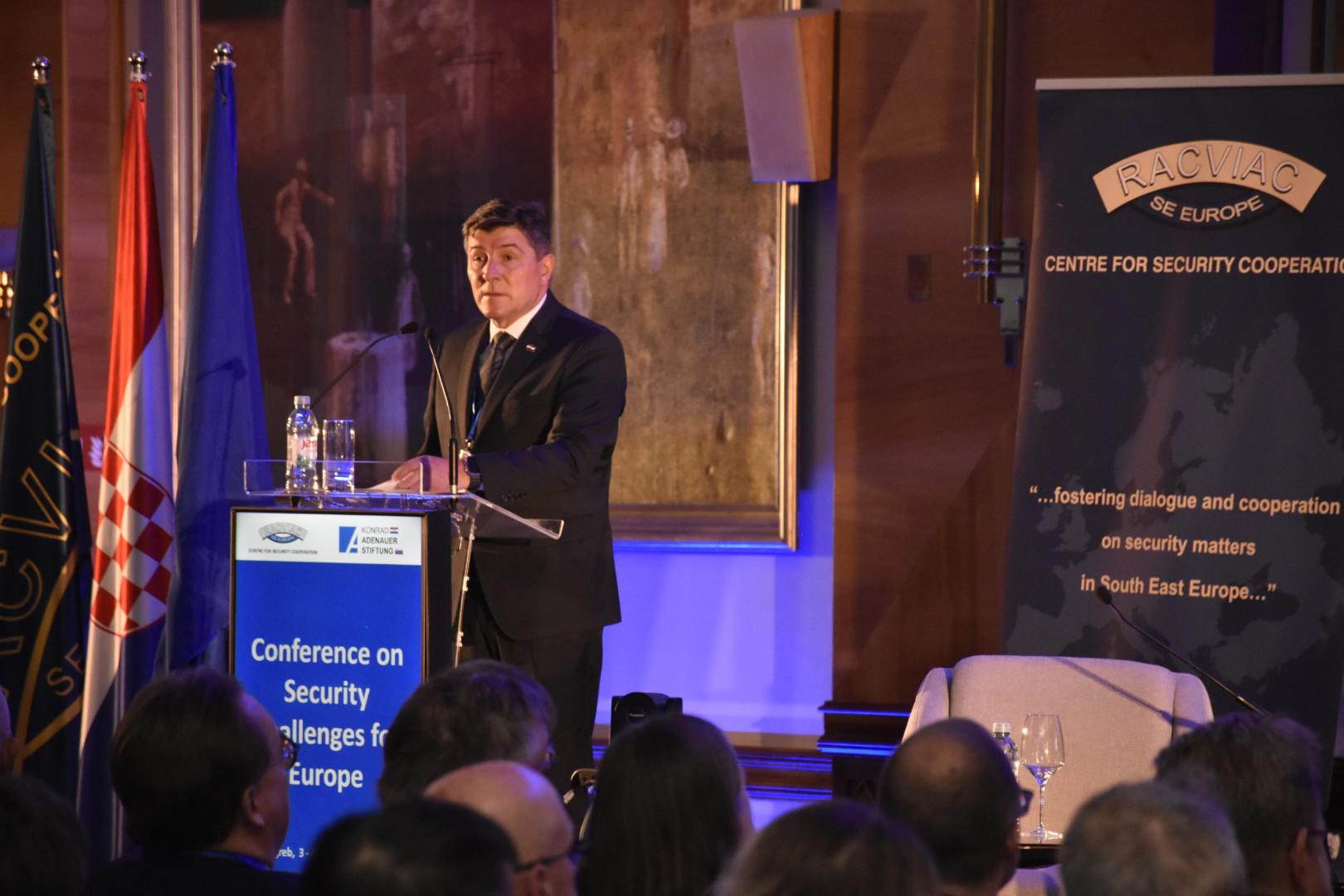
The conference opened with welcoming remarks by Ambassador Miroslav Šćepanović, Director of RACVIAC; Dr Norbert Eschborn, Director of the KAS Croatia-Slovenia Office; Prof. Dr. Pascal Hector, Ambassador of the Federal Republic of Germany to the Republic of Croatia; and Wendy Dorman-Smith, Ambassador of Ireland to the Republic of Croatia. State Secretary Tomislav Galić also addressed the opening session, representing the Prime Minister and the Deputy Prime Minister and Minister of Defence of the Republic of Croatia.
The opening session highlighted the importance of international dialogue and close cooperation in addressing increasingly complex security developments in Europe and beyond.
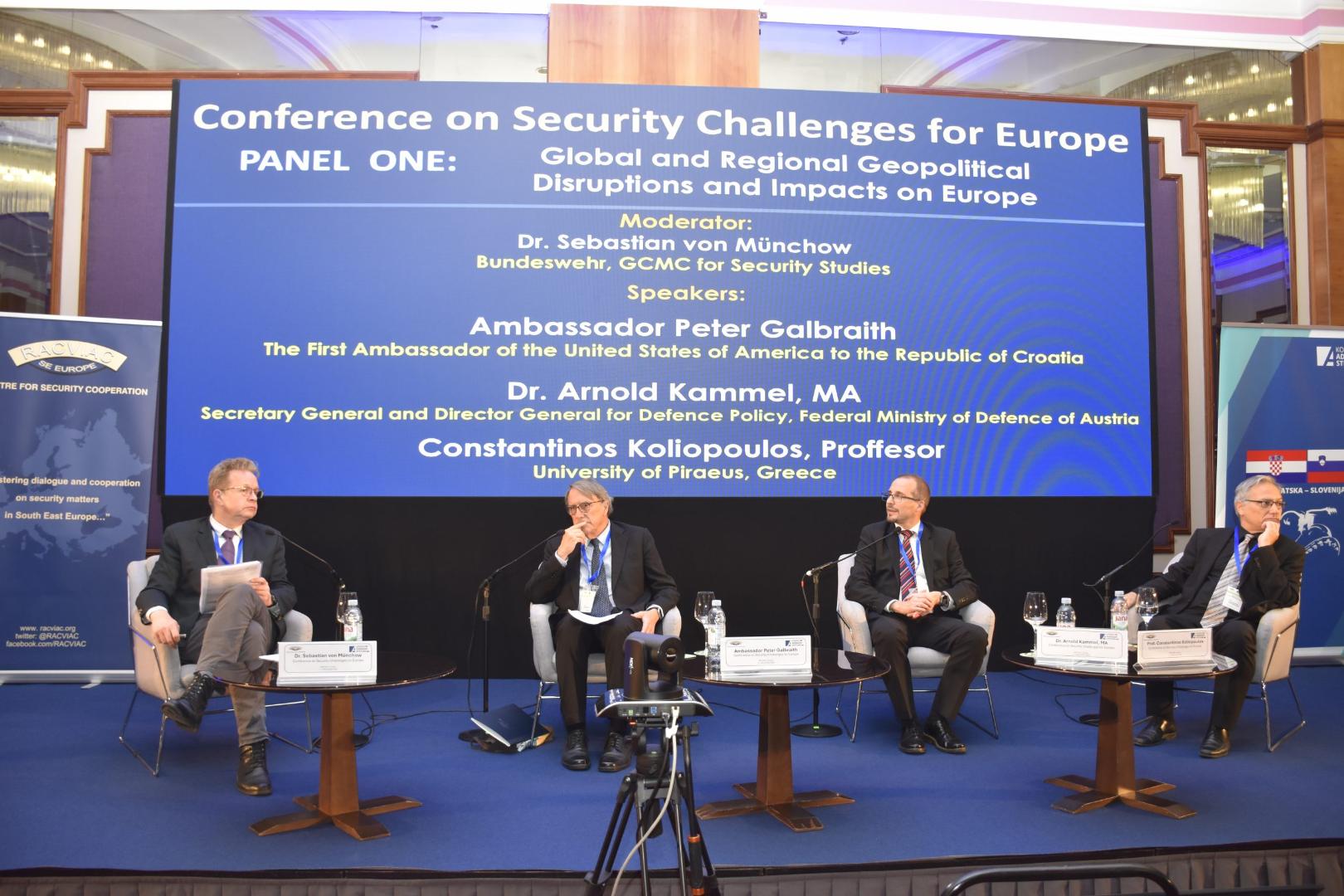
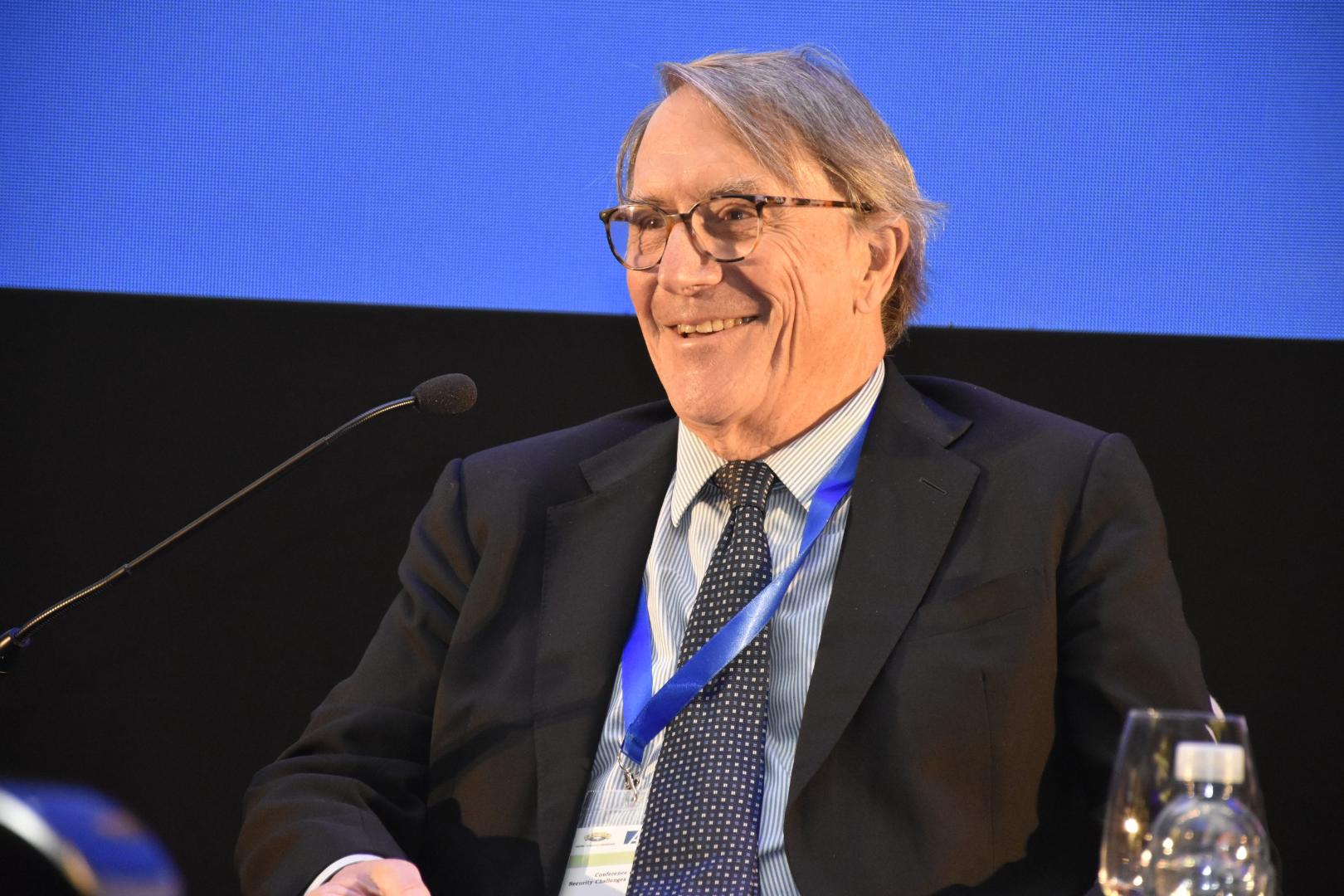
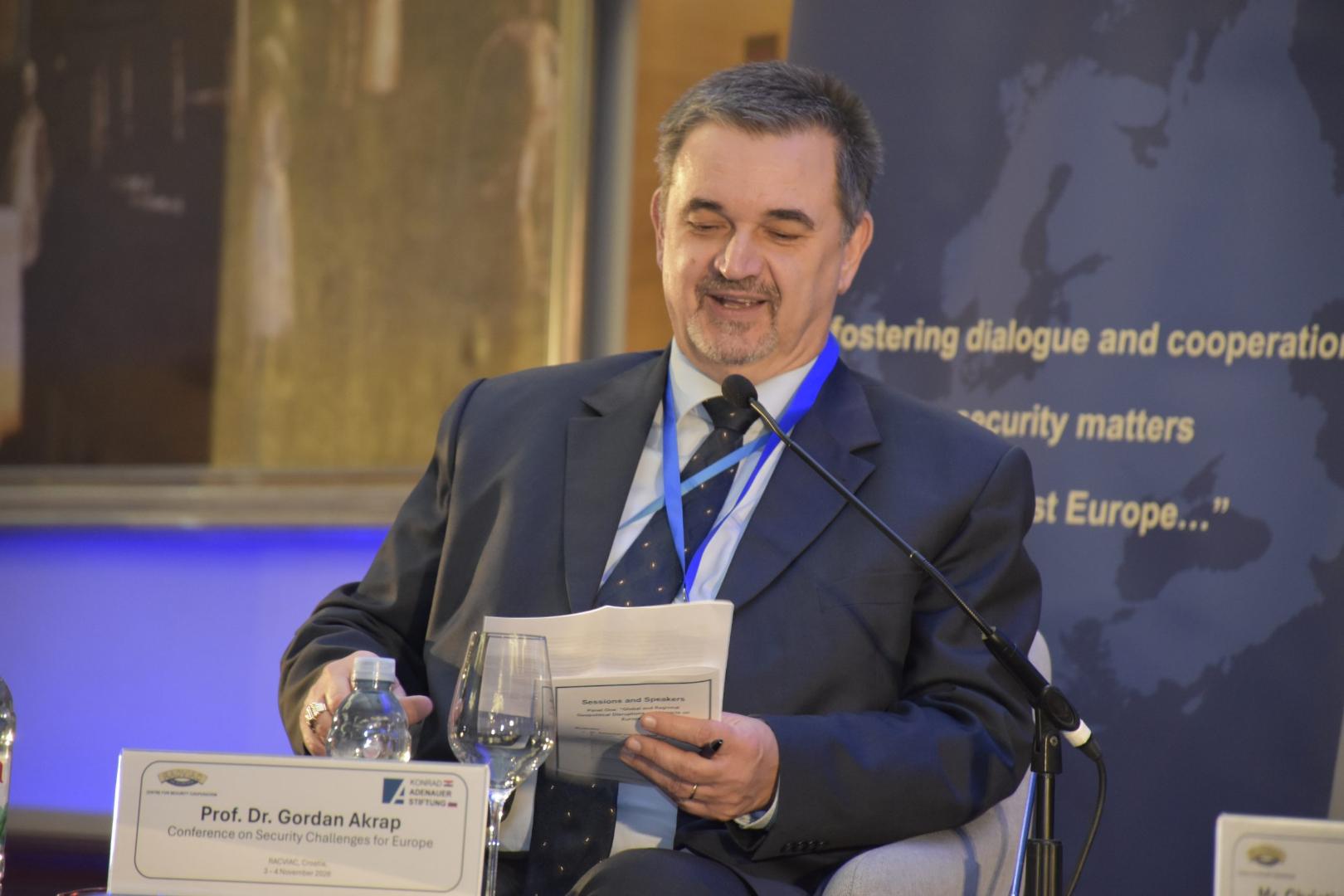
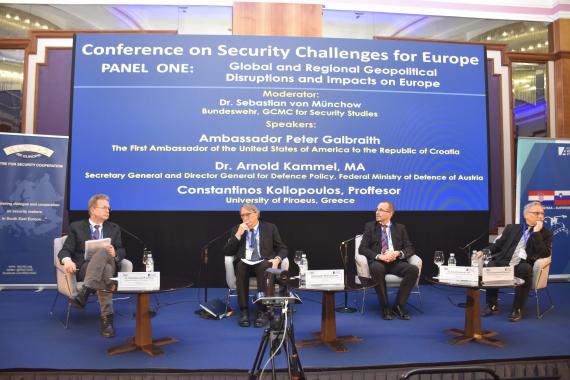
The first panel “Global and Regional Geopolitical Disruptions and Impacts on Europe”, examined how global and regional geopolitical shifts are affecting Europe's security architecture. Discussions focused on the changing international landscape, strategic dependencies, strengthening European resilience, and the importance of closer cooperation among European countries. A particularly valuable contribution came from Peter Galbraith, the first Ambassador of the United States of America to the Republic of Croatia, whose extensive diplomatic experience and long-standing engagement with international conflicts added valuable insight to the discussion.
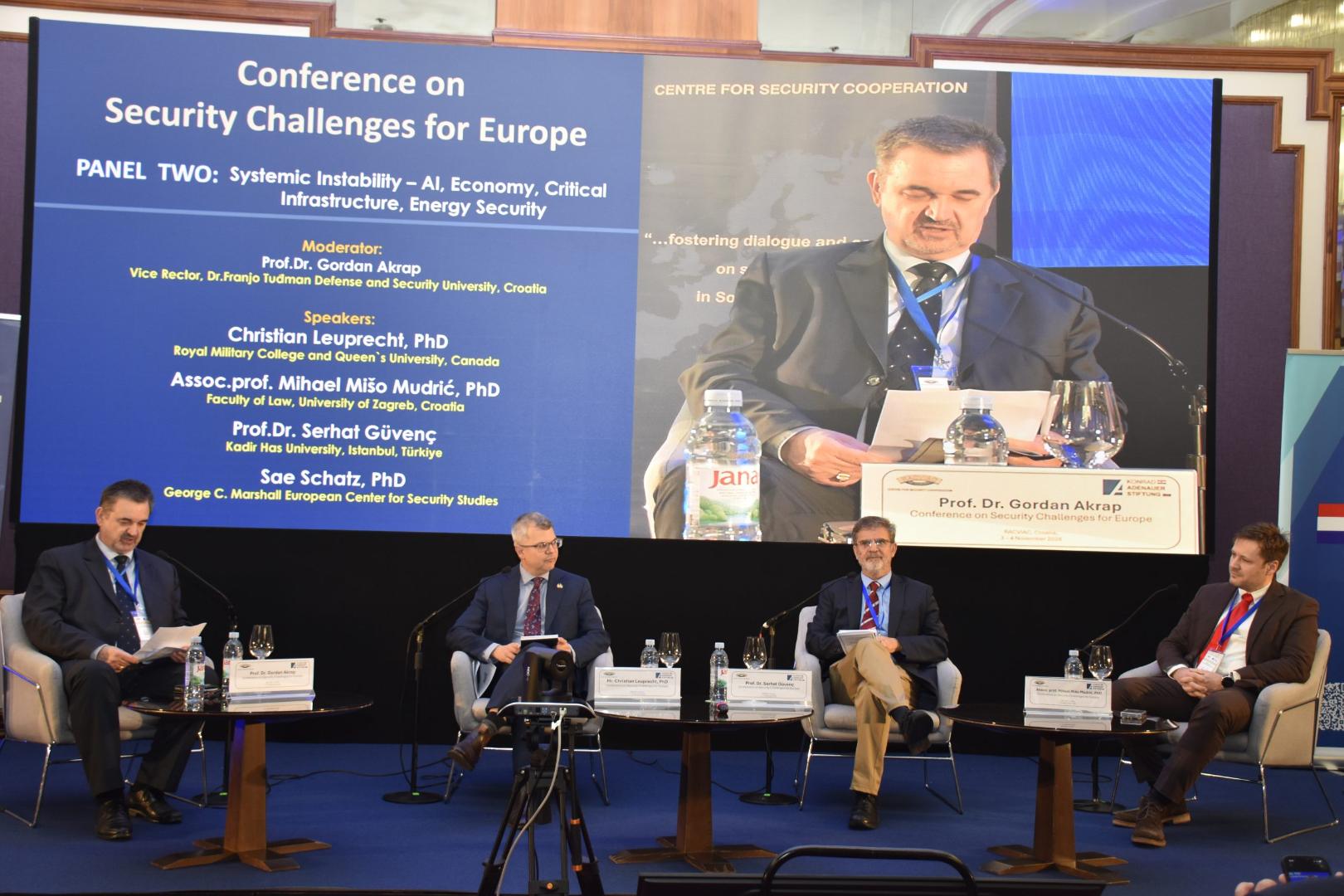
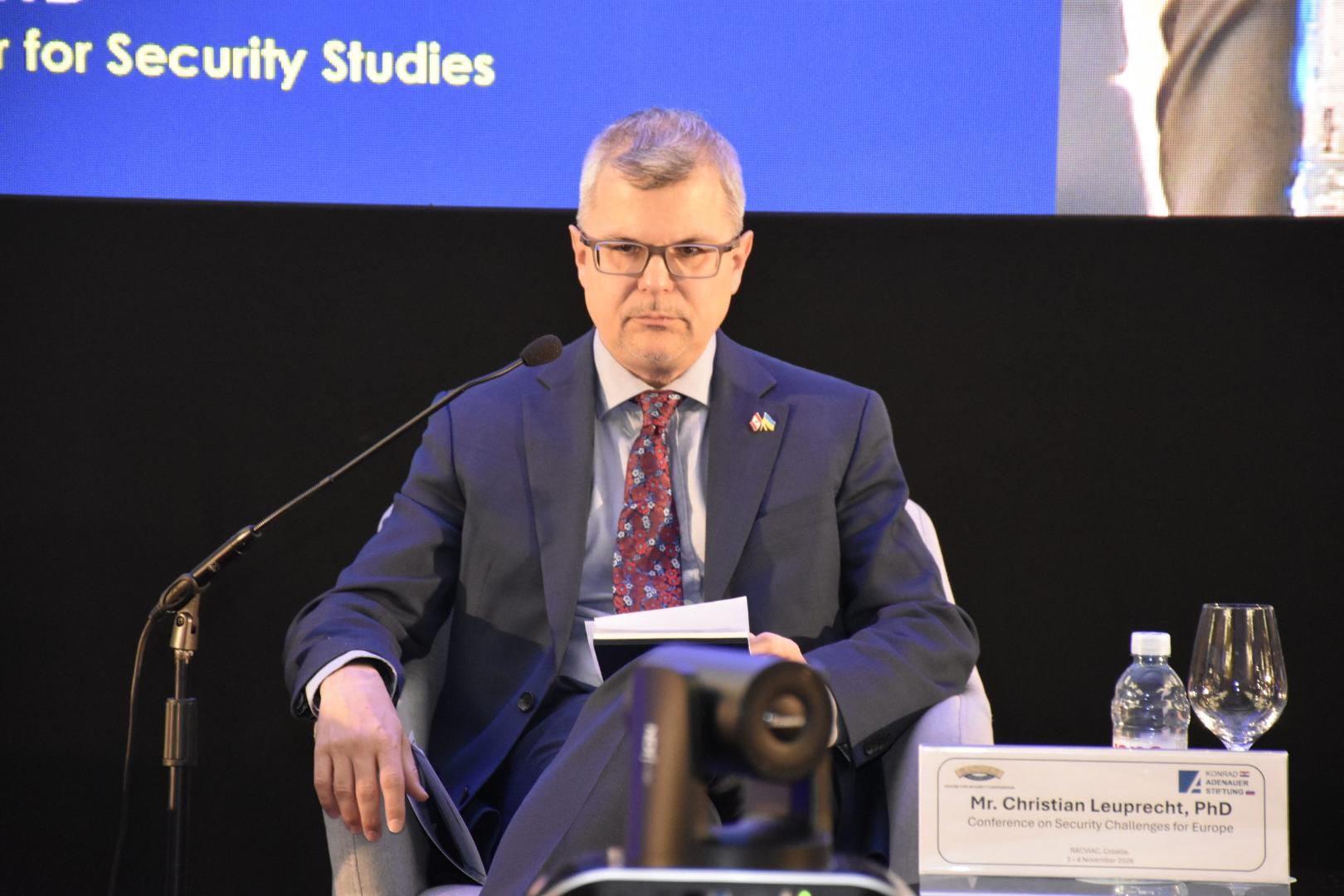
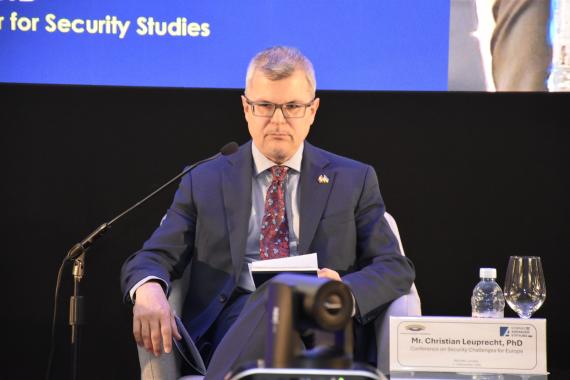
The second panel “Systemic Instability – AI, Economy, Critical Infrastructure, Energy Security” explored the growing interconnections between artificial intelligence, economic stability, critical infrastructure, and energy security. Discussions focused on the risks and vulnerabilities arising from these interdependencies, as well as the need for a coordinated approach to addressing them. Prof. Dr Christian Leuprecht of the Royal Military College and Queen’s University in Canada brought his extensive expertise in security policy and academic research to the discussion, with particular emphasis on the links between technological developments, economic dependencies, and national and international security.
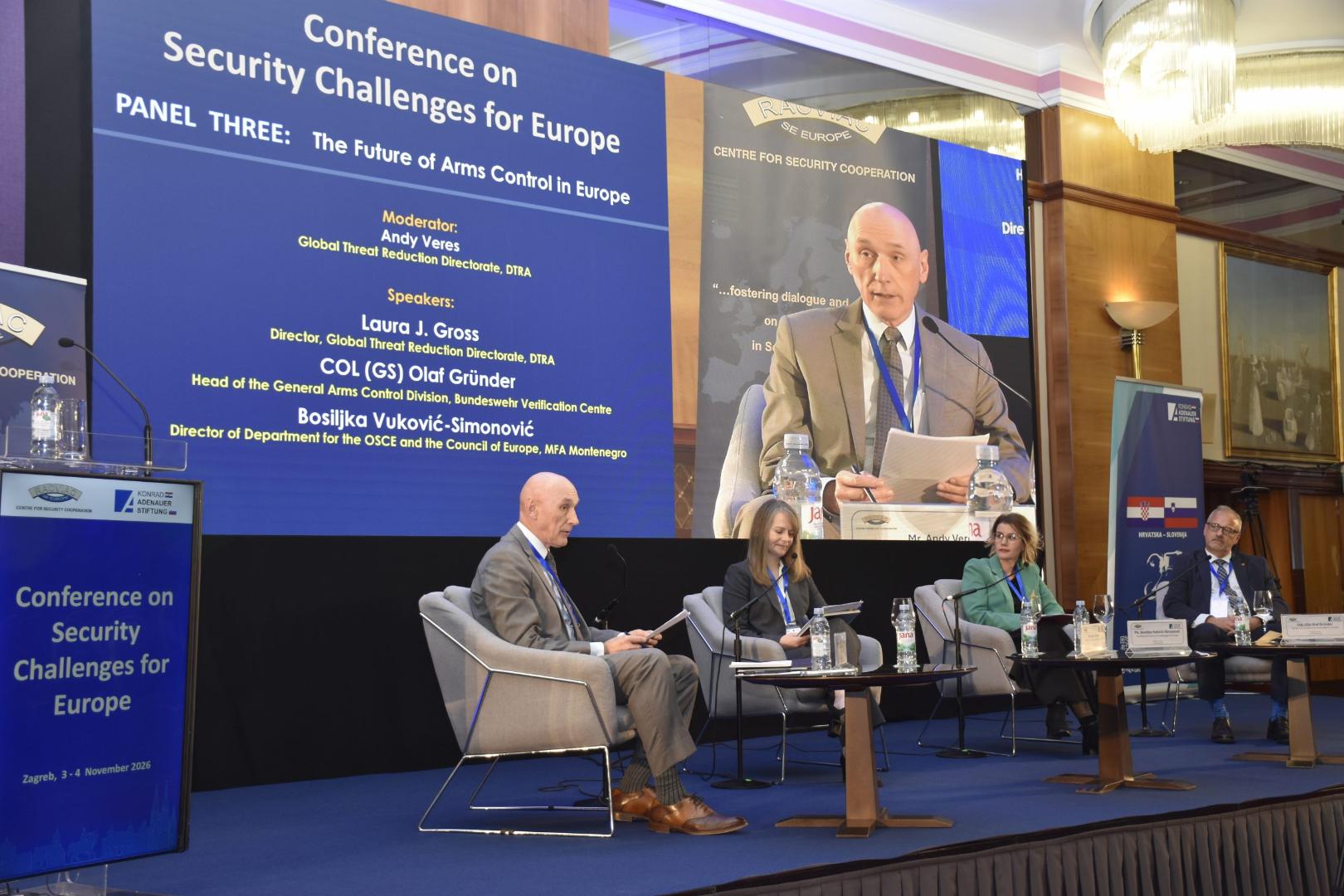
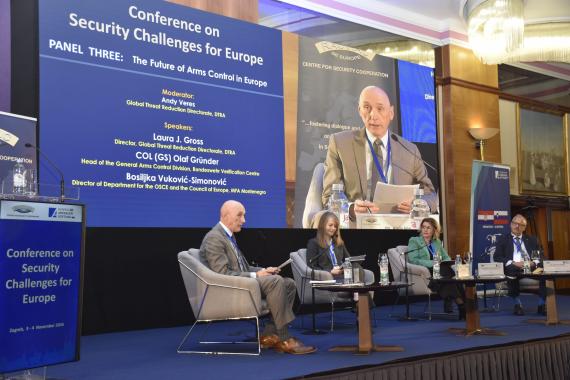
The third panel “The Future of Arms Control in Europe” addressed the future of arms control in Europe against the backdrop of rising geopolitical tensions and emerging military technologies. Attention was given to the impact of armed drones, cyber weapons, and modern missile systems on deterrence, European security, and international stability.
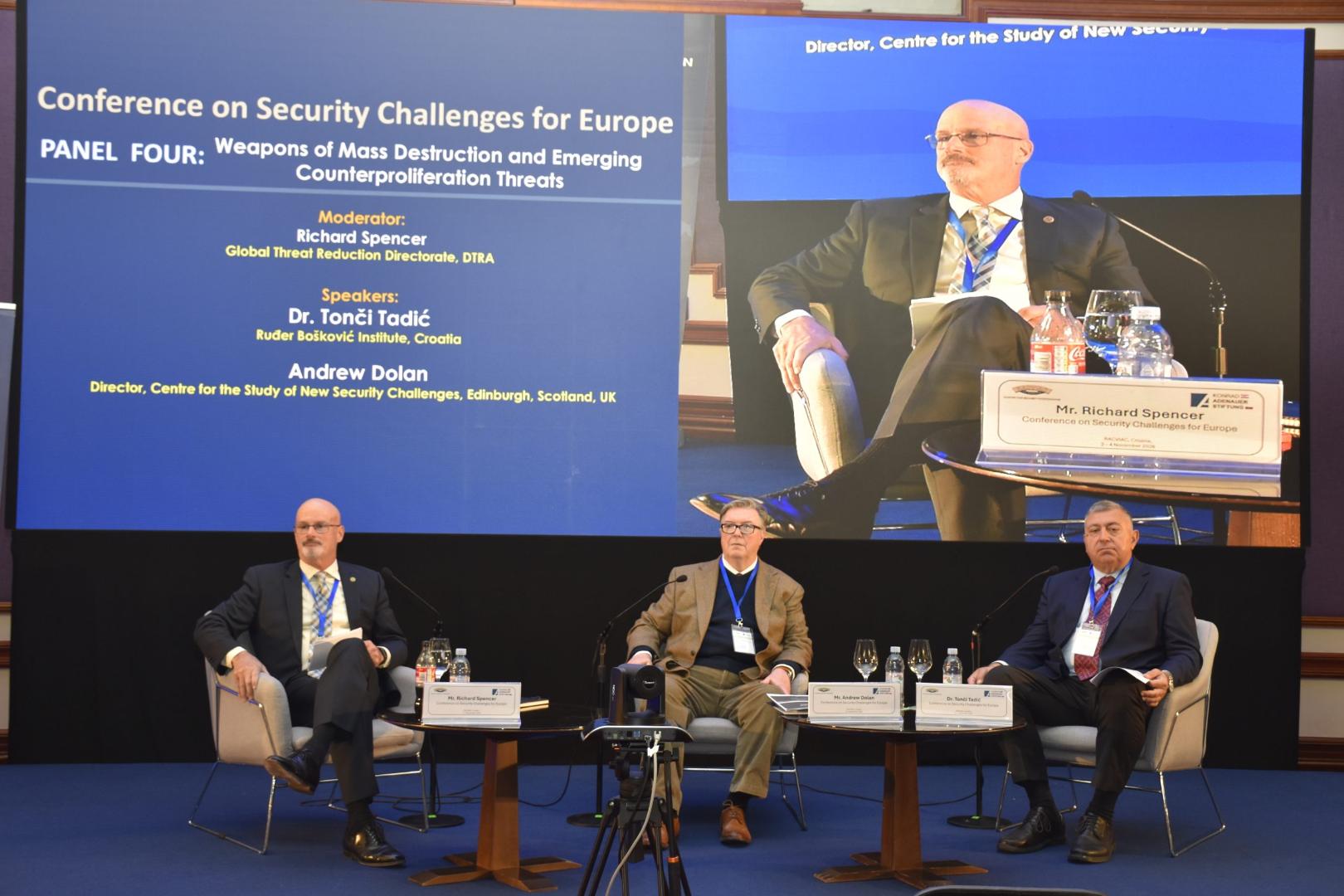
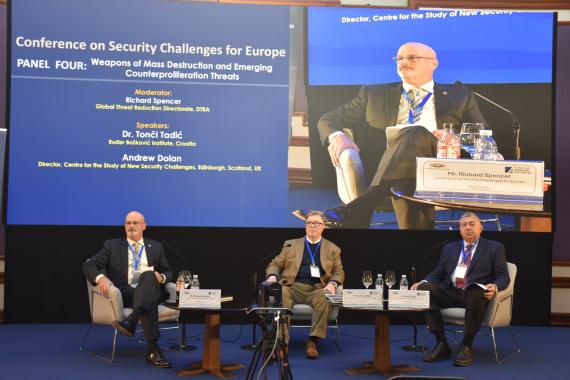
On the second day, the programme continued with the fourth panel “Weapons of Mass Destruction and Emerging Counterproliferation Threats” which focused on weapons of mass destruction and emerging challenges in the field of non-proliferation. Discussions centred on new proliferation risks and their potential implications for international security, particularly at the intersection of nuclear capabilities and artificial intelligence.
The conference programme concluded with an expert presentation by Dr. Sebastian von Münchow of the Bundeswehr's German Center for Military History and Social Sciences (GCMC) on “Defence Industrial Base (DIB)”. His presentation highlighted the importance of strong industrial capabilities, efficient procurement processes, and appropriate policy frameworks in strengthening Europe's defence capabilities.
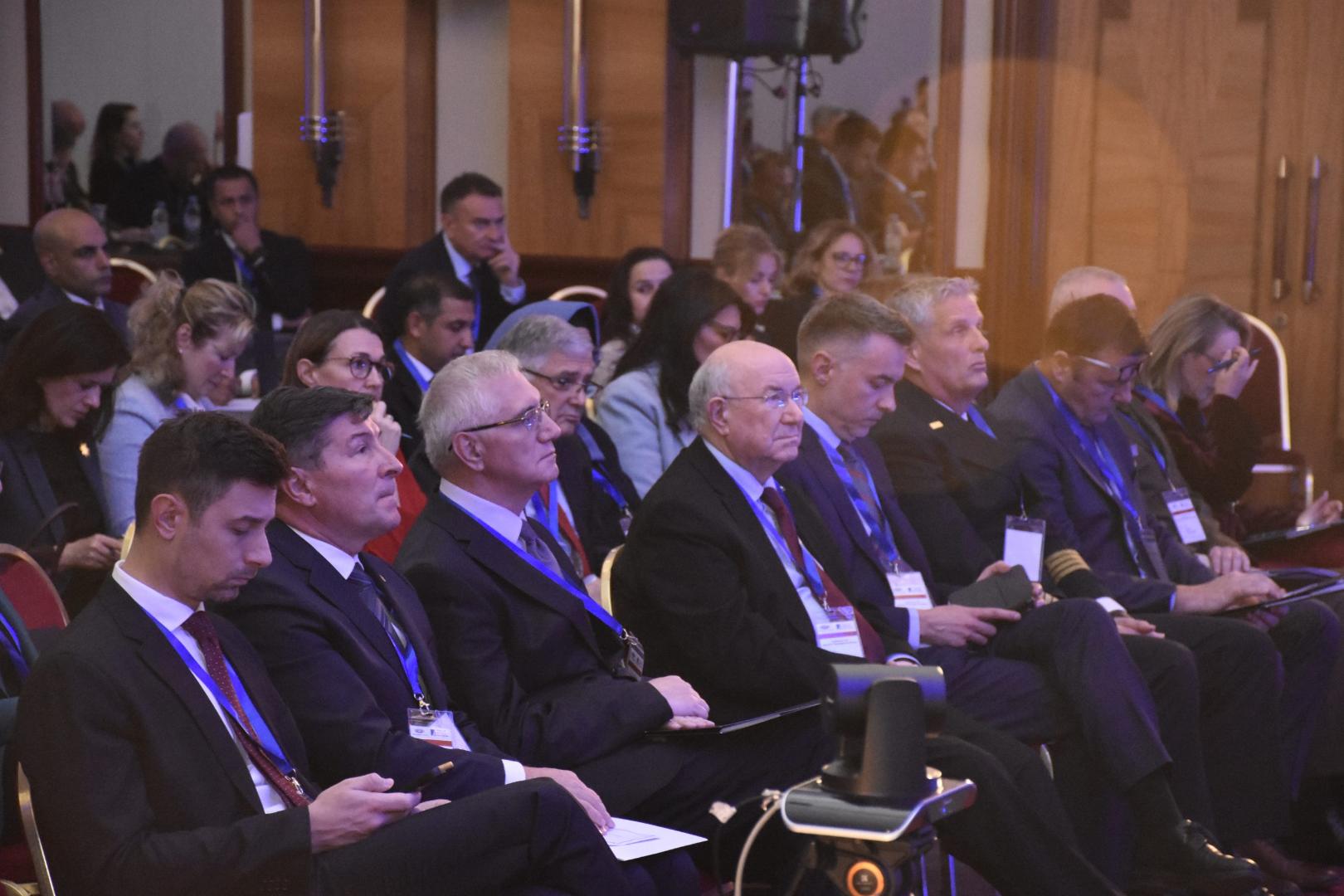
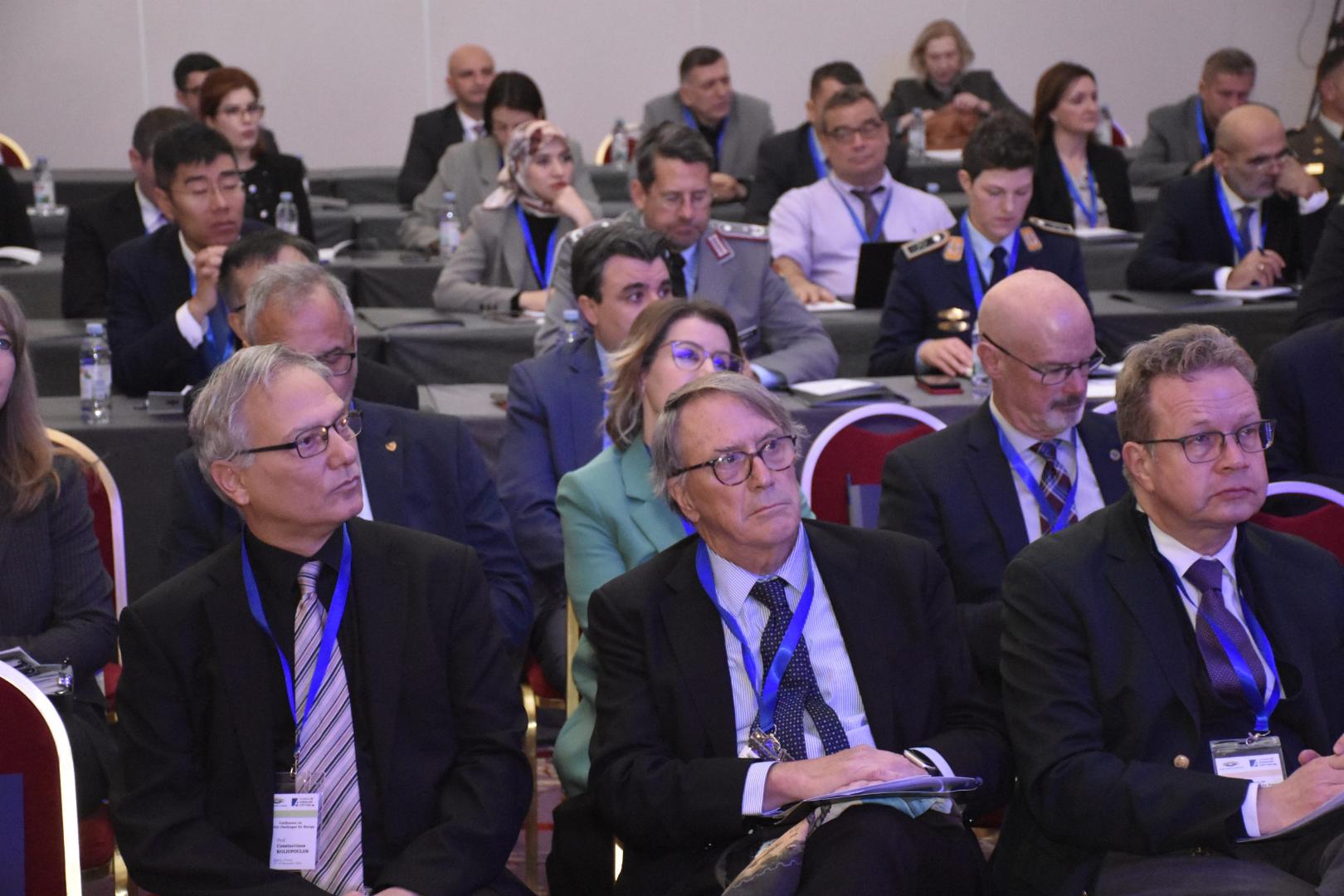
Since its launch in 2013, this joint initiative of RACVIAC and the KAS Croatia-Slovenia Office has developed into an important platform for regional and international dialogue on security policy. The fourteenth edition once again demonstrated, through its broad range of topics and diverse international participation, the importance of continuous interdisciplinary exchange, joint analysis, and stronger cooperation in addressing complex geopolitical challenges and sustainably strengthening Europe's security and resilience.