







Moldova Security Forum 2026: Ten achievements of the third edition dedicated to the security of the Republic of Moldova
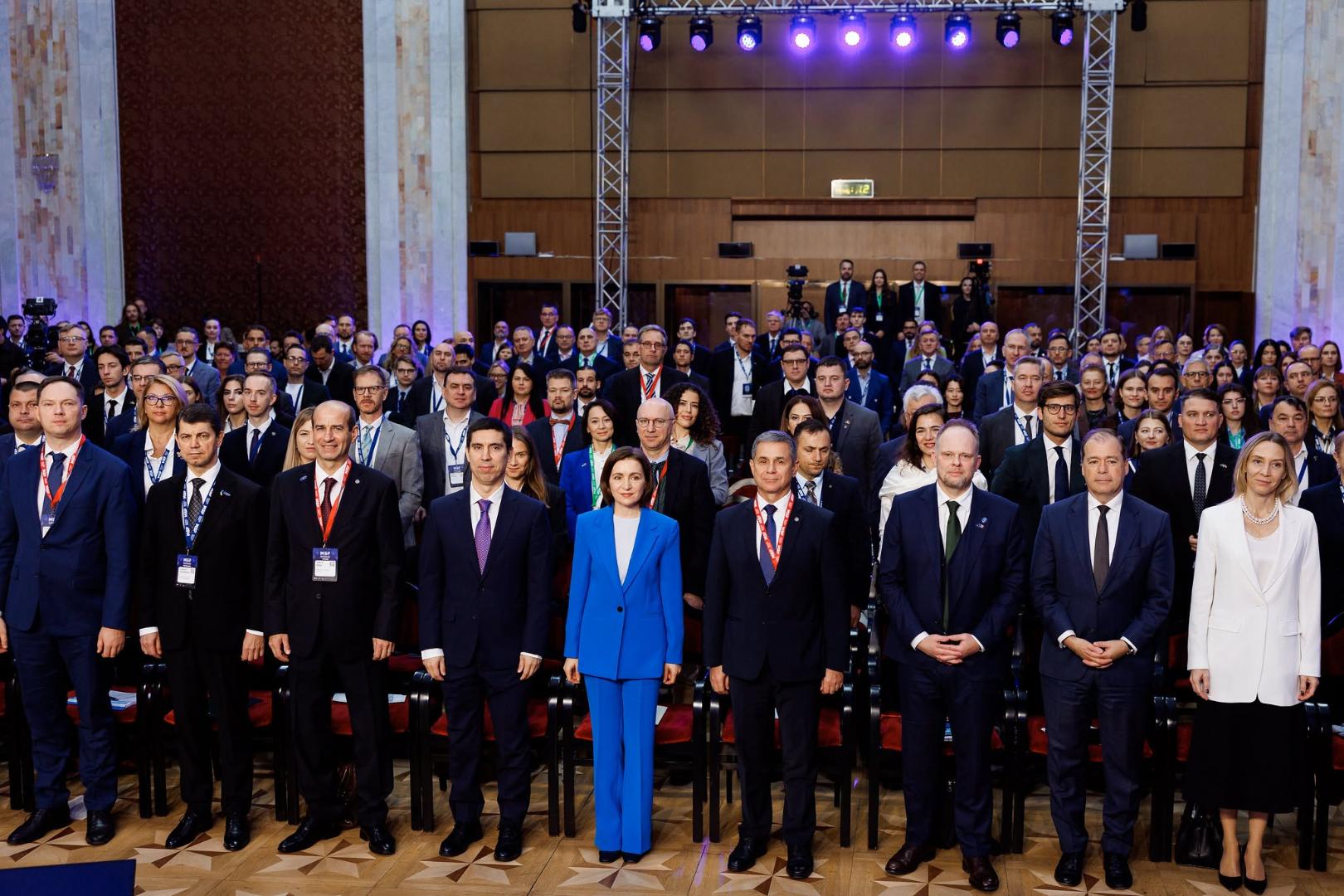
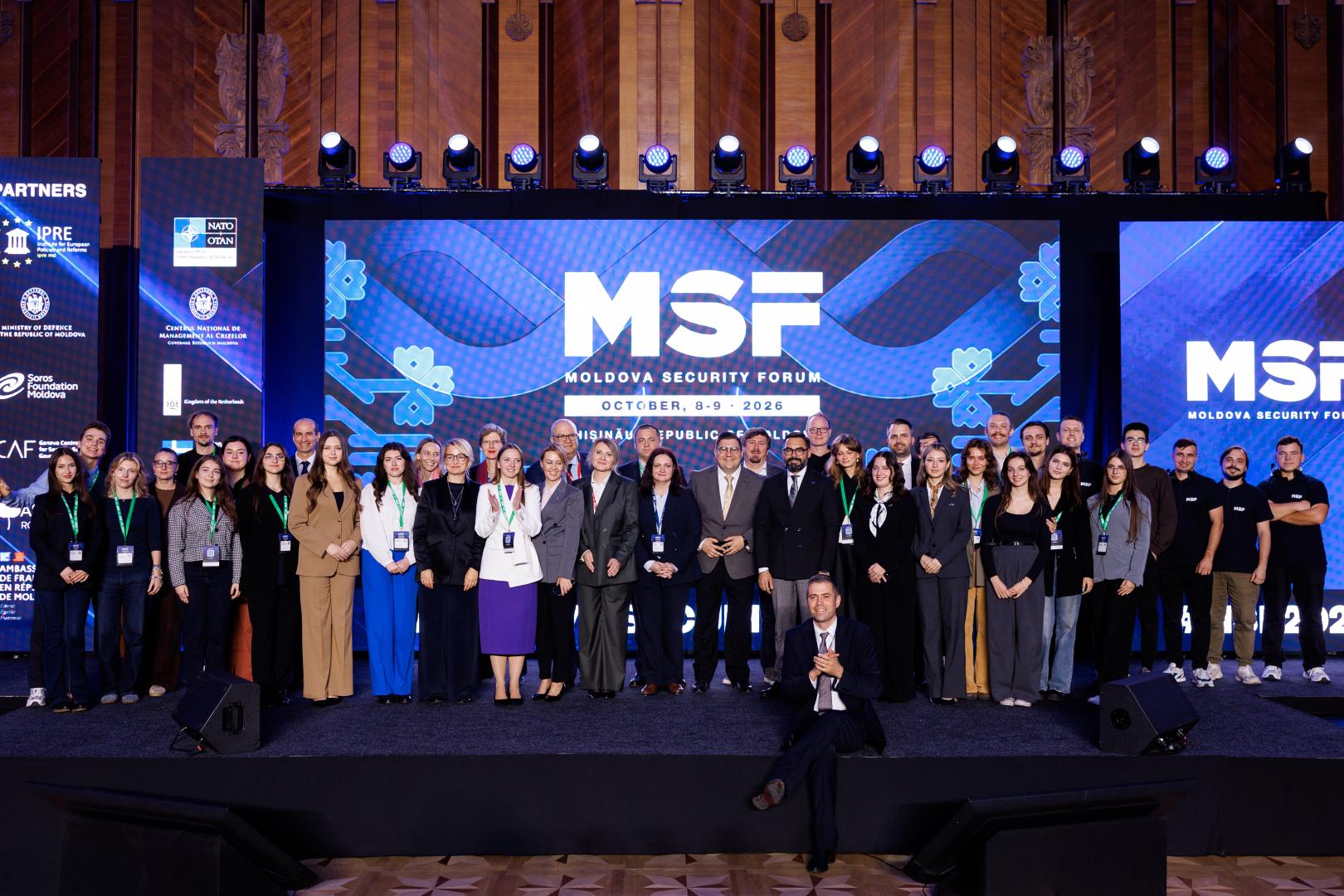
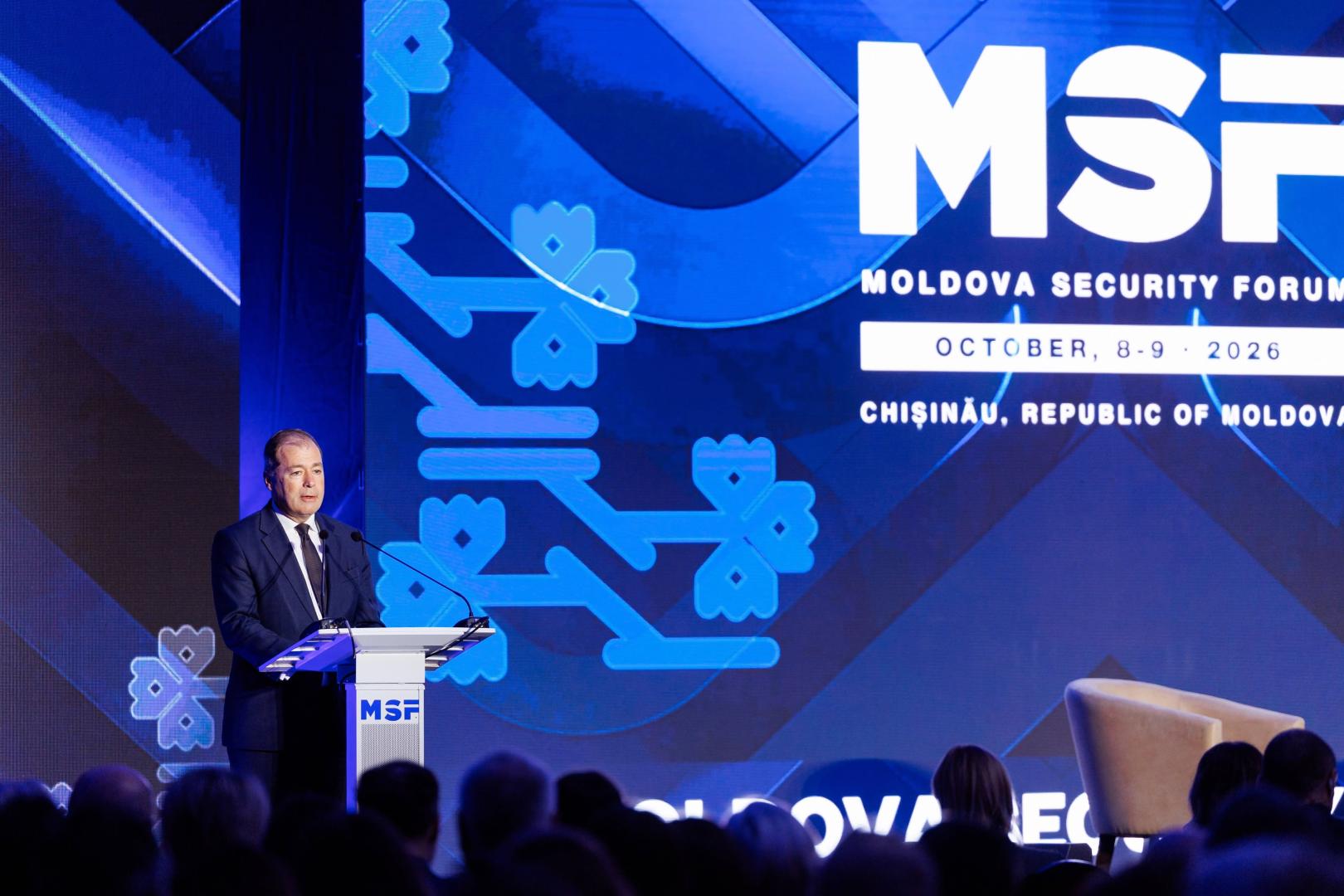
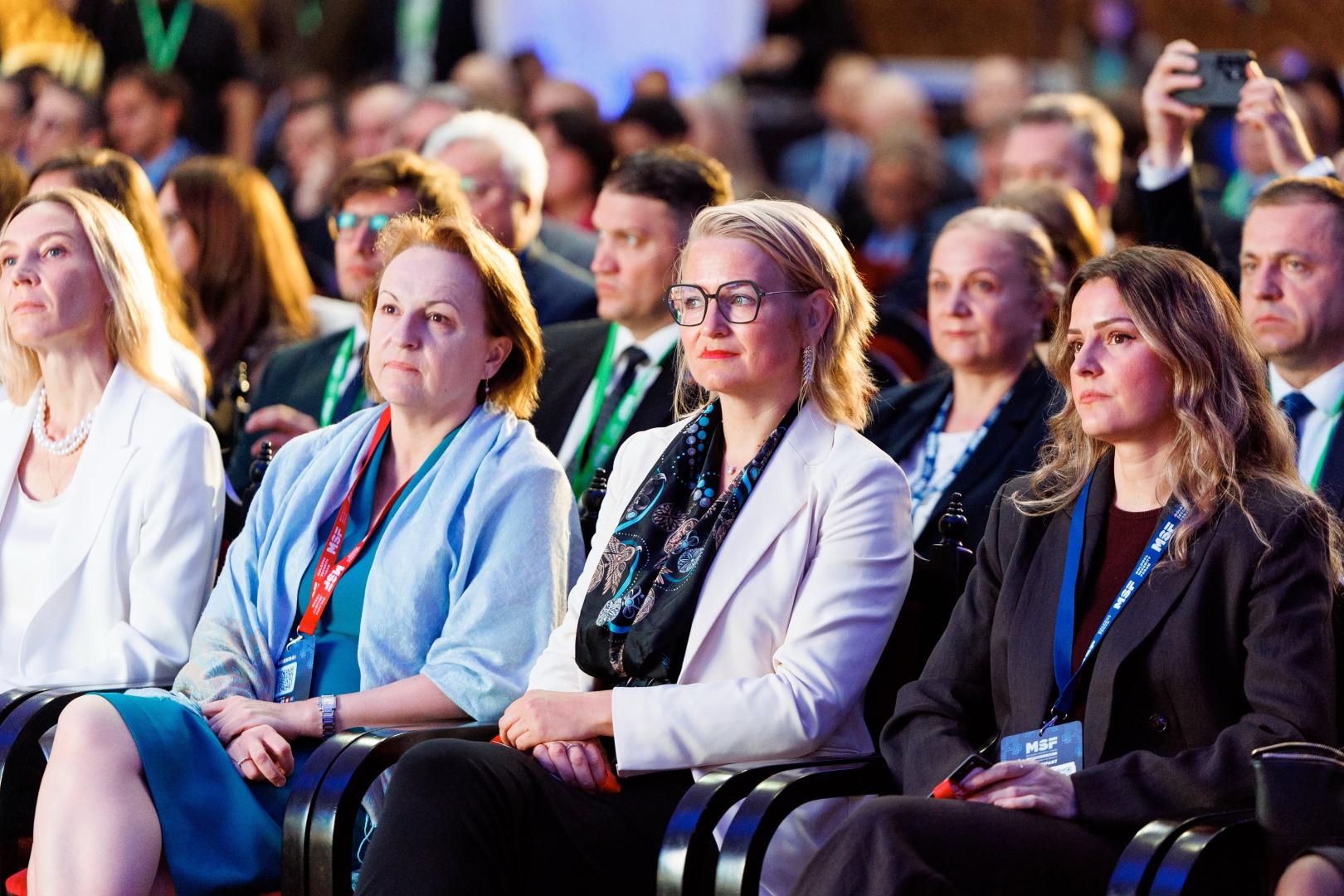
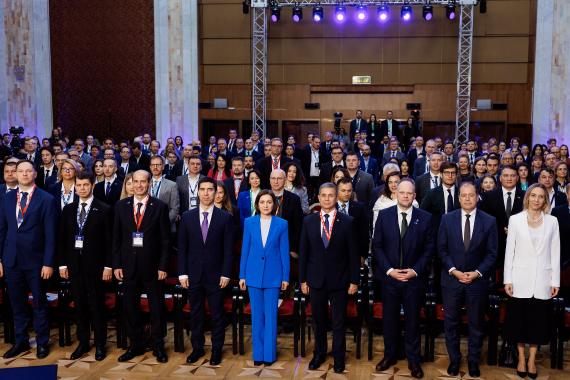
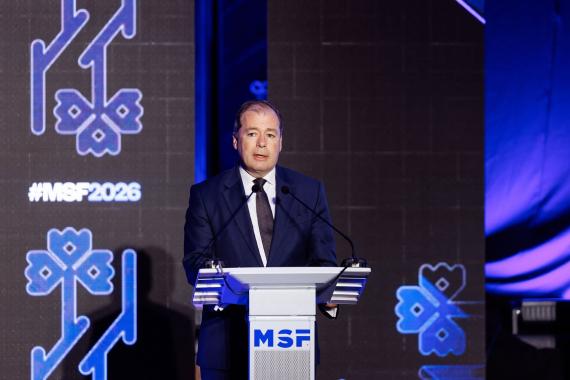
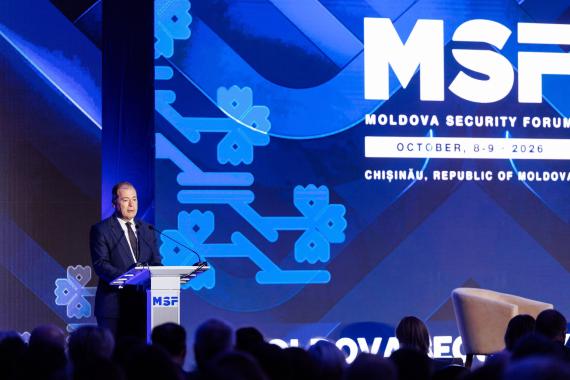
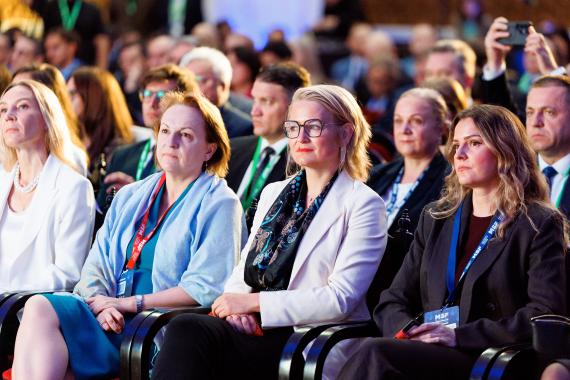
20 October 2026, Chișinău – Held on 8 and 9 October, Moldova Security Forum 2026 brought together more than 800 participants from 35 countries, convening leaders of the Republic of Moldova, European and Euro-Atlantic officials, diplomats, experts, and representatives of civil society, business and the media. The third edition focused on the Republic of Moldova’s contribution to European security and the ability of democracies to respond collectively to war, foreign interference and crises.
The event’s executive report records more than 1,100 registrations and over 800 delegates in attendance, compared with 448 in 2025 – an increase of approximately 75%. The theme, ‘Strengthening Democratic Resilience and Security through Strategic Vision and Multilateral Cooperation’, linked investment in defence with protecting institutions, preparing for crises and maintaining public trust.
The forum provided a setting for public debate and working discussions on responses to the risks facing the Republic of Moldova, Ukraine and the Black Sea region. Ten achievements capture the outcomes of this edition.
1. Growing international interest in the forum
Interest in the forum exceeded the threshold of one thousand registrations. Of the 1,138 registrations received this year, most came from the Republic of Moldova, Romania, Germany, Ukraine and France, with registrations also received from more than 30 other countries. These figures reflect the growth of the community brought together by the forum and the interest in its security agenda.
2. Moldova’s contribution to regional security
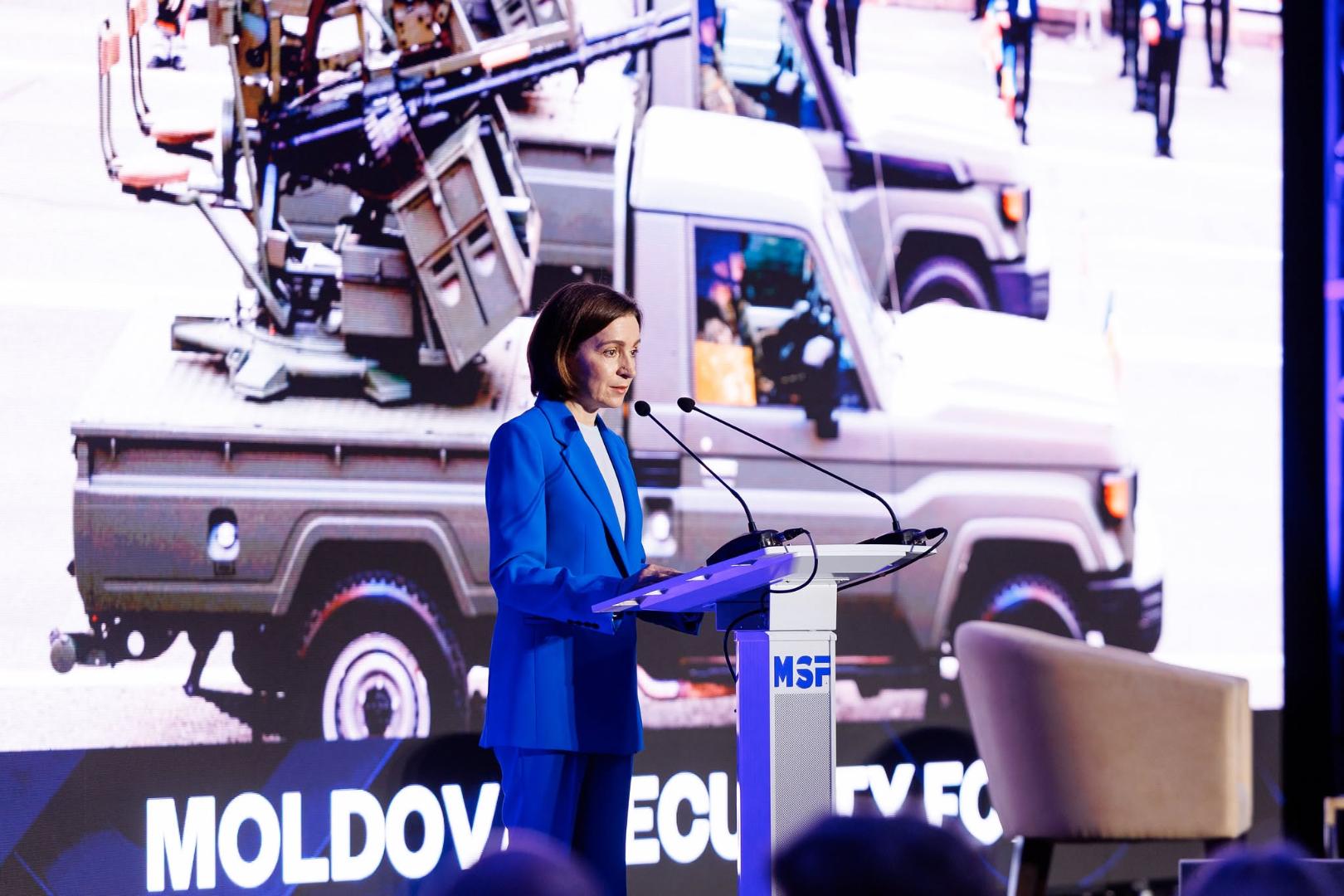
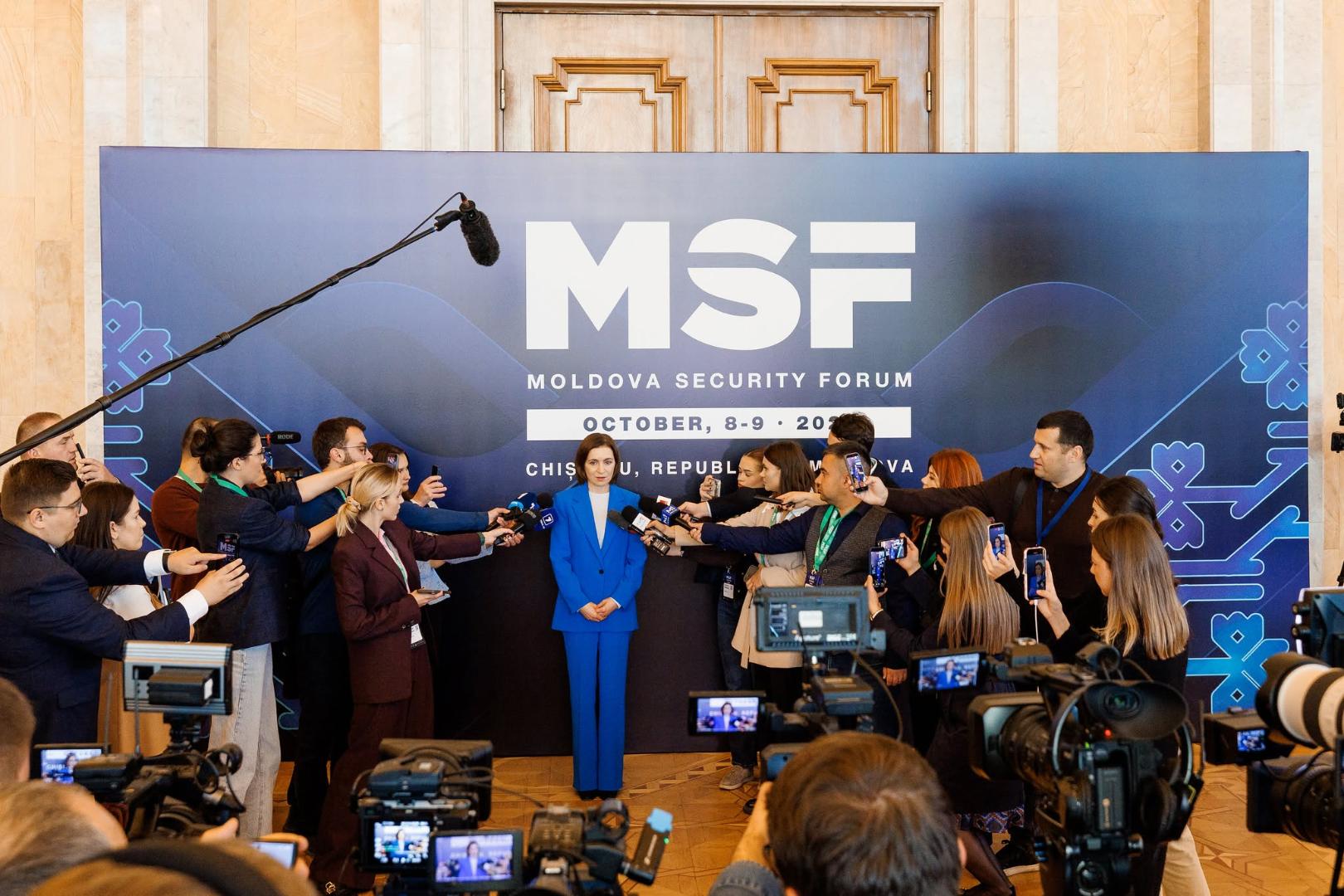
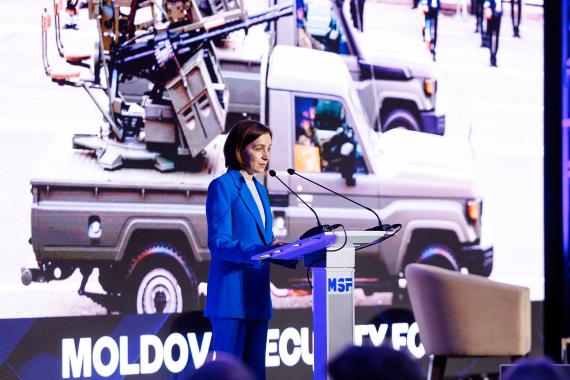
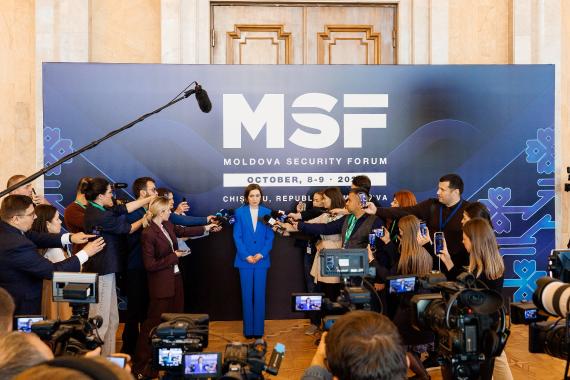
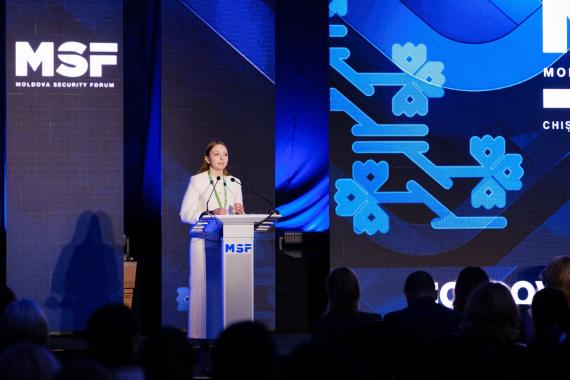
In her opening address, President Maia Sandu emphasised the Republic of Moldova’s contribution to regional security. The President spoke about resisting Russian interference, the need to protect the country’s airspace, and the link between strengthening democratic institutions and European integration.
‘Moldova is now a provider of security,’ Maia Sandu stated. Her message set the tone for the discussions that followed: the experience the Republic of Moldova has gained in confronting hybrid pressures can benefit its European partners, while the country’s security has direct implications for its neighbours.
3. Partnerships that strengthen security and resilience
The first thematic plenary examined how the Republic of Moldova’s partnerships strengthen resilience and security. Deputy Prime Minister and Minister of Foreign Affairs Mihai Popșoi highlighted regional interdependence: ‘What happens in the Republic of Moldova and the Black Sea region directly affects Europe.’ The discussion covered cooperation with the EU and NATO, support for Ukraine, and the capacity of institutions to respond to threats.
On 9 October, NATO Deputy Secretary General Radmila Shekerinska reaffirmed the reciprocal nature of the partnership. ‘A strong, stable and resilient Moldova contributes to stability and resilience at NATO’s borders,’ she said in a speech delivered in English. She highlighted the Republic of Moldova’s experience in countering hybrid threats and reiterated NATO’s respect for the country’s constitutional neutrality. A video message from Andrius Kubilius, European Commissioner for Defence and Space, complemented the discussion on European support for security and defence, with a contribution estimated at more than €300 million through the European Peace Facility.
4. Defence cooperation on the eastern flank
The plenary on the eastern flank brought together the Republic of Moldova’s perspective and the experience of its partners. Minister of Defence Anatolie Nosatîi and Romania’s Minister of National Defence Radu Miruță took part in the debate on cooperation and resilience in a security environment shaped by Russia’s war against Ukraine.
Minister Radu Miruță addressed defence cooperation, drone incidents and efforts to strengthen security in the Black Sea region. On the sidelines of the forum, Anatolie Nosatîi met Ukrainian Deputy Foreign Minister Oleksandr Mishchenko to discuss hybrid threats, the protection of critical infrastructure and coordinated responses to risks. These meetings added a dimension of bilateral dialogue to the public discussions.
5. EU enlargement and Europe’s security architecture
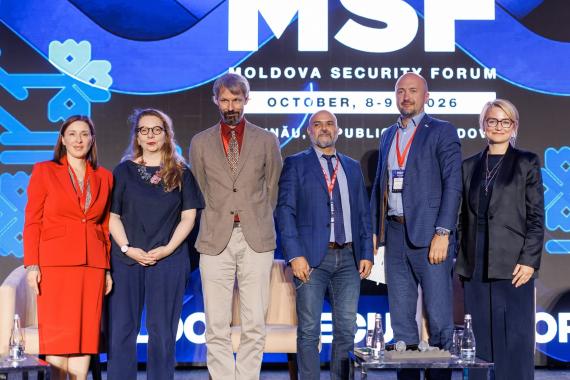
The third plenary explored the relationship between European Union enlargement, defence and strategic preparedness. Valeriu Mija, Kristupas Vaitiekūnas, Christoph Israng, Anastasia Pociumban and Tobias Billström took part in the discussion on the Republic of Moldova’s place in the European security architecture and the cooperation instruments available.
In an interview with the programme Briefing on the sidelines of the forum, former Swedish Foreign Minister Tobias Billström stated: ‘I firmly believe that Moldova will become a member of the European Union.’ He linked this prospect to continued reforms and efforts to combat corruption. The first day also featured the launch of the TEPSA volume Security, Defence and the Future of Europe: Views from the Capitals, which brought national perspectives on the continent’s defence and security into the discussion.
6. Public debate on defence investment
The public session on defence spending addressed one of today’s difficult questions: how governments can strengthen defence, meet economic and social priorities, and secure public support for sustained investment.
In his remarks, Speaker of Parliament Igor Grosu explained that protecting the country’s airspace requires sustained investment: ‘We need radars, we need equipment and we need to train personnel.’ The debate linked defence budgets to the responsibility to explain risks, funding choices and intended outcomes to the public. The forum thus provided a space for democratic discussion of decisions that affect society as a whole.
7. Crisis preparedness and coordination
The session on crisis management examined the cascading effects of droughts, floods, energy outages and other disruptions that can affect institutions and communities simultaneously. It focused on coordination, early warning and maintaining essential state functions.
At the forum, the National Crisis Management Centre announced a campaign for November to help the public prepare for the first 72 hours of an emergency. Contributions from civil protection partners complemented the national perspective with experiences of cooperation between public authorities, communities and the private sector.
8. Protecting democracy from hybrid threats
The session on hybrid threats explored the links between illicit financial flows, disinformation, cognitive warfare and the undermining of institutions. Presidential Adviser on Defence and National Security Stanislav Secrieru and Director of the Security and Intelligence Service Alexandru Musteața took part in discussions on protecting democratic processes.
‘I believe illicit financing plays a crucial role,’ Stanislav Secrieru stated. He explained that financial resources sustain the recruitment, training and infrastructure behind hybrid operations, warning that their effects persist after elections have ended. The debate brought institutional security, electoral integrity and the credibility of election results into a shared discussion.
9. Clearer communication for a more resilient society
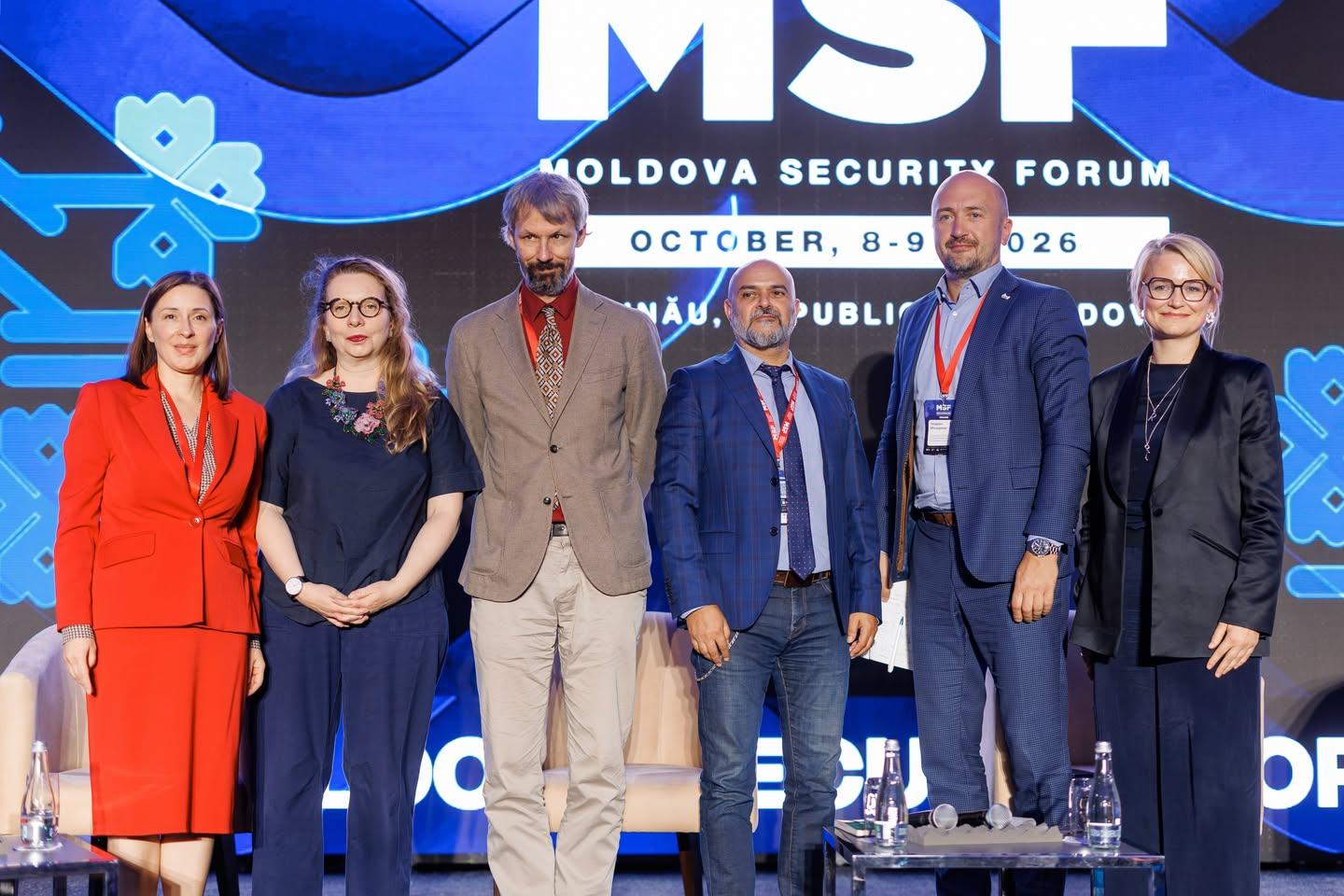
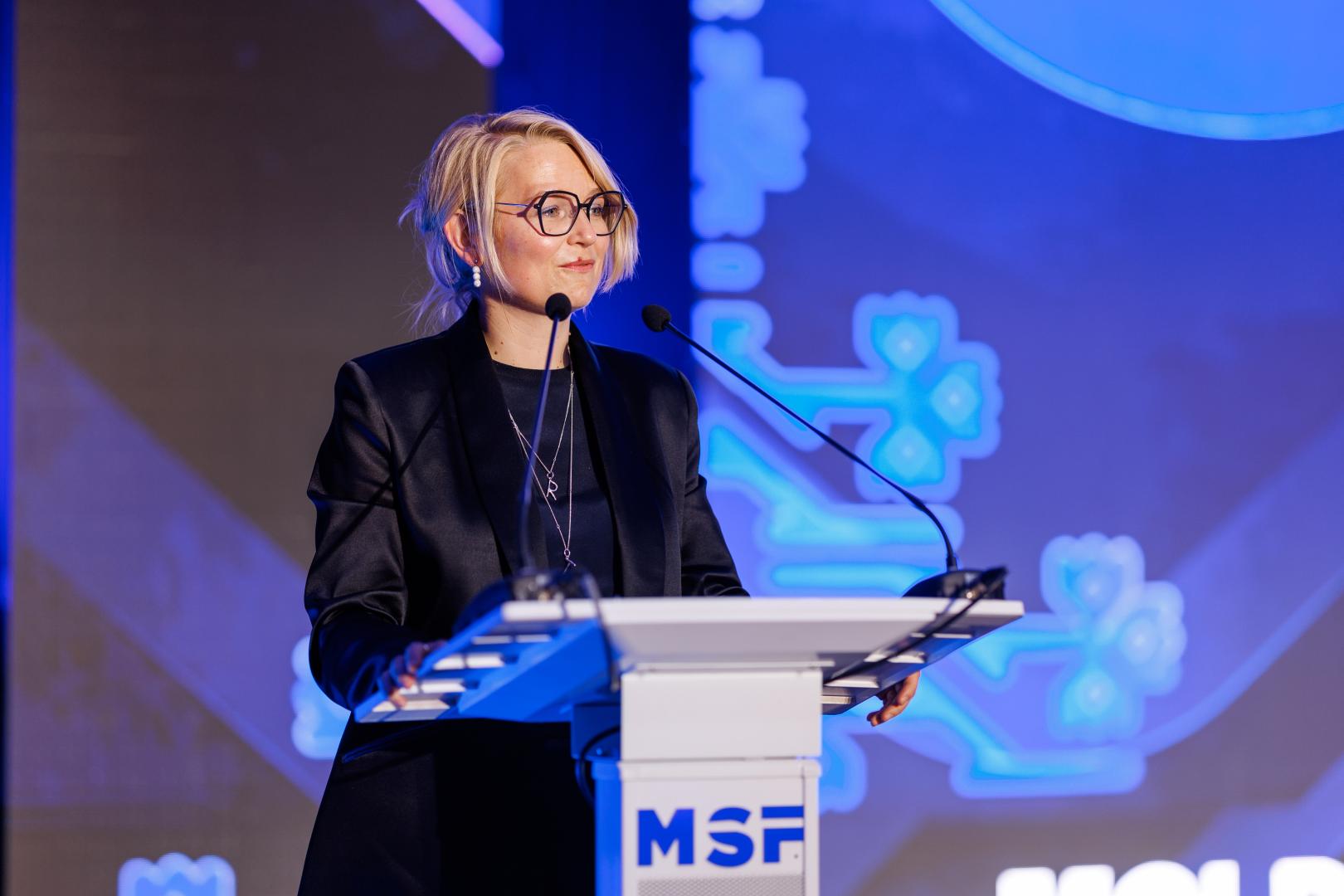
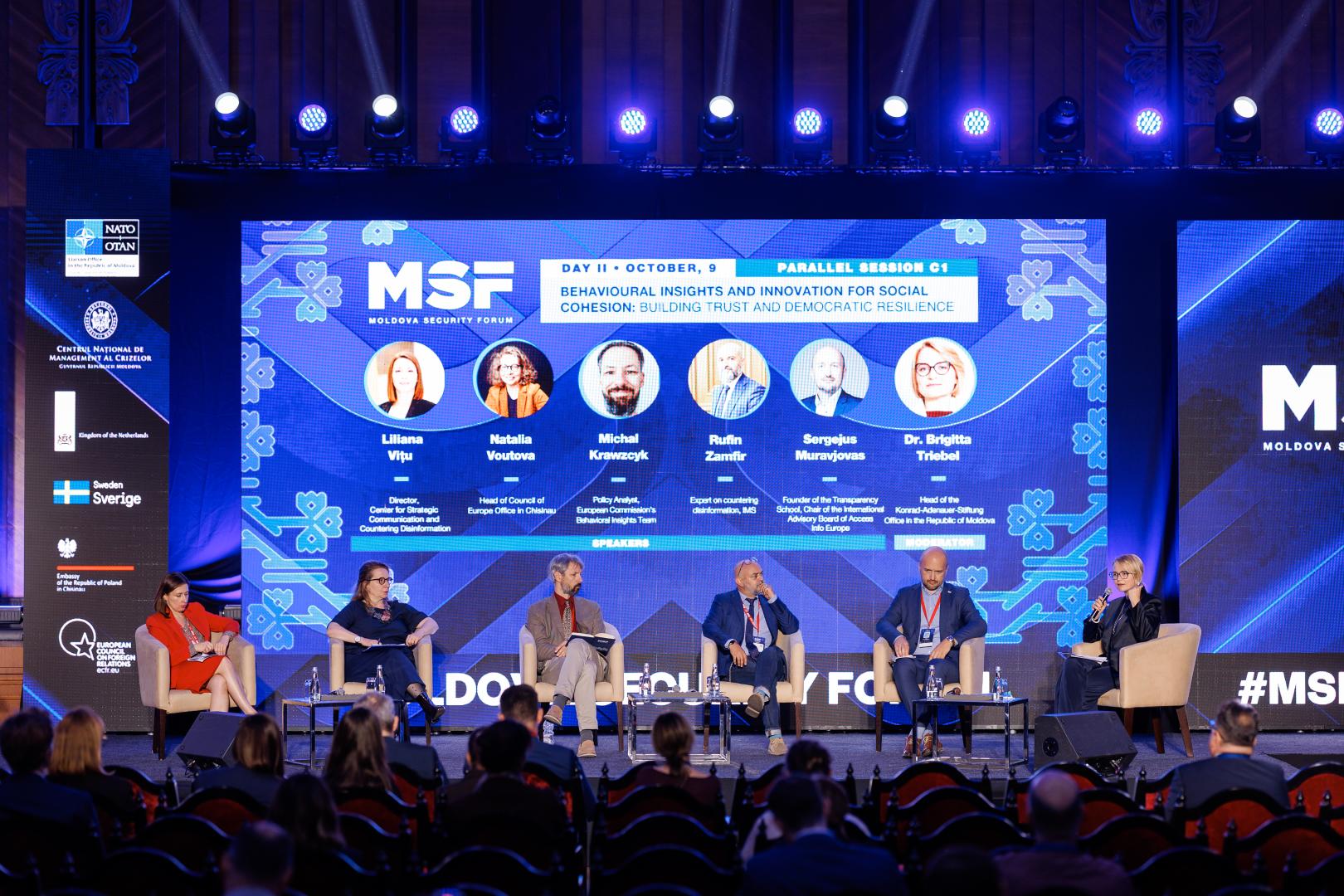
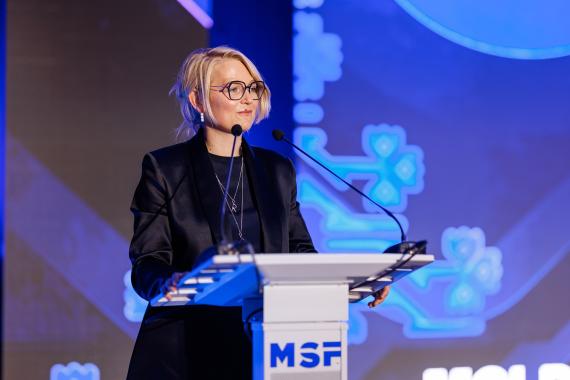
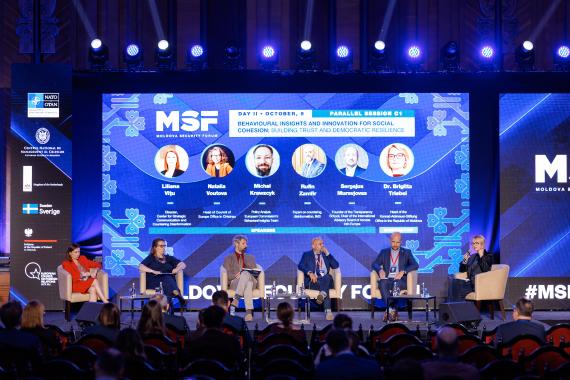
A separate session, moderated by Brigitta Triebel, explored the contribution of behavioural science, strategic communication and independent media to democratic resilience. The panel brought together Liliana Vițu, Director of the Centre for Strategic Communication and Countering Disinformation, and representatives of the Council of Europe, the European Commission and the expert community.
The discussion drew on data about public concerns. A CBS AXA survey presented by the Konrad Adenauer Foundation on 7 October found that one in two respondents felt they had little or no information about what to do in a crisis or emergency. The study included 2,009 adult respondents interviewed between 25 August and 9 September 2026, with a reported margin of error of ±2.2%. The findings provided a basis for discussing clearer public communication and societal preparedness.
10. Specialist dialogue and a wider programme of events
Alongside the public sessions, the forum hosted three closed sessions addressing the country’s reintegration; dual-use technologies and the reconstruction of Ukraine; and the relationship between the dynamics of the Russian regime and its external actions. This format enabled participants to address specialist topics that complemented the plenary debates.
The programme was preceded on 7 October by side events on protecting critical infrastructure, public perceptions of security, and the launch of the book Black Swans in the Black Sea. The survey and the two book launches in the extended programme added analytical resources that remain available beyond the forum.
Moldova Security Forum will return in 2027. The organisers have announced that it will become an annual event.
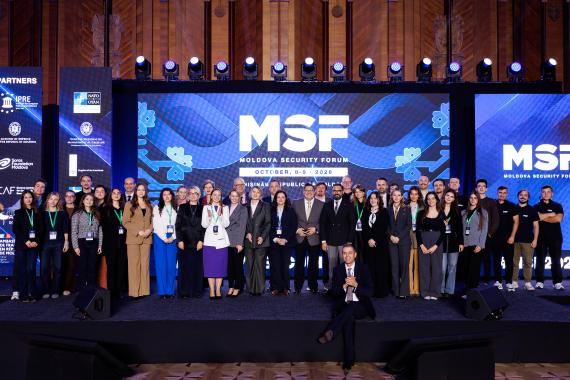
Moldova Security Forum 2026 was organised by the Konrad Adenauer Foundation in the Republic of Moldova, the Institute for European Policies and Reforms (IPRE), and the NATO Liaison Office in the Republic of Moldova, with institutional support from the Ministry of Foreign Affairs and the Ministry of Defence of the Republic of Moldova, alongside more than 20 European and international partner organisations. The third edition took place on 8 and 9 October 2026 at the Palace of the Republic in Chișinău.