








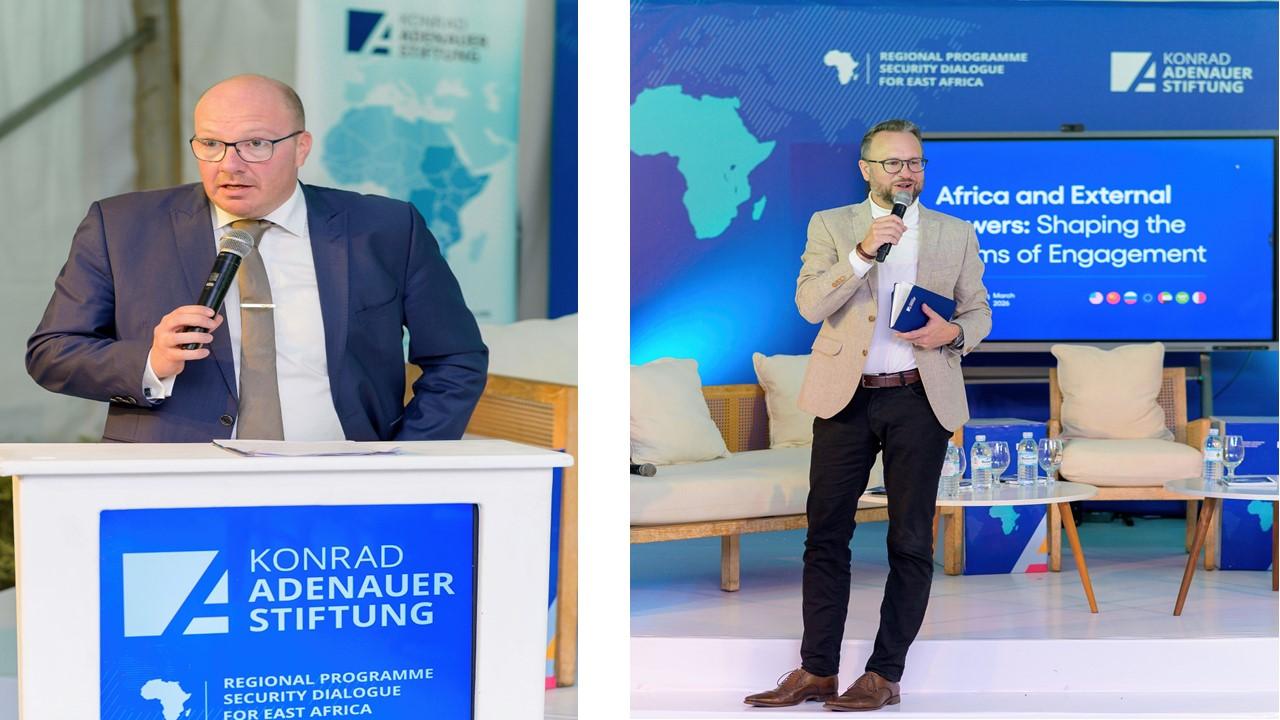
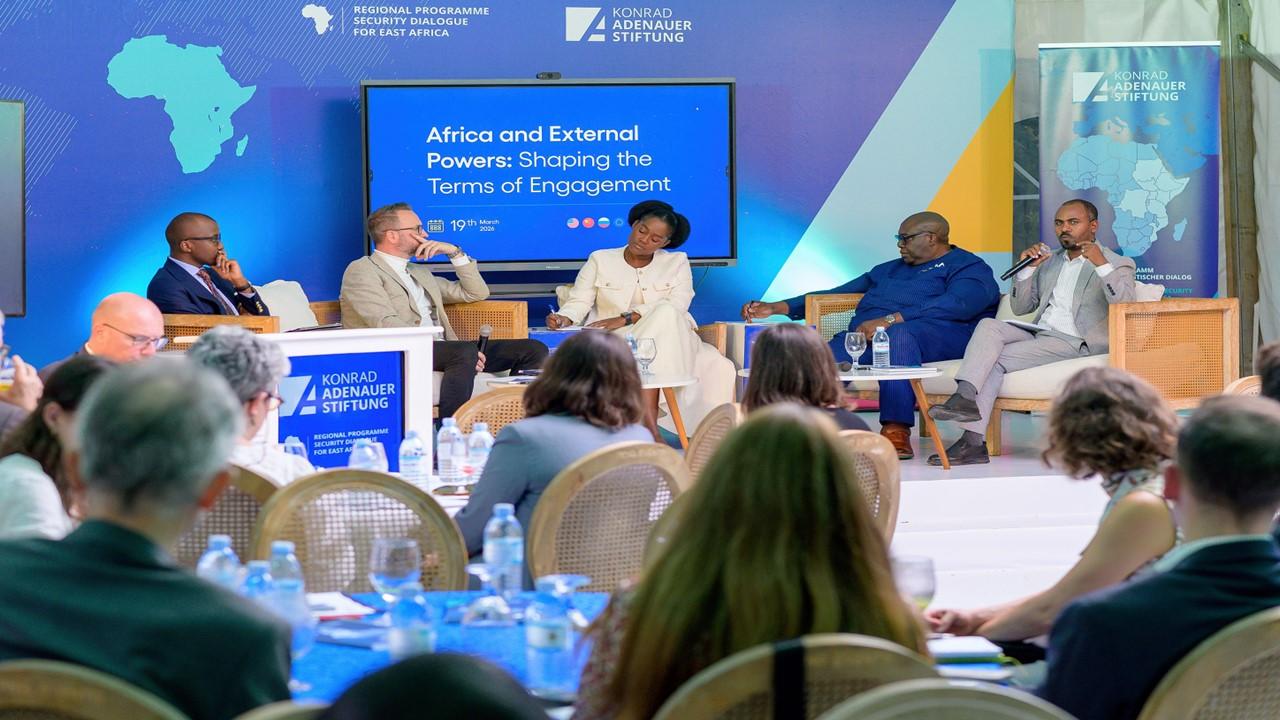
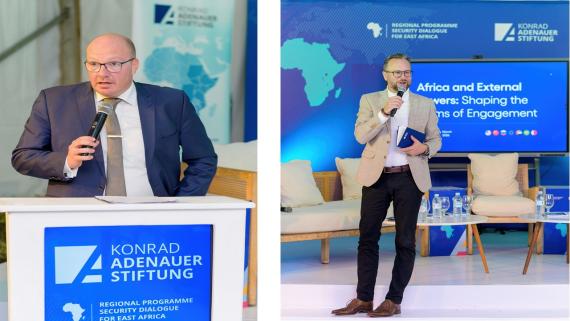
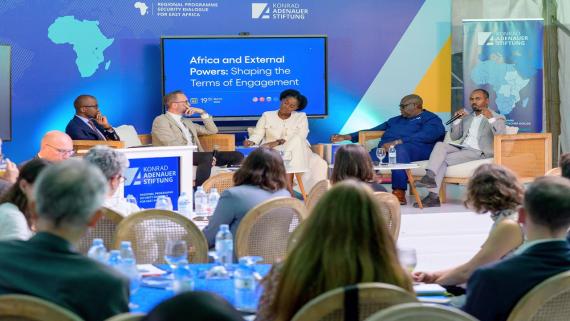
The event began with welcoming remarks from Nils Wörmer, Director, KAS RP SIPODI East Africa, who expressed gratitude to the numerous participants for their attendance. The discussion was moderated by Mathias Kamp, Country Representative, KAS Foundation Office, Kenya, who, in his opening speech, emphasized the geopolitical significance of the current involvement of external actors across Africa. He highlighted how African governments and institutions are responding to these developments and noted the increasing debates surrounding sovereign access to natural resources, developmental aid, peace and security, and Africa’s evolving role in global politics.
Ambassador Tom Amolo, who, among other duties, served as Kenya’s ambassador to Germany, initiated the discussion by providing his assessments. He highlighted the ongoing evolution of the global landscape, noting a shift from a rule-based order to a more transactional system characterized by unpredictability. He pointed out that the African Union is still in the process of developing a strategic plan to effectively navigate the increasing geopolitical changes. He also emphasized the importance for African nations to reevaluate their engagements with external actors, while safeguarding their national interests.
Dr Asrat Gizachew, Chief of Staff and Senior Researcher, Institute of Foreign Affairs, Ethiopia, emphasized Ethiopia’s foreign policy approach towards external actors. He noted that the country faces the challenge of forming new alliances without jeopardizing its existing relationships. Additionally, Dr. Gizachew pointed out that the Ethiopian government views the ongoing armed conflicts in the Middle East and the Horn of Africa as interconnected, prompting Ethiopia to pursue a balanced foreign policy that safeguards its political, economic, and security interests across these two strategic regions.
The third panellist, Cynthia Chigwenya, a Peace, Security, and Development Consultant and former African Union Youth Ambassador for Peace for Southern Africa, shared insights on the African Union's potential role in safeguarding the continent’s global interests. She highlighted Africa’s rising prominence in international affairs, such as climate policy, while cautioning that the continent still lacks structural visibility, as its key political institutions and initiatives are often influenced by foreign actors. She also addressed the legitimacy crises facing Africa’s regional economic communities, which hinder the development of a unified African foreign policy. During her panel submissions, Cynthia also referenced the recent withdrawals of Burkina Faso, Mali, and Niger from ECOWAS, highlighting the ongoing challenges faced by regional integration efforts.
Raymond Mujuni, Deputy Director of the African Institute for Investigative Journalism in Uganda, addressed the issue of Africa’s limited visibility in international politics by providing a broad perspective. He emphasized the stark disparity between the aspirations of African citizens and the tangible potential of African institutions to deliver beneficial policy outcomes. Focusing on the security sector, Raymond argued that the increasing prioritization of national interests in many African countries hampers the development of a unified African security policy. Consequently, this situation is likely to perpetuate external powers' continued involvement in African armed conflicts, undermining the prospects for genuine African-led conflict resolution.
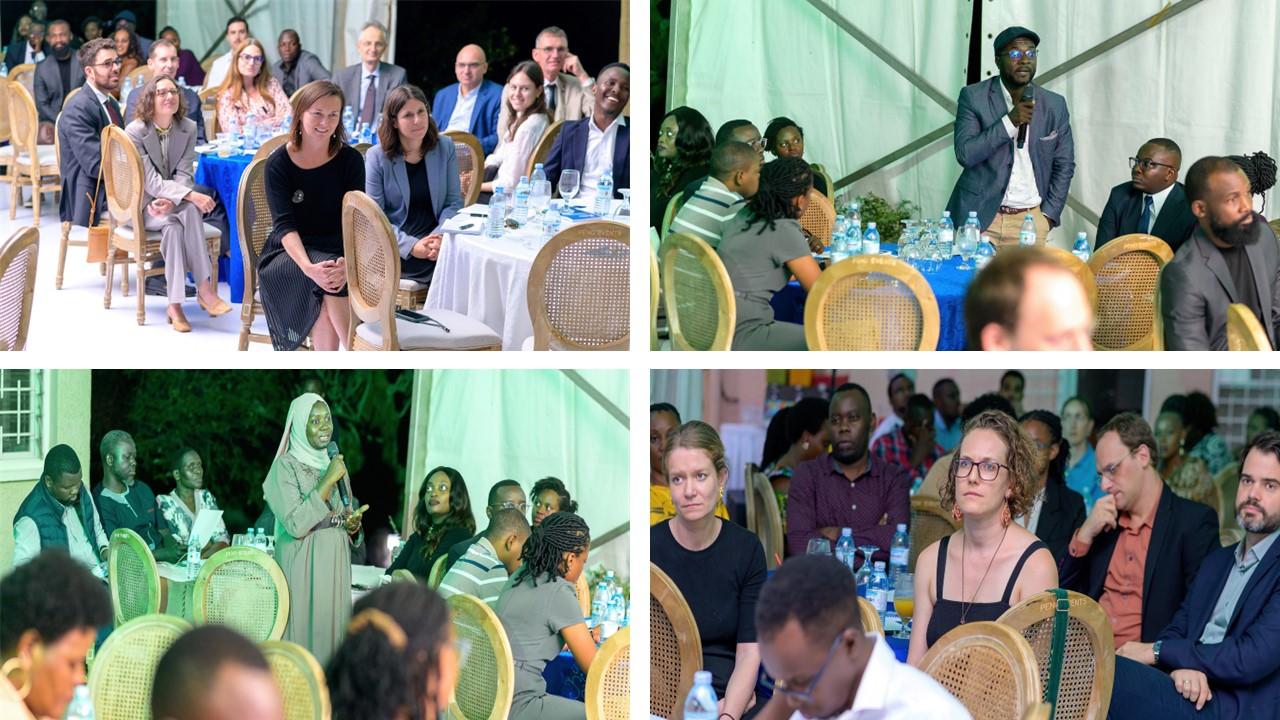
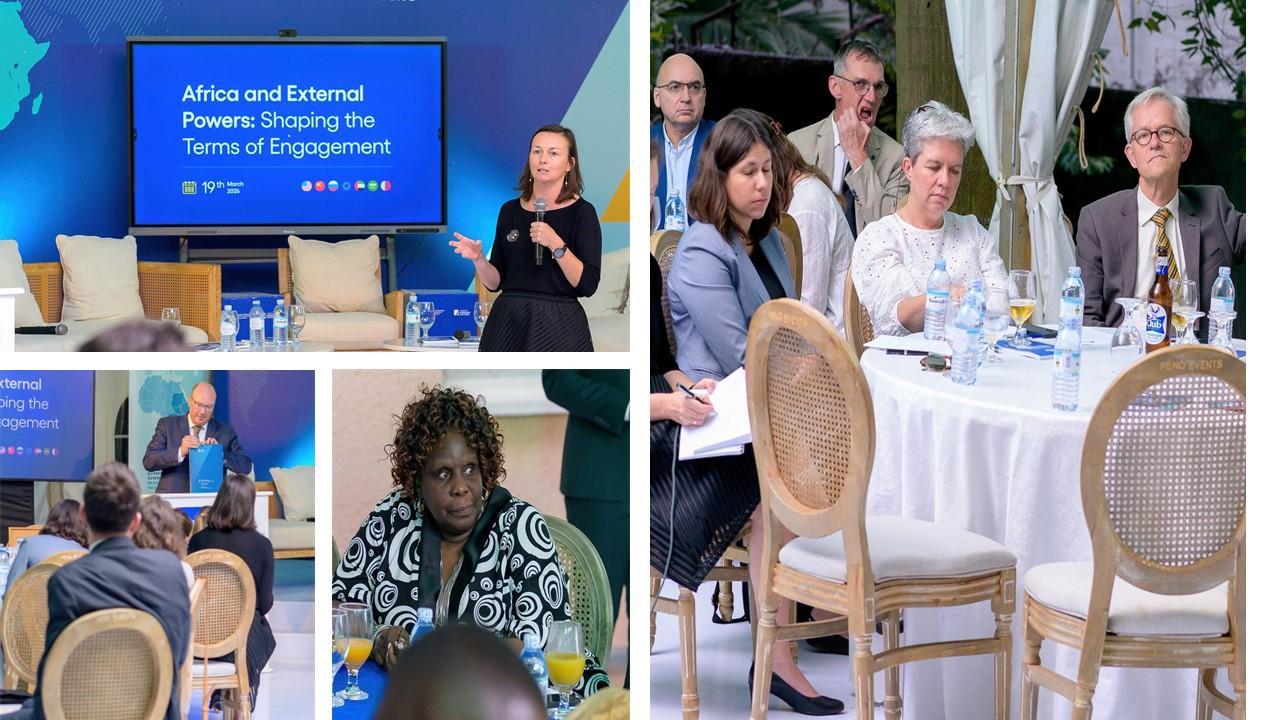
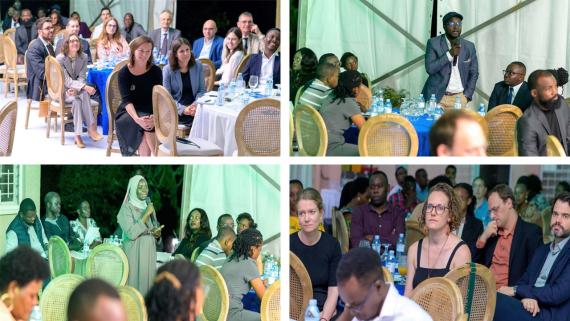
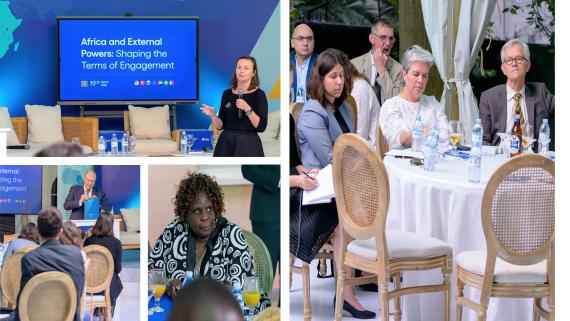
The discussion was further enriched by numerous insightful questions from the audience, which were thoroughly addressed by the four panellists.
In his closing remarks Nils notably reflected on the end of his tenure as Director, RP SIPODI East Africa, a role he has held since its inception in February 2022. He emphasized the importance of strengthening Germany-Africa relations, highlighting that aligning shared political and economic interests could be mutually advantageous. He also expressed his gratitude to all those who contributed to the success of the Regional Programme, including the office staff, colleagues from the KAS Foundation Office Uganda and South Sudan, the German Embassy, the French Embassy, Makerere University, and the Julius Nyerere Leadership Centre. The event concluded with a dinner reception, providing an opportunity for further discussions and networking.
About this series
The Konrad-Adenauer-Stiftung, its educational institutions, centres and foreign offices, offer several thousand events on various subjects each year. We provide up to date and exclusive reports on selected conferences, events and symposia at www.kas.de. In addition to a summary of the contents, you can also find additional material such as pictures, speeches, videos or audio clips.