






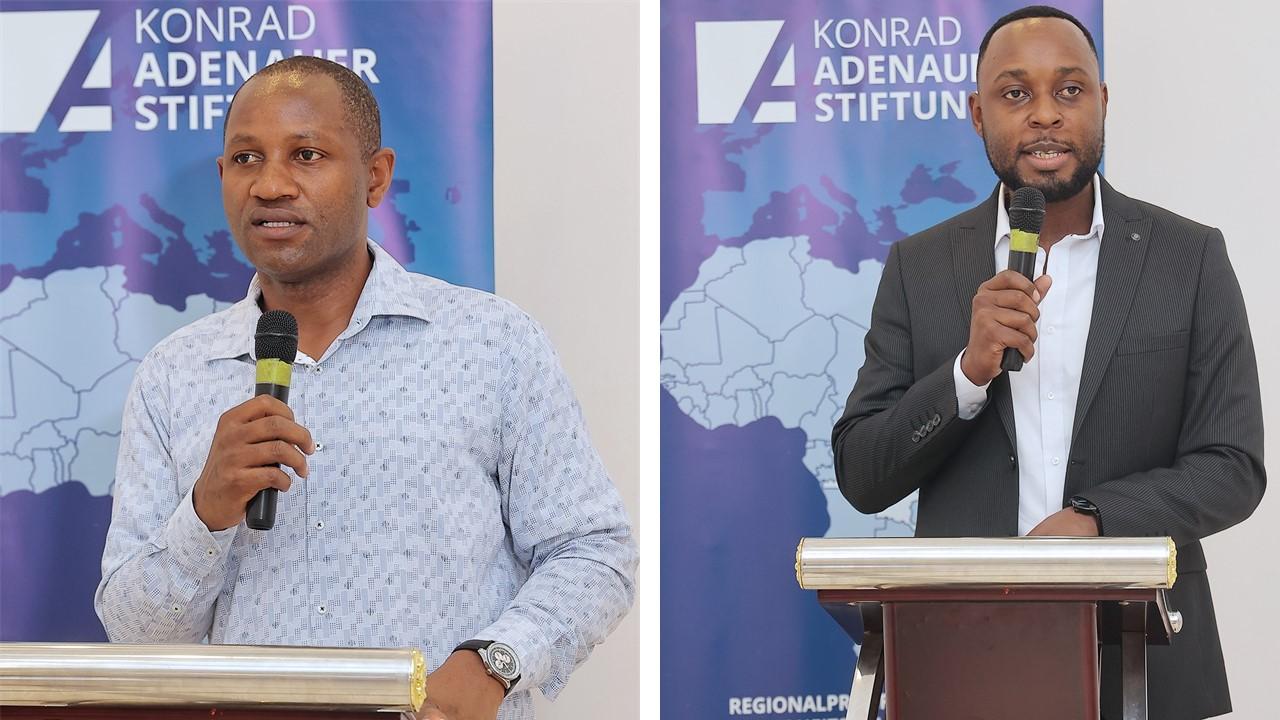
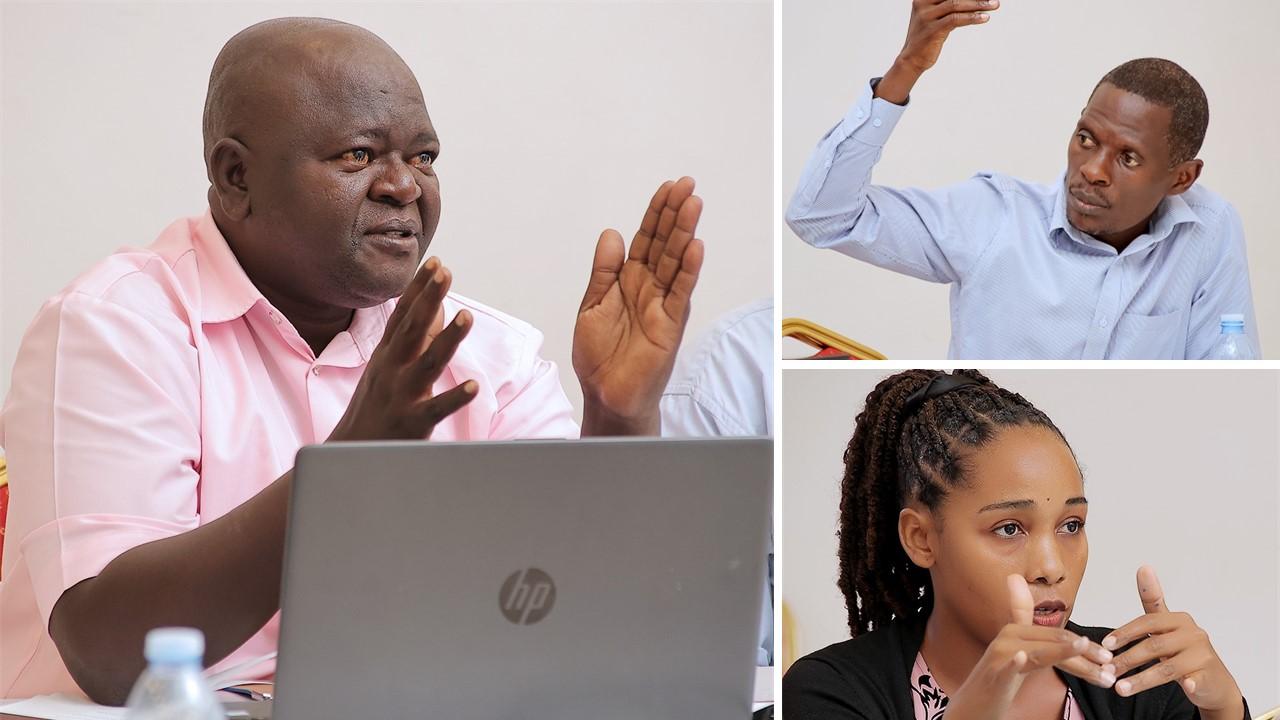
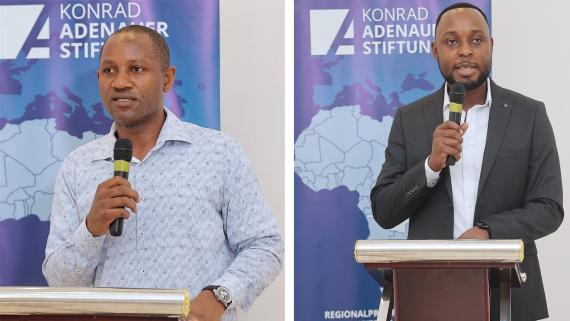
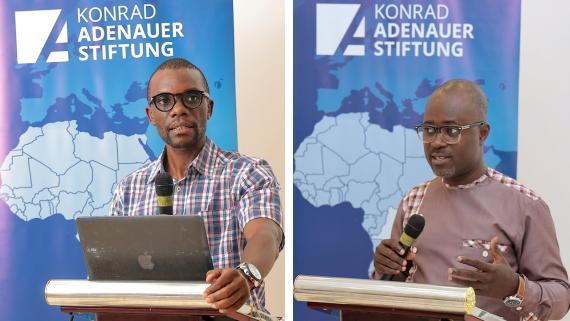
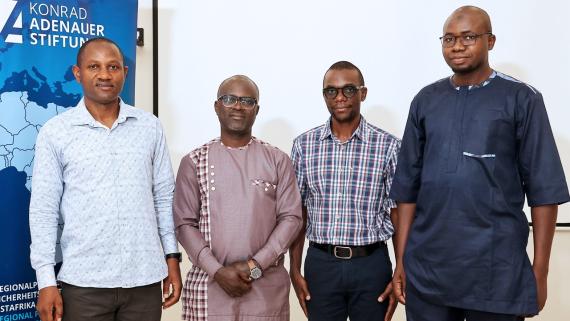
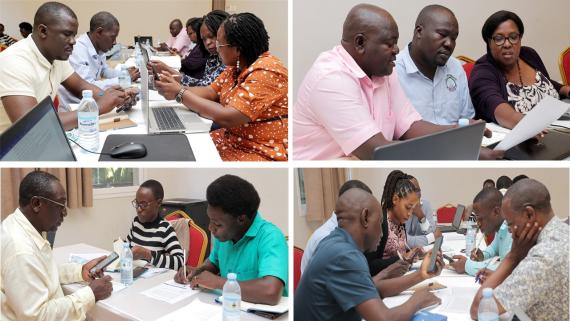
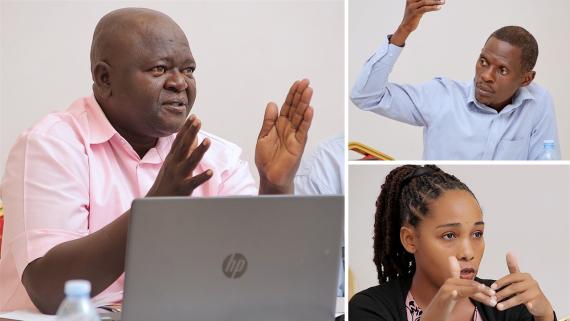
The workshop opened with remarks from Edgar Mwine, Project Manager, RP SIPODI East Africa and Dr Edward Kaweesi from the Department of Political Science and Public Administration, Makerere University, who welcomed the participants and highlighted the growing importance of producing high-quality scholarship and policy analysis in an increasingly complex security environment in Eastern Africa. They emphasised that universities and research institutions play a critical role in shaping informed, evidence-based public discourse and contributing to national and regional peace and security efforts.
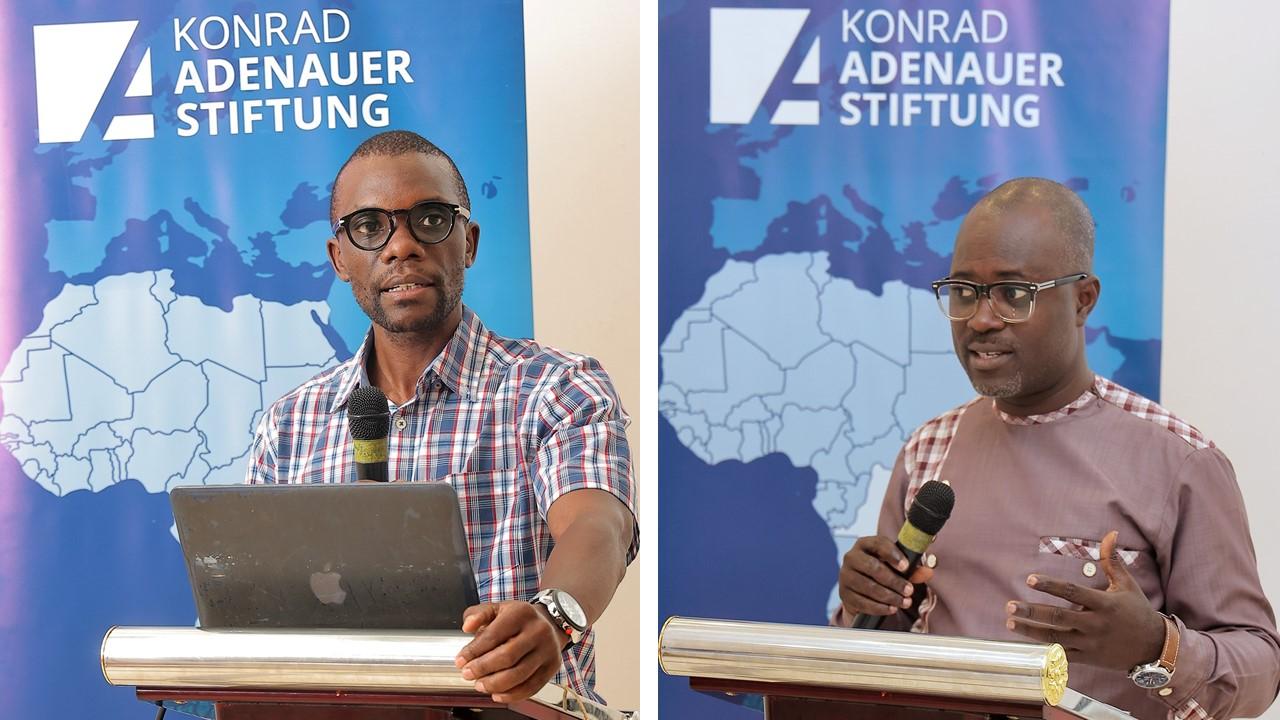
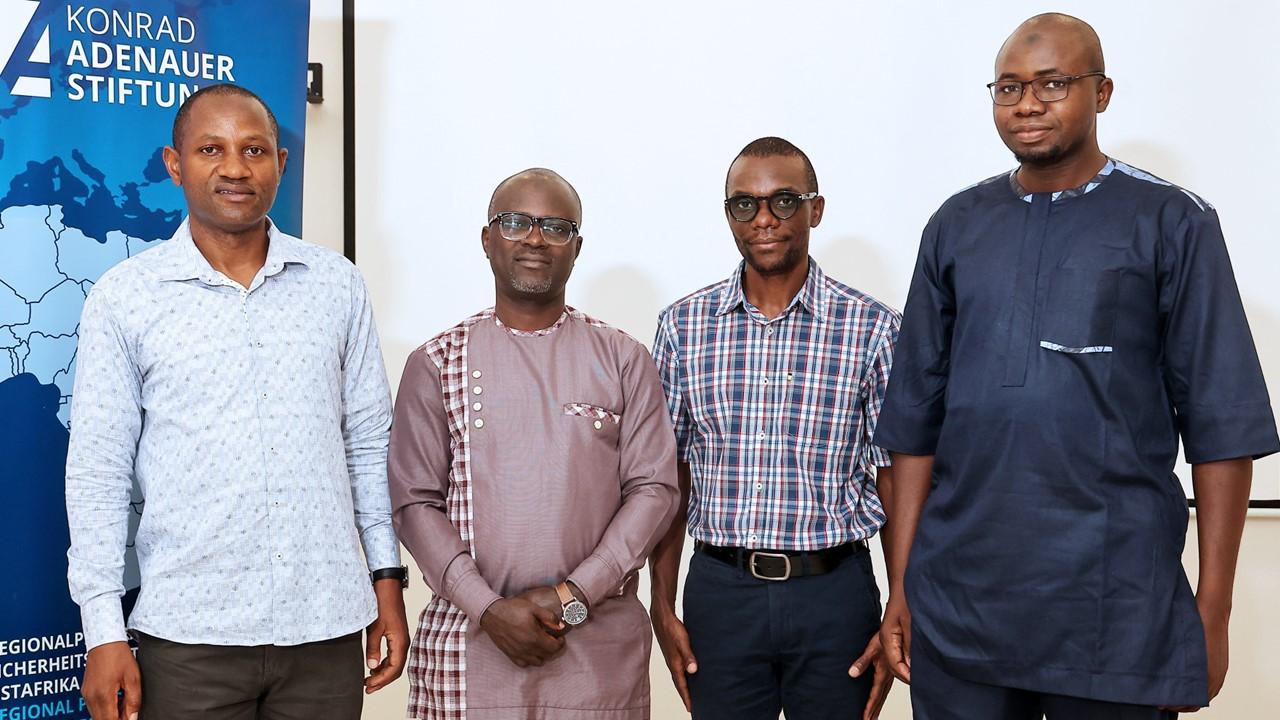
Dr Steve Wakhu, Senior Lecturer, University of Embu, Kenya facilitated the introductory session of the workshop where he gave an overview of security and conflict and the context of teaching these disciplines in Africa. This was followed by in-depth discussions led by Dr Lamin O. Ceesay from the University of Gambia, on mapping security, conflict, and policy concerns in the Eastern Africa region, and emerging trends shaping the policy landscape. Participants engaged actively in these foundational sessions, reflecting on gaps within current teaching practices and how emerging dynamics can be integrated into curriculum design. In the afternoon, Dr Wakhu guided the participants through the process of writing effective security and conflict policy briefs, which was followed by a simulation exercise conducted by Dr Kow Abraham Amissah from the University of Cape Coast, Ghana. The day concluded with group presentations of the simulated policy briefs.
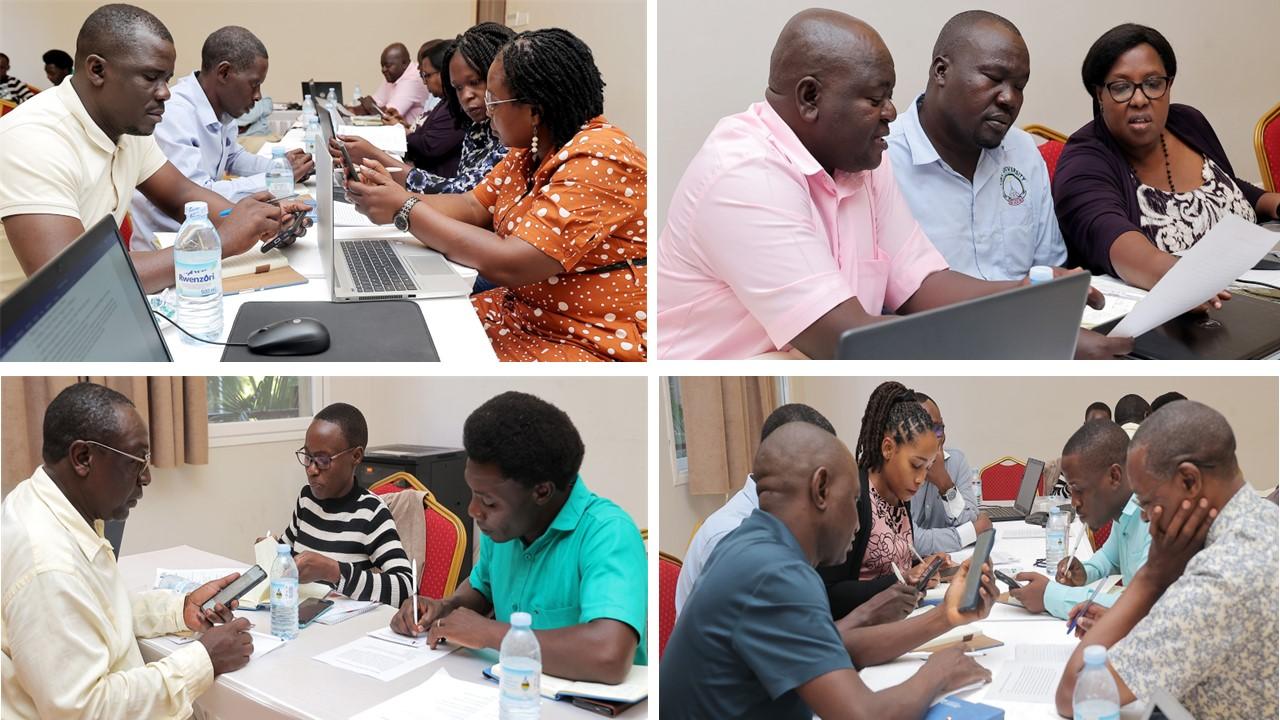
Day two of the workshop focused on enhancing research skills and methodologies relevant to security and conflict studies. Dr Edward Kaweesi and Mr Denis Okumu facilitated the recap session followed by other sessions which covered modern qualitative and quantitative methods research methods, and their applicability in the Eastern Africa context. Participants engaged in group work, identifying emerging thematic concerns and applying contemporary research tools under the guidance of the facilitators. The afternoon included a simulation on adopting qualitative methods and presentations of the outcomes of these exercises.
The final day focussed on strengthening the ethical foundations of conducting research in sensitive and conflict-affected environments. Participants examined real-world ethical dilemmas, engaged in simulation exercises, and presented group reflections on adopting ethical research approaches.
The workshop was formally closed by Juliet Uwera, Project Officer, KAS RP SIPODI East Africa and Dr Edward Kaweesi, who appreciated the active engagement of participants and urged the participants to transform the knowledge acquired into practical academic, research and policy work.
Over the three days, participants deepened their conceptual understanding of security and conflict, strengthened their research capabilities, and enhanced their pedagogical skills for delivering high-quality academic programmes. Through interactive sessions, simulations, and group presentations, the workshop fostered a collaborative space for knowledge exchange and built momentum for advancing university-level teaching and research that can meaningfully contribute to peace and security in Eastern Africa.
The workshop opened with remarks from Edgar Mwine, Project Manager, RP SIPODI East Africa and Dr Edward Kaweesi from the Department of Political Science and Public Administration, Makerere University, who welcomed the participants and highlighted the growing importance of producing high-quality scholarship and policy analysis in an increasingly complex security environment in Eastern Africa. They emphasised that universities and research institutions play a critical role in shaping informed, evidence-based public discourse and contributing to national and regional peace and security efforts.
Dr Steve Wakhu, Senior Lecturer, University of Embu, Kenya facilitated the introductory session of the workshop where he gave an overview of security and conflict and the context of teaching these disciplines in Africa. This was followed by in-depth discussions led by Dr Lamin O. Ceesay from the University of Gambia, on mapping security, conflict, and policy concerns in the Eastern Africa region, and emerging trends shaping the policy landscape. Participants engaged actively in these foundational sessions, reflecting on gaps within current teaching practices and how emerging dynamics can be integrated into curriculum design. In the afternoon, Dr Wakhu guided the participants through the process of writing effective security and conflict policy briefs, which was followed by a simulation exercise conducted by Dr Kow Abraham Amissah from the University of Cape Coast, Ghana. The day concluded with group presentations of the simulated policy briefs.
Day two of the workshop focused on enhancing research skills and methodologies relevant to security and conflict studies. Dr Edward Kaweesi and Mr Denis Okumu facilitated the recap session followed by other sessions which covered modern qualitative and quantitative methods research methods, and their applicability in the Eastern Africa context. Participants engaged in group work, identifying emerging thematic concerns and applying contemporary research tools under the guidance of the facilitators. The afternoon included a simulation on adopting qualitative methods and presentations of the outcomes of these exercises.
The final day focussed on strengthening the ethical foundations of conducting research in sensitive and conflict-affected environments. Participants examined real-world ethical dilemmas, engaged in simulation exercises, and presented group reflections on adopting ethical research approaches.
The workshop was formally closed by Juliet Uwera, Project Officer, KAS RP SIPODI East Africa and Dr Edward Kaweesi, who appreciated the active engagement of participants and urged the participants to transform the knowledge acquired into practical academic, research and policy work.
Over the three days, participants deepened their conceptual understanding of security and conflict, strengthened their research capabilities, and enhanced their pedagogical skills for delivering high-quality academic programmes. Through interactive sessions, simulations, and group presentations, the workshop fostered a collaborative space for knowledge exchange and built momentum for advancing university-level teaching and research that can meaningfully contribute to peace and security in Eastern Africa.
About this series
The Konrad-Adenauer-Stiftung, its educational institutions, centres and foreign offices, offer several thousand events on various subjects each year. We provide up to date and exclusive reports on selected conferences, events and symposia at www.kas.de. In addition to a summary of the contents, you can also find additional material such as pictures, speeches, videos or audio clips.