






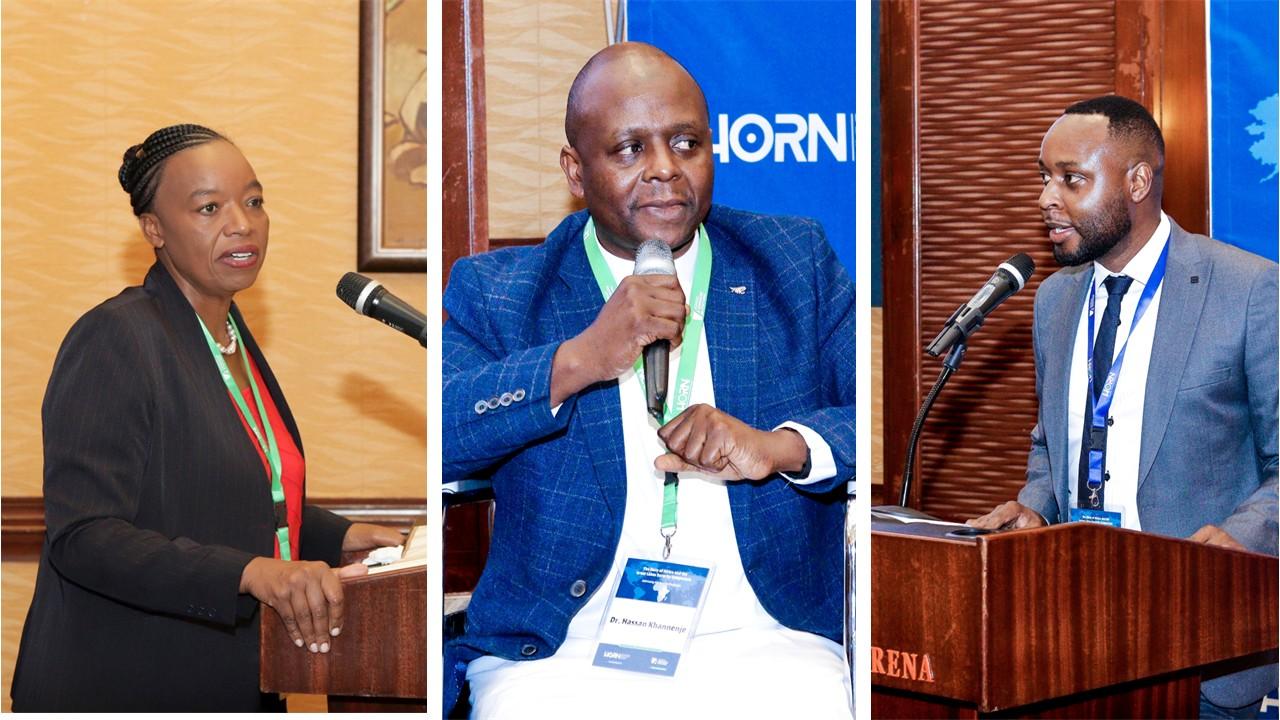
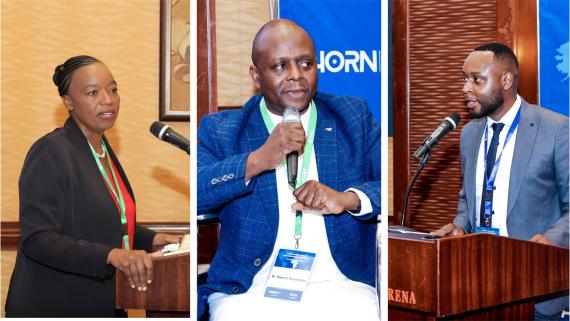
In his opening remarks Dr Hassan Khannenje, Director, HORN Institute appreciated KAS for their continued cooperation with the Horn Institute and pointed out the significance of such dialogues in creating a deeper and nuanced understanding of the security issues in the region through joint analysis and collaboration between different actors. Edgar Mwine, Project Manager, KAS Regional Programme Security Dialogue for East Africa who represented the Programme Director, Mr Nils Wörmer welcomed the participants and also emphasised the broader implications of the security dynamics in the region and their potential to disrupt trade and shipping routes but also feed into the global geopolitical contestations and power play.
Ambassador Monica Kathina Juma, National Security Advisor to the President of the Republic of Kenya gave the keynote address in which she noted the uniqueness of the Horn of Africa region, as an active theatre defined by political instability, state fragility, violent extremism, weak regional institutions, inadequate mechanisms for peacebuilding, humanitarian crises, external influences and intense geopolitical complications, with consequences beyond the region itself. She highlighted that the region faces a reality of a weakening capacity to resolve conflicts because the existing institutions are less credible, less resilient and less adaptable to new realities, She emphasised Kenya’s role as an anchor of diplomacy and urged countries in the region to come up with a framework for lawful access, management and exploitation of their resources as an incentive for economic development and lasting peace.
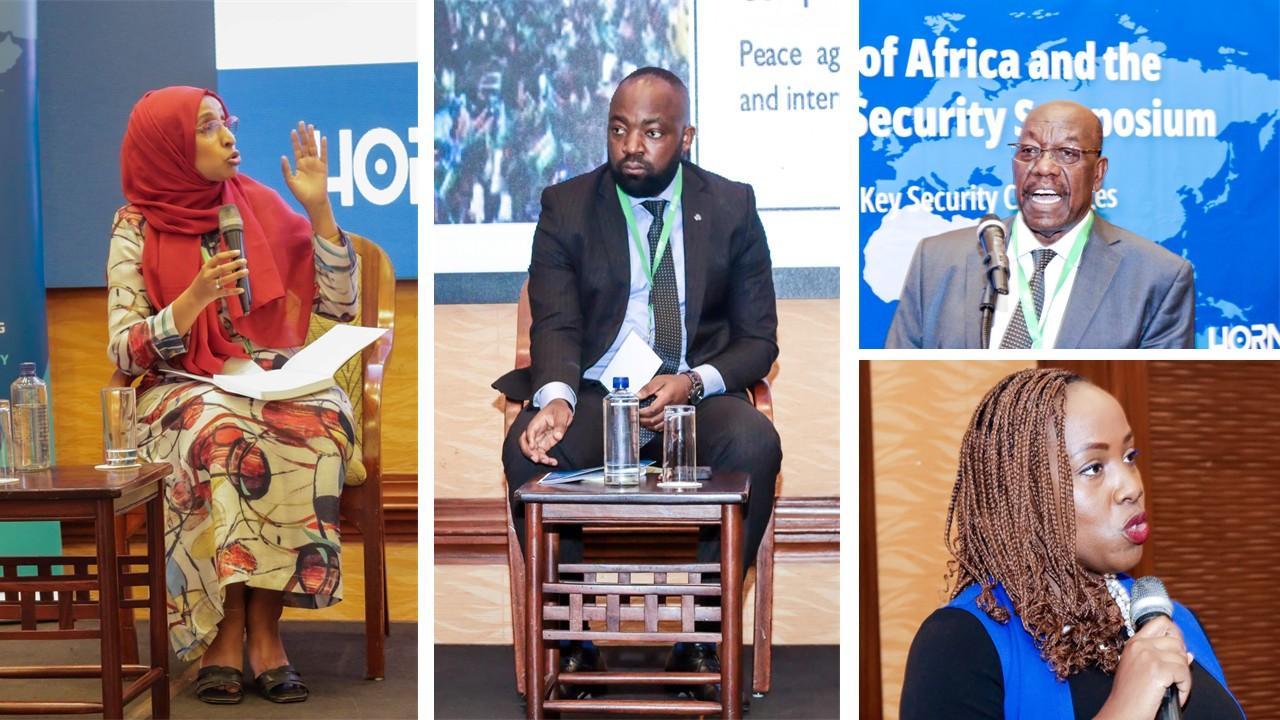
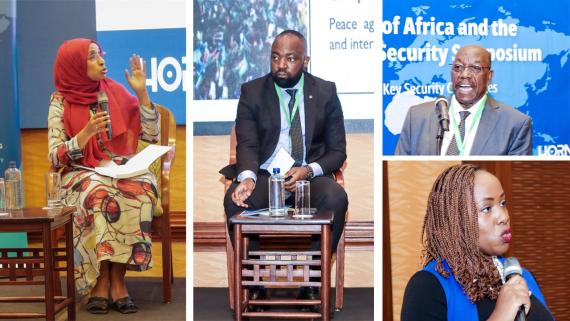
The first panel discussion, was moderated by Dr Winnie Rugutt, Lecturer, University of Nairobi and comprised Maj Gen (Rtd) Charles Tai Gutai, former Interim Chairperson of the Reconstituted Joint Monitoring and Evaluation Commission (RJMEC) for South Sudan, Fabrice Muchiga, Director Africa Peace Initiative, Samira Gaid, Head, Research and Policy, Balqiis Insghts and Dr Rashid Abdi, Director Horn of Africa and Middle East, Sahan Research. This session assessed the degree and extent of state fragility in the region taking Sudan, South Sudan Somalia and Democratic Republic of Congo as case studies. Panellists noted an incremental regression in the region’s stability, mistrust between the states, breakdown of regional mechanisms and lack of political legitimacy by governments, amidst strong extractive foreign influences. They urged for strengthening of institutions and stronger enforcement mechanisms of regional agreements for peace.
The second panel, moderated by Christopher Hockey, Senior Research Fellow, Royal United Services Institute (RUSI) analysed the evolving threat of terrorism and violent extremism, focussing on the al-Shabaab and Allied Democratic Forces (Also known as Islamic State Central Africa Province- ISCAP) as case studies. Panellists included Dr Halkano Wario, Cordinator, Organised Crime Observatory, Institute for Security Studies (ISS), Martine Zeuthen, Associate Fellow, Terrorism and Conflict Programme, RUSI and Dr Rosalind Nyawira, former Director, National Counter Terrorism centre, Kenya. Panellists noted that the region is highly prone to violent extremism and terrorism and several countries were ranked highly on the Global terrorism Index 2025 with Somalia ranked 7th, Democratic Republic of Congo 9th, Mozambique and Kenya seventeenth and nineteenth respectively. They also highlighted that terror groups in the region are highly structured and decentralised, have global financial and technical networks, control huge local revenue streams through extortion and taxation, and have stepped up use of modern technologies like Unmanned Aerial Vehicles (UAVs) and have an increased presence on social media.
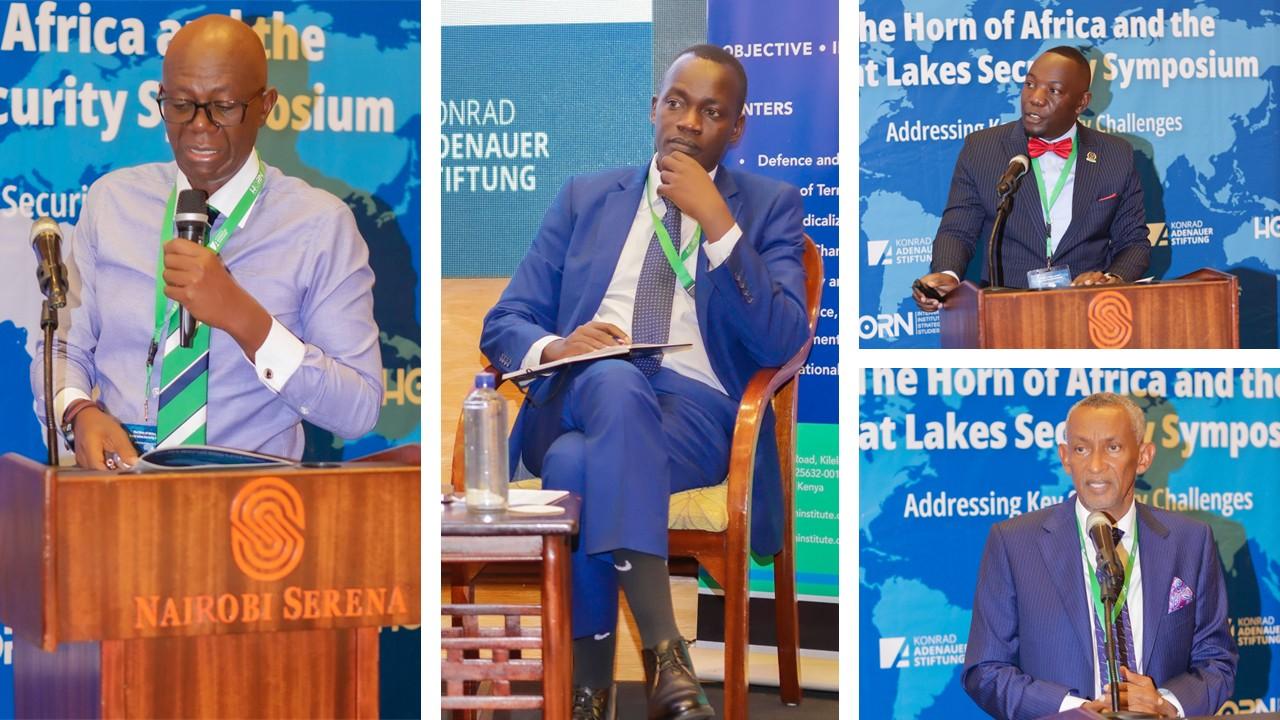
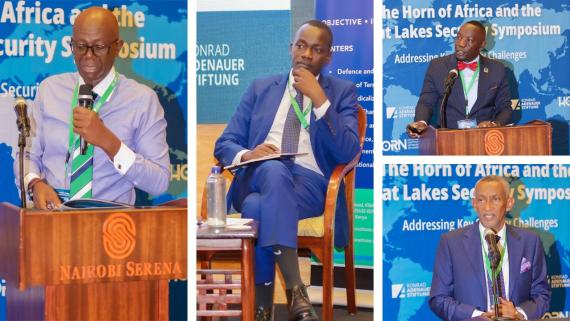
The third panel discussion revolved around the role of regional institutions in conflict prevention and resolution. Specifically, the session evaluated the role and effectiveness of the African Union (AU), the Inter-Governmental Authority for Development (IGAD) and The East African Community (EAC). Moderated by Prof Fred Jonyo, the panel also comprised Walter Ochanda, Director Programmes and Partnerships, IGAD, Maj (Rtd) Beautah Mwanza Suba, Defence Diplomacy and Soft Power Specialist and Ambassador Mahboub Maalim, former Executive Secretary, IGAD. Panellists noted that the role of regional institutions in Africa has been weakened by the multiplicity of mechanisms with overlapping mandates, sovereignty sensitivities and political divergencies and resource and capacity limitations. They called for harmonisation of peace initiatives, greater commitment and increased funding to regional bodies and greater focus on facilitation of dialogue rather than mediation.
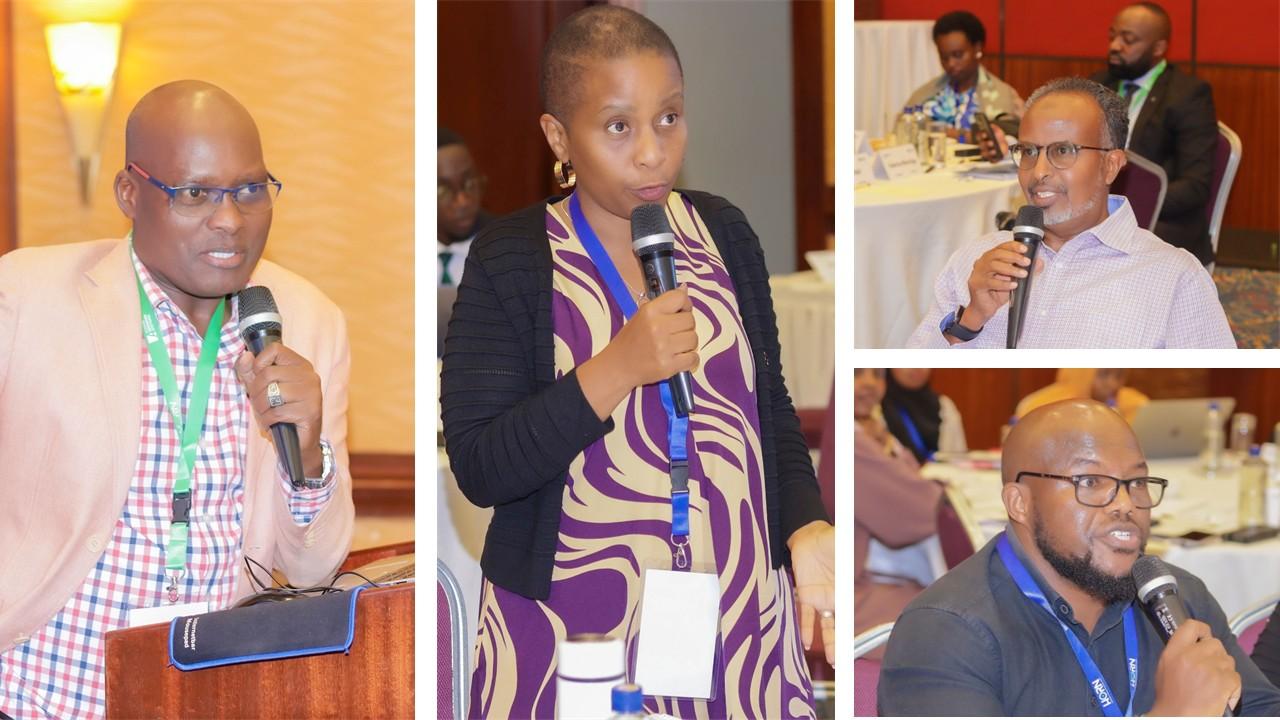
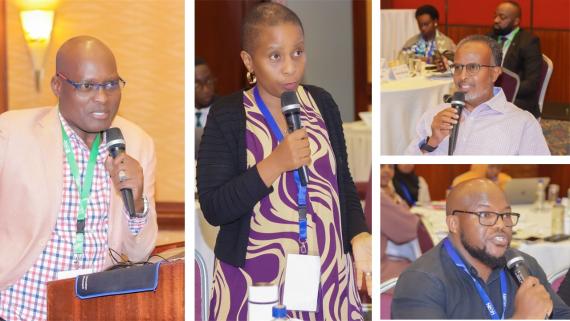
The conference concluded with a vibrant plenary session on actionable policy recommendations, chaired by Dr Singo Mwachofi, Lecturer, University of Nairobi. In general, there was a broad consensus on the imperative and the collective commitment to support regional peace and state building initiatives. The recommendations shall be compiled and published as a policy brief.

About this series
The Konrad-Adenauer-Stiftung, its educational institutions, centres and foreign offices, offer several thousand events on various subjects each year. We provide up to date and exclusive reports on selected conferences, events and symposia at www.kas.de. In addition to a summary of the contents, you can also find additional material such as pictures, speeches, videos or audio clips.