





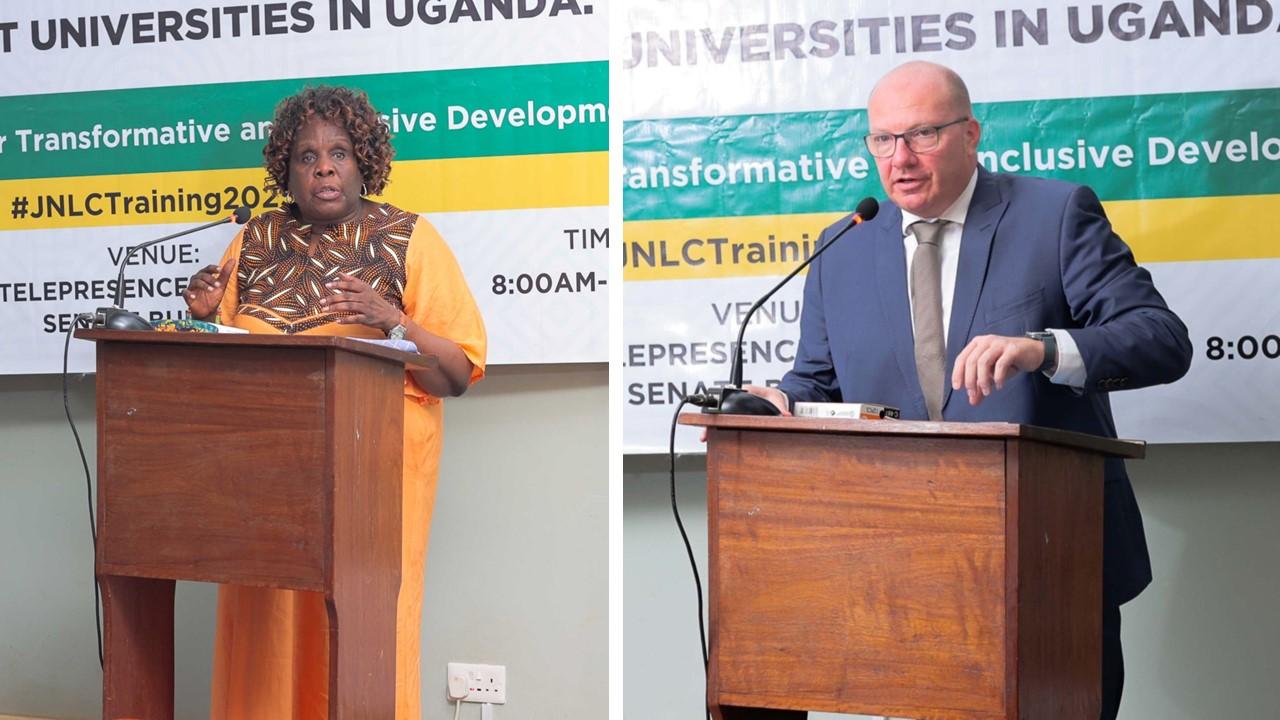
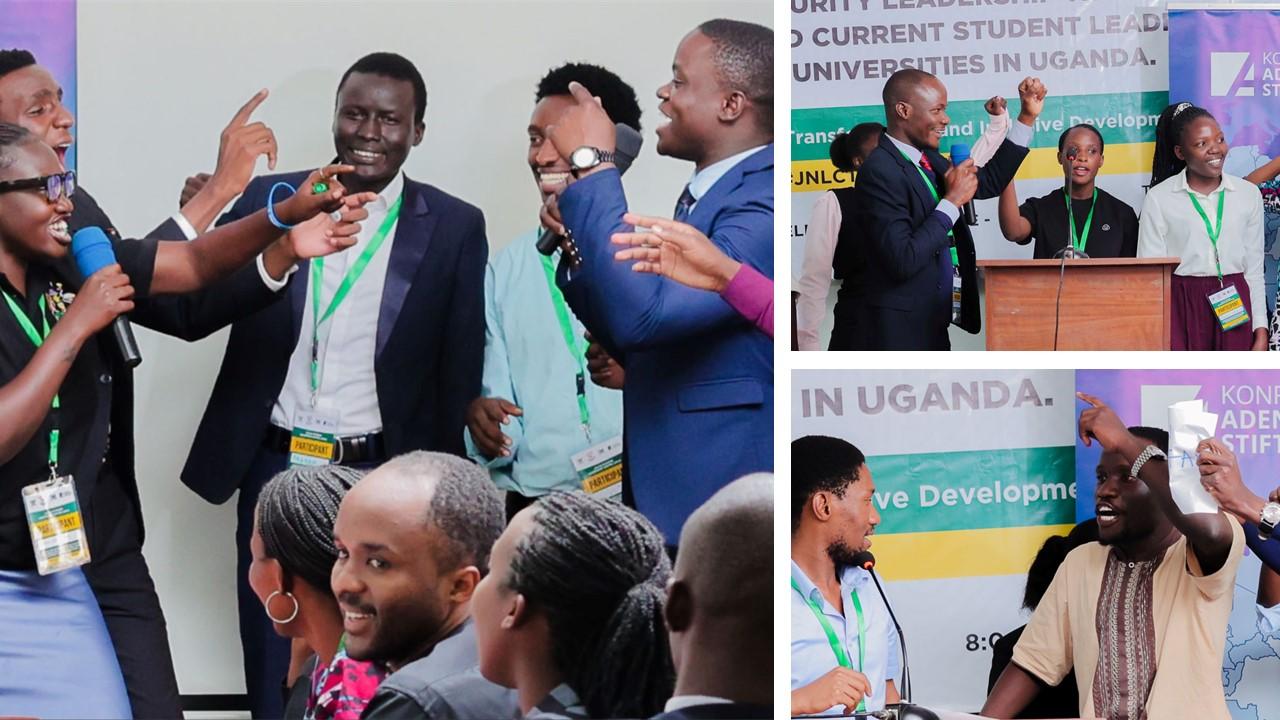
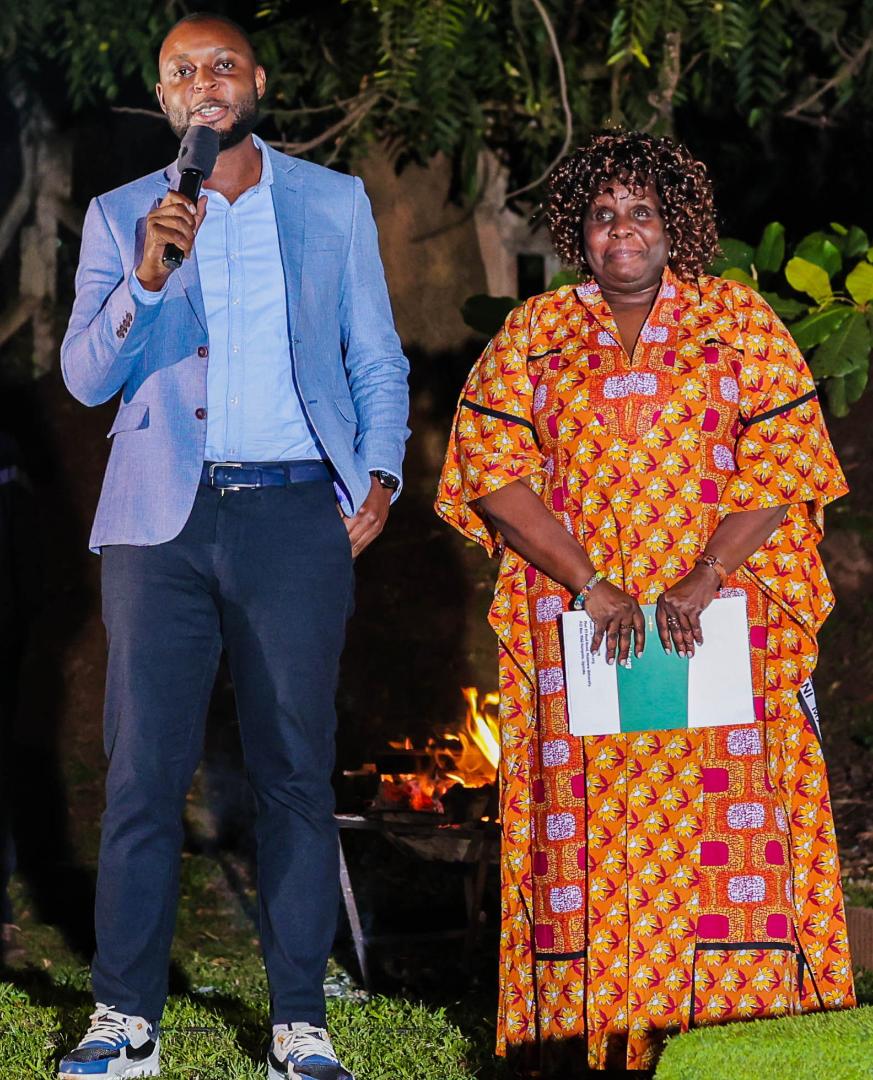
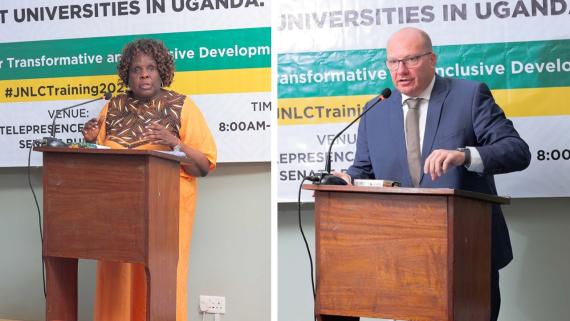
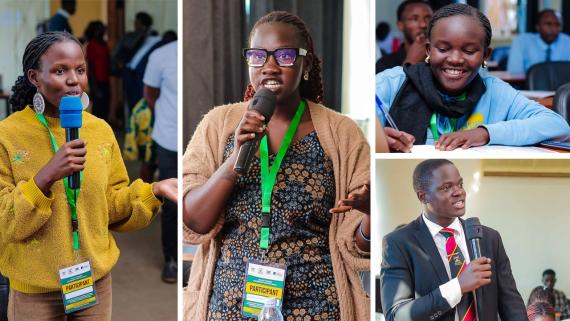
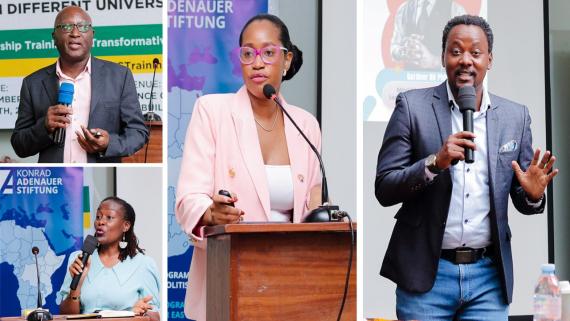
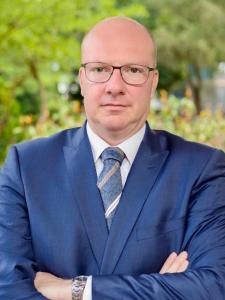
The training was officially opened by Dr Nansozi K. Muwanga, Director of JNLC, who welcomed participants and encouraged them to embrace a spirit of service in their leadership journeys. In his remarks, Nils Wörmer, Director of RP SIPODI East Africa, urged the students to deepen their understanding of peace and conflict while familiarising themselves with analytical tools and methodologies that can strengthen their future engagements.
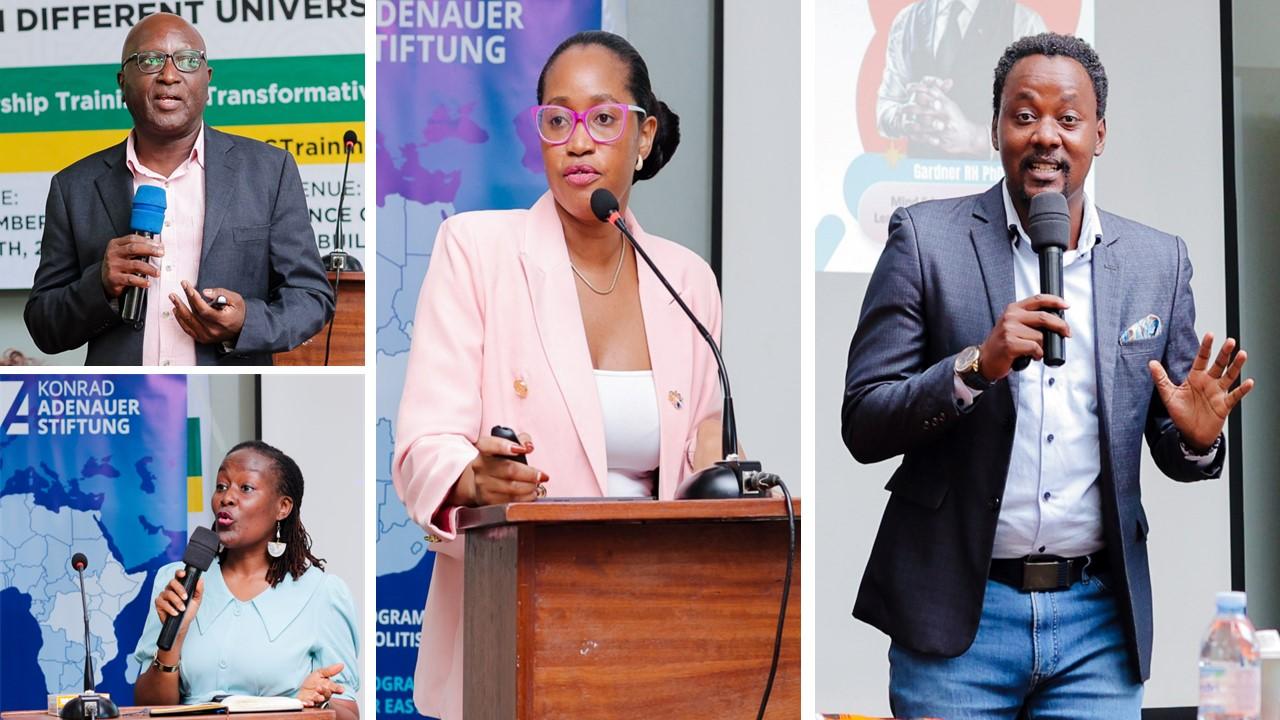
The first session, led by Ivan Ssegawa Sebastian, highlighted the ideals of Mwalimu Julius Nyerere in relation to discussions on peace and security. Prof. Phillip Kasaija, Senior Lecturer, Department of Political Science at Makerere University then provided an in-depth analysis of the peace and security landscape in the Great Lakes Region and the Horn of Africa. This was followed by Ms. Joanna Nakabiito, Manager, Peace and Governance, Inter-Religious Council of Uganda, who introduced conflict analysis frameworks and tools.
Dr. Gardner H. Rwakiseta, Programme Coordinator, JNLC emphasized the role of emotional intelligence in conflict resolution, while Ms. Gloria Namata, Financial Literacy Consultant, discussed the link between financial literacy and peacebuilding. Later, Mr. Ssegawa also explored how social media can be leveraged for peace advocacy. The day concluded with reflections from Mr. Henry Kasacca, Executive Director, Dialogue and Democracy Training Centre.
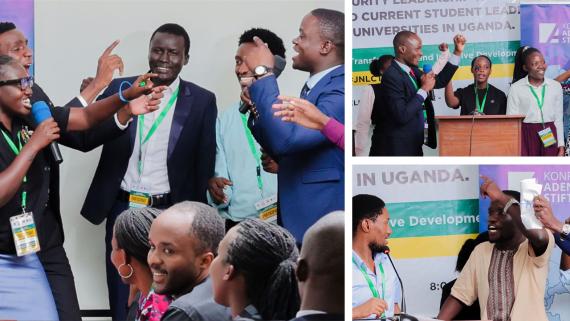
Day two began with a recap of the previous sessions by Dr. Rwakiseta Gardner. This was followed by Prof. Kasaija’s session on designing and evaluating peacebuilding initiatives, with examples drawn from the East African Community (EAC) and the Intergovernmental Authority on Development (IGAD). In the afternoon, participants engaged in interactive role-play exercises simulating conflict scenarios. These sessions strengthened their problem identification and conflict management skills. Under the guidance of facilitators, the students also developed action plans—enhancing their abilities in proposal writing, resource mobilisation, and collaborative approaches to peace and security.
The final day featured cross-generational roundtable discussions. The first panel, moderated by Prof. Julius Kiiza, examined the teaching of peace and conflict studies, focusing on root causes of conflict, the role of regional institutions, and gender dynamics in peace and security. Panelists included Prof. Kasaija and Dr. Charlotte Karungi Mafumbo. The second panel, moderated by Dr. Rwakiseta, explored the role of youth in fostering peace and the unique challenges they face in conflict-affected areas. Panelists—Mr. Emolot Allan David, Ms. Kadondi Gracious, and Ms. Ahereza Natasha—highlighted gender-specific initiatives, youth-led opportunities, and the impact of conflict on young people.
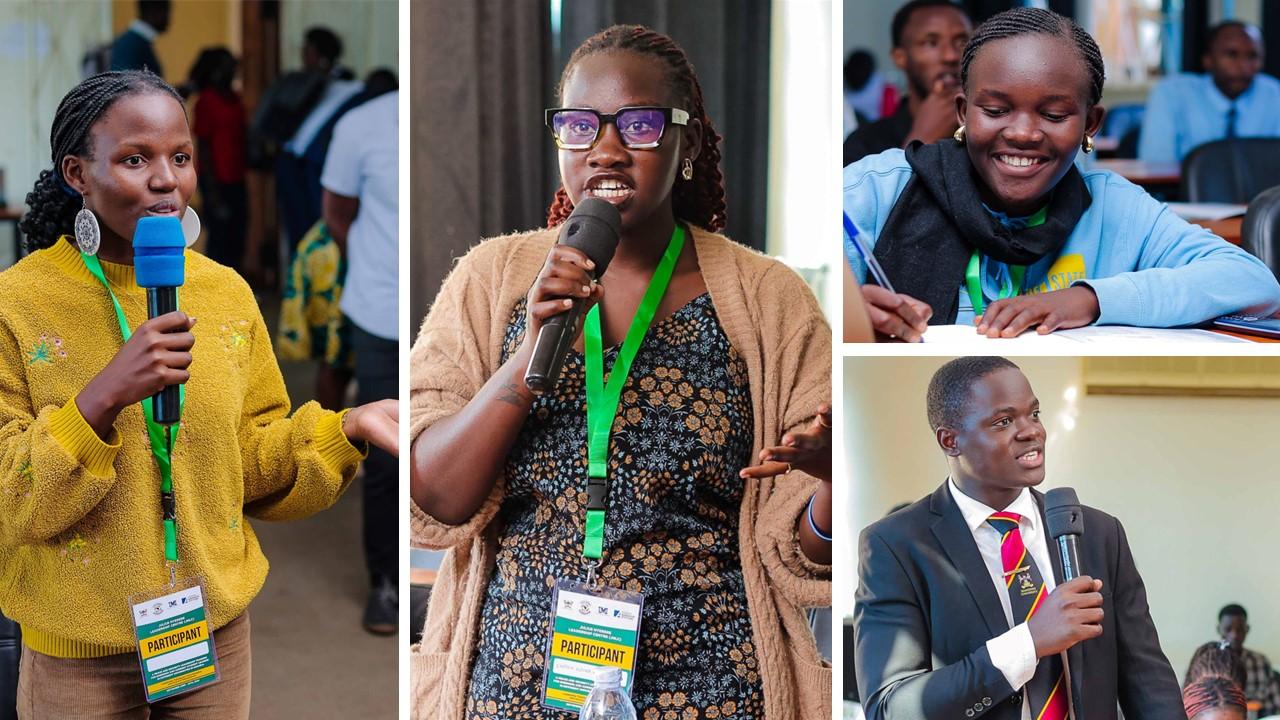
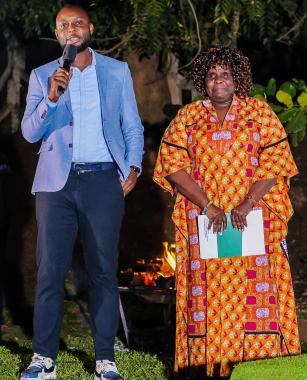
The training concluded with closing remarks by Mr. Edgar Mwine, Project Manager, RP SIPODI East Africa and Dr. Nansozi Muwanga, who commended the participants’ enthusiasm and commitment. Each student leader was awarded a certificate in recognition of their active participation. Through this initiative, RP SIPODI East Africa and JNLC reaffirmed their commitment to building a new generation of leaders equipped with the knowledge, skills, and values necessary to contribute to sustainable peace and security across Uganda and the wider region.
About this series
The Konrad-Adenauer-Stiftung, its educational institutions, centres and foreign offices, offer several thousand events on various subjects each year. We provide up to date and exclusive reports on selected conferences, events and symposia at www.kas.de. In addition to a summary of the contents, you can also find additional material such as pictures, speeches, videos or audio clips.