






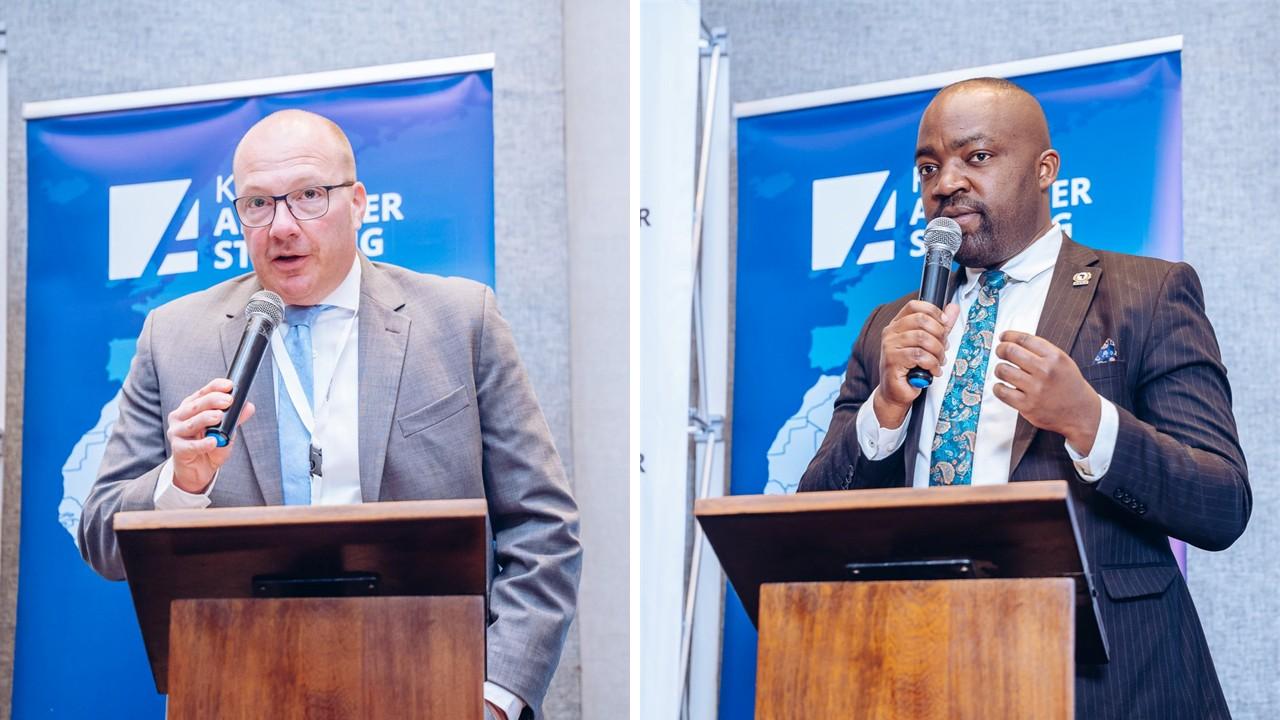
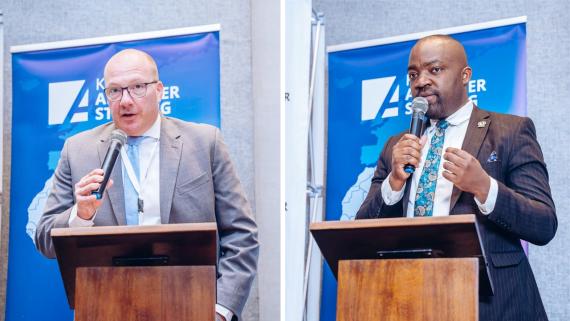

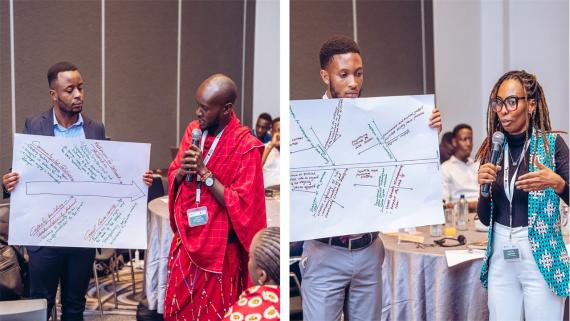
The dialogue was opened by Nils Wörmer, Director of RP SIDODI East Africa, who thanked the Africa Peace Initiative for the good cooperation in organising the dialogue, and also thanked Jakob Kerstan, Director of the KAS Office DRC for his input and support. He highlighted that the regional dimension of the conflict in Eastern Congo, makes the topic particularly important for the RP SIPODI East Africa. Fabrice Muchiga, Director Africa Peace Initiative, in his welcome remarks, noted that the dialogue was set to be freely interactive and welcomed all perspectives and inputs despite contesting views.
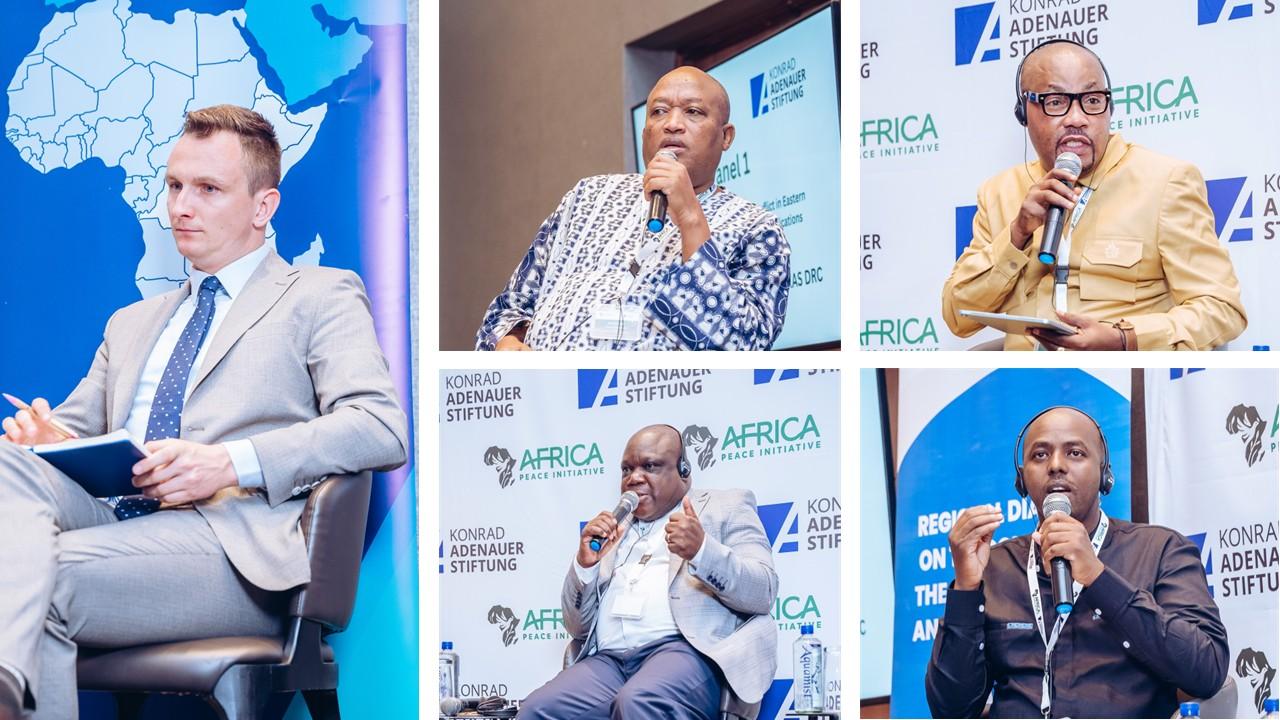
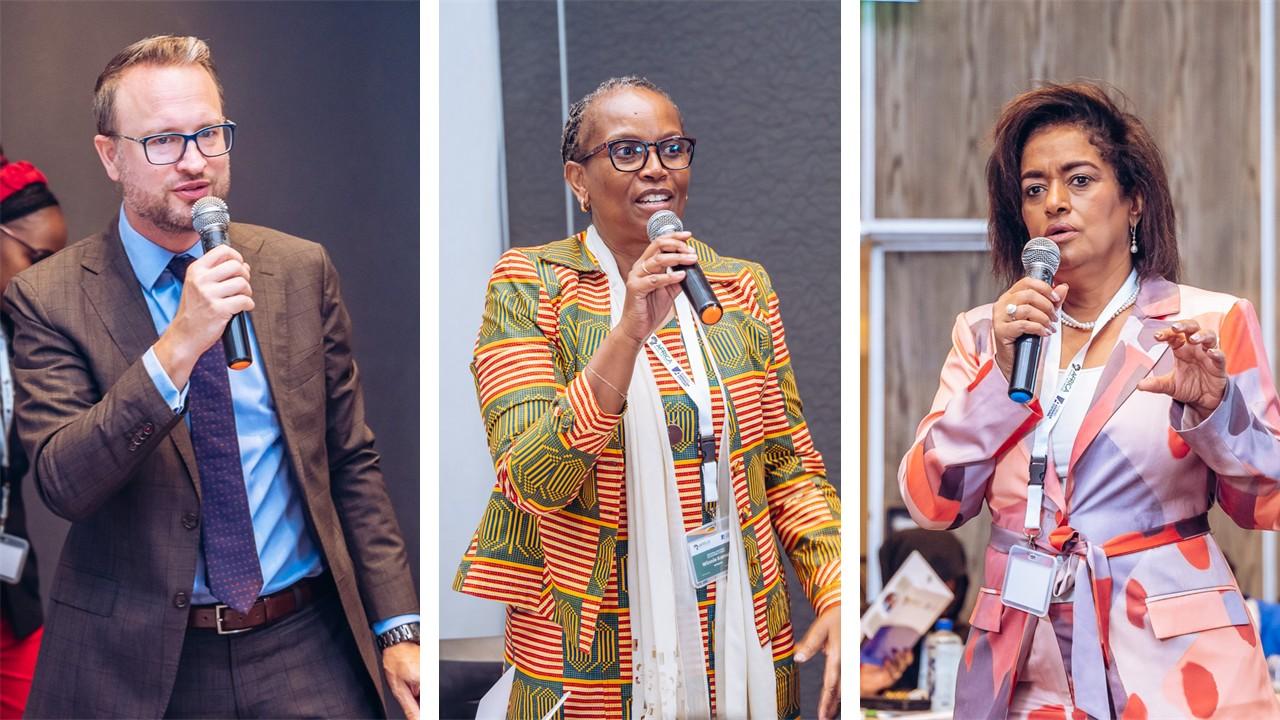
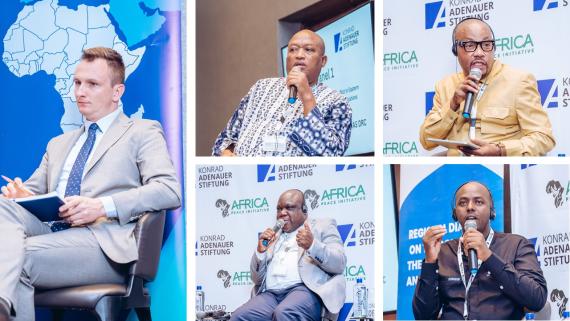
The first panel comprised Nickson Kambale, a Peacebuilder from the DRC and Kilumba Mick Mutiki, Coordinator of the Réseau pour la Réforme du Secteur de Sécurité et de la Justice (RRSSJ) based in South Kivu who shared insights on the Congolese perspectives on the current escalation and decade-long insurgencies in Eastern Congo. They underlined the impact of natural resource exploitation, the high number of armed non-state actors, foreign interventions and weak governance as the main drivers of persisting conflict in the region. Kayihura Felix Safari, a Ugandan Security Analyst, provided a Ugandan view on the crisis and emphasised that the conflicts in Eastern Congo had diverse characteristics such as, ethnicity, political exclusion and governance deficiencies. Tom Ndahiro, Founding Member of the Interdisciplinary Genocide Studies Centre (IGSC), provided a Rwandan angle to the discussion, focussing on the historical roots of the conflict in Eastern Congo. The session was concluded by a comment of Hon. Esther Muthoni Passaris, Women Member of Parliament, Nairobi County, who called on the responsibility of all East African leaders to work together in conflict resolution efforts to put an end to the devastating humanitarian situation in the Eastern Congo.
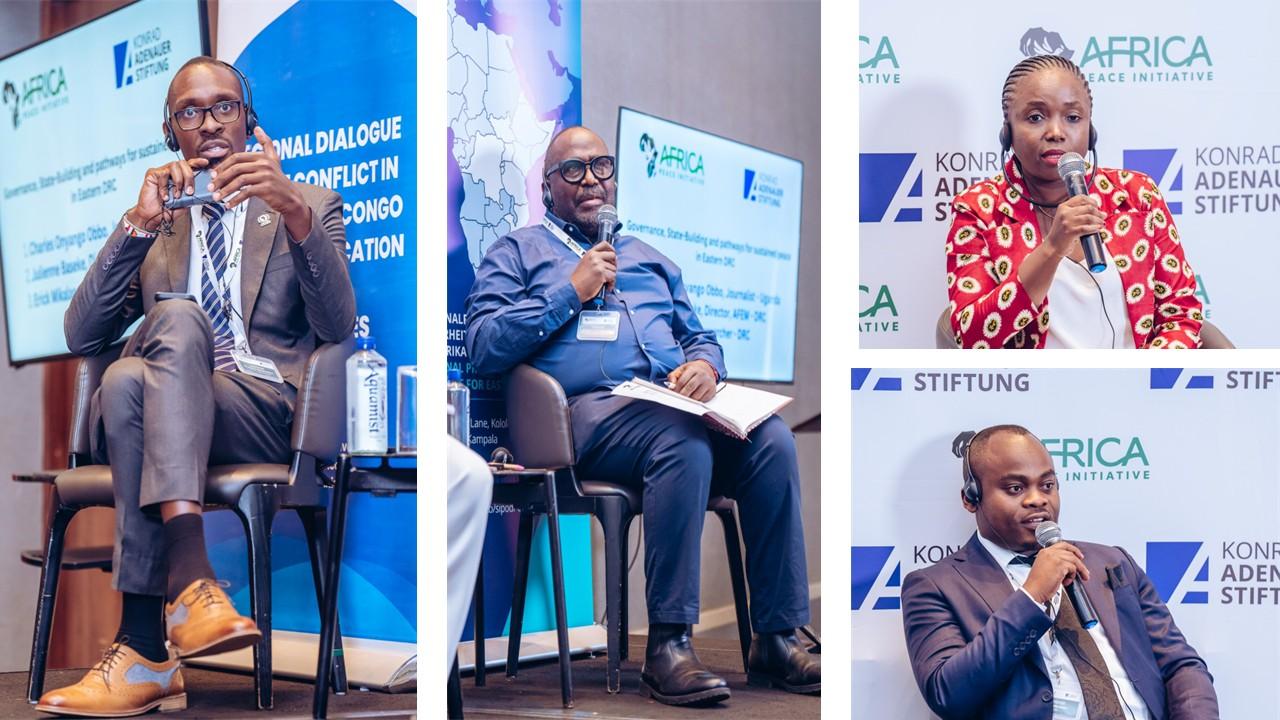
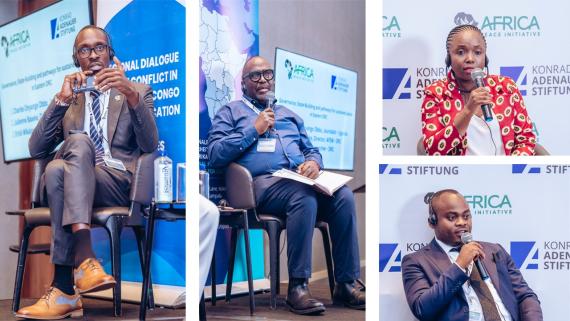
The second panel focused on governance, state-building, and pathways to sustained peace in Eastern DRC. Moderated by Duncan Mochama, the panel featured Julienne Baseke, Director of the Congolese Association des Femmes des Médias (AFEM), Ugandan journalist Charles Onyango Obbo, and Erick Mikalano, a Congolese researcher specialising in natural resources governance in Kivu. They discussed the necessary steps to halt the violence in the region, identifying the implementation of an effective Security Sector Reform, economic agreements, intertribal and intercommunity reconciliation programmes, accountability measures, and the prevention of misinformation as key efforts to establish lasting stability and peace in Eastern Congo. Regarding the international dimension, they highlighted the need for a reconciliation process among all involved state leaders. At the end of the session, Cleland Leshore, former Kenyan Ambassador to South Sudan, commented on the regional commonalities in conflicts in mineral-rich areas of East Africa, drawing parallels between the conflicts in South Sudan and Eastern Congo.
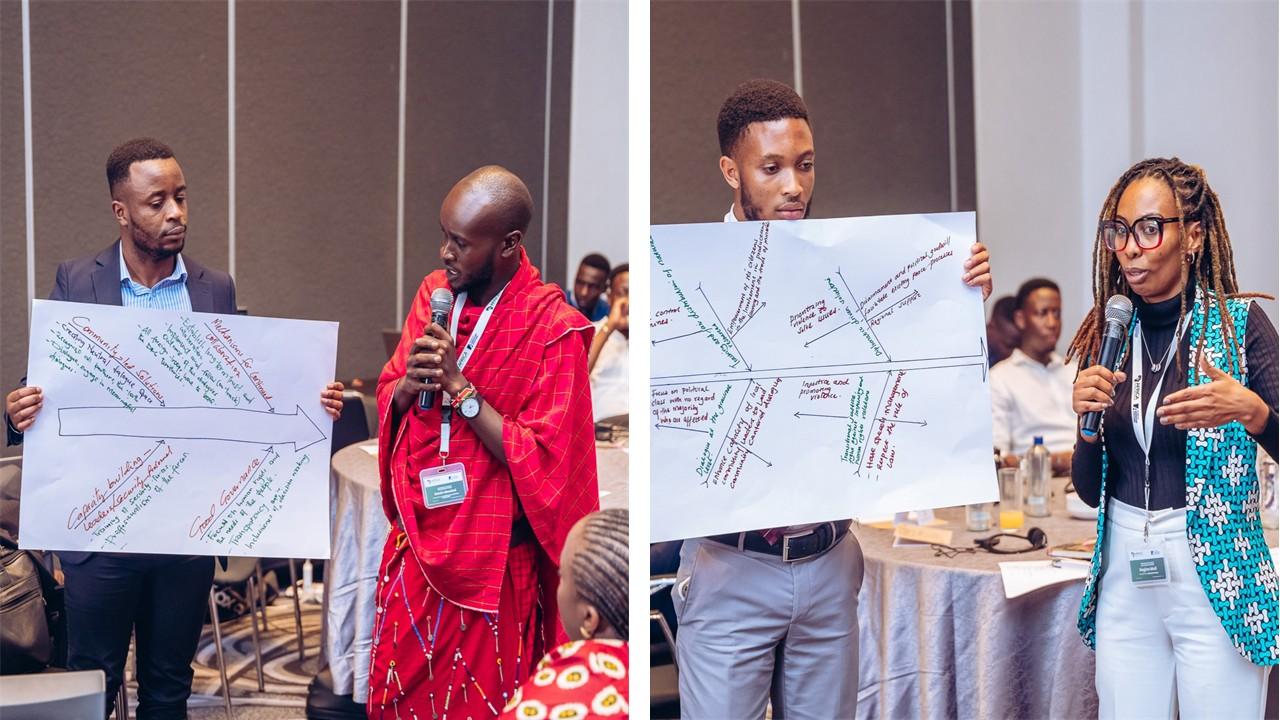
After a lunch reception and networking, the African Peace Initiative conducted a workshop to explore possible next steps for the conflict resolution process and pathways to sustainable peace in the Eastern Congo.
About this series
The Konrad-Adenauer-Stiftung, its educational institutions, centres and foreign offices, offer several thousand events on various subjects each year. We provide up to date and exclusive reports on selected conferences, events and symposia at www.kas.de. In addition to a summary of the contents, you can also find additional material such as pictures, speeches, videos or audio clips.