





Asset Publisher

Country Reports

Short political reports of the KAS offices abroad

Publications

IMAGO / Wolfgang Maria Weber

Reactions and Background to the Trump Administration’s Decision to Reduce Troops in Germany

Gradual Withdrawal or New Strategy?

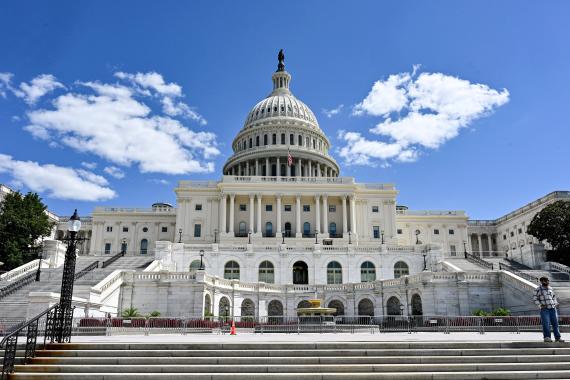
The United States’ decision to withdraw 5,000 troops from Germany over the next year reflects not only President Donald Trump’s displeasure with America’s European allies, but also the continuation of a policy by the Trump Administration to hold American allies responsible for their own security. This move was substantially criticized by members of both houses of Congress, including many of Trump’s Republican allies, for being short sighted, lack of transparency (especially considering the lack of a released Global Posture Review) and demonstrating weakness. This may also be driven by an attempt to shore up Trump’s political base ahead of the 2026 midterm elections after the president’s approval rating sharply fell after the attack on Iran.

IMAGO / ZUMA Press

U.S. Parties Choose Candidates for the Midterms

Tension in Texas

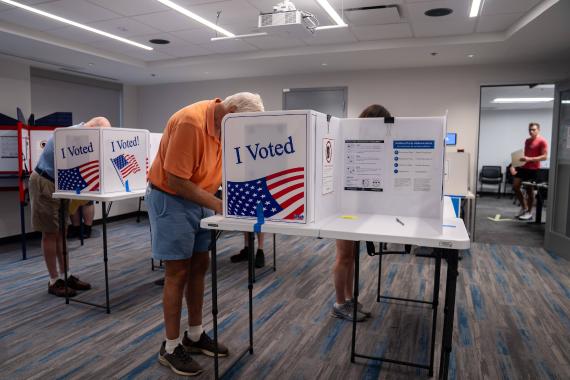
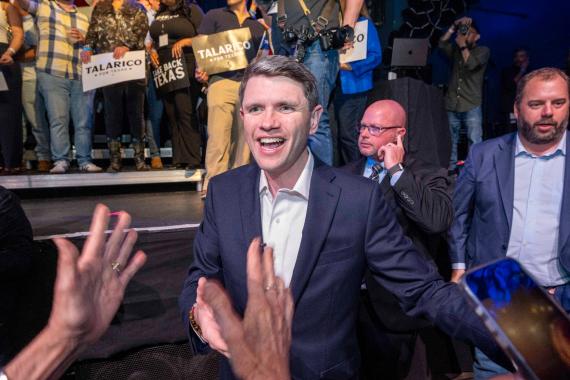
The election year is underway. In Arkansas, North Carolina, and Texas, primary voters have chosen the parties’ candidates for the November elections. For Democrats, the goal is to field contenders capable of winning back the majority in Congress. Republicans, meanwhile, aim to defend their majorities and continue advancing former President Trump’s policy agenda.

IMAGO / Avalon.red

U.S. Perspectives One Year Into Trump’s Second Term

“Move Fast and Break Things”

Showing strength, challenging traditions, and putting America’s interests—along with his own—first: the first year of President Trump’s second term has been a whirlwind of national and international change. Nowhere is this more evident than in foreign policy, where he has profoundly reshaped the role of the United States and challenged the existing order.

KAS

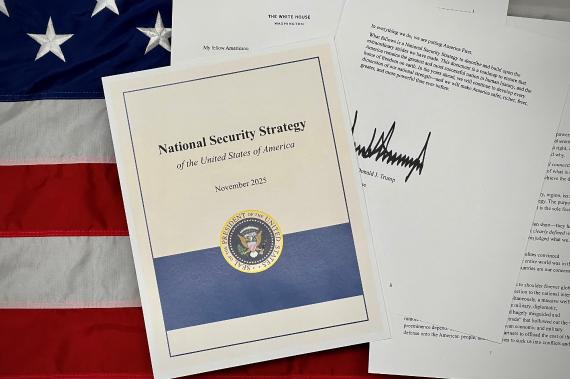
The New U.S. National Security Strategy

Trump’s View of the World

The new National Security Strategy (NSS) puts the America first approach–achieving US economic, military, and technological might through foreign policy means–at its core. In Europe it has set alarm bells particularly over the overarching assumptions about Europe's “civilizational” demise and raised questions about the future of the transatlantic values-based partnership. Meanwhile, Congress adopted notably different priorities for U.S. military engagement in Europe. (Report in German)

IMAGO / MediaPunch

Local Elections, National Significance

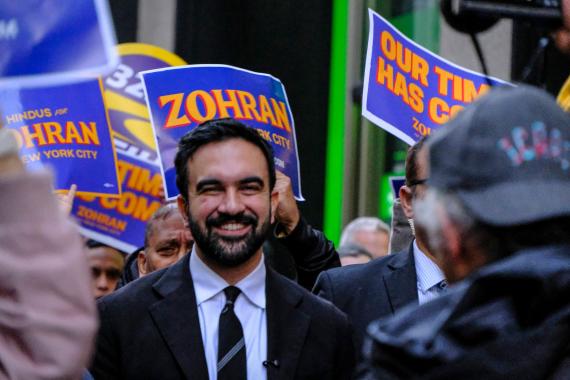
November Elections in Several U.S. States are Decisive for Political Parties

Neither the President nor any members of Congress are up for election this year. But on November 4, important decisions will be made at the state and local levels—offering a key opportunity to gauge the political mood of the country.

IMAGO / ABACAPRESS

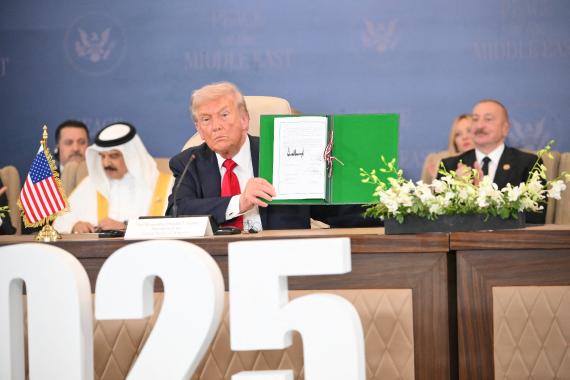
U.S. Reactions to Trump’s Middle East Peace Plan

Celebrations and Questions after the Ceasefire

U.S. President Donald Trump has achieved a diplomatic breakthrough. Through a combination of negotiation skills, strategic pressure, and personal commitment, he has successfully persuaded Hamas and Israel to sign a peace agreement. As a result, hostilities have ceased, humanitarian aid has been delivered, and—most notably—Israeli hostages have been released. Following celebrations in the region and widespread praise for the president, American experts are now asking: What comes next?

IMAGO / Anadolu Agency

Department of War: Change of Name, Change of Mission?

The Trump Administration's Defense Strategy

This fall, the Trump administration is expected to release its National Defense Strategy. While few details have been disclosed, a strong indicator of its direction is the recent 200th executive order, which renames the Department of Defense to Department of War.

IMAGO / ZUMA Press Wire

Reactions to US President Trump's peace efforts for Ukraine

Momentum — but toward what end?

One of President Donald Trump's campaign promises was a quick end to the war in Ukraine. After months of mixed signals about what such a solution might entail, Trump met first with Russian President Vladimir Putin, then with Ukrainian President Volodymyr Zelensky and several European heads of state and government.

European Union, 2025, CC BY 4.0

Trade Agreement Between the U.S. and EU Enables Further Transatlantic Cooperation

The Stakes Go Beyond Tariffs

The outcome is sobering: at the eleventh hour, the EU and the U.S. reached a trade agreement that imposes tariffs once considered unthinkable. Important transatlantic trade is paying the price for further transatlantic cooperation on security issues.

IMAGO / Le Pictorium

From a “Dormant to a Leading Middle Power"

Foreign and Security Policy of Germany’s New Government

Germany finds itself alongside its European allies and partners in a complex security environment. Russian aggression in Ukraine continues to threaten broader European security, while the concerning escalation in the Middle East, transatlantic trade tensions, and global power competition are further complicating the geopolitical landscape.

Asset Publisher

About this series

The Konrad-Adenauer-Stiftung is a political foundation. Our offices abroad are in charge of over 200 projects in more than 120 countries. The country reports offer current analyses, exclusive evaluations, background information and forecasts - provided by our international staff.

Order details

Editor

Konrad-Adenauer-Stiftung e.V.