







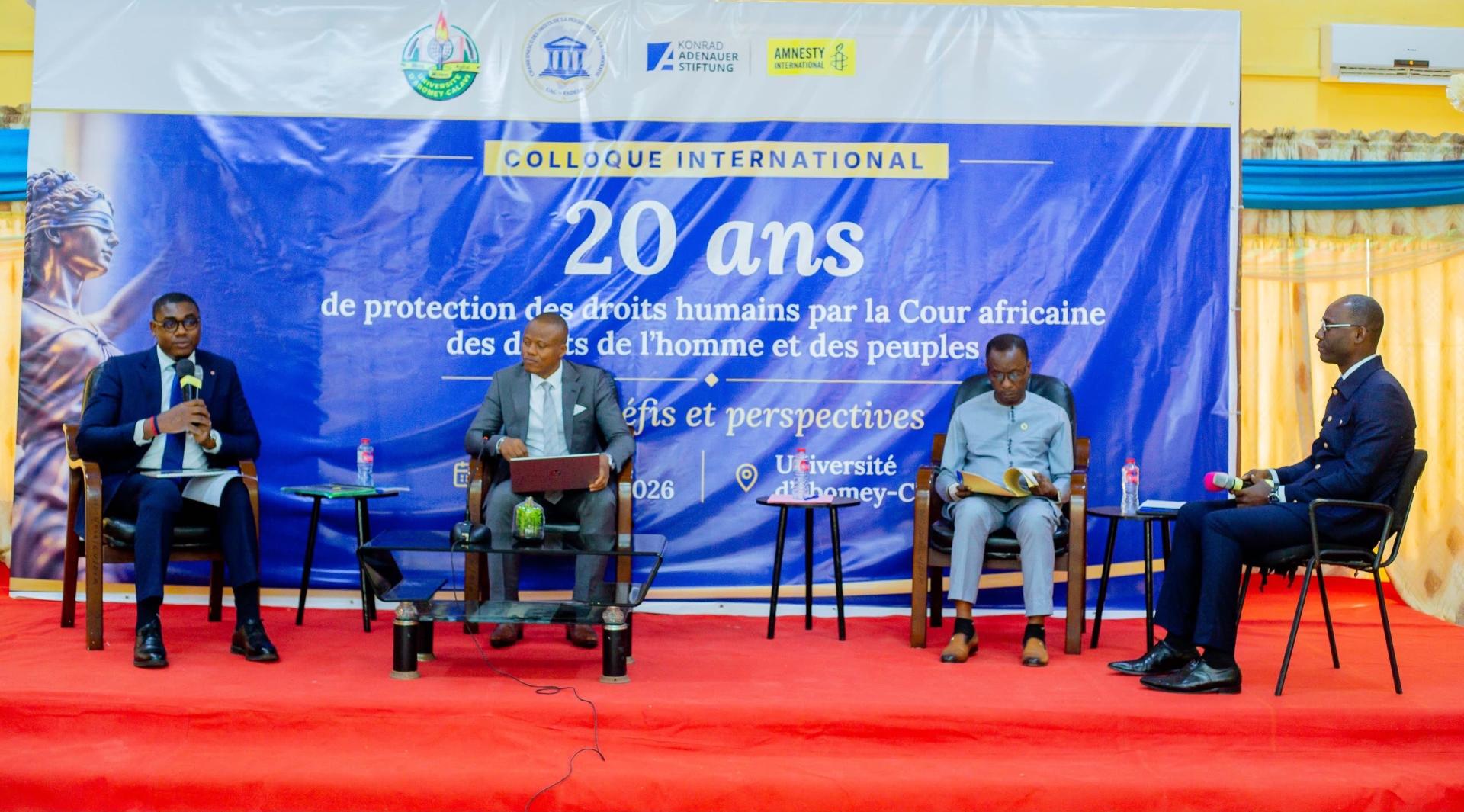
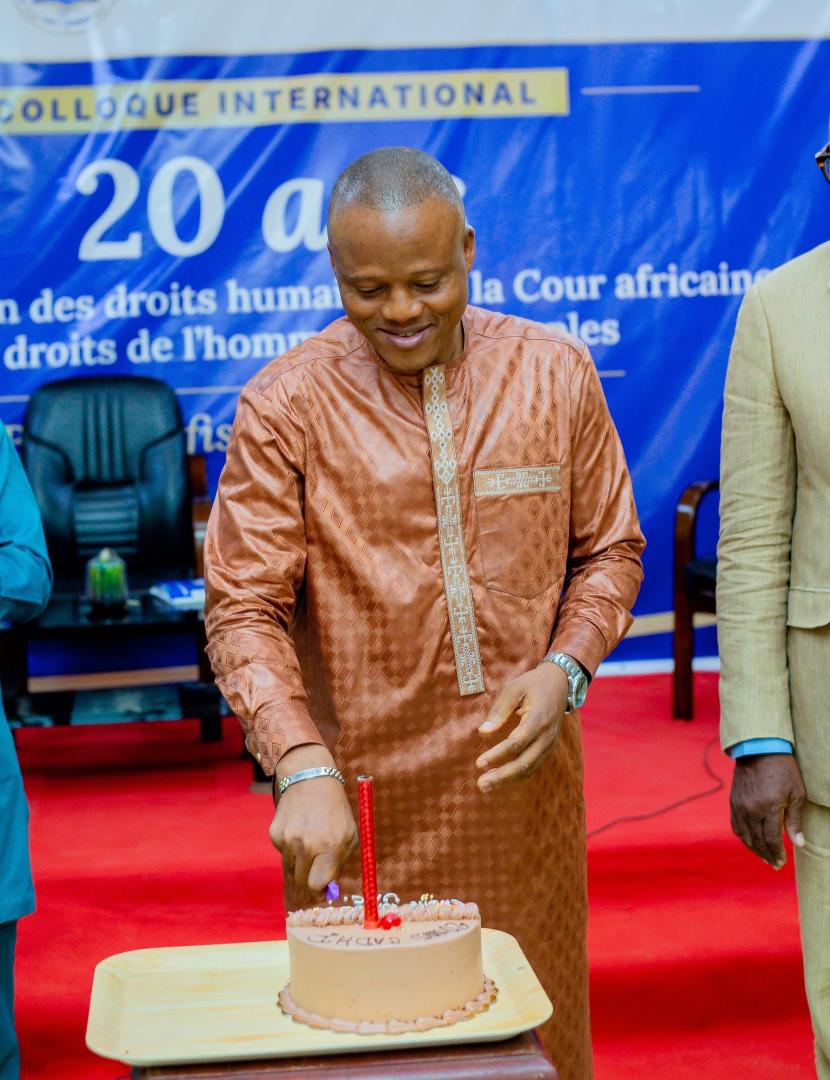
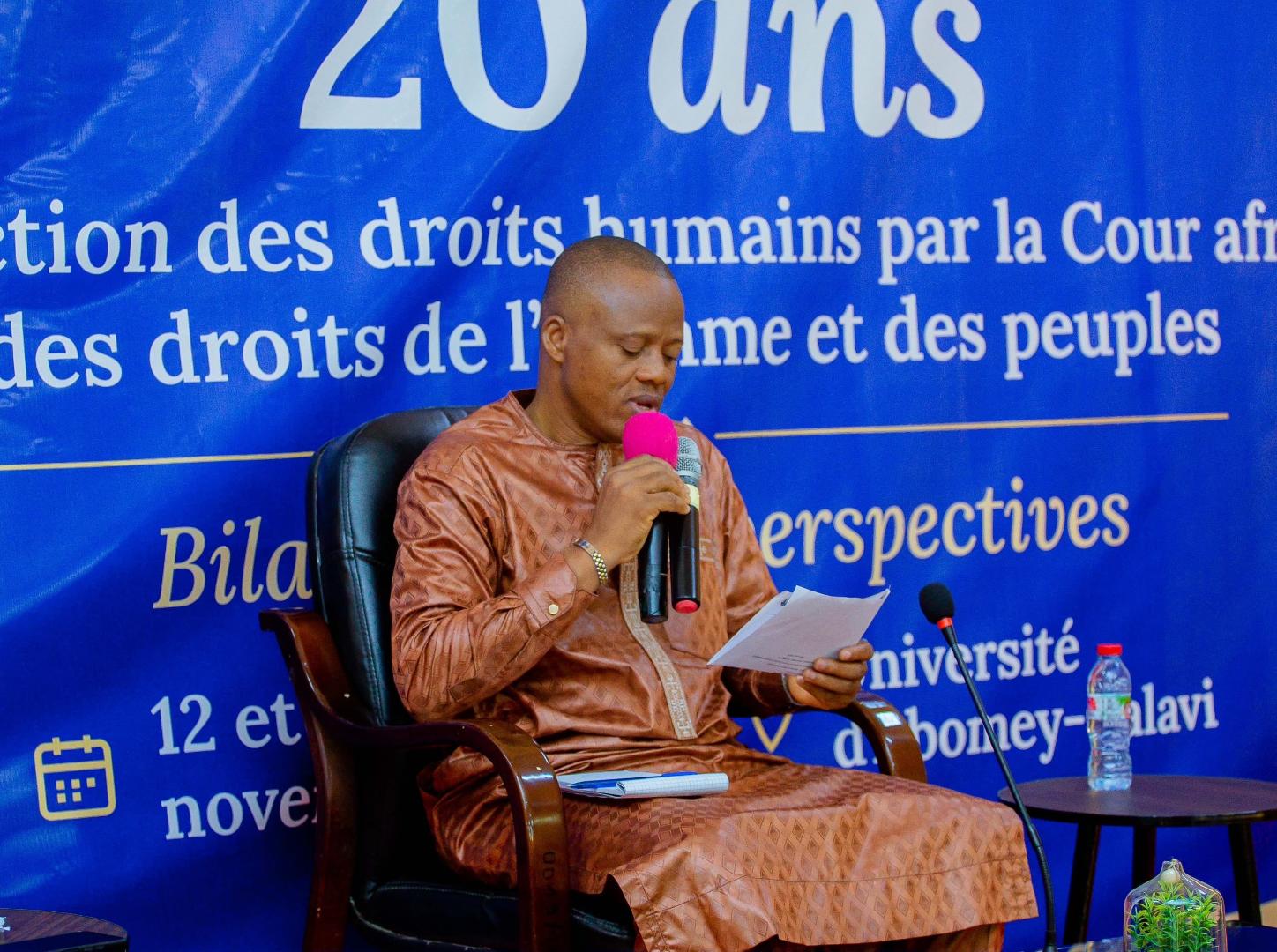
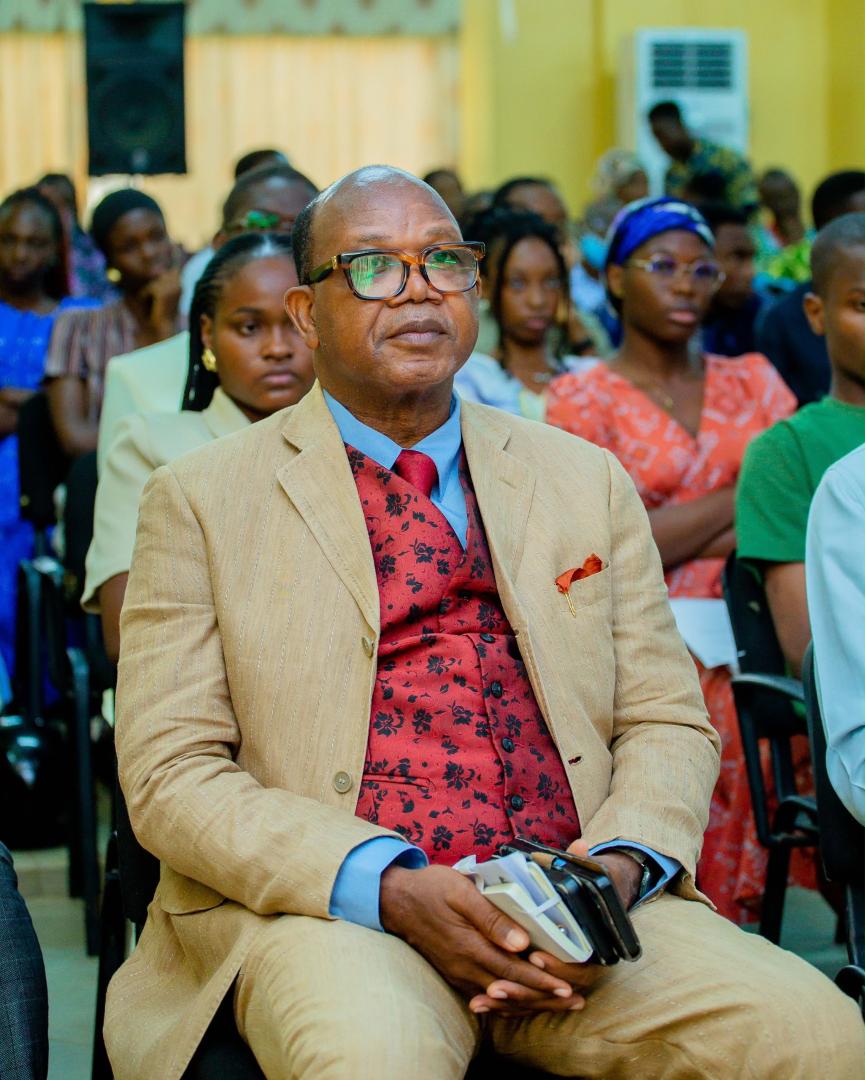
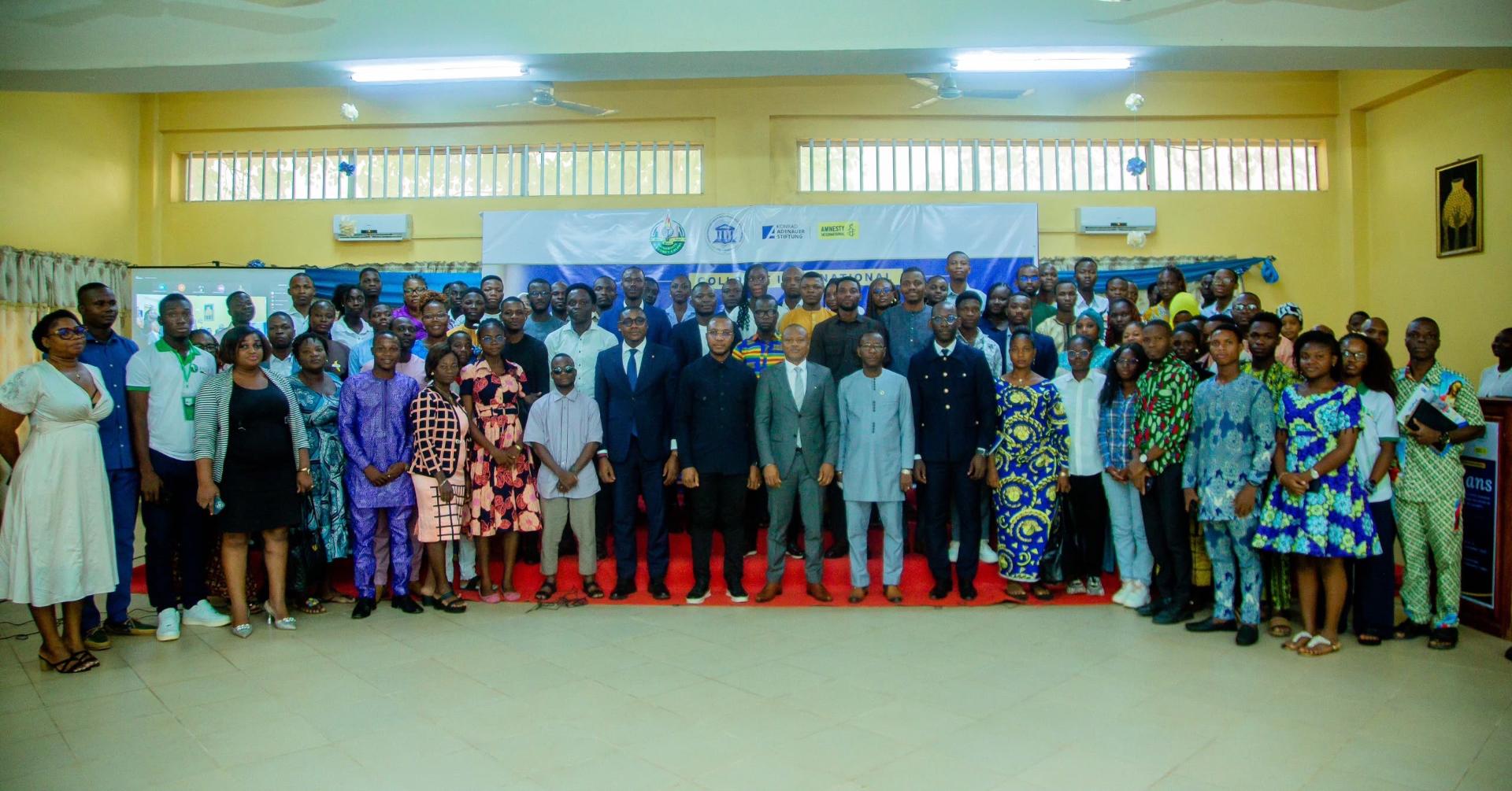
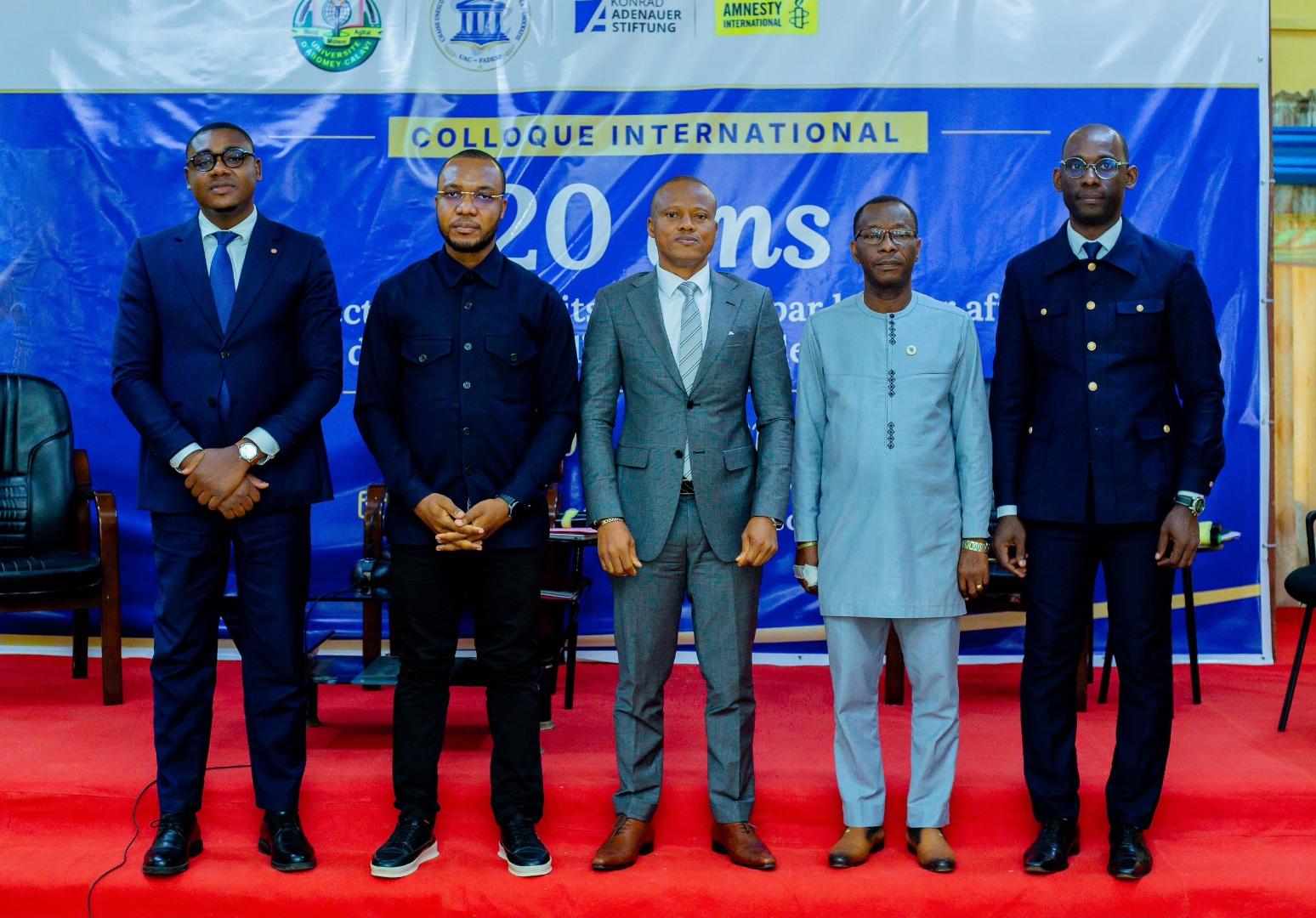
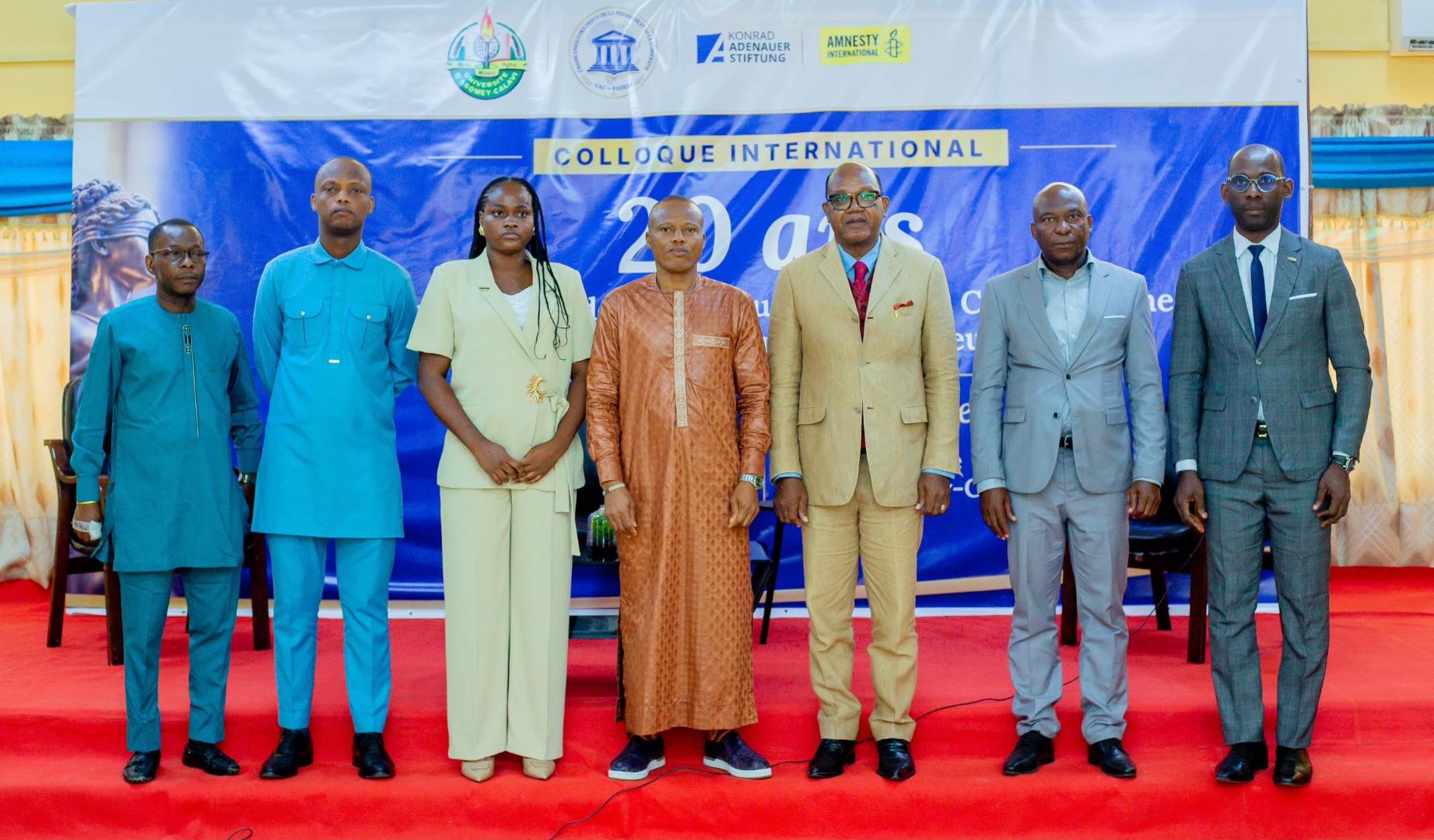
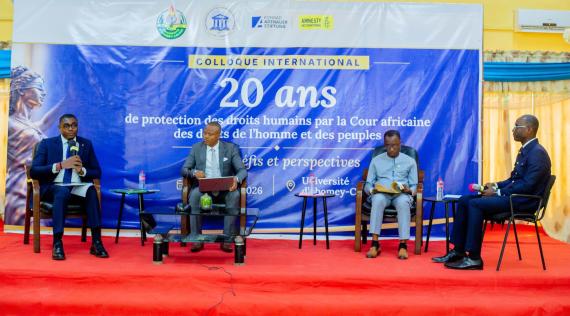
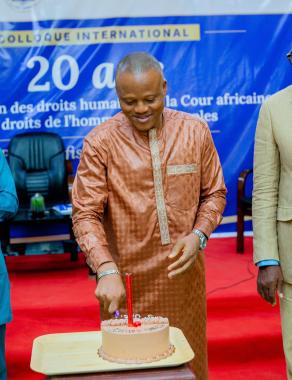
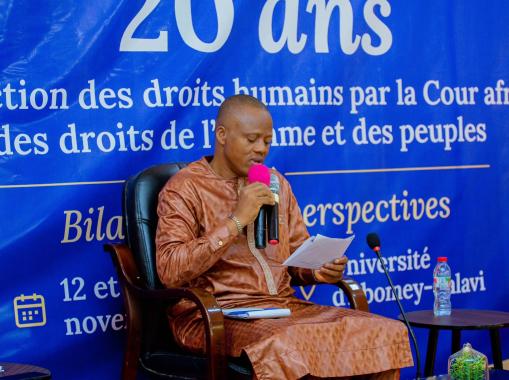
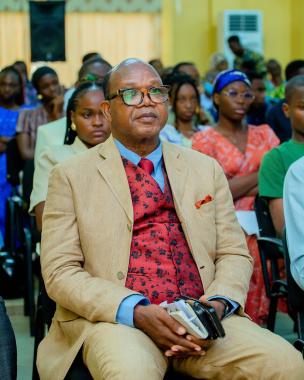
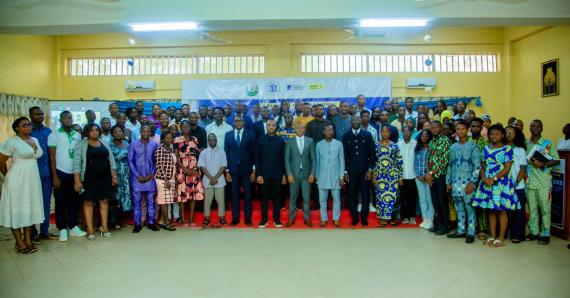
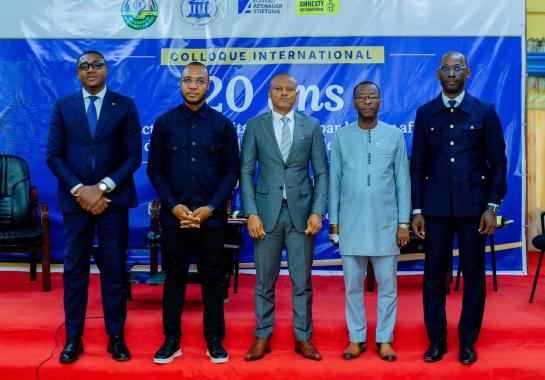
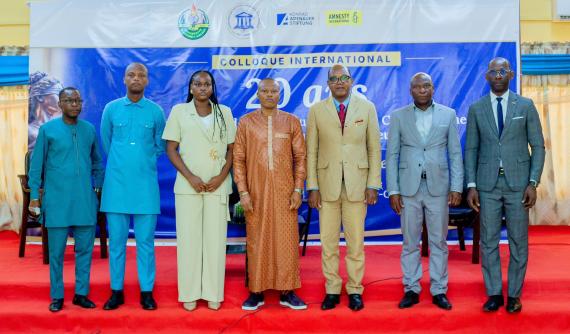
On 12 and 13 November 2026, the UNESCO Chair in Human Rights and Democracy (DPHD) of the University of Abomey-Calavi, with the support of the Konrad-Adenauer-Stiftung (KAS) and Amnesty International Benin, organised an international conference dedicated to the twentieth anniversary of the African Court on Human and Peoples’ Rights (AfCHPR). The event brought together academics, judges, legal practitioners, representatives of public institutions and civil society organisations to assess two decades of human rights protection by the Court.
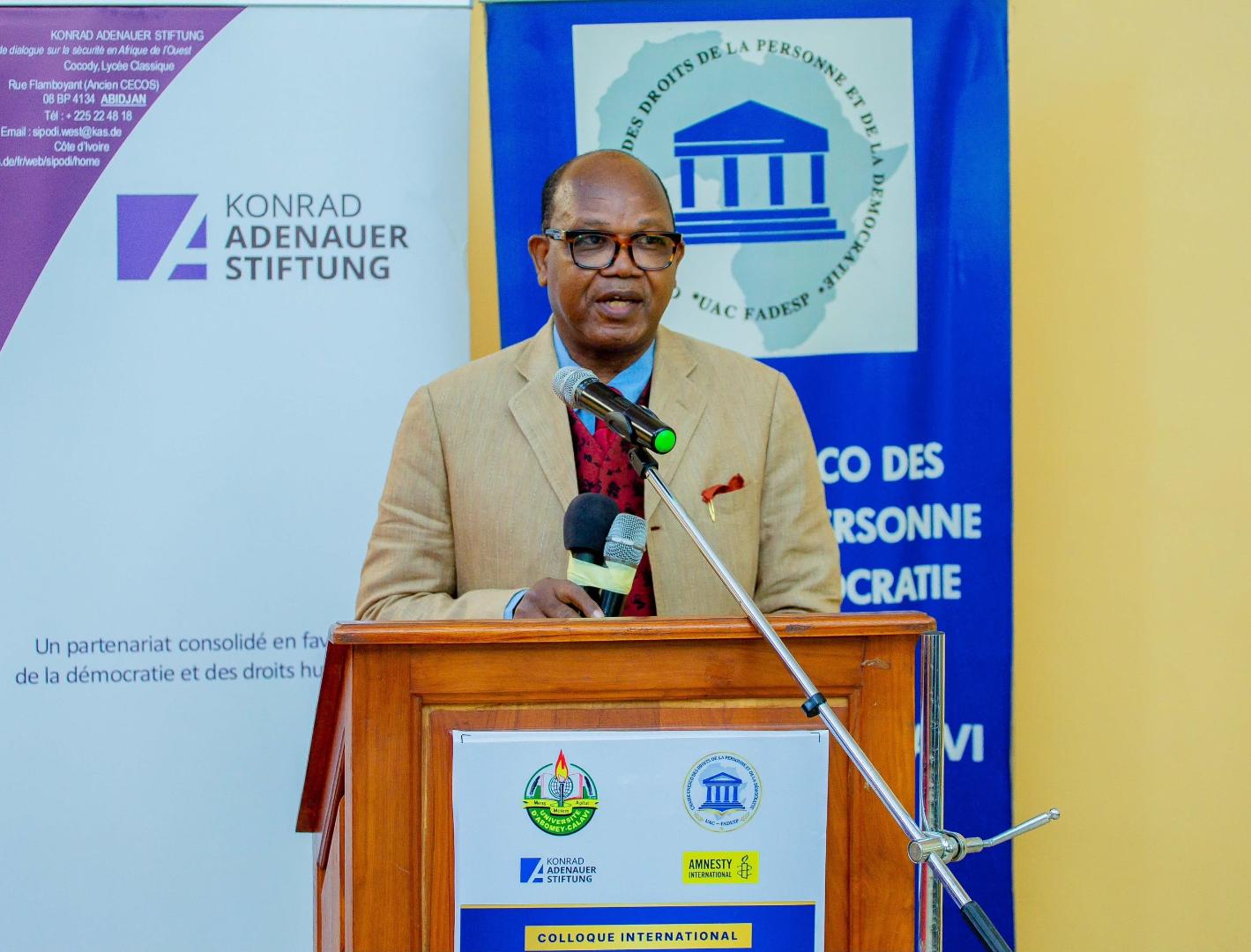
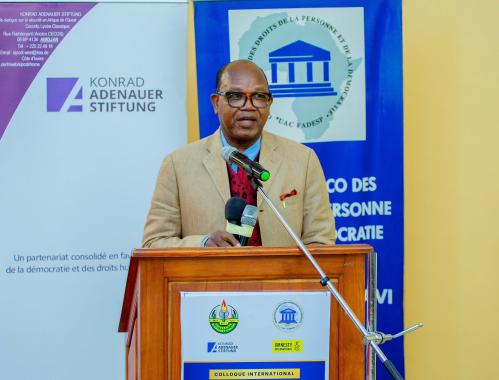
The opening ceremony featured remarks by Prof. Samson Igor Guedegbe, Holder of the UNESCO Chair DPHD, Louisa Mendoza, KAS Programme Coordinator, and Prof. Aliou Saïdou, Vice-Rector for Research at the University of Abomey-Calavi. The proceedings continued with a keynote lecture delivered by Prof. Dorothé Cossi Sossa, President of the Constitutional Court of Benin, on the evolution and future prospects of regional human rights justice in Africa.
Structured around ten presentations across four thematic panels, the conference provided an opportunity to review the major developments in the Court’s jurisprudence and to discuss the challenges that continue to limit its impact. Particular attention was paid to the Court’s contributions to the protection of the right to a healthy environment, the rights of indigenous peoples, the right to nationality, and the progressive development of economic and social rights.
Participants nevertheless highlighted several persistent weaknesses. Discussions focused in particular on the reduced direct access to the Court for individuals and civil society organisations, the withdrawal of several declarations under Article 34(6) of the Protocol, and the challenges arising from the coexistence of the African Court with sub-regional judicial bodies.
The implementation of the Court’s judgments emerged as a central theme throughout the discussions. Several speakers noted that compliance with and enforcement of judgments remains one of the principal challenges faced by the African human rights protection system. Proposed solutions included the establishment of more effective monitoring mechanisms within the African Union, the strengthening of national enforcement frameworks and improved coordination among regional courts.
At the conclusion of the conference, participants portrayed a Court whose jurisprudence is widely recognised for its innovative and, at times, bold character, while underscoring the need to enhance both accessibility and the effective implementation of its decisions. The recommendations adopted during the conference are intended to strengthen the African human rights protection framework and increase its impact for the benefit of citizens across the continent.
Through its support for this initiative, KAS reaffirms its commitment to the rule of law, democratic governance and the protection of human rights in West Africa. The conference forms part of the Foundation’s broader reflections on the relationship between public governance, democratic institutions and respect for fundamental rights.
The conference report available above provides a detailed account of the discussions, analyses and recommendations emerging from the various sessions.