








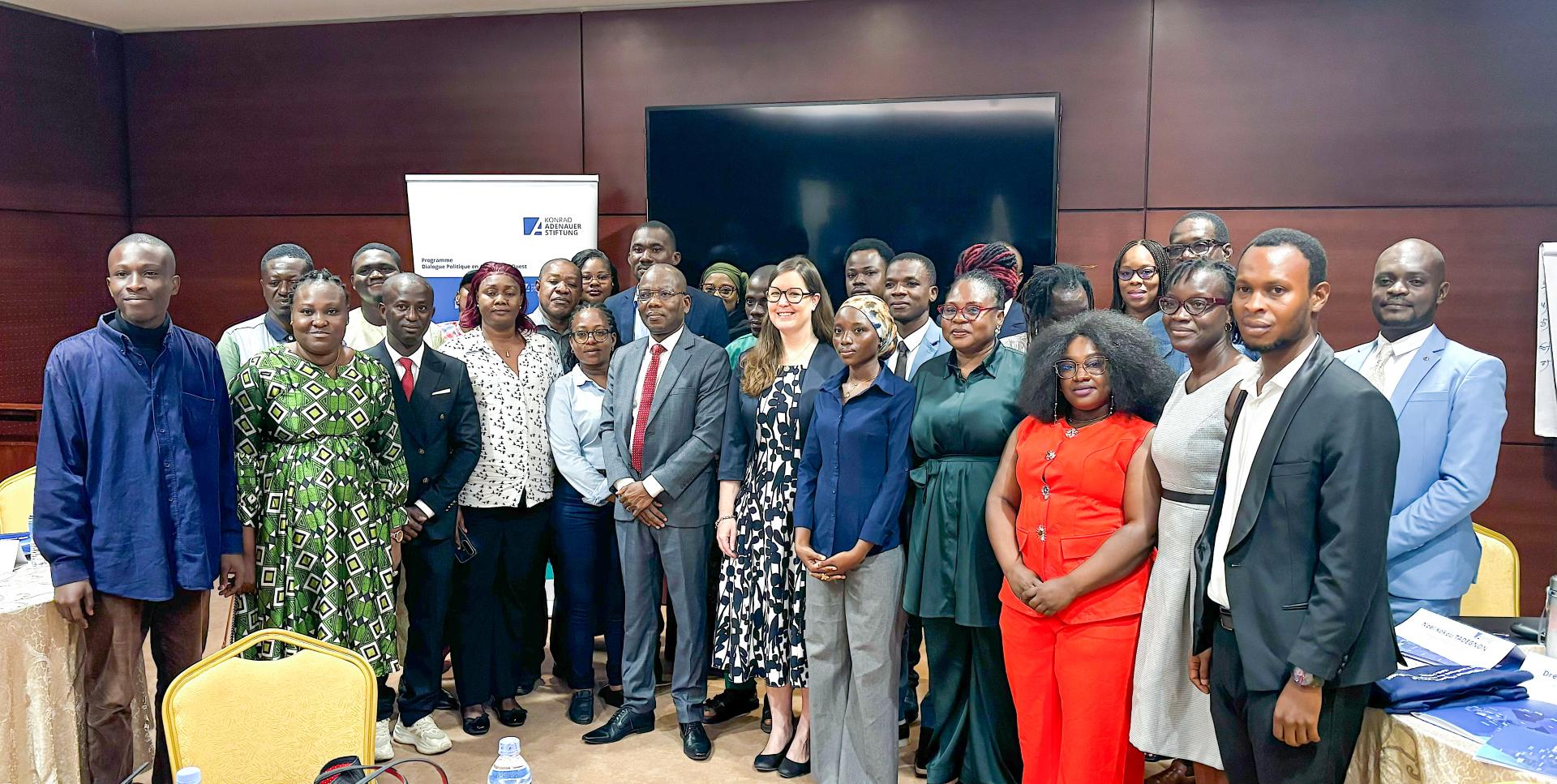
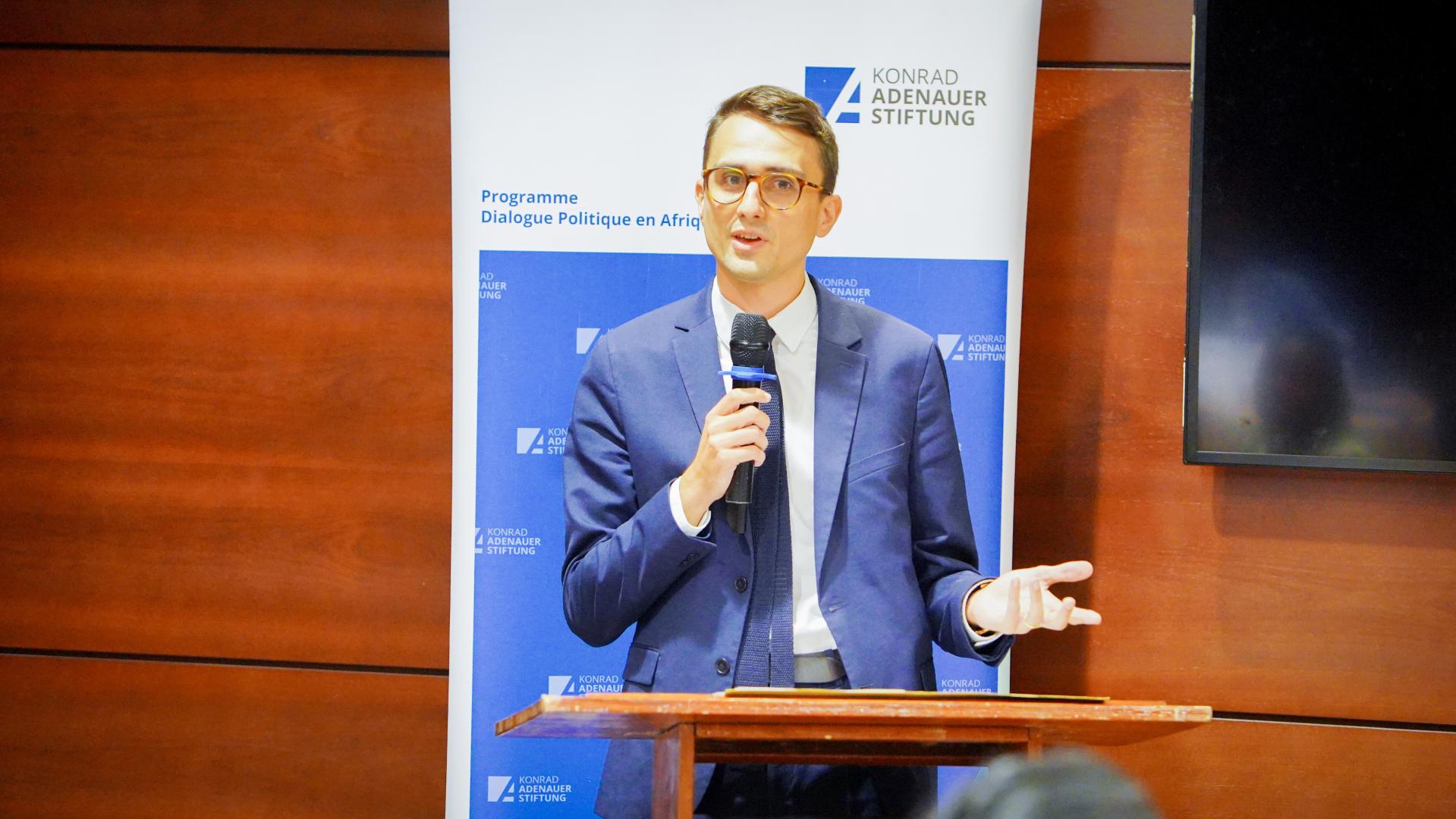
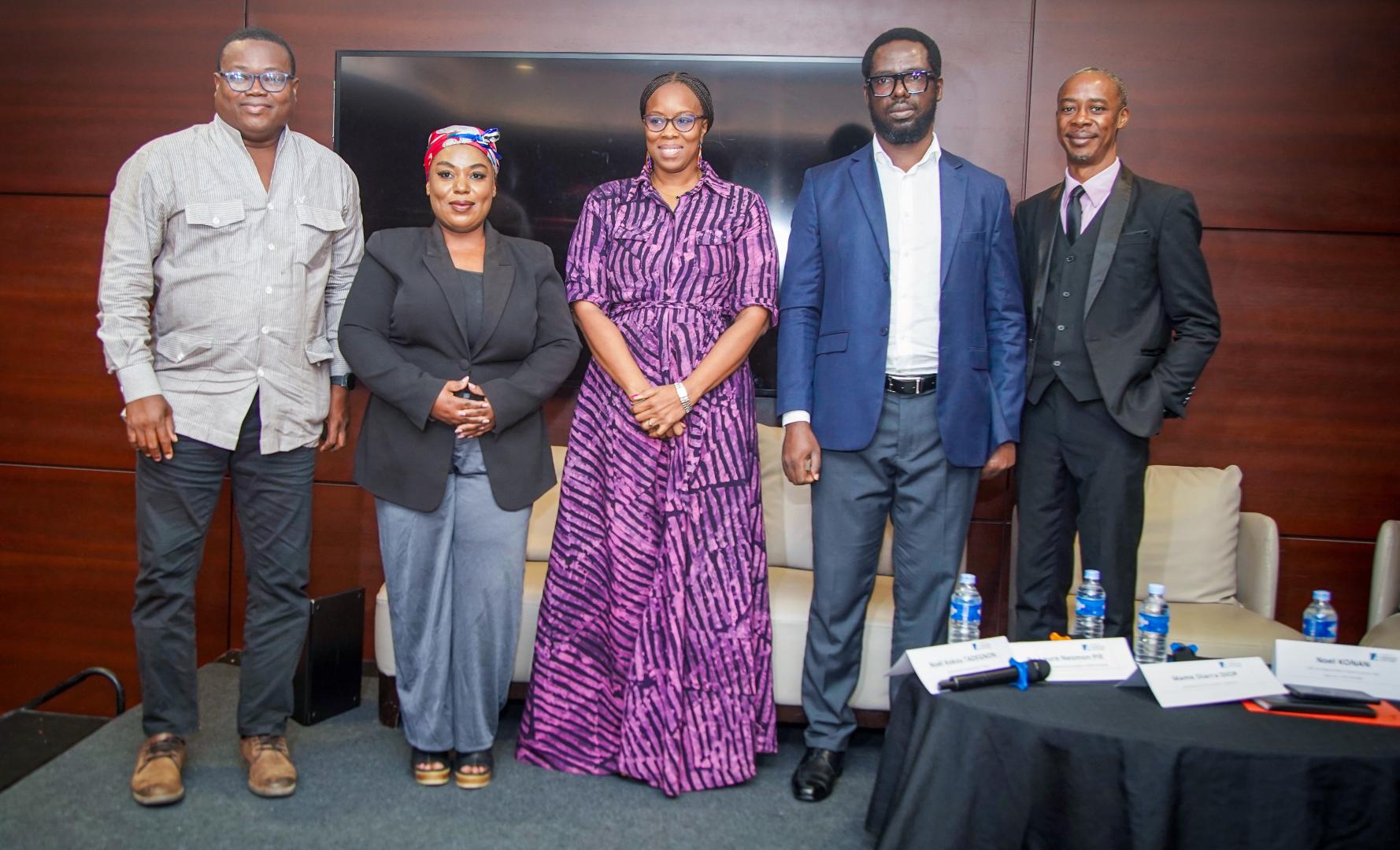
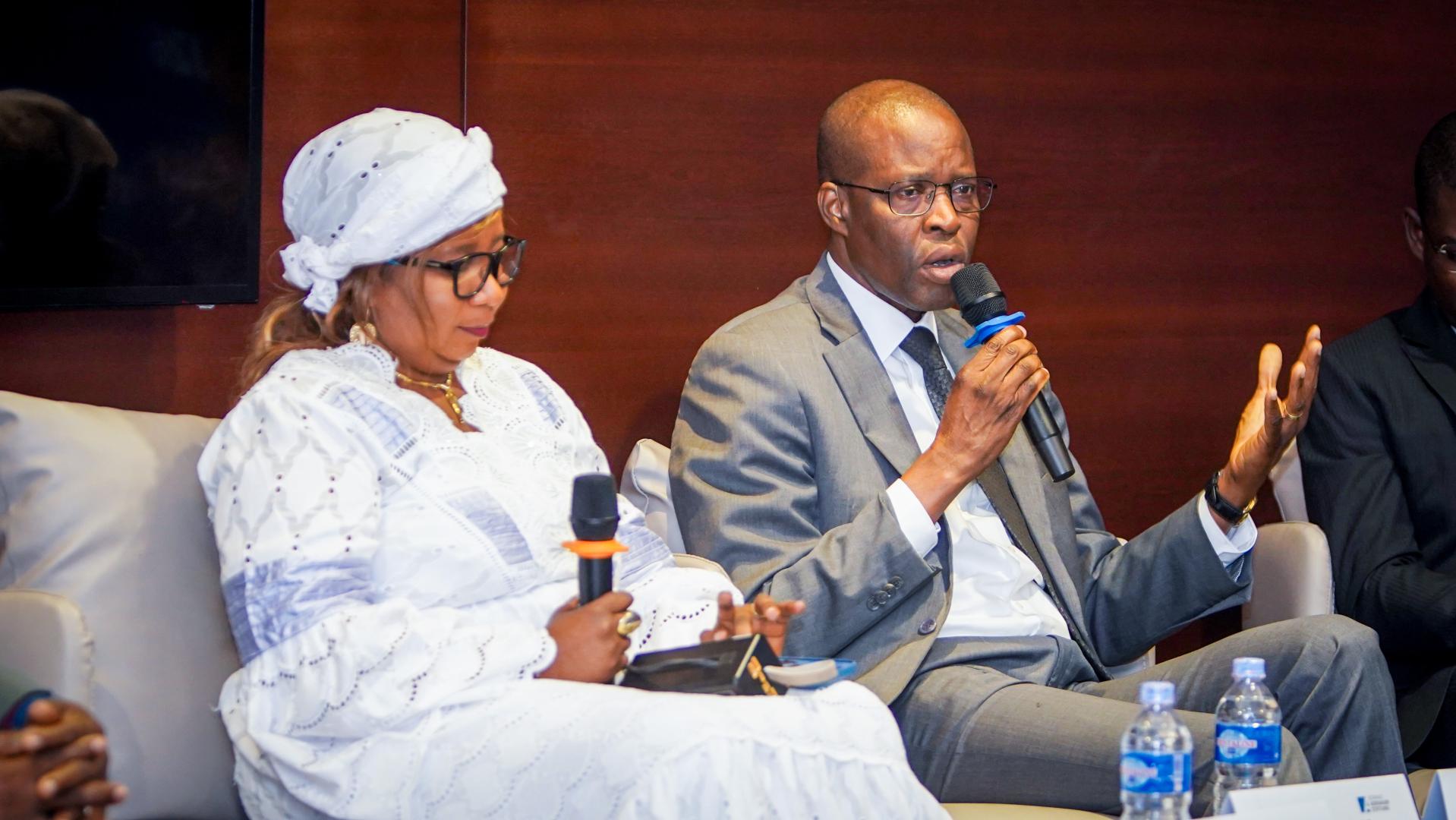
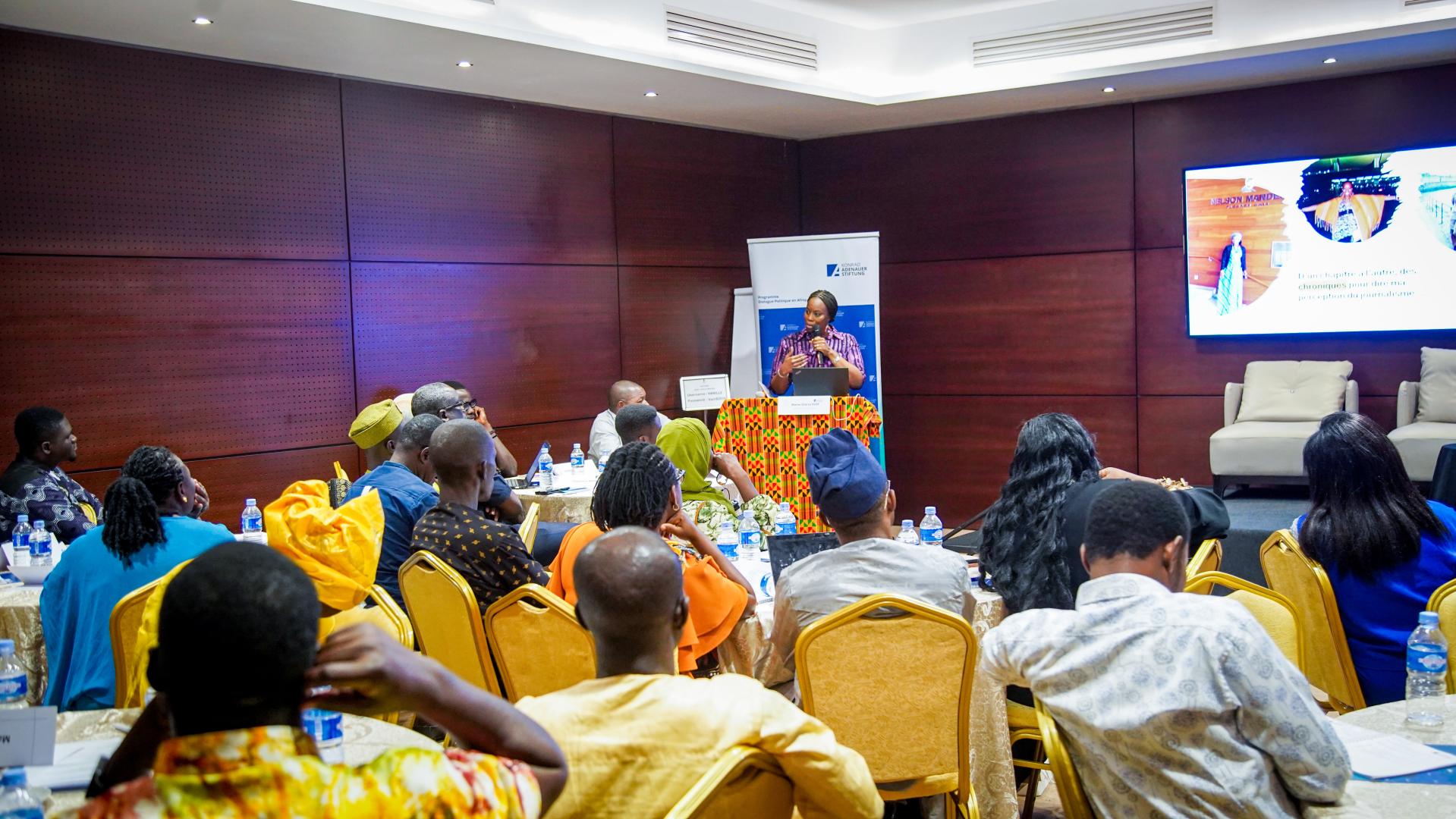
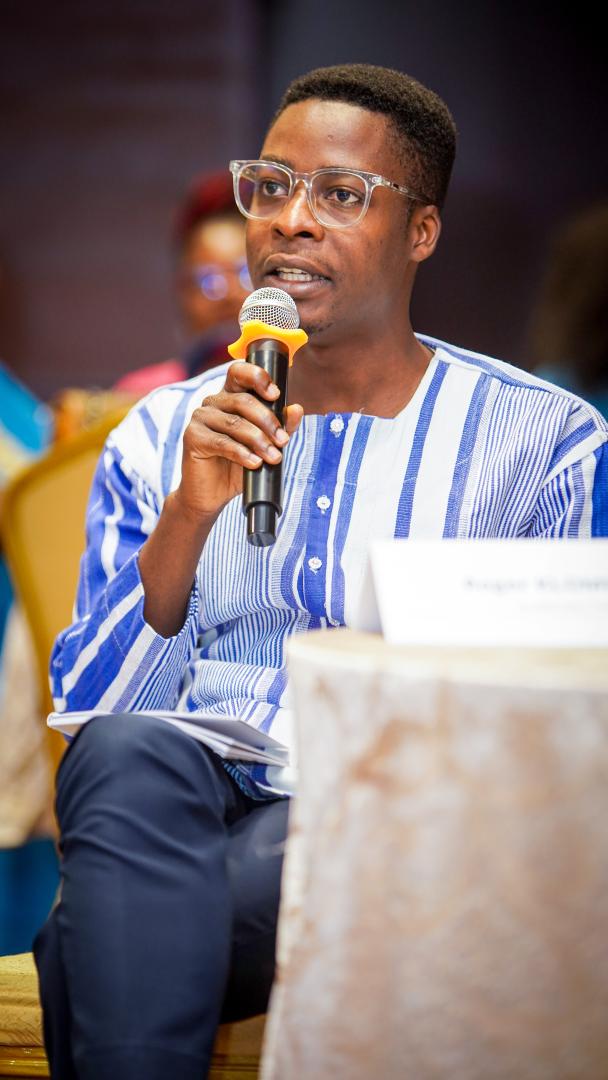
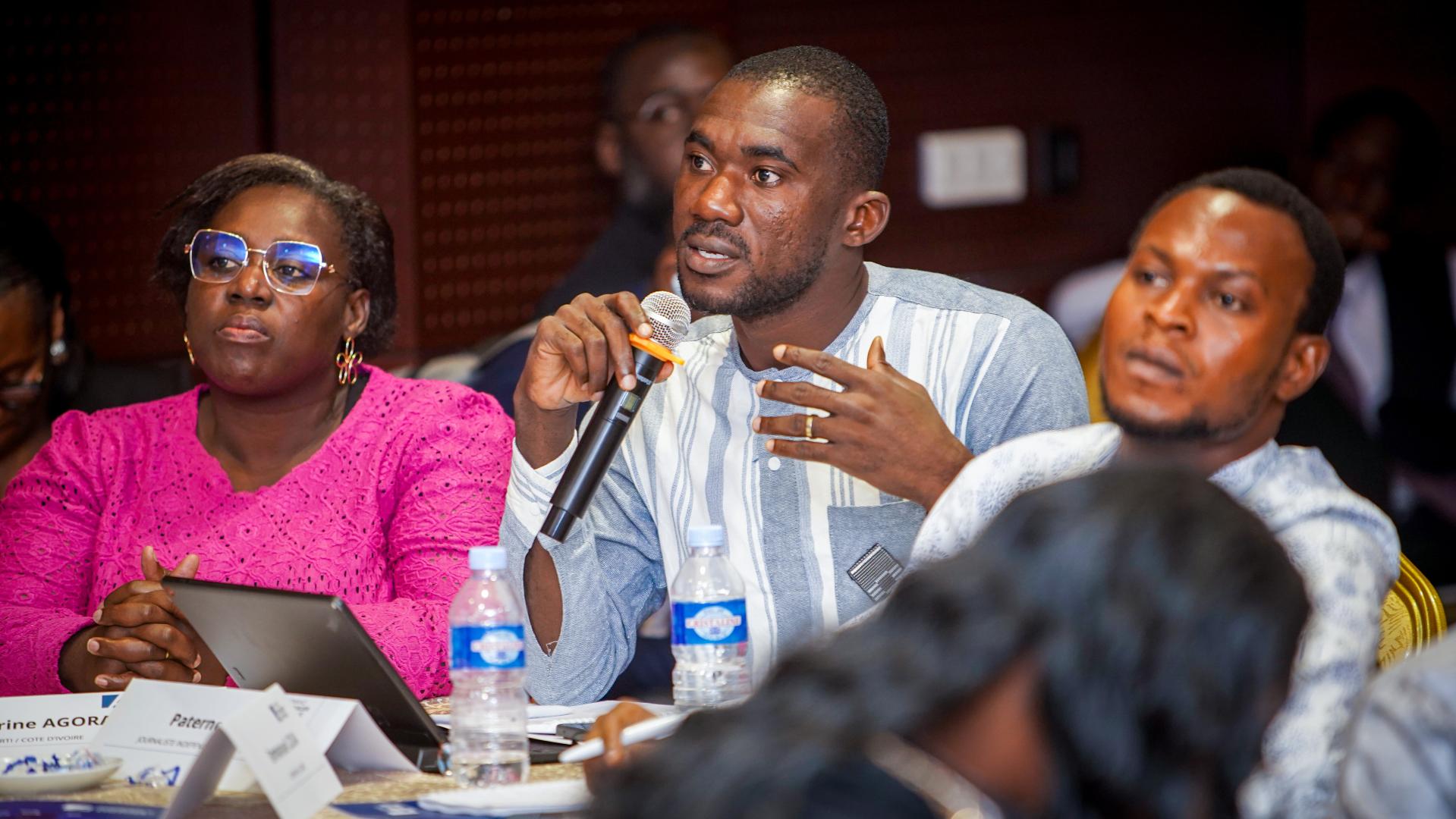
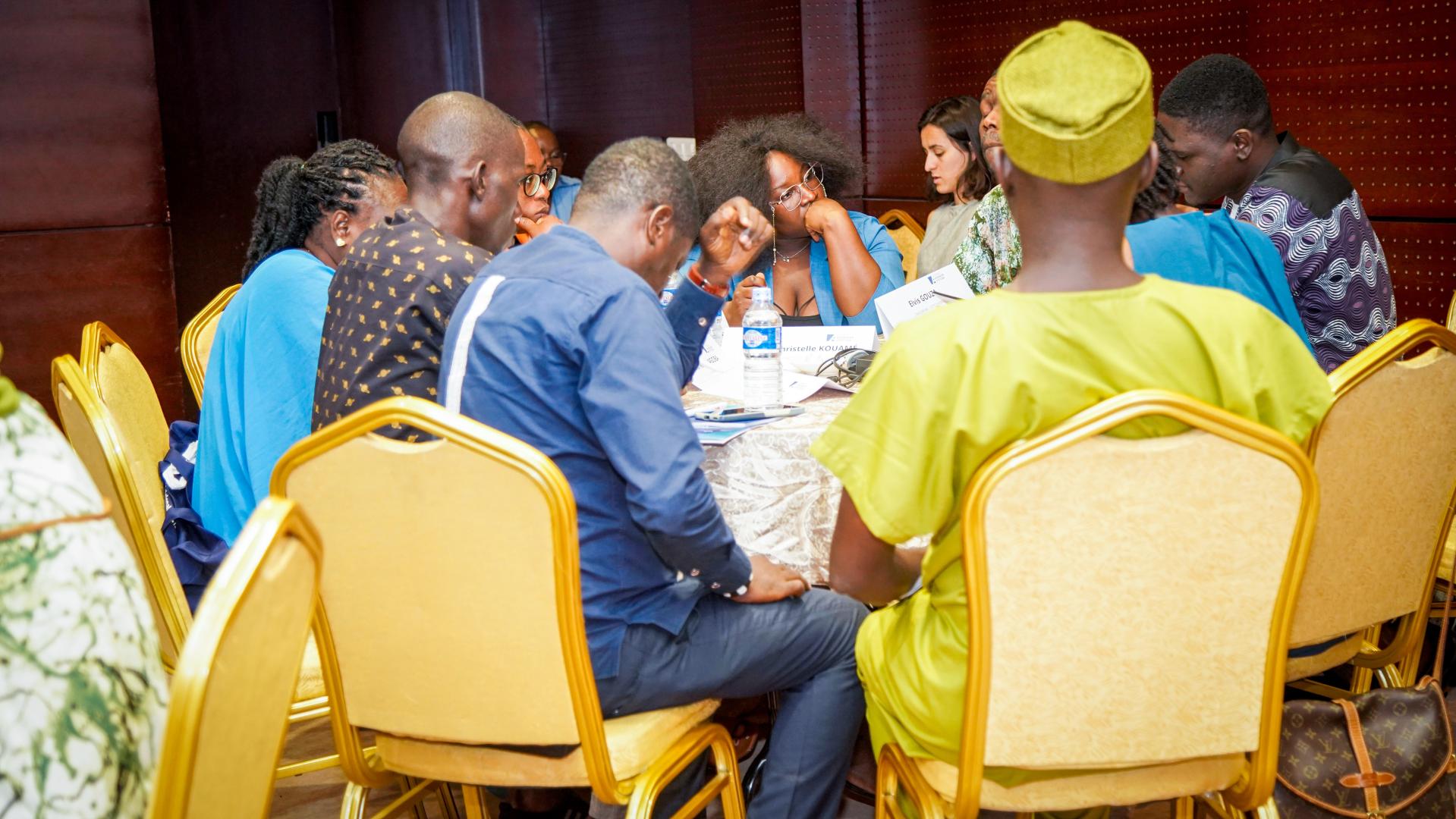
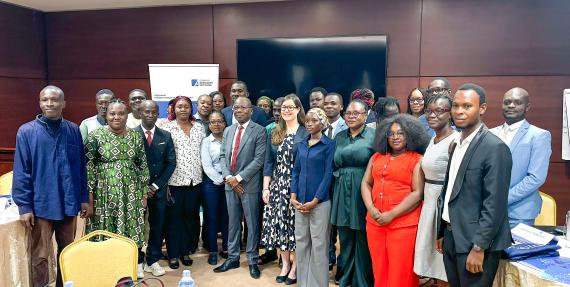
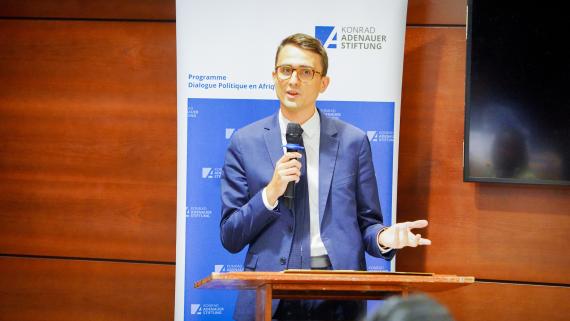
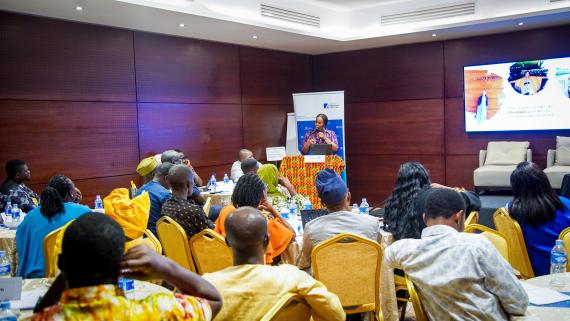
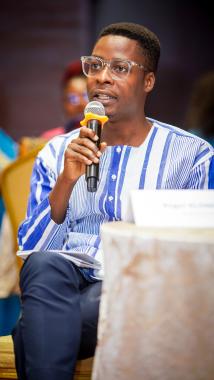
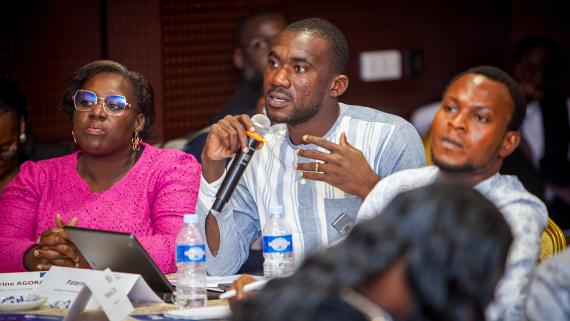
On September 10 and 11, 2026, the Konrad-Adenauer-Stiftung (KAS), through its regional program Political Dialogue West Africa (PDWA), organized the 2026 Media Colloquium in Abidjan under the theme “Democracy and Media in the Age of Artificial Intelligence.” The event brought together journalists, media experts, representatives of regulatory institutions and communication professionals to discuss the profound transformations that artificial intelligence (AI) is bringing to the media sector.
Against a backdrop marked by the proliferation of AI-generated content, the rise of disinformation and the growing importance of social media as sources of information, participants examined the challenges facing the media as well as the opportunities offered by new technologies. Discussions particularly highlighted the need to preserve the quality of information, the credibility of professional journalism and public trust in the media.
The first day was devoted to reflecting on the role of the media in democratic societies and to gaining a better understanding of AI tools. Presentations addressed issues related to the use of AI in journalistic production, its ethical and professional implications and its potential to strengthen or undermine the work of journalists. In particular, the role of data triangulation in research was introduced as an instrument to overcome AI-generated data and false information, highlighting the importance of gathering data from primary sources. Discussions further built on this idea, debating how journalists can work towards gathering primary information, particularly when access to such is difficult and AI data seems to be a more accessible alternative.
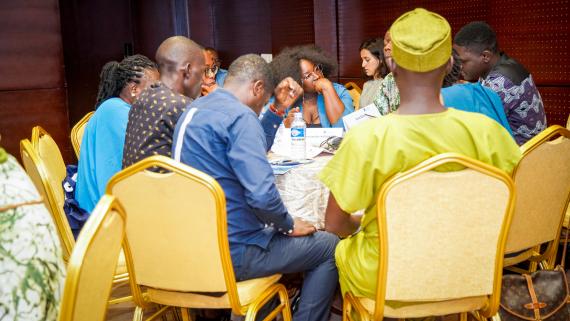
Further, practical workshops also enabled participants to develop their skills in information verification and in the use of AI tools for journalism. Experts presented AI tools for collecting, transcribing and presenting data to help journalists deal with difficulties when dealing with large data sets. At the same time, the workshops helped participants to better understand how the use of AI can affect journalistic work, identify the limits of AI tools and consider their potential impact on the spread of disinformation.
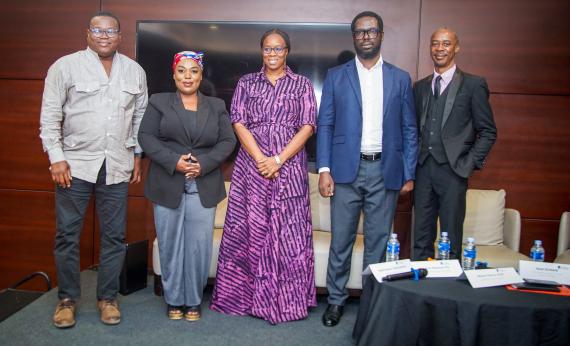
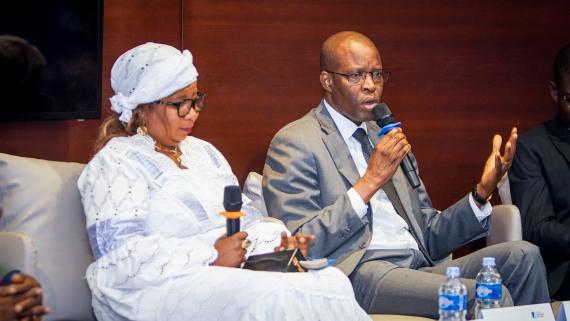
The second day featured in-depth discussions through two major panels focusing on the use of AI to strengthen media credibility and the role of the media as opinion-makers. Speakers emphasized the importance of fact-checking, media and information literacy, and the adoption of professional practices adapted to new digital environments. They concluded that journalists must learn to not replace their work through AI but rather learn how to work with AI in order strengthen their own work. They further highlighted that journalists remain essential actors in public debate and in the proper functioning of democracies. Building on this idea, participants stressed the importance of a free press and freedom of expression within the west African media landscape.
By bringing together journalists, experts and stakeholders from the media sector, the conference fostered a collective reflection on the conditions necessary for credible, innovative and responsible journalism in the face of the rapid development of AI. The recommendations put forward will contribute to ongoing discussions about the future of information and its role in strengthening democratic societies.