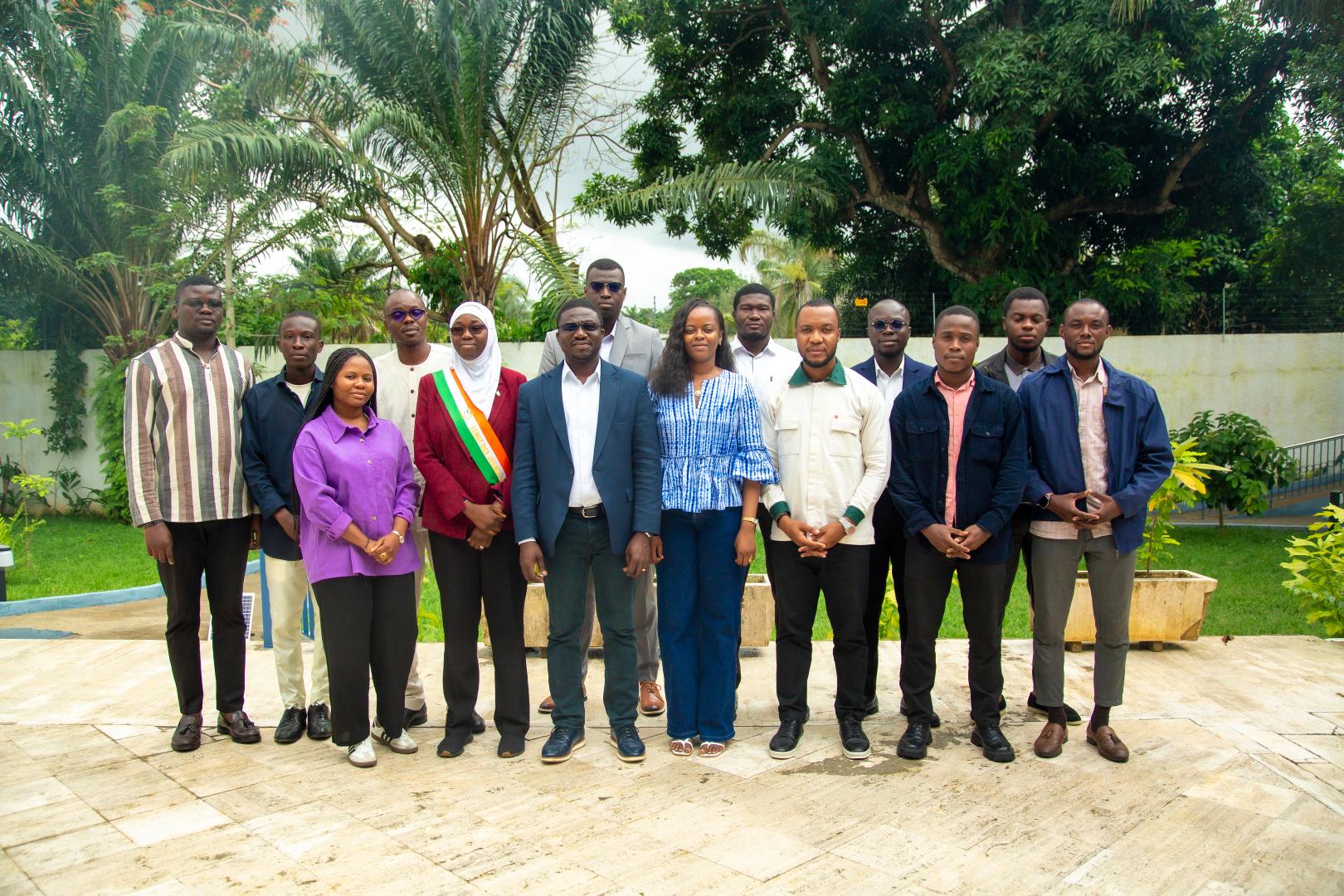
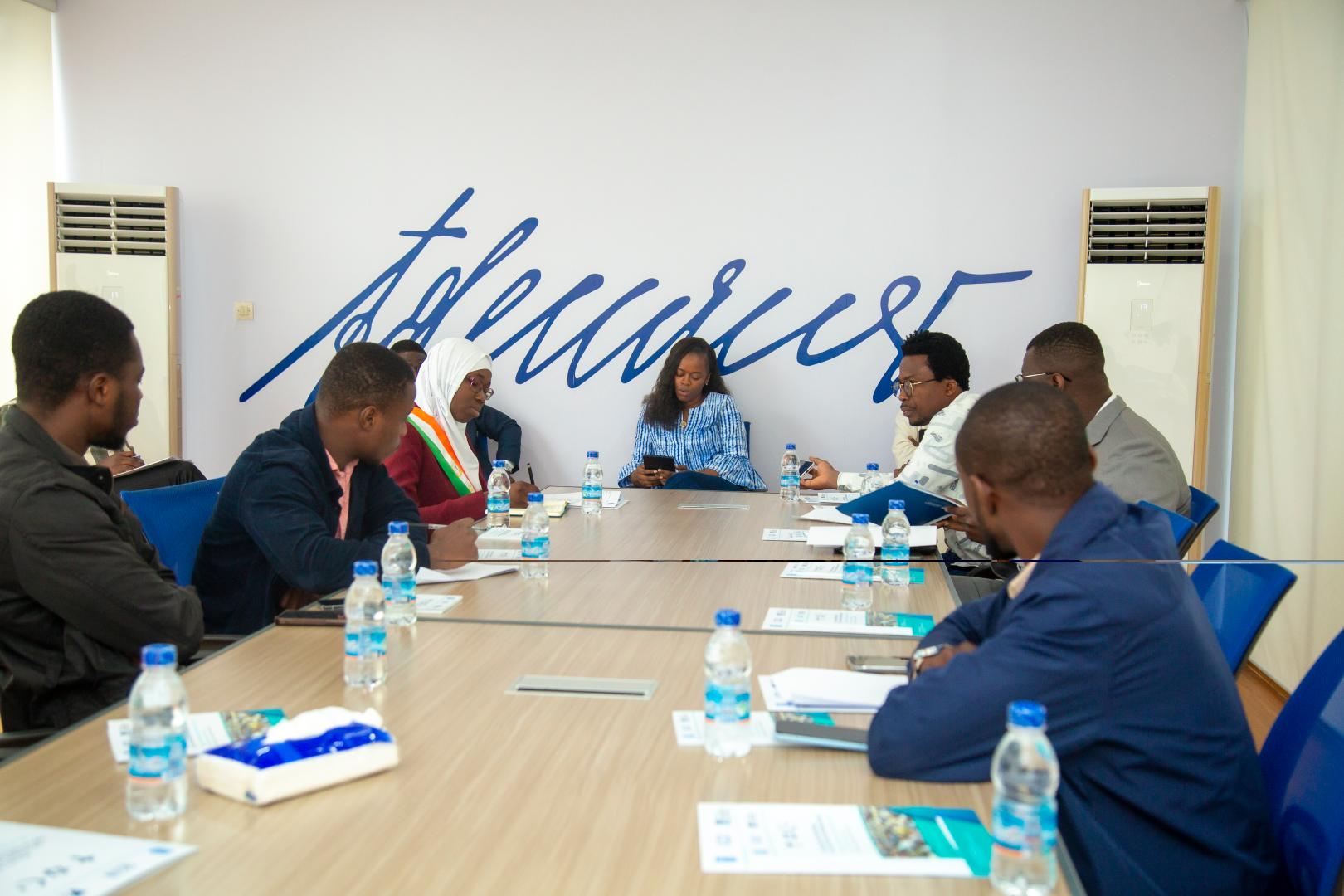
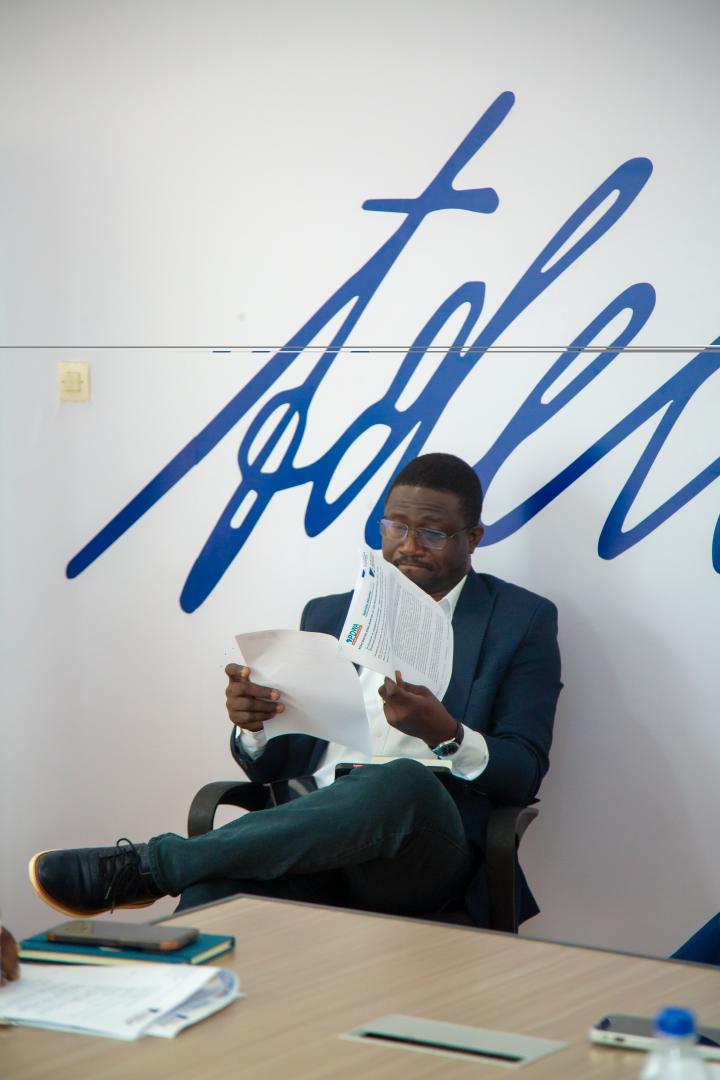
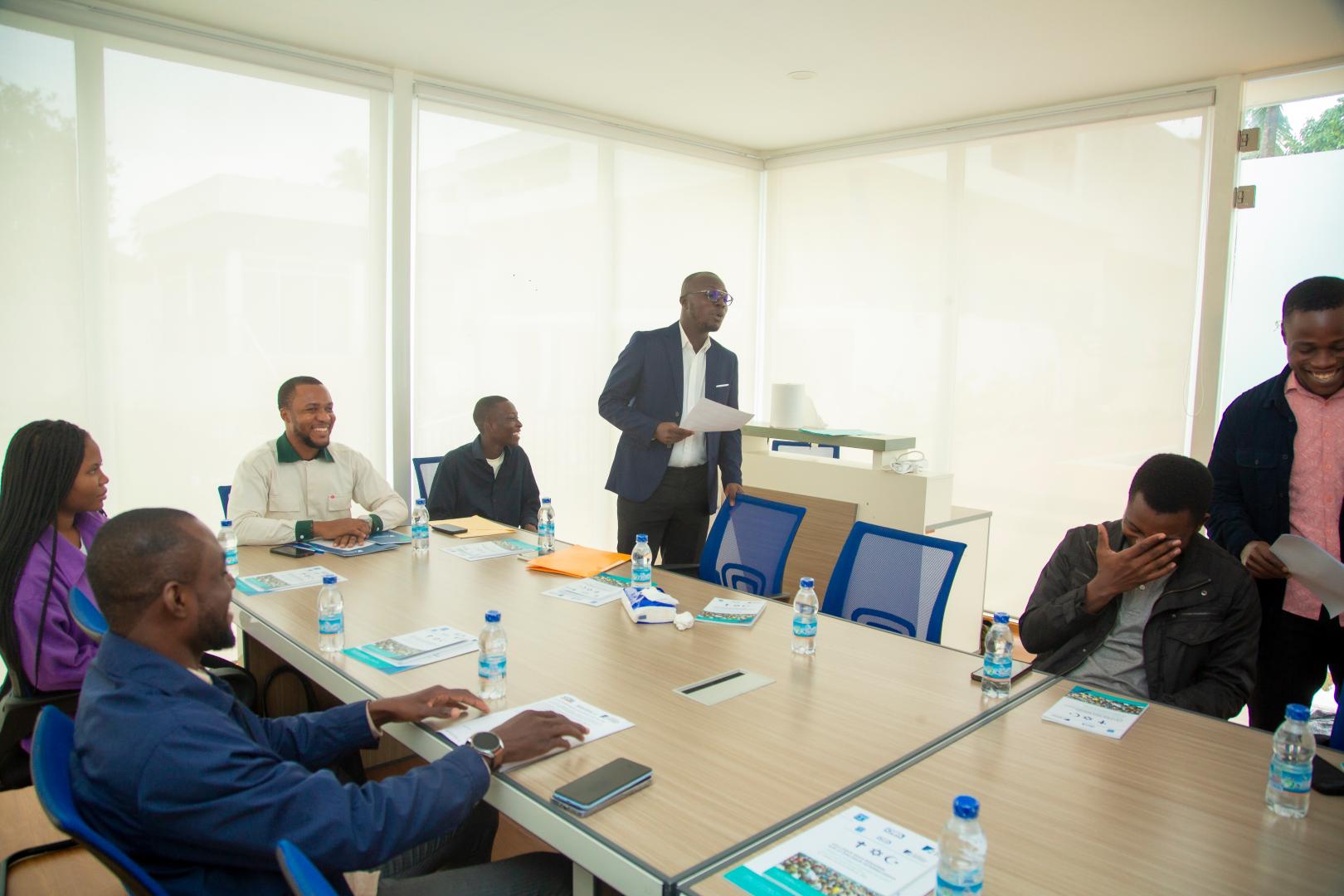
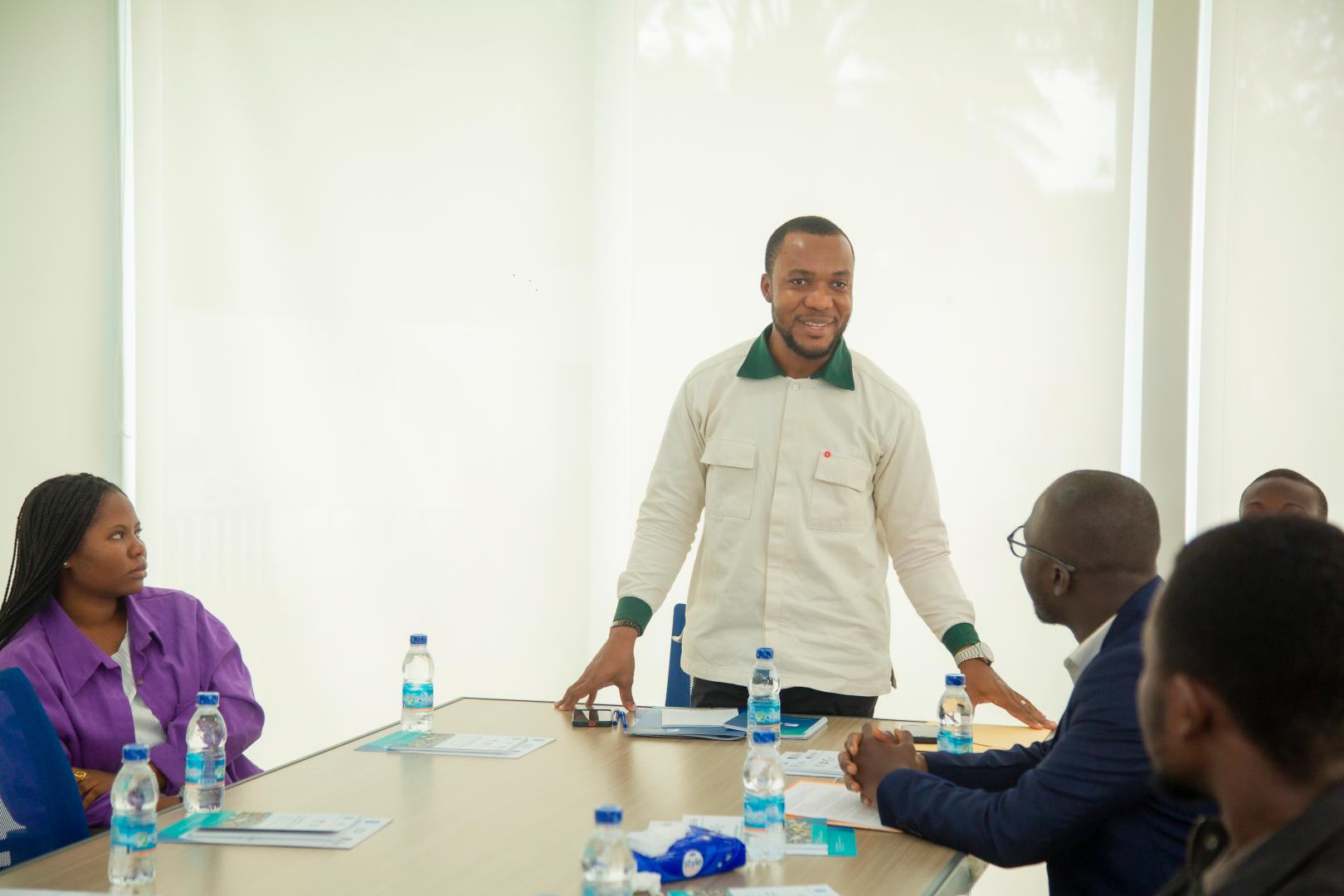
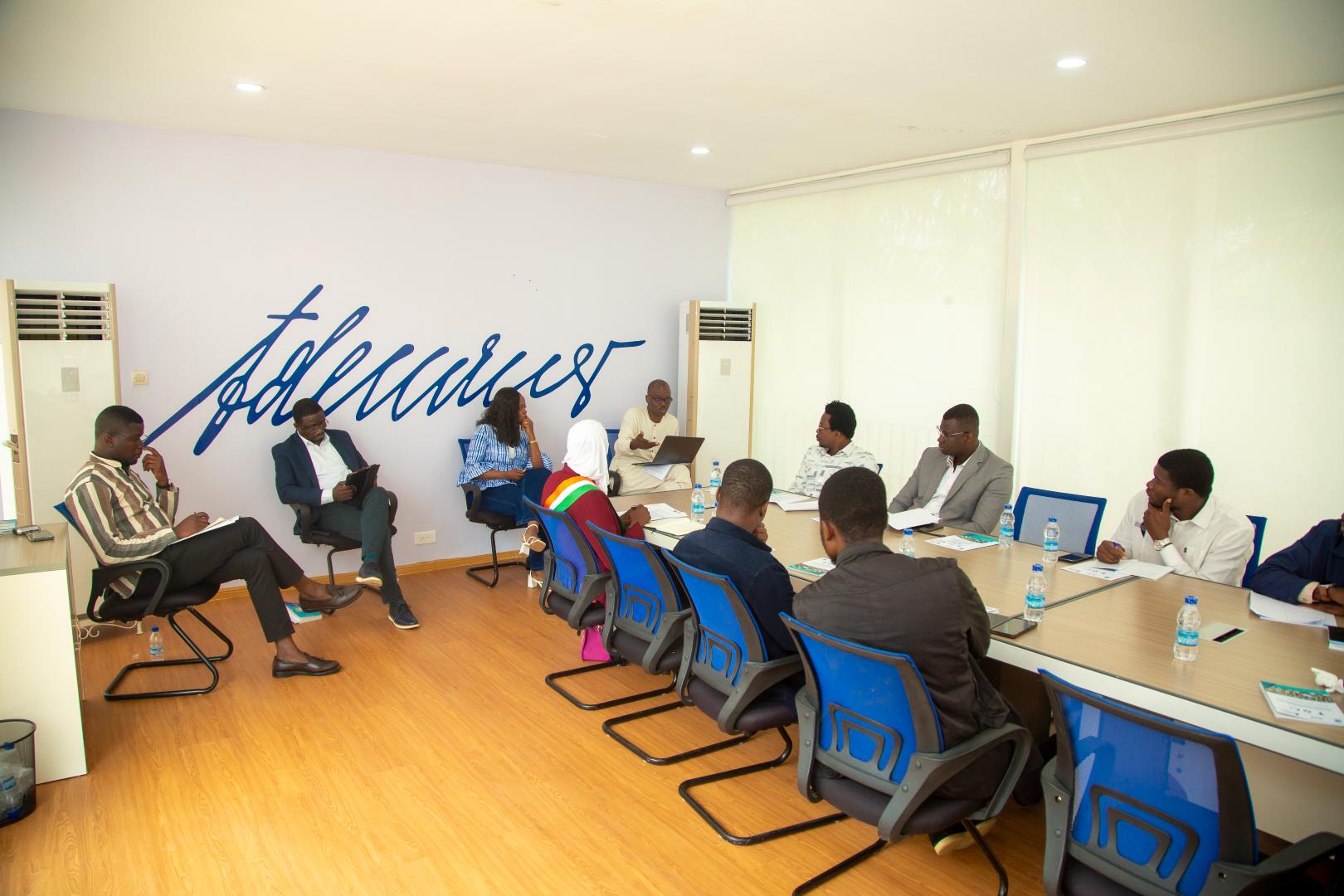
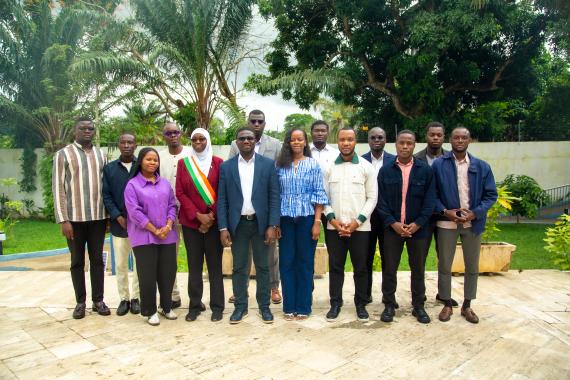
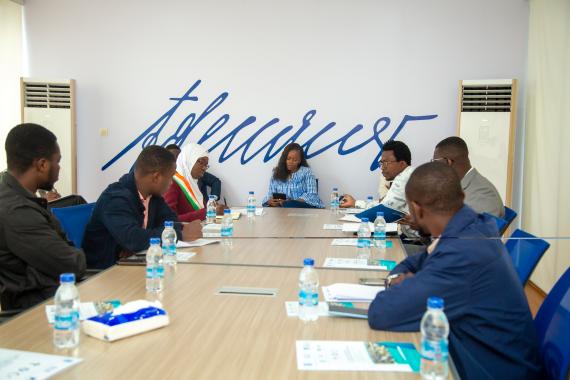
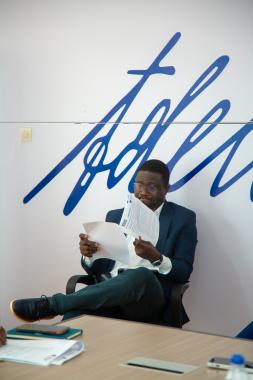
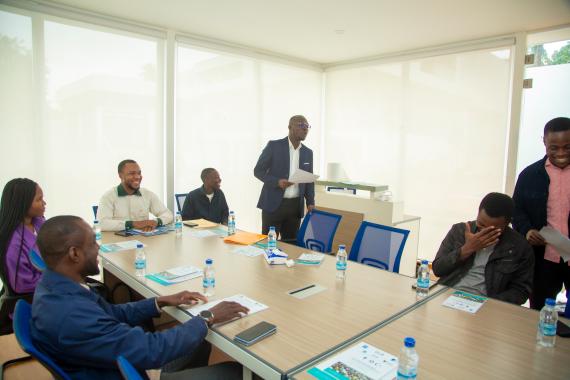
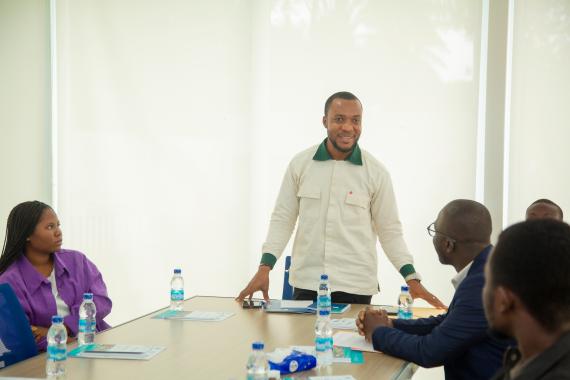
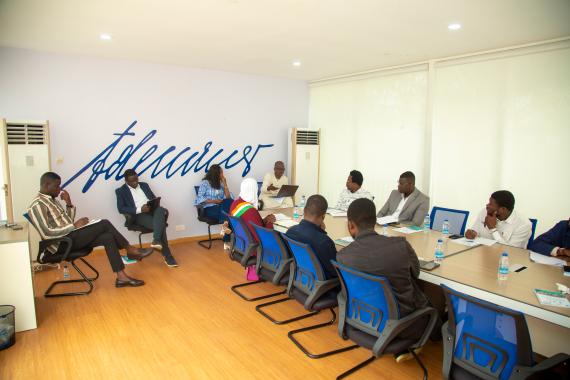
On 4 July 2026, members of the Alumni Network of the Konrad Adenauer Stiftung’s (KAS) Regional Programme Political Dialogue West Africa (PDWA) met at the KAS office in Abidjan for a workshop under the theme: “Youth and Political Inclusion: Analysis and Action Proposals for Youth Organizations to Enhance Youth Political Participation in Côte d’Ivoire.” The event also brought together leaders of youth organizations to discuss challenges related to youth political participation and representation in decision-making bodies.
In a context where young people constitute the majority of Côte d’Ivoire’s population but remain underrepresented in political institutions, the workshop aimed to analyze the barriers to their participation and identify practical measures to foster more sustainable inclusion in decision-making bodies. Discussions were structured around three main themes. The first focused on mapping youth engagement in urban and rural areas and was led by Dr. Nadège Assahon, Director of the "Centre d’études sur le féminisme et le développement du potentiel humain" (AHOU). The second explored the legal, institutional and political framework of youth participation and was moderated by Magloire N’Dehi, Head of the Governance Unit at the United Nations Development Programme (UNDP). Finally, electoral expert Émile Codjo presented regional and international experiences and good practices that could serve as inspiration for the Ivorian context.
Theme 1: Mapping Youth Engagement: Analyzing the realities, forms and structural barriers of youth engagement in urban and rural areas.
According to Dr. Anne Nadège Assahon, Director of the Centre AHOU, a recent study shows that Ivorian youth are neither disengaged nor passive in political matters. Although many young people describe themselves as “apolitical” towards traditional political parties, they actively participate through various forms of civic, electoral, digital and political engagement. The study further highlights that these patterns are similar in both rural and urban settings, challenging the notion of a geographical divide in youth engagement.
Theme 2: Analysis of the Legal, Institutional and Political Framework: Strengths, weaknesses and opportunities of existing mechanisms for youth political participation.
Magloire N’Dehi, Head of the Governance Unit at UNDP, emphasized that young people already participate, albeit to a limited extent, in existing decision-making processes. However, he argued that the key issue is not the number of young people represented, but the quality of their leadership. In his view, the central challenge lies in the ability of young leaders to identify and champion the major issues facing their generation. He structured these priorities around two main pillars: the defense of economic, political and civil liberties, and the reclaiming and restoration of history and cultural heritage as drivers of collective prosperity.
Theme 3: Learning from Other Contexts: Which regional and international best practices can be adapted to Côte d’Ivoire?
Electoral expert Émile Codjo focused on the comparative assessment of public policies promoting inclusion. He highlighted successful examples from Senegal and Rwanda, countries that have effectively implemented institutional reforms and legal mechanisms to increase the participation of young people and women in decision-making bodies. These experiences were presented as strategic references that could serve as models for Côte d’Ivoire.
Drawing on statistical data, comparative analyses and practical experiences, participants examined different forms of youth political engagement, the limitations of existing participation mechanisms and the opportunities offered by civil society initiatives. The workshop concluded with a session dedicated to formulating recommendations for youth organizations.
This initiative demonstrates the continued commitment of KAS and the PDWA Alumni Network to promoting youth leadership, civic participation and democratic governance in Côte d’Ivoire.