





In December 2024, after more than 13 years of civil war and over five decades of authoritarian rule by the Assad family, the regime of Bashar al-Assad was brought to an end. Syria has since entered a fragile and complex period of political reordering, the outcome of which remains uncertain.
The fall of Damascus came as opposition forces—primarily Hay’at Tahrir al-Sham (HTS), backed by the Turkish-supported Syrian National Army—gained control of key government institutions. President Assad fled the country shortly afterward and was granted asylum in Russia. A transitional government was subsequently formed under Ahmed al-Sharaa, a former Islamist commander now serving as interim president. This new leadership has enacted a provisional constitution to guide the country through the next five years and has initiated efforts to integrate various armed factions into a national framework.
While the lifting of major Western sanctions and growing diplomatic recognition have opened limited pathways for international engagement, Syria’s political and institutional future remains deeply contested. The country faces daunting challenges: restoring basic services, rebuilding state institutions, navigating ideological divisions, and ensuring security across a fragmented territorial landscape.
Through its work and publications, the Konrad-Adenauer-Stiftung’s (KAS) Lebanon Office, which also works on Syria under its regional mandate for issues of flight and migration, strives to offer different perspectives on these multifaceted issues. KAS aims to inform an interested readership and provide actionable policy recommendations for decision-makers and practitioners working on Syria.
Full collection of publications
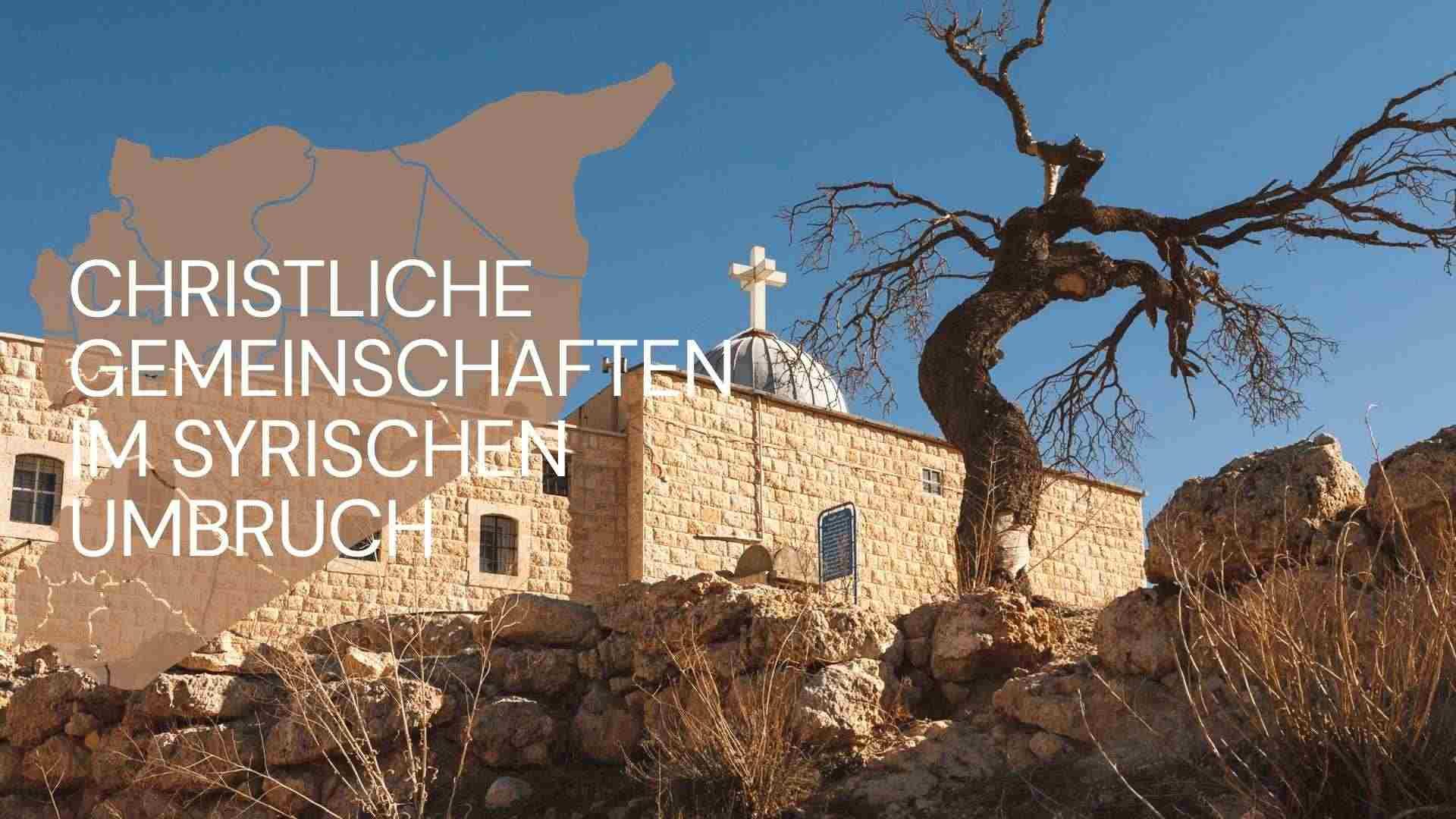
Christliche Gemeinschaften im syrischen Umbruch
Zusammenfassung
Der Fall des Assad-Regimes am 8. Dezember 2024 verblüffte alle Experten, Beobachter und sogar die meisten Akteure vor Ort. Das 54 Jahre lang aufgebaute System aus umfassender Kontrolle, brutaler Gewalt und einer ausgeklügelten Divide-et-Impera-Logik sackte in sich zusammen. Der ausschlaggebende Dominostein kippte mit der Flucht des seit dem Jahr 2000 herrschenden Baschar Al-Assad ins russische Exil.
Seitdem befindet sich das Land in einem wirtschaftlichen, gesellschaftlichen, politischen und auch militärischen Ausnahmezustand. Wir erleben eine tief traumatisierte und gespaltene Gesellschaft auf der Suche nach Stabilität, wirtschaftlicher Grundsicherung und nach einem politischen wie gesellschaftlichen Konsens, der das Land zusammenhalten könnte.
Die christlichen Gemeinschaften Syriens sind historisch tief verwurzelt, konfessionell vielfältig und heute demographisch geschwächt (mit deutlich weniger als 5 % der Gesamtbevölkerung). Emigration, islamistische Ideologien und Sicherheitsrisiken stellen ihre Zukunftsfähigkeit mehr denn je infrage.
Nach der Machtübernahme durch die Hay‘at Tahrir al-Sham (HTS) dominieren Angst und nach wie vor Skepsis – nicht nur bei den Christen im Land, sondern auch bei den anderen Minderheiten. Trotz gewisser Garantien und Annäherung zwischen Christen und den neuen Machthabern, kam es zu Übergriffen verbaler und physischer Art. Landesweit herrscht Fragilität. Doch die Gewaltausbrüche im Nordwesten (wo ein großer Teil der Minderheit der Alawiten lebt) und Süden (wo viele Drusen leben) sowie der Anschlag auf die Mar-Elias-Kirche in Damaskus deckten die besondere Vulnerabilität der Minderheiten auf.
Klicken Sie hier, um die vollständige Veröffentlichung zu lesen.
Stabilizing Health to Anchor Syria’s Reconstruction
From Crisis to Cornerstone: How Healthcare Reform Could Rebuild a Nation in Transition
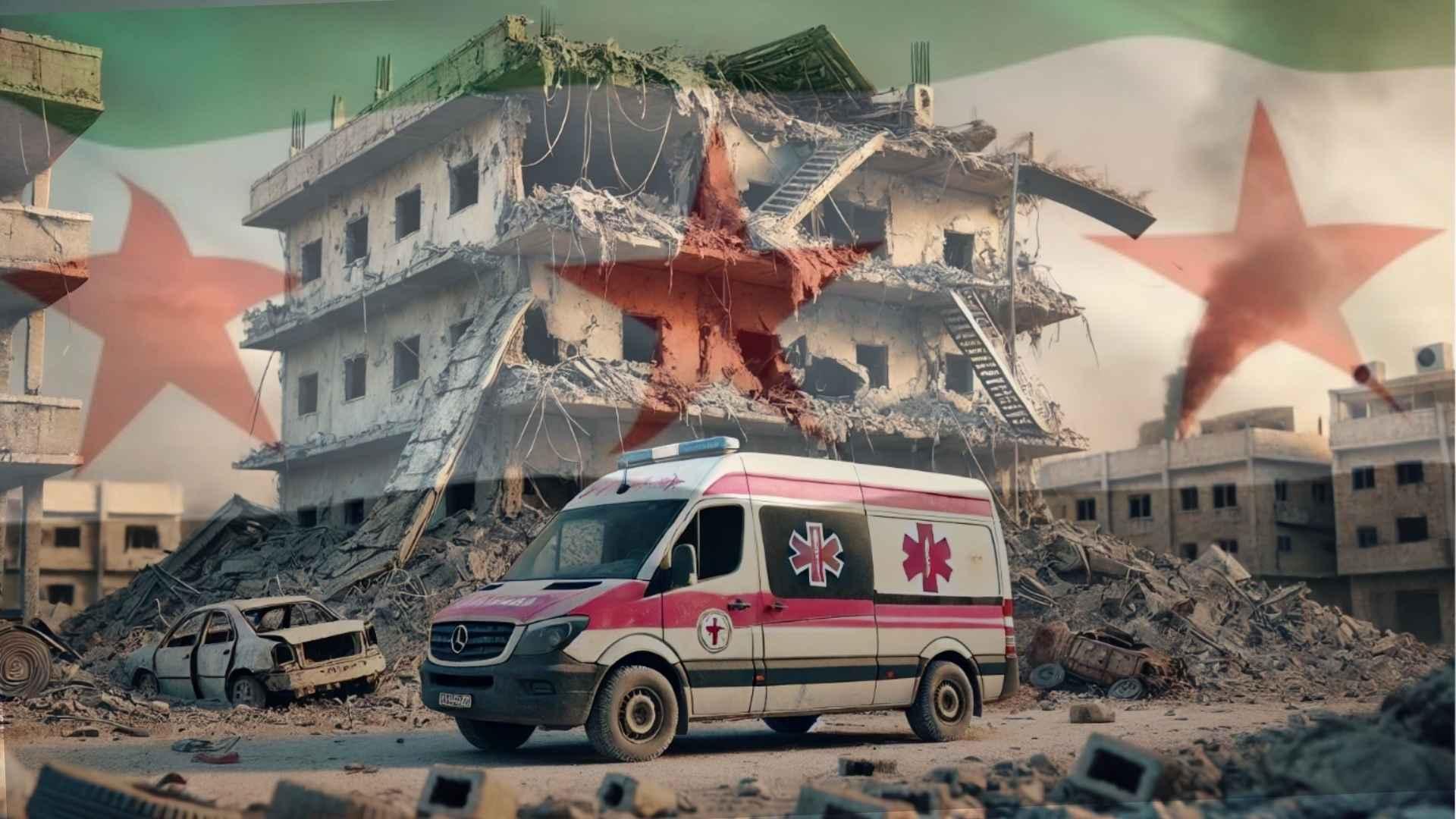
This paper examines the pivotal role of healthcare reform in Syria’s post-conflict recovery. It explores how fourteen years of war, neglect, and sanctions dismantled the health sector, and argues that rebuilding it is not only a humanitarian necessity but a political and strategic imperative. As Syria transitions under a new government in 2025, the paper outlines a phased reform roadmap rooted in equity, decentralization, and diaspora engagement—highlighting health as a cornerstone of national stability, legitimacy, and refugee reintegration.
Check out the full report here
Preliminary reading of Syria’s post-Assad economic trends

After the fall of the Assad regime, Syria entered a new era. However, the economic reality remains grim. Most Syrians live in poverty, with GDP dramatically lower than 2010 levels. After years of civil war, parts of the country lie in ruins, while sanctions and decades of mismanagement have made the situation even worse.
This paper examines Syria's emerging post-Assad economic landscape by examining both short-term challenges and mid-/long-term structural issues, and what choices will shape Syria’s future.
Check out the full report here.
Balances of Weakness: Syria’s Post-Assad Security Sector Governance
Syria is no longer under Assad’s rule, but it is far from peaceful. The capital, Damascus, is now controlled by Hay’at Tahrir al-Sham (HTS). The group is struggling to bring the rest of the country under its authority. Armed factions in the Kurdish, Druze, and southern regions continue to hold their ground. They refuse to disarm or follow HTS’s lead.
At the same time, foreign powers like Türkiye, Israel, the United States, and Russia are taking advantage of Syria’s divisions. Their involvement makes it harder for the country to rebuild and regain control over its own future.
Rather than a decisive transition, Syria is witnessing a “balance of weakness” where no actor is strong enough to consolidate power, yet all are powerful enough to resist. The paper argues that Syria needs two things to break this cycle. First, it must create a political system that includes all communities. Second, it must reduce foreign interference by restoring its national independence.
Check out the full report here.
Epochenbruch in Nahost? Zum Sturz des Assad-Regimes in Syrien
Epochenbruch in Nahost? Zum Sturz des Assad-Regimes in Syrien
Jahrzehntelang bestimmte das Assad-Regime die Geschicke Syriens – und am Ende kollabierte es innerhalb weniger Tage. „Für den Nahen Osten“, so schreibt der Spiegel, „ist das Ende der Assad-Diktatur ein epochales Ereignis“. Warum aber ist der Sturz des syrischen Autokraten potenziell so weitreichend für die gesamte Region? Und wie groß ist das Risiko, dass sich die Dinge in Syrien nicht zum Positiven wandeln, sondern das Land ins völlige Chaos abgleitet oder die eine autoritäre Herrschaft durch die nächste abgelöst wird? Das besprechen wir in dieser Folge mit dem Nahost-Experten Michael Bauer.
podigee
Syriens große Chance
Nach mehr als 50 Jahren endet die Herrschaft des Hauses Assad. Das ist ein Grund zum Feiern. Syrien steht jedoch vor großen Herausforderungen.
Der Sturz des Assad-Regimes erfolgte ebenso unvermittelt wie schnell. Die politische Neuordnung Syriens wird nach über 13 Jahren Bürgerkrieg und angesichts eines komplexen regionalen Umfelds jedoch nicht einfach. Eine heterogene Allianz teils dschihadistischer Rebellen muss den politischen Übergang gestalten und dabei die relevanten Stakeholder einbinden. Die Aufbruchsstimmung im Land ist groß, mischt sich jedoch mit Sorgen vor Racheakten und neuen Konflikten.
Klicken Sie hier, um die vollständige Veröffentlichung zu lesen.
Ambivalent Loyalty and Dissonance: Alawite Community Dynamics Amidst the Syrian War
How have historical marginalization, political manipulation, and socio-economic challenges reshaped the Alawites’ social identity, political affiliations, and perceptions? An in-depth analysis of the socio-economic and political transformations within the Alawite community in Syria.
Check out the full study here.
Territorial Fragmentation, Violence, and Local Governance in Syria’s Daraa Governorate

This study explores the factors driving violence and instability in Daraa, highlighting challenges in local governance and community resilience amidst ongoing conflict and economic hardship.
Check out the full study here.
Official and Black Market Exchange Rates in Syria, by Karam Shaar
Market Exchange Rates in Syria
An online interactive tool for tracking exchange rates in Syria
www.karamshaar.com
Navigating the Impact of Conflict on Syria’s Ethnic, Religious and Tribal Communities

How has the Syrian war impacted the country’s ethnic, religious and tribal communities and their efforts towards peace formation?
This report answers this question based on five critical case studies while highlighting constraints and opportunities towards localised solutions for peace formation in support of viable policy recommendations.
Check out the full report here.
Special Report: Refugees
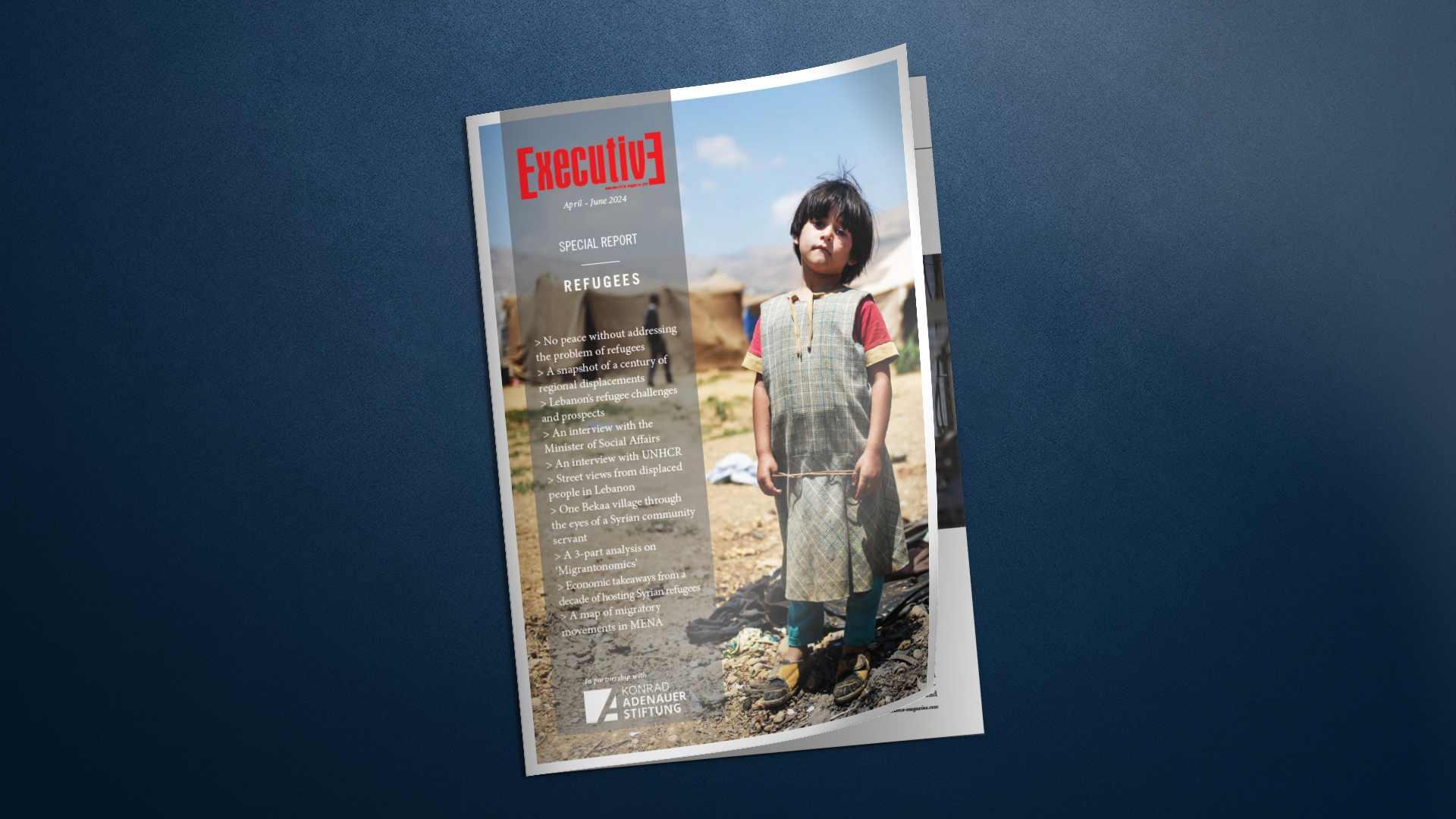
A Special Report published by Executive Magazine in collaboration with the Konrad-Adenauer-Stiftung’s Lebanon Office.
Check out the full report here.
Business Responsibility Towards the Environment and Human Rights in Syria
A study conducted by The Syrian Legal Development Programme in collaboration with Konrad-Adenauer-Stiftung, Lebanon Office.
This study dives deep into the overlooked role of businesses, dissecting their environmental footprint and shedding light on the urgent need for sustainable practices.
Check out the full study here.
Was in Syrien geschieht
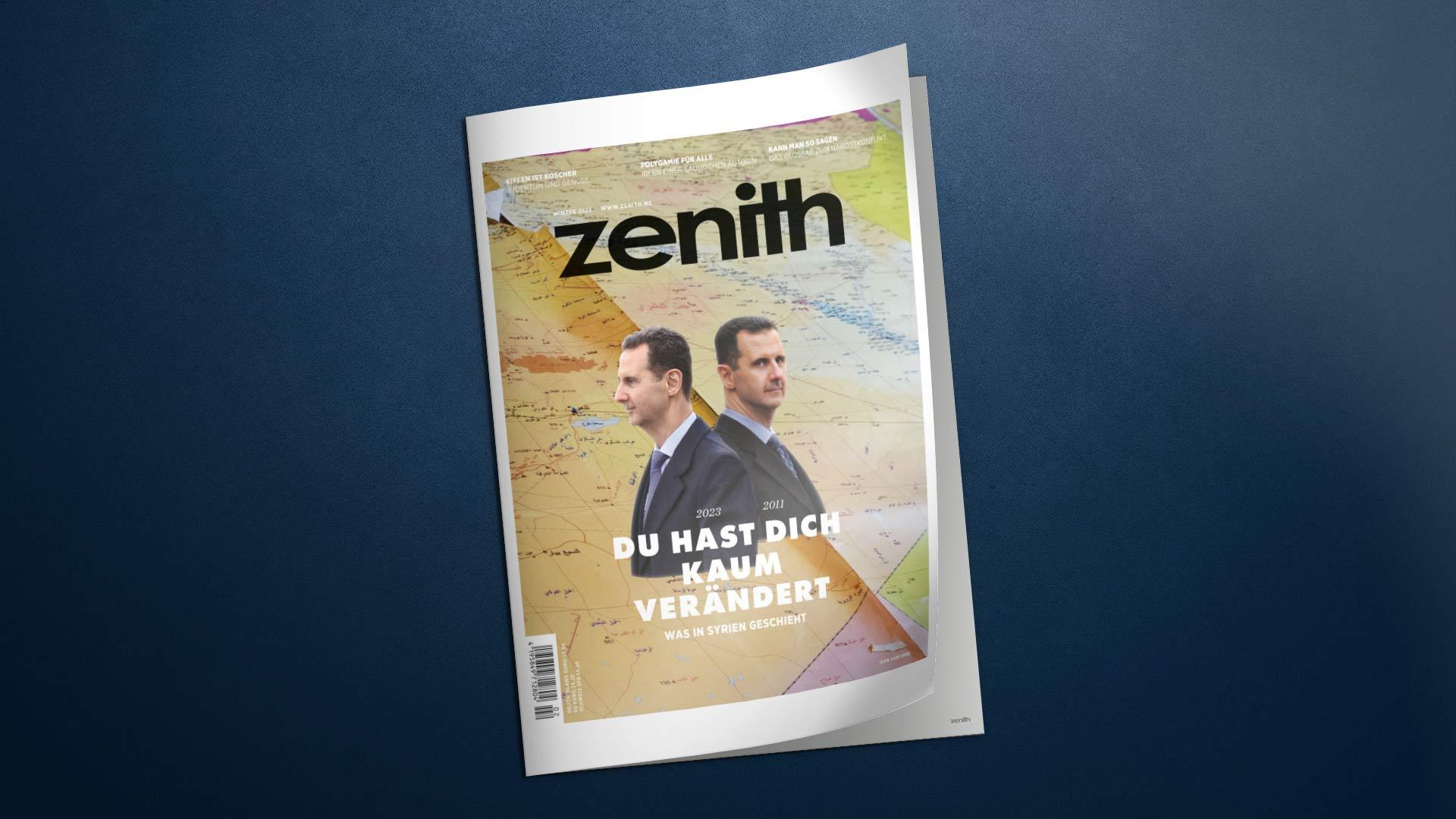
Das Syrien-Dossier der Konrad-Adenauer-Stiftung im zenith Magazin.
Gemeinsam mit dem Fachmagazin zenith beleuchtet die KAS in einem 46-seitigen Dossier in der Winter-Ausgabe 2023 die Entwicklungen rund um Syrien. Obwohl der Konflikt aus der Ferne den Anschein einer „eingefrorenen“ Situation erwecken mag und die Position von Assad stabil scheint, wird bei genauerer Betrachtung deutlich, dass das Land und seine Bewohner nach wie vor erheblichen Schwierigkeiten stehen. Dieses Dossier geht über eine oberflächliche Analyse hinaus und wirft einen tiefgehenden Blick auf die komplexen Dynamiken, die die Situation in und um Syrien maßgeblich beeinflussen.
Lesen Sie hier das vollständige Dossier.
Gulf States’ Syria Approach: Regional Pragmatism in the Face of Global Multipolarity
This paper analyzes the motivations (or lack thereof) of the Gulf monarchies to normalize relations with Syria. It focuses on underlying regional and international drivers for such a step and further sheds light on the respective Gulf monarchies and their specific positions on Syria.
Check out the full report here.
Regionale Normalisierung – Syrische Blickwinkel
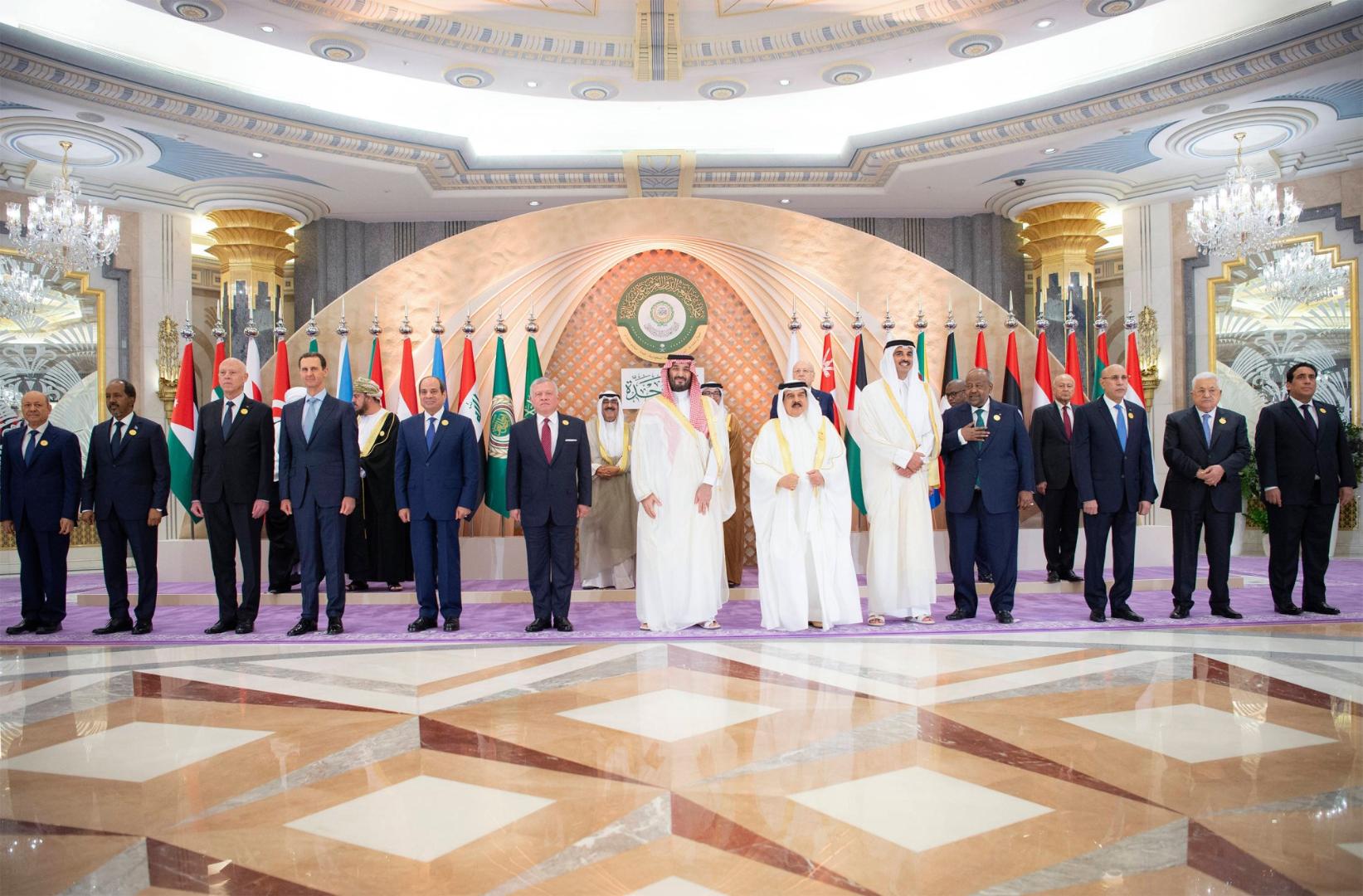
Sowohl die Arabische Liga unter saudischer Führung als auch die Türkei haben Normalisierungsprozesse mit dem syrischen Regime ausgerufen: Während die arabische Annäherung im internationalen Kontext große Aufmerksamkeit erfährt, werden aus sicherheitspolitischen Gründen in Syrien selbst die türkischen Bemühungen genauer verfolgt. Eine erste Zwischenbilanz zeigt, dass keine der beiden Initiativen bislang Fortschritte erzielen konnte, da das Assad Regime keinerlei Zugeständnisse macht. Nichtstaatliche Akteure im Norden Syriens sind dennoch besorgt. Angesichts einer sich verschärfenden Wirtschaftskrise wächst zudem die Unruhe auch in Regimegebieten.
Um auf die vollständige Publikation zuzugreifen, klicken Sie hier.
The New Syrian Diaspora: From Basic Survival Struggles to Aspirations of Success and Integration
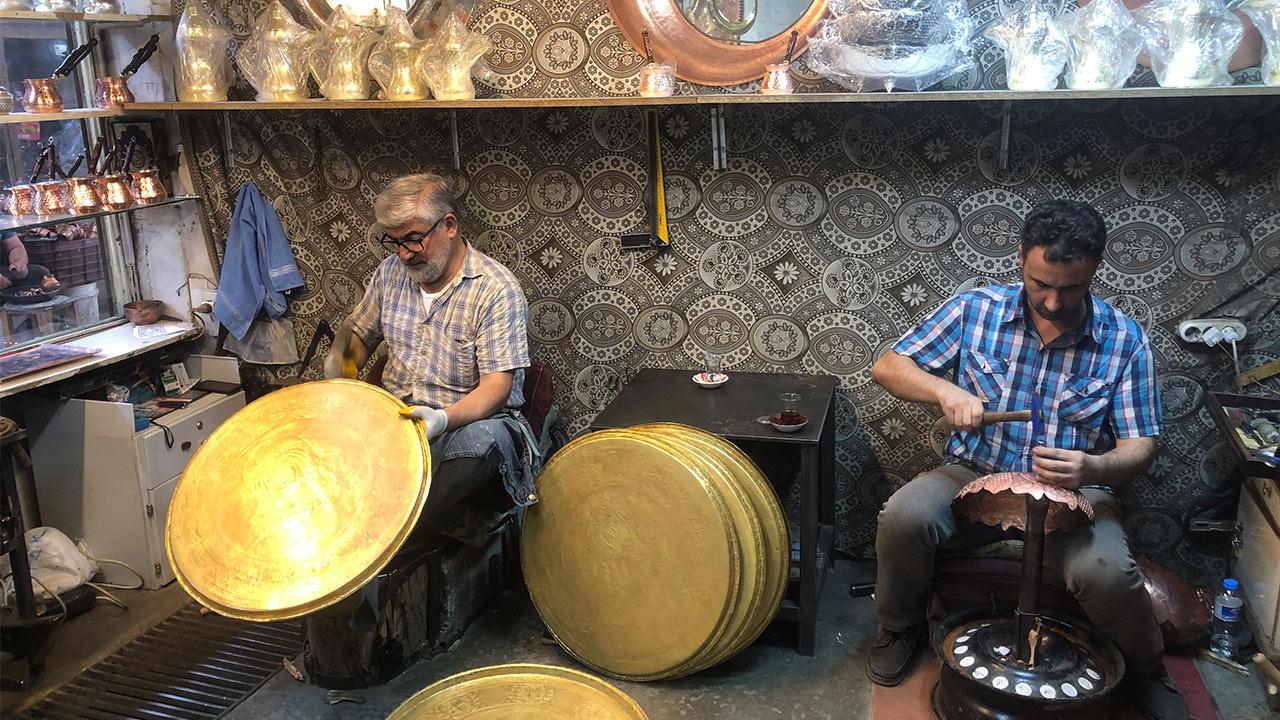
Against the backdrop of four different country-specific contexts, this report examines the asylum and integration experiences of Syrian refugees in Lebanon, Turkey, Germany and the U.S., shedding light on their challenges as well as societal and economic contributions.
Check out the full report here.
Shattered ground and shattered politics
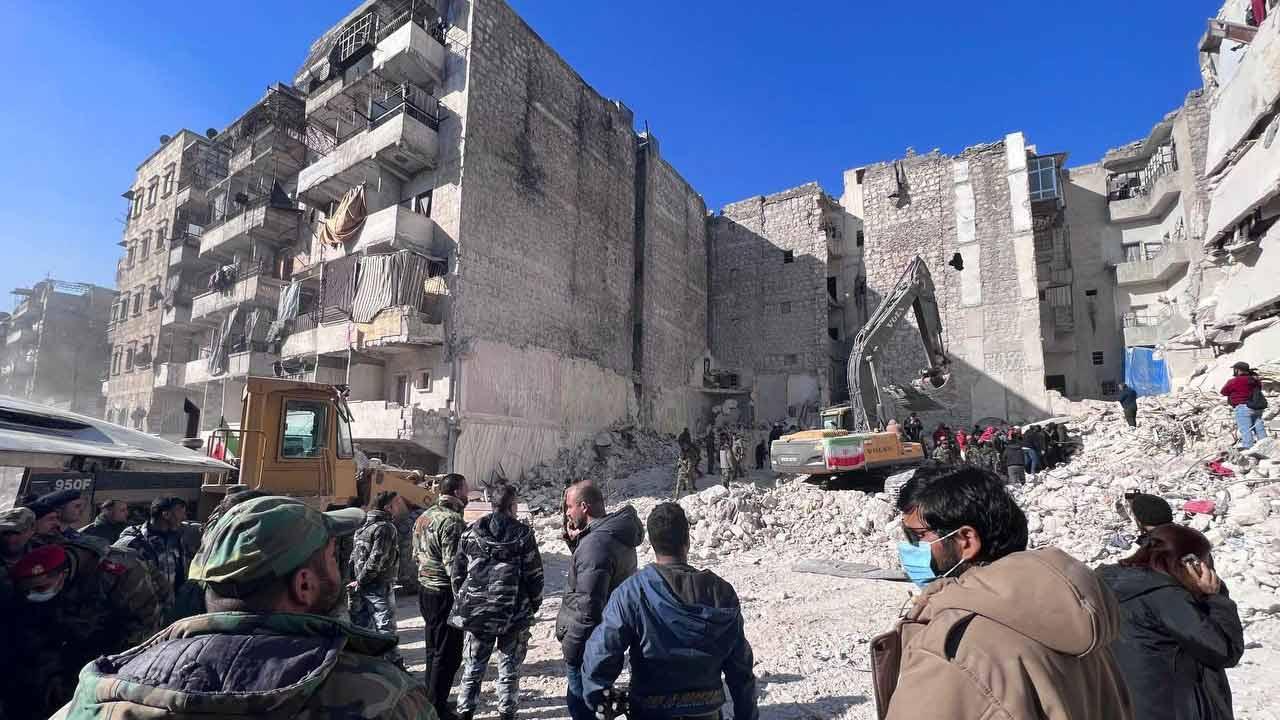
A devastating earthquake struck Syria on February 6th. While thousands have lost their lives, political opportunism reigned supreme.
The developments that took place in Syria since the earthquake serve as a sad example how political motives frequently prevail over humanitarian ones. Especially the Assad regime has used the disaster to make political gains and strengthen its diplomatic channels.
Check out the full report here.
Syrian-Turkish Rapprochement
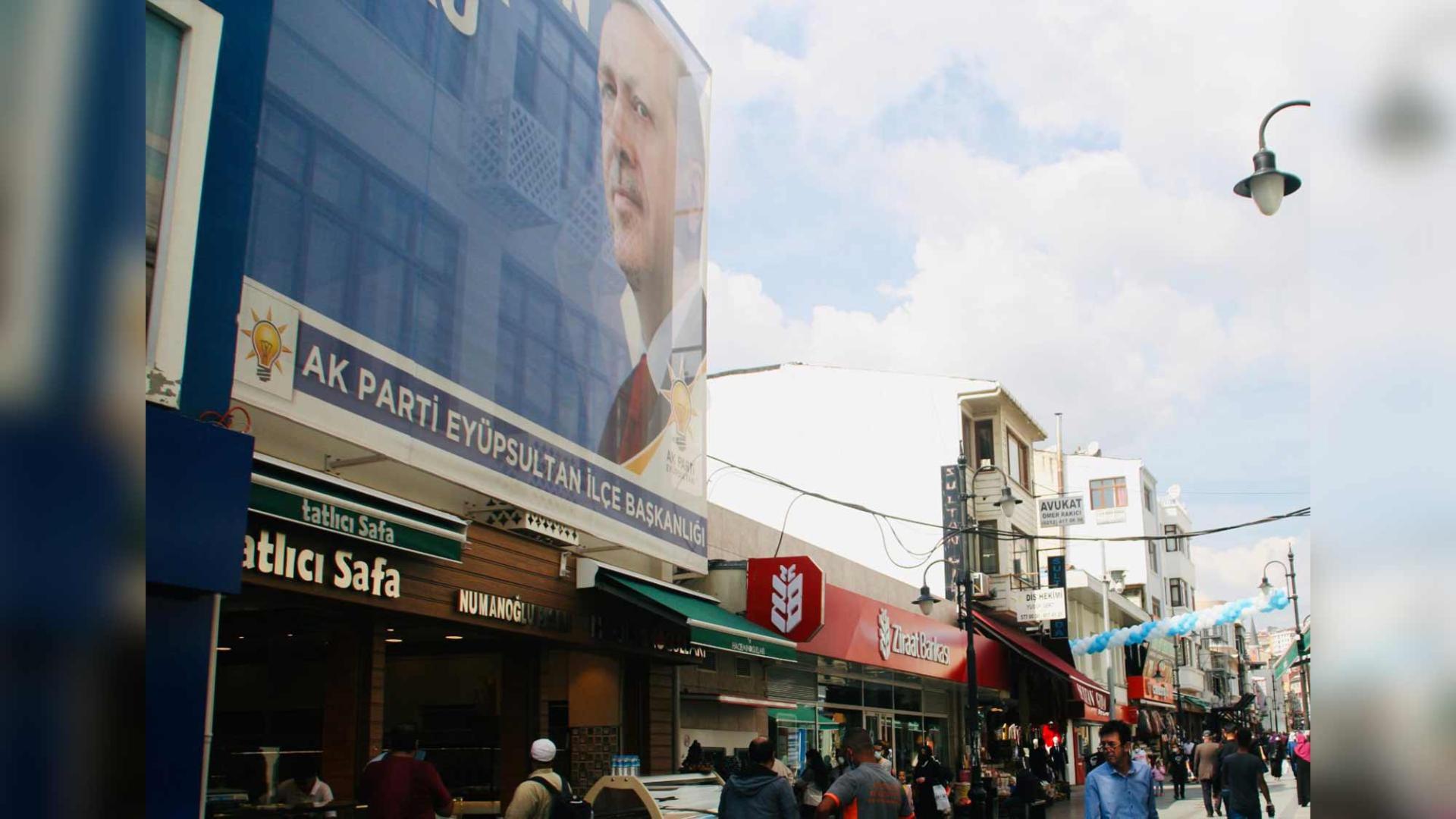
In light of recent steps towards rapprochement between Turkey and Syria after more than a decade of animosity, this study explores the consequences and questions related to the normalization of ties between the two countries. What repercussions might a rapprochement have for Syrian citizens, refugees and internally displaced as well as concerned non-state actors and foreign players? And how will it impact the overall humanitarian, economic and political situation in Syria?
Check out the full study here.