








Details



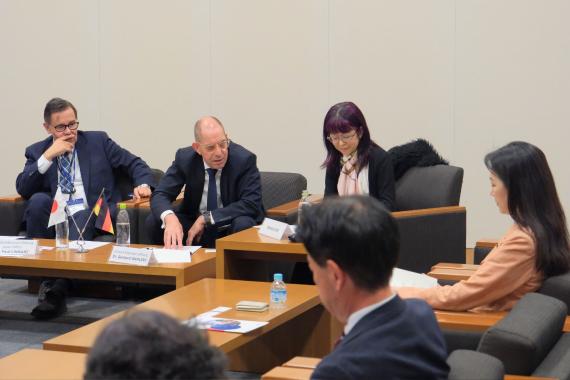
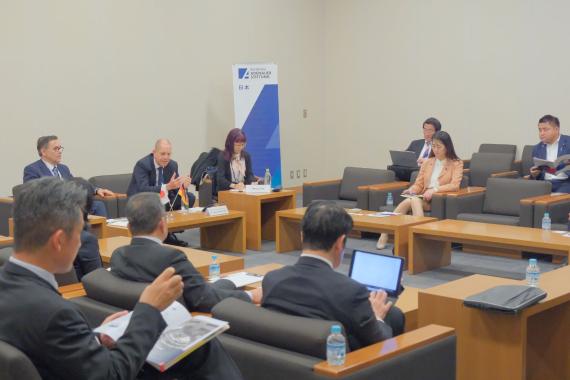

Despite all geographical distance and historical, sociocultural, and political differences, Japan and Germany are connected not only by an exceptionally close and trusting bilateral partnership, but also by the fact that both countries face similar geopolitical and geoeconomic challenges. The growing influence of China and the relationship with the United States are the key foreign, security, trade, and economic policy parameters for both Japan and Germany in addressing these challenges. Guided by this assessment and with the aim of fostering dialogue, mutual learning, and the joint development of solutions the Konrad Adenauer Foundation opened its current office in Tokyo in 2011. Today, this dialogue is more important than ever.
With their aging societies, industries shaped for decades by innovation, research, and technology, their strong dependence on exports, and the growing demands on both countries’ economic resilience and defense readiness, the exchange and discussion of issues such as trade barriers, shifting global supply chains, productivity and economic performance, attractiveness for foreign direct investment, the handling of artificial intelligence, as well as respective approaches and potential cooperation in development policy and the defense sector, are gaining increasing significance.
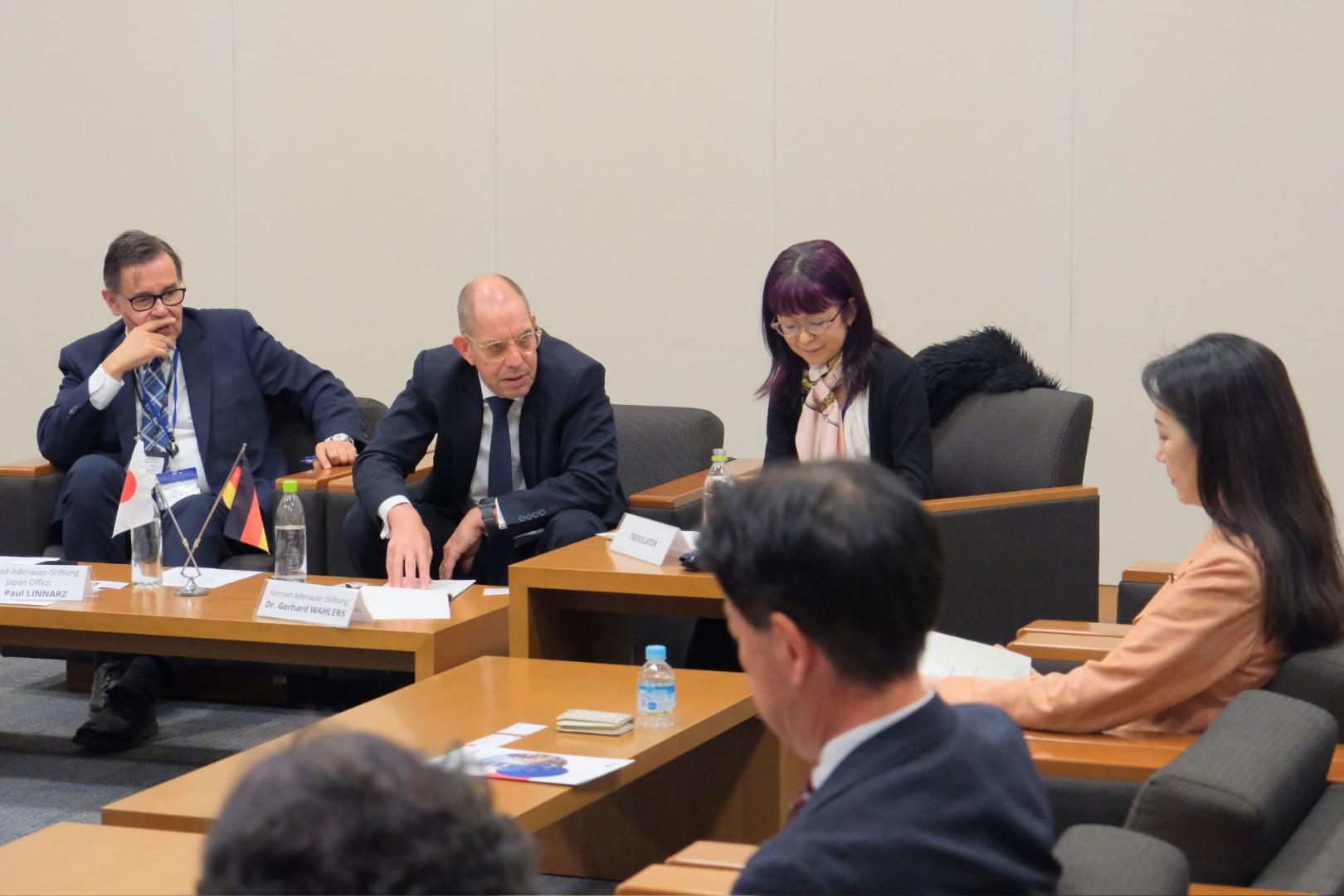
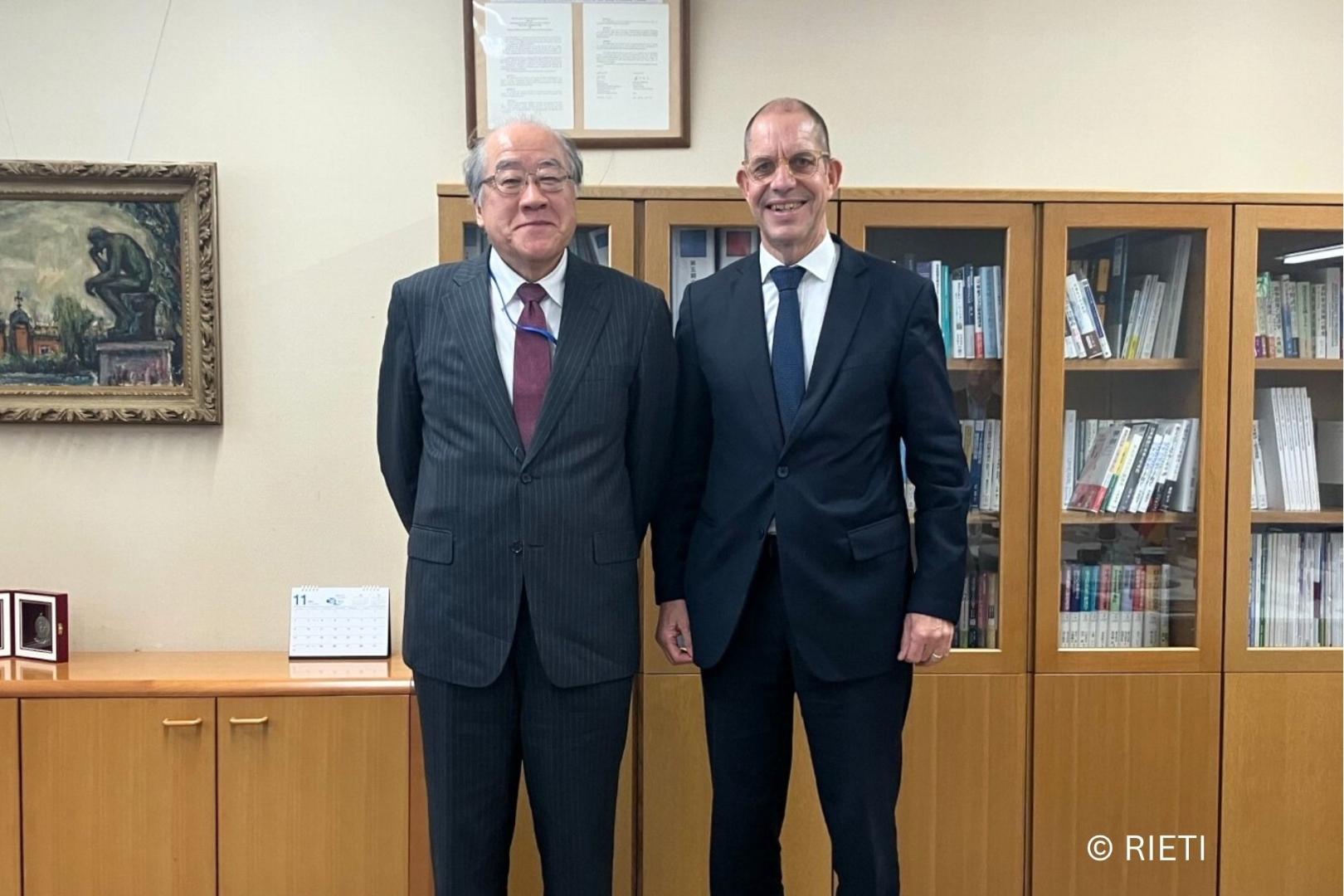
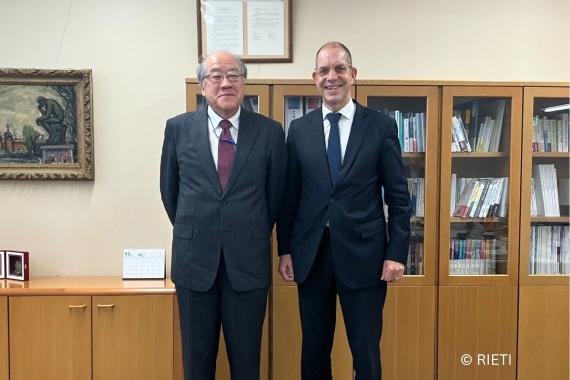
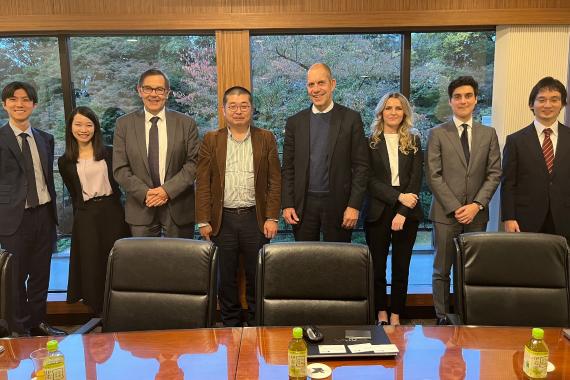
To better assess these developments, the KAS Japan office in Tokyo organized a visit just a few days after the election of Sanae Takaichi as Prime Minister for Dr. Gerhard Wahlers, Deputy Secretary General of the Foundation and Head of the Division European and International Cooperation. During the three-day stay, discussions were held with representatives of the Cabinet Office, the Ministry of Economy, Trade and Industry (METI), and the Research Institute of Economy, Trade and Industry (RIETI) on the course of the new Japanese government’s economic security policy. At the Institute of Developing Economies of the Japan External Trade Organization (JETRO-IDE) and the Institute of Geoeconomics (IOG), discussions focused on China’s growing influence, Japan’s dependence on energy imports, rare earths, and minerals, as well as the ongoing realignment of global supply chains.
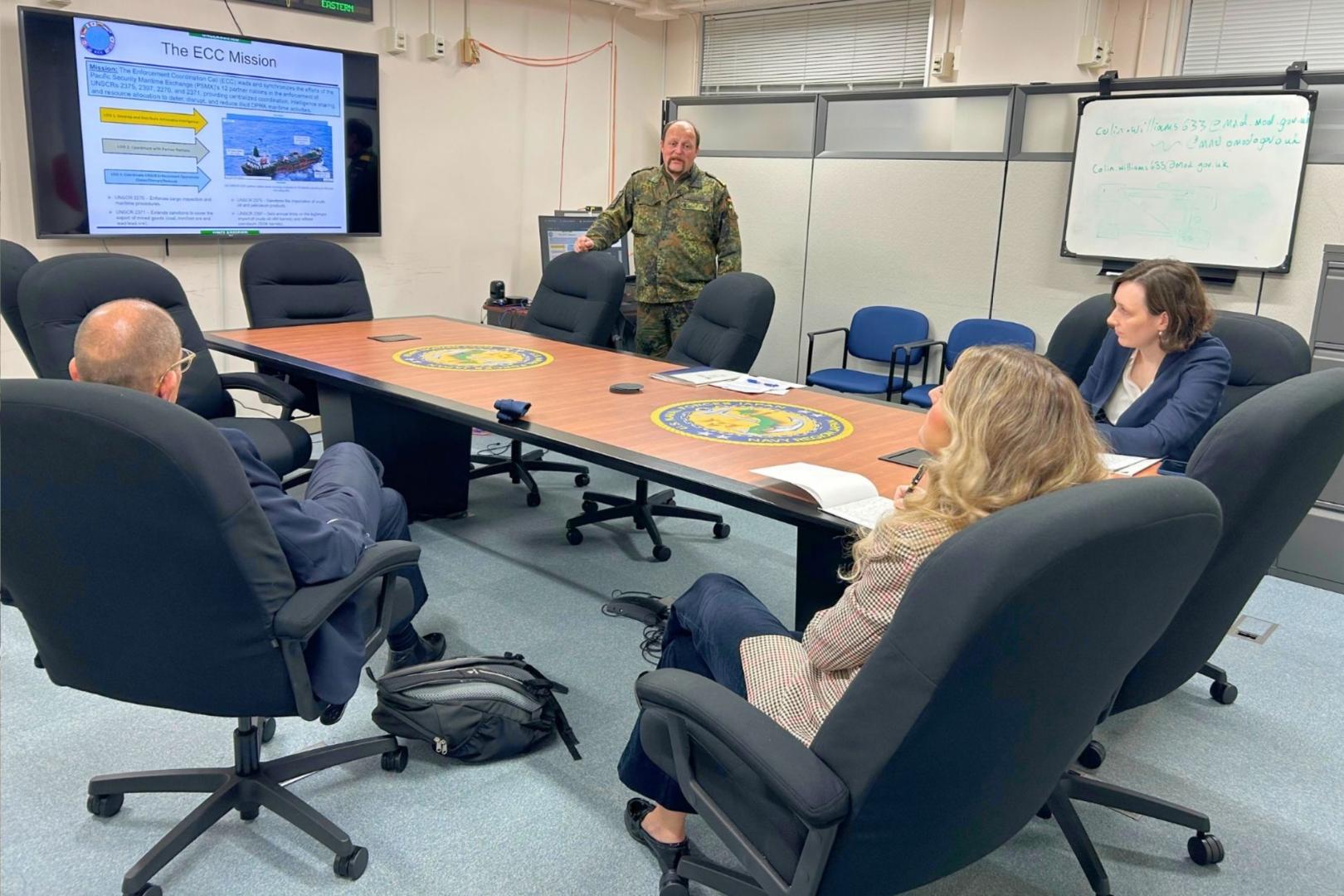
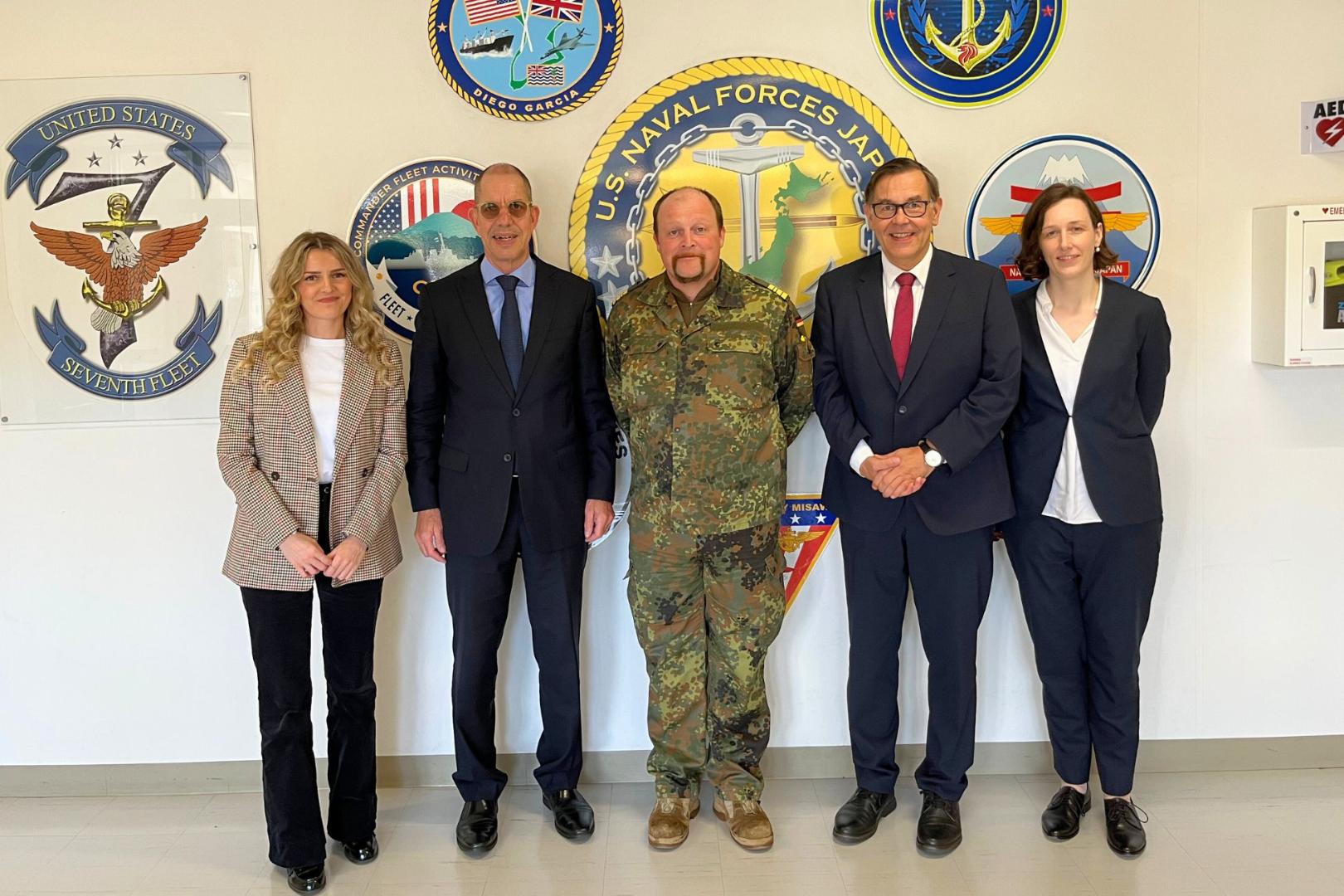
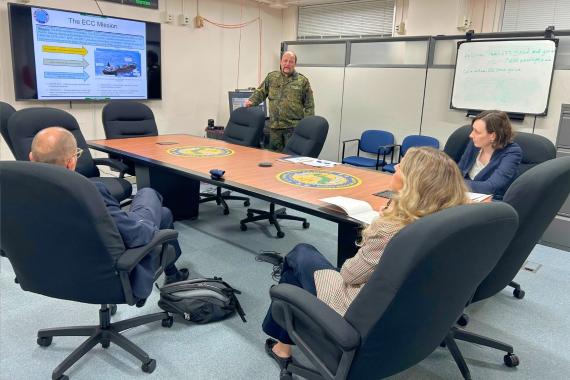
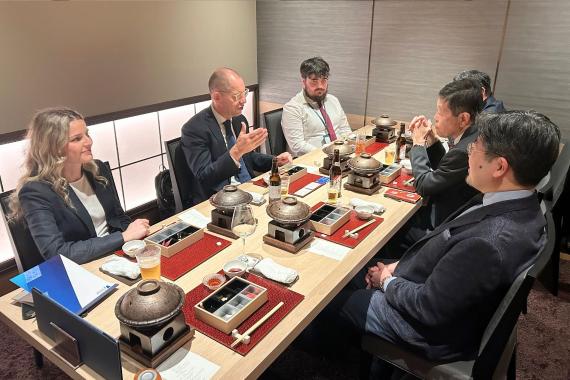
In a cross-party briefing with members of the Japanese Parliament, Dr. Gerhard Wahlers provided an update on the current security situation in Europe and recent defense policy decisions in Germany. The program also included a visit to the Yokosuka naval base to gain insights into the structure and operations of the U.S. 7th Fleet and the Enforcement Coordination Cell (ECC), which is supported by 12 partner nations, including Germany. In addition, working dinners were held with Ambassador Petra Sigmund, Ambassador Ryo Nakamura from the Japanese Ministry of Foreign Affairs, leading Japanese scholars, journalists, and several German economic experts based in Tokyo.