








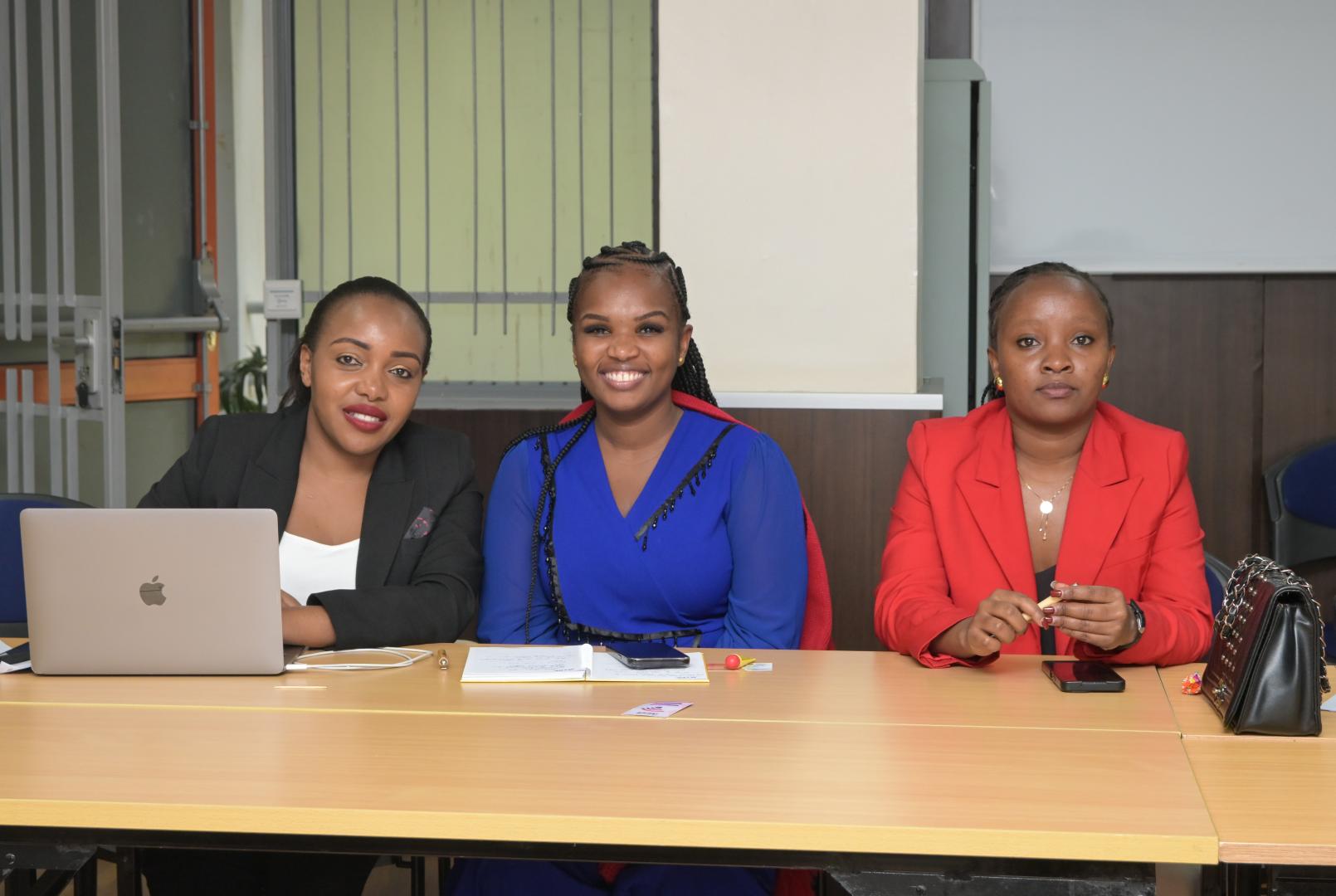
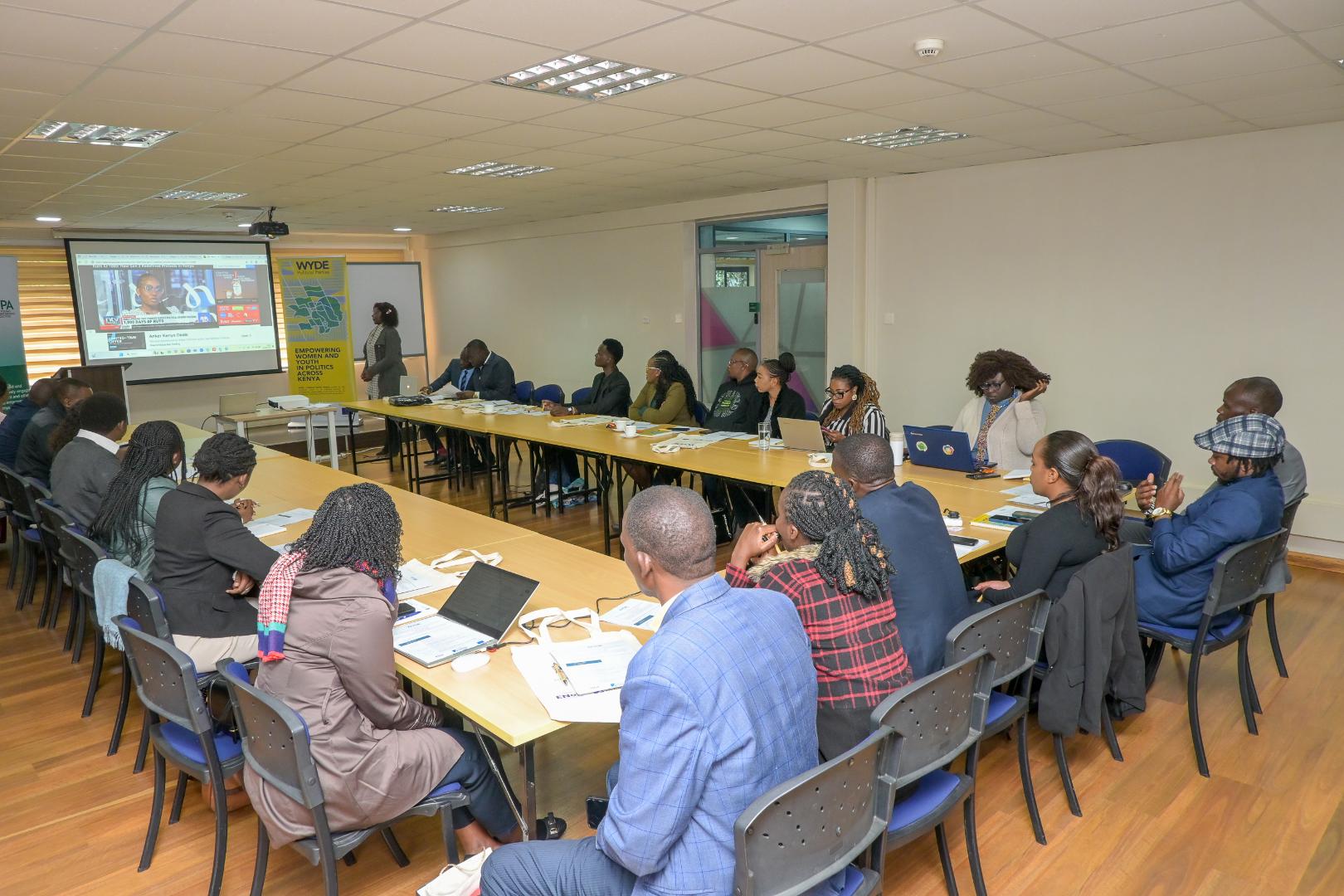
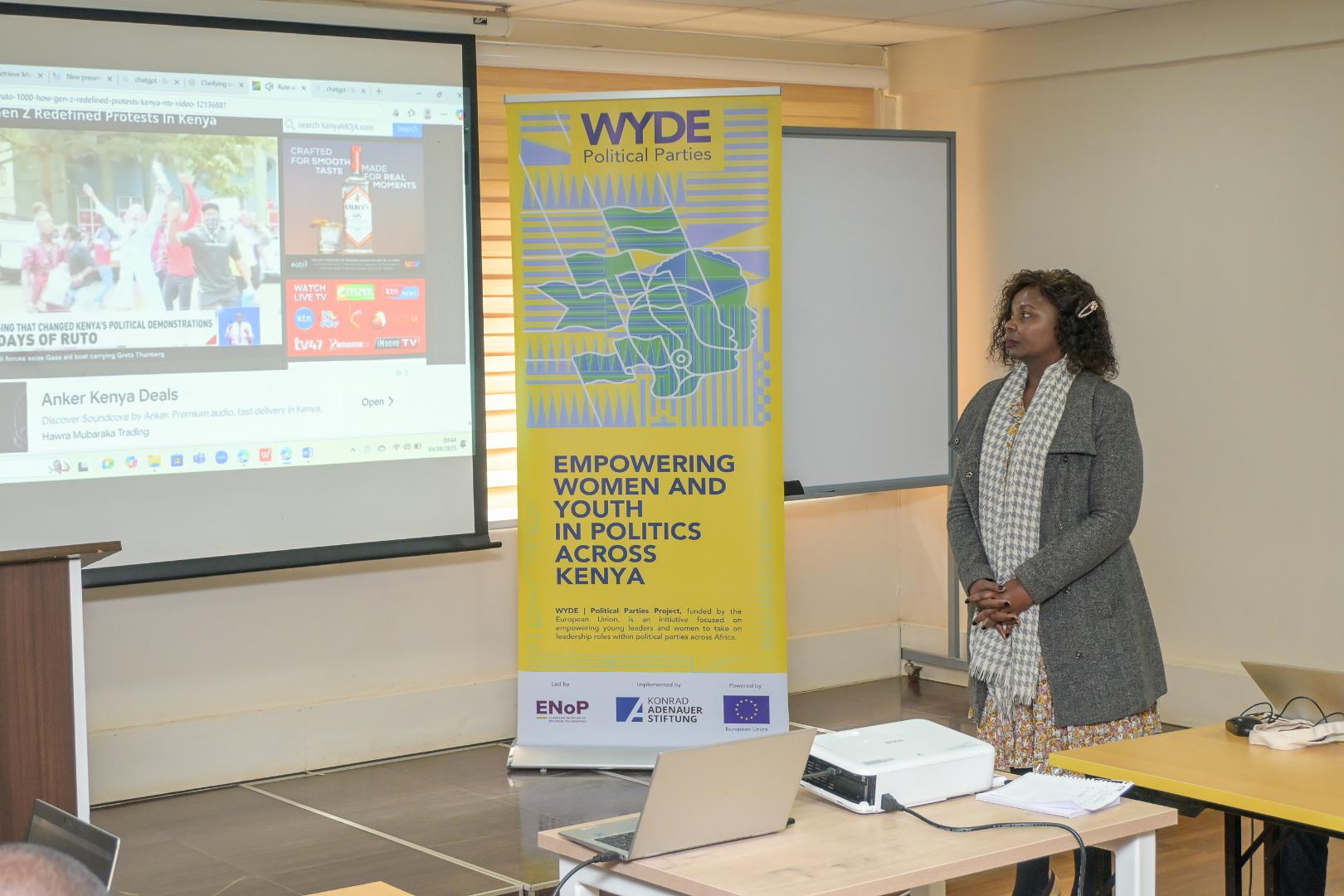
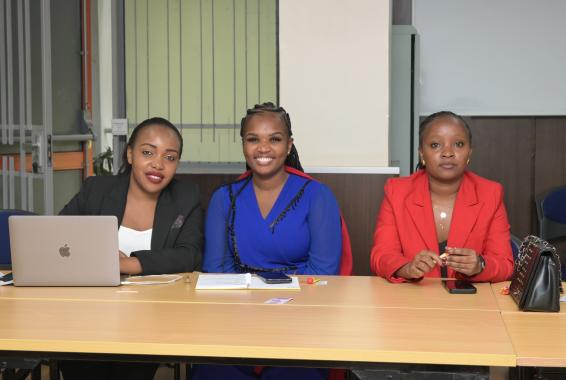
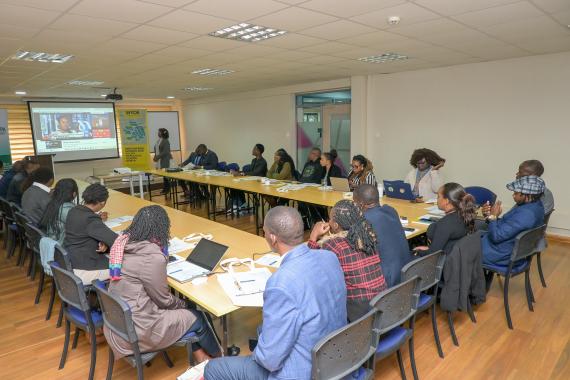
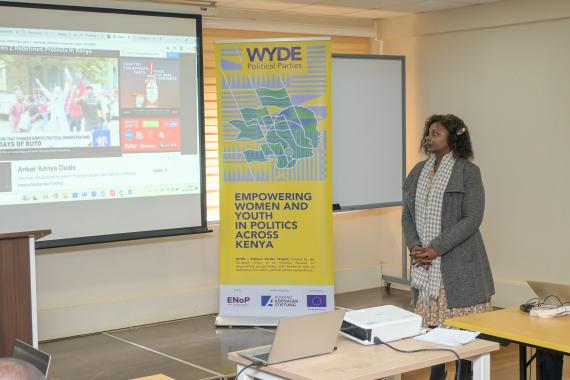
Through tailored training sessions, the workshop combined practical learning, embedded components of mentorship, and as well, peer-to-peer exchanges. These approaches were helpful in equipping the participants (who were drawn from parliament and from political institutions) with essential skills in legislative drafting, policy analysis, coalition building, and public consultation. Young women’s participation stood out, demonstrating a strong commitment to gender inclusion. Unlike traditional approaches, mentorship was seamlessly integrated into sessions, allowing young legislators to learn directly from experienced parliamentary figures on critical topics such as navigating standing orders, drafting motions, and balancing constituency expectations with legislative duties. Simulation exercises, including the introduction of a motion in Parliament, provided hands-on experience, reinforcing both confidence and procedural knowledge.
The workshop’s impact extended beyond the two-day engagement. Participants formed informal cross-party caucuses to foster continued collaboration, and many committed to applying new skills in ongoing oversight work as well as in upcoming parliamentary sessions and constituency outreach. We conducted post-training workshop assessments which revealed significant knowledge gains, with approximately 65 percent of our attendees pledging to implement lessons learned. Beyond improving technical competencies, the training workshop embedded key cross-cutting themes such as human rights, gender-sensitive policymaking, environmental sustainability, and ethical leadership. Supported by the European Union, this workshop not only enhanced legislative capacity but also strengthened democratic values of patriotism, transparency and accountability, as well as inclusivity among Kenya’s next generation of leaders.
