





 ZHDZ
ZHDZ
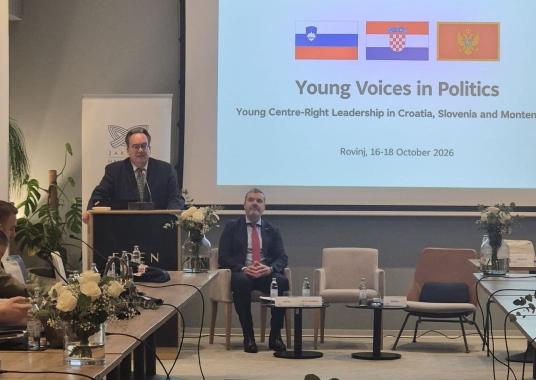
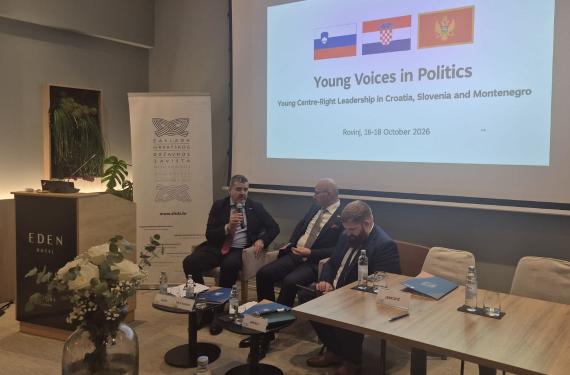
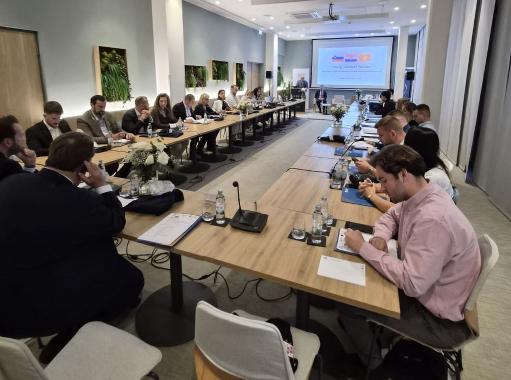
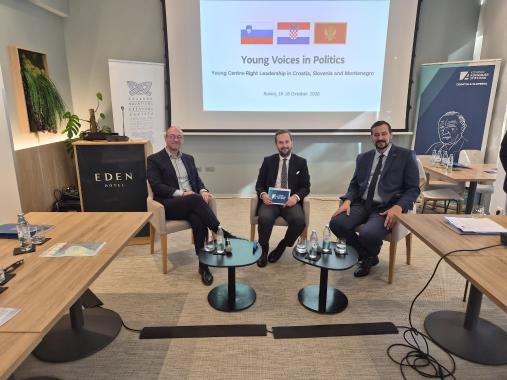
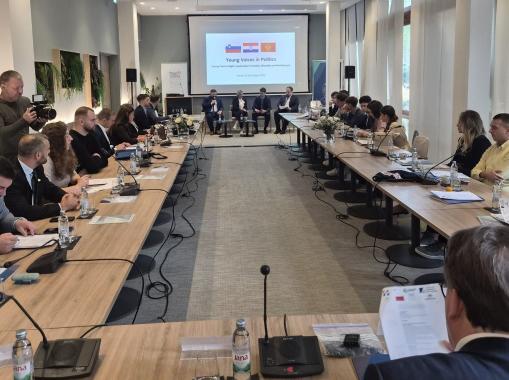
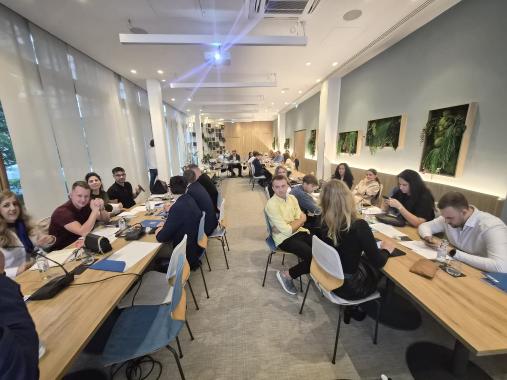
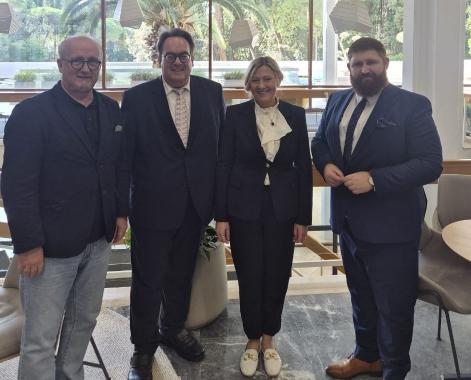
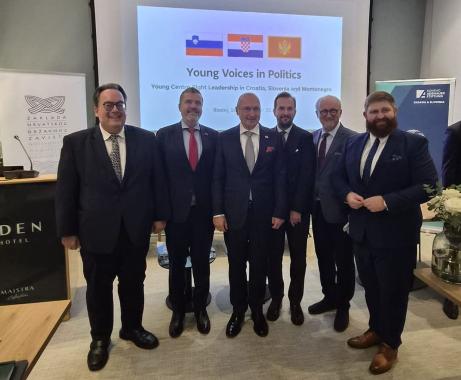
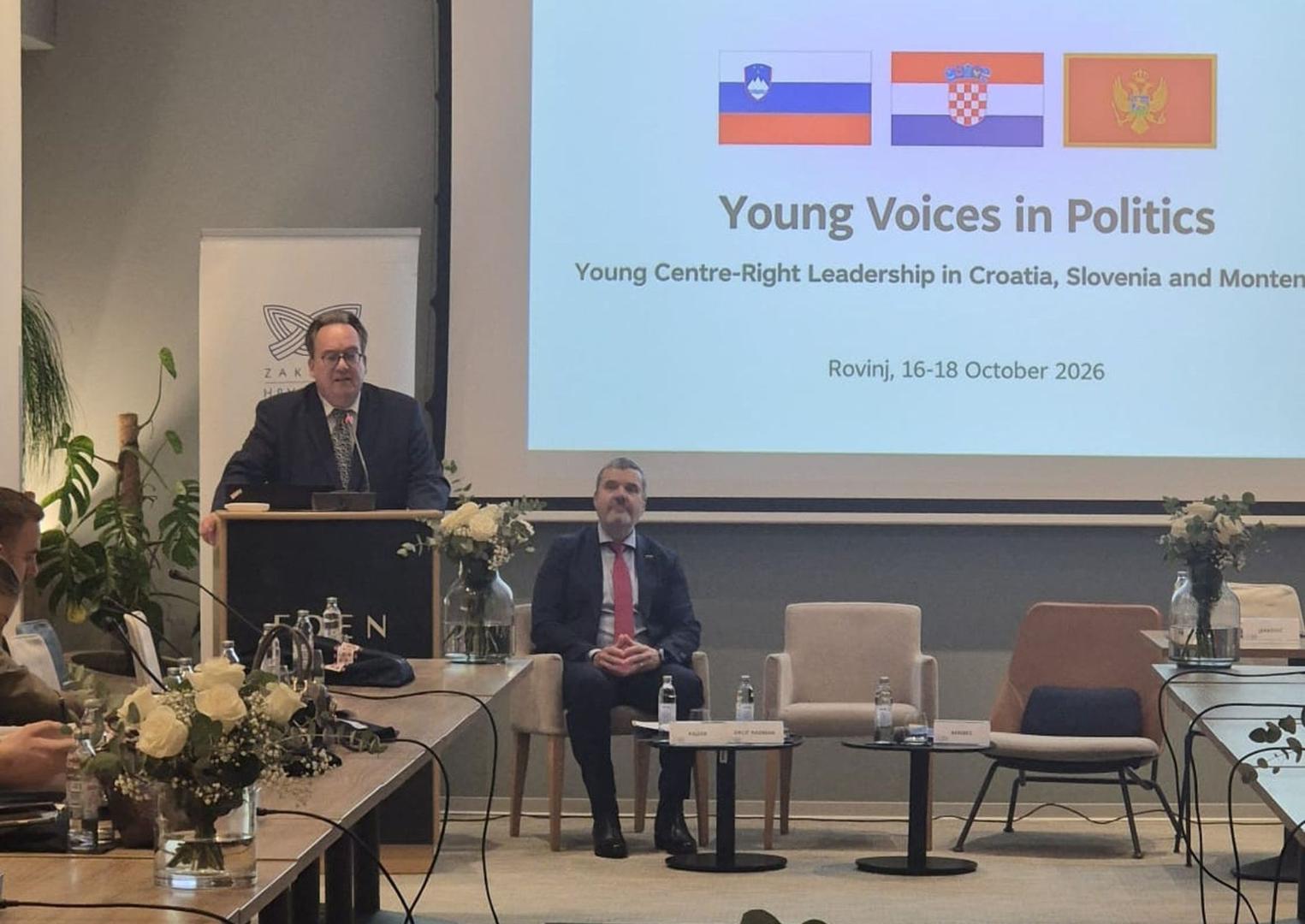
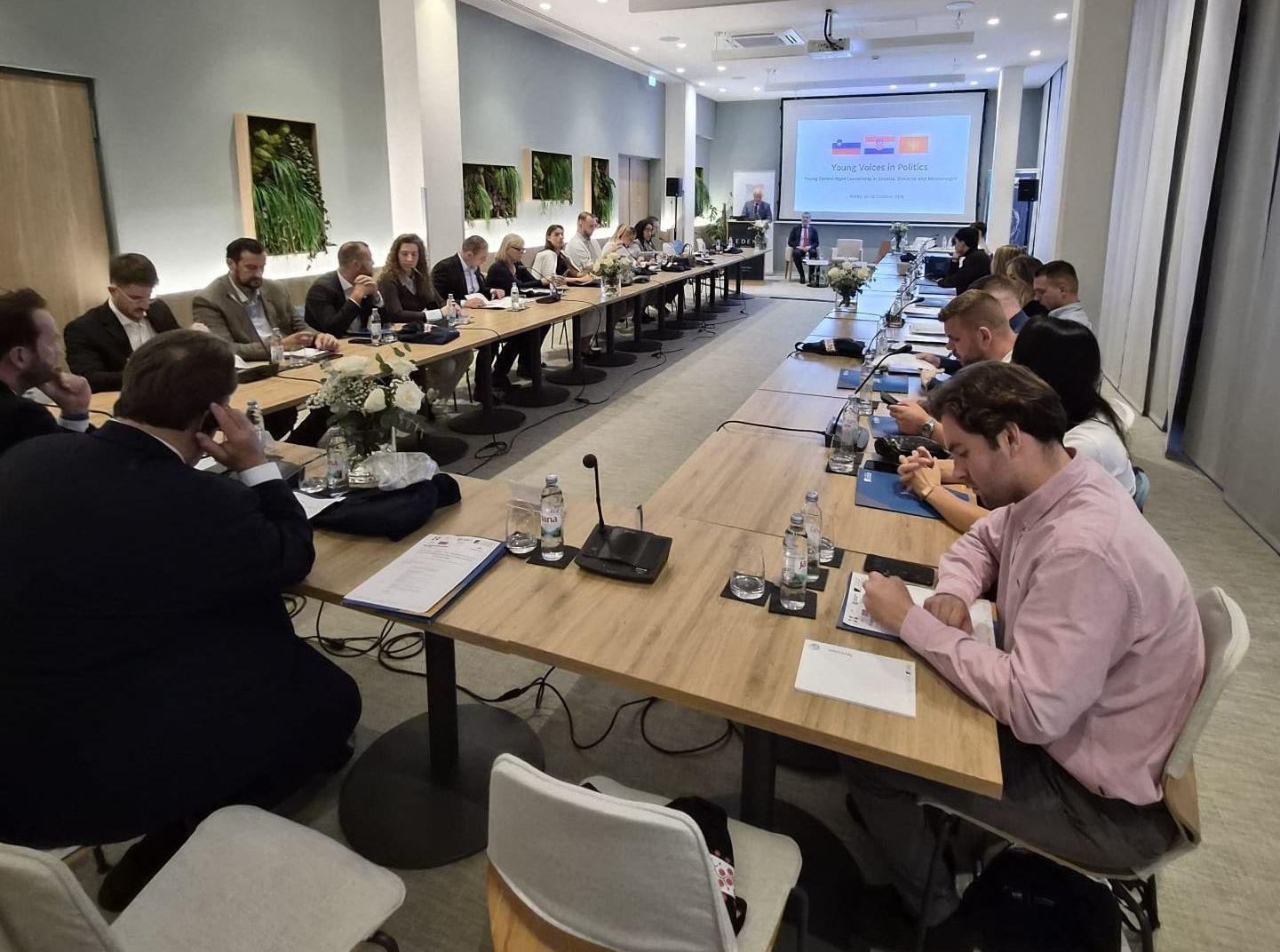
The first session, entitled “Three Countries – One Political Space”, was moderated by Tea Jerković, First Vice-President of the Youth of the European People’s Party (YEPP). Participants presented their respective political youth organisations, discussed the challenges facing their countries and explored opportunities for trilateral cooperation.
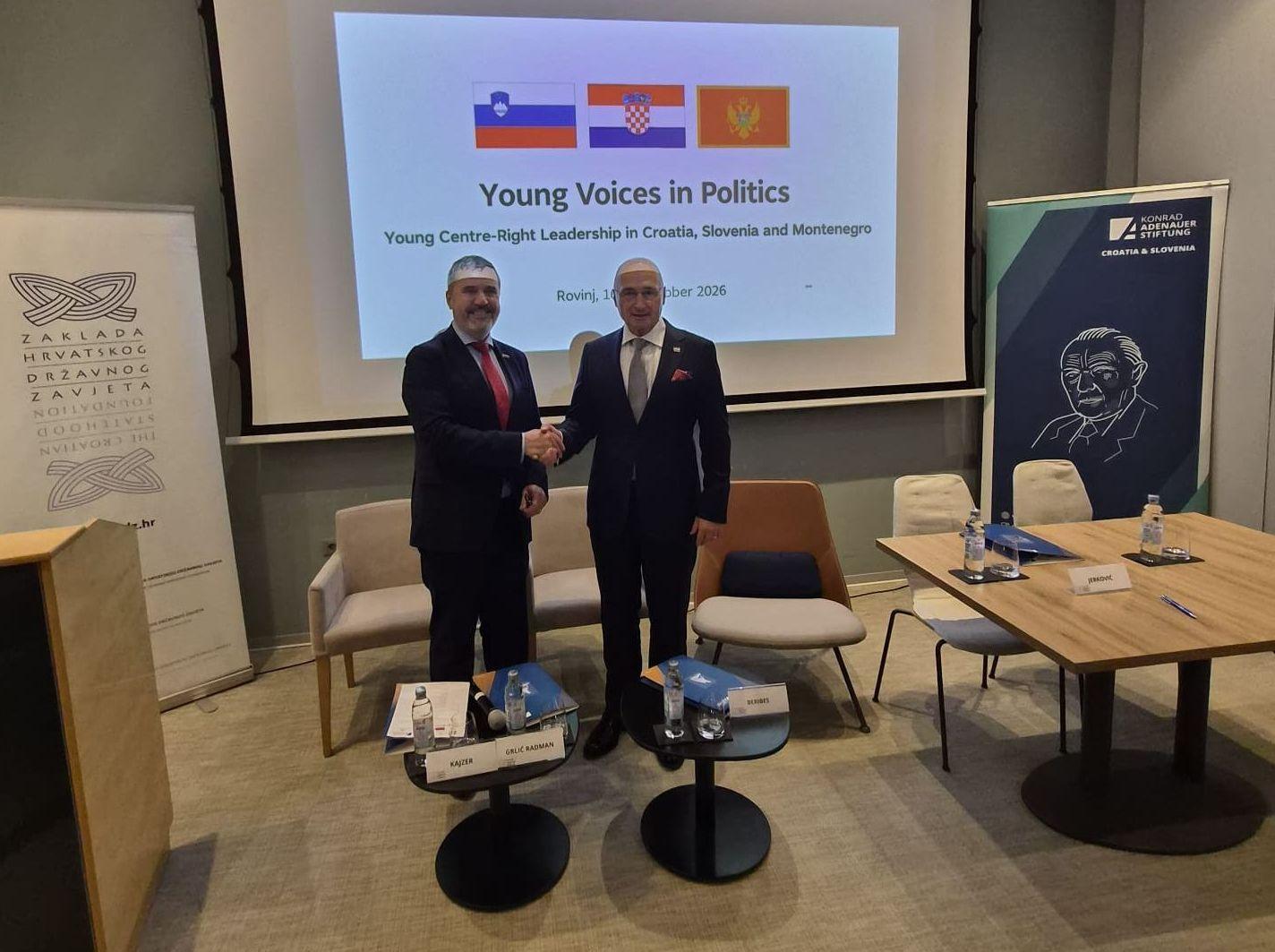
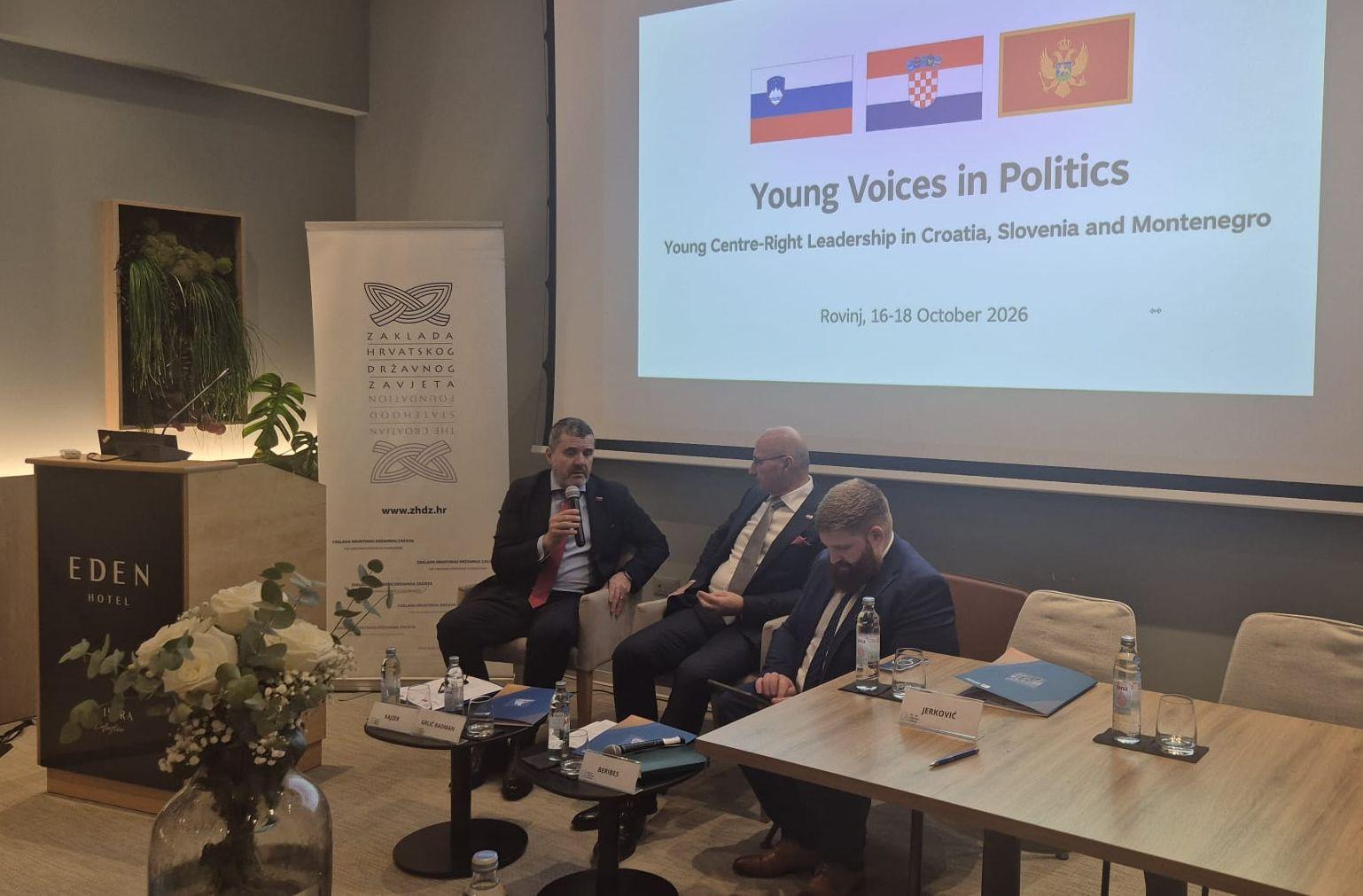
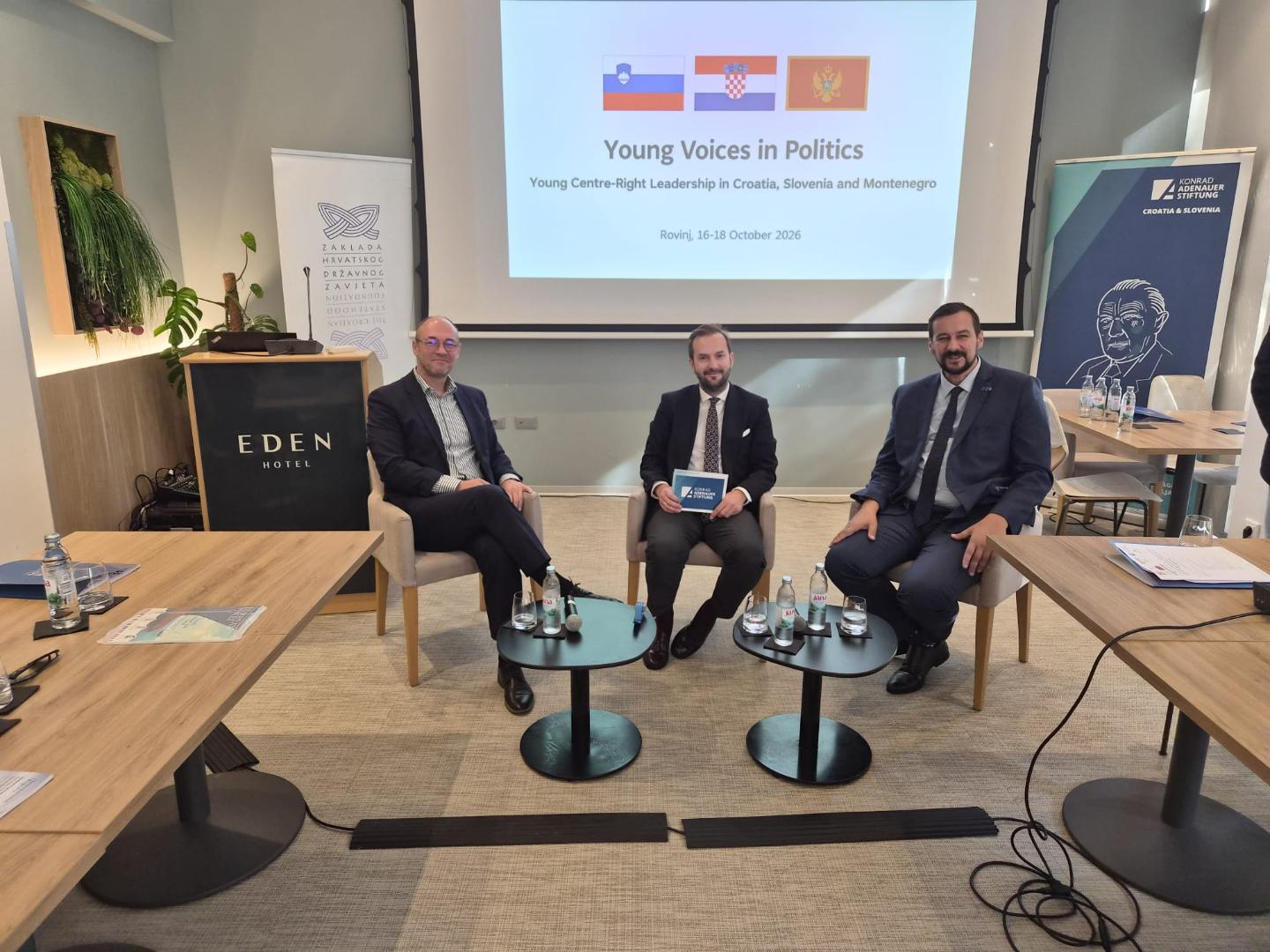
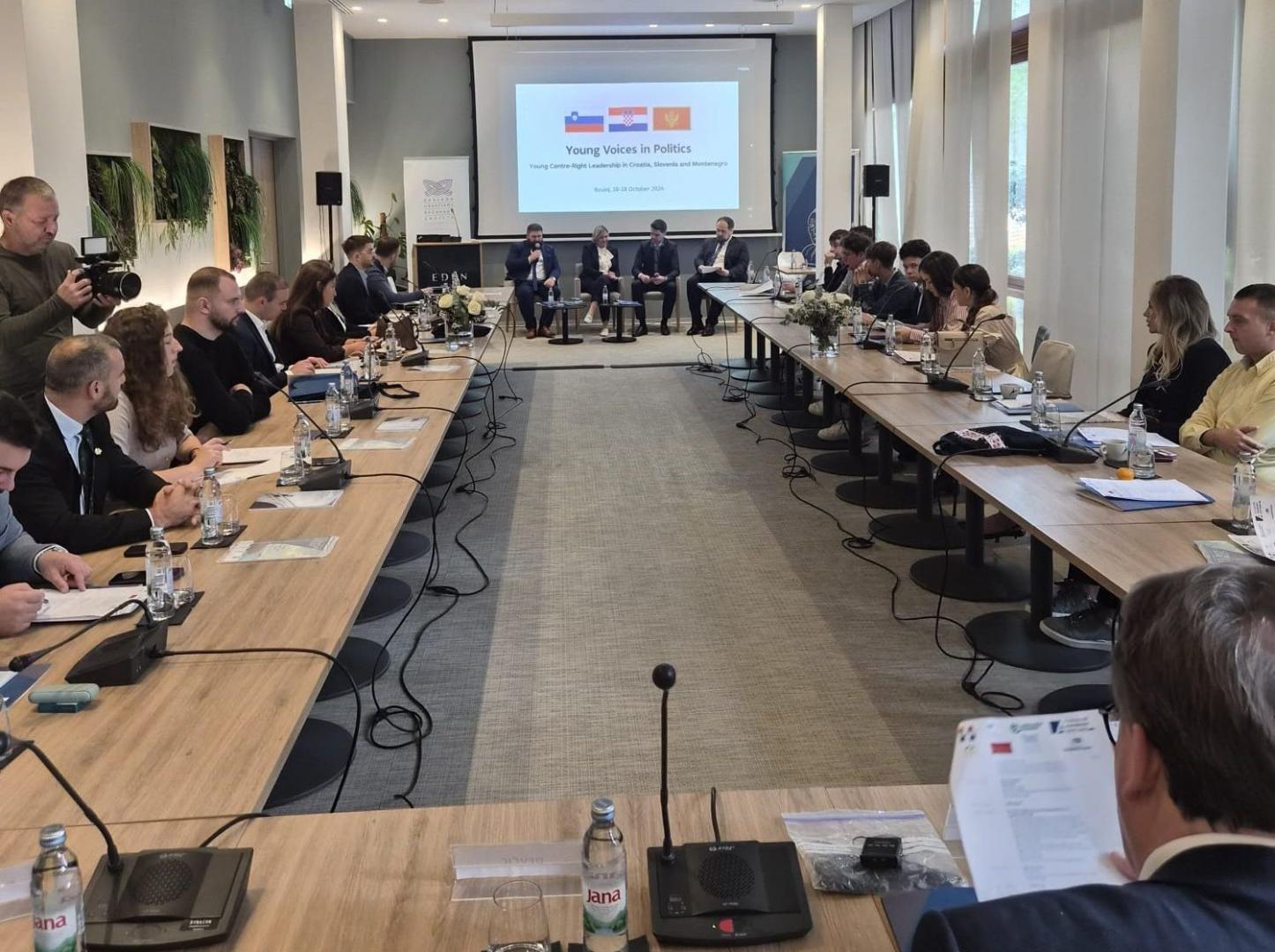
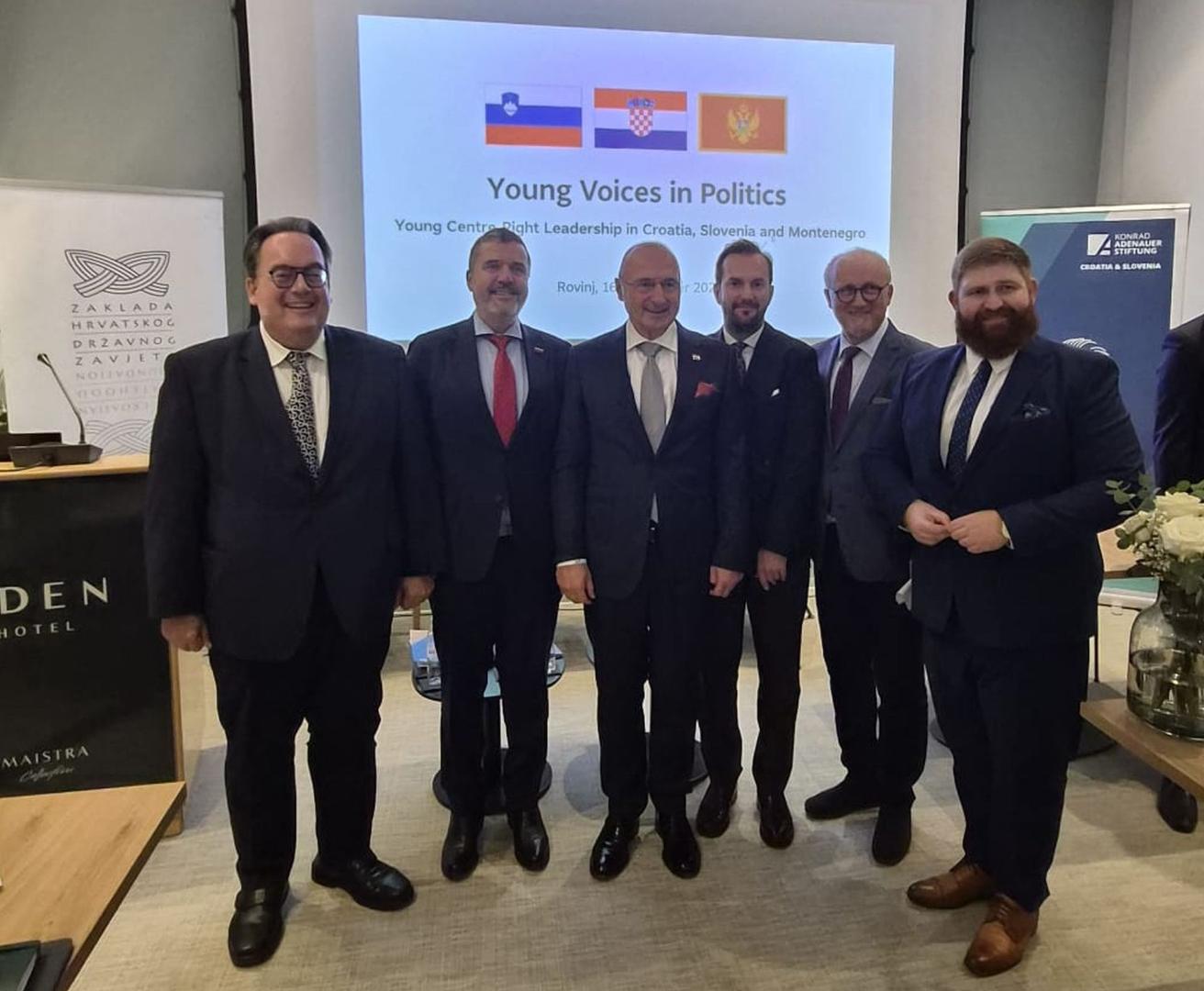
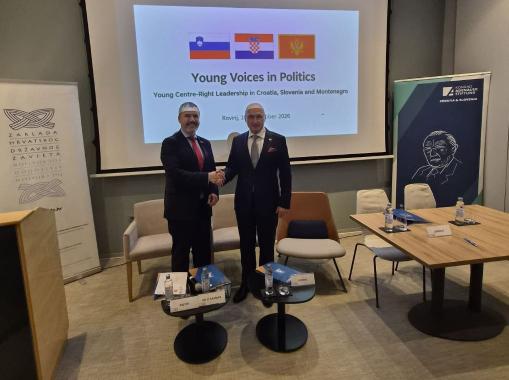
One of the key sessions was the discussion “From Disagreement to Cooperation: Croatia and Slovenia as a Case Study in Political Responsibility”. The discussion featured Croatian Minister of Foreign and European Affairs Gordan Grlić Radman and his Slovenian counterpart, Tone Kajzer. It was moderated by Alexander Beribes, Policy Advisor Western Balkans / Southeastern Europe at the Konrad-Adenauer-Stiftung. The discussion focused on how bilateral differences can be overcome and strategic partnerships strengthened through dialogue, mutual respect and a willingness to compromise. Grlić Radman underlined the importance of building trust, promoting regional cooperation and Croatia’s support for Montenegro’s accession to the European Union. He particularly emphasised the need for reforms, the rule of law and good-neighbourly relations. Kajzer stressed that EU enlargement is essential for Europe’s security, stability and prosperity, highlighting the importance of involving young people in shaping Europe’s future.
Montenegro’s European path was at the centre of the panel “From Accession Negotiations to Public Ownership: How to Explain Europe at Home”. The panellists included Slovenian Minister of Culture Dr. Ignacija Fridl Jarc, Gordan Stojović, a member of the Parliament of Montenegro and International Secretary of the Party of European Socialists (PES), and Karlo Ressler (EPP/HDZ), Member of the European Parliament. The discussion explored how to bring the European integration process closer to citizens, communicate the importance of the necessary reforms more effectively and maintain public support for EU accession. Ressler highlighted South-Eastern Europe’s European perspective and the importance of Croatia’s and Slovenia’s experiences for the future enlargement process. He noted that, having sat on both sides of the negotiating table, Croatia and Slovenia understand how lengthy and demanding the EU accession process can be, but also how profoundly it can transform a country. Their experiences can therefore provide valuable lessons for countries still on their path towards EU membership. Stojović emphasised that Montenegro’s progress towards EU membership depends both on public support and on strong political alliances. He particularly underlined the importance of cooperation within the European People’s Party (EPP) in supporting Montenegro’s accession. The discussion demonstrated that a successful accession process requires credible reforms, political stability and clear communication of the benefits of EU membership.
In the discussion “The Centre Right as a Force of Responsibility in a Fragmented Europe”, Davor Ivo Stier, Member of the European Parliament (EPP/HDZ), and Jovan Subotić, a Montenegrin MP (EPP/PES), examined the responsibility of centre-right parties in upholding democratic standards, ensuring that institutions act in the public interest and addressing growing political polarisation. The discussion was moderated by Jakov Devčić, Director of the KAS Serbia-Montenegro Office. A further focus was Europe’s future and the impact of geopolitical developments on the continent.
The programme then turned to democratic resilience and countering hybrid threats and disinformation. Security experts Gordan Akrap and Iztok Podbregar discussed these challenges alongside Montenegrin MP Tonći Janović. During a crisis simulation in which a disinformation campaign threatened Montenegro’s European path, participants examined how to verify information, communicate responsibly in the public sphere and strengthen cross-party cooperation in defence of shared strategic interests. The exercise demonstrated the importance of reliable information, resilient institutions and responsible political leadership in safeguarding democratic values.
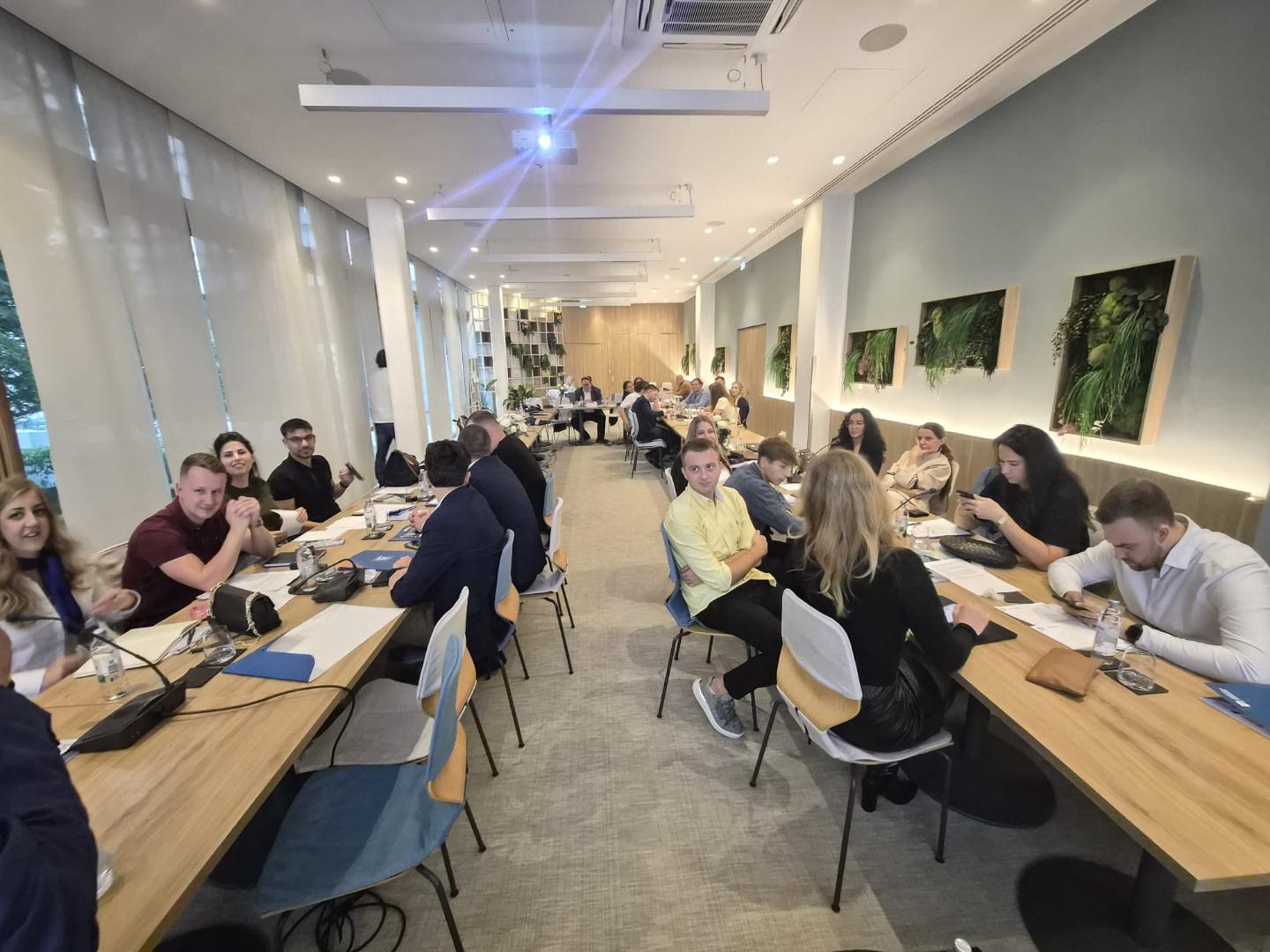
The final day of the seminar focused on developing political and communication skills and shaping future formats for cooperation. Through workshops on public speaking and a simulated parliamentary debate, participants strengthened their argumentation skills, practised formulating clear political messages and learned how to respond to challenging questions.
Žiga Ciglarić, Tea Jerković, Željko Romić and Iva Radunović, representatives of the political parties’ youth organisations, exchanged views on political education, nurturing a new generation of political leaders and increasing young people’s involvement in shaping public policy. The discussion “Youth Wings as Schools of Leadership – Recruitment, Renewal and Responsibility” placed particular emphasis on encouraging young people’s political engagement, developing their leadership skills and creating opportunities for them to assume responsibility in political life.
The concluding discussion, “Trilateral Youth Cooperation Agenda: From Seminar to Permanent Exchange”, explored concrete ways to ensure the continuation of cooperation. Key priorities included regular meetings, political education programmes, further development of communication skills and joint activities related to European Union enlargement.
Looking ahead, Jakov Devčić and Dr. Norbert Eschborn emphasised the importance of cross-border and cross-party cooperation, building political networks and fostering greater mutual understanding. They noted that these efforts are particularly important in light of the political challenges affecting relations between Croatia and Montenegro. Both highlighted the fact that young people in all three countries face similar challenges, making it essential to continue the dialogue beyond the seminar itself. The continuation of the format next year was also announced. This will provide participants with further opportunities to exchange experiences, develop joint initiatives and build lasting relationships based on trust.
The seminar “Young Voices in Politics: From Neighbors to Partners” highlighted how connecting young political leaders can make an important contribution to responsible policymaking and stable regional relations. Cooperation between Croatia, Slovenia and Montenegro creates opportunities to better align experiences and interests while actively involving young people in European integration and democratic development. The long-term networking of the youth organisations of HDZ, SDS and PES thus represents an investment in a new generation of political leaders capable of reconciling national interests with shared European objectives and contributing to a peaceful, stable and prosperous Europe.