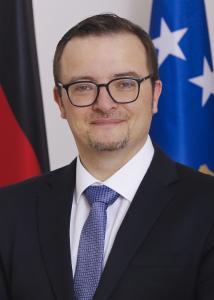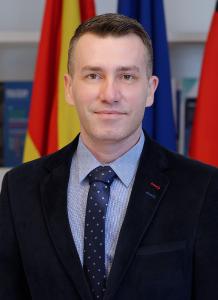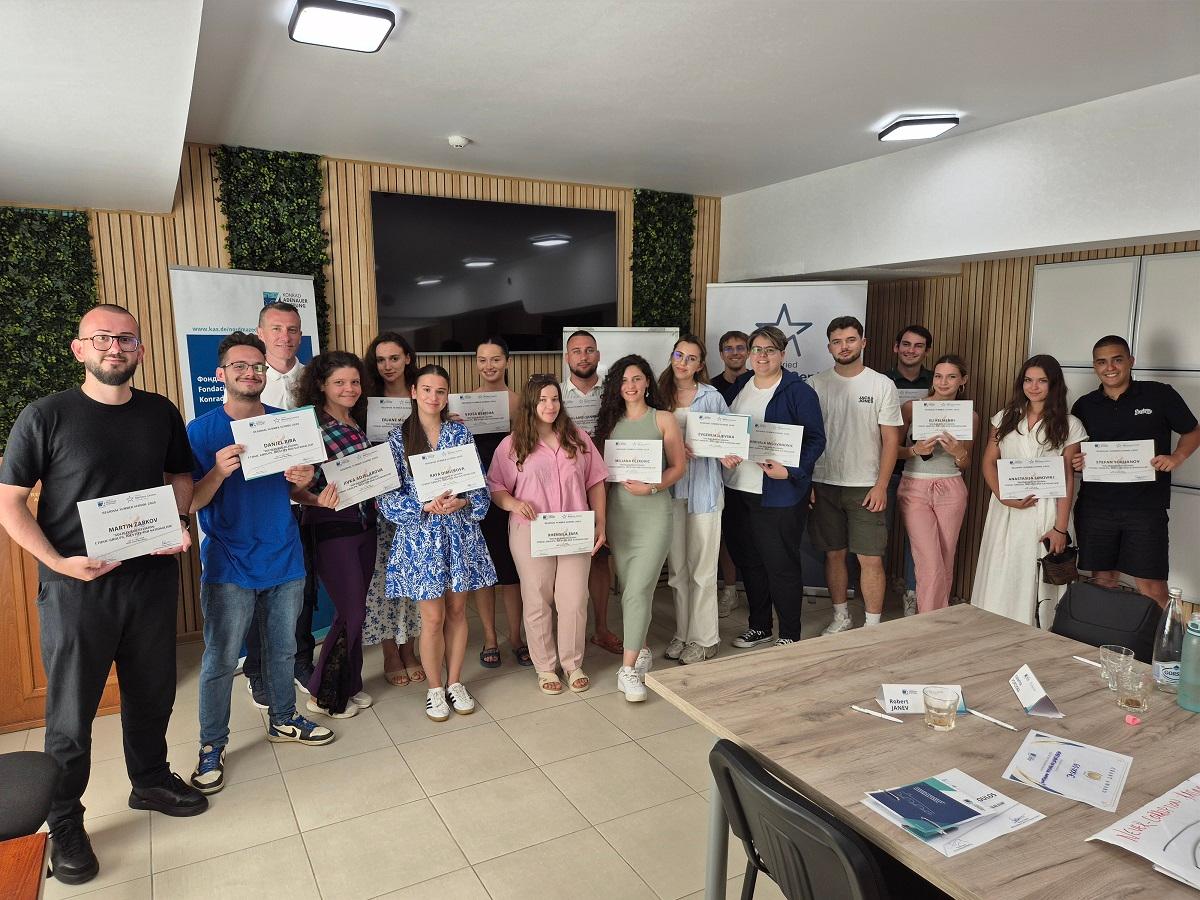
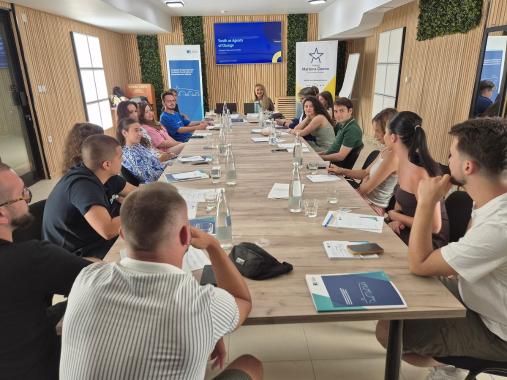
The programme started on 8 July with welcoming remarks by Robert Janev, Konrad-Adenauer-Stiftung and George Dimakos, Wilfried Martens Centre for European Studies. Both emphasized the importance of fostering dialogue on identity, religion and democratic values in an increasingly diverse and interconnected Europe.
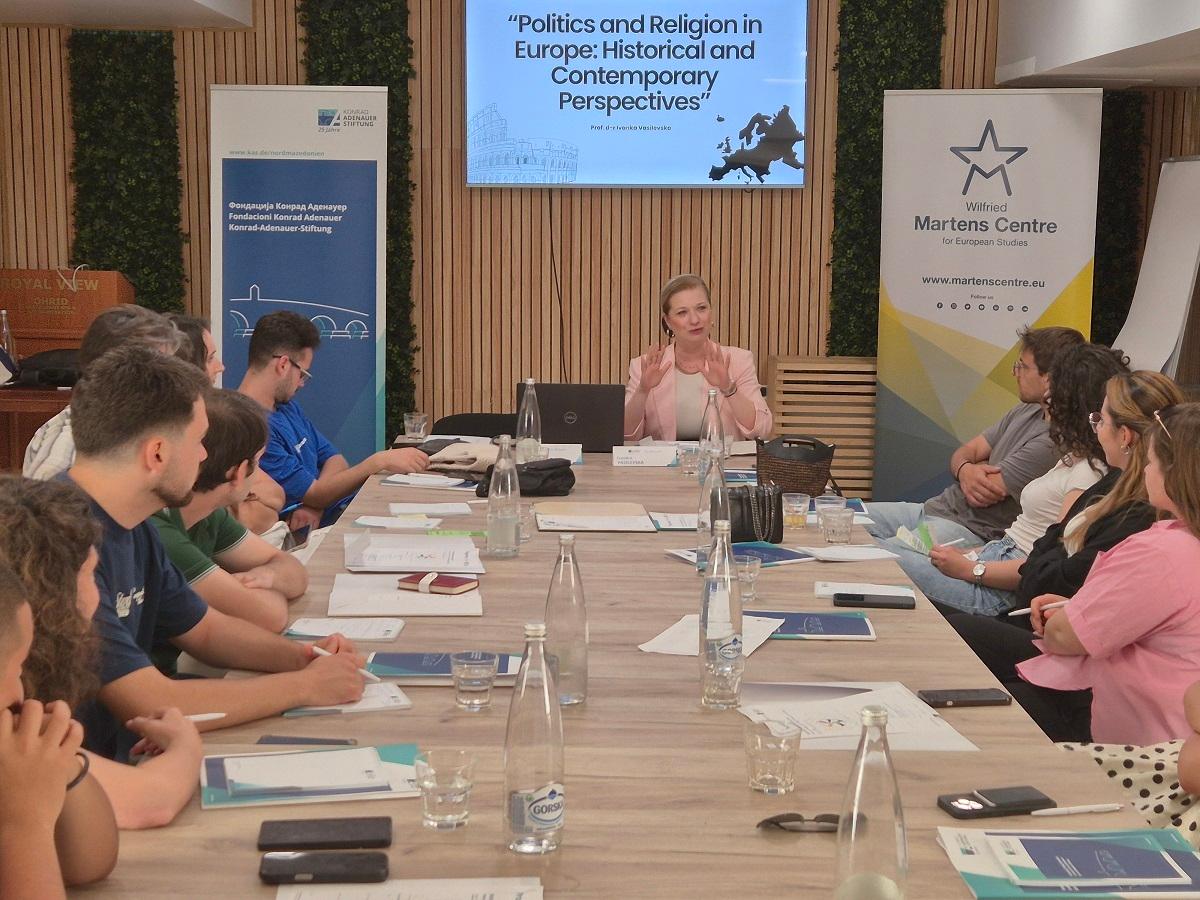
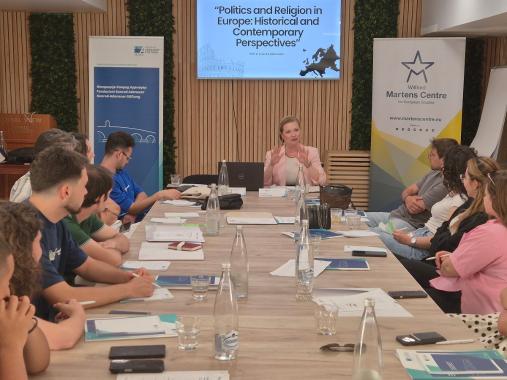
The opening lecture, “Politics and Religion in Europe: Historical and Contemporary Perspectives,” was delivered by Ivanka Vasilevska, Member of Parliament in the Assembly of North Macedonia. The session examined the historical role of religion in shaping European political systems and identities, while also addressing contemporary challenges related to secularism, religious freedom and political participation. Participants engaged in a lively discussion on the evolving role of faith communities within democratic societies and the balance between religious traditions and modern governance.
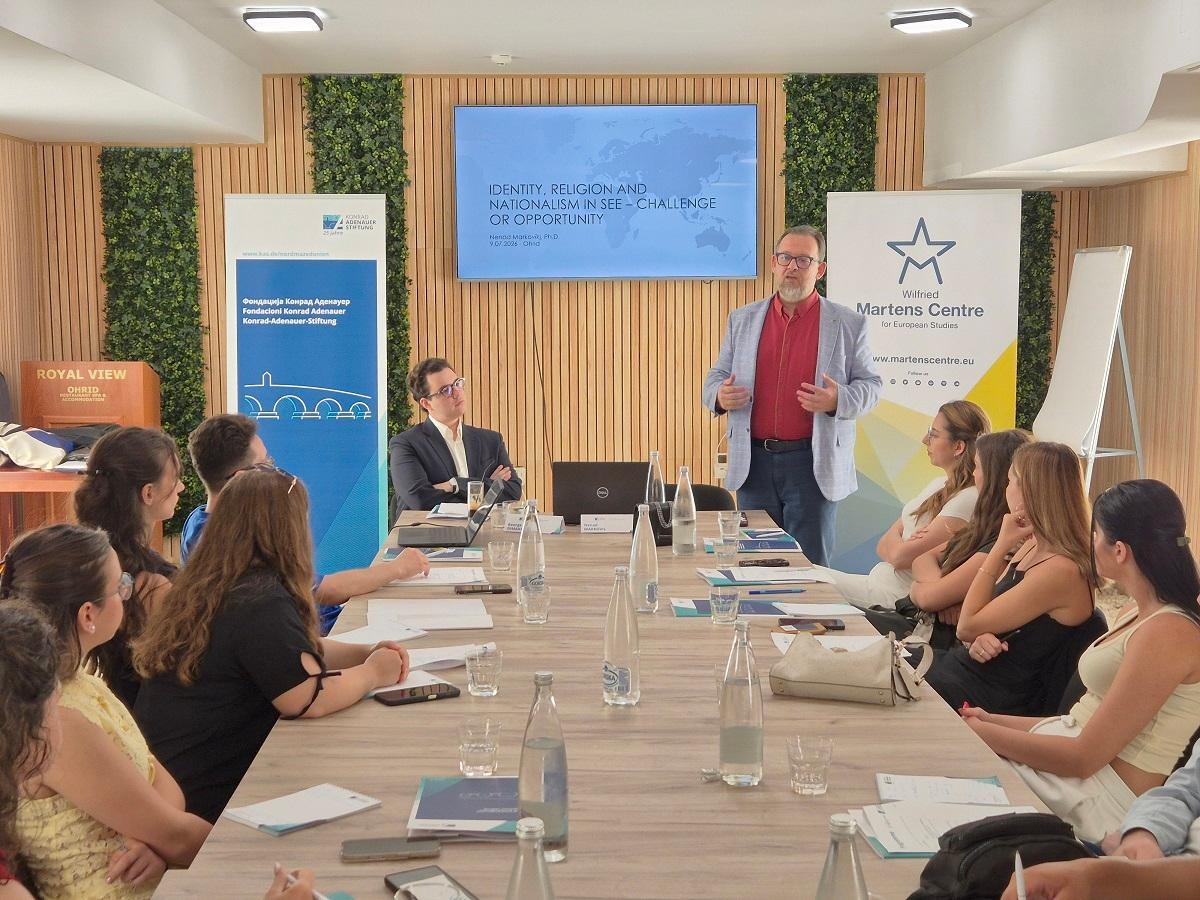
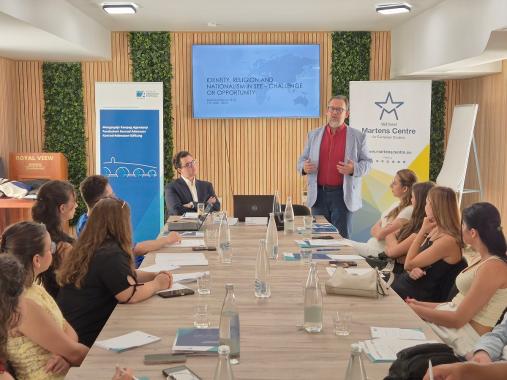
The second day began with a lecture by Prof. Dr. Nenad Markovic from the Faculty of Law “Iustinianus Primus,” entitled “Identity, Religion and Nationalism in Southeast Europe: Challenge or Opportunity.” From a regional perspective, Prof. Markovic explored how religious and national identities continue to influence political developments and social cohesion across Southeast Europe. The session encouraged participants to critically reflect on the relationship between identity and citizenship, discussing both the opportunities and risks arising from the intersection of religion, culture and nationalism. The subsequent workshop, “Who am I? Exploring Personal and Collective Identity,” provided an interactive space where participants examined their own identities and reflected on the multiple factors that shape individual and collective belonging.
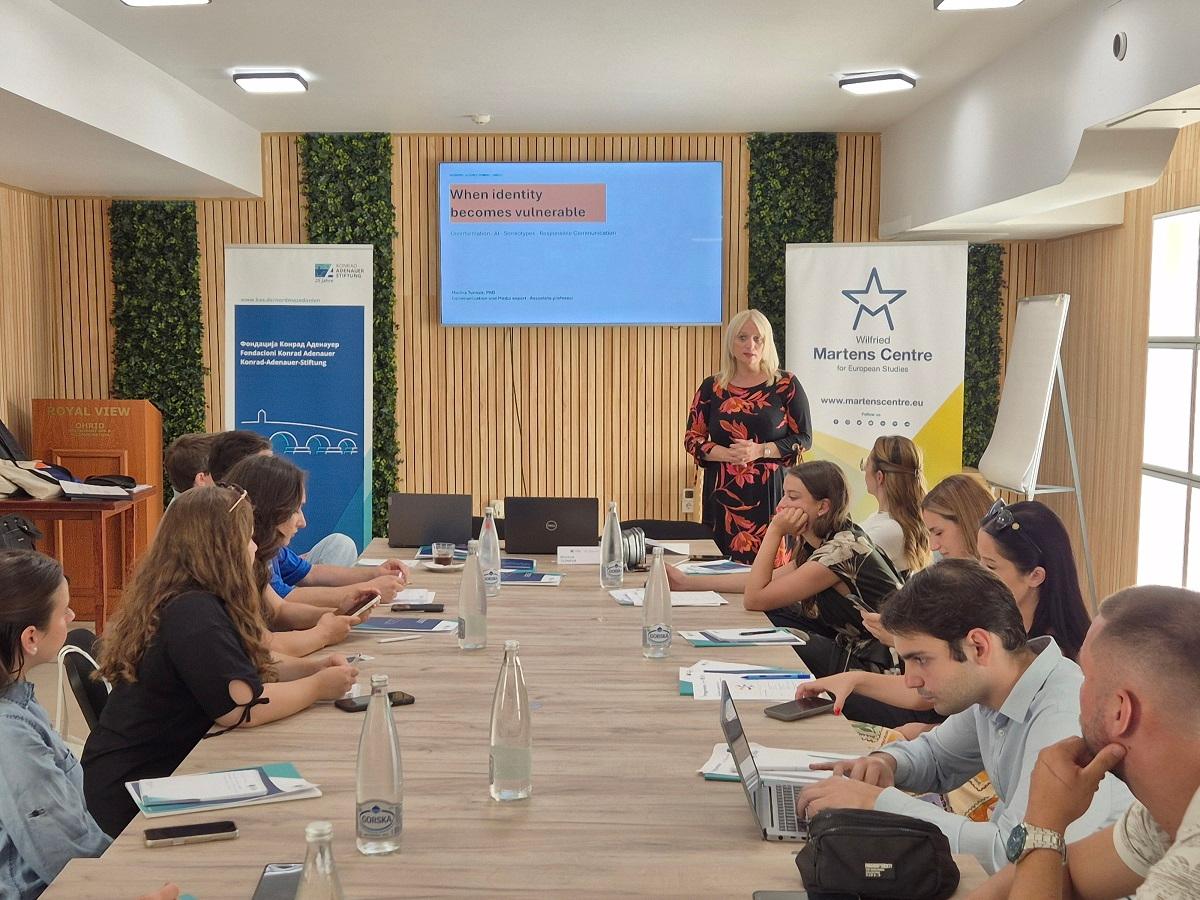
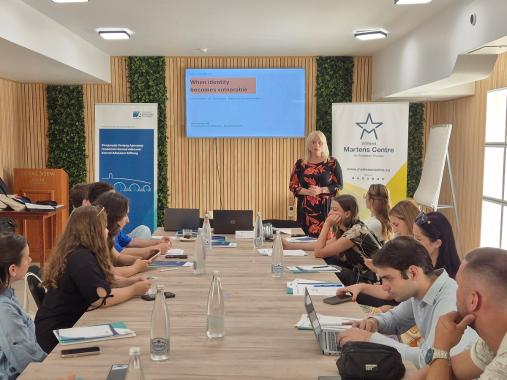
In the afternoon, Prof. Marina Tuneva, communications and media expert, led two extensive sessions under the theme “When Identity Becomes Vulnerable: Disinformation, AI, Stereotypes and Media Ethics in Divided Societies.” The discussions focused on how misinformation, disinformation and emerging artificial intelligence technologies can influence public opinion and reinforce stereotypes, particularly in societies marked by political, ethnic or religious divisions. Participants analyzed real-world examples of manipulative narratives and discussed the ethical responsibilities of journalists, digital platforms and citizens in combating misinformation. The sessions highlighted the increasing importance of media literacy and critical thinking skills as essential tools for preserving democratic discourse and social cohesion in the digital age.
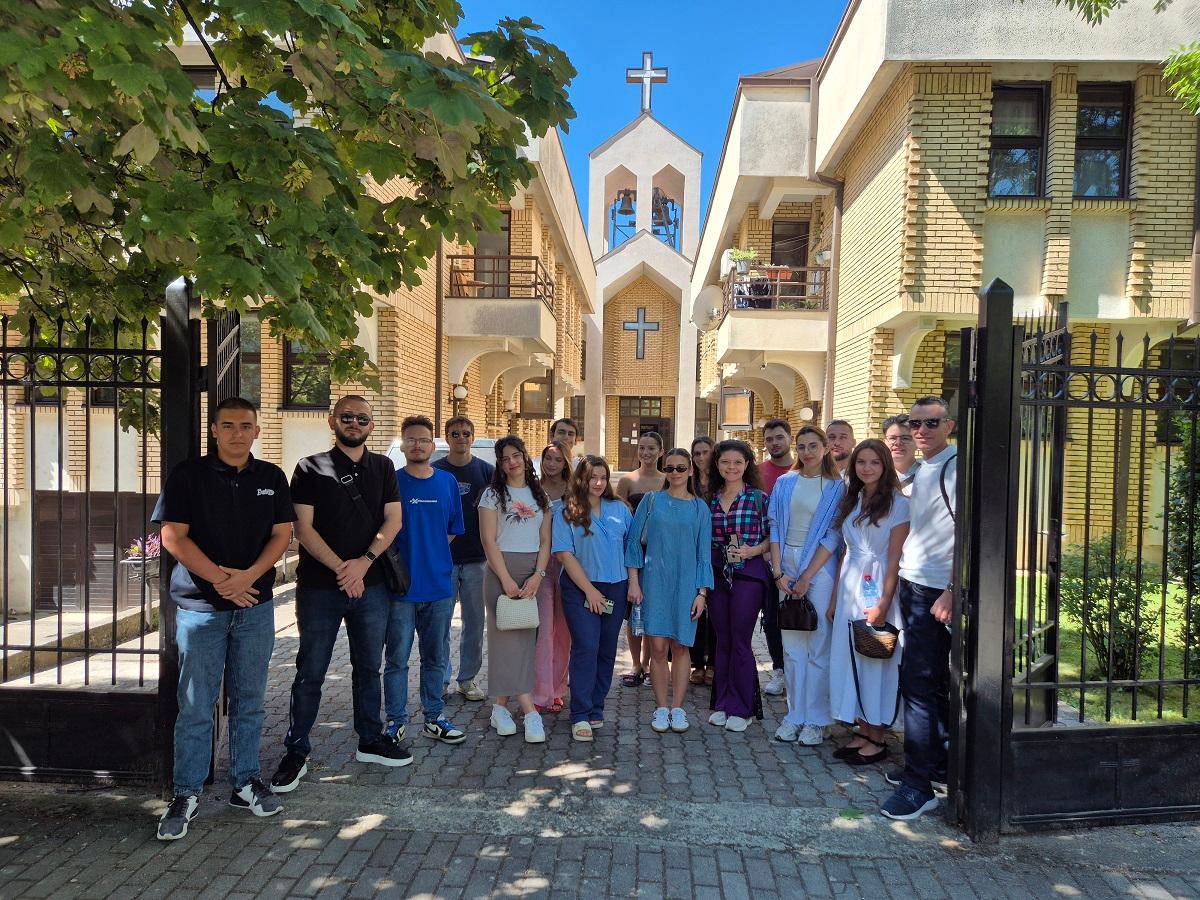
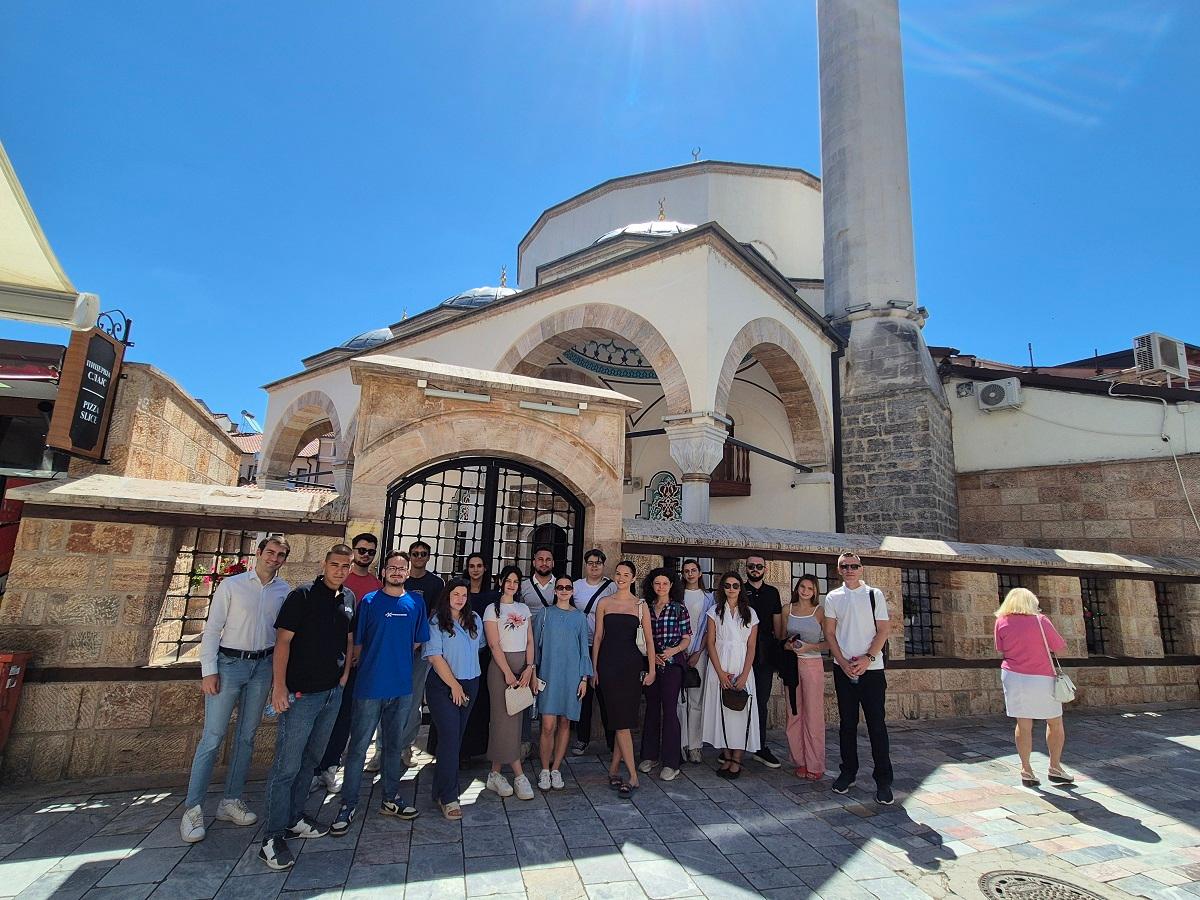
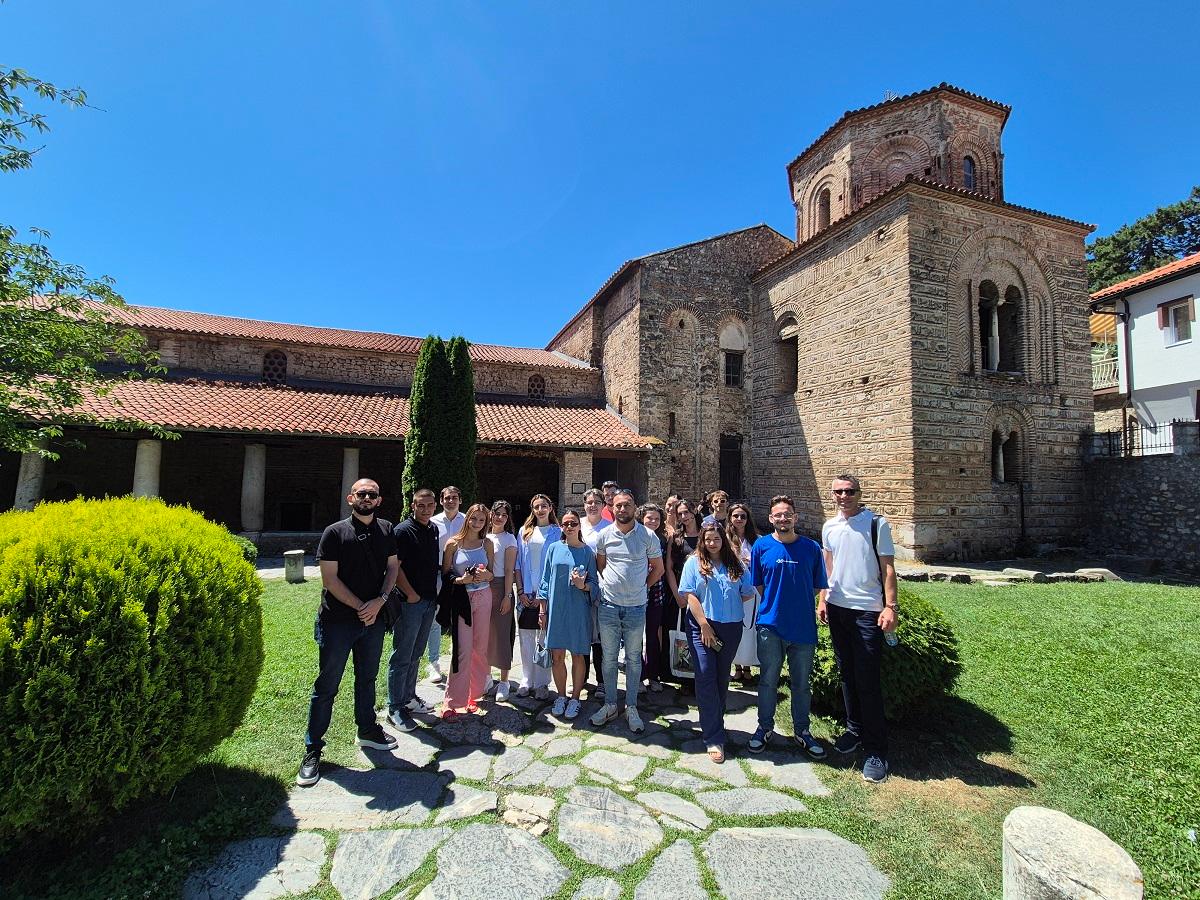
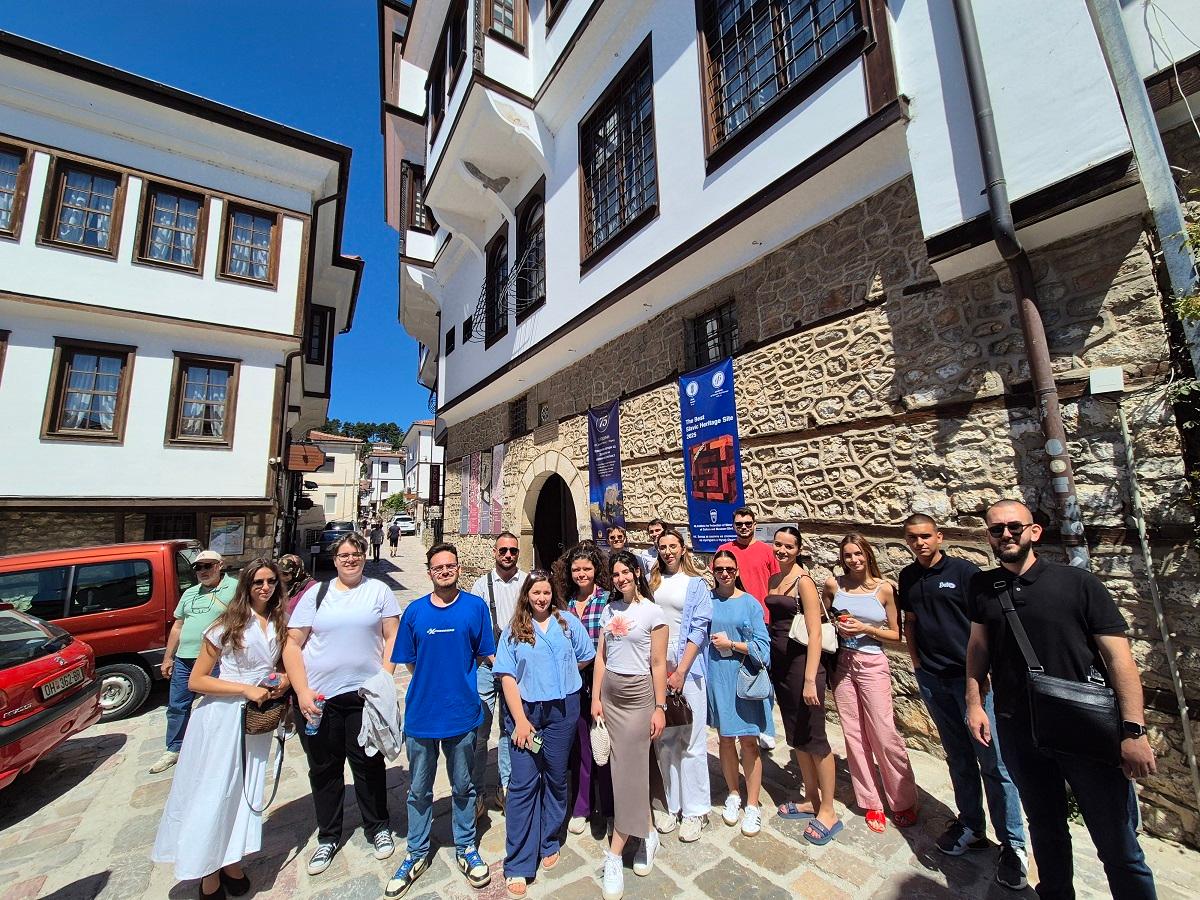
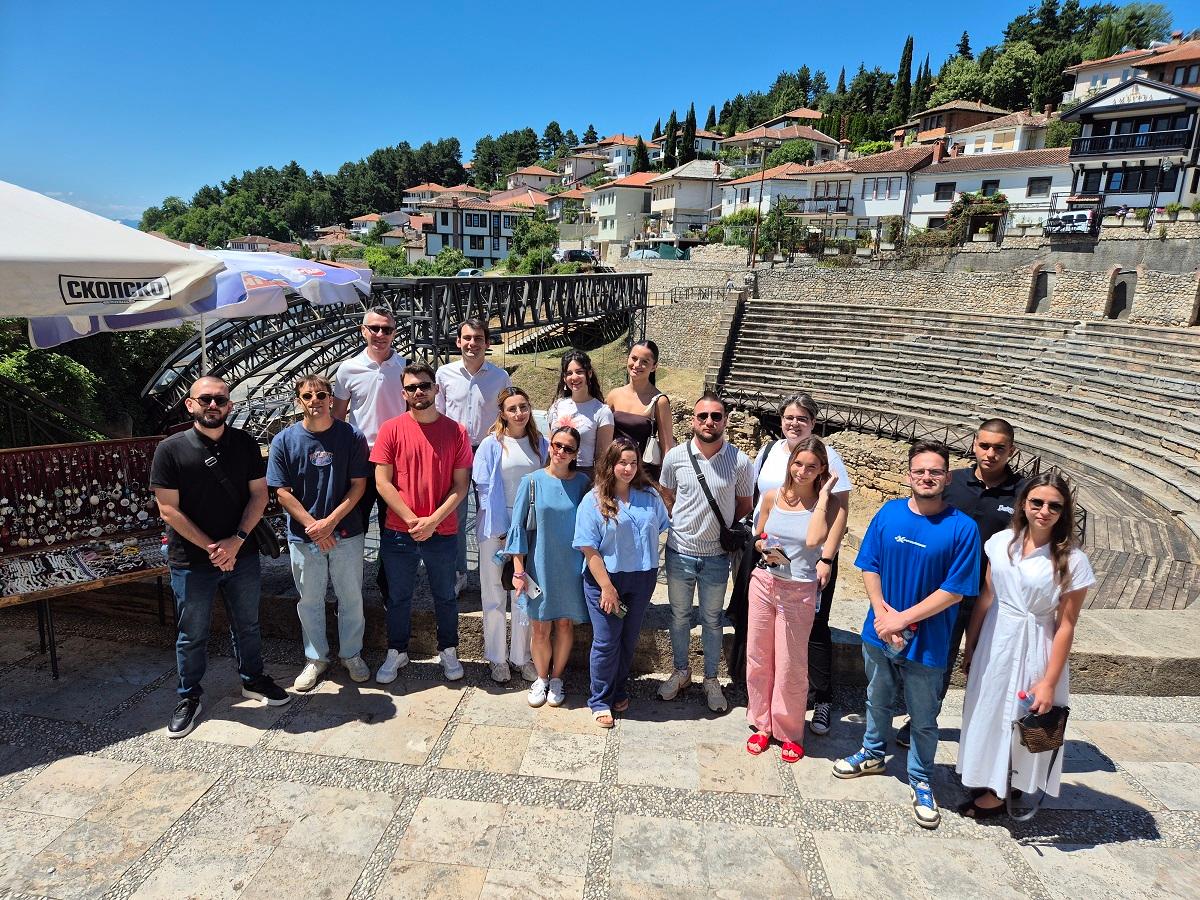
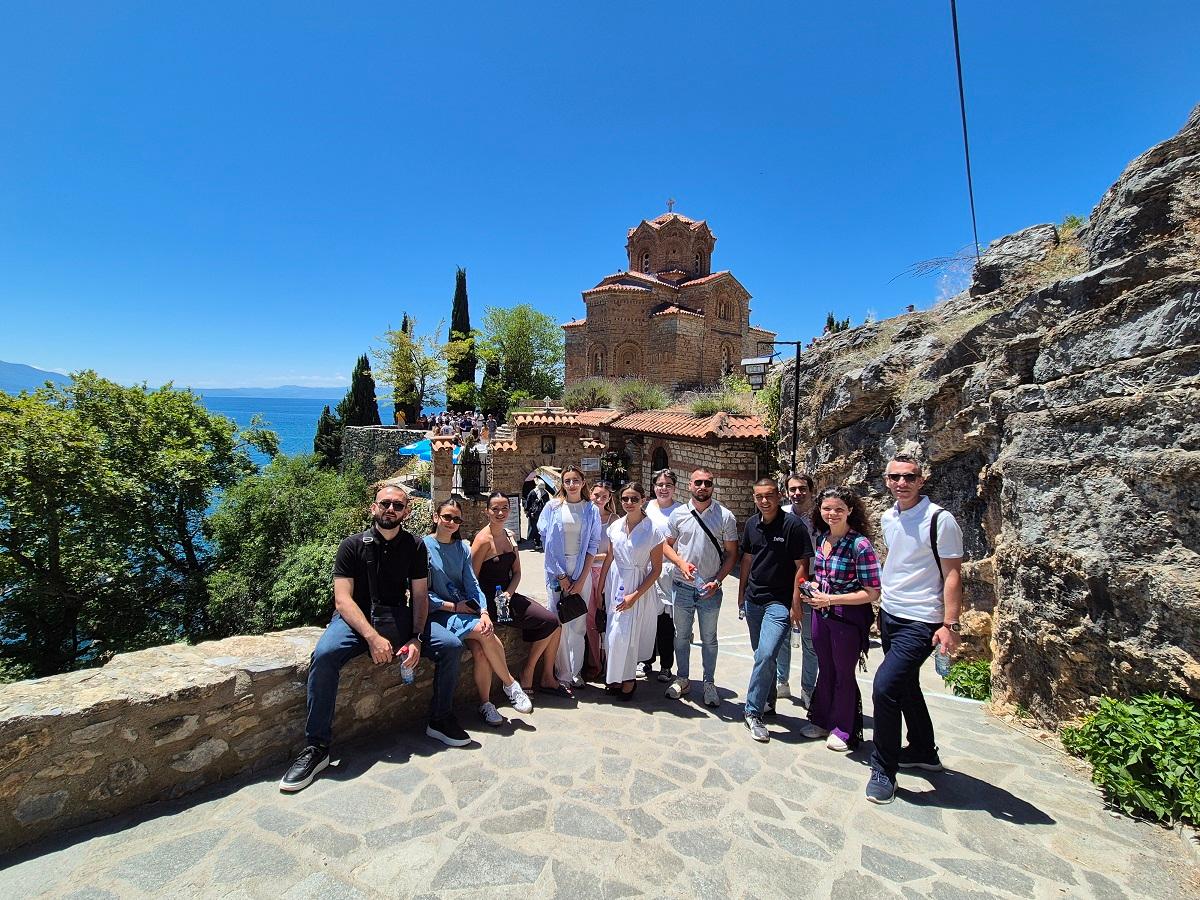
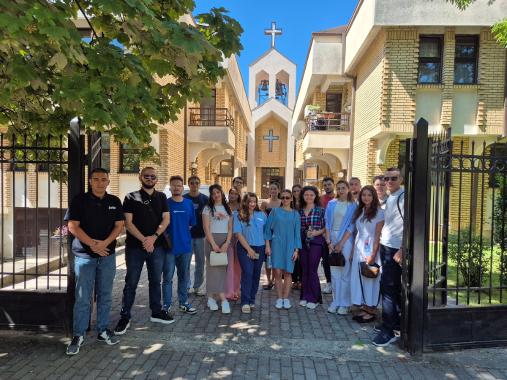
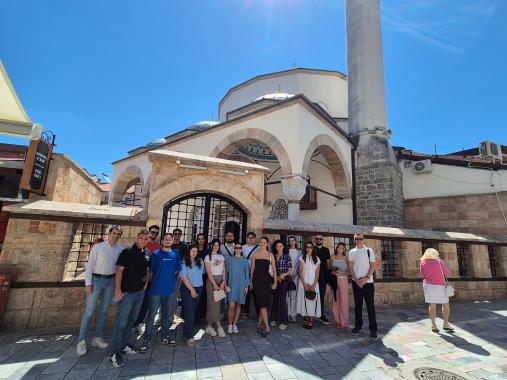
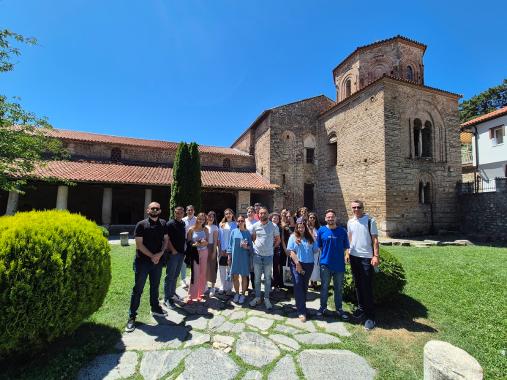
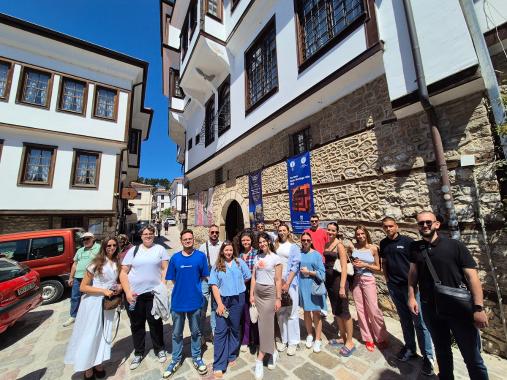
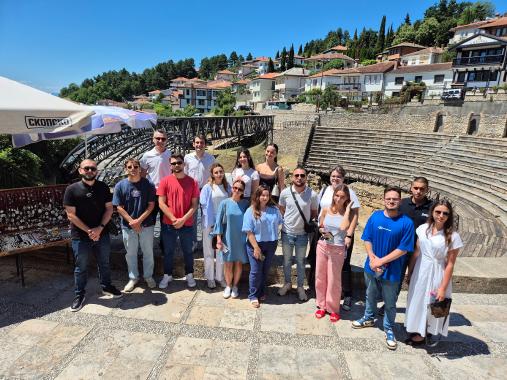
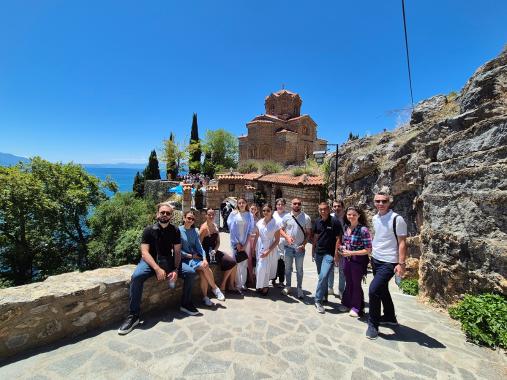
A key highlight of the programme was the series of study visits organized on 10 July under the theme “Living Diversity: Culture and Religion in Practice.” Participants visited three important religious and many cultural sites in Ohrid including: Catholic Church “Ss Cyril & Methodius and St. Benedict”, Ali Pasha Mosque and Church of St. Sophia. The visits offered participants a unique opportunity to experience the rich religious and cultural diversity that characterizes Ohrid and North Macedonia more broadly. Through these study visits, participants gained valuable insights into the historical development of religious coexistence and the role of dialogue in fostering mutual understanding and respect. The study visits demonstrated how cultural and religious heritage can serve as a bridge for cooperation and peaceful coexistence in diverse societies.
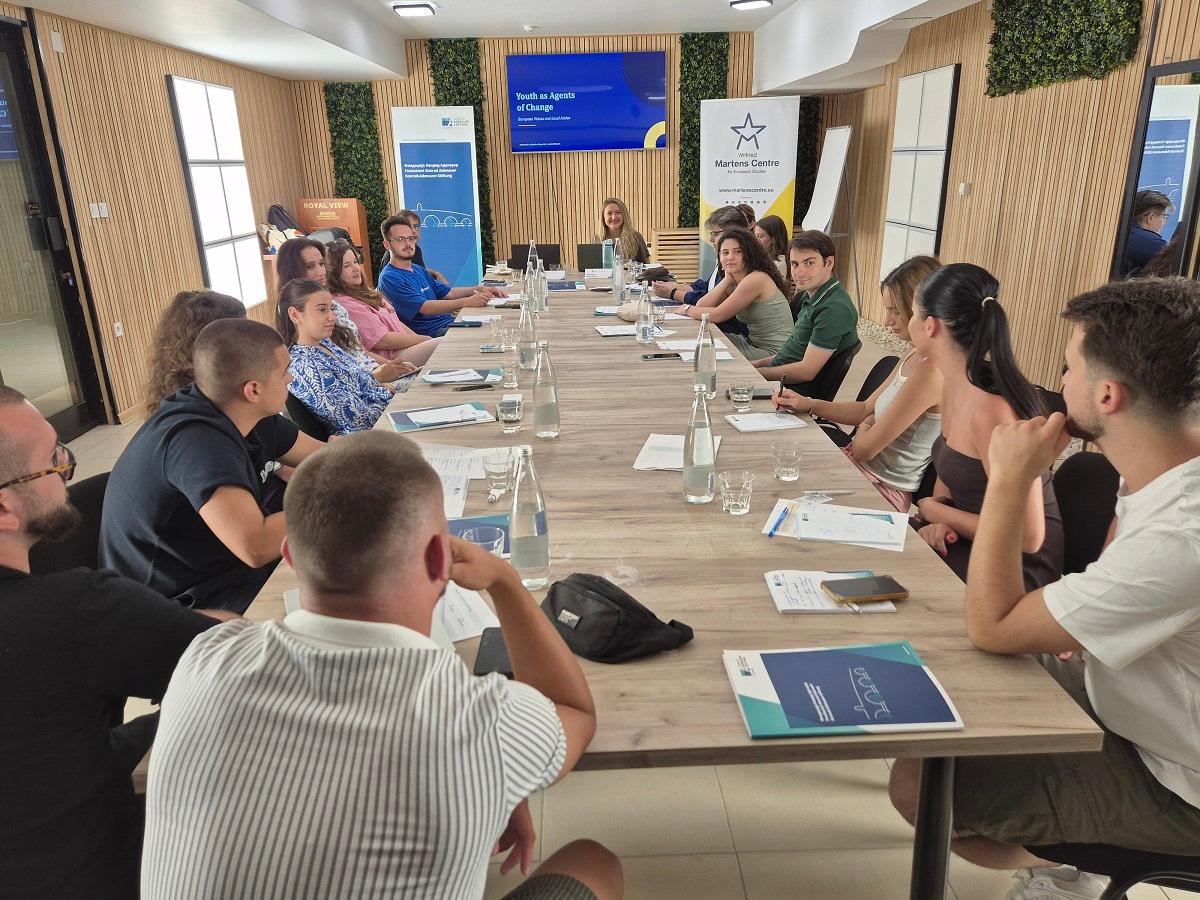
Following the study visits, Katerina Popovska, non-formal education trainer from the Aurora Network, facilitated two sessions titled “Youth as Agents of Change: European Values and Local Action.” The sessions focused on the role of young people in strengthening democratic participation and promoting European values at the local level. Participants explored practical approaches to community engagement, civic activism and project development, while discussing how youth-led initiatives can contribute to social inclusion, intercultural dialogue and democratic resilience. Interactive exercises encouraged participants to identify concrete actions they could implement within their own communities, demonstrating that meaningful societal change often begins through local engagement and individual responsibility.
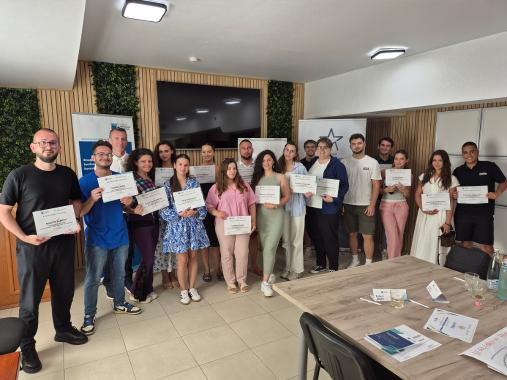
The programme concluded with a reflection session where participants reviewed the key lessons from the previous days and reflected on how the knowledge and experiences gained could be applied in their personal, academic and professional lives. The session also provided an opportunity to discuss future cooperation, networking and continued engagement on issues related to identity, intercultural dialogue, democratic values and active citizenship.
The Summer School successfully provided a platform for meaningful dialogue on some of the most pressing issues facing contemporary European societies, including identity, religion, media integrity and democratic participation. By combining academic lectures, practical workshops and experiential learning through study visits, the programme enabled participants to deepen their understanding of diversity, strengthen critical thinking skills and reaffirm the importance of dialogue and mutual respect. The event once again demonstrated the commitment of the Konrad-Adenauer-Stiftung and the Wilfried Martens Centre for European Studies to fostering informed, responsible and engaged young leaders who will contribute to building inclusive and democratic societies across Europe.