






 Konrad-Adenauer-Stiftung e. V.
 Konrad-Adenauer-Stiftung e. V.
 Konrad-Adenauer-Stiftung e. V.
 Konrad-Adenauer-Stiftung e. V.
Konrad-Adenauer-Stiftung e. V.
Konrad-Adenauer-Stiftung e. V.
Konrad-Adenauer-Stiftung e. V.
Konrad-Adenauer-Stiftung e. V.
Konrad-Adenauer-Stiftung e. V.
Konrad-Adenauer-Stiftung e. V.
Konrad-Adenauer-Stiftung e. V.
Konrad-Adenauer-Stiftung e. V.
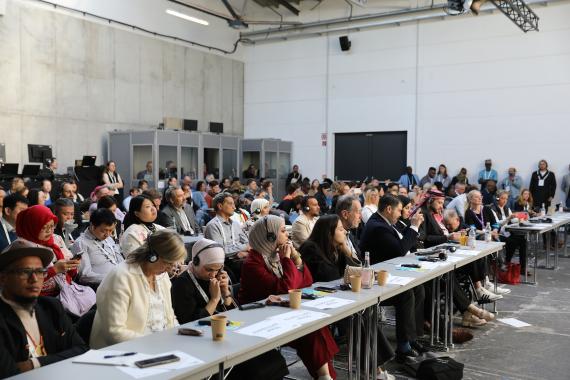
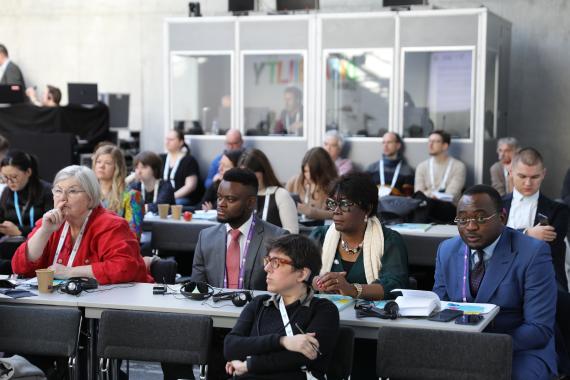
On April 2 and 3, 2025, Germany, together with the Kingdom of Jordan and the umbrella organization for organizations for persons with disabilities (International Disability Alliance/IDA), hosted the third Global Disability Summit. The international conference, which was opened jointly by the German Chancellor and the King of Jordan, focused on social inclusion, political participation, and strengthening the rights of persons with disabilities. The Federal Ministry for Economic Cooperation and Development (BMZ) took the lead within the German government, using the event as a platform for multilateral dialogue, political commitments, and concrete measures for inclusive development.
The Konrad Adenauer Foundation was the only German political foundation to take advantage of the opportunity to participate in the GDS and organize an official side event with its network of partners who are committed to promoting the rights of people with disabilities worldwide..
Dialogue program and national insights
In addition, a specially designed dialogue program offered the partners insights into inclusion policy for people with disabilities in Germany. As part of this program, Jürgen Dusel, Federal Government Commissioner for Matters relating to Disabled Persons, welcomed delegations from China, Jordan, Mongolia, Namibia, and Spain.
In the Berlin House of Representatives, Christine Braunert-Rümenapf, the State of Berlin's Commissioner for Inclusion, explained the approaches and programs for strengthening the rights of people with disabilities in accordance with the UN Convention on the Rights of Persons with Disabilities. The delegations were particularly impressed by the presentation of the Berlin Disability Parliament and the work of the Advisory Council for People with Disabilities, as well as the close cooperation between the state and civil society in this area.
Highlights and international voices
In addition to the important content-related ideas, the program was characterized above all by intensive exchanges among the participants themselves, as well as between the delegation members and their discussion partners. Language barriers were often overcome spontaneously with the help of digital tools.
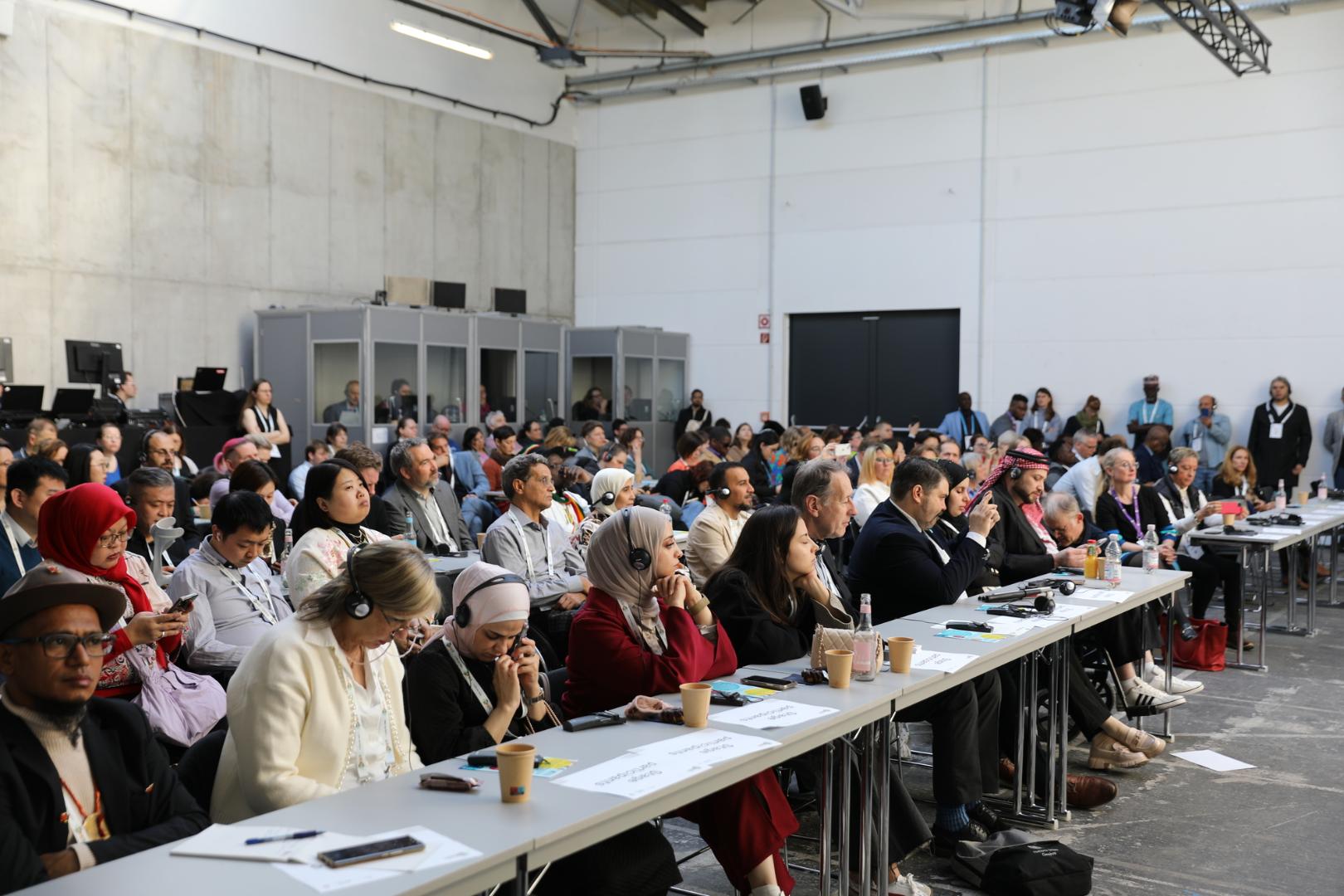
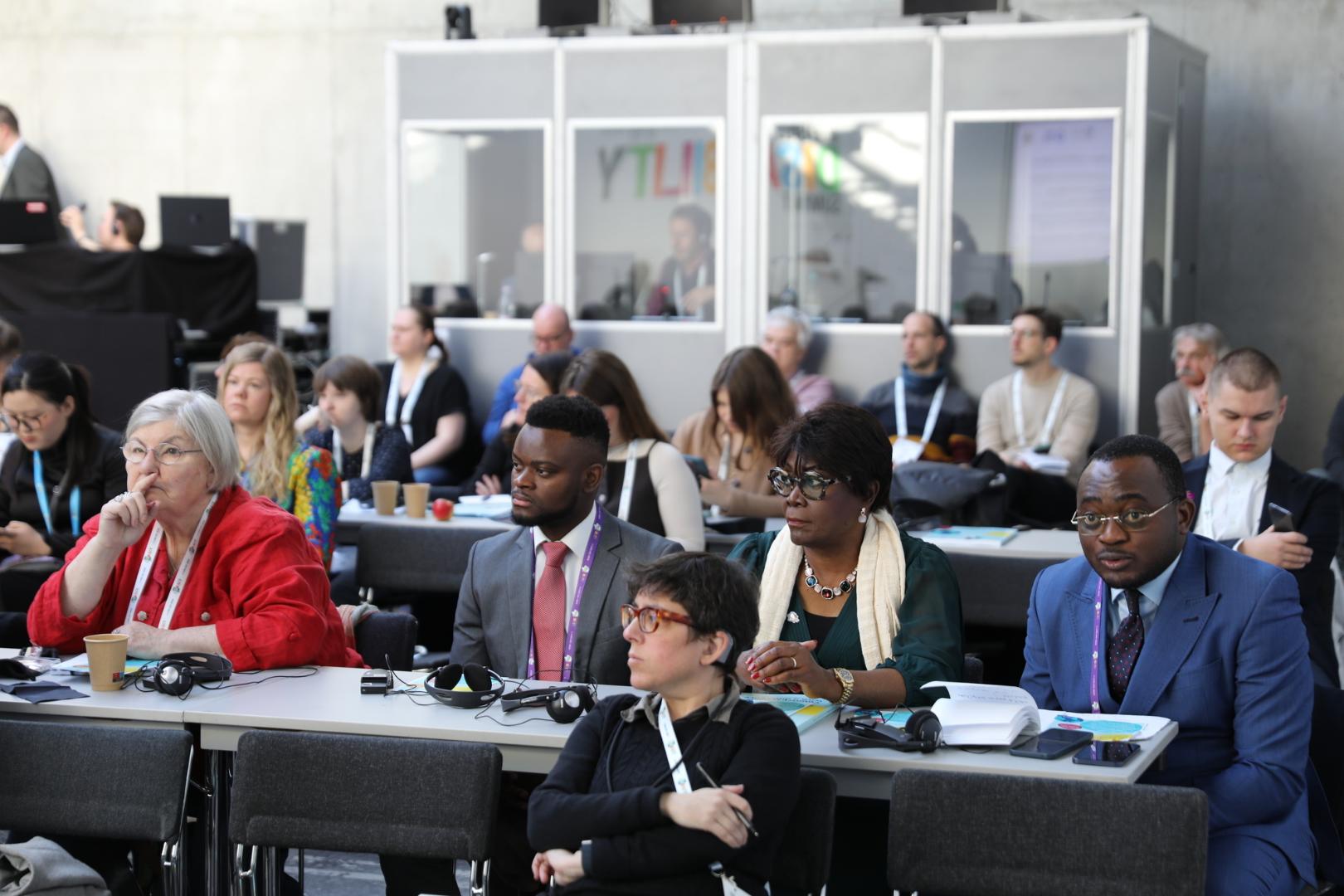
The Global Disability Summit 2025 itself provided participants with an impressive platform for international exchange on inclusion and political participation of people with disabilities. A particular highlight was the adoption of the Amman-Berlin Declaration, which set a new international goal with the guiding principle “15 percent for 15 percent”: At least 15% of all development programs should be specifically geared toward the inclusion of people with disabilities in the future. This declaration was supported by over 90 governments and organizations and aims to achieve measurable progress by 2028.
Global impressions and experiences
For the Mongolian delegation, represented by Ms. Raya Jakhynbyek and Mr. Angarag-Erdene B., participation was both identity-strengthening and deeply inspiring. Meeting a global community of like-minded people opened up new perspectives of self-awareness and solidarity for them. The exchange focused on issues of economic participation, structural inclusion, and barrier-free working environments.
The young representatives of the National Union Political Party, the Association of Empowerment for the Rights of Deaf People, the Ministry of Education, and the Ministry of Awqaf, who had traveled from Jordan, had previously participated in a KAS training program on political participation in Amman. The Jordanian participants formulated the promotion of awareness campaigns and the strengthening of youth initiatives in the context of political participation as key recommendations for action by political decision-makers.
Mar Galcerán, a member of the regional parliament of the Autonomous Community of Valencia, contributed her perspective as a politician with a disability to the discussions. Her participation in the GDS impressively underscored that people with disabilities can and should take on responsibility and hold political office. For her personally, meeting delegates from 71 countries was a particularly enriching experience that strengthened her commitment to further promoting inclusion in Spain.
For the Chinese delegation, led by Mr. Yan Xie from the Youren Foundation, the exchange with international organizations on the status of implementation of the UN Convention on the Rights of Persons with Disabilities was particularly insightful. There was also particular interest in an exchange with local civil society structures. Helpful contacts were established with the International Disability Alliance, as well as with other KAS partners, such as the Namibian Federation for the Visually Impaired. The Chinese delegation was unpleasantly surprised by the lack of accessibility in Berlin's public transport system.
The Namibian delegation, represented by the chairman of the Namibia Federation for the Visually Impaired, Mr. Moses Nghipandulwa, presented the Namibian constitution translated into Braille with the support of KAS Namibia at the KAS exhibition stand and, like the other KAS delegation members, documented the work of organizations for people with disabilities in short videos.
Panel discussion and outlook
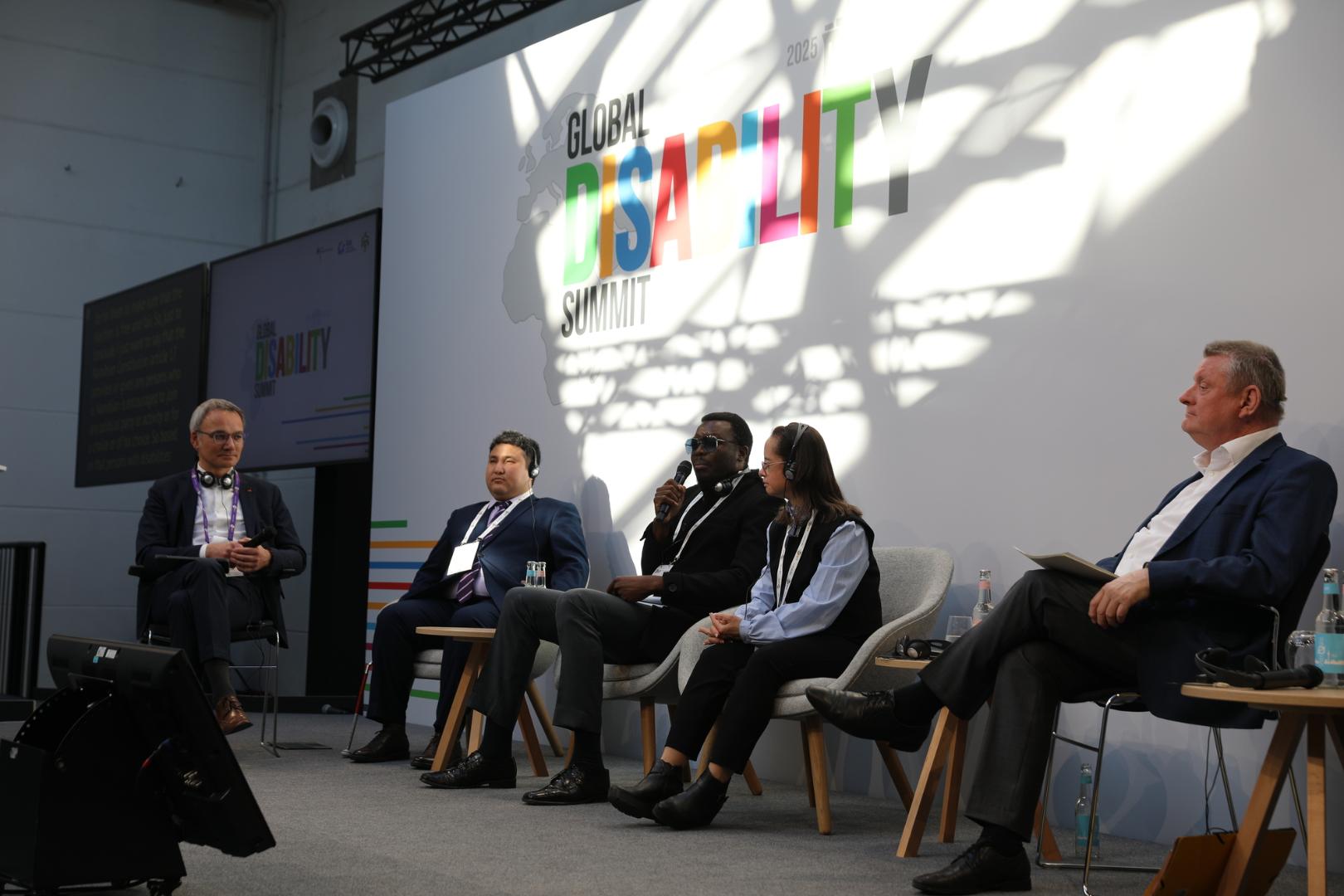
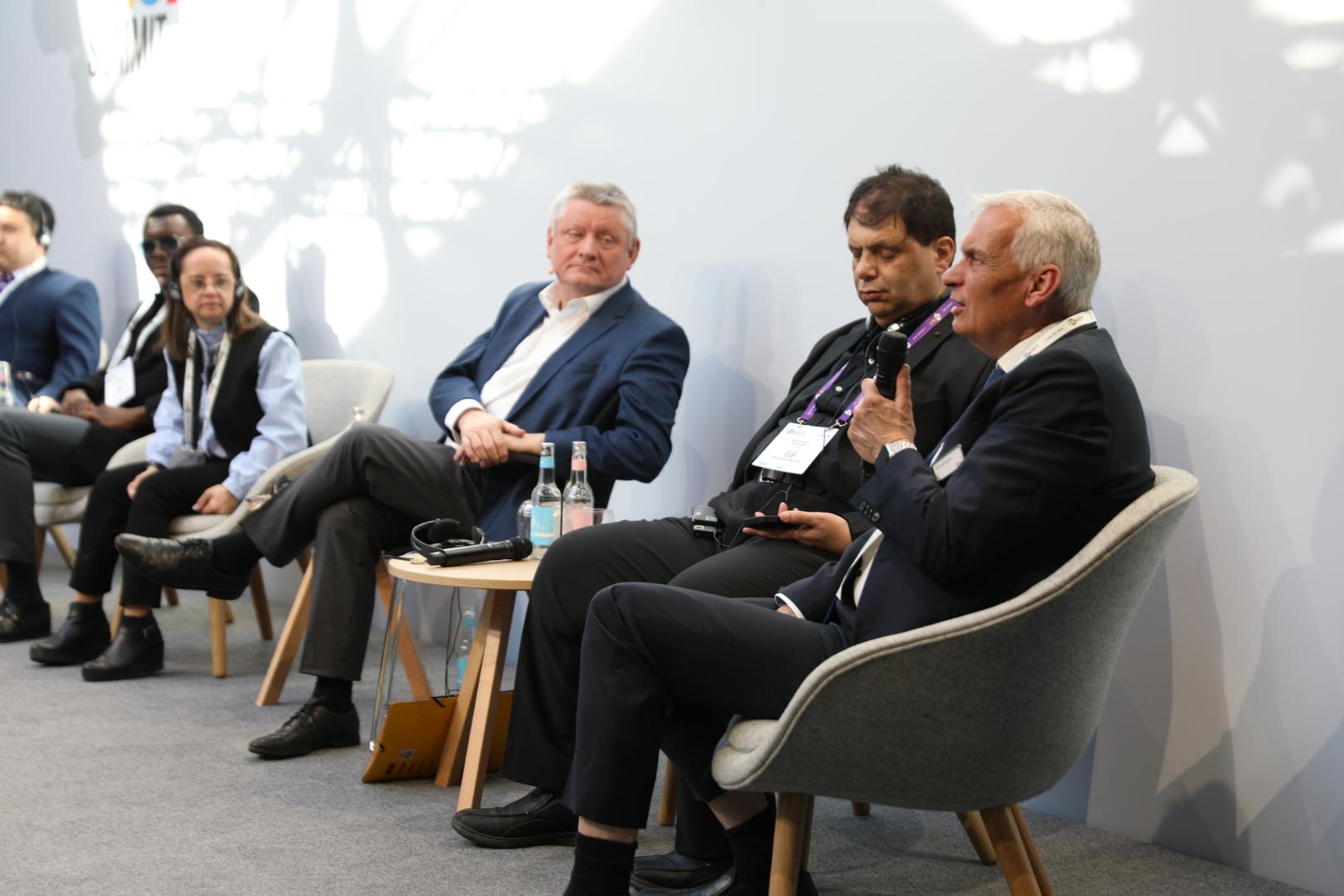
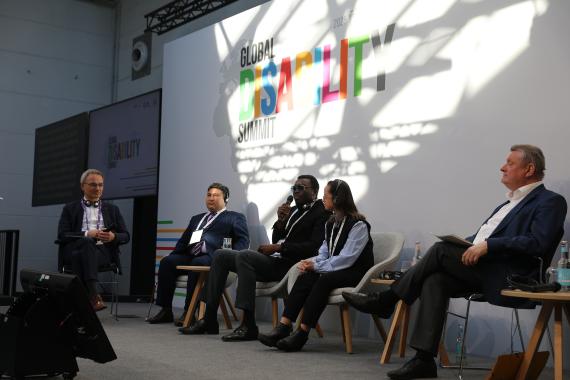
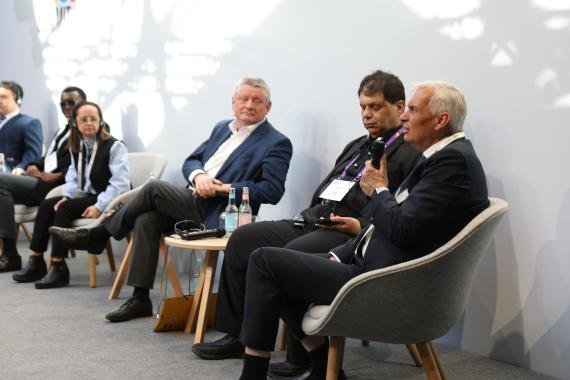
The official GDS side event, a panel discussion on political participation with KAS partners, was another highlight. Organized in cooperation with Christoffel-Blindenmission (CBM), the Jordanian Higher Council for the Rights of Persons with Disabilities of the Hashemite Kingdom of Jordan, and the Namibian Federation of the Visually Impaired, the discussion provided an opportunity to exchange ideas on successful approaches and instruments for strengthening political participation.
Moderated by Hermann Gröhe, Deputy Chairman of the KAS, the panel discussion addressed the various challenges faced by people with disabilities in political life. These include the continuing barriers to accessing polling stations and government offices, the difficulties of providing comprehensive information, as well as the necessary motivation and support of families and openness of parties to an active role in politics. During the panel discussion, CDU member of parliament Wilfried Oellers, representative of the parliamentary group chairman for the participation of people with disabilities, explained how political parties can specifically advocate for the rights of people with disabilities.
Overall, the Global Disability Summit 2025 revealed the transformative power of international cooperation in the field of inclusion. The diverse contributions of our delegations from Mongolia, China, Namibia, Jordan, and Spain made it clear that the political participation of people with disabilities is not only a human rights imperative, but also a strategic key to equitable and resilient societies. The insights gained and networks established will continue to enrich the work of the Konrad Adenauer Foundation and its partners beyond the summit and contribute to the further development of inclusive political systems.
Topics
About this series
The Konrad-Adenauer-Stiftung, its educational institutions, centres and foreign offices, offer several thousand events on various subjects each year. We provide up to date and exclusive reports on selected conferences, events and symposia at www.kas.de. In addition to a summary of the contents, you can also find additional material such as pictures, speeches, videos or audio clips.