





Nearly eight months into the war between Iran, the United States and Israel, the Gulf states find themselves grappling with the shortcomings of a conflict that has disrupted maritime trade, exposed vulnerabilities in infrastructure, and shaken confidence in the region’s security arrangements. For countries whose economic ambition depends on stability and international connectivity, the war has brought a difficult question to the forefront: how can the Gulf exercise greater influence over its strategic future when its security remains closely tied to external powers?
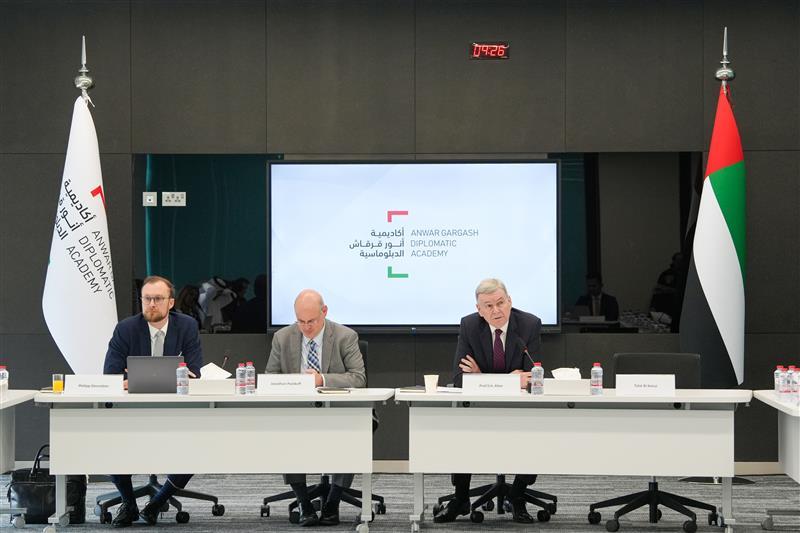
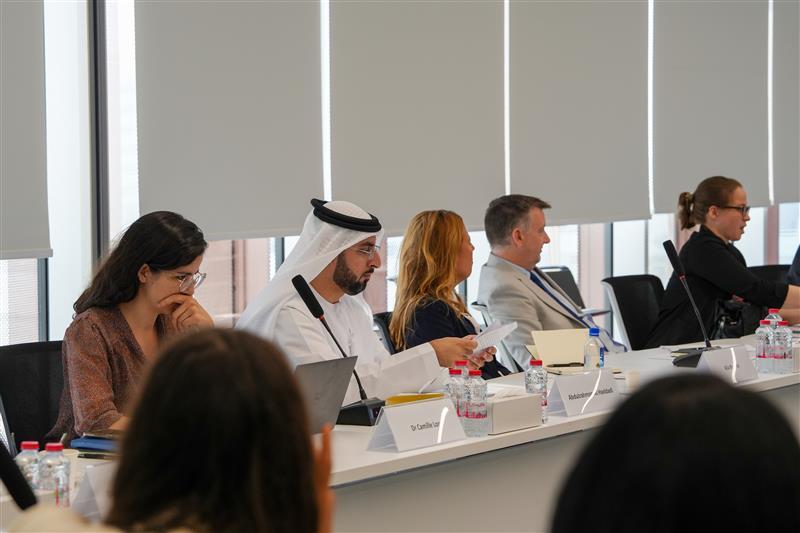
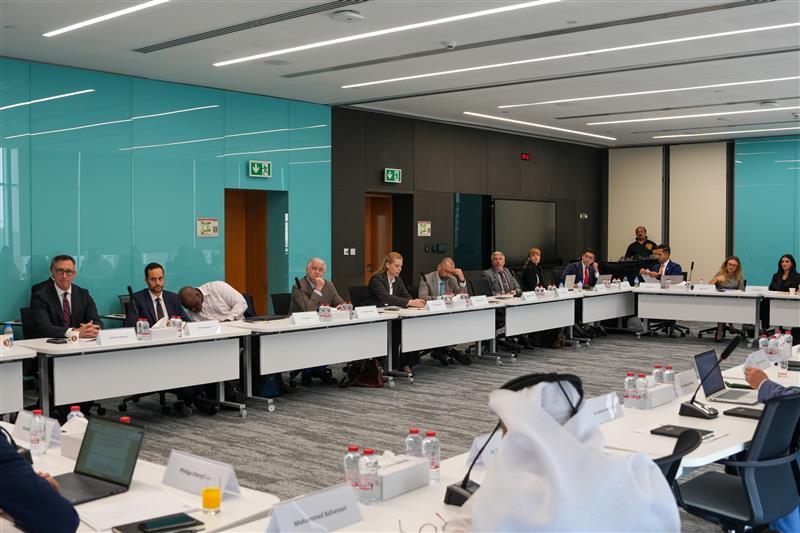
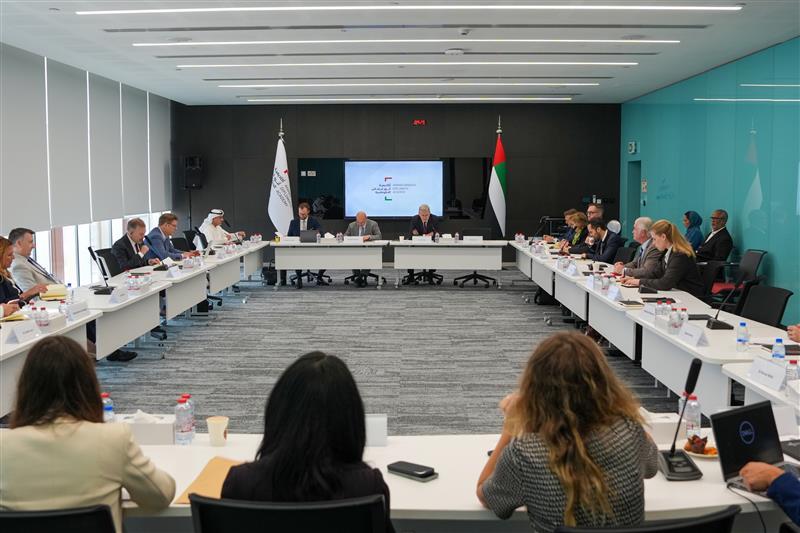
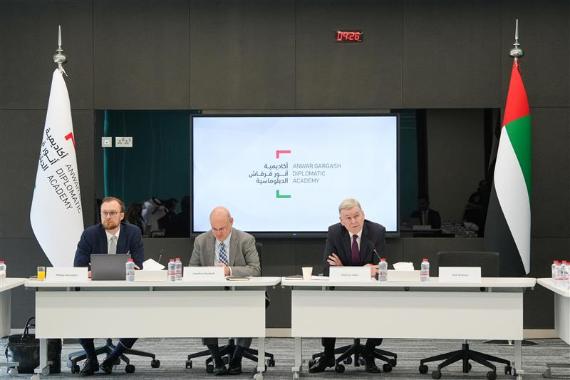
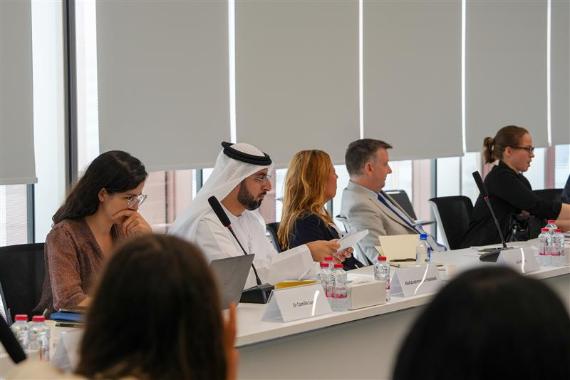
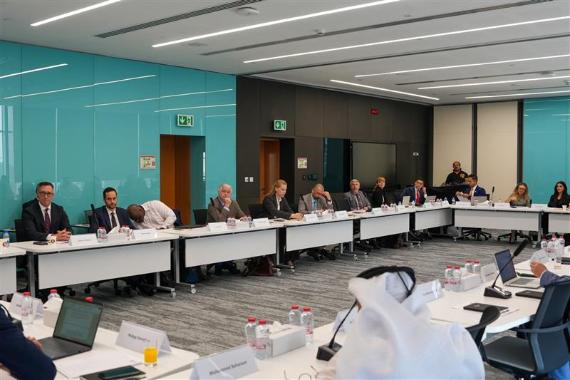
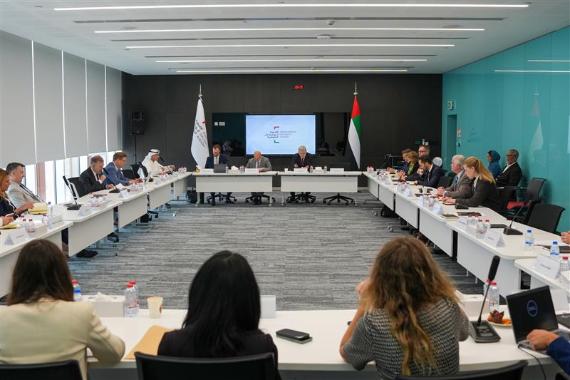
On 1 October 2026, the Konrad- Adenauer- Stiftung (KAS) Regional Programme Gulf States and the Atlantic Council’s Scowcroft Middle East Security Initiative, in cooperation with the Anwar Gargash Diplomatic Academy (AGDA), convened a closed-door roundtable bringing together policy makers and experts from the UAE, Europe, and the United States. Held in Abu Dhabi, the meeting marked the third edition of the state of play dialogue series, following gatherings in Doha in 2025 and Brussels in June 2026. The discussions addressed maritime security and the strait of Hormuz, the future of regional defence partnerships, and the implications of intensifying technological competition for the Gulf.
The war with Iran took center stage in the discussions. Despite the significant weakening of Iran’s conventional naval capabilities, Tehran’s continued ability to threaten shipping through the strait of Hormuz demonstrates the limitations of military power in securing the region’s viral waterways. The exchange shed light on the difficulties surrounding a potential diplomatic settlement, particularly the risk of an agreement that restores maritime traffic without adequately safeguarding freedom of navigation. Participants questioned whether the Gulf states would have sufficient influence over the terms of a post-war arrangement, especially given their different security priorities and continued reliance on external powers. More broadly, the discussion underscored the need for a regional security framework that moves past short-term crisis management towards more sustainable and enforceable arrangements.
The debate also exposed the limits of regional agency: Gulf states may increasingly seek to shape the post-war order, but their ability to translate these ambitions into enforceable security arrangements remains uncertain.
On the military sphere, the discussion on defence partnerships reflected a similar tension between diversification and dependence. Gulf states are expanding their networks of security partners and investing in domestic defence capabilities, yet US-led integrated air and missile defence remains central to the region’s security architecture. Rather than signalling departure from Washington, the UAE’s approach was described as an effort to build a wider network of interoperable partnerships while retaining greater control over the systems it acquires and operates. Discussions also examined emerging security partnerships involving Saudi Arabia, Turkey, and Pakistan, with participants expressing differing views on their significance and potential to contribute to regional stability. While some regarded these developments as opportunities for closer regional cooperation, others questioned their practical implications. Against this backdrop, participants considered the extent to which more targeted cooperation, particularly in areas such as air defence, could offer a more effective response to shared security challenges more important than broader formal alliances.
The discussions also examined the changing role of external security partners, particularly the US and Europe. While American military capabilities remain indispensable to the Gulf's security architecture, uncertainty surrounding Washington's long-term commitments has reinforced the region's efforts to diversify its partnerships. Europe's potential role was also debated, with attention drawn to the constraints limiting its security engagement despite its considerable interests in the region. More targeted cooperation, particularly in maritime security, defence industries and critical infrastructure, emerged as possible avenues for strengthening Gulf-European relations.
The final session explored how intensifying technological competition is reshaping the Gulf's strategic choices. Recent attacks on data centres brought the vulnerability of digital infrastructure into sharper focus, prompting discussions on how states can reconcile digital sovereignty with the need for greater resilience. The UAE's ambitions in artificial intelligence were also examined in the context of US–China competition, particularly the growing importance of security assurances and trusted partnerships in accessing advanced technologies. The exchange raised broader questions about the limits of multi-alignment and whether technological sovereignty can be achieved through greater independence or, instead, carefully managed international interdependence.
Across all three sessions, resilience emerged as a recurring consideration – even termed as the “new deterrence” – linking the protection of maritime routes, the diversification of defence partnerships, and the security of critical technological infrastructure. The Abu Dhabi dialogue highlighted the challenges facing Gulf states as they seek greater influence over their strategic future in the midst of great power competition and the Iran war, while navigating continued dependence on external partners. It also offered valuable perspectives on the opportunities for Germany and Europe to deepen their engagement with the region through more focused and practical cooperation.