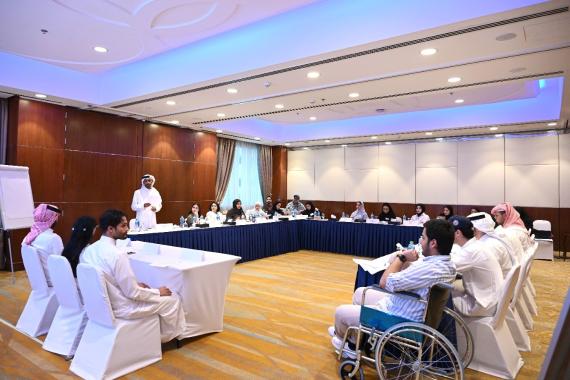
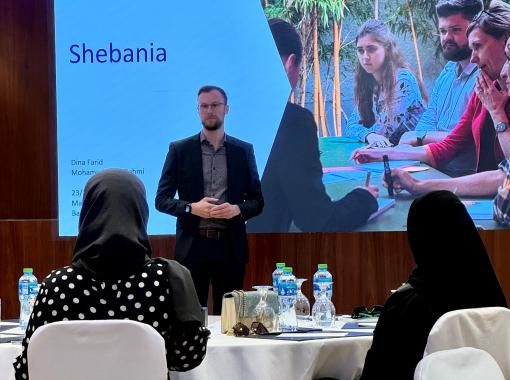
Youth Pioneer Society (YPS) launched its Young Parliamentarian Programme for a third year in a row in cooperation with Konrad-Adenauer-Stiftung’s (KAS) Regional Programme Gulf States, a comprehensive, year-long initiative designed to immerse Bahrain’s youth in the practical realities of parliamentary procedure, democratic principles, and active citizenship. The programme facilitated direct engagement between participants and a diverse group of policymakers, media experts, and civil society representatives. Through a series of lectures, roundtable discussions, and a policy-making simulation game, the initiative cultivated a space for dialogue and collaboration, focusing on the integral role youth should play in influencing legislation and public policy.
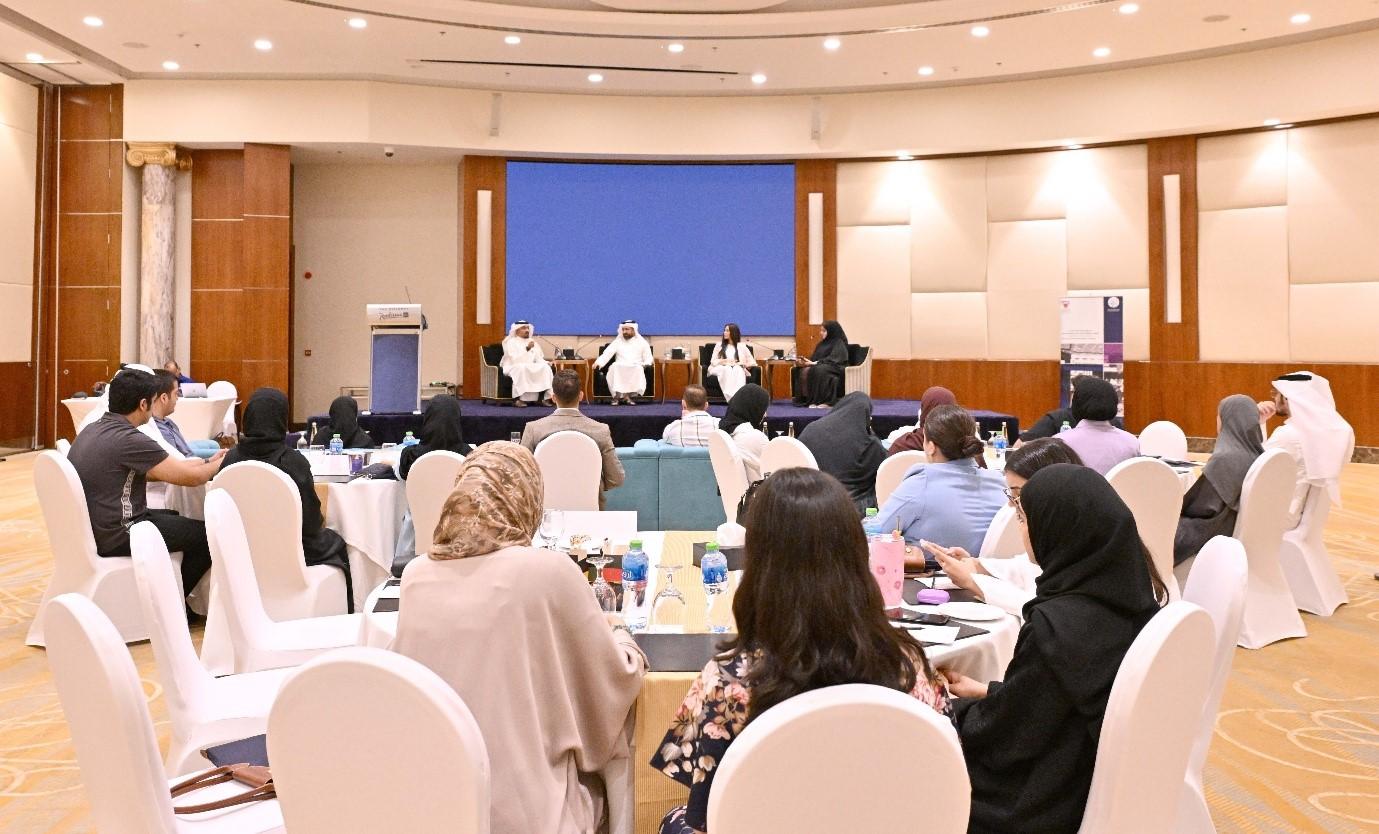
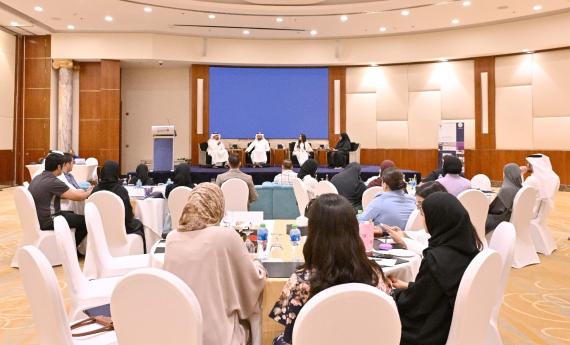
The programme kicked off with a roundtable discussion centred on the powerful influence of media in shaping public opinion and, consequently, policy. Participants interacted with seasoned media professionals, gaining a deeper understanding of how both traditional and digital media platforms can influence civic discourse, rally public involvement, and reinforce accountability. The conversation underscored the necessity of a well-informed public debate for fostering transparency and participatory governance, while also exploring the unique opportunities and hurdles that the media landscape presents for youth engagement in the public sphere.
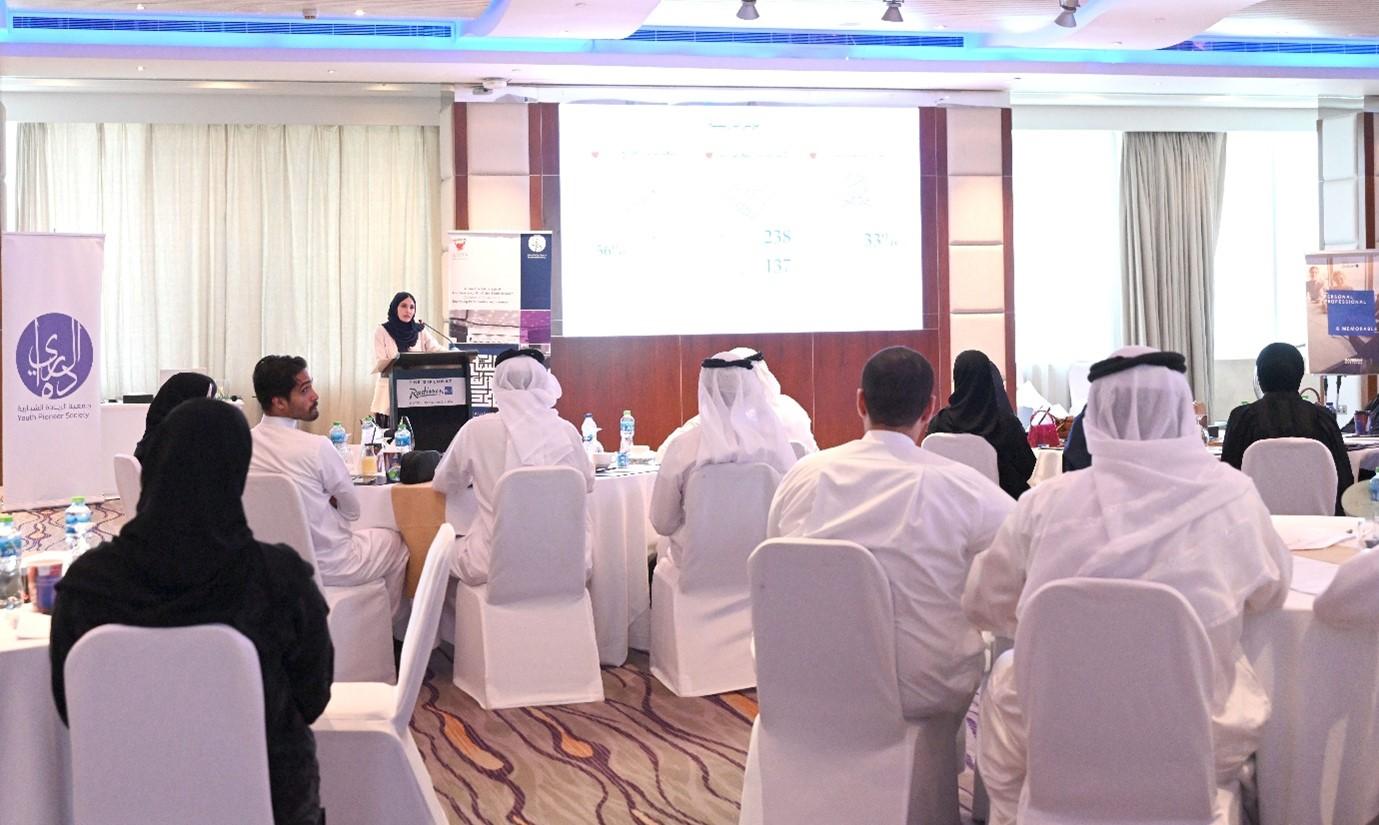
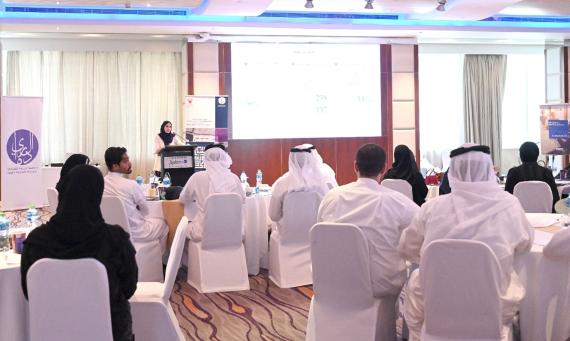
Following this, the participants attended two key lectures. The first delved into Bahrain's international relations, examining its evolving position within the Gulf Cooperation Council (GCC) and its broader role in the global area. The second lecture included a historical perspective on democracy in Bahrain, tracing the evolution of its parliamentary bodies and highlighting significant milestones. A recurring theme in both sessions was the critical importance of youth participation in the legislative and policy-making processes.
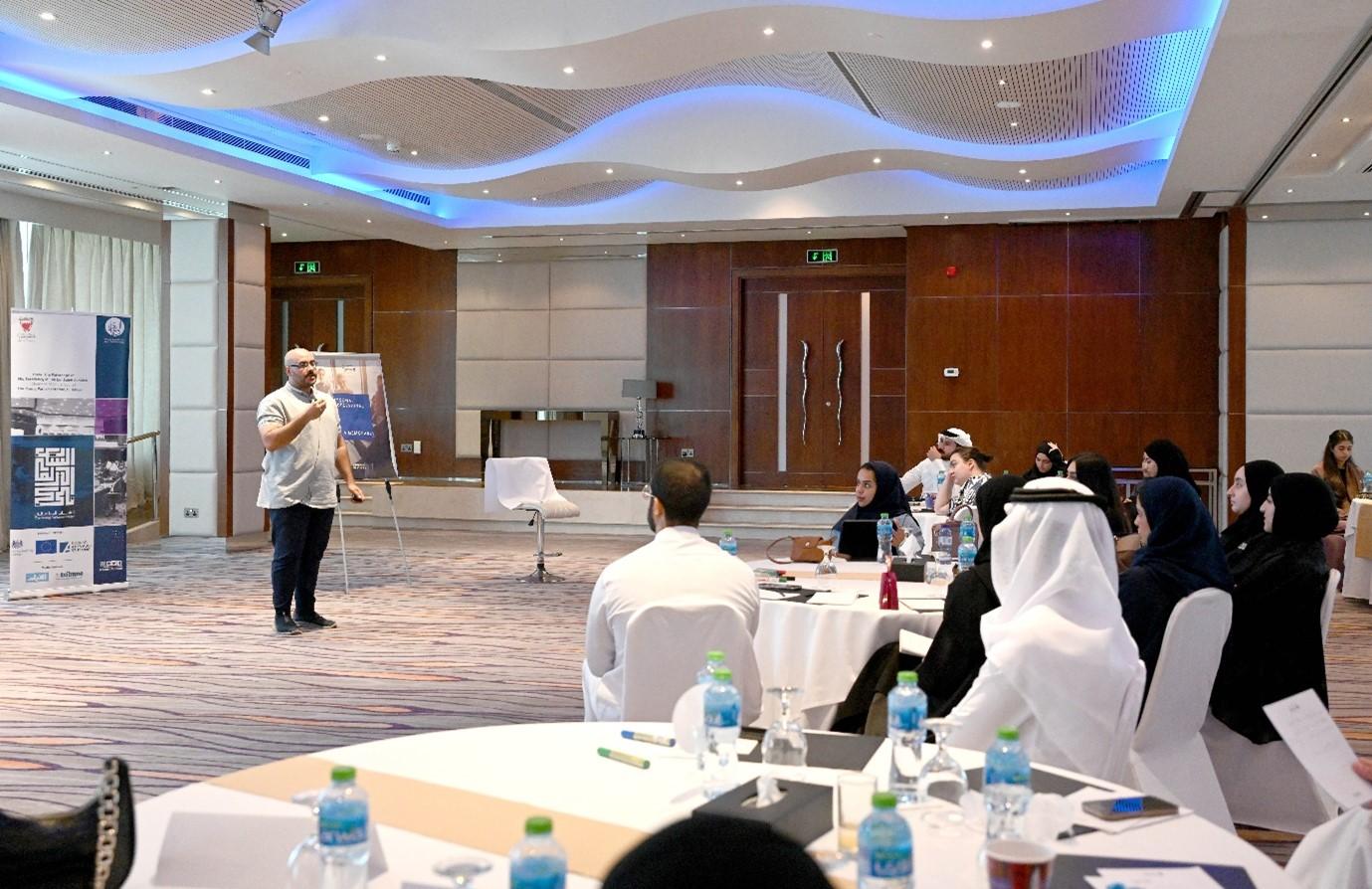
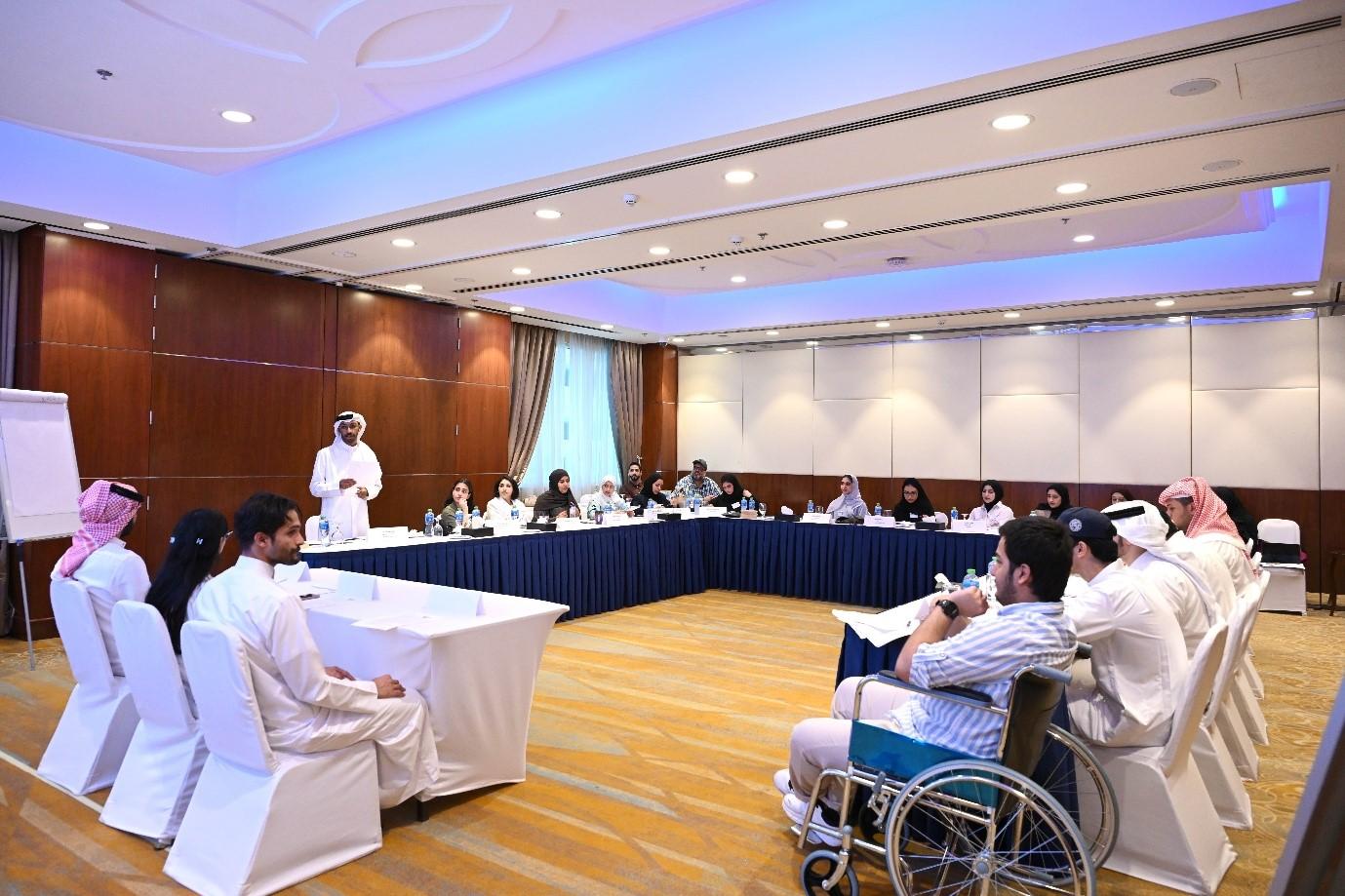
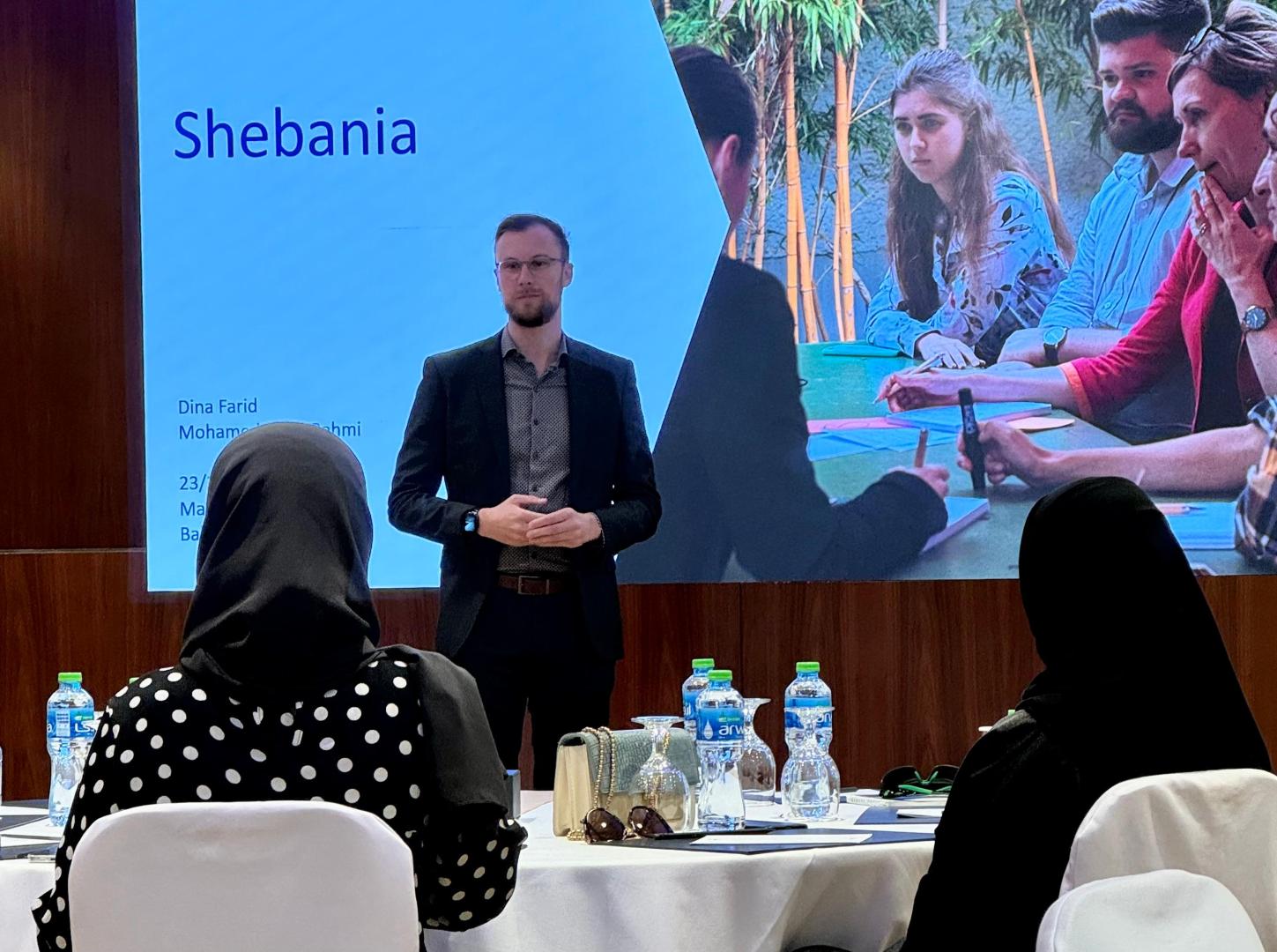
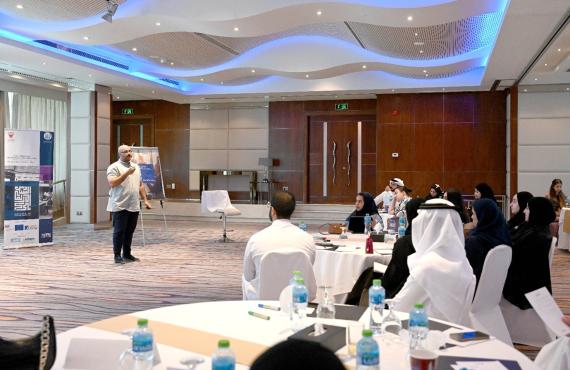
A cornerstone of the programme was a policy-making simulation game, expertly implemented by the organisation CRISP. This hands-on exercise was crafted to give participants a tangible experience of parliamentary negotiations and the legislative decision-making process. Assuming the roles of government officials, civil society representatives, and members of parliamentary committees, they worked in teams to draft and propose policies addressing pressing social, economic, and civic challenges. Through lively debate, negotiation, and the hard work of building consensus, the participants gained firsthand insight into the intricate nature of policy creation and the essential skill of balancing interests of different stakeholders. The simulation provided a stimulating environment for honing skills in negotiation, strategic thinking, and teamwork, all while powerfully illustrating the value of young voices in crafting effective policy.
The programme culminated in a final ceremony where the young participants had the opportunity to present their legislative proposals to esteemed members of the Shura Council of Bahrain – it’s consultative legislative assembly. Organisers and invited dignitaries lauded the participants for their creativity, leadership, and enthusiastic engagement throughout the initiative programme.