International cooperation continues to be both necessary and possible to achieve, despite great power rivalry, nationalism, and the erosion of multilateral institutions. Regional and global hierarchies matter: the steeper the power asymmetry, the stronger the temptation for hegemonic domination; flatter hierarchies foster cooperation and inclusive governance. Secondary states (especially liberal middle powers) play a pivotal role in the legitimacy and effectiveness of international orders, as they can enable or withhold followership from great powers. Effective multilateralism depends on strengthening institutional output, and deepening cooperation in areas where global public goods are at stake.
The World Trade Organization’s (WTO) current crisis is primarily driven by US unilateralism and a paralysis of the dispute settlement system, compounded by rigid consensus-based decision-making. A US withdrawal from the WTO is possible but unlikely, as it would undermine core US economic interests while strengthening China’s relative influence. The gridlock has led members to pursue bilateral and plurilateral arrangements, which may provide temporary stability, but cannot replace the WTO as the central pillar of global trade governance. The WTO is wounded but not dying; it is widely acknowledged that meaningful reform is needed, yet effective leadership to drive such reform remains elusive, especially in the absence of consistent US commitment.
Since the global financial crisis of 2008, the G20’s agenda has become far more diverse. Today, the G20 addresses almost every global policy area. However, resolutions often remain vague and ineffective due to a lack of political alignment. Nevertheless, the G20 continues to be an indispensable format for global governance, particularly as a “reserve mechanism” for global crises and as a forum for dialogue without cumbersome bureaucracy. In order to secure its legitimacy, the G20 must focus on its core mandate, develop the Troika into a multi-year planning body and align its working methods more closely with achievable outcomes.
BRICS is using institutions such as the New Development Bank, BRICS Pay, and joint SEO ventures to build parallel infrastructures that reduce dependence on Western markets and the US dollar. The rapid expansion of BRICS reflects its appeal to emerging economies that seek strategic autonomy, multi-alignment, and protection from coercive trade and investment practices by major powers. China dominates BRICS’ agenda-setting and operational capacity, using the bloc to secure resources, technology pathways, and supply chains, while Russia’s role adds geopolitical weight and controversy. The rise of BRICS confronts the EU with structural challenges, whose regulatory models, reliance on private multinationals, and FTA-based strategies are poorly adapted to competing with a coordinated, state-capitalist economic bloc.
Read the compilation “Global Economic Governance in a Fragmented World” here as a PDF.

Media library
#11: Hannah Lim on Legal Technology in South East Asia
As Head of Rule of Law and Emerging Markets at LexisNexis in Singapore, Hannah identifies areas where LexisNexis can, leveraging on technology, support the rule of law.
Read now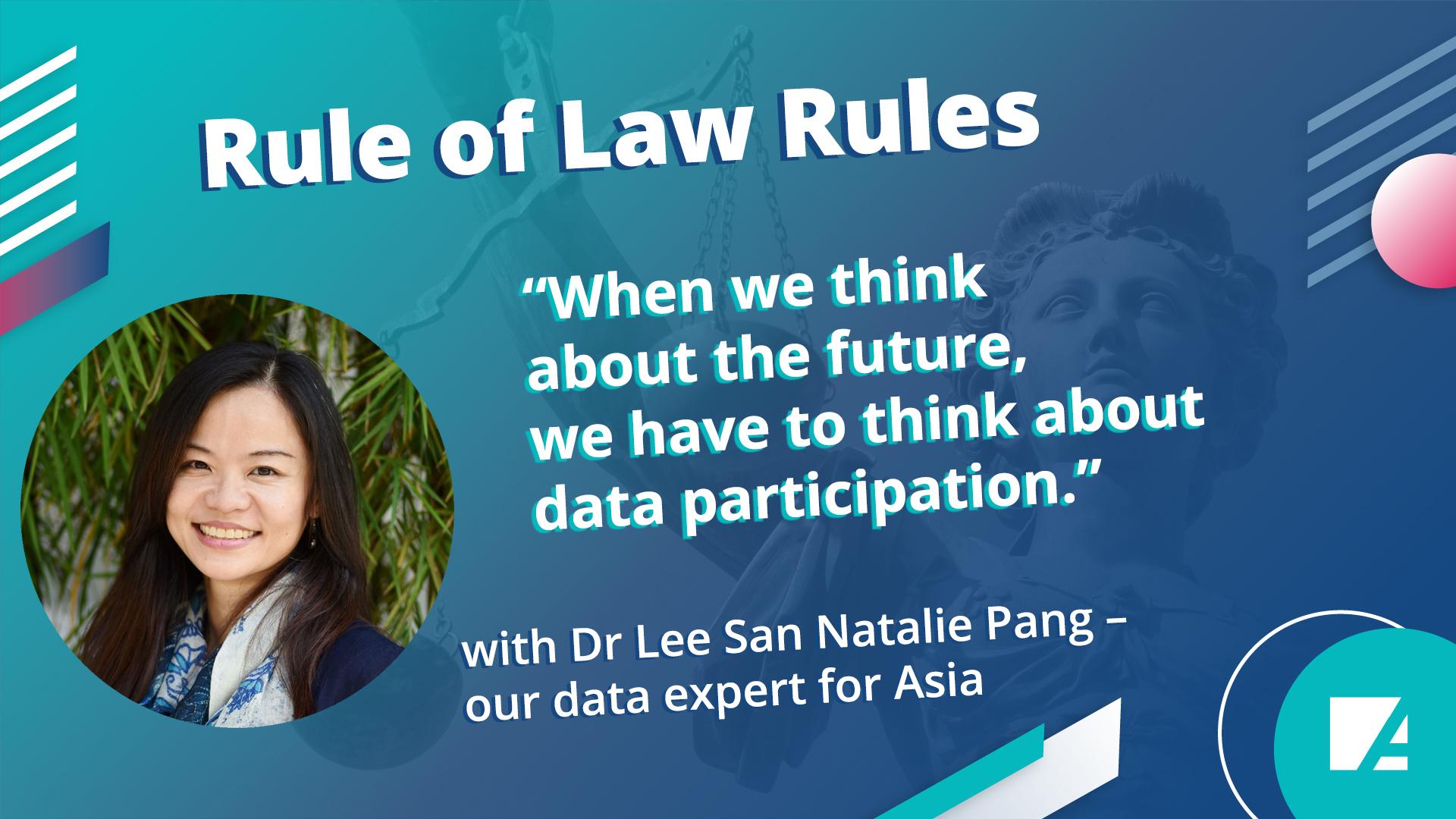
#6: Lee San Natalie Pang on the General Data Protection Regulation & its influence in Southeast Asia
For the last episode of our first series “Data Protection” we go to Asia and take a closer look at the Southeast with Dr Lee San Natalie Pang, our expert on Data Protection.
Read now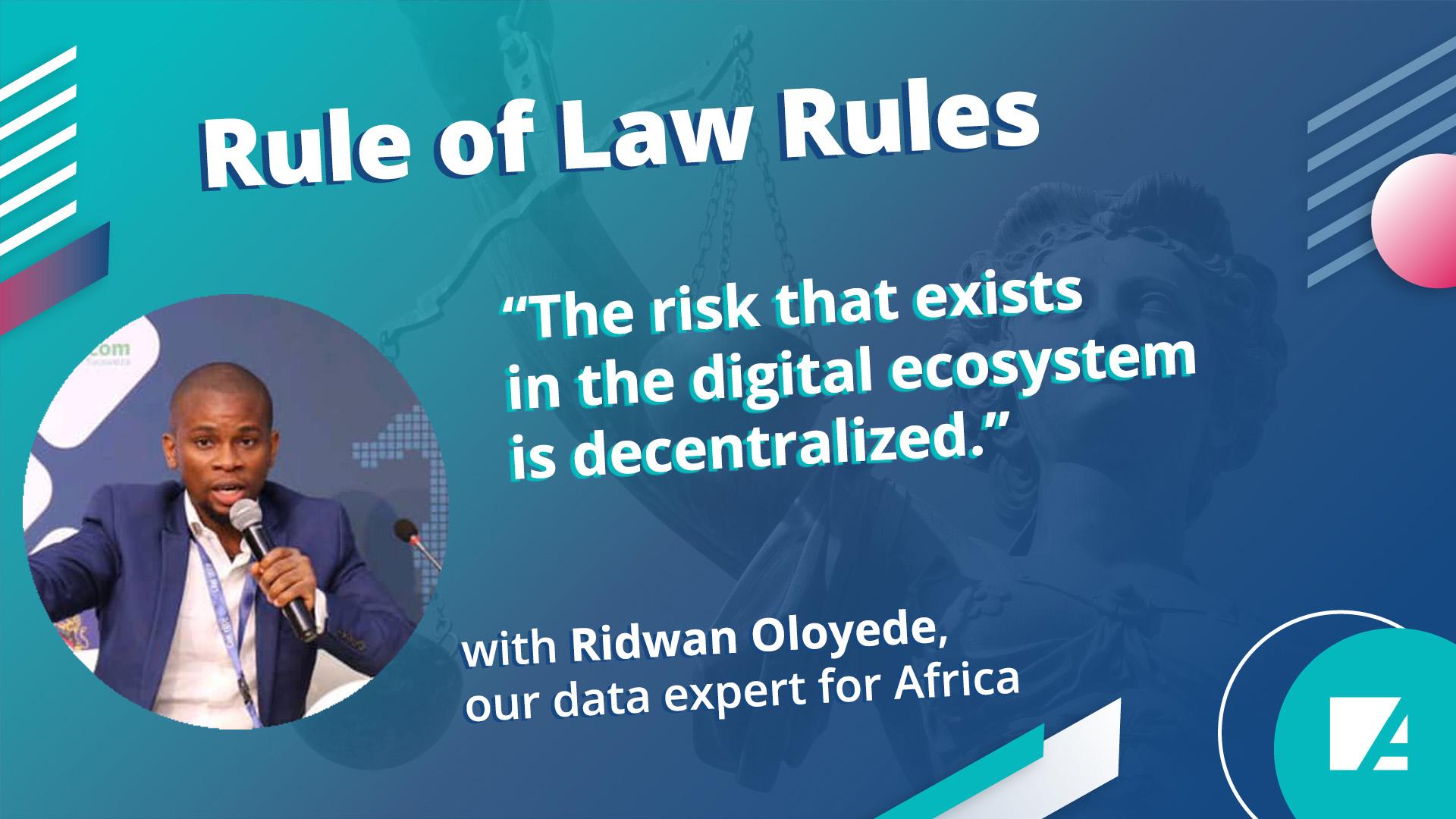
#5: Ridwan Oloyede about the GDPR and its influence in African legal framework
Ridwan Oloyede is co-founder of a Nigerian start-up, that helps businesses to achieve operational excellence through the reliable and efficient application of technology.
Read now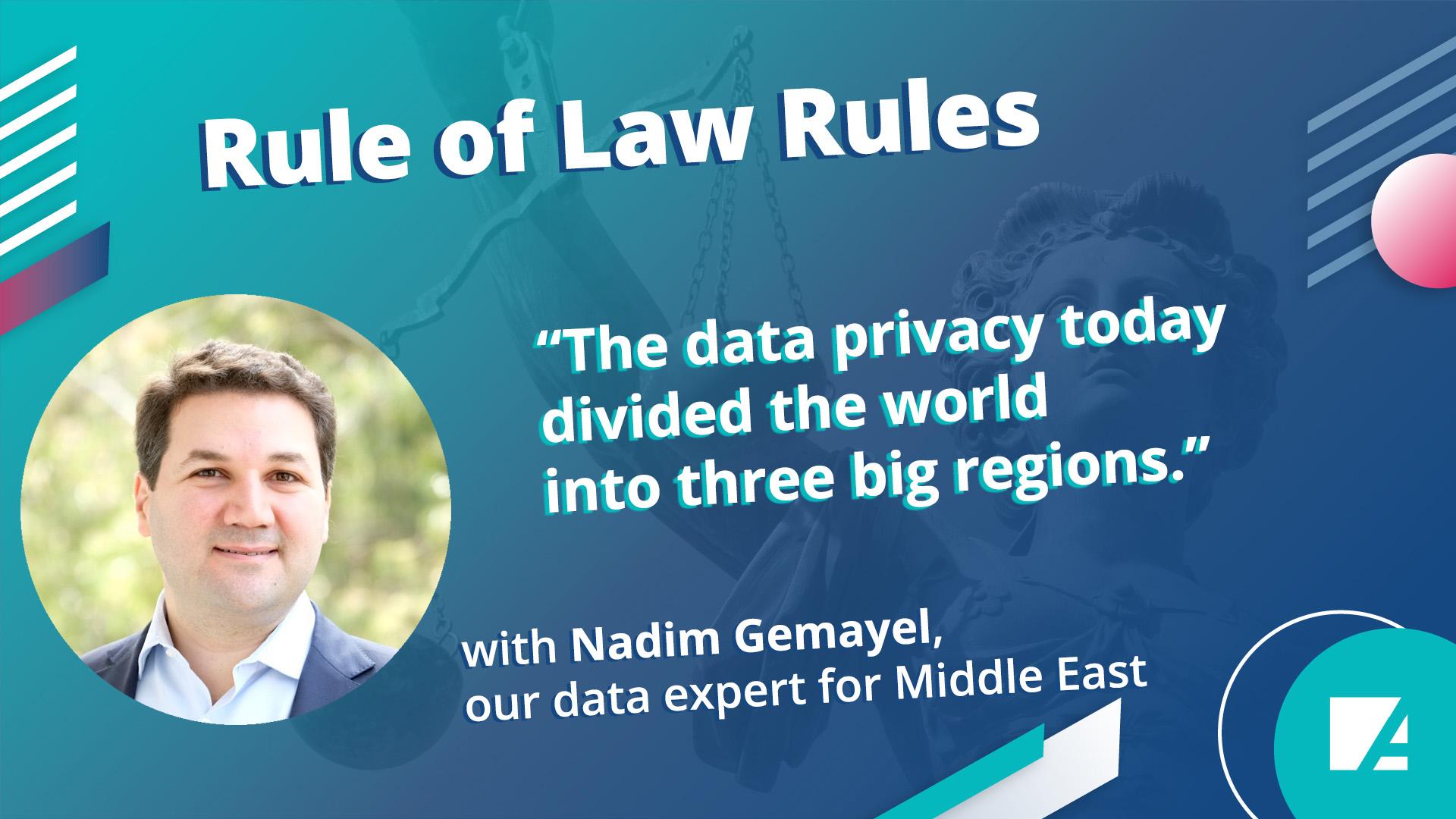
#4: Nadim Gemayel on the General Data Protection Regulation and its influence in Middle East
Nadim Gemayel is a politician and lawyer based in Lebanon and Qatar. He was a member of the Lebanese Parliament between 2009 and 2020.
Read now
#3: Eduardo Magrani on Data Protection in Latin America
We speak with Eduardo Magrani about the General Data Protection Regulation and its influence in Brazilian and Latin American legal framework.
Read now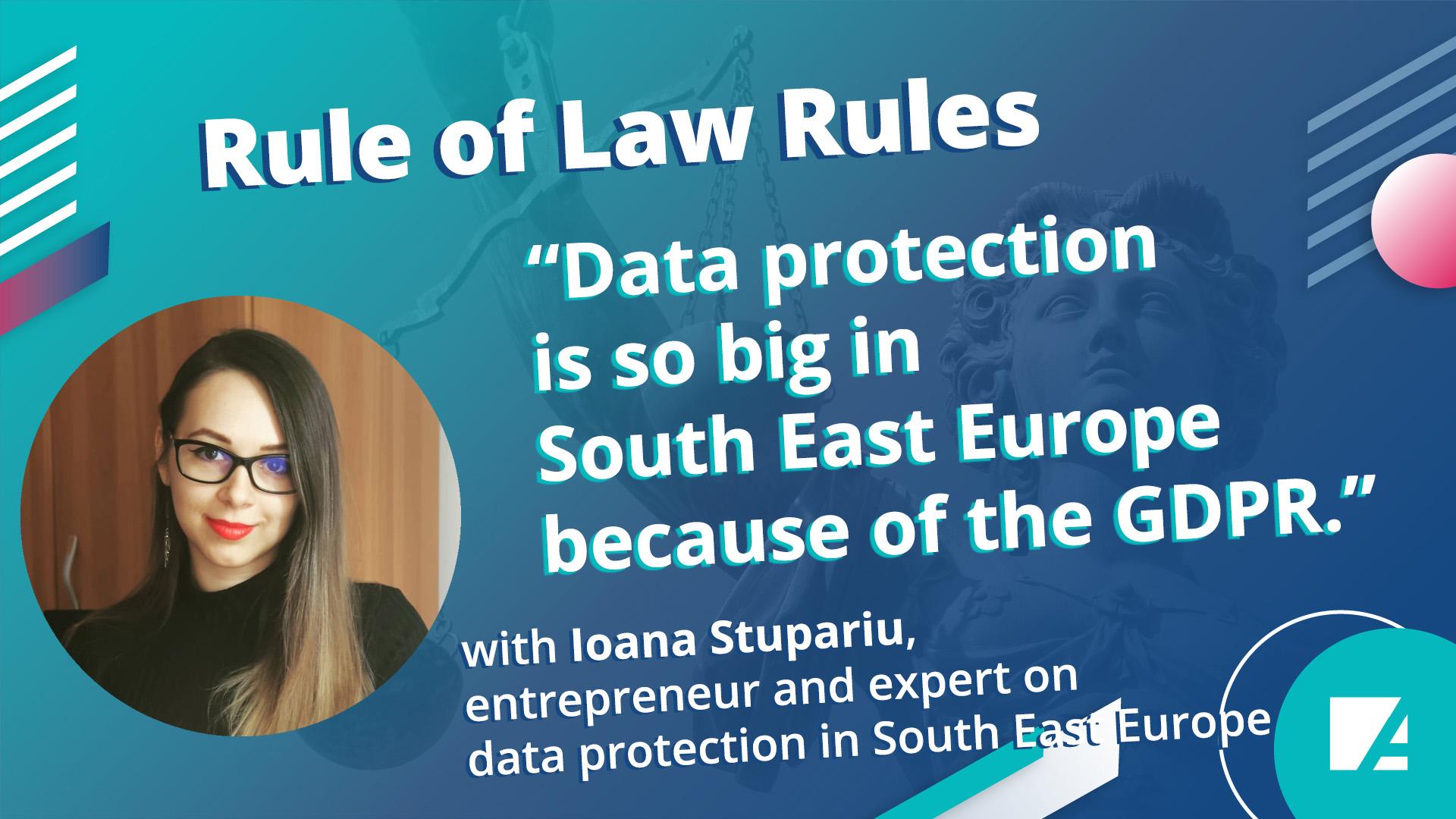
#2: Ioana Stupariu on the GDPR's influence in South East Europe
Ioana Stupariu works with tech and healthcare start-ups and companies across Central and Eastern Europe. And she researches on Data protection & Privacy.
Read now