





For the KAS Rule of Law Programme Asia, engagement with the governance and regulation of artificial intelligence forms part of a broader and long-standing focus on state modernization and institutional reform. Over the past several years, the programme has worked closely with partners across the region on questions related to digital government, modernization of public administration, and the transformation of justice systems in the digital age. As governments increasingly rely on advanced technologies to deliver public services and support decision-making, questions of legal safeguards, accountability, and democratic oversight become ever more central. The governance and responsible use of artificial intelligence therefore represent a natural extension of the programme’s work on the rule of law in the context of digital transformation.
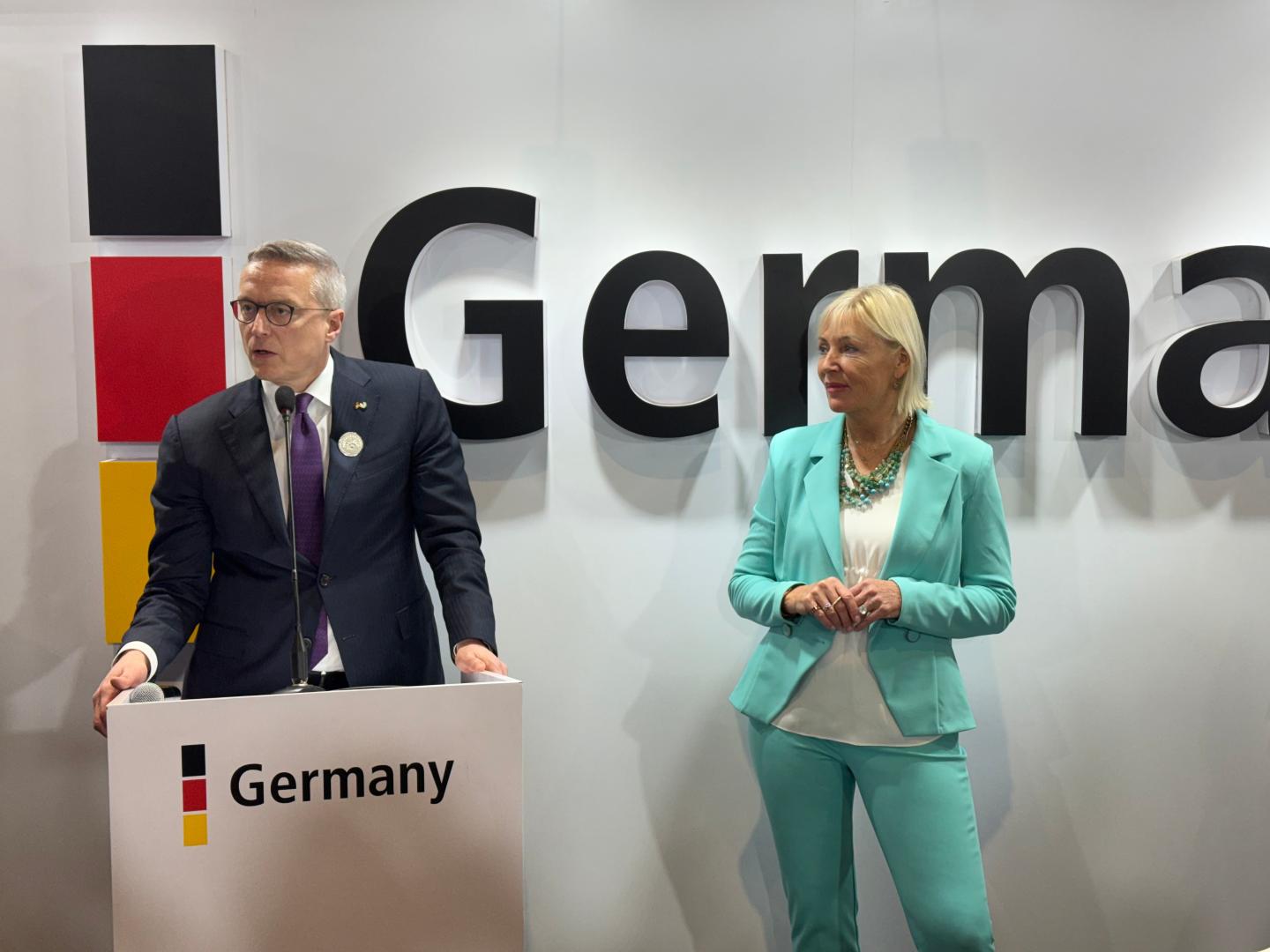
This engagement is particularly relevant in Asia, where debates on digital governance and AI regulation are evolving rapidly. Through cooperation with partners in countries such as Taiwan, Singapore, and India, the programme contributes to policy discussions on how technological innovation can be aligned with robust legal frameworks and democratic principles. In this context, the India AI Impact Summit offered an important platform for exchange between policymakers, researchers, and industry leaders from Germany and Asia.
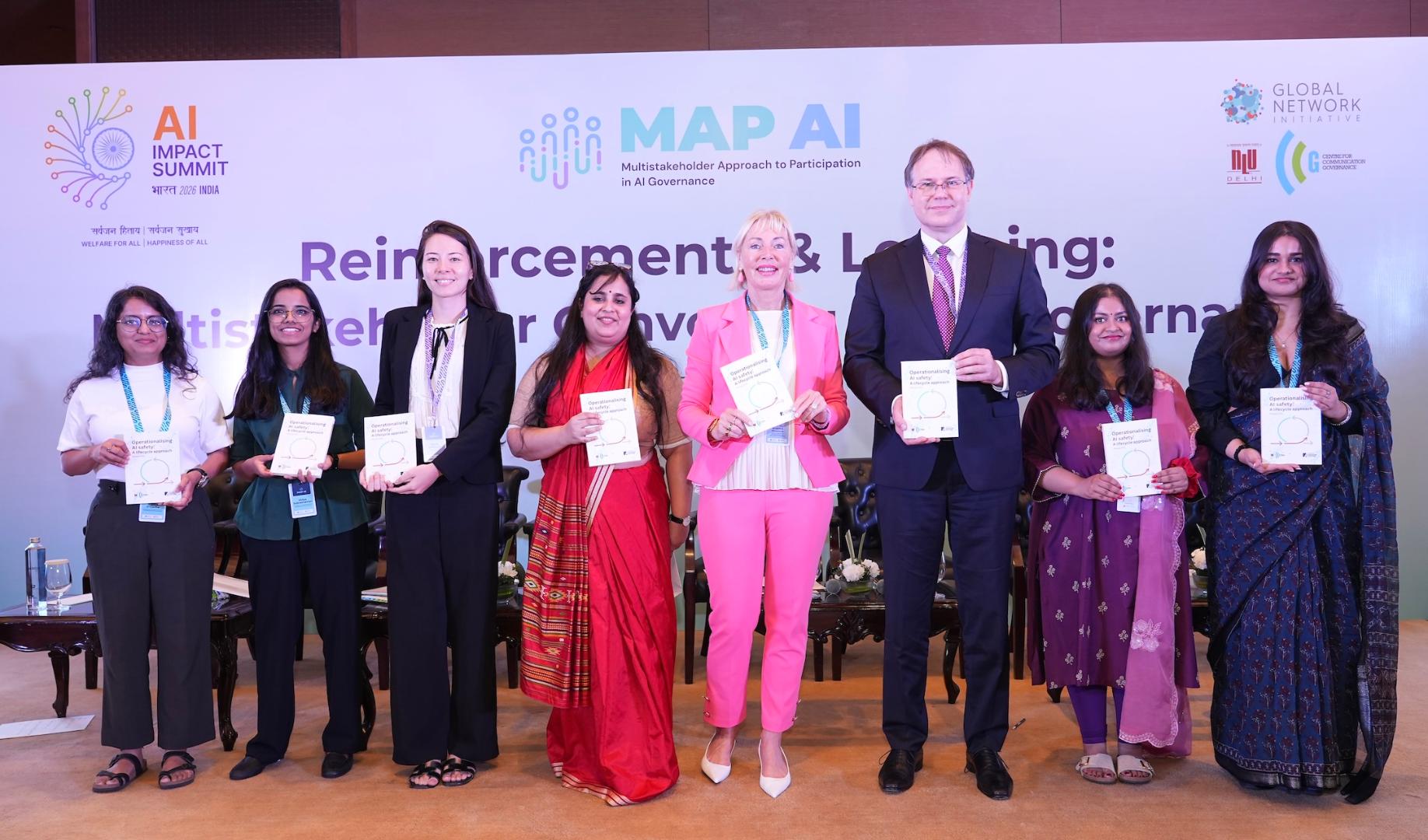
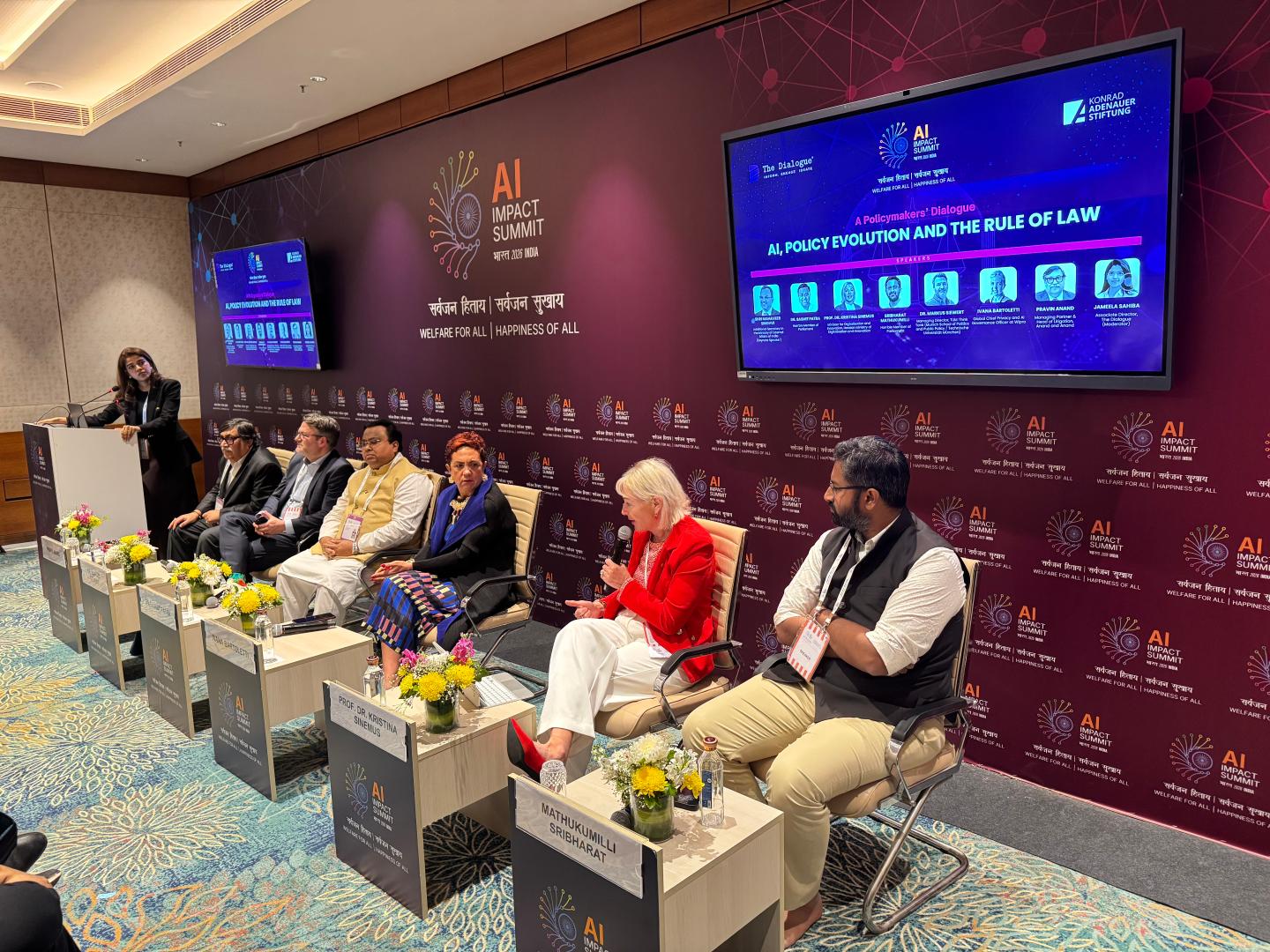
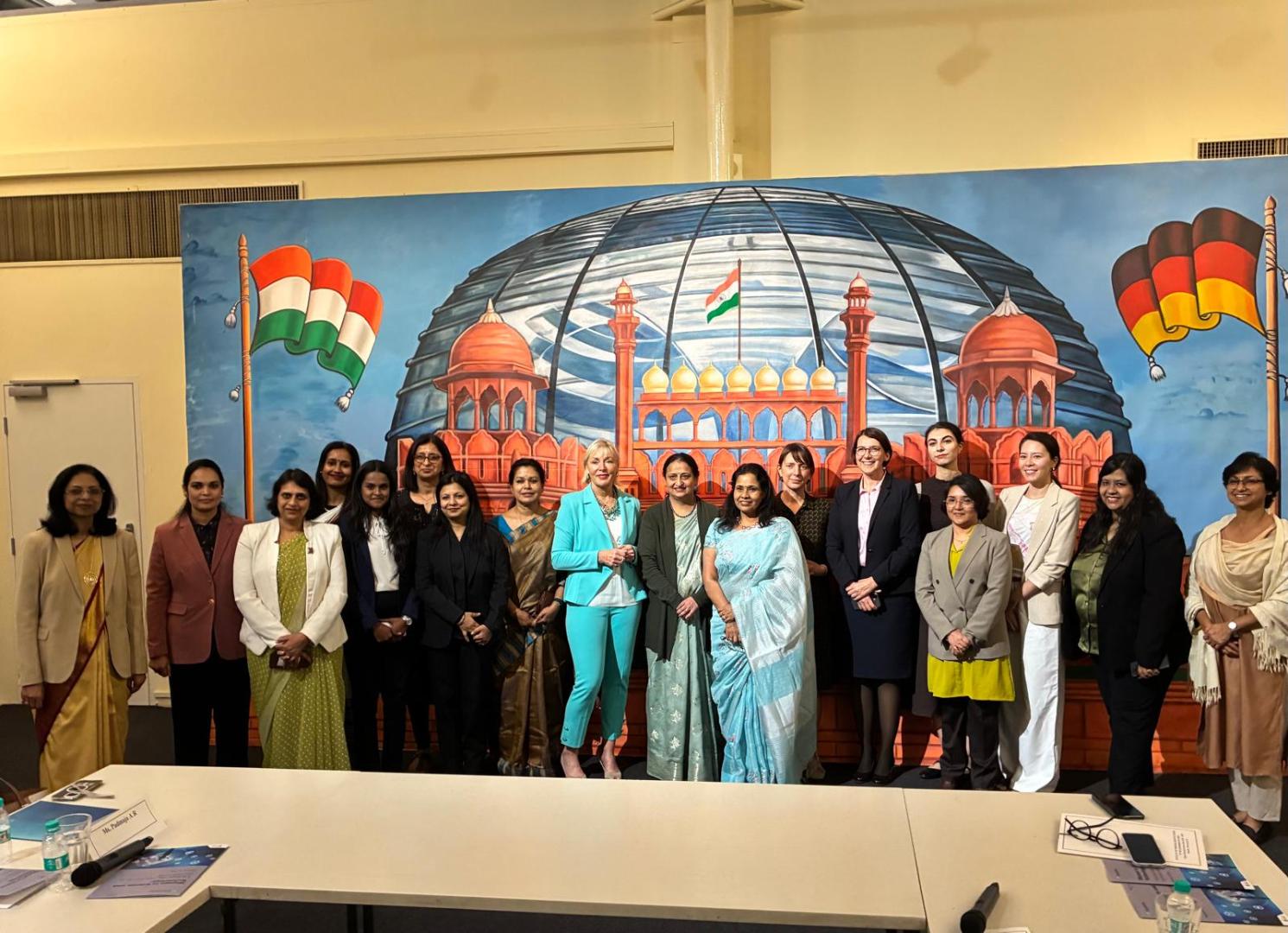
Discussions during the Summit focused on how to link technological progress with clear legal frameworks and democratic safeguards. Together with the Centre for Communication Governance (CCG), the Dialogue and the Fraunhofer Institute, we contributed to several events addressing topics such as AI safety and the role of AI in economic development and the social good. We also presented our joint report with CCG, “Operationalizing AI Safety: A Lifecycle Approach,” which examines how responsibility and safety considerations can be embedded in AI systems from their initial design through to deployment.
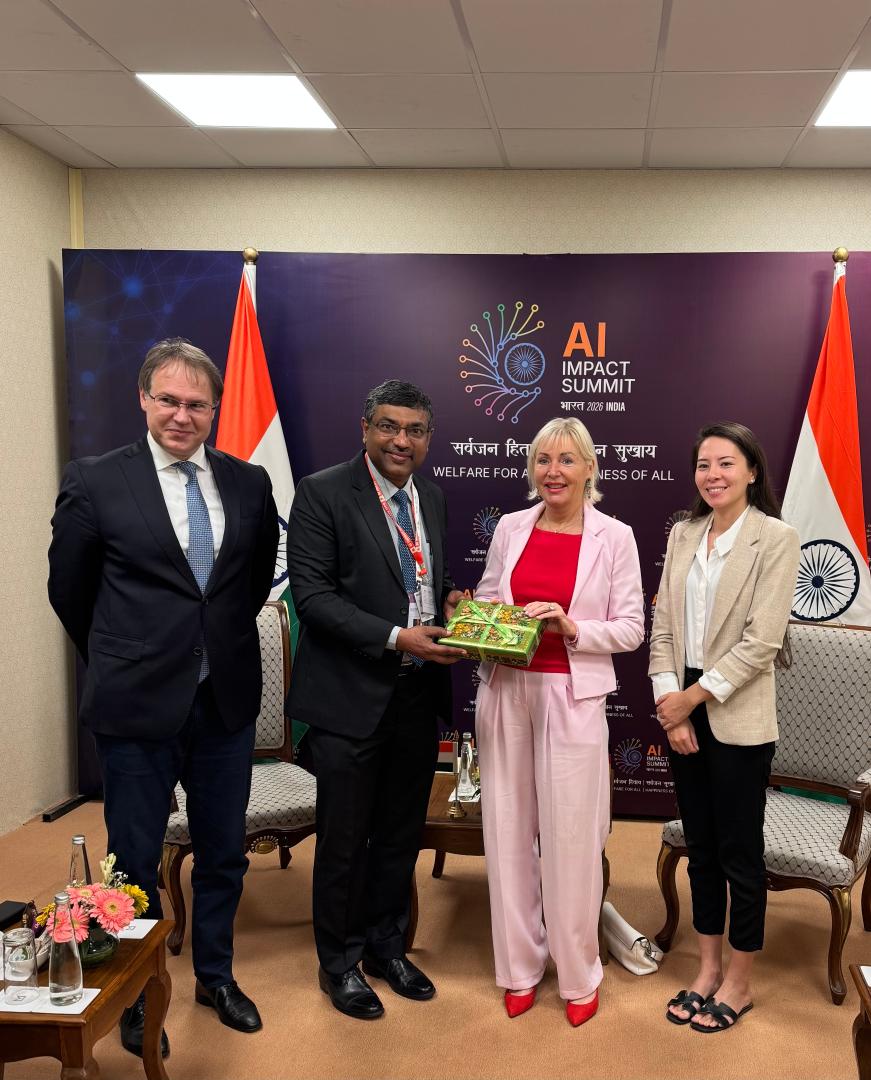
On the sidelines of the Summit, Minister Sinemus held substantive exchanges with Secretary Krishnan of the Ministry of Electronics and Information Technology (MEITY) and Secretary Karandikar of the Ministry of Science and Technology (MST), deepening the German-Indian dialogue on AI start-ups, research and development, and pathways for scaling responsible AI innovation.
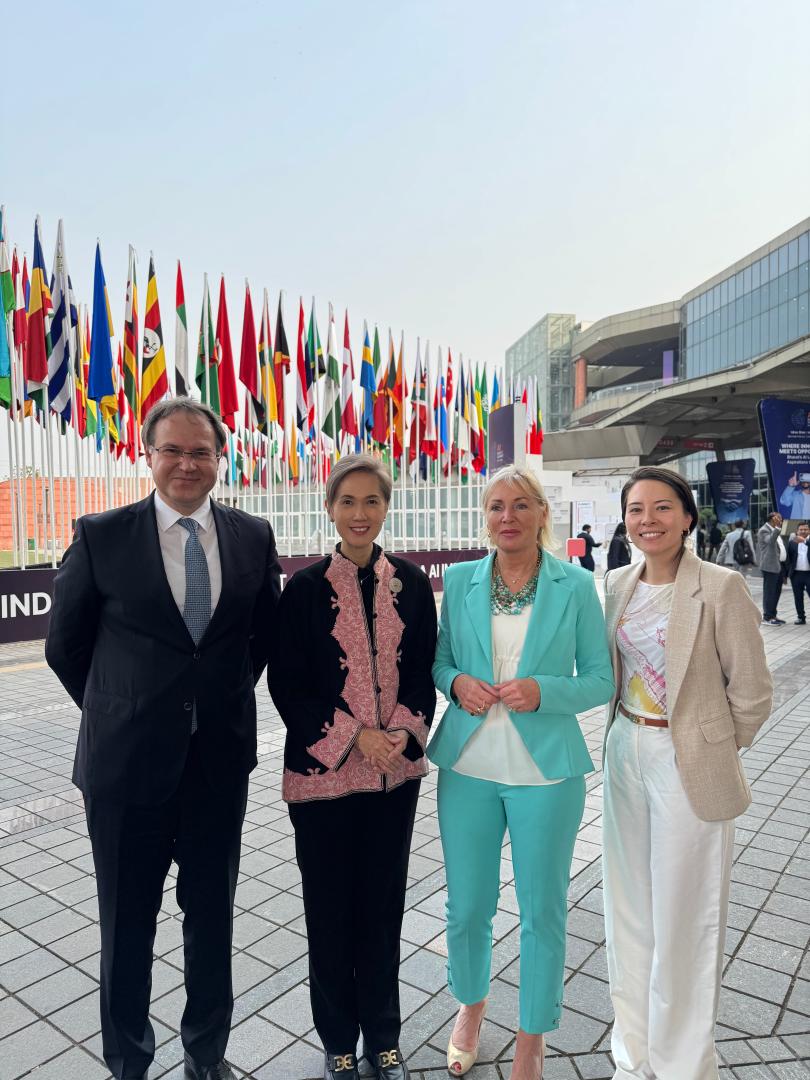
Together with Josephine Teo, Singapore’s Minister for Digital Development and Information, she also discussed opportunities for future engagement in Singapore. Across all meetings, India’s openness and confidence in embracing emerging technologies provided valuable insights for German stakeholders.
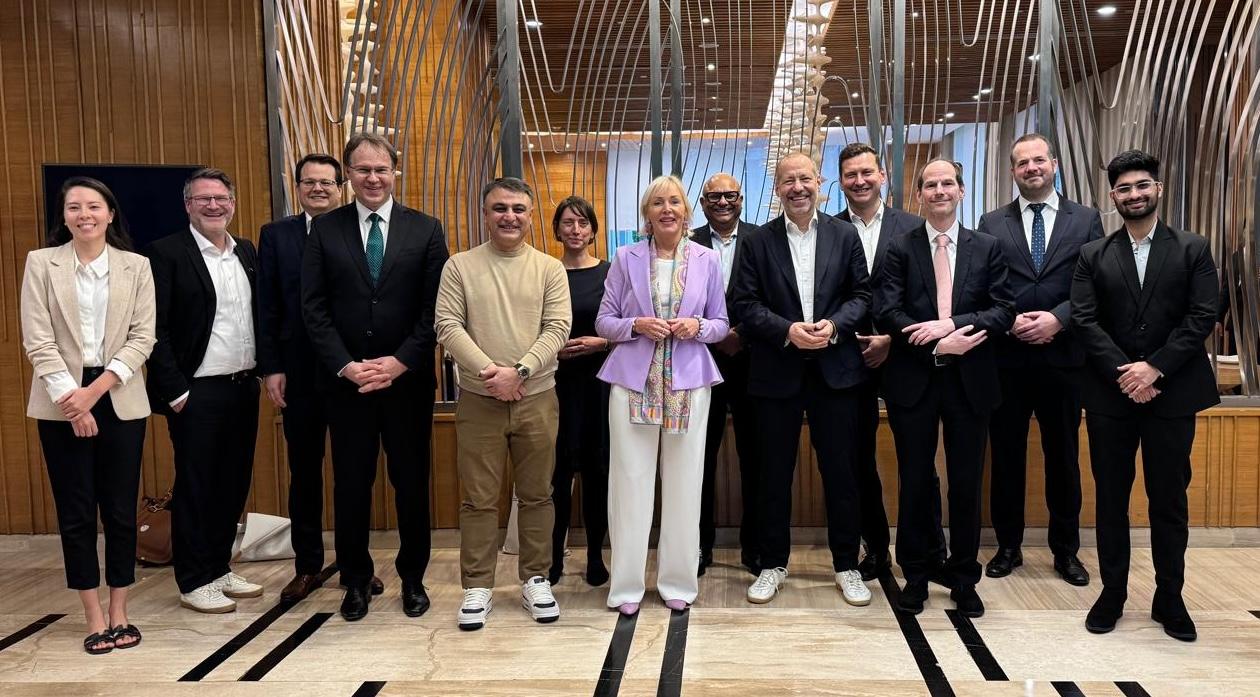
Both sides bring complementary expertise to the table, and continued cooperation between policymakers, research institutions, and industry will be essential to advance responsible AI development. The delegation has already initiated concrete follow-up steps, including plans for joint research initiatives and closer exchanges between AI start-up ecosystems.

Media library
#11: Hannah Lim on Legal Technology in South East Asia
As Head of Rule of Law and Emerging Markets at LexisNexis in Singapore, Hannah identifies areas where LexisNexis can, leveraging on technology, support the rule of law.
Read now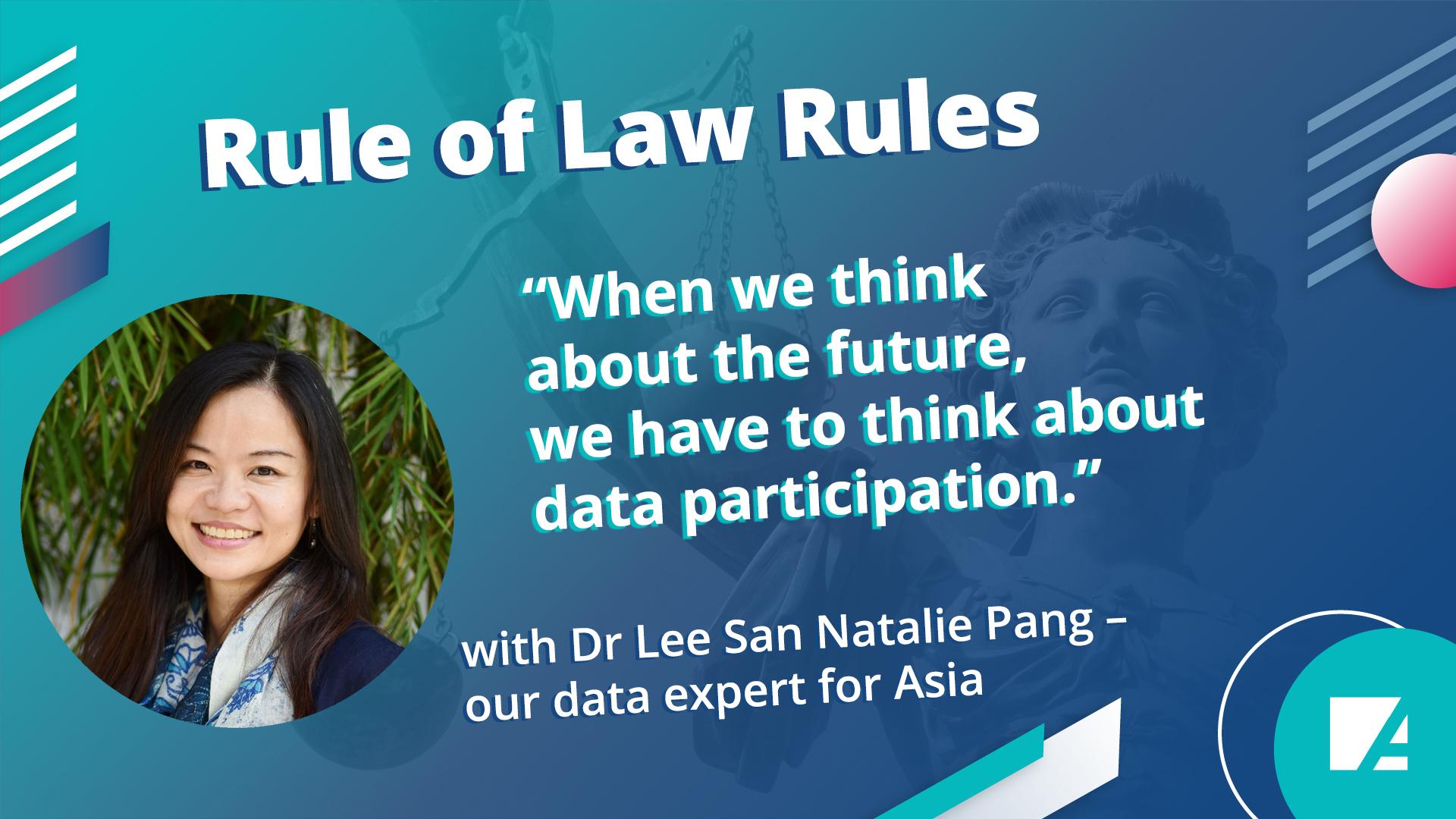
#6: Lee San Natalie Pang on the General Data Protection Regulation & its influence in Southeast Asia
For the last episode of our first series “Data Protection” we go to Asia and take a closer look at the Southeast with Dr Lee San Natalie Pang, our expert on Data Protection.
Read now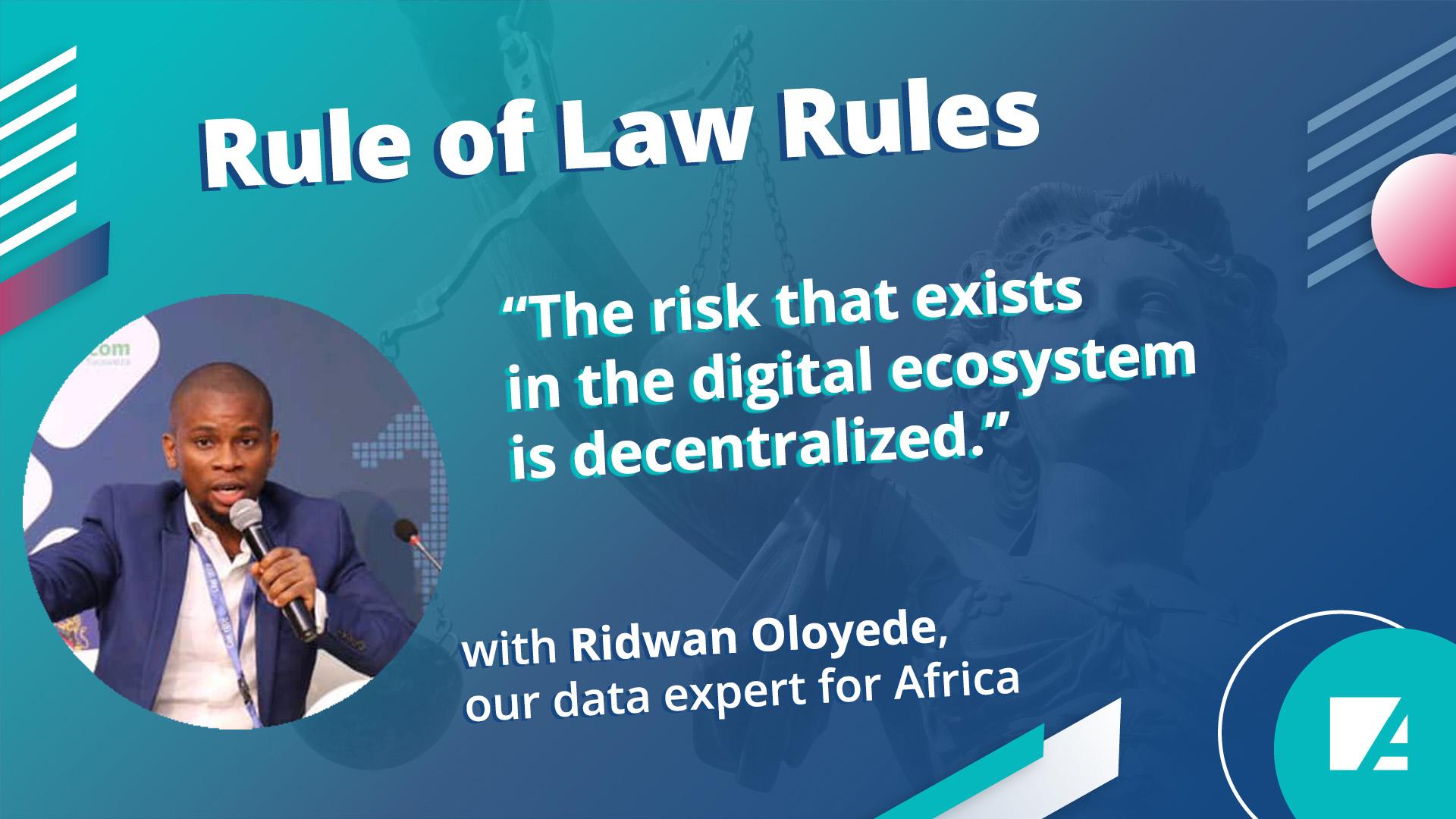
#5: Ridwan Oloyede about the GDPR and its influence in African legal framework
Ridwan Oloyede is co-founder of a Nigerian start-up, that helps businesses to achieve operational excellence through the reliable and efficient application of technology.
Read now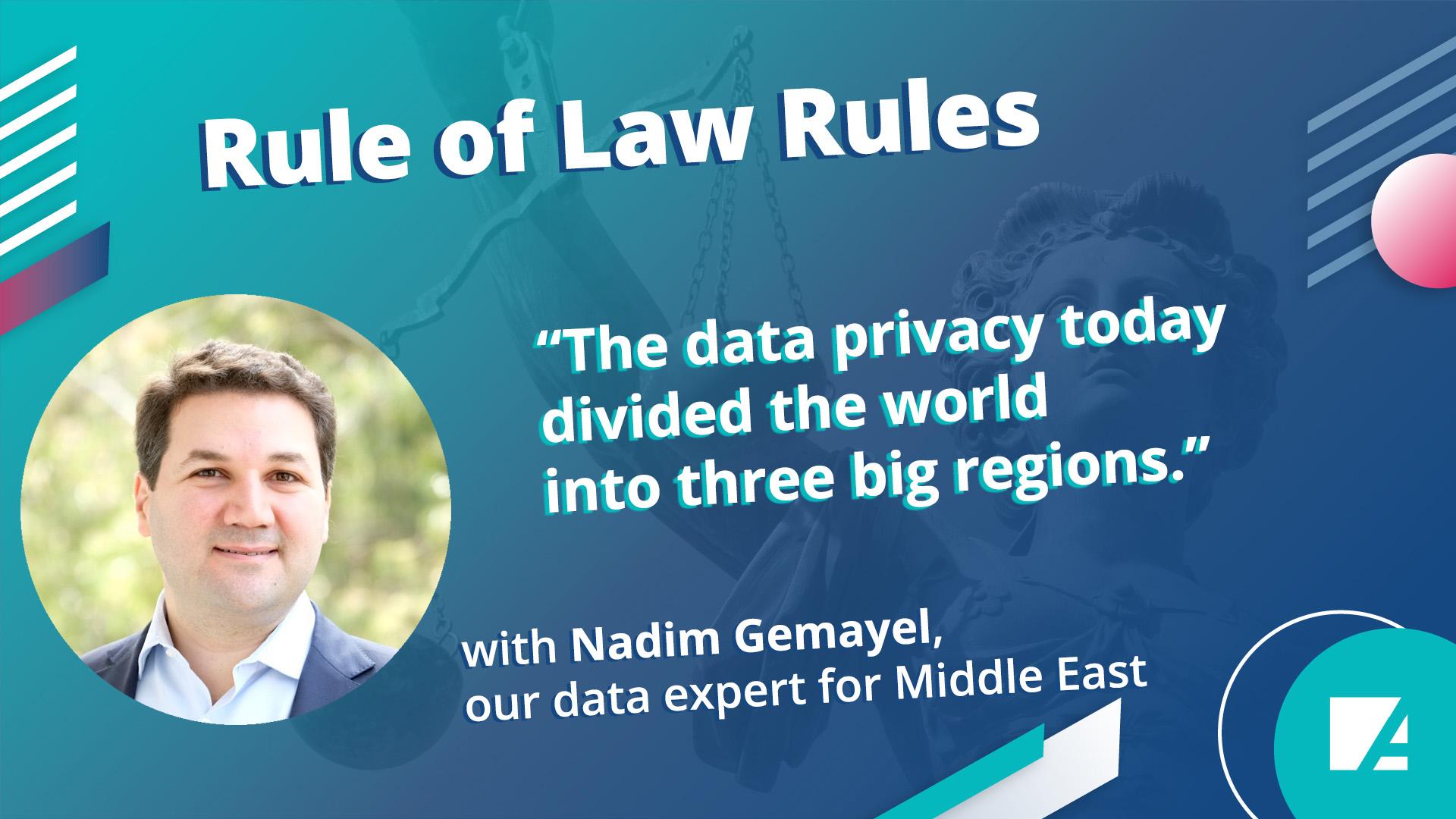
#4: Nadim Gemayel on the General Data Protection Regulation and its influence in Middle East
Nadim Gemayel is a politician and lawyer based in Lebanon and Qatar. He was a member of the Lebanese Parliament between 2009 and 2020.
Read now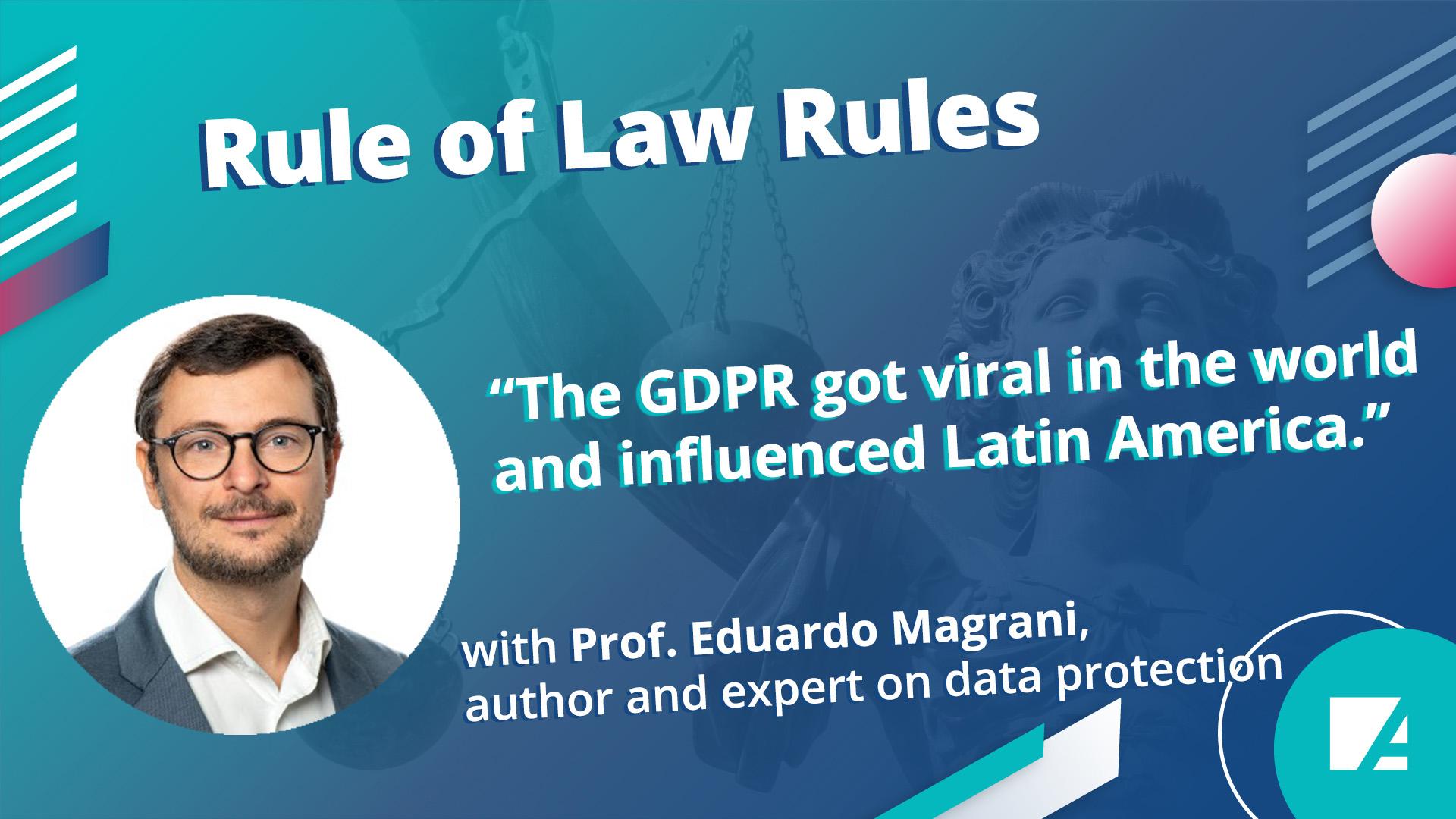
#3: Eduardo Magrani on Data Protection in Latin America
We speak with Eduardo Magrani about the General Data Protection Regulation and its influence in Brazilian and Latin American legal framework.
Read now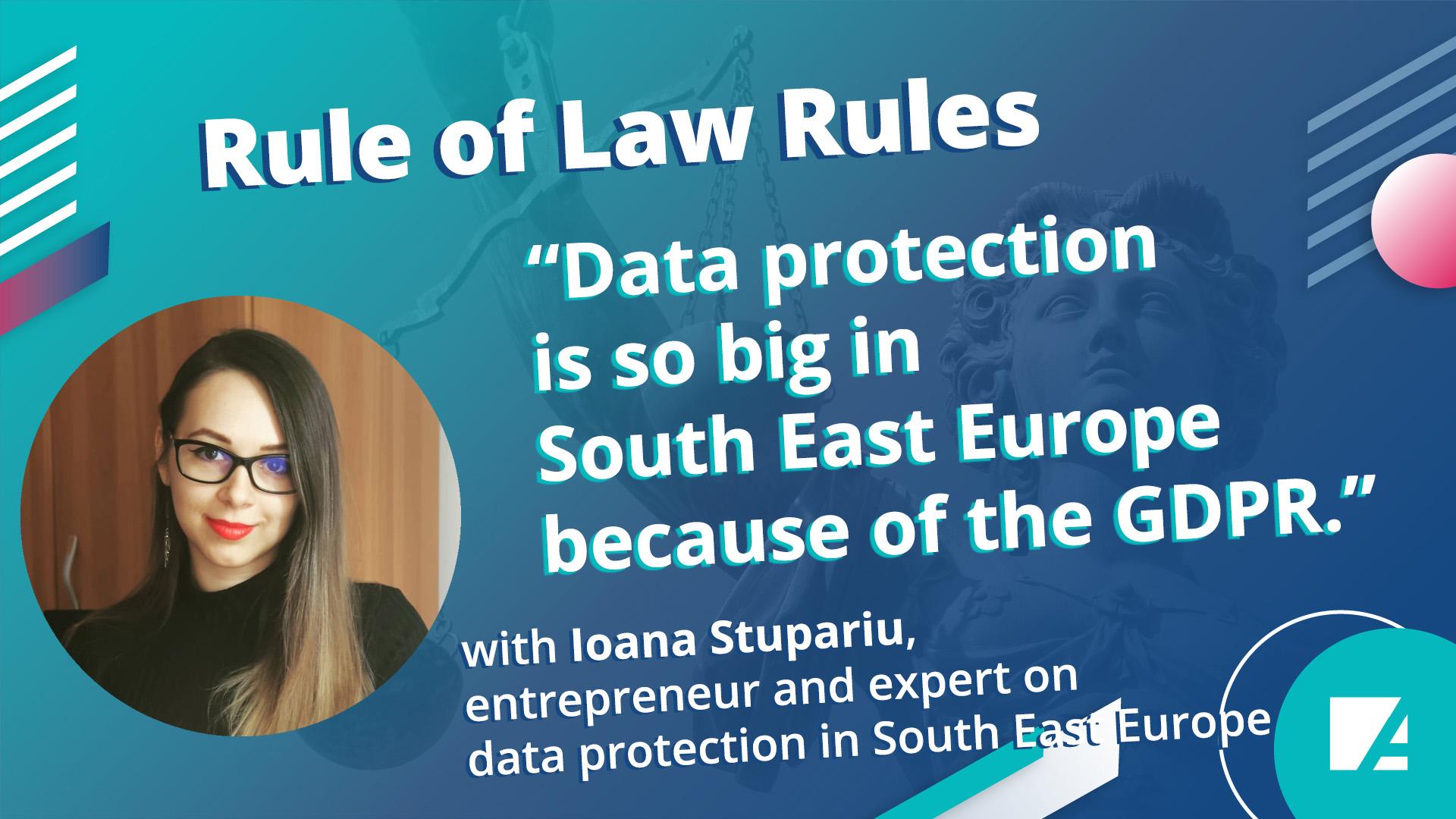
#2: Ioana Stupariu on the GDPR's influence in South East Europe
Ioana Stupariu works with tech and healthcare start-ups and companies across Central and Eastern Europe. And she researches on Data protection & Privacy.
Read now