Politics Of Post-Uprising Reform In Bangladesh & Sri Lanka:
Rule of Law, Institutions and Constitutional Reforms
Executive Summary
The joint workshop by the Institute of South Asian Studies at the
National University of Singapore and the Rule of Law Programme Asia
at Konrad Adenauer Stiftung on 20 January 2026 was situated within a
broader regional context where domestic politics across South Asia had
witnessed a series of major political upheavals that led to the removal
of the ruling governments in Sri Lanka in 2022, Bangladesh in 2024 and
Nepal in 2025. While these political shifts emerged from unique national
contexts, underlying factors and triggers, taken together, they provide
important insights into evolving democratic experiences and trajectories
of ‘development’ in the region.
While the scale and intensity of these uprisings have brought demands
for accountability, reform and democratic consolidation to the forefront
of political debate, political change represents only the beginning of a
much longer and more complex process of structural and institutional
change. Historical experience demonstrates that the construction or
reconstruction of institution-building and state transformation following
moments of rupture can take decades.
Against this backdrop, the joint workshop sought not only to examine
the causes of recent uprisings but also to consider the prospects for
institutional reform, democratic renewal and the reconstitution of the
state in the post-uprising period through a comparative perspective in
Bangladesh and Sri Lanka, with occasional references to developments
in Nepal. The key questions included whether current developments
in Sri Lanka and Bangladesh exemplify the creation of entirely new
political arrangements or the reshaping of existing institutions. The
discussions also included how effectively interim and newly elected
governments translate popular mandates into concrete institutional and
constitutional reforms and how these reforms manifest during processes
of constitutional, political and social change.
In Sri Lanka, protests initially triggered by a severe economic and debt
crisis evolved into a broader challenge to political authority in 2022.
The current government, led by the National People’s Power (NPP),
faces the dual task of navigating economic constraints while pursuing
promised social and legal reforms, including addressing longstanding
human rights concerns. In Bangladesh, mass protests culminated in the
departure of then Prime Minister Sheikh Hasina, with demonstrations
initially mobilised around a controversial job reservation policy in the
government sector that many perceived as reinforcing inequality and
political privilege. The new government in Bangladesh, following the
election in February 2026, confronts the challenge of restoring law
and order that deteriorated during the interim period, implementing
the reform agenda amid differing interpretations and interests among
key political actors, rebuilding state capacity, reforming politicised
institutions, managing foreign relations, particularly with India, and
advancing democratic reforms.
These transitions remain fragile and contested even after some degree
of political stabilisation has occurred with the election of the new
governments. Examining these cases comparatively offers important
analytical value. By considering the experiences of Bangladesh and Sri
Lanka together, scholars and practitioners can better understand how
different political systems respond to moments of democratic upheaval
and how state-citizen relations may be reconfigured in the process.
Particular attention was given to the role of institutions, constitutional
reform processes and the resilience of the rule of law during periods of
political change.
The organisers of the workshop had observed that while numerous
conferences and policy discussions had examined the uprisings within
individual countries, there were few discussions that explored these
dynamics through a comparative regional lens. The workshop, therefore,
aimed to identify common themes, patterns, parallels or divergences
in the trajectories of countries experiencing post-uprising political
transitions. Attention was given to the role of institutions, constitutional
reform processes, anti-corruption efforts and the resilience of the rule of
law during periods of political change.
Finally, it was noted that questions over democracy are not confined to
South Asia but have occurred in many regions of the world. Democratic
politics is often challenged through the consolidation and centralisation
of executive authority, the suppression of dissent and the weakening
of institutional mechanisms designed to ensure checks and balances
and prevent executive excesses. In several cases, political leaders who
initially get elected through democratic uprisings subsequently seek
to undermine the very institutions that enabled their ascent. The
workshop, therefore, sought to situate developments in Bangladesh and
Sri Lanka within these broader global debates on democratic resilience,
institutional reform and the future of governance.
The workshop also explored the engagement and public perceptions
of international institutions, such as the International Monetary Fund
(IMF), the World Bank and the United Nations (UN), which have played
important roles in promoting and supporting programmes on economic
stabilisation, good governance and human rights. However, the future
role of these institutions lacks certainty as the United States (US)-led
rules-based order, liberalism and multilateralism face challenges amid
the growing appeal of populism, protectionism and de-globalisation.
Moreover, the ongoing war between the US, Israel and Iran that has
disrupted international energy flows and supply chains has affected
many countries, including those that are geographically distant from the
conflict. The gradual recovery and fragile stability in Bangladesh and Sri
Lanka are likely to be compounded by these international disruptions.
Media library
#11: Hannah Lim on Legal Technology in South East Asia
As Head of Rule of Law and Emerging Markets at LexisNexis in Singapore, Hannah identifies areas where LexisNexis can, leveraging on technology, support the rule of law.
Read now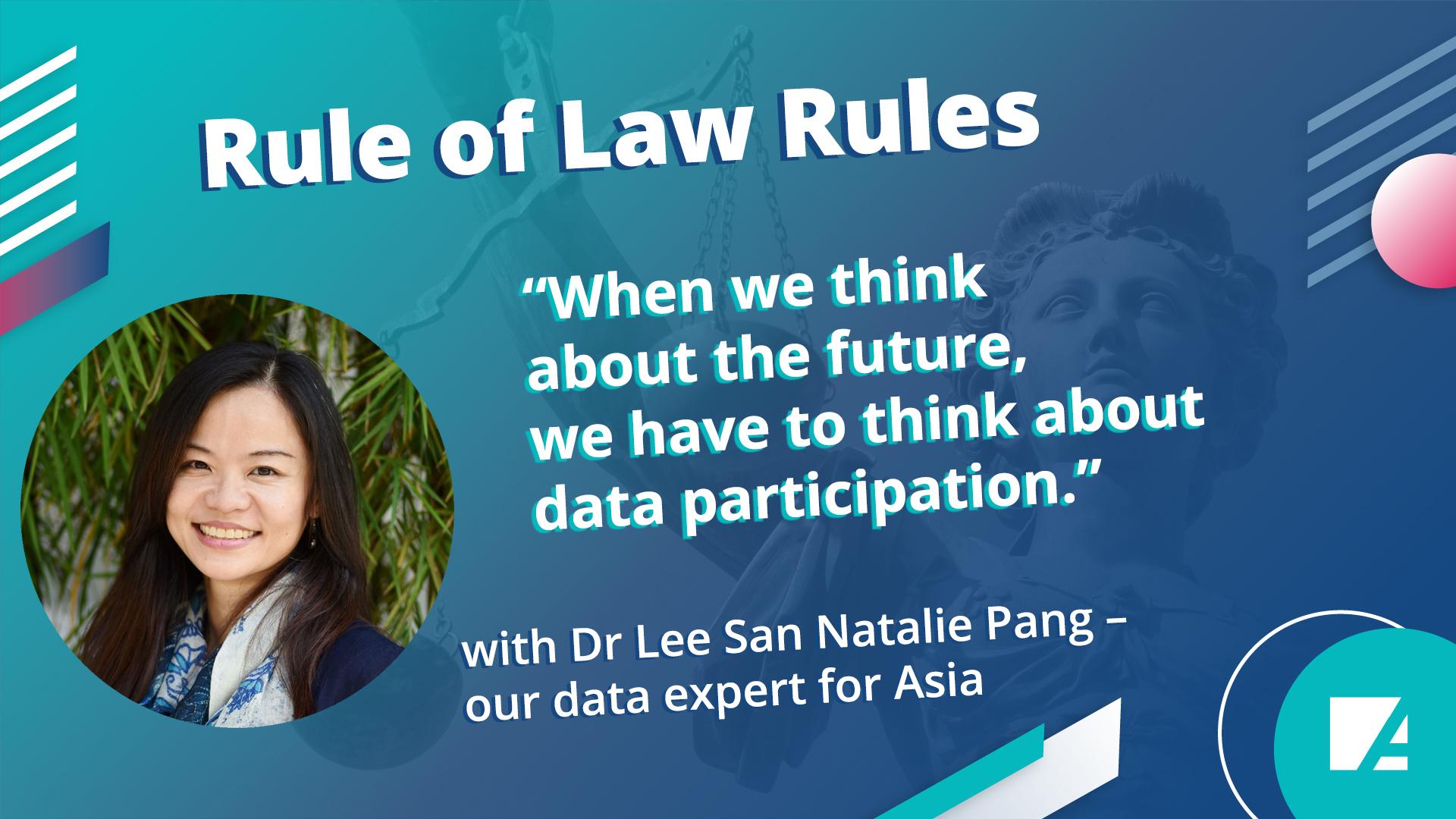
#6: Lee San Natalie Pang on the General Data Protection Regulation & its influence in Southeast Asia
For the last episode of our first series “Data Protection” we go to Asia and take a closer look at the Southeast with Dr Lee San Natalie Pang, our expert on Data Protection.
Read now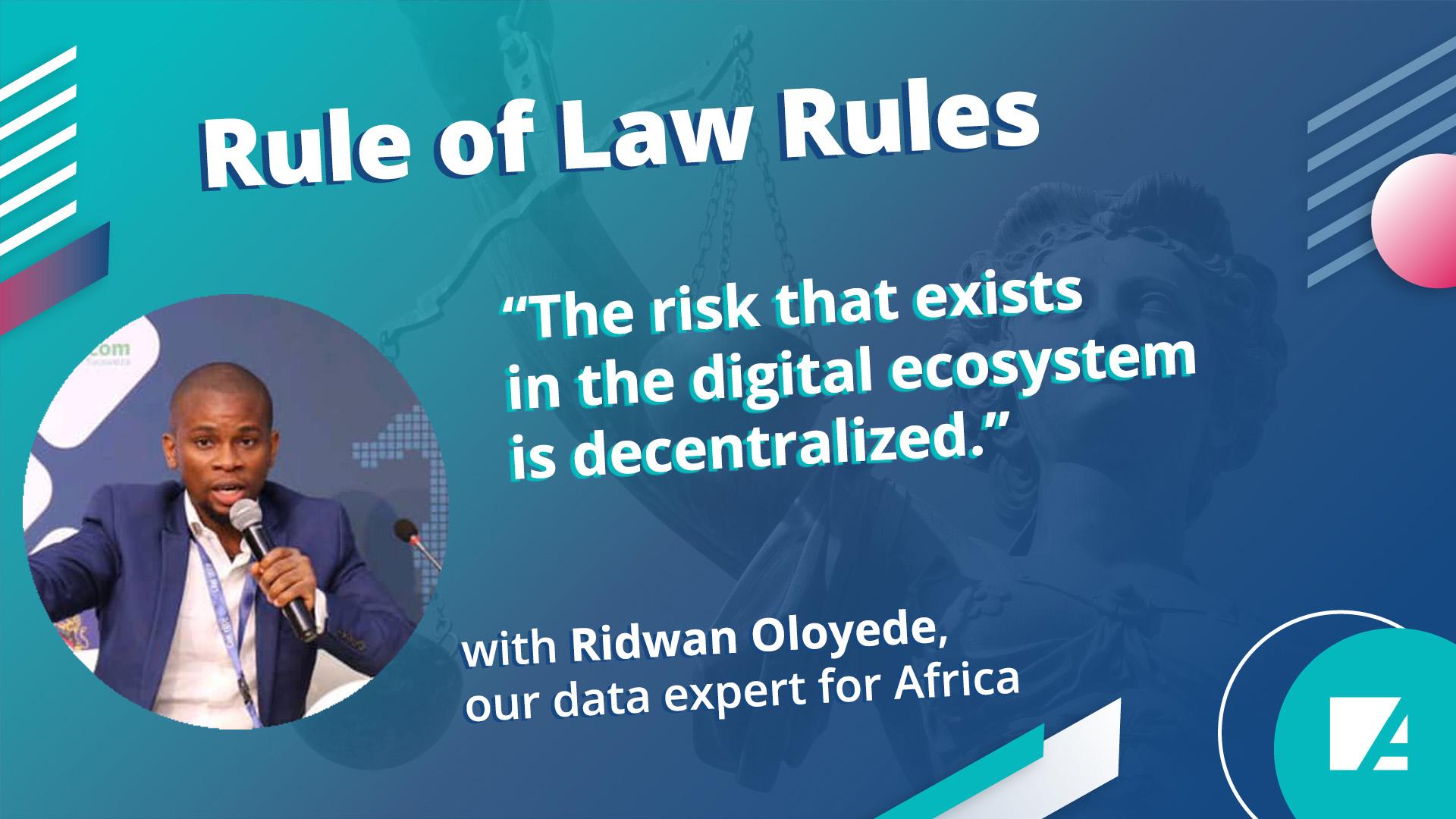
#5: Ridwan Oloyede about the GDPR and its influence in African legal framework
Ridwan Oloyede is co-founder of a Nigerian start-up, that helps businesses to achieve operational excellence through the reliable and efficient application of technology.
Read now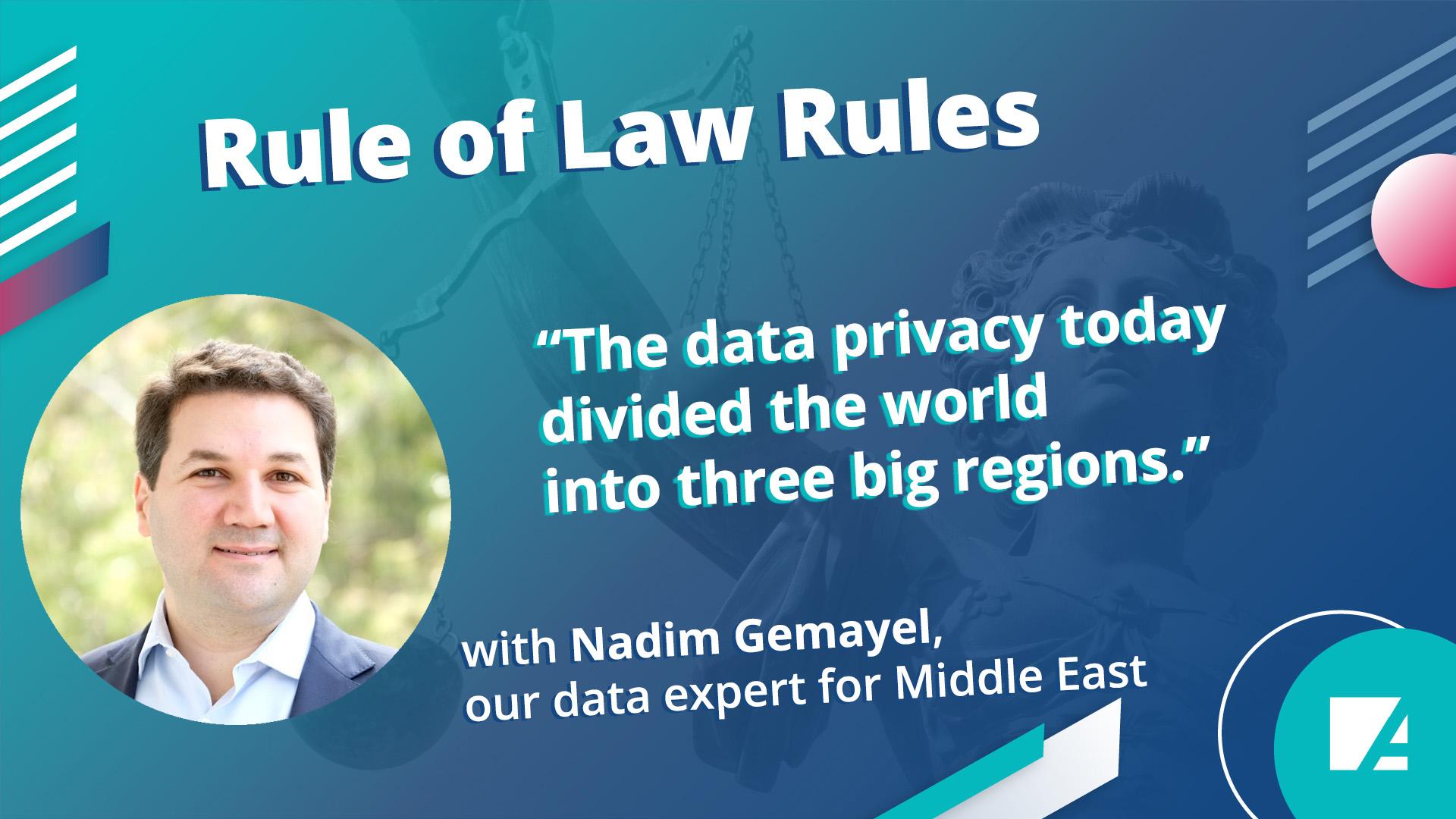
#4: Nadim Gemayel on the General Data Protection Regulation and its influence in Middle East
Nadim Gemayel is a politician and lawyer based in Lebanon and Qatar. He was a member of the Lebanese Parliament between 2009 and 2020.
Read now
#3: Eduardo Magrani on Data Protection in Latin America
We speak with Eduardo Magrani about the General Data Protection Regulation and its influence in Brazilian and Latin American legal framework.
Read now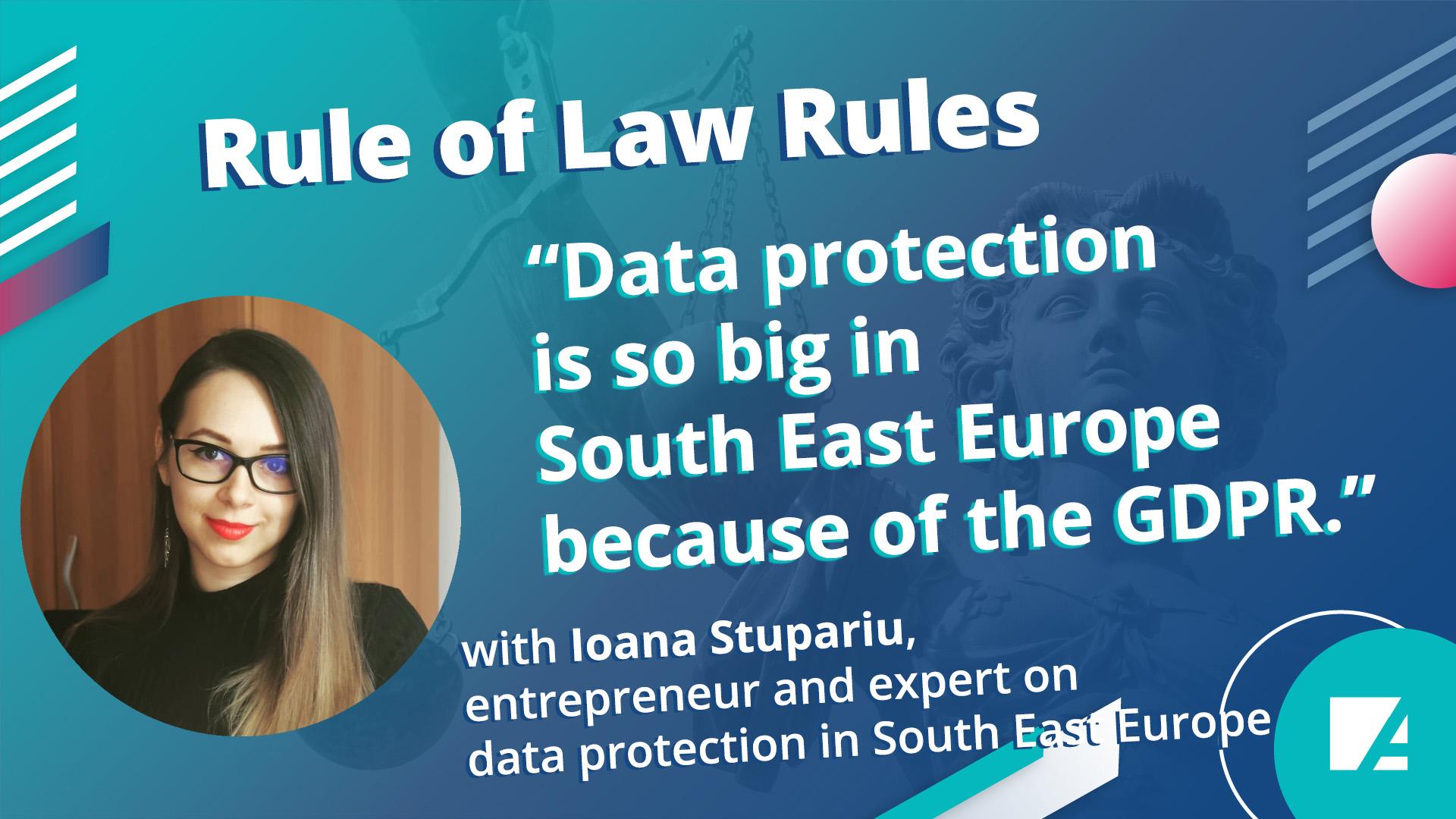
#2: Ioana Stupariu on the GDPR's influence in South East Europe
Ioana Stupariu works with tech and healthcare start-ups and companies across Central and Eastern Europe. And she researches on Data protection & Privacy.
Read now