





The question of the feasibility of special economic zones (SEZs) in Germany arises against the backdrop of an increasingly complex economic and administrative environment. In numerous policy areas, extensive regulations, federal jurisdictional overlaps and lengthy enforcement processes shape the framework conditions for investment and modernisation. In this context, SEZs are regarded as limited reform areas that should make it possible to reduce administrative burdens, test new procedural models and stimulate economic growth in regions undergoing transformation – without directly changing the overall regulatory framework.
The analysis focuses on the question of which legal, federal and state aid parameters determine the design of such reform areas. It shows that special economic zones should not be understood as a standardised model, but rather as flexible constructs whose effectiveness depends largely on the design of their respective components. The legal framework – in particular EU state aid law, equal treatment requirements and the distribution of responsibilities between the federal government, the states and local authorities – sets narrow but not insurmountable limits. The decisive factor is whether and how measures such as tax relief, procedural accelerations or digital approval models are embedded in existing funding frameworks and limited to clearly defined geographical areas.
From an administrative perspective, the idea of SEZs opens up the possibility of testing organisational reforms on a selective basis. Instruments such as one-stop shops, digitised administrative processes and cooperative enforcement structures can be tested under real conditions in an SEZ and then evaluated. This concept favours empirical knowledge and controlled testing over comprehensive system reforms. The added value lies in the bundling of measures and in the opportunity to observe and evaluate the interaction of different regulatory areas in practice.
From an economic perspective, the spatial concentration of reform elements opens up the opportunity to temporarily optimise investment and location conditions – especially where transformation processes require new structures. However, the success of such an approach depends less on the designation ‘special economic zone’ and more on the precise definition of objectives, a limited duration, a robust evaluation architecture and the institutional connectivity of the insights gained. The publication thus lays the foundation for a debate in which SEZs are understood as a conceptual option for strengthening economic policy leeway.
Read the entire study: ‘Zur praktischen Umsetzbarkeit von Sonderwirtschaftszonen in Deutschland’ here as a PDF. Please note, to date the study is only available in German.
Media library
#11: Hannah Lim on Legal Technology in South East Asia
As Head of Rule of Law and Emerging Markets at LexisNexis in Singapore, Hannah identifies areas where LexisNexis can, leveraging on technology, support the rule of law.
Read now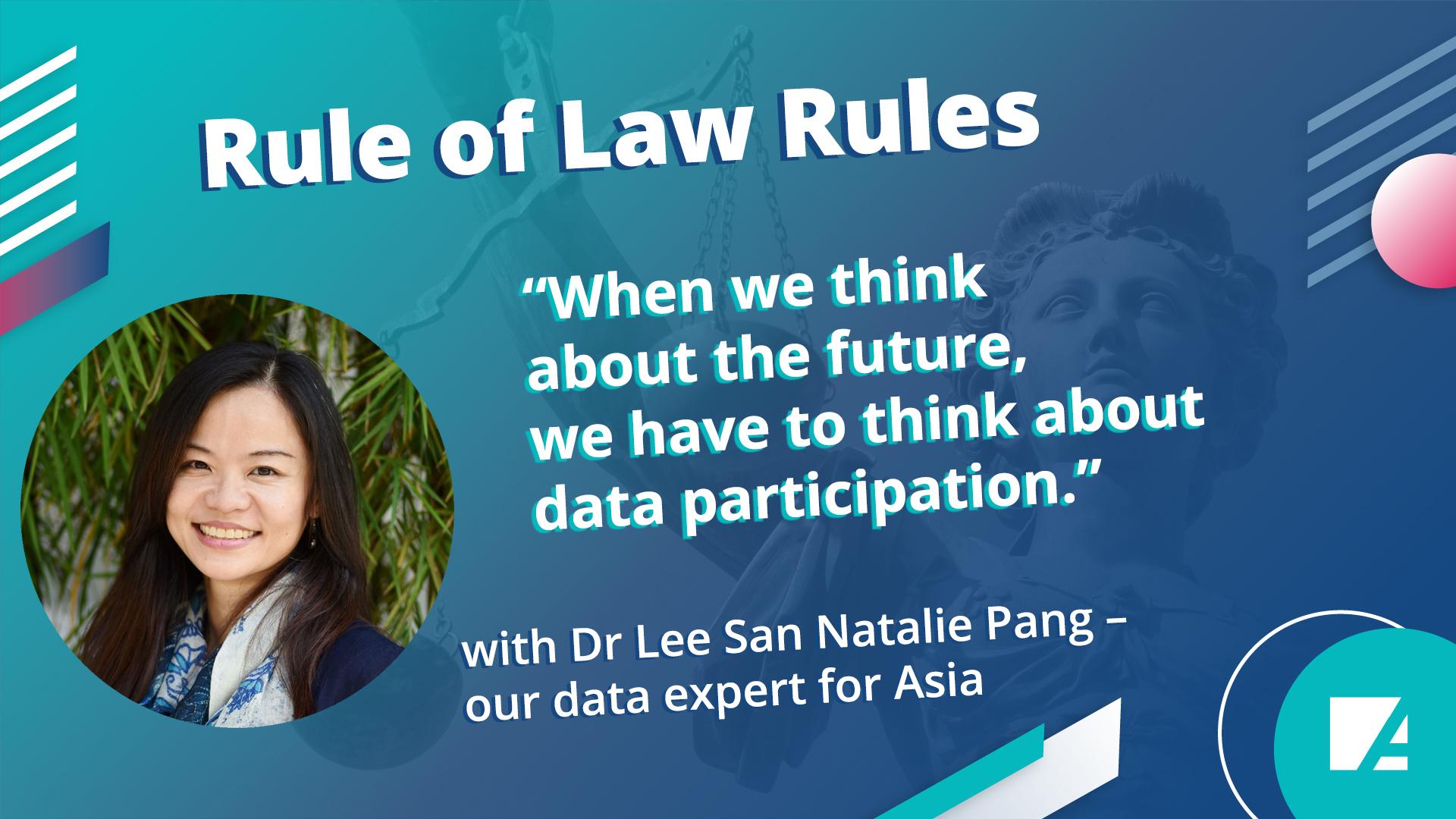
#6: Lee San Natalie Pang on the General Data Protection Regulation & its influence in Southeast Asia
For the last episode of our first series “Data Protection” we go to Asia and take a closer look at the Southeast with Dr Lee San Natalie Pang, our expert on Data Protection.
Read now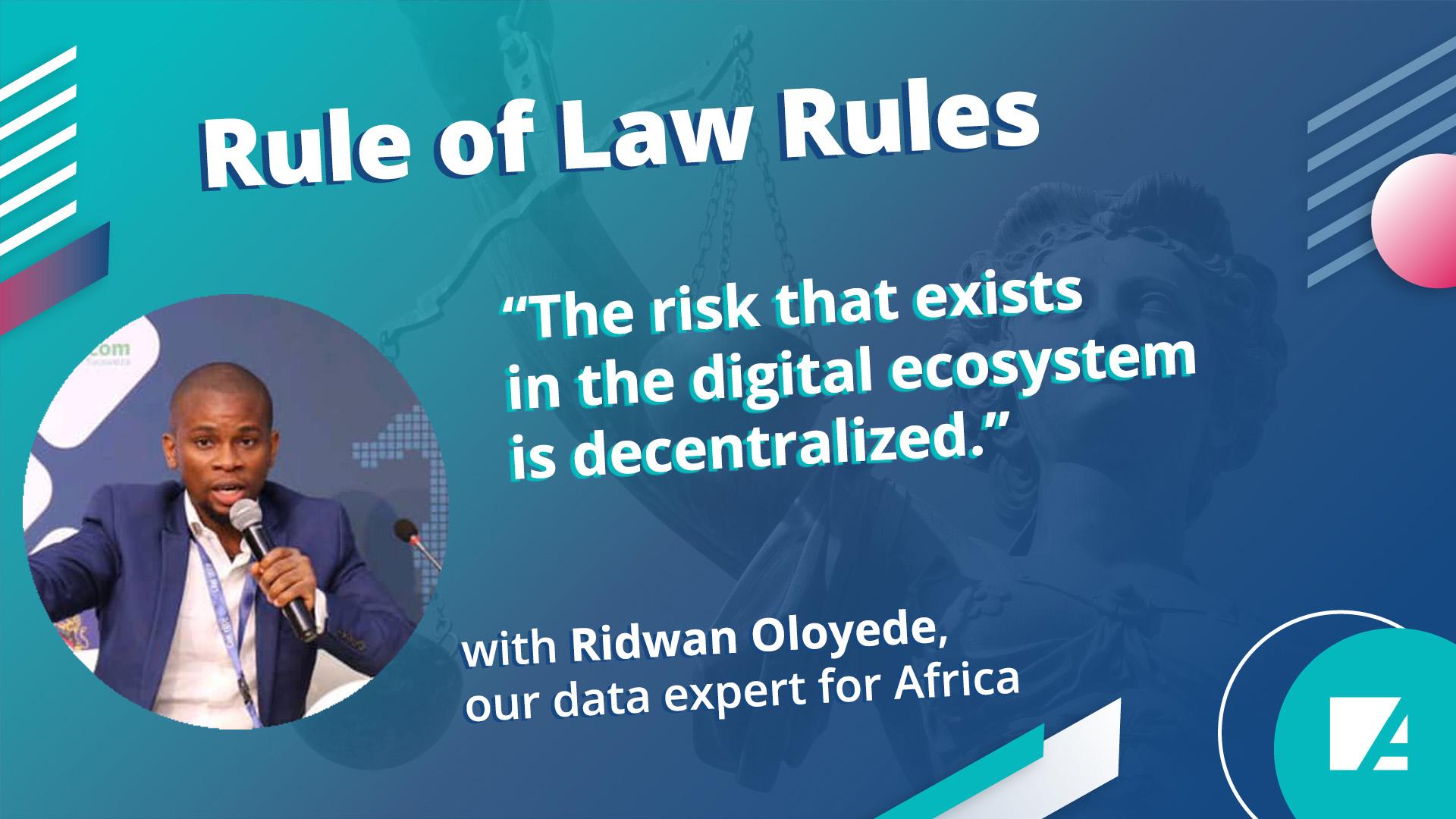
#5: Ridwan Oloyede about the GDPR and its influence in African legal framework
Ridwan Oloyede is co-founder of a Nigerian start-up, that helps businesses to achieve operational excellence through the reliable and efficient application of technology.
Read now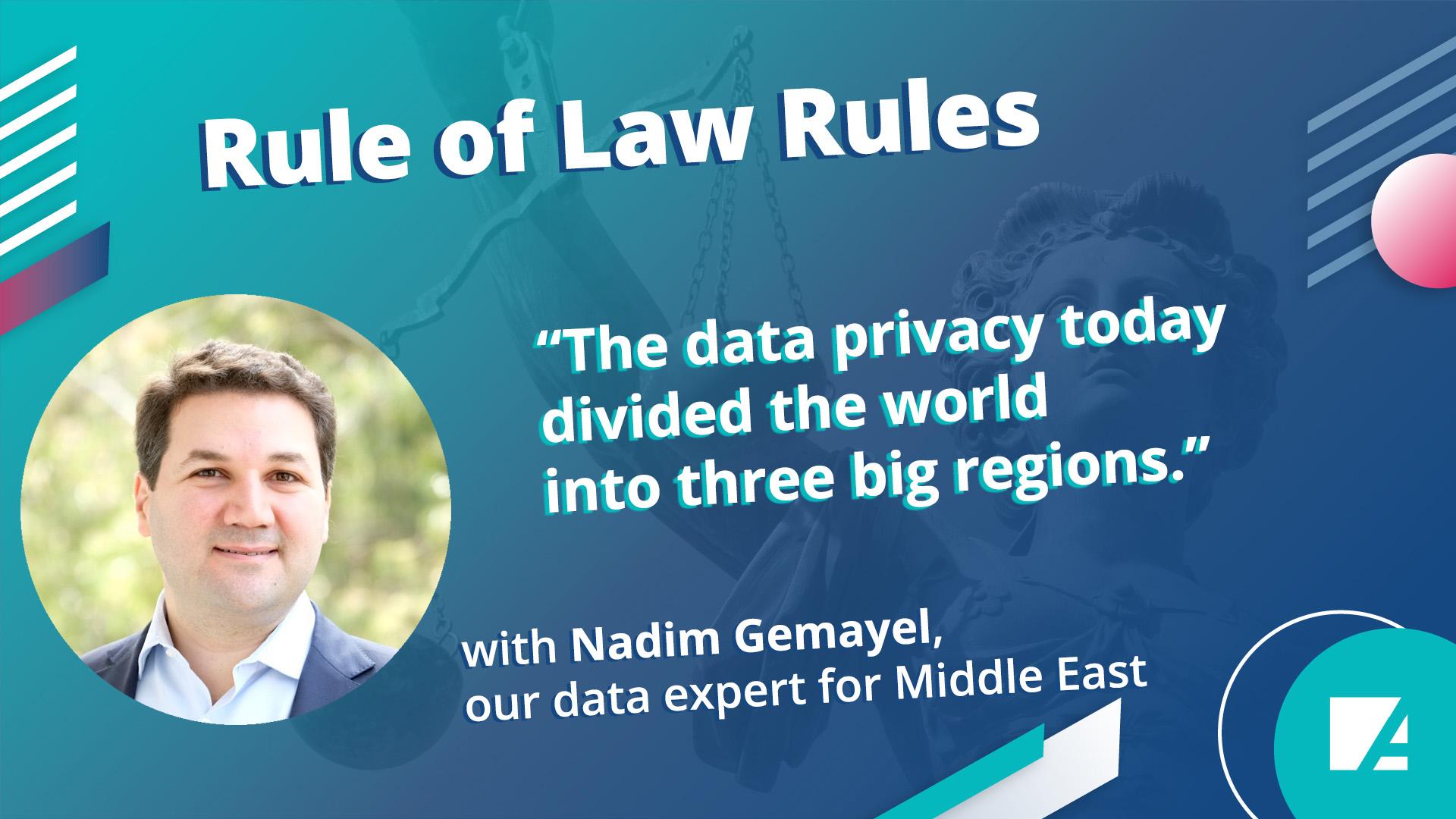
#4: Nadim Gemayel on the General Data Protection Regulation and its influence in Middle East
Nadim Gemayel is a politician and lawyer based in Lebanon and Qatar. He was a member of the Lebanese Parliament between 2009 and 2020.
Read now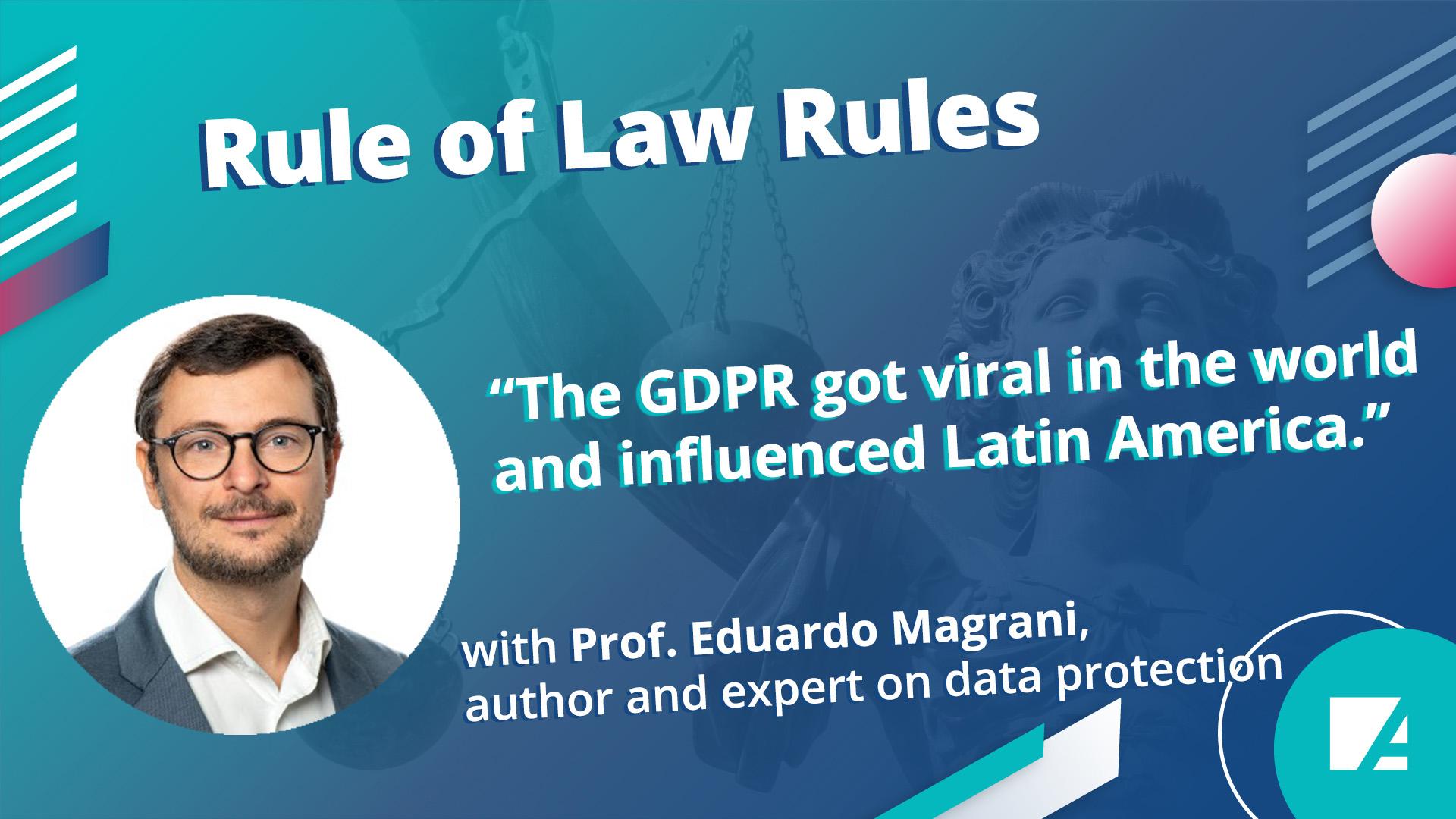
#3: Eduardo Magrani on Data Protection in Latin America
We speak with Eduardo Magrani about the General Data Protection Regulation and its influence in Brazilian and Latin American legal framework.
Read now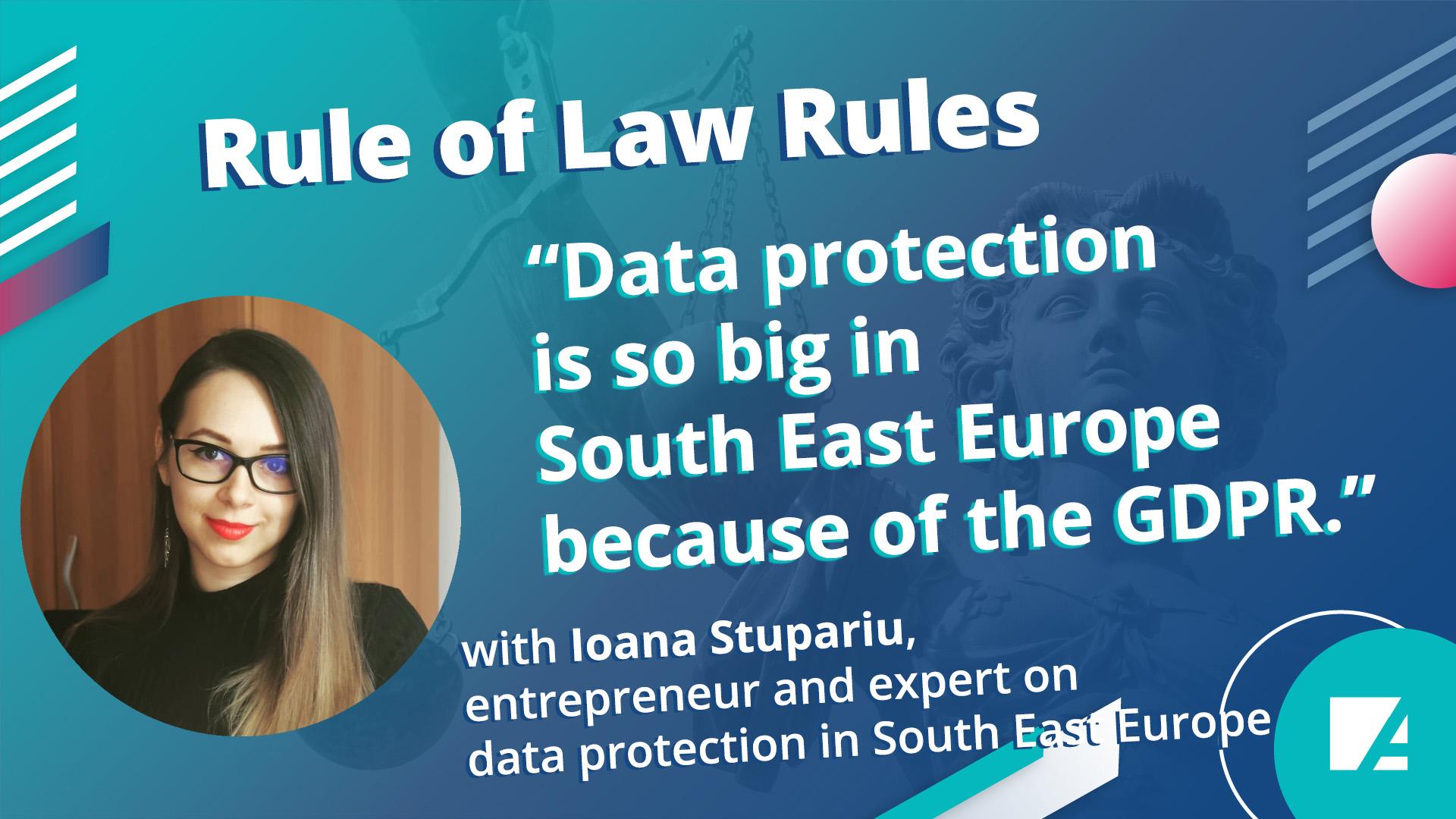
#2: Ioana Stupariu on the GDPR's influence in South East Europe
Ioana Stupariu works with tech and healthcare start-ups and companies across Central and Eastern Europe. And she researches on Data protection & Privacy.
Read now