Details
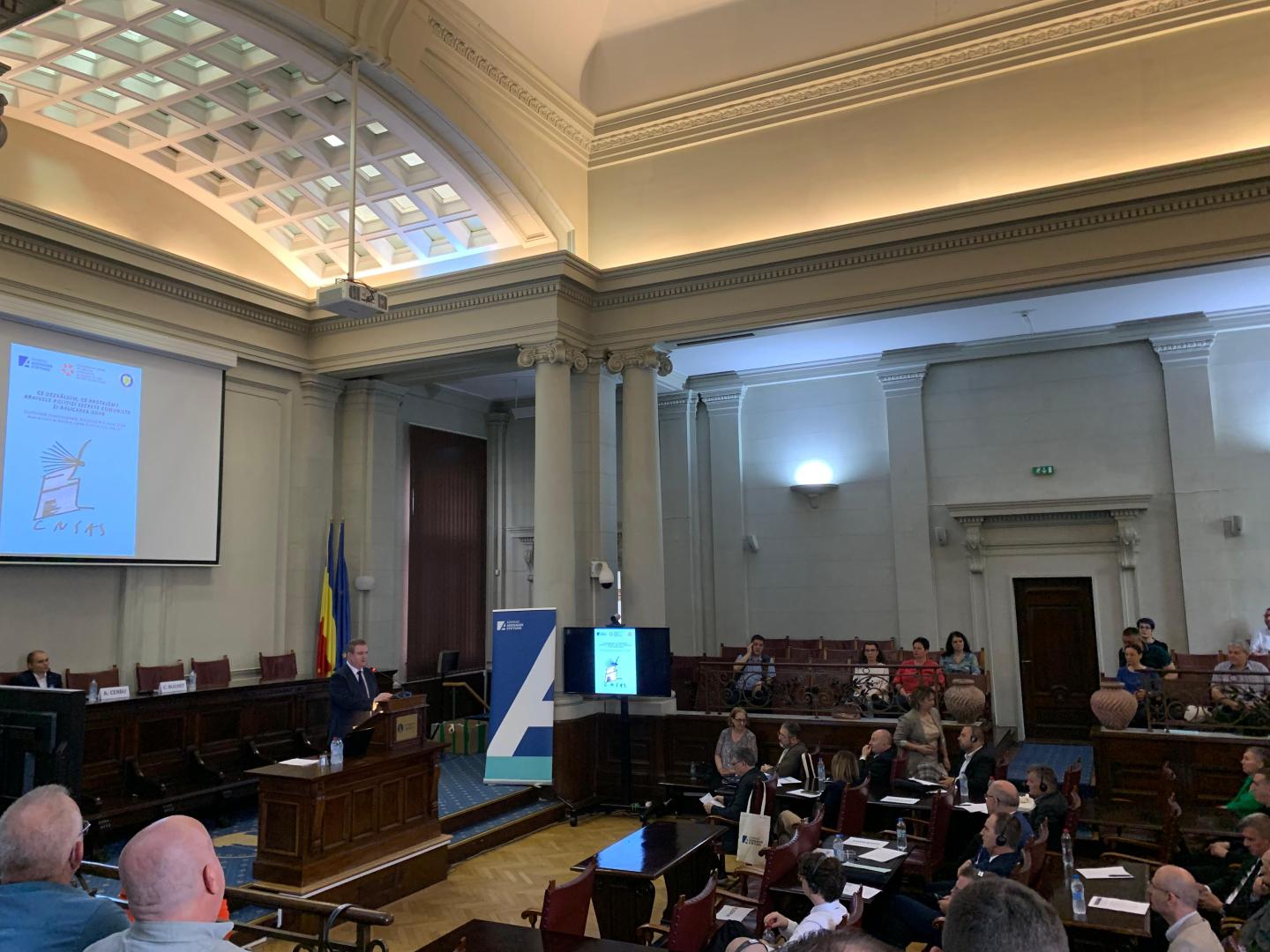
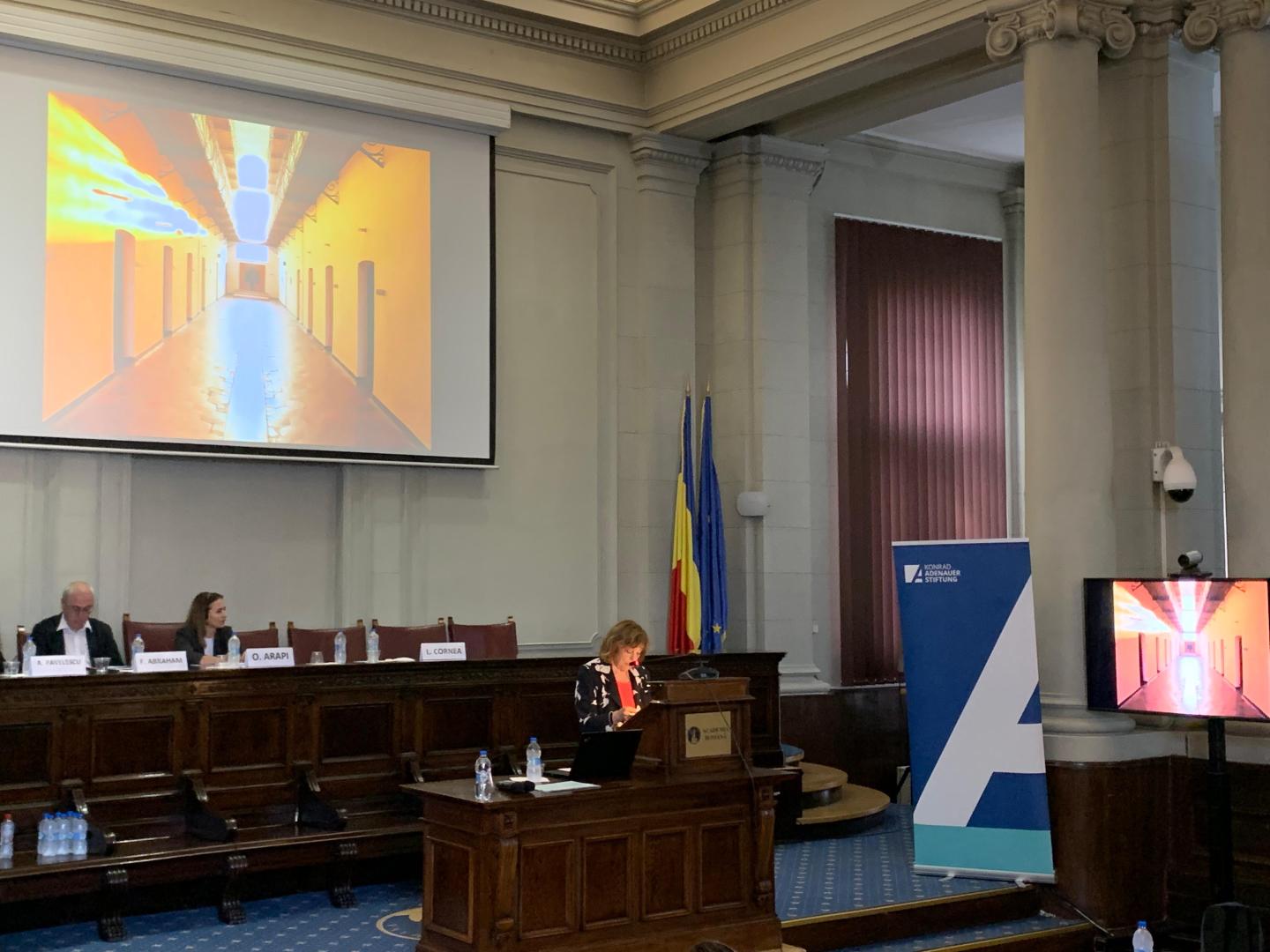
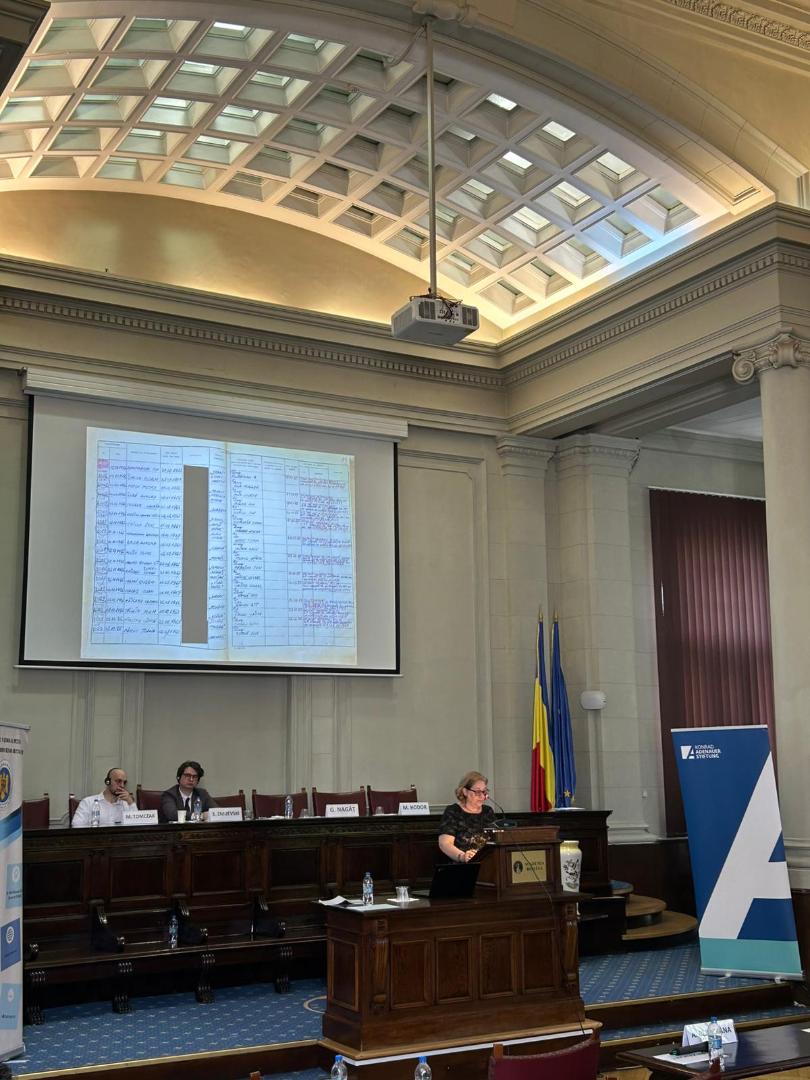
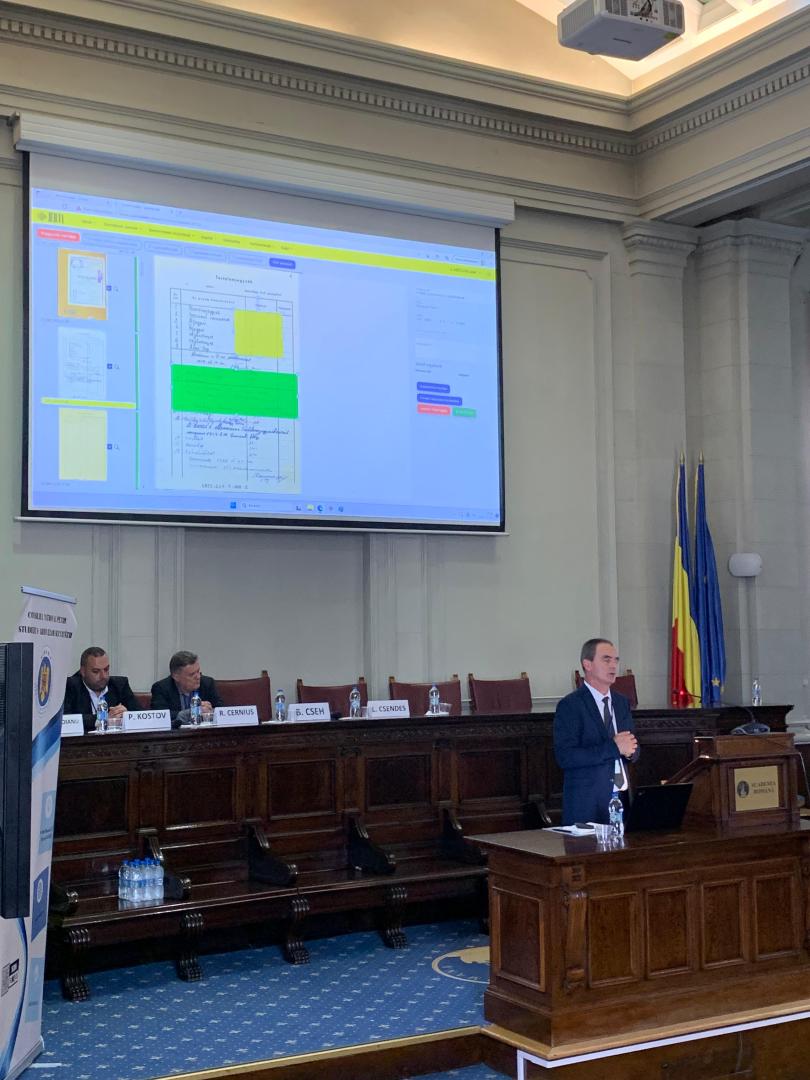
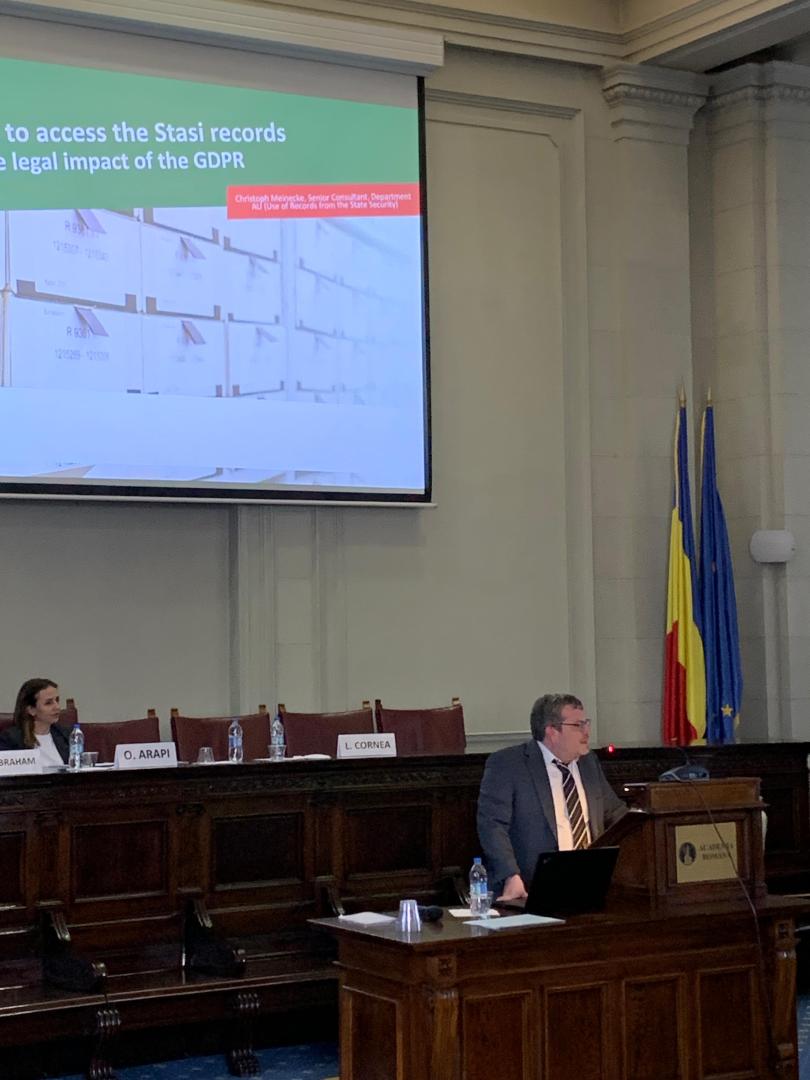
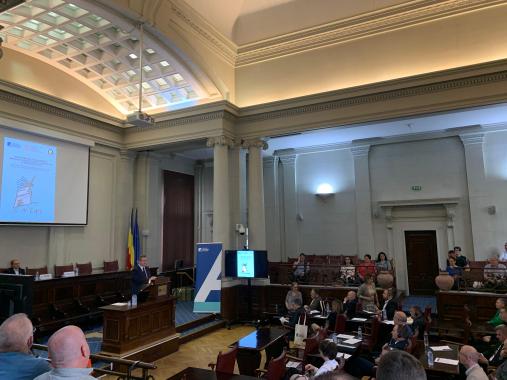
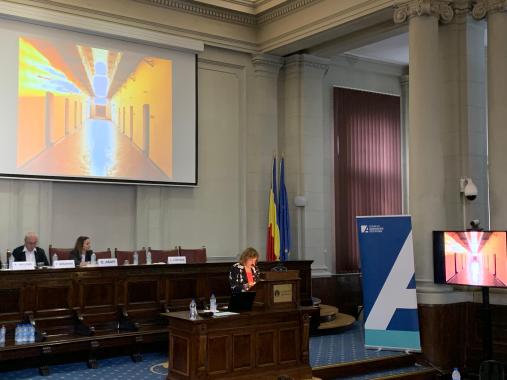
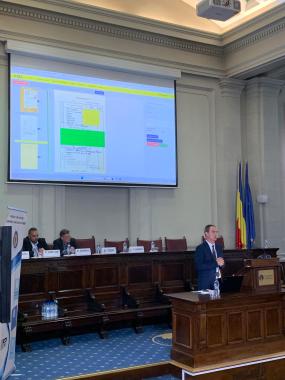
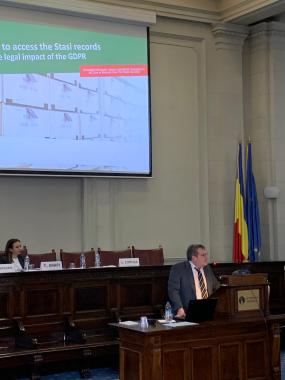
On 4 and 5 June 2026, an international conference took place in the Auditorium of the Romanian Academy in Bucharest, supported by the Konrad Adenauer Foundation Romania: "Ce dezvăluim, ce protejăm? / What to Reveal, What to Protect?" – this was the programmatic question under which experts from several European countries convened.
The conference was organised by the National Council for the Study of the Securitate Archives (CNSAS) together with the European Network of Official Institutions Administering the Files of Former Communist Secret Police Services. The occasion was provided by the CNSAS's presidency of this network in the current year.
At the heart of the two-day debate was a question that concerns archivists, historians and legal scholars alike: how can the societal duty to address communist crimes historically be reconciled with the requirements of the European General Data Protection Regulation (GDPR)? For what represents a right to truth for the descendants of those persecuted may, for persons still living – whether perpetrators, collaborators or those merely mentioned incidentally – constitute an infringement of data protection rights.
The participating institutions from various member states of the network presented the country-specific regulations they have developed: which information from intelligence files is redacted or protected when requests are made? Which documents can be made accessible to the public or even published online? The conference thus offered a rare comparative insight into the different national approaches – from Germany, Hungary, Poland, the Czech Republic, Latvia, Lithuania and Albania.
The opening remarks were delivered by Constantin Buchet, President of the CNSAS Board, and Ilinca Iordache, Programme Coordinator of the Konrad Adenauer Foundation Romania.
The conference made clear: the process of coming to terms with a totalitarian past is not a completed task, but an ongoing one – which today must also navigate the legal framework of a modern European legal order.