




Details
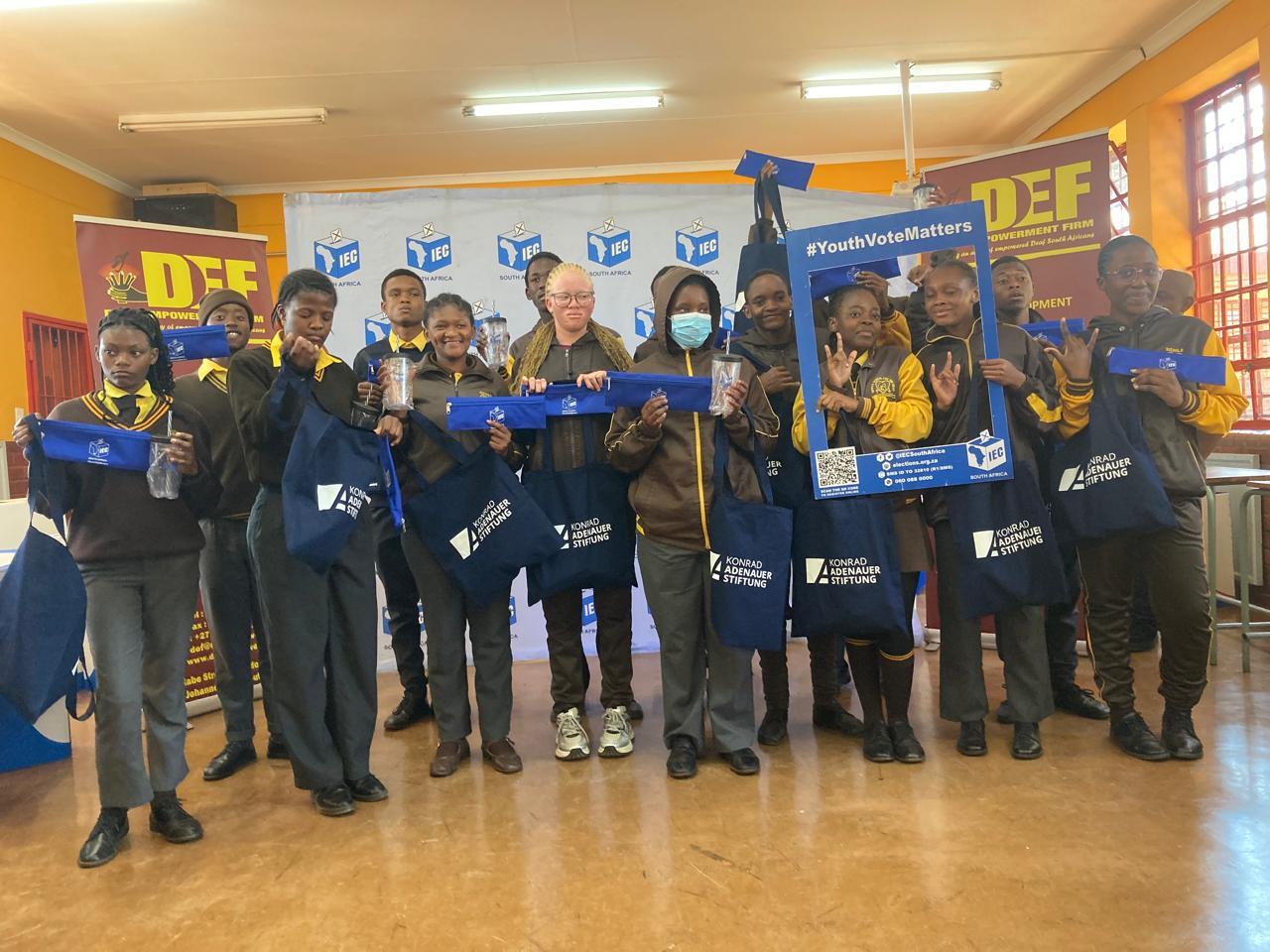
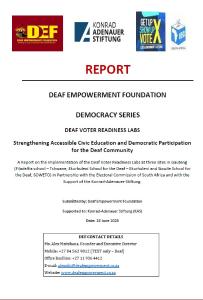
In May, the Konrad-Adenauer-Stiftung (KAS), together with the Deaf Empowerment Foundation (DEF) and the Independent Electoral Commission (IEC), held a series of voter readiness labs for Deaf learners. The workshops took place at Filadelfia Secondary School in Soshanguve (15 May), Ekurhuleni School for the Deaf in Katlehong (22 May), and Sizwile School for the Deaf in Dobsonville (29 May).
The Deaf Voter Readiness Labs were implemented by the Deaf Empowerment Foundation (DEF), in partnership with the Electoral Commission of South Africa (IEC) and supported by the Konrad-Adenauer-Stiftung (KAS), as a practical civic education intervention aimed at strengthening democratic participation among Deaf learners, Deaf youth and members of the Deaf community. The Labs were designed in response to a persistent gap in accessible voter education and civic participation for Deaf citizens. While the right to vote is constitutionally protected, many Deaf South Africans continue to face barriers in accessing electoral information, understanding voting processes, engaging with public institutions, and participating confidently in democratic life. These barriers are often caused by inaccessible communication, limited South African Sign Language (SASL) resources, low exposure to practical voter education and the absence of Deaf-Centred civic engagement models.
The Voter Readiness Labs sought to address these barriers by creating accessible, interactive and Deaf-Centred spaces where participants could learn about local government elections, understand why voting matters, engage directly with IEC officials, experience a mock voting process and share recommendations on how electoral systems can be made more inclusive.
The Labs were held across three Gauteng sites: Filadelfia School in Tshwane, Ekurhuleni School for the Deaf in Ekurhuleni, and Sizwile School for the Deaf in SOWETO. Each Lab combined voter education, facilitated discussion, practical simulation, community reflection and accessible communication support.
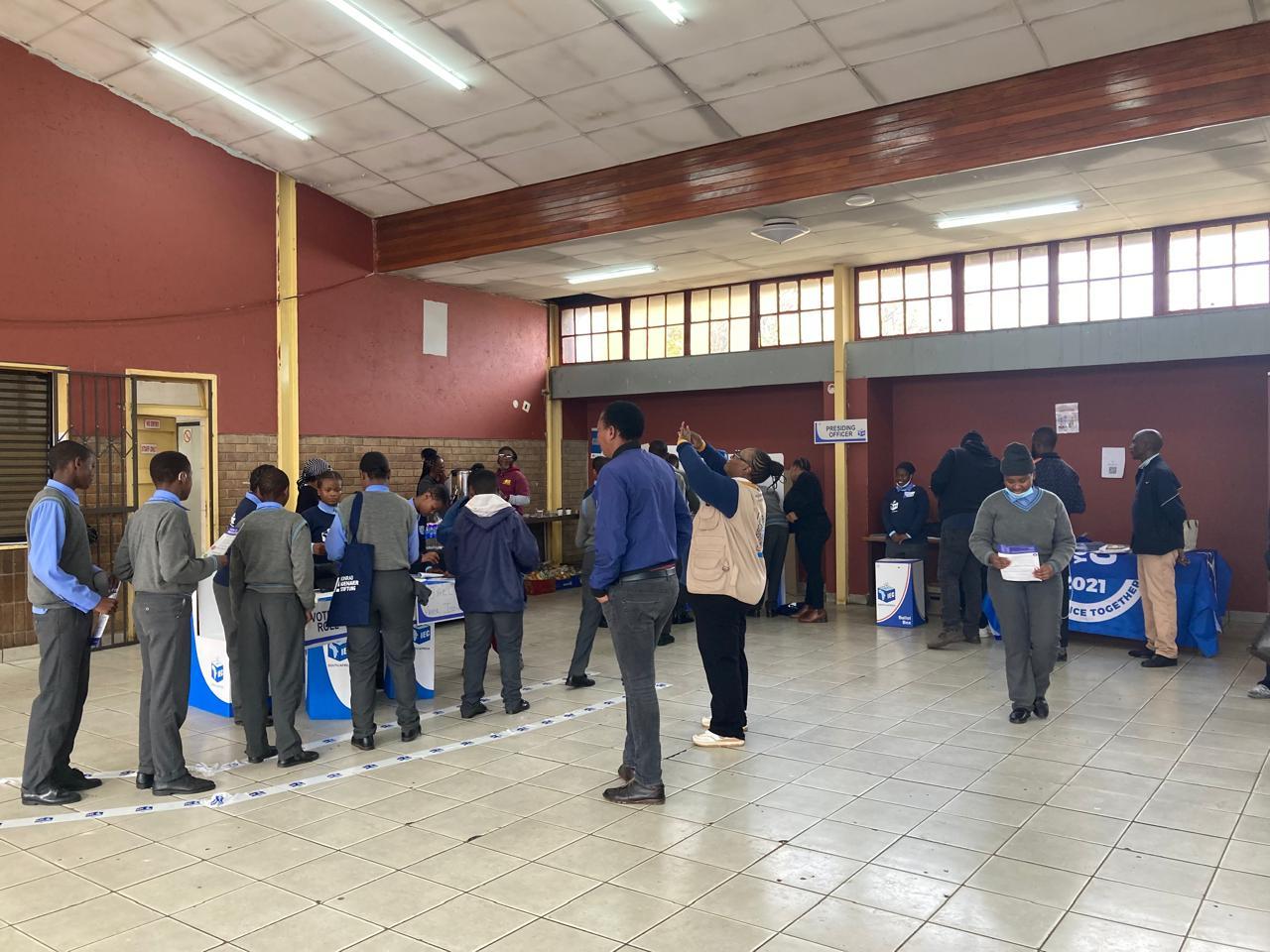
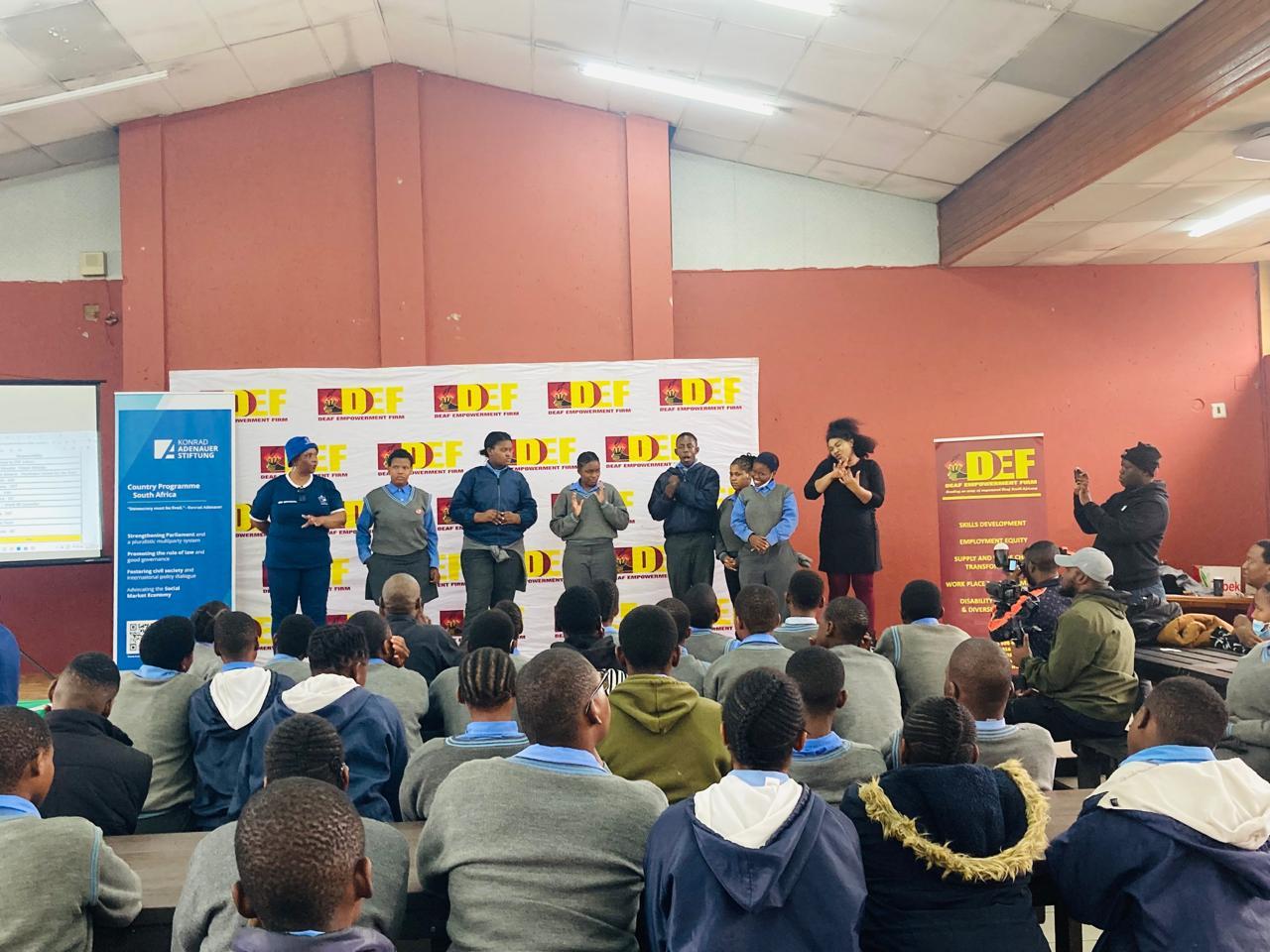
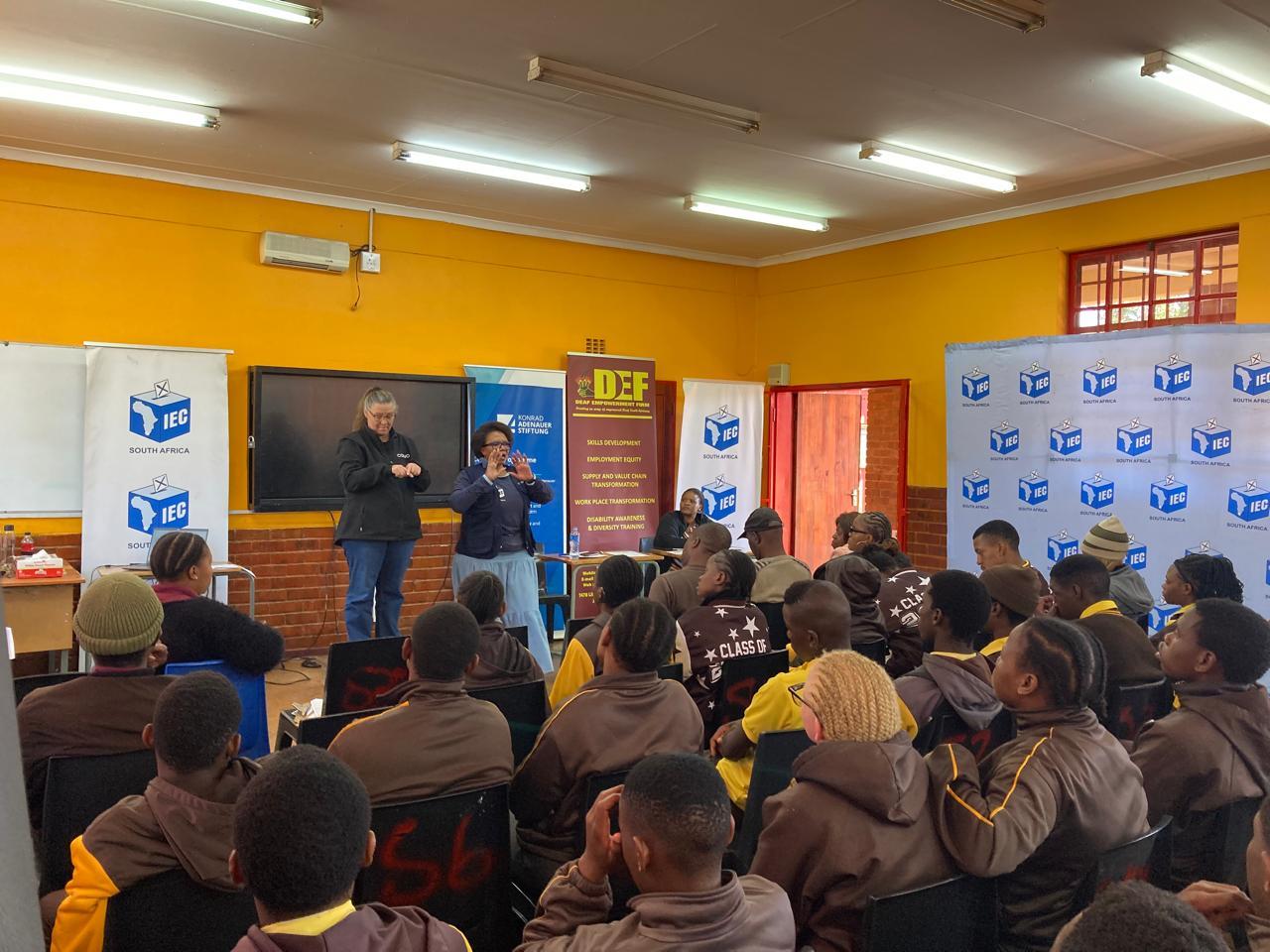
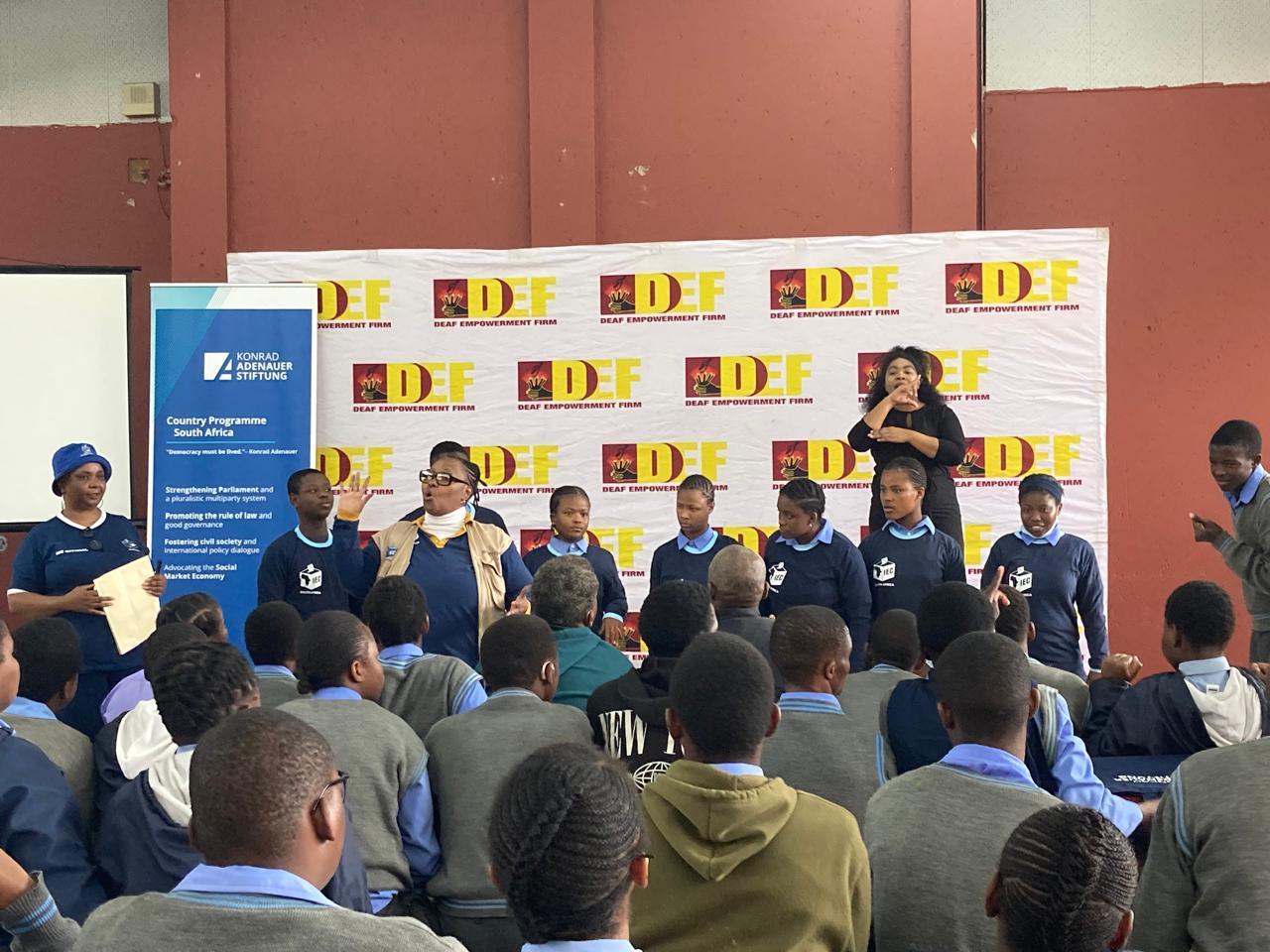
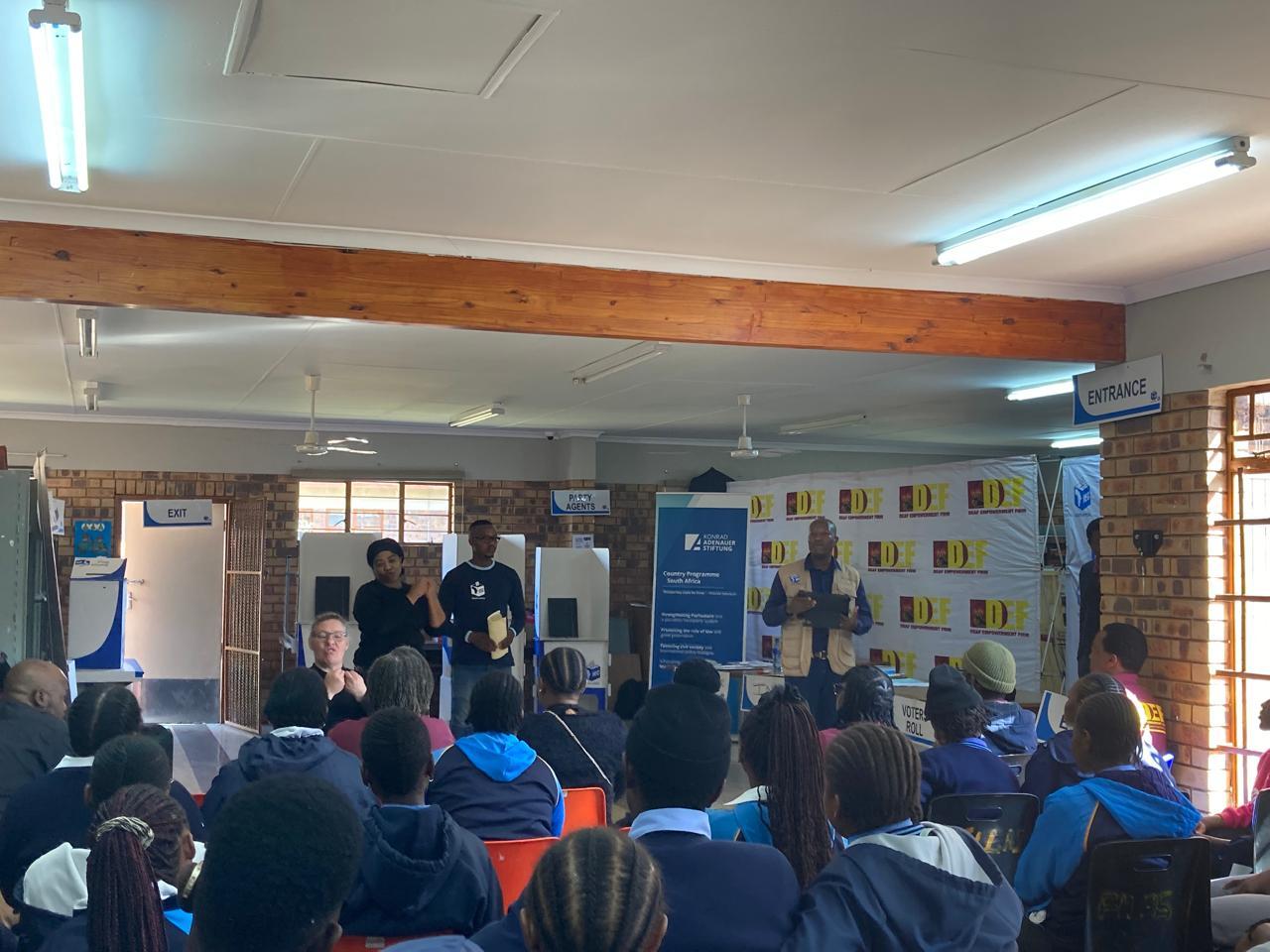
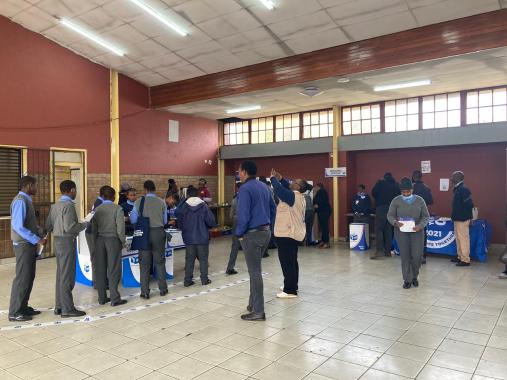
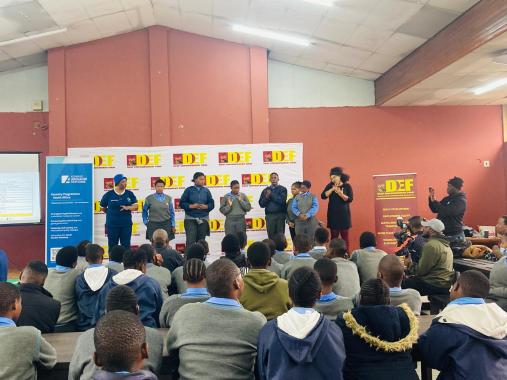
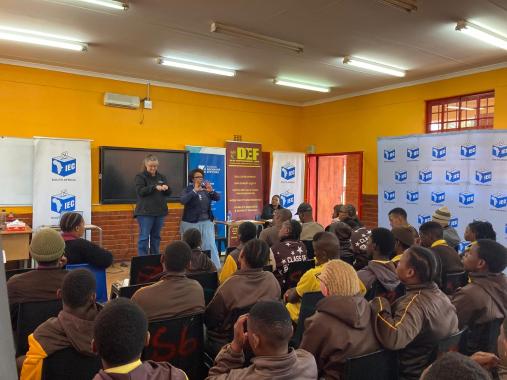
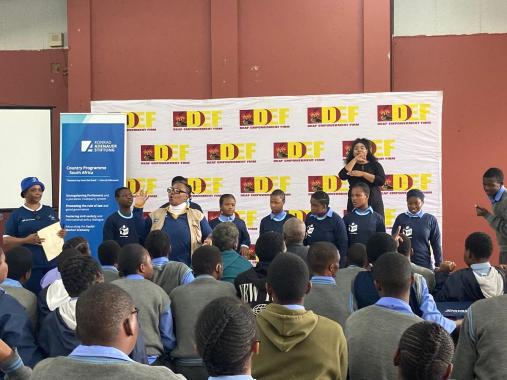
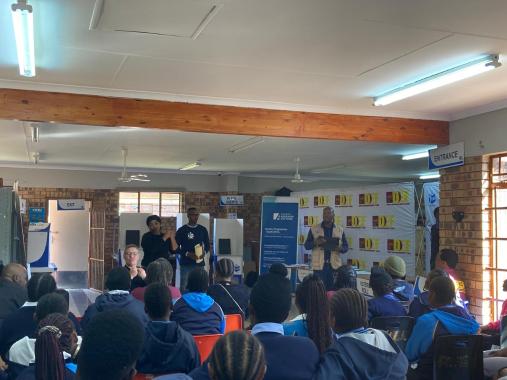
Across the three Labs, the response from Deaf learners and community members was overwhelmingly positive. Participants demonstrated high levels of enthusiasm, curiosity and confidence. The sessions created an environment where Deaf youth were not passive recipients of information, but active contributors to democratic learning and institutional feedback.
A key outcome was the generation of practical recommendations for strengthening IEC accessibility, including the need for more accessible voter education materials, stronger outreach to Deaf communities, improved communication at voting stations, and the recruitment, training, and deployment of Deaf people as electoral staff.
The Labs also attracted interest beyond the immediate participants. IEC Head Office expressed interest in the possibility of replicating the model more broadly, while local government stakeholders, councilors, the Office of the Speaker in Ekurhuleni, SALGA and Department of Education representatives also engaged with and showed interest in the initiative.
The Voter Readiness Labs therefore demonstrated that accessible, Deaf-led and Deaf-Centred civic education can strengthen democratic participation, improve voter confidence, generate meaningful community recommendations, and serve as a scalable model for inclusive voter education in South Africa.