Details
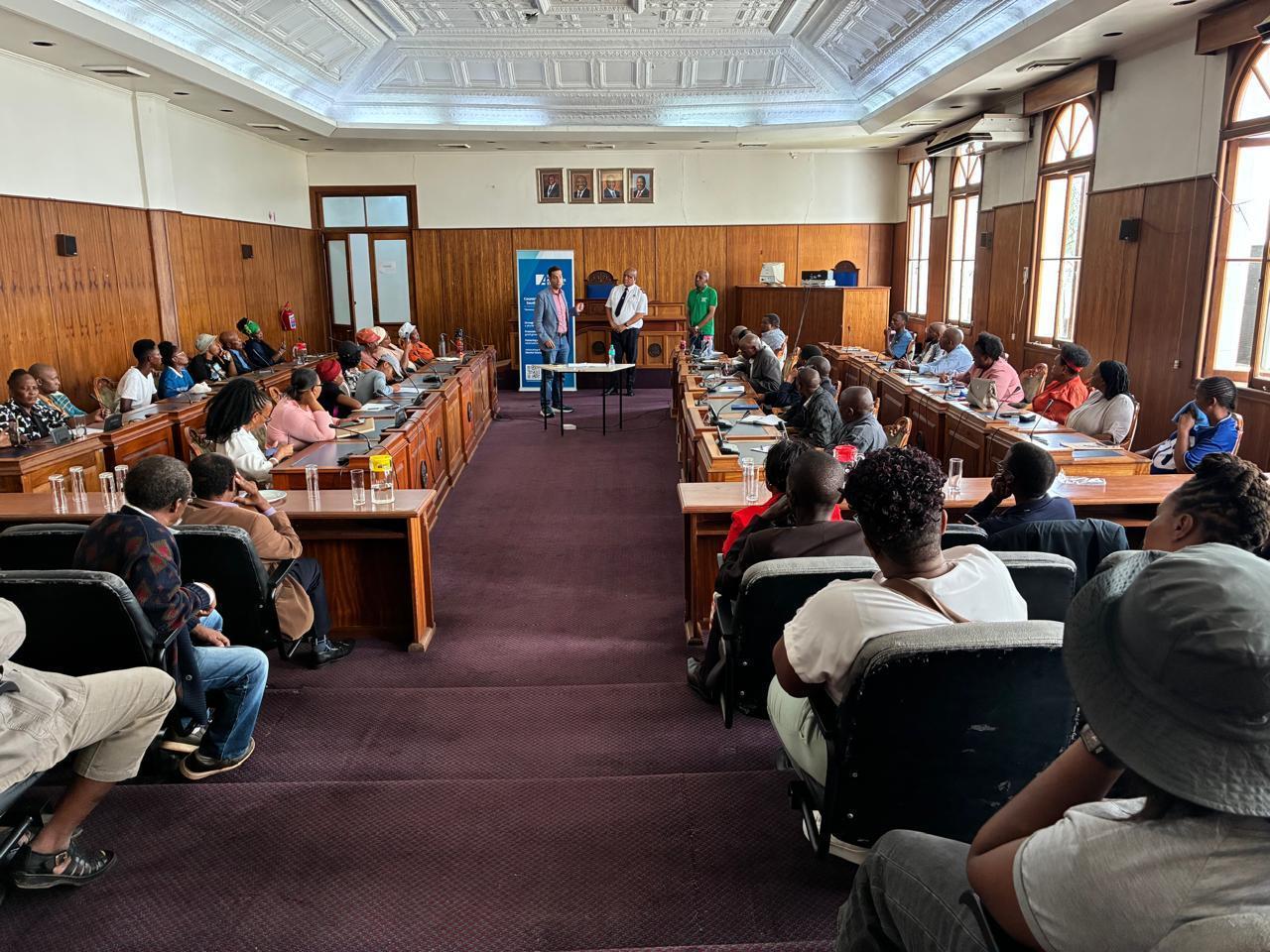
KAS and South African Council of Churches in Gauteng held dialogues between February and May in diverse townships in Gauteng in preparation for the Local Government Elections 2026 which takes place on 4 November. Six hundred and eighty participants attended the dialogues. The dialogues were held during the week from 10-1pm yet an overwhelming majority of participants were between the ages of 18 and 35. This age cohort should be either at school or at work regrettably due to the high rate of unemployment, they are languishing at home.
The target group was community members, community activists, ward committee members, and church leaders recognizing the strategic role of faith‑based organizations in civic education, peacebuilding, and community mobilisation.
The aims of the programme were to:
- Strengthen civic education and democratic awareness among communities in Gauteng.
- Improve understanding of local government structures, functions, and accountability mechanisms.
- Address voter apathy, mistrust, and misinformation through dialogue and education.
- Mobilise churches and faith leaders as key actors in voter education and peaceful civic engagement.
- Encourage informed and peaceful participation in the 2026 Local Government Elections.
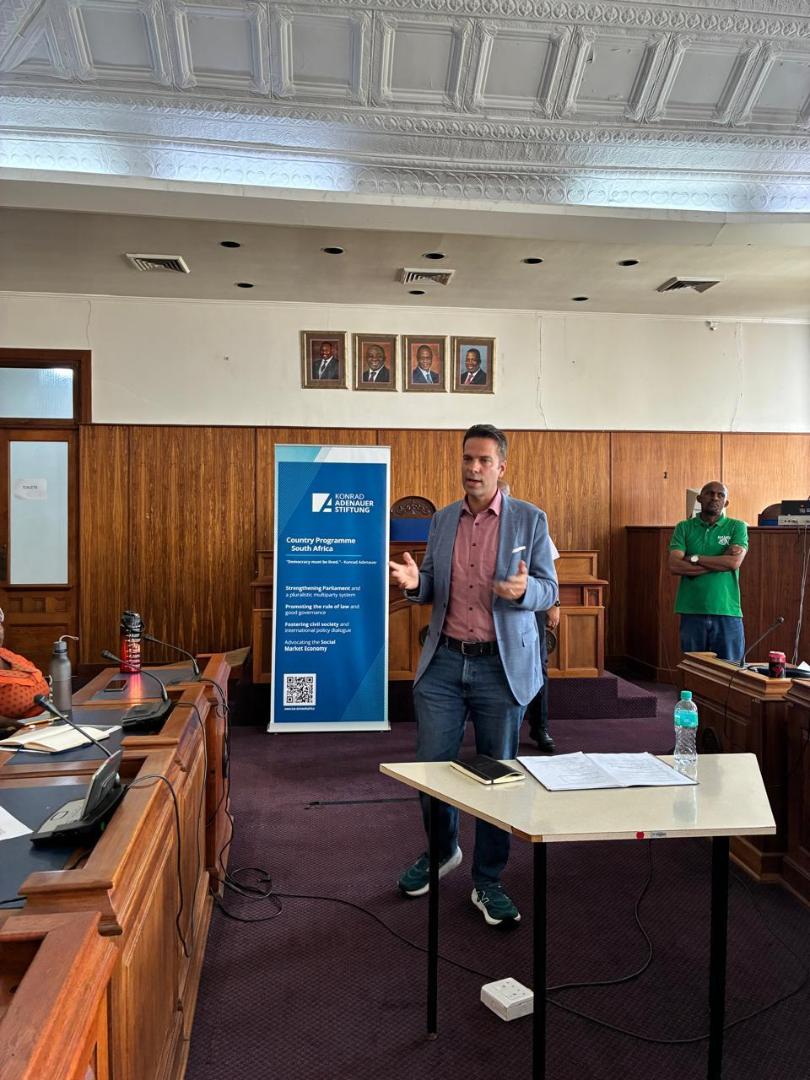
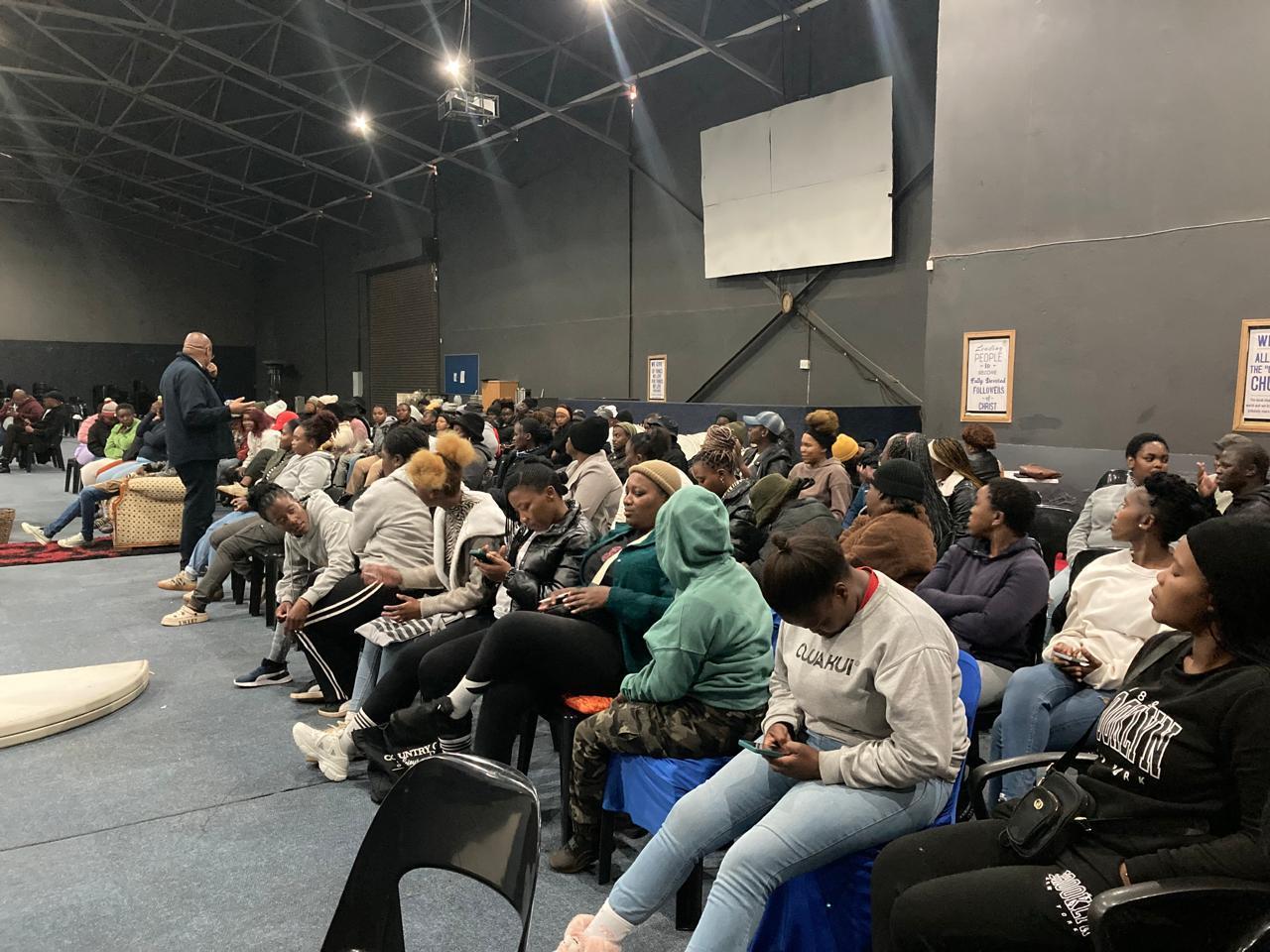
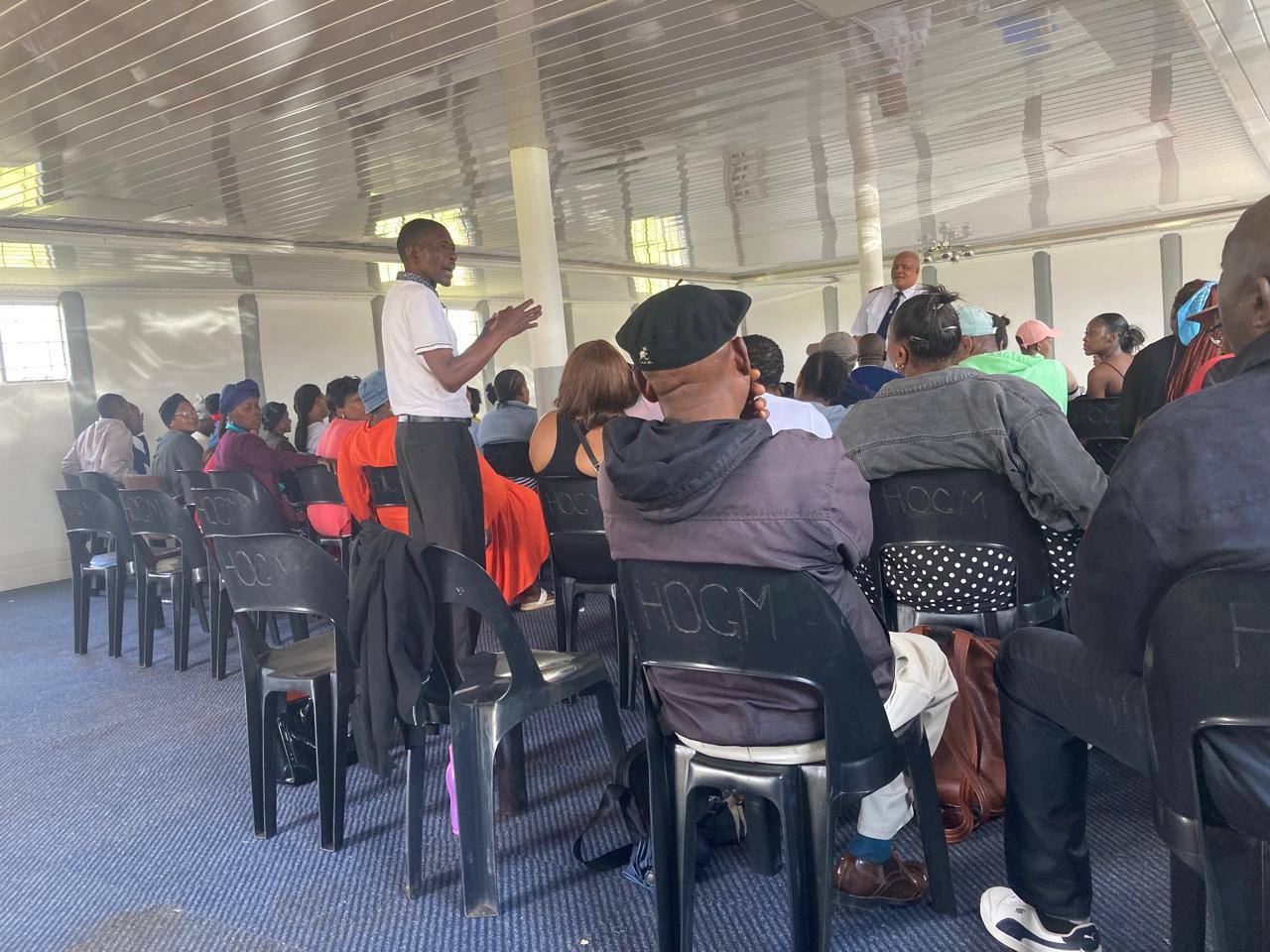
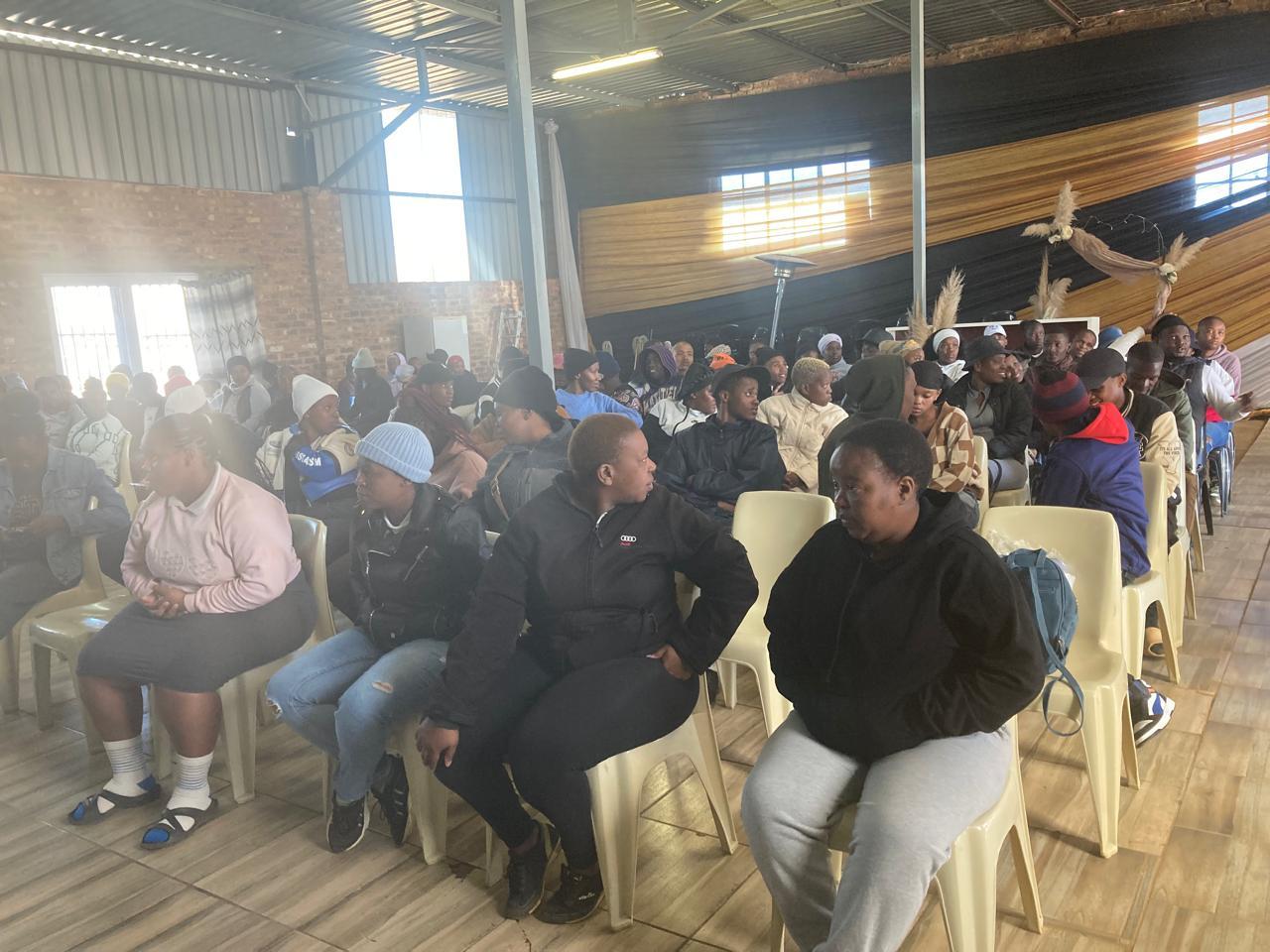
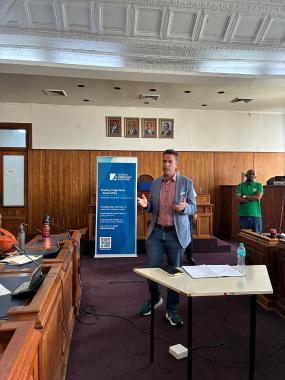
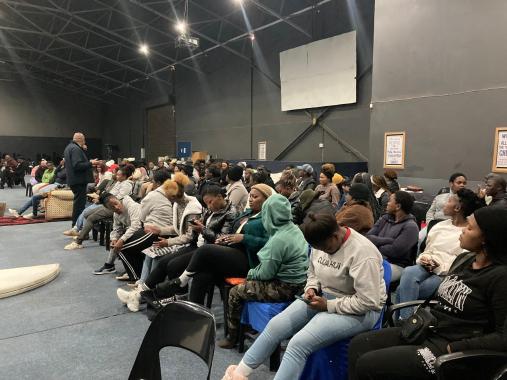
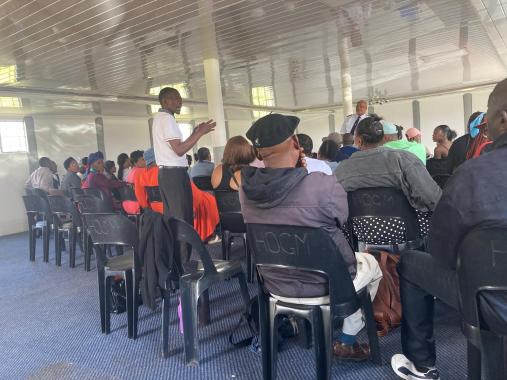
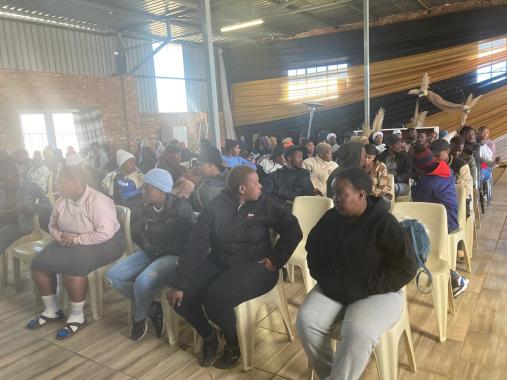
Overall, many young participants mentioned that they abstained from voting in previous elections. They expressed lack of interest about voting in the upcoming Local Government Elections. This reluctance is largely driven by frustration, loss of trust, and a perception that voting does not translate into meaningful action or accountability from elected representatives. They conveyed a sense of hopelessness, expressing that their voices are ignored once elections are over and elected leaders fail to remain present, responsive, or committed to addressing youth-specific challenges. In some dialogues, participants were persuaded to register and showed interest to vote. In other dialogues participants were adamant that they will not vote until they see change in their communities. There was strong engagement during discussions and group activities, particularly around local challenges such as unemployment, crime, service delivery failures, corruption, and drug abuse among the youths. The group activity (My Community, My Responsibility) enabled participants to identify concrete community‑based solutions, including attending ward committee meetings and monitoring councillor performance. Participants acknowledged that they cannot demand basic services like water and electricity while they don’t pay for them.
Another critical concern raised was that community leadership structures do not adequately share important civic and governance-related information with community members, particularly young people. Participants indicated that information about municipal processes, decision-making platforms, and opportunities for public participation often does not reach them in accessible or youth-friendly ways. This communication gap contributes to misinformation, deepens disengagement, and reinforces the belief that governance structures are distant and unresponsive.