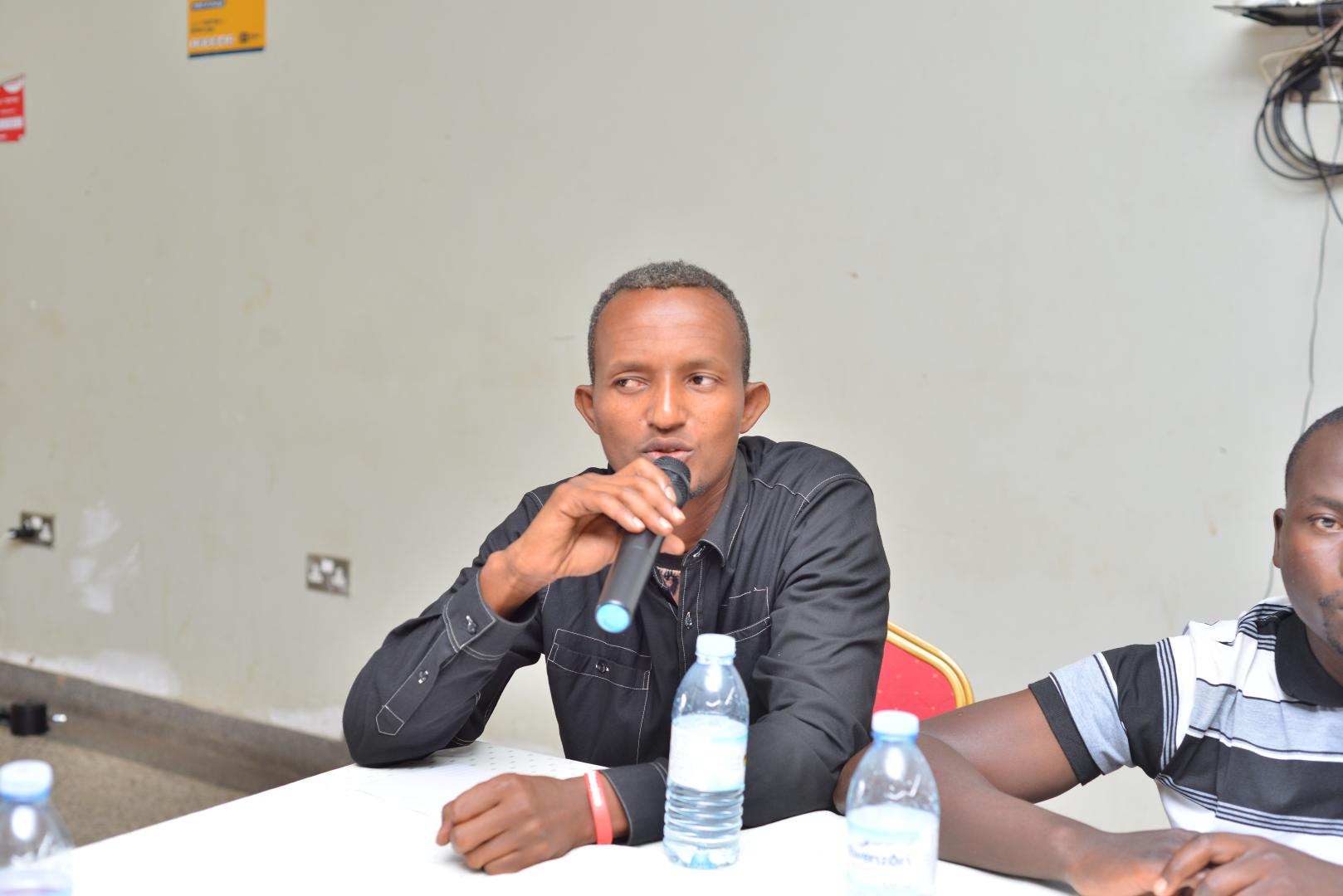
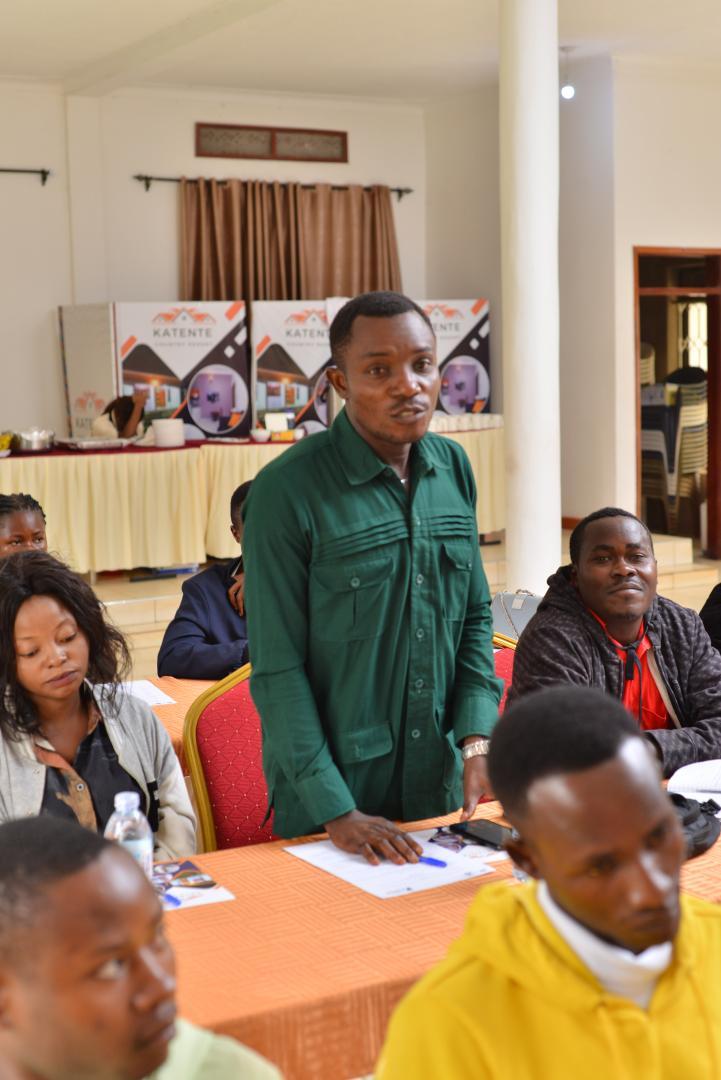
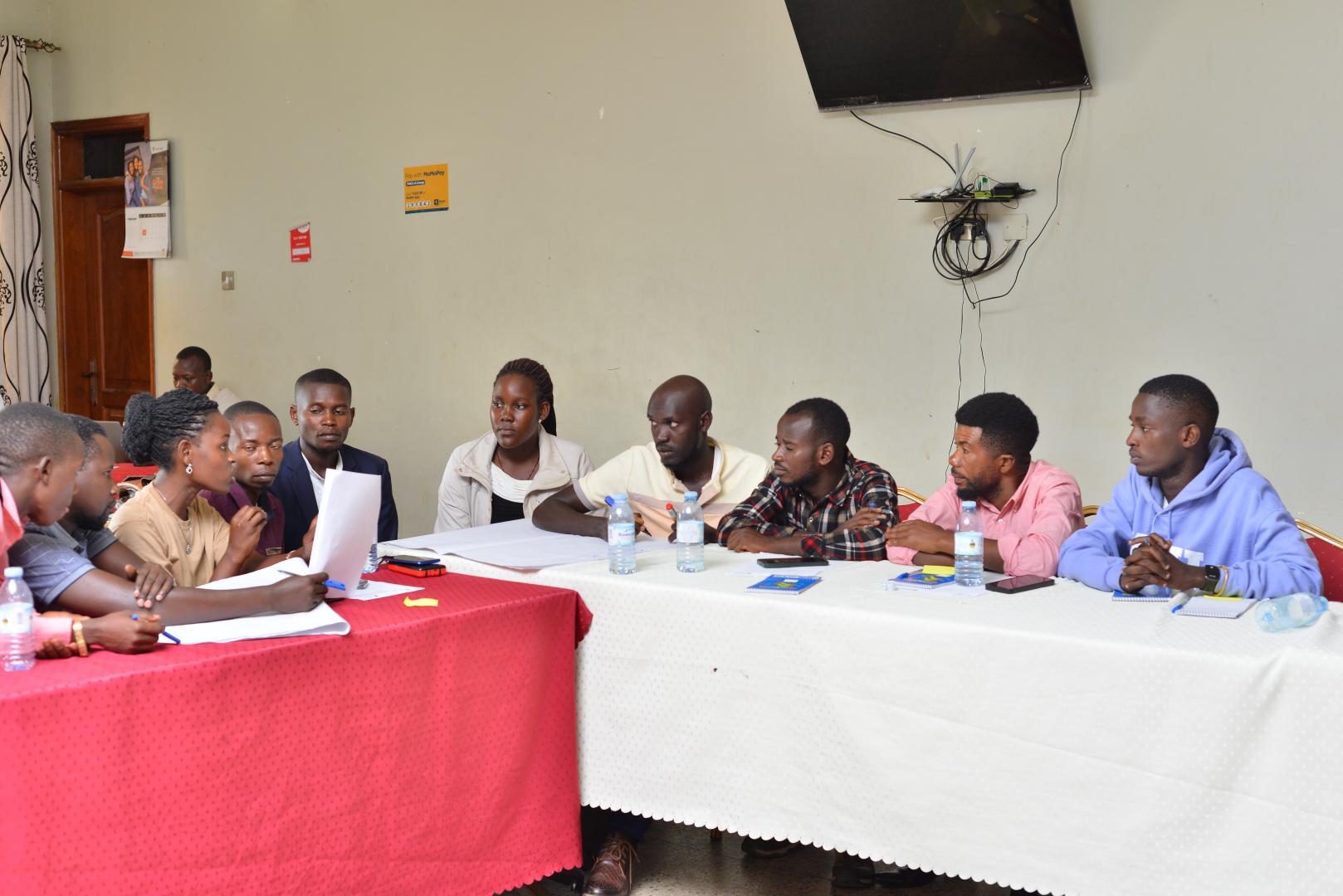
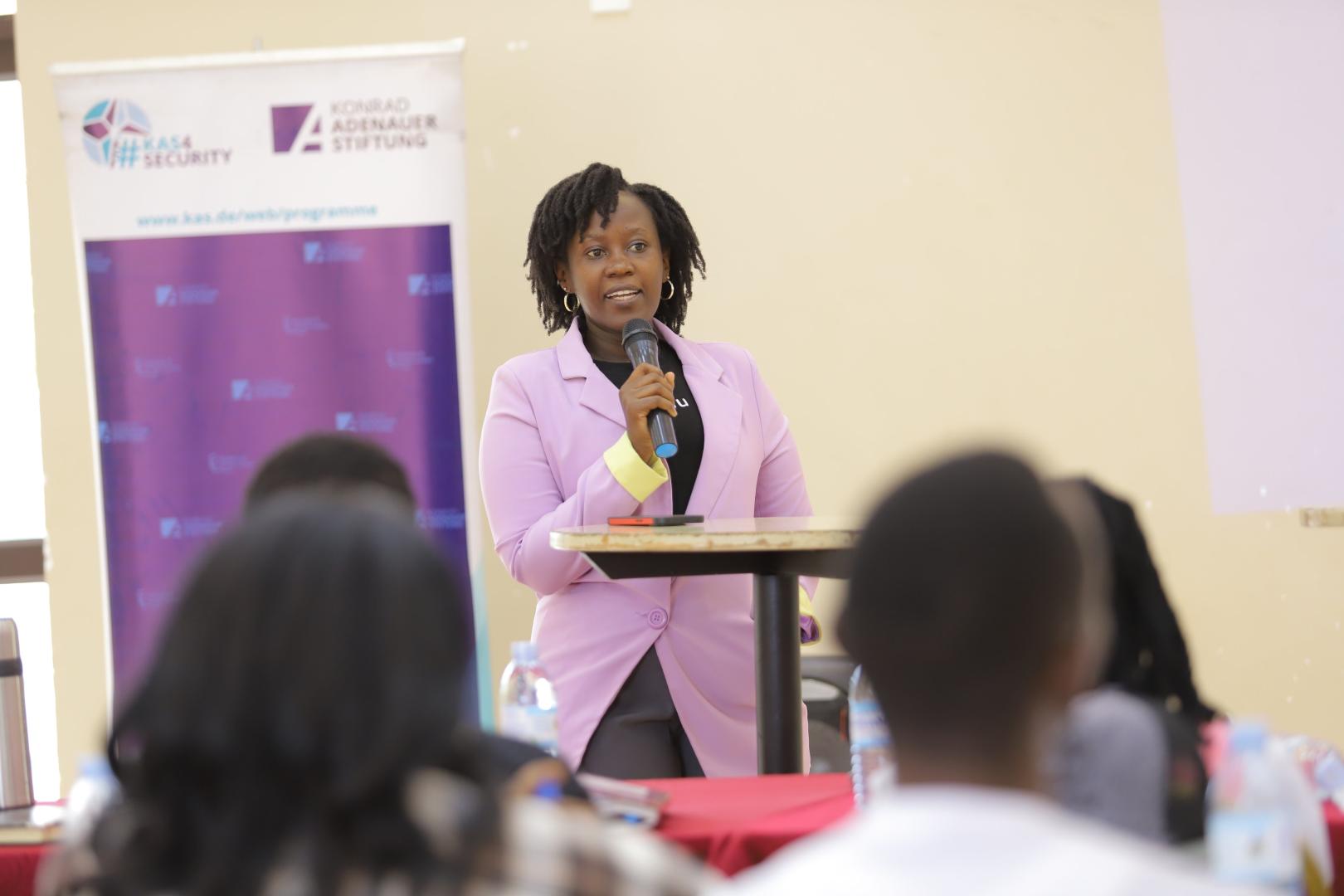
South-West Uganda offered both the urgency and the opportunity for such an intervention. The region hosts approximately 650,000 refugees across settlements including Nakivale, Oruchinga, Rwamwanja, and Kyaka, where refugee and host populations share land, livelihoods, and social infrastructure in close and often demanding proximity. Ongoing conflict in the Democratic Republic of Congo, South Sudan, and Sudan has sustained a continuous flow of new arrivals, compounding existing pressures and deepening fault lines around resource access, identity, and belonging. Youth, both refugee and host, sit at the epicentre of these dynamics: most exposed to frustration, unemployment, and post-traumatic stress, yet most capable, when properly equipped, of reshaping community trajectories.
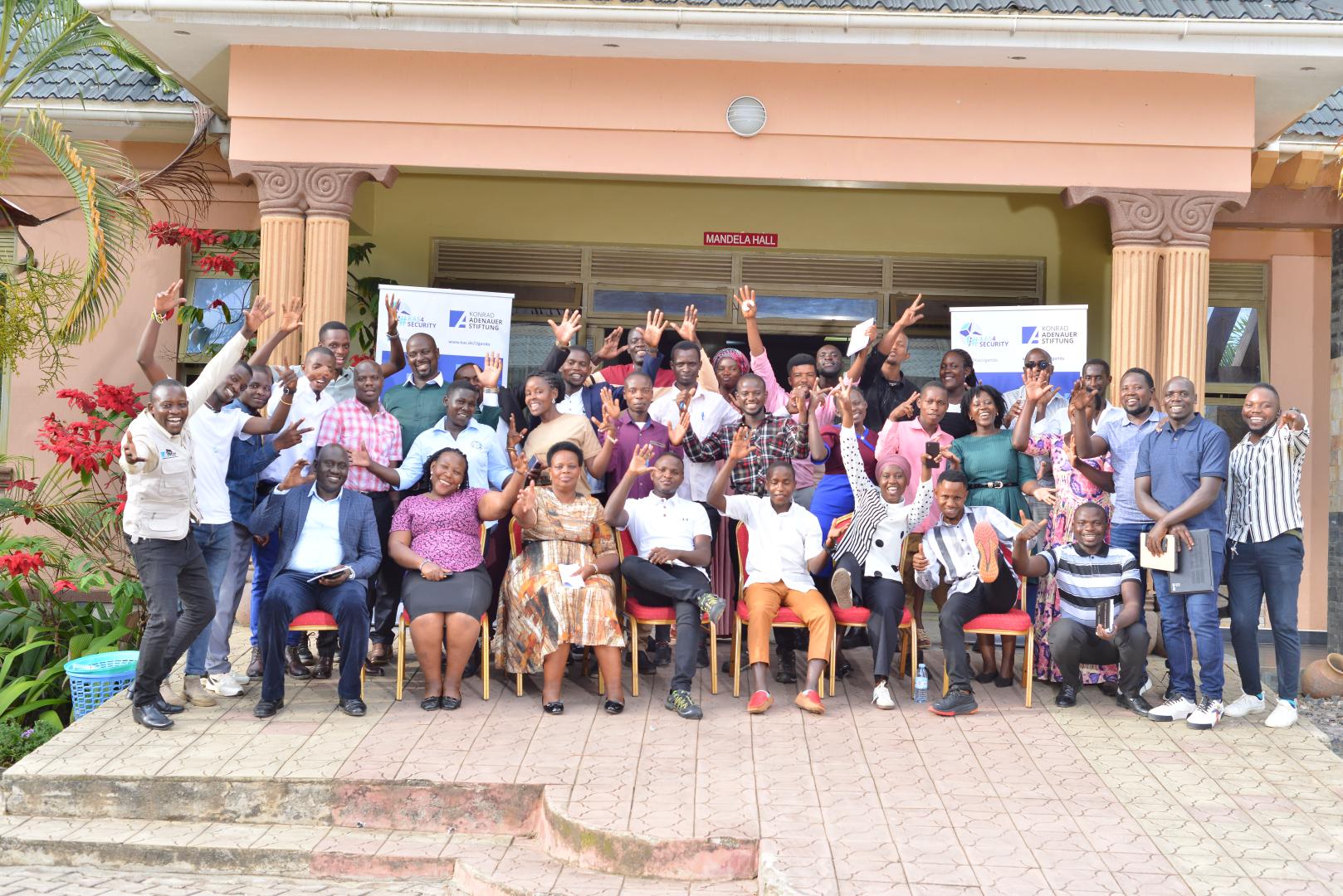
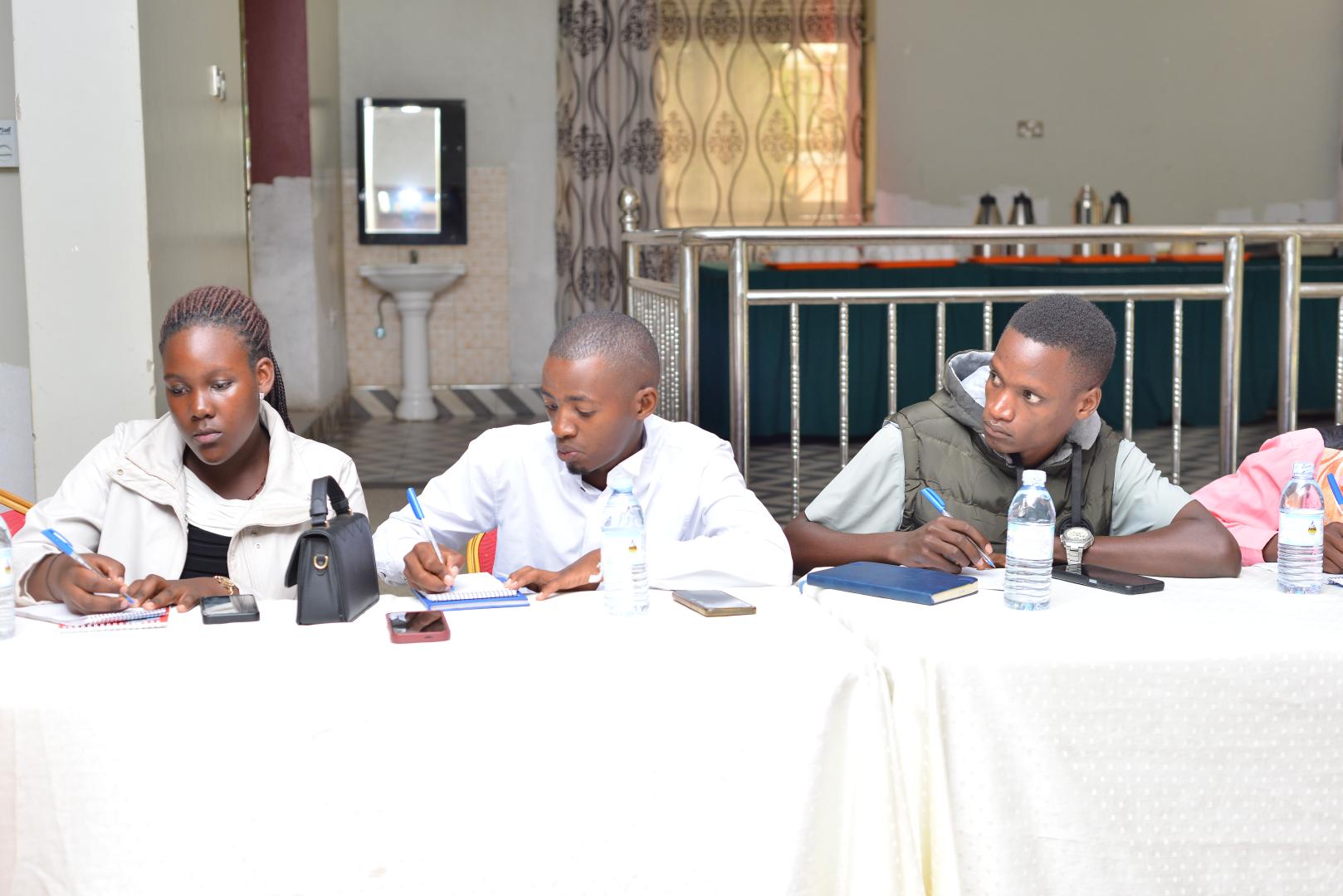
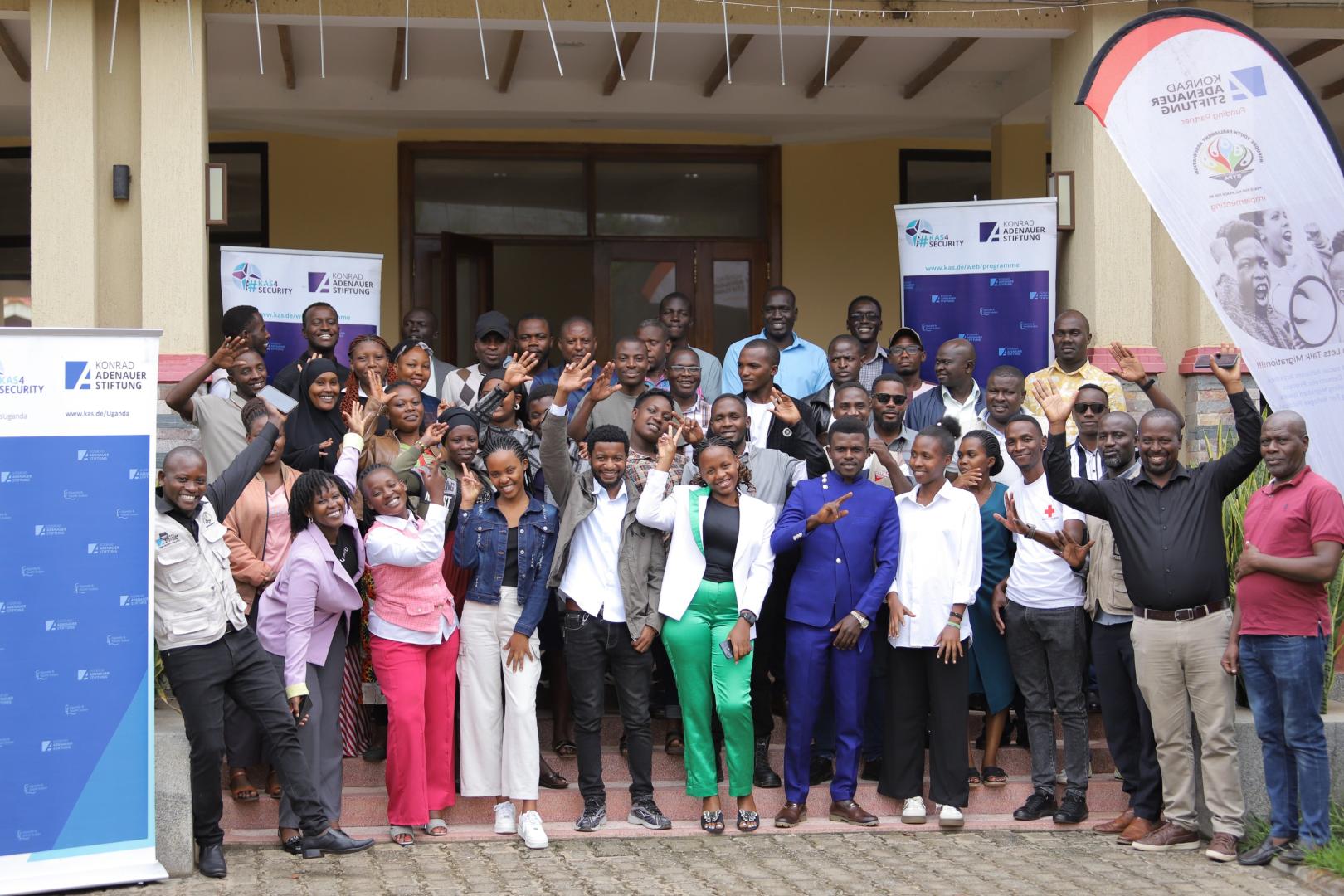
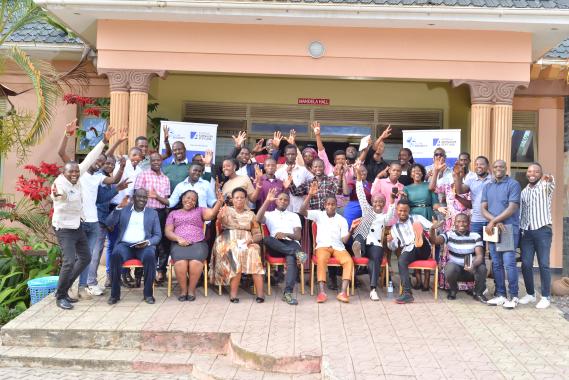
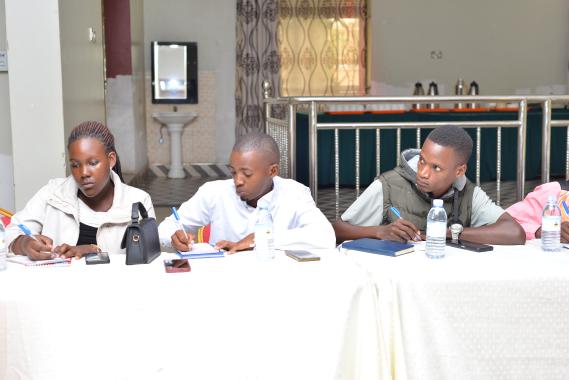
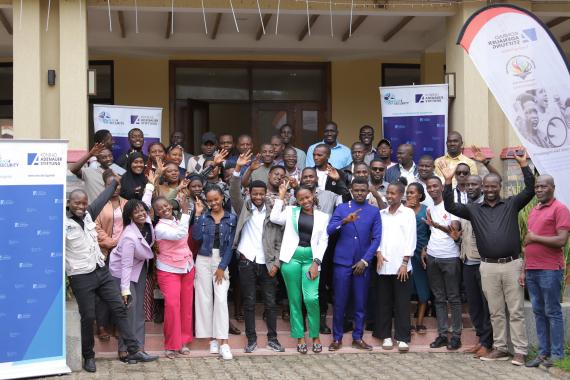
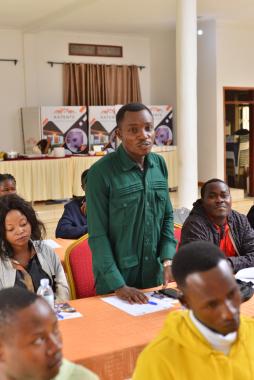
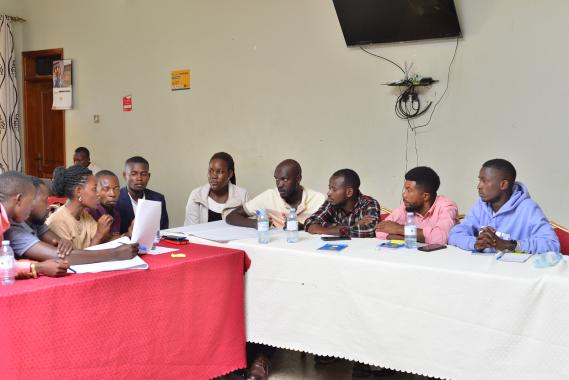
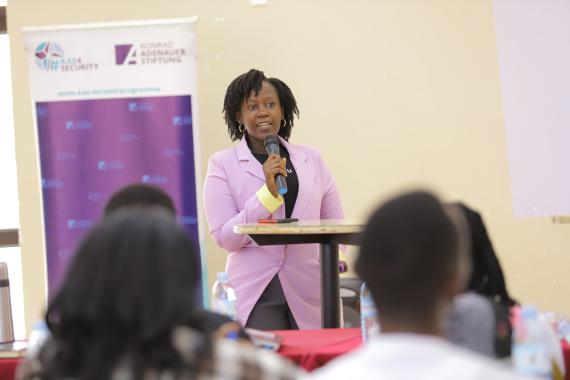
The field visits of February and March 2026 represent the culmination of that five-year journey; the final chapter of formal project implementation, deliberately designed not as a closing workshop but as the foundation for what comes next. Between 10th and 13th February, teams visited Nakivale and Oruchinga settlements in Isingiro District, before moving to Rwamwanja and Kyaka II between 3rd and 6th March. Across all four sites, two-day consolidation trainings convened 55 host and refugee youth leaders per settlement, drawn from refugee-hosting districts across South-West Uganda. With the project concluding in December 2026, each session carried a singular mandate: to ensure that everything built over five years does not end with the project, but lives on through the people, networks, and institutions shaped by it.
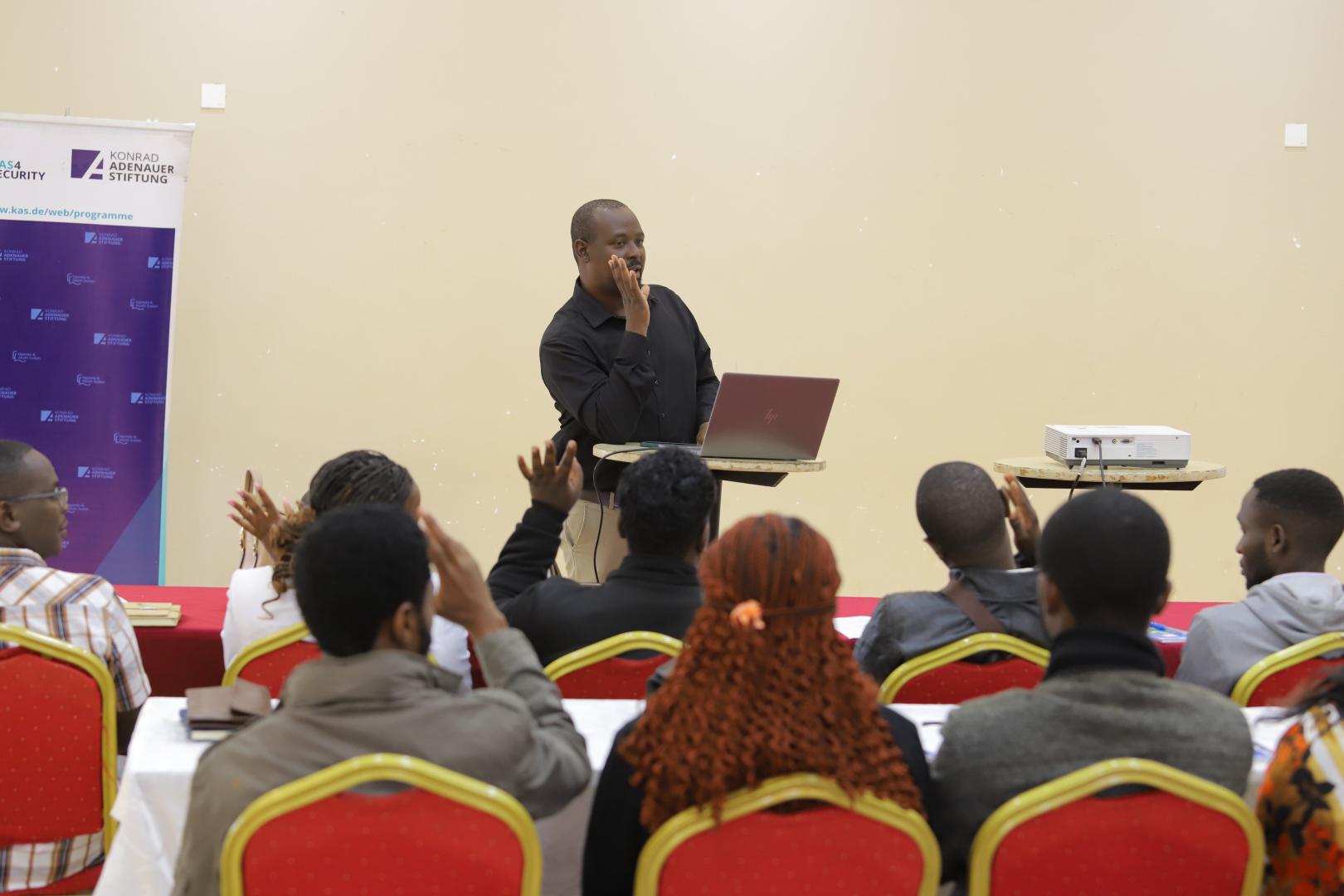
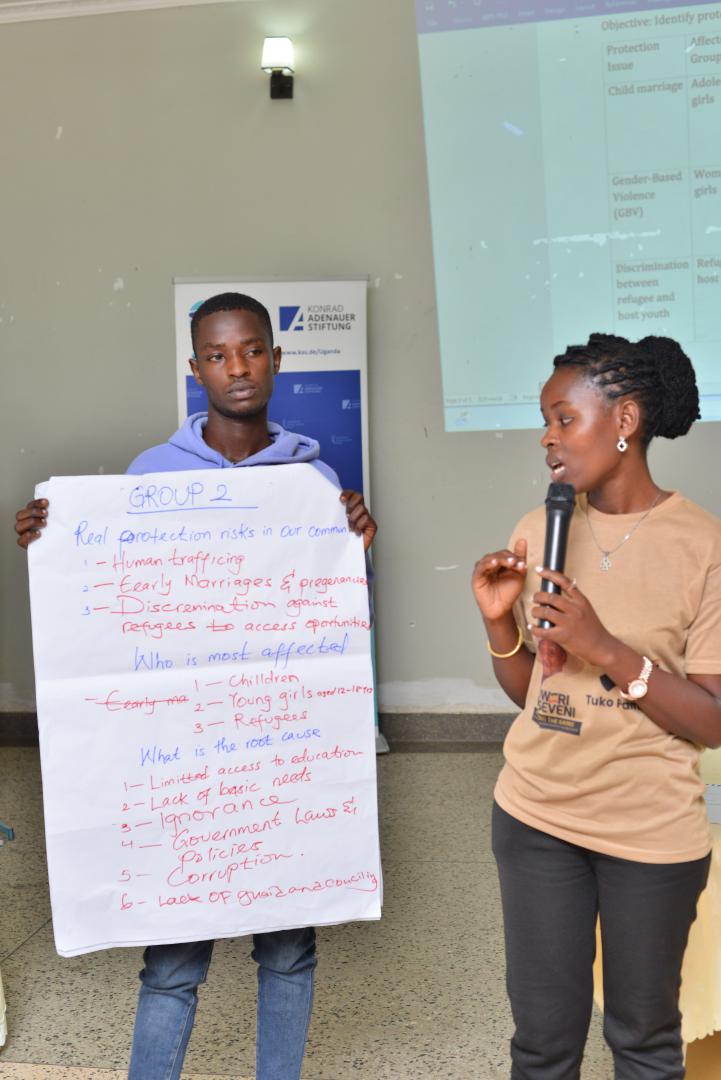
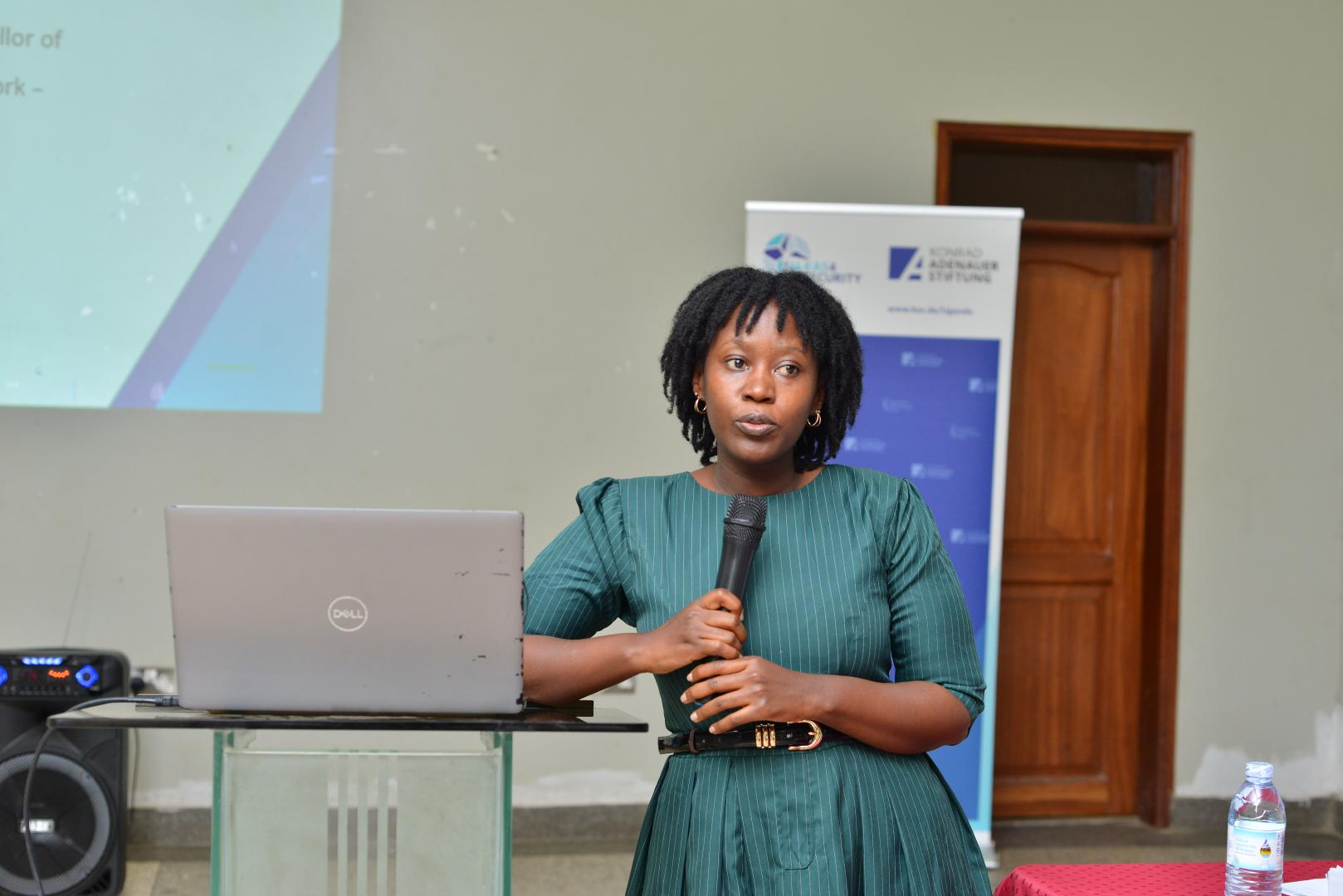
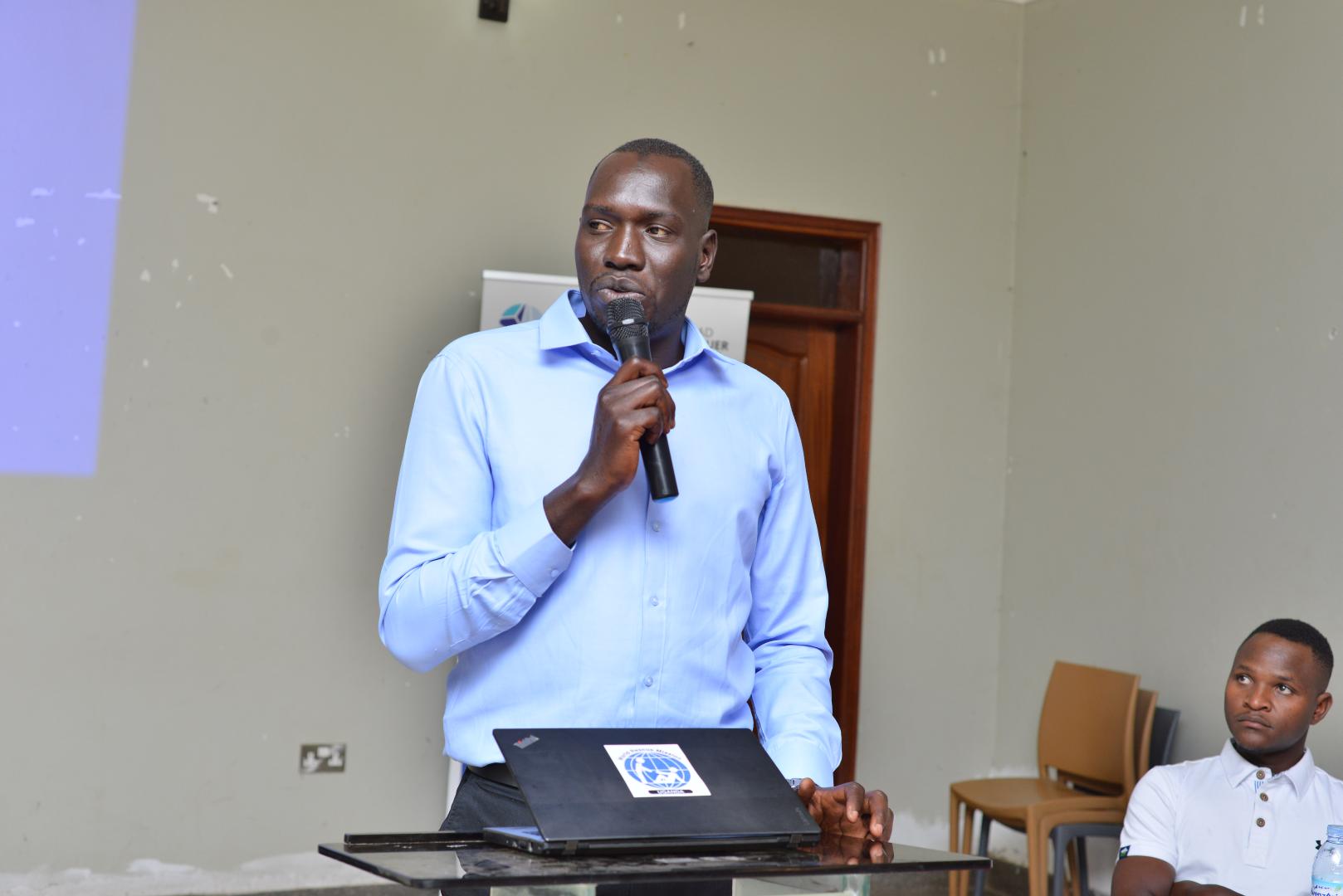
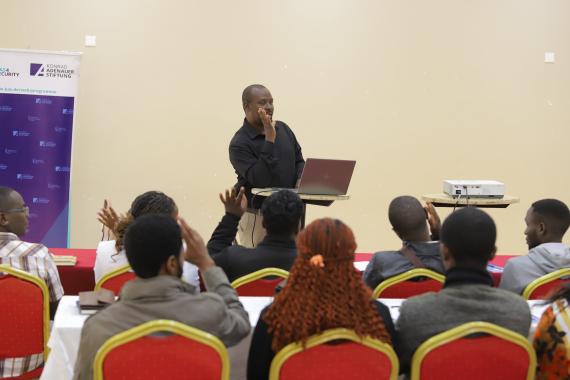
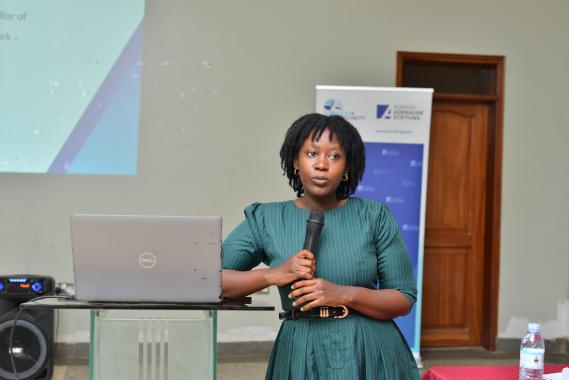
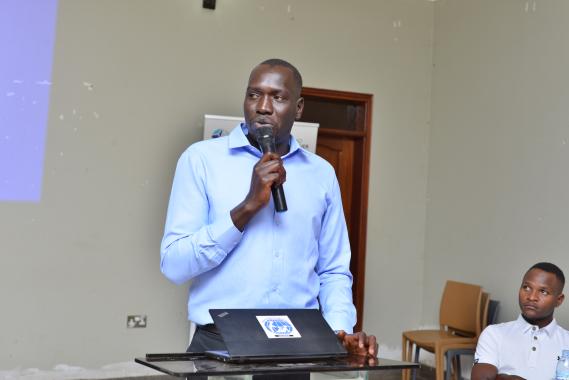
At Nakivale, Uganda's oldest refugee settlement, sessions were held at Golden Crane Hotel, Isingiro. Opening remarks from Mr. Johnpaul Habimana, Director of RYPA; Ms. Anisha Alinda, Programme Manager at KAS; and LC5 Chairperson Aloni Turahi set the tone for an event that was as much a handover as a training. Proceedings opened with a Community Dialogue facilitated by Olivia Mbarushimana, Chairperson of the RWC III Youth Council, in which participants reflected candidly on five years of shared experience: what had shifted in their communities, in themselves, and in the relationships between refugee and host youth. Thematic sessions followed on migration impact analysis, conflict resolution, and community organising for long-term peace, led by Mr. Silver Turihamwe, District Youth Advisory Committee Chairperson, and Settlement Commandant Mr. Hillary Mutamba, who used documentary footage and live settlement cases to test participants' conflict analysis skills. The second day turned to legacy: Regional Refugee Protection Officer Ruhinda Ivan reframed youth not as recipients of protection but as its active agents, responsible for upholding rights and accountability within their communities. Sessions on social activism, public policy, and advocacy communication closed with participants making written sustainability commitments; personal pledges to continue as peer mentors, community mediators, and civic voices beyond the project period.
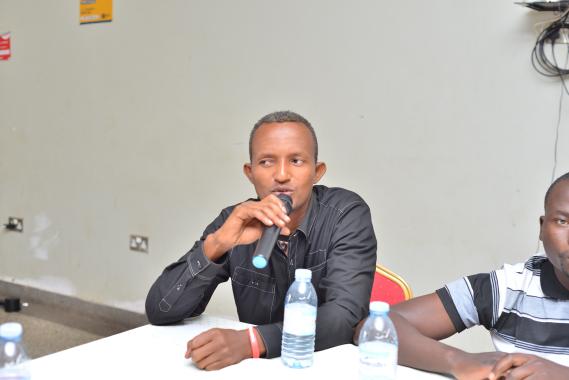
Two days later at Oruchinga, sessions were held at Banunuka Resort, Kyikagate. The Community Dialogue here was particularly revealing: participants spoke with uncommon candour about the tensions that had once characterised host-refugee relations in the settlement, and the degree to which structured engagement under the programme had shifted those dynamics. Youth who had previously viewed one another across ethnic and legal divides described the gradual emergence of a shared civic identity, a transformation that did not happen by accident but through five years of deliberate, sustained dialogue. This was the impact the programme had always sought: not just changed minds, but changed relationships. Sessions on migration governance, conflict resolution, and applied case analysis were anchored firmly in Oruchinga's specific realities, drawing on local land disputes, service access tensions, and community mediation experiences as live material. The intellectual rigour with which participants engaged these cases was itself a measure of programme impact; these were not students encountering the issues for the first time, but practitioners refining their craft. Closing reflections jointly facilitated by Ms. Anisha Alinda gave voice to a cohort that was not mourning the end of a project, but preparing to lead without it.
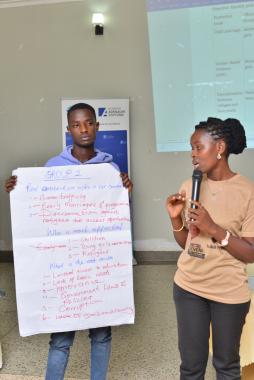
At Rwamwanja in Kamwenge District, which hosts one of Uganda's largest Congolese refugee communities, the sessions were marked by a striking quality of participant-led reflection. Those in attendance described concrete instances in which programme learning had already been applied: conflicts mediated, community dialogues self-organised, local leaders engaged on policy issues. These were not accounts of future intentions but of practices already under way; vivid testimony to the programme's cumulative impact on civic behaviour. Sustainability planning exercises produced detailed, locally-owned action plans covering peer mentorship structures, volunteer coordination frameworks, and formal linkages with settlement and district authorities designed to function without external facilitation. The message from RYPA and KAS in their opening remarks was unambiguous: the tools, relationships, and platforms built over five years now belong to the community, not the programme.
The programme's final field sessions were held at Kyaka II Refugee Settlement in Kyegegwa District, a fitting close to the five-year journey. Kyaka II's diverse refugee population, predominantly from the DRC and Burundi, arrived at these sessions with a sense of both pride and purposeful momentum. Participants moved through the programme's full thematic range with the fluency of people for whom this content has become second nature, speaking not about learning advocacy and communication skills but about refining them and identifying the channels through which they intend to deploy them: settlement governance structures, district-level forums, inter-settlement peer networks, and community-based protection mechanisms.
The measure of the programme lies not in its activities but in the changes it leaves behind. At the individual level, it has produced a documented transformation in how youth understand and navigate migration: from passive subjects of displacement to informed civic actors who can analyse its causes, articulate its consequences, and organise community responses. At the community level, inter-community tensions that once flared routinely around resource access and identity have in many instances given way to structured dialogue, youth-led mediation, and a growing culture of civic accountability. Host and refugee youth who once viewed one another through the lens of competition now operate as co-facilitators, co-advocates, and co-architects of community stability; a transformation in relationships that is arguably the most difficult form of development impact to achieve, and the programme's most enduring contribution. At the structural level, youth engagement has been embedded within the governance architecture of the settlements and surrounding districts. Youth leaders now participate in settlement governance forums, engage district officials on protection matters, and interface with UNHCR and other protection actors as informed, credible partners. These linkages were deliberately cultivated and will persist beyond December 2026: they are not programme outputs, but community assets.
From the outset, the programme was designed with its own ending in mind. The multi-year investment in youth leadership was never intended to create dependence on external facilitation, but to render it unnecessary. RYPA, as the primary implementing partner rooted in the settlements themselves, will serve as the institutional anchor for continuity; sustaining civic education, conflict resolution, and advocacy activities through its leadership structures, volunteer networks, and peer mentorship frameworks long after formal project support concludes. Participants across all four sites made explicit, documented commitments to maintain peer-led dialogue groups, community mediation services, and youth governance forums as standing community functions. The cross-settlement network built over five years is itself a sustainability mechanism of considerable value: youth leaders from Nakivale, Oruchinga, Rwamwanja, and Kyaka who now know one another, share methodologies, and support one another's work represent a resilient regional architecture for civic action; one that requires no external funding to maintain, only the social capital and shared purpose the programme has cultivated.
Forced displacement in the Great Lakes region shows no signs of abating and the conditions that drove people from their homes, including conflict, governance failure, resource scarcity, and political exclusion, remain live and urgent. Five years in South-West Uganda have demonstrated that community-level investment in civic empowerment, inter-community solidarity, and youth leadership is among the most consequential responses available. The task now is to ensure it endures.