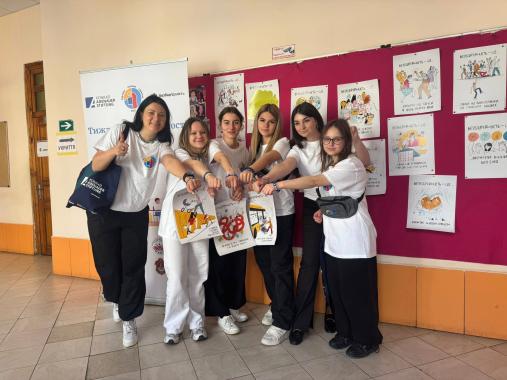
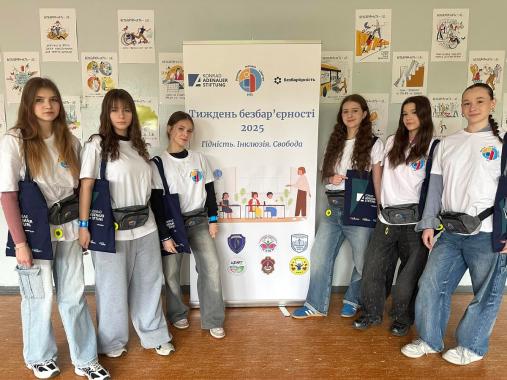
In May 2025, the second phase of the educational initiative “Youth for a Culture without Barriers” was carried out in cooperation with the Congress of National Communities of Ukraine (KNGU). While last year our project focused on raising awareness among young people about the inclusion of cultural and historical heritage sites, this year's focus is on developing an inclusive educational environment.
We deliberately chose educational institutions as the main target group for our project for two main reasons.
Firstly, educational institutions are places where identity, worldviews, and ideas about justice, dignity, and human rights are shaped. Here, young people learn every day to interact with each other, respect others, and seek solutions together.
Secondly, the war in Ukraine has spared no area of life—and education is no exception. Disabilities can affect anyone: students, teachers, parents.
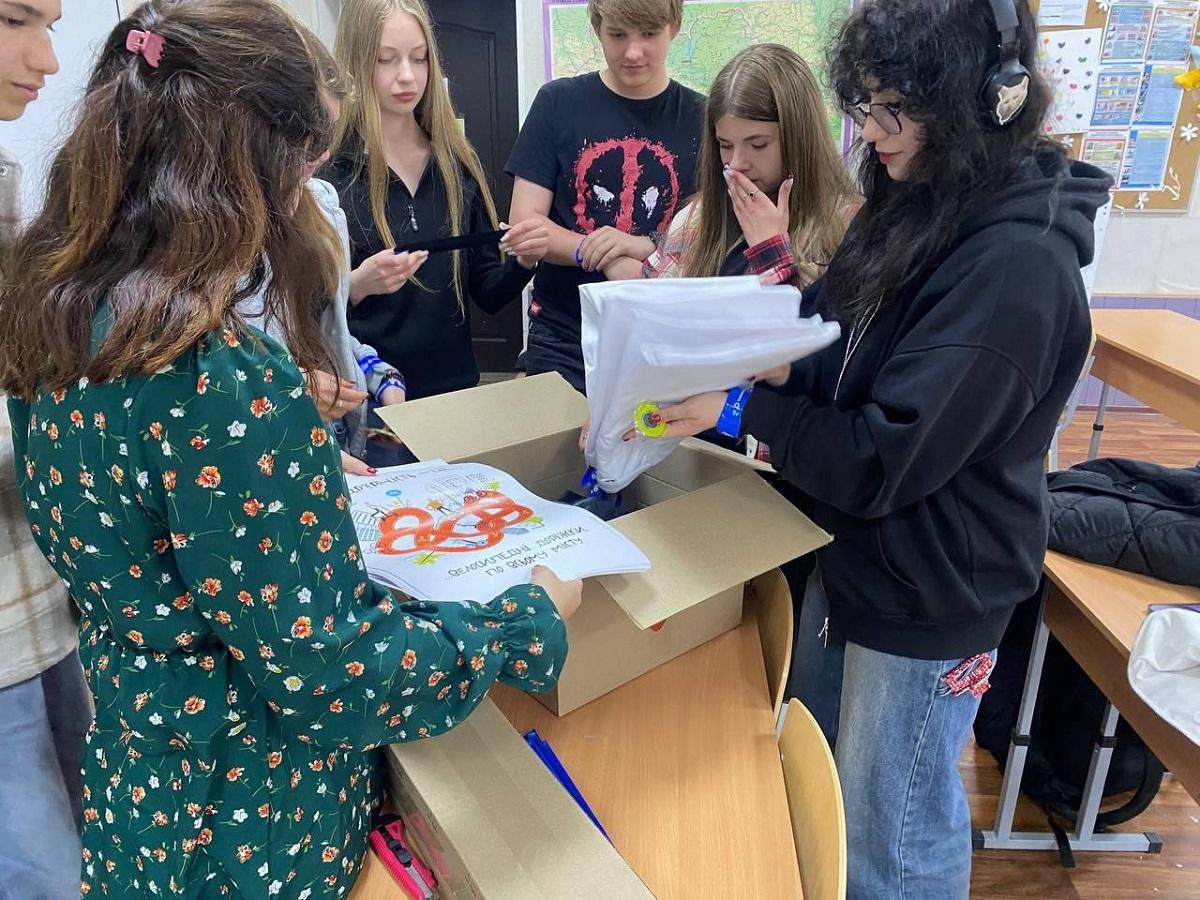
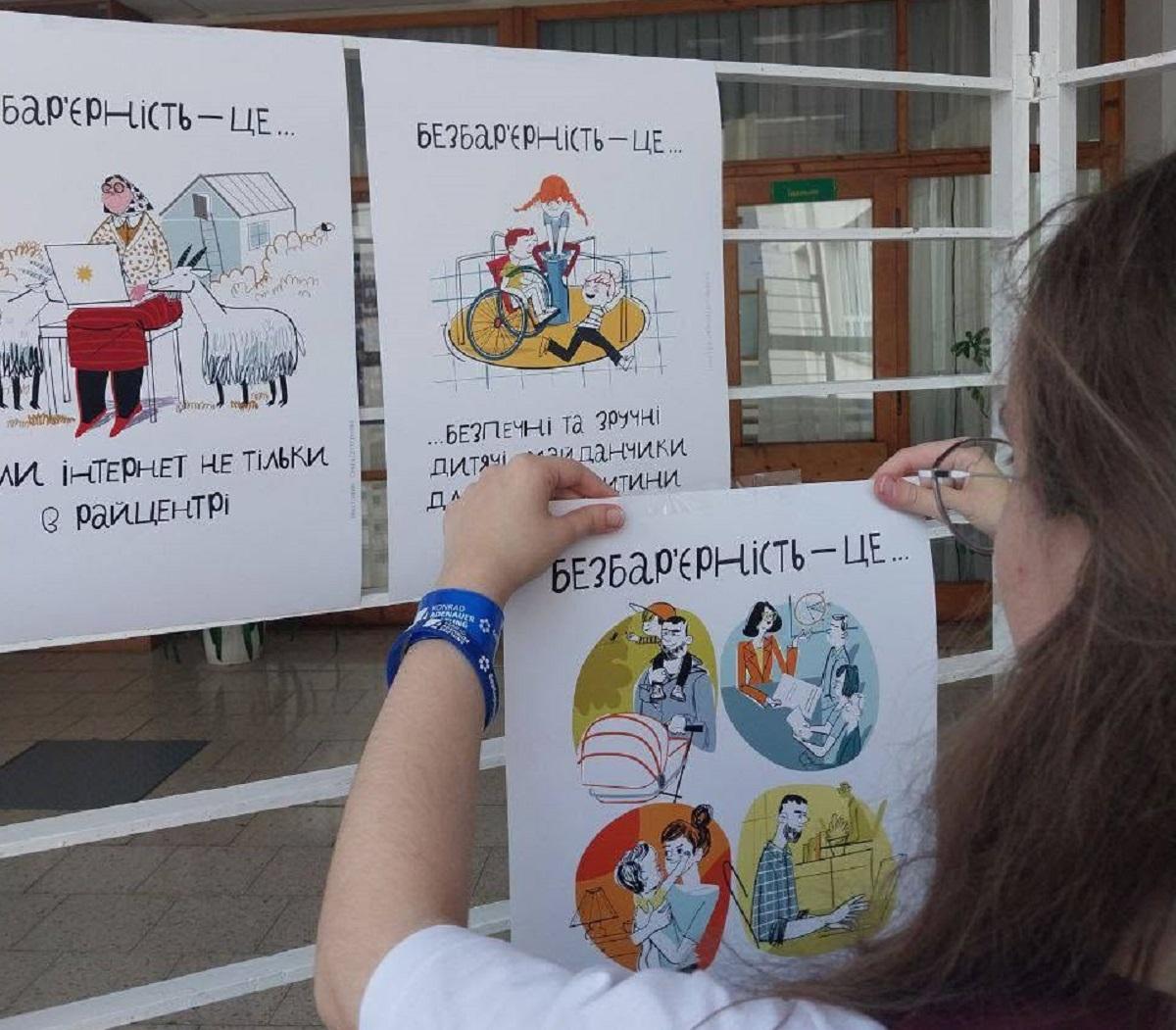
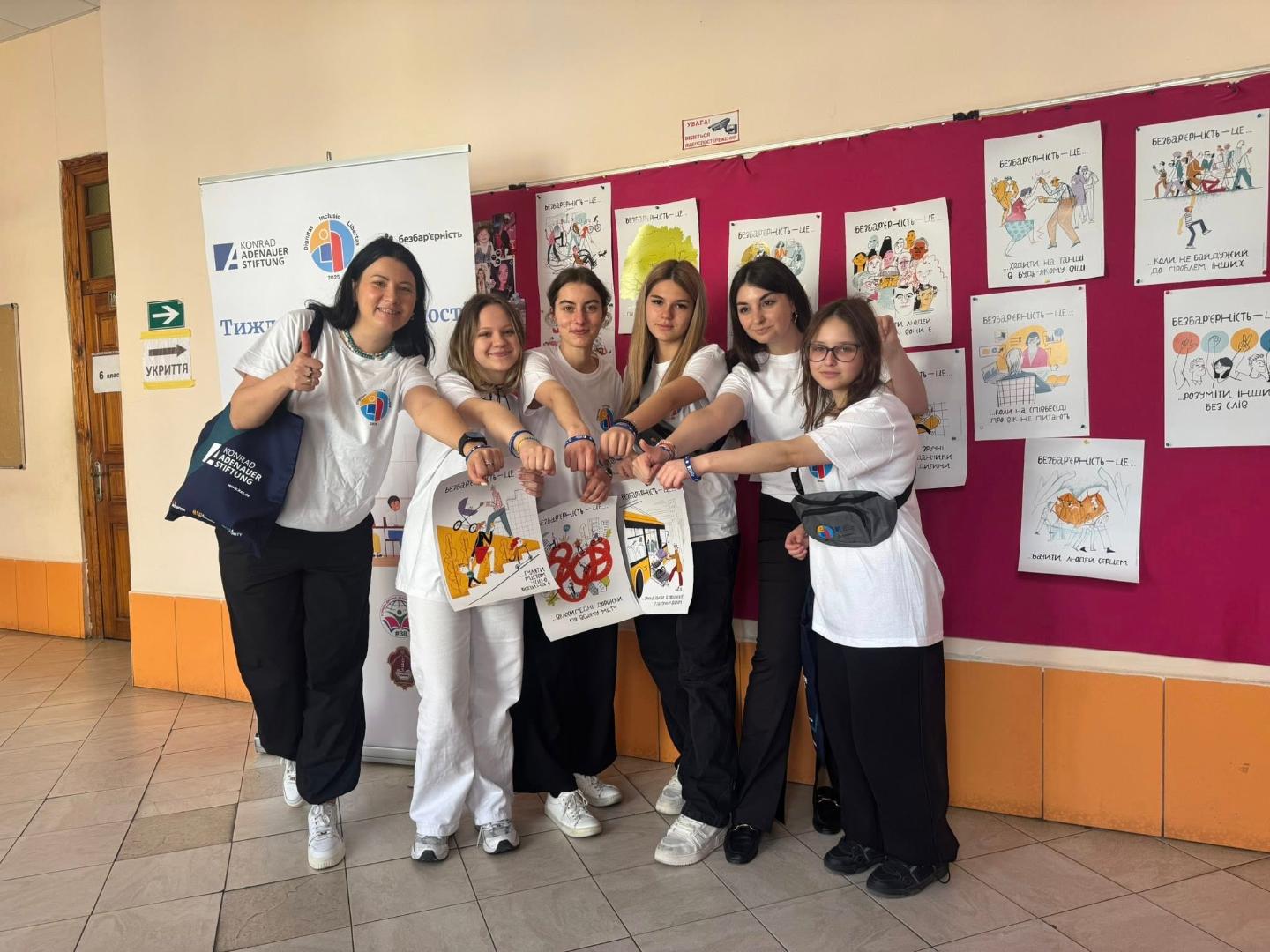
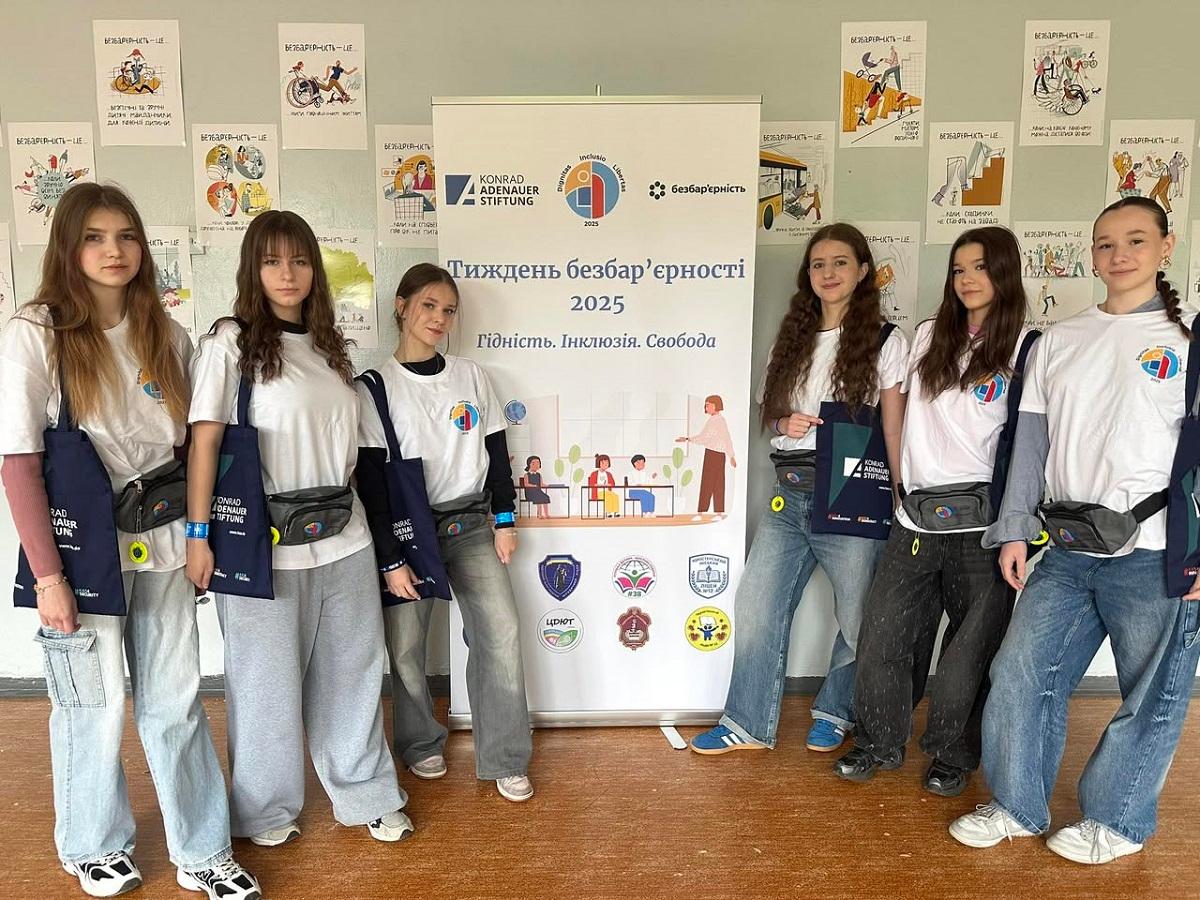
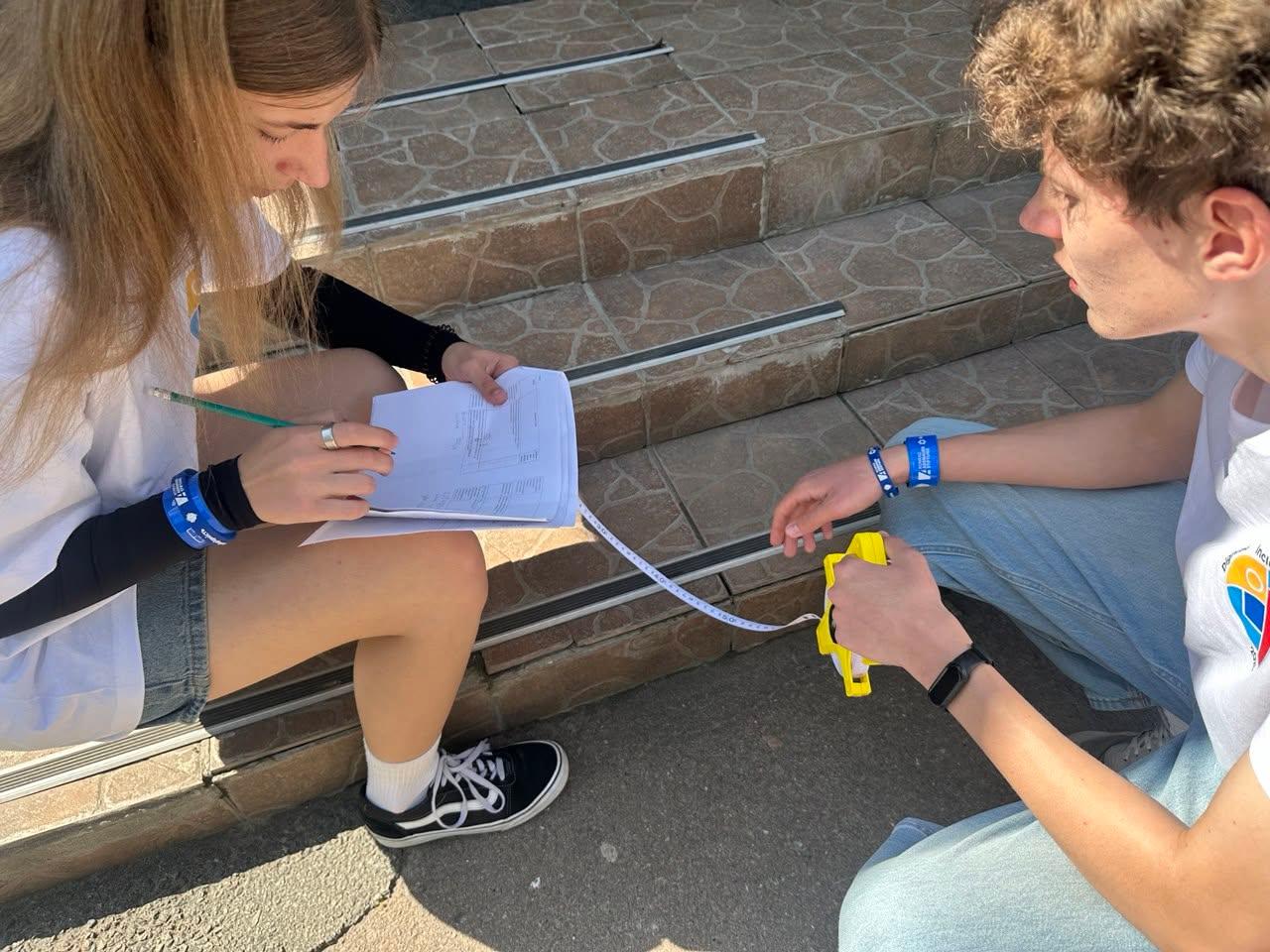
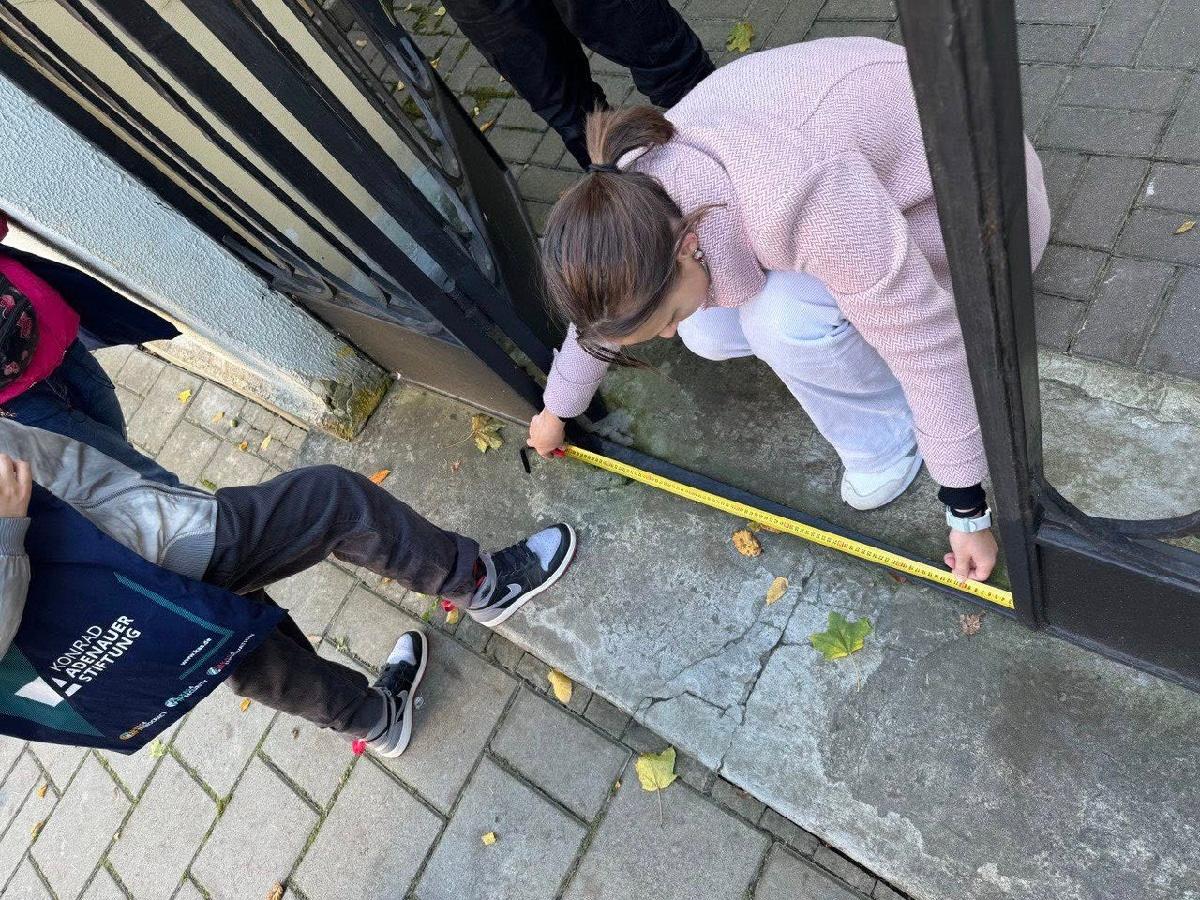
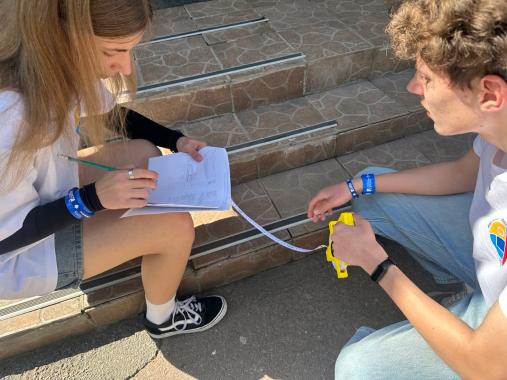
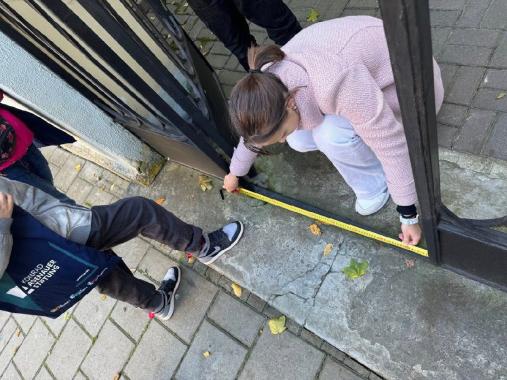
To enable our Ambassadors of Change to organize “Weeks of Inclusion” in their educational institutions and raise awareness of the issue among as many people as possible, we have introduced them to European standards for inclusive school construction and provided training on accessible communication aimed at promoting respect for dignity and inclusion in communication. In addition, we provided tools for objectively assessing the accessibility of their facilities and conducted training on planning communication campaigns to familiarize the broader school and local public with the principles of accessibility.
Our activities this year coincided with the first National Week of Inclusion, an initiative launched as part of the implementation of the National Strategy for Creating an Accessible Environment in Ukraine by 2030. This week brought together a broad community for the first time: executive authorities, representatives of state power, well-known public figures, inclusion experts, veterans, and participants in numerous social projects who are working together to make Ukrainian society more open and accessible to all.
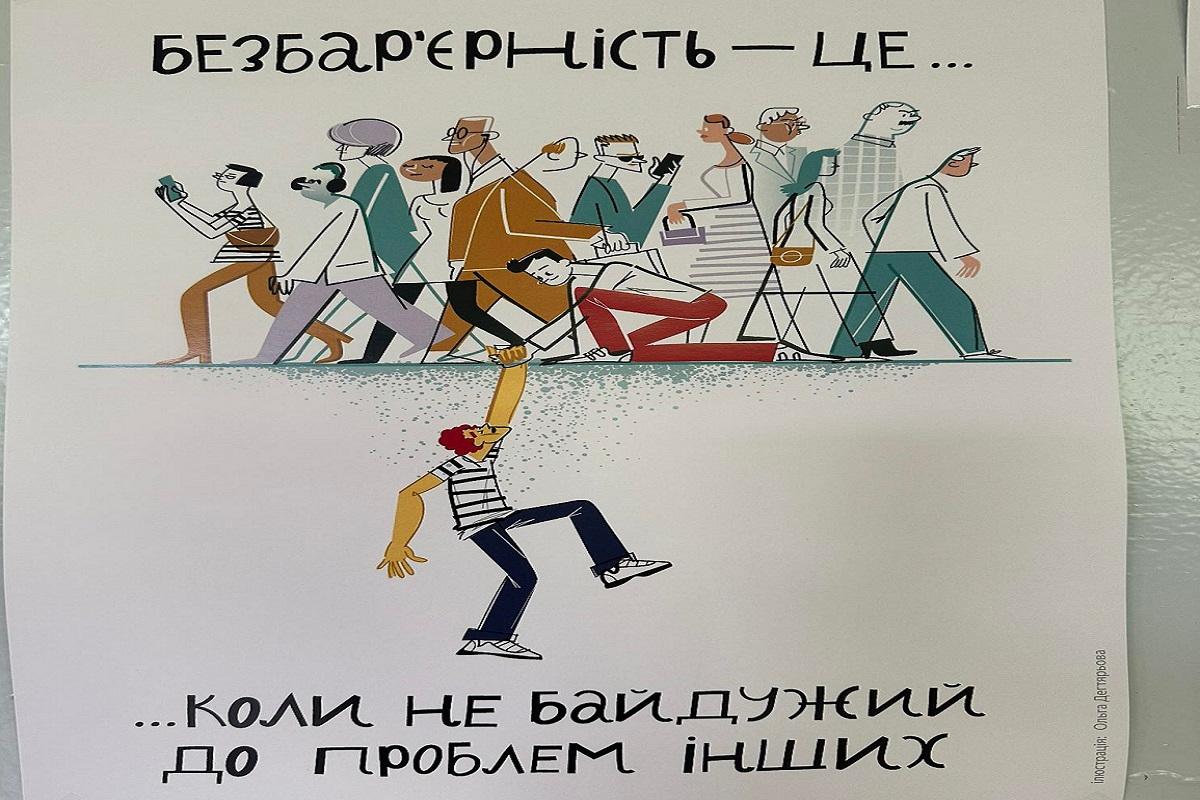
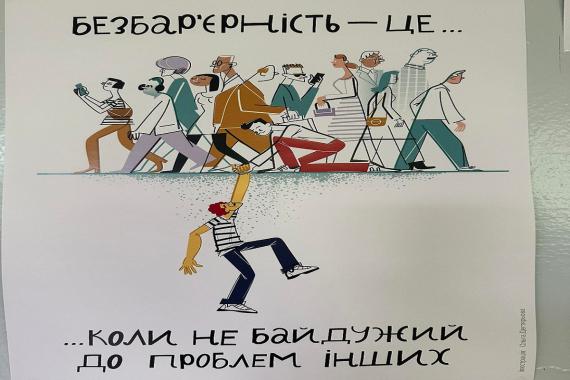
P.S.: If our cover image did not trigger any cognitive dissonance for you, then we are already on our way to you!
 KNGU
KNGU
 KNGU
KNGU
 KNGU
KNGU
 KNGU
KNGU
 KNGU
KNGU
 KNGU
KNGU
 KNGU
KNGU
 KNGU
KNGU
KNGU
KNGU
KNGU
KNGU
KNGU
KNGU
KNGU
KNGU
KNGU
KNGU
KNGU
KNGU
KNGU
KNGU
KNGU
KNGU
Our experts:
- Tetiana Lomakina - Advisor – Representative of the President of Ukraine on Accessibility Issues
- Tetiana Muratkina - Manager, NGO KNGU, Chairwoman of the NGO “Mascha Foundation,” Candidate of Philosophical Sciences
- Volodymyr Vyssotsky - Accessibility Expert, Head of the Accessibility Department at the public association “League of the Strong”
- Svitlana Hnatiuk - Accessibility Expert, NGO “Accessibility”
- Liliia Drozdyk - Head of Communications for the Luxembourg technical assistance project “KRYTSIA: Support for the Reconstruction of the Kryvyi Rih Region,” Communications Expert in the Civil Society and Non-Profit Sector, Communications Manager at SavED
 КНГУ
КНГУ
Eight events with over 300 participants took place in Chernihiv. There were lectures, quizzes, exhibitions, and an accessibility audit. The results of this audit attracted particular attention. It was found that the needs of people with disabilities had not been taken into account during the renovation of the shelters at Lyceum No. 22 in Chernihiv.
In Poltava, 48 events were held with 1,353 students from 38 classes. Particularly impressive was the “blind maze,” a game in which participants could experience what it is like to be helpless in a familiar environment.
In Vinnytsia, 35 activities were carried out for over 900 participants, ranging from lectures to a visit to a Blind Association. (УТОС)
In Lviv, around 200 people took part in the Lyceum program. Quests, exhibitions, creative tasks, and lectures were organized.
In Ivano-Frankivsk, 40 events took place, with 17 classes participating.
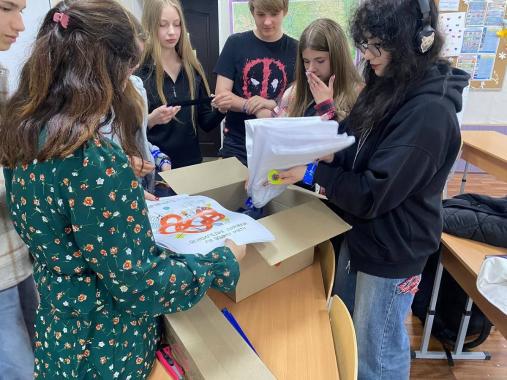
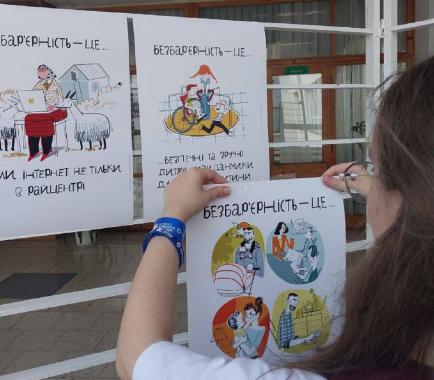
The students of the Odessa Law Lyceum presented their work: video clips, photo reports, and exhibitions with illustrations.
In Korosten, art therapy and creative tasks, lectures and meetings with experts, exhibitions of posters and installations, as well as quizzes, games, and quests took place.
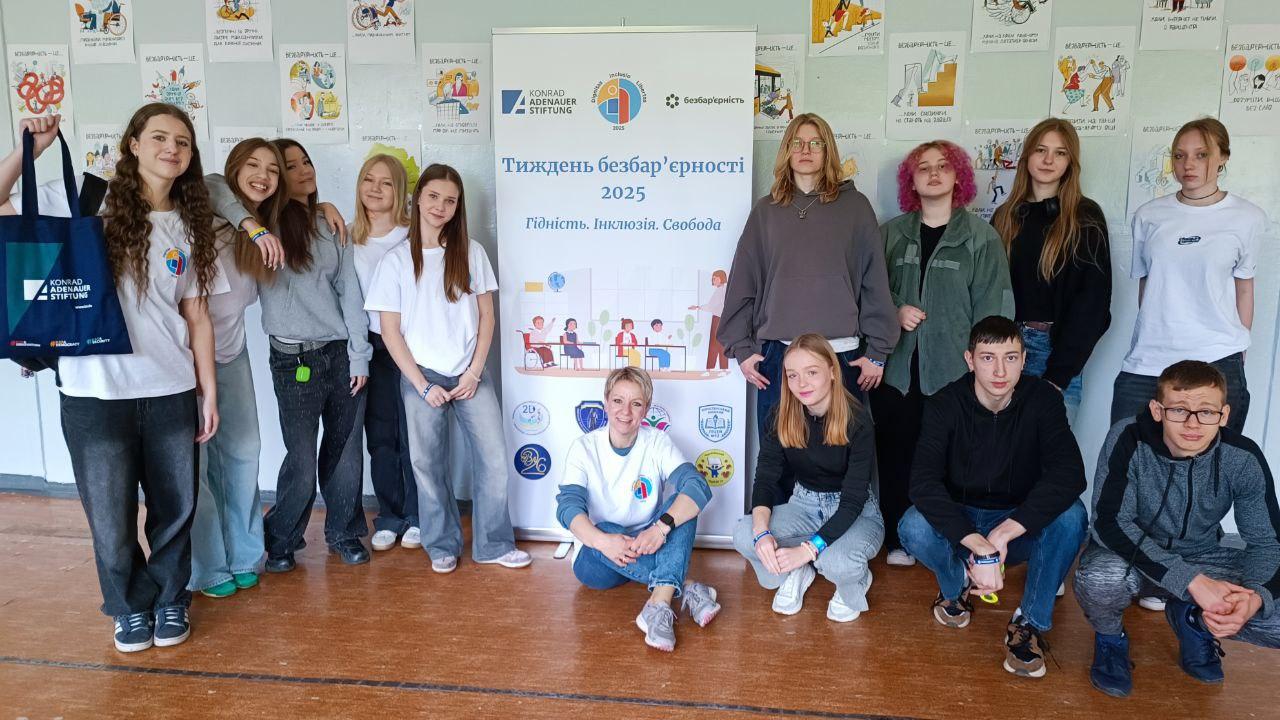
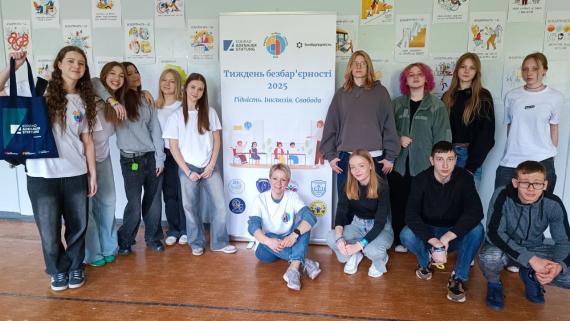
Dignitas. Inclusio. Libertas 2025.
A motto that united all participants in our initiative around the values of dignity, inclusion, and freedom. We thank all participants for their commitment, willingness to learn, and readiness to take action and become ambassadors of change. The next steps lie ahead of us. The strongest driving force in this country is civil society!
КНГУ