







Details


Encounters from Texas to the East Coast
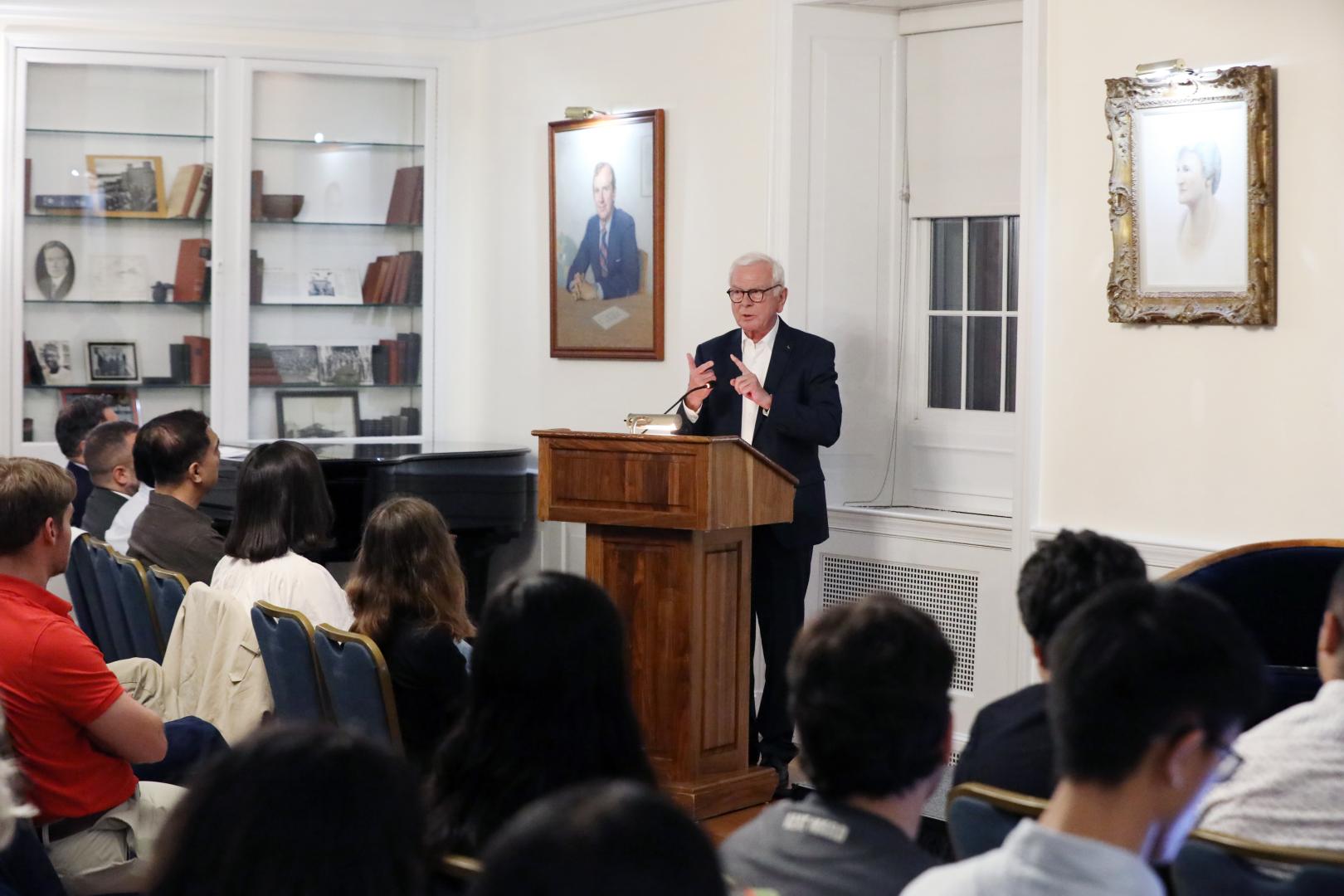
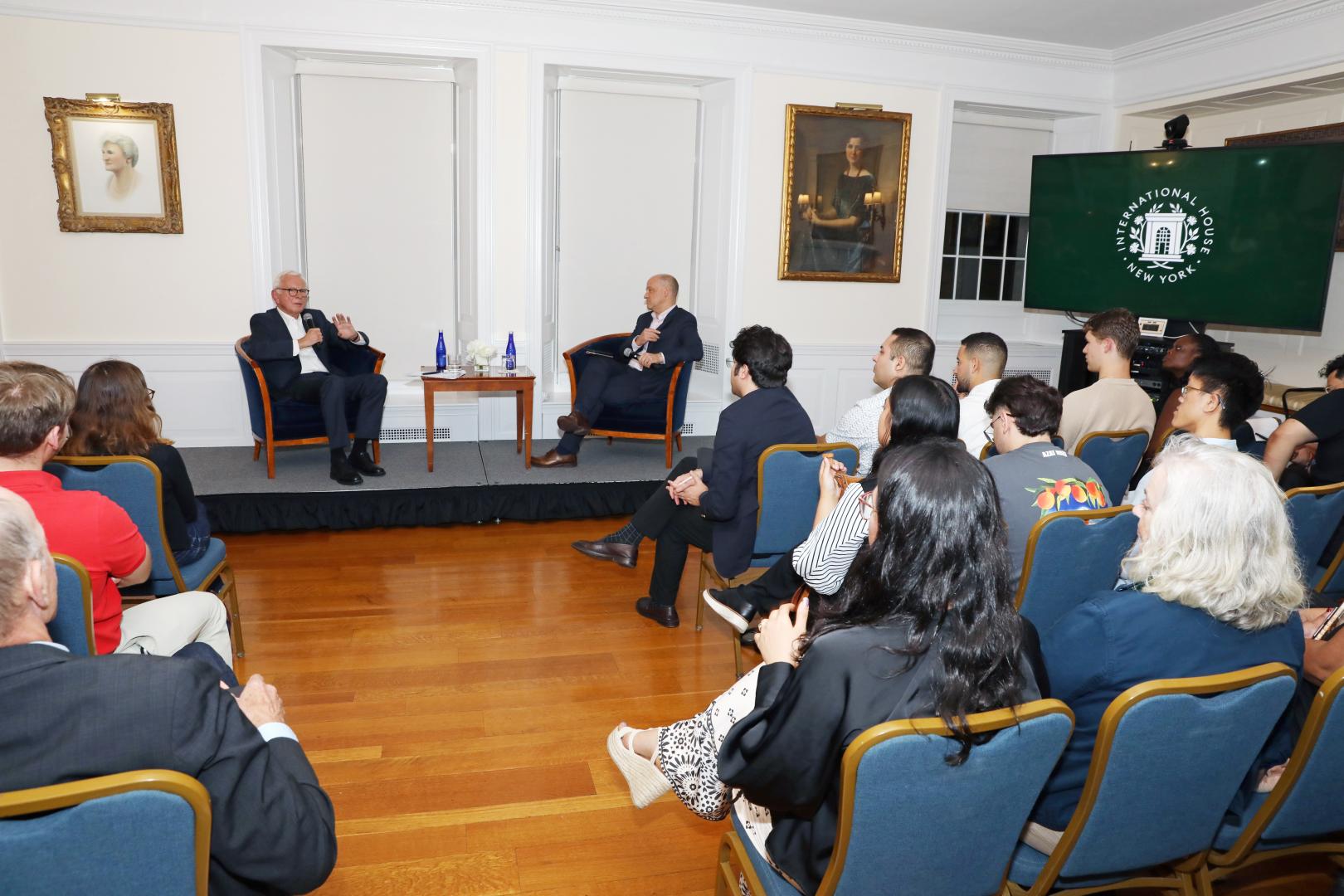
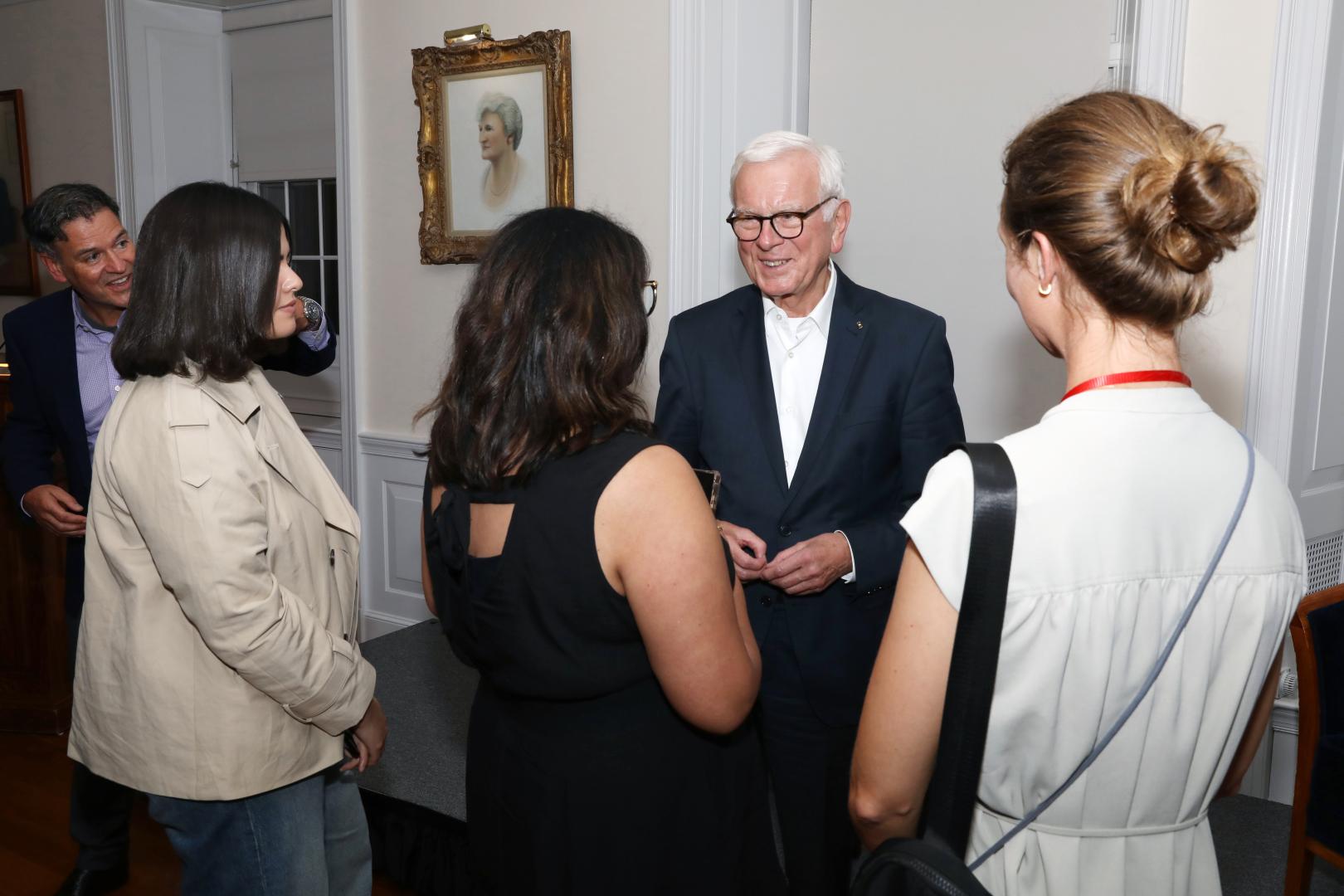
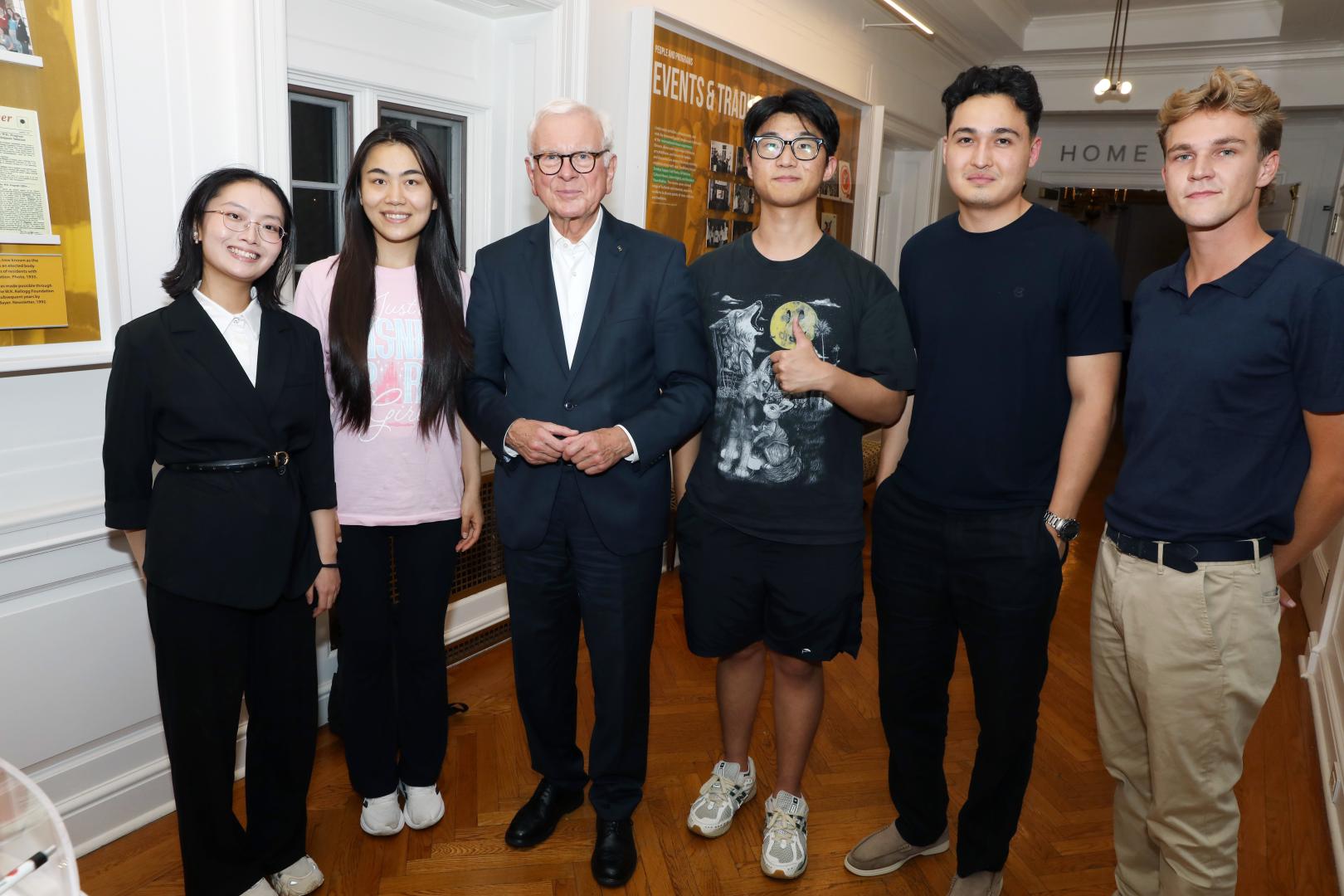
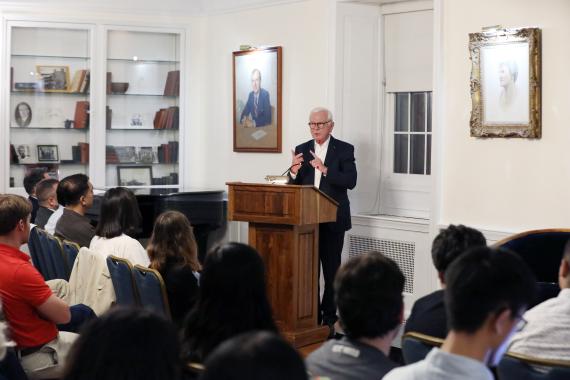
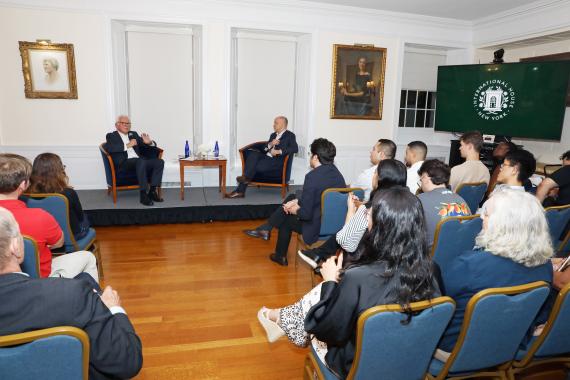
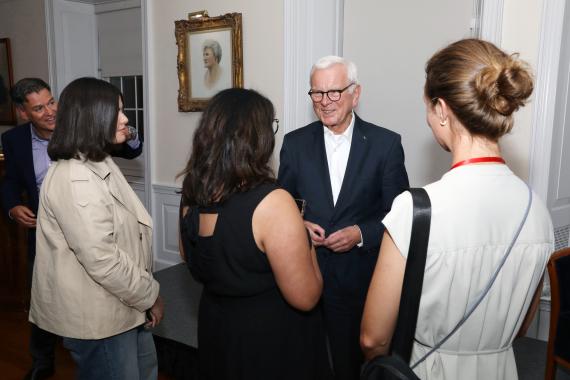
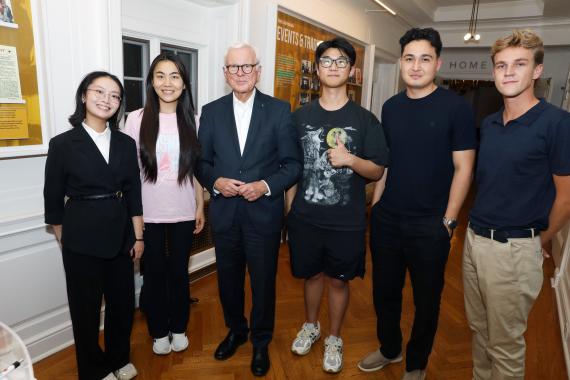
Along the way, Dr. Pöttering sought dialogue with a wide range of audiences: at the University of Texas at Austin, he engaged with students and faculty; he also exchanged views with representatives of the German-American business community and spoke with young professionals from the Alexander Hamilton Society. In New York, he met students and alumni at International House—an encounter of particular personal significance, as he himself had once studied at neighboring Columbia University.
Trust as the Foundation of the Transatlantic Partnership
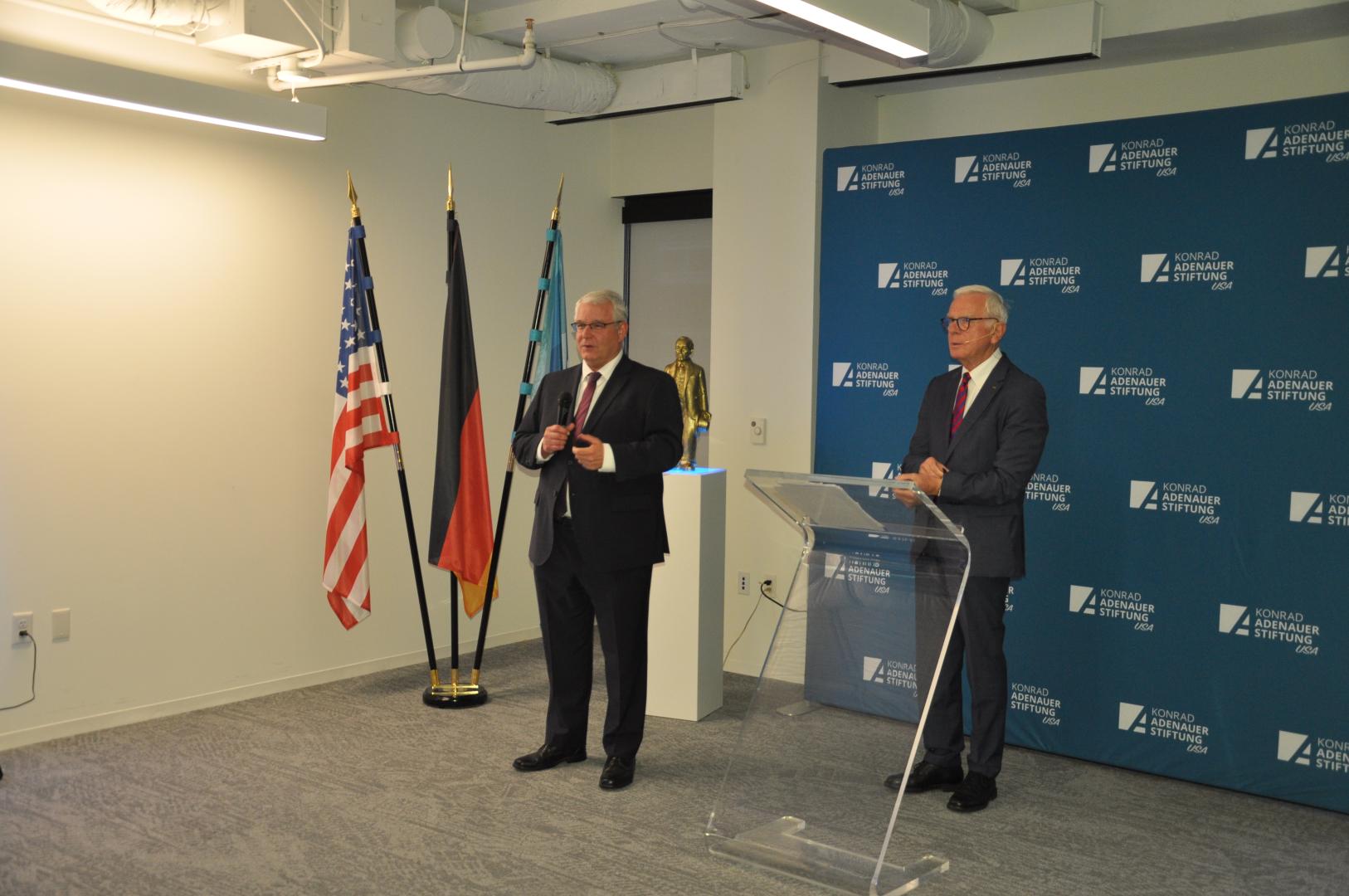
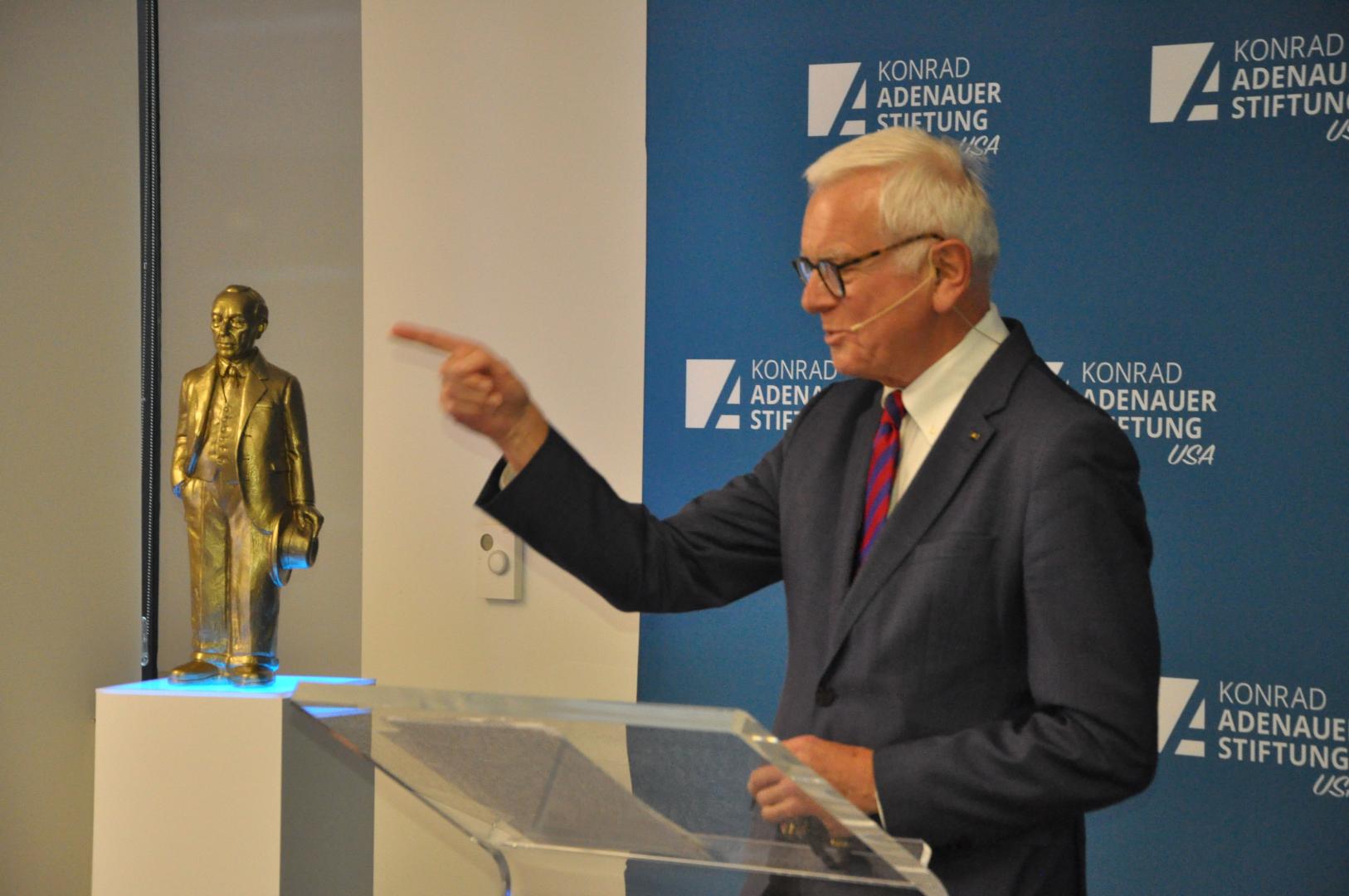
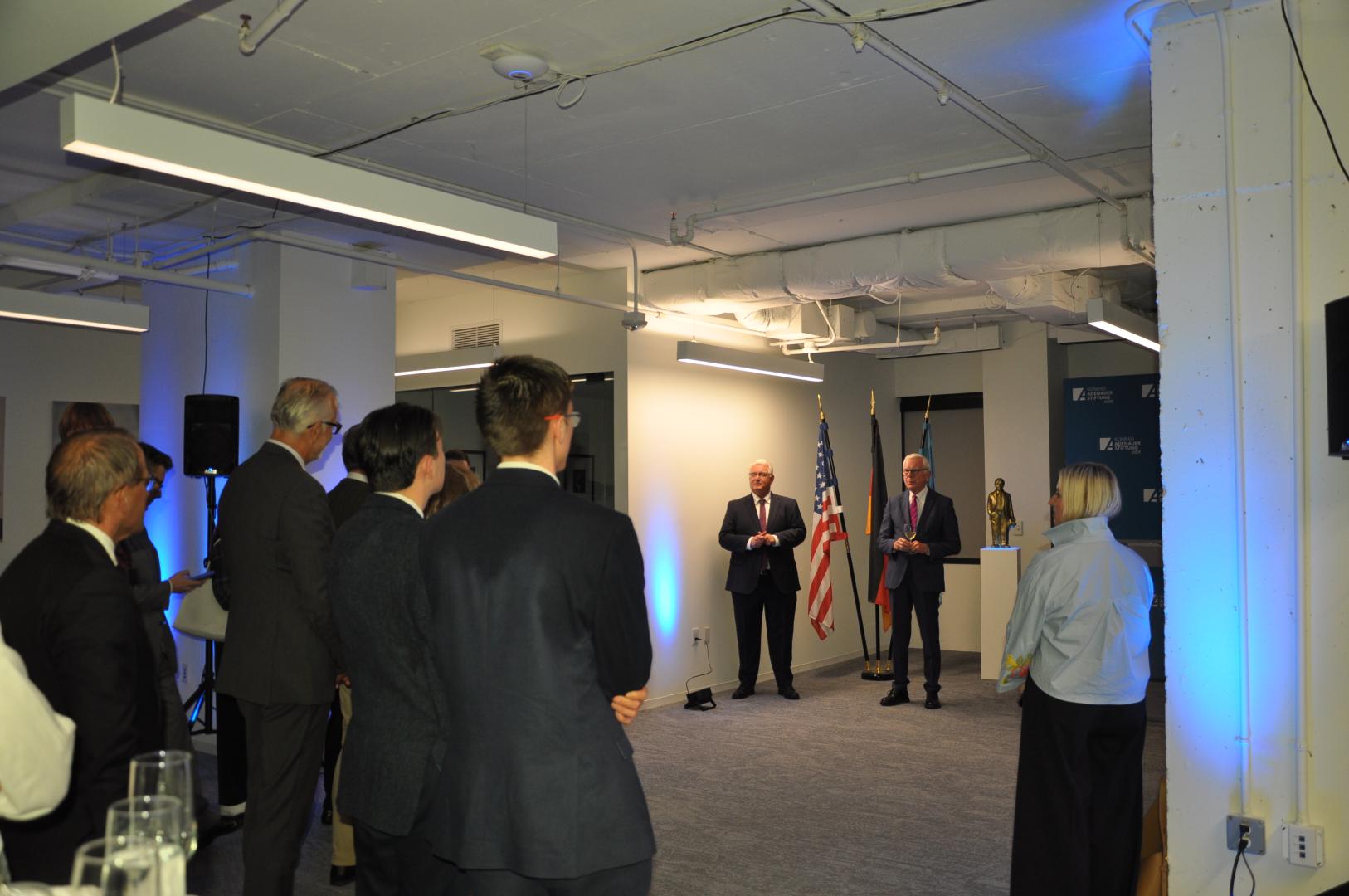
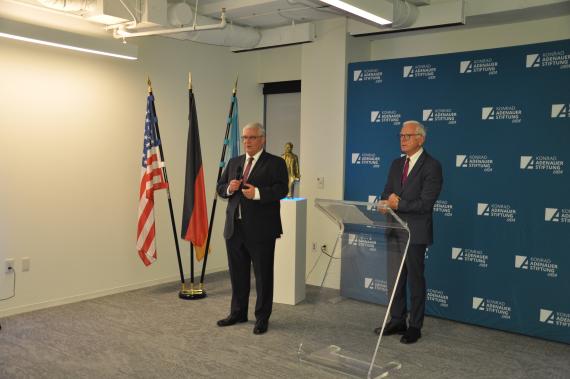
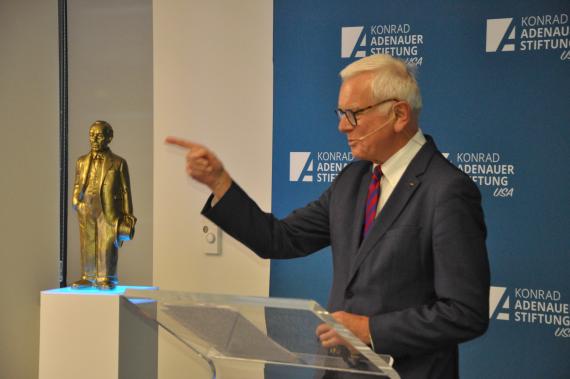
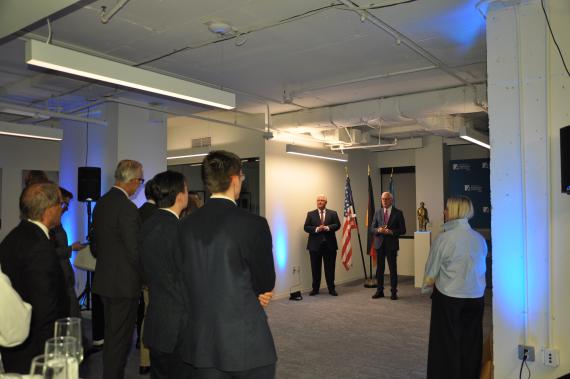
The visit culminated on September 21, 2026, in a closing event at the KAS office in Washington, D.C. Dr. Pöttering addressed some 70 invited guests from the think tank, diplomatic and multilateral communities on the importance of trust in transatlantic relations. He recalled the close bond between U.S. President George H. W. Bush and Chancellor Helmut Kohl during German reunification. Bush's confidence in Kohl, he said, exemplified a political partnership grounded in personal reliability and shared values. Drawing on this experience, he made the case for renewed trust between Europe and the United States in today's international environment.
Europe's Responsibility for Freedom
Dr. Pöttering urged Europeans to stand together in defense of their shared security and freedom. This includes continued support for Ukraine in the face of Russia's war of aggression. International law matters, he stressed: respect for sovereignty, territorial integrity and binding rules remains indispensable for a peaceful international order. Supporting Ukraine therefore also means upholding the principles on which European security rests.
Civic Duty: Heimat, Nation and Europe
Echoing President John F. Kennedy's famous words, Dr. Pöttering encouraged the audience to ask not only what their country can do for them, but also what they can contribute to their country, to democracy and to society. He also outlined three interconnected layers of identity: attachment to one's local home (Heimat), national belonging and a sense of being European. These, he explained, do not compete with one another. Instead, they reinforce each other as foundations for political responsibility and solidarity.
The evening ended with a reception.