






Details

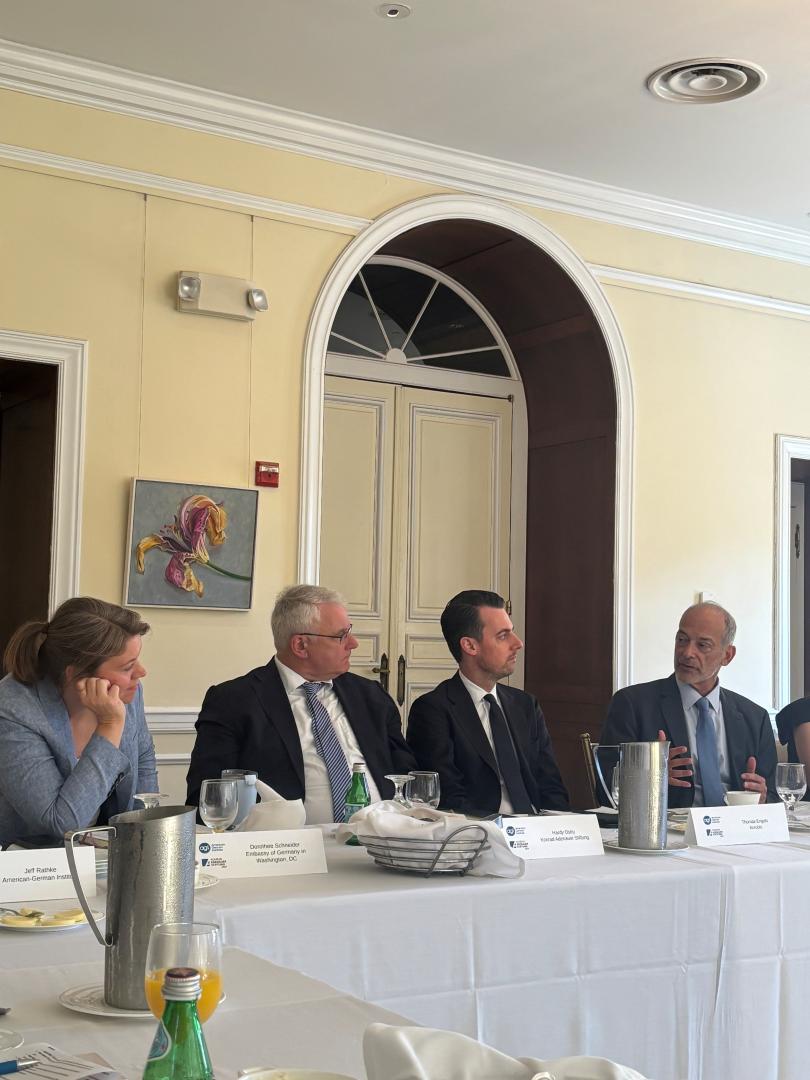
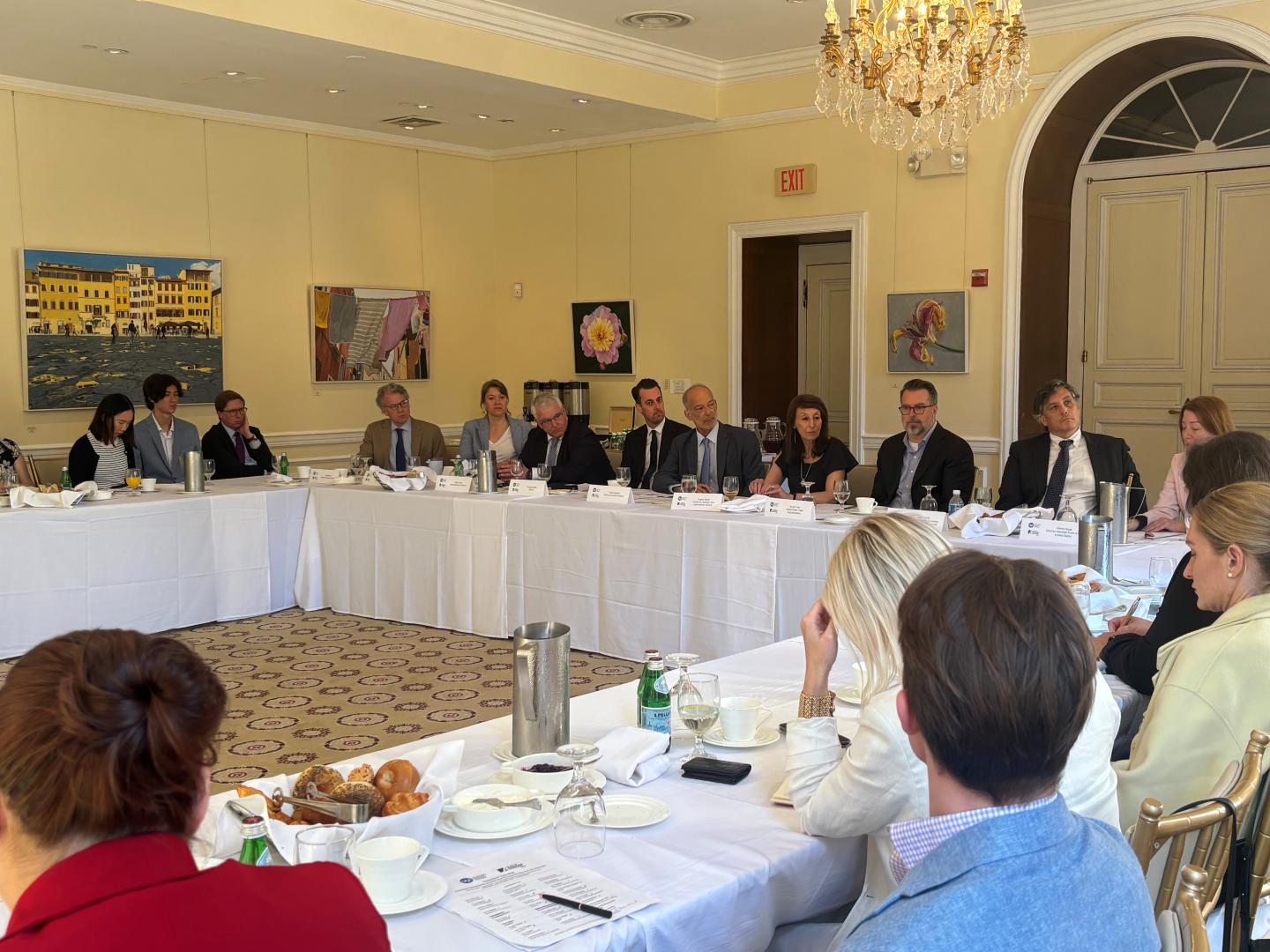

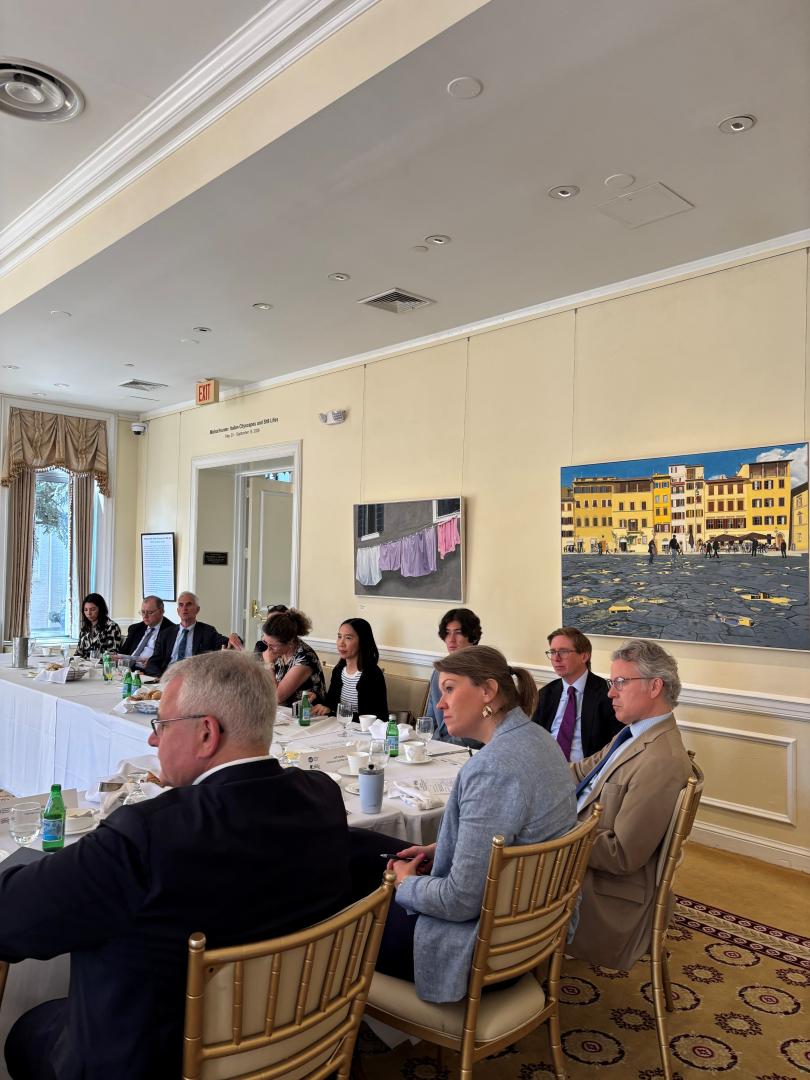

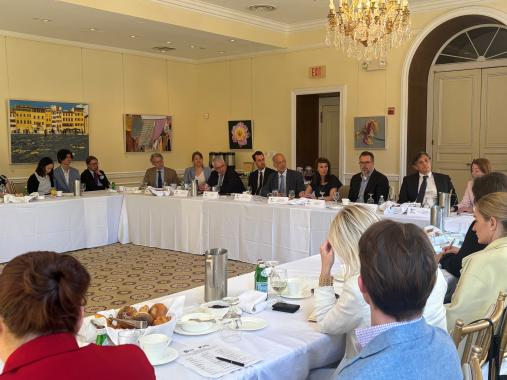

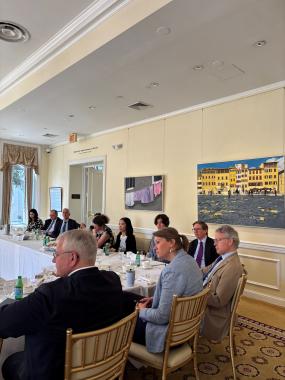
KAS USA and the American German Institute (AGI) discussed transatlantic cooperation on trade, technology, and industrial policy.
As geopolitical competition, technological change, and fragile supply chains reshape the global economy, the transatlantic partnership remains a key anchor of stability. During the 2026 Transatlantic Trade Week, organized by the Konrad-Adenauer-Stiftung USA and AGI, experts, policymakers, and business representatives discussed how the United States and Europe can strengthen cooperation in a more contested international environment.
A central theme was the balance between economic interdependence and strategic sovereignty. Speakers emphasized that transatlantic integration continues to generate stability, innovation, and competitiveness. At the same time, recent crises have shown the need to reduce vulnerabilities in critical sectors.
Participants therefore argued that interdependence and sovereignty are not mutually exclusive; rather, they are being developed in parallel, with an emphasis on “derisking” instead of “decoupling”: diversifying supply chains, strengthening resilience, and protecting critical technologies while preserving open markets.
The strategic role of critical minerals was another key focus. Rising demand, market distortions, high energy costs, and uneven environmental standards pose growing challenges for European competitiveness.
Speakers called for a more active and pragmatic European industrial policy. While the United States has moved toward direct implementation in strategic sectors, Europe must improve coordination and speed at the EU level. Germany’s industrial base and engineering expertise were seen as important assets for a stronger transatlantic economic agenda.
Economic security now shapes trade policy across sectors such as semiconductors, artificial intelligence, cybersecurity, digital infrastructure, and raw materials. Participants noted that industrial capacity, technological leadership, and national security are increasingly interconnected.
Technology policy remains both a field of cooperation and tension. Differences between U.S. and European regulatory approaches continue to influence debates on AI, digital markets, and platform regulation. At the same time, participants stressed that cooperation on critical minerals, semiconductors, secure supply chains, and emerging technologies remains essential for transatlantic competitiveness.
The discussions also addressed the future of the rules-based trading order. While the World Trade Organization remains an important framework, speakers noted that it is under strain as geopolitical competition increasingly shapes trade policy.
Tariffs were described as politically relevant but limited instruments. They may provide leverage, but they do not solve structural challenges. A broader approach combining trade policy, innovation, infrastructure, and industrial strategy is therefore needed.
China’s role in global trade dynamics was a recurring topic, particularly regarding oversupply, market distortions, and dependencies in critical technologies and raw materials. Participants emphasized resilience and diversification rather than isolation.
The Transatlantic Trade Week 2026 concluded with a clear message: the partnership between the United States and Europe remains indispensable, but it must be actively maintained. Through sustained dialogue, pragmatic cooperation, and better policy alignment, both sides can strengthen economic security and contribute to a more resilient, competitive, and rules-based international order.