






Details
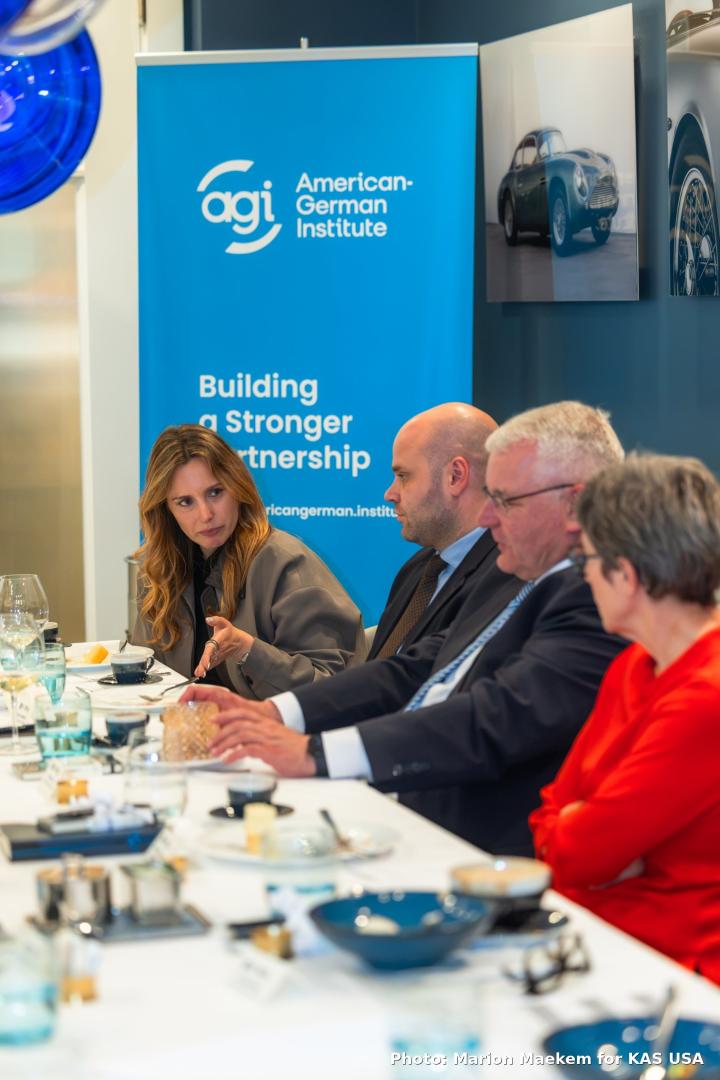
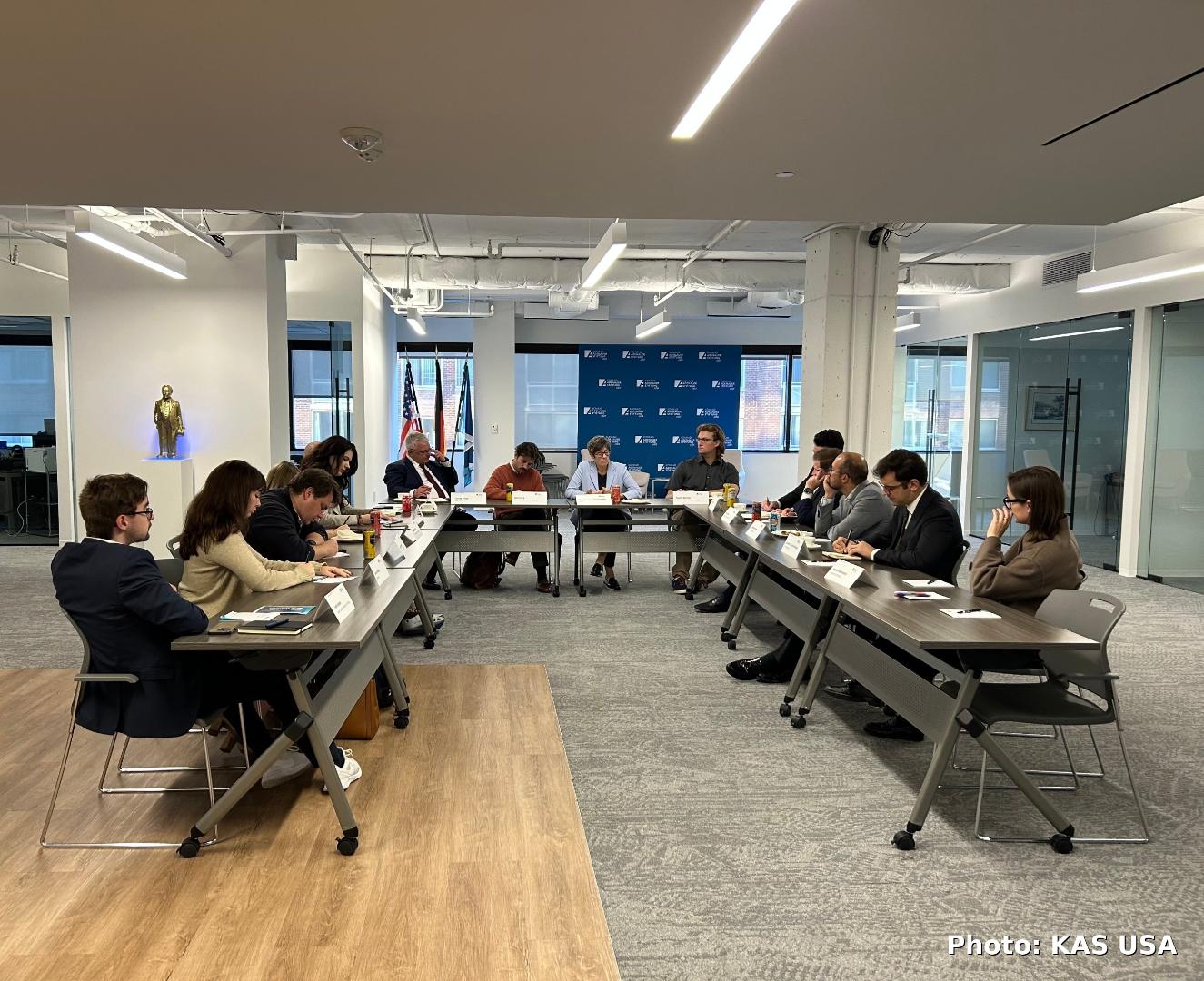
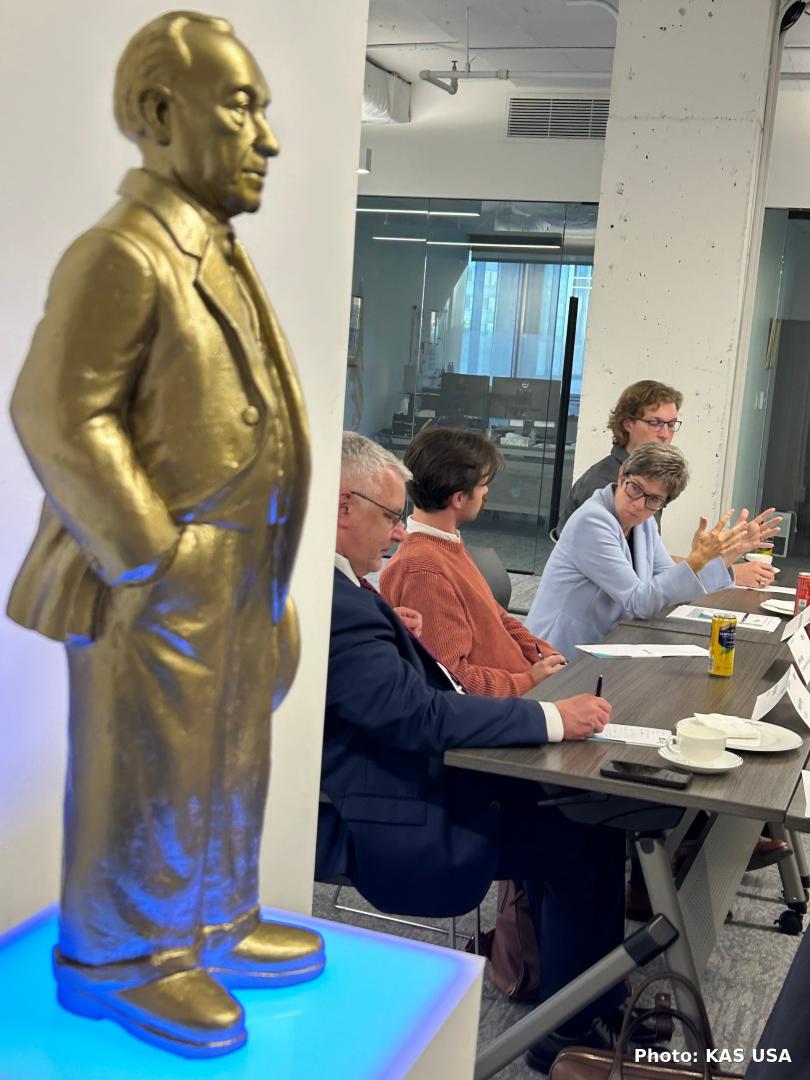
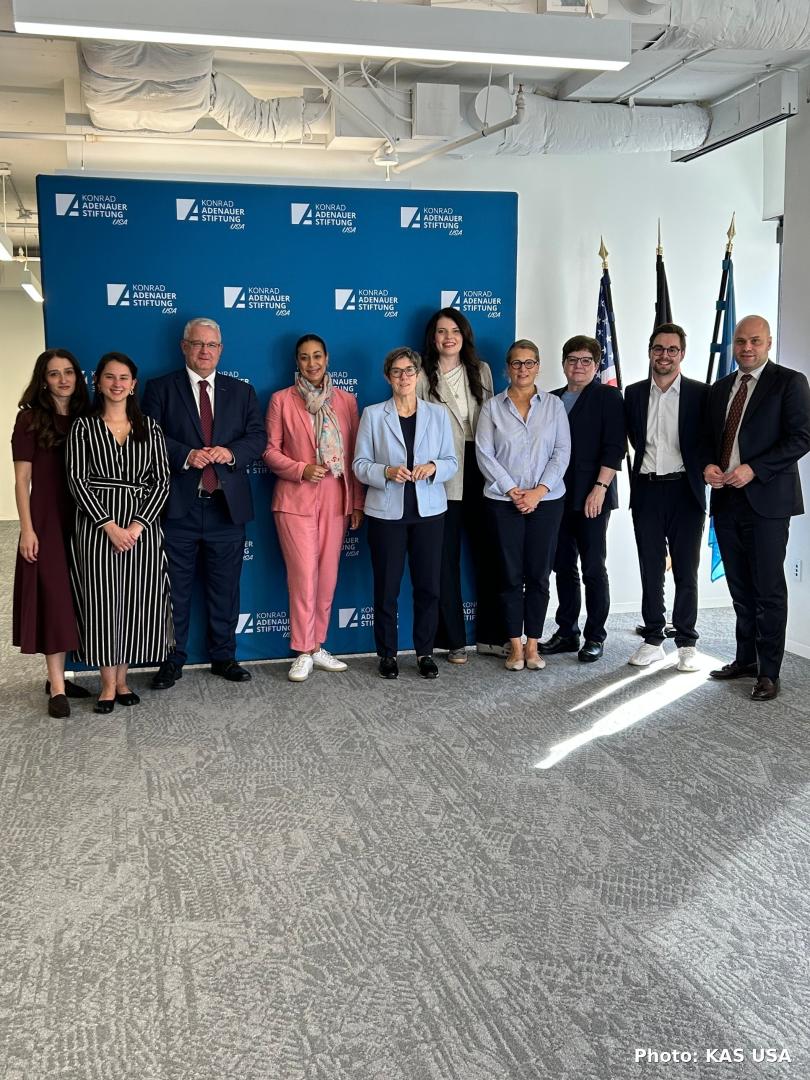
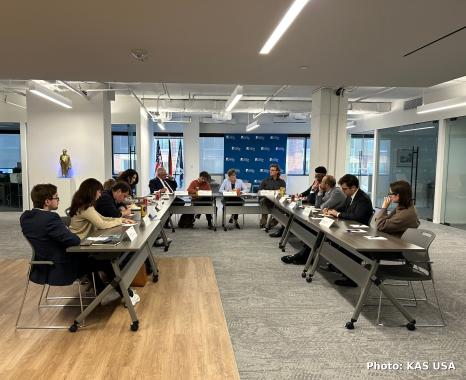
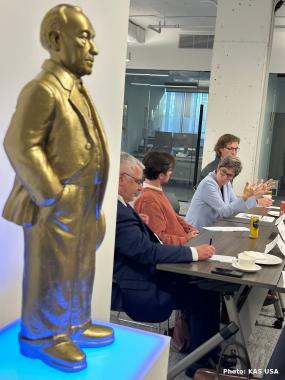
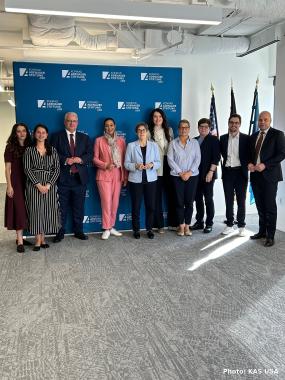
The visit began with a strategic roundtable hosted together with the American-German Institute (AGI), bringing together leading voices from Washington's foreign policy and security community.
Discussions focused on the future of the transatlantic alliance at a moment when Russia's continued aggression against Ukraine, growing competition with China, and shifting U.S. strategic priorities are forcing allies on both sides of the Atlantic to rethink longstanding assumptions. Participants emphasized that Europe must continue to assume greater responsibility for its own security while preserving the close cooperation that remains the foundation of NATO.
The exchange reinforced a central takeaway that resurfaced throughout the week: transatlantic unity remains indispensable, but it increasingly depends on shared responsibility rather than shared history alone.
Democracy Requires Trustworthy Information
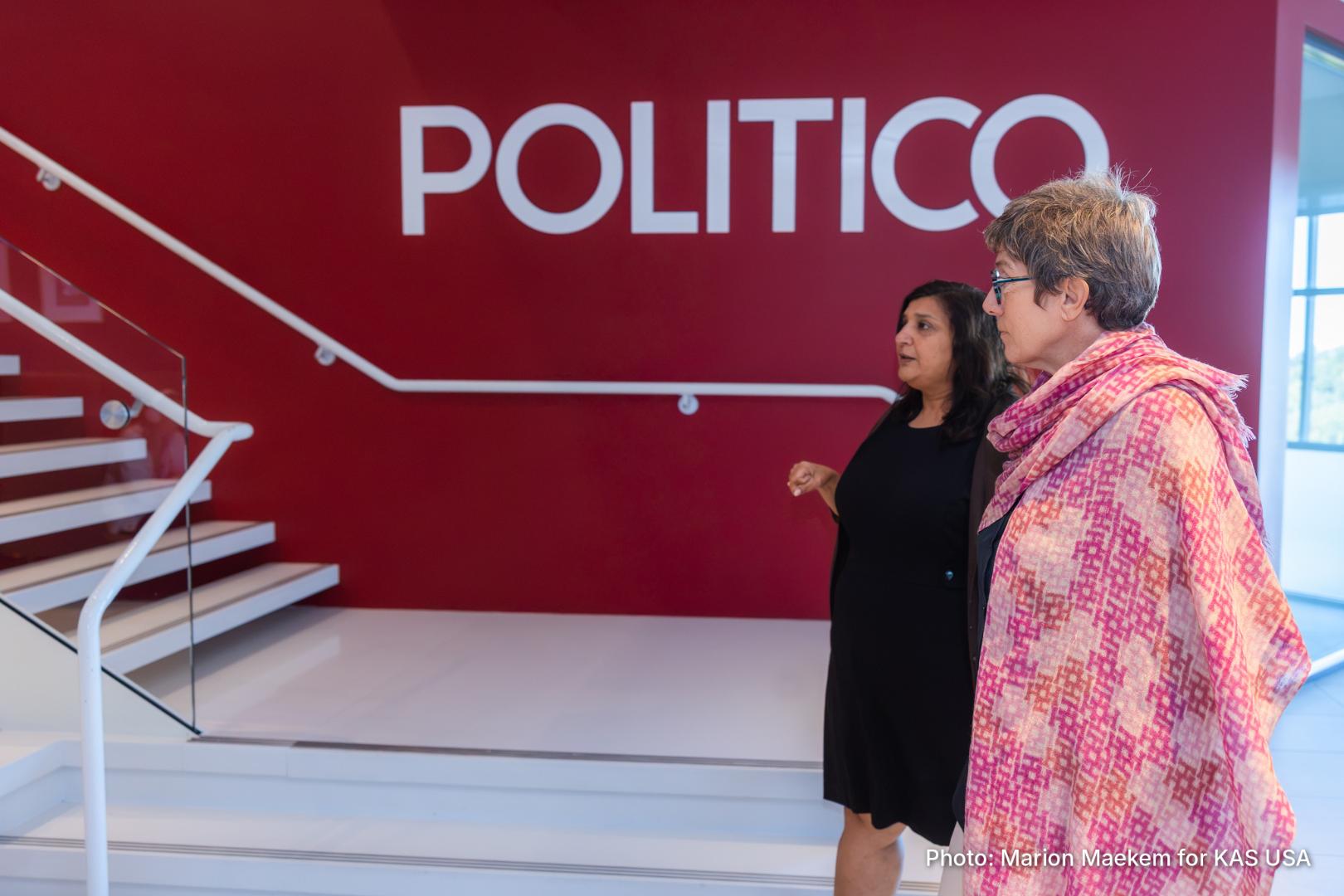
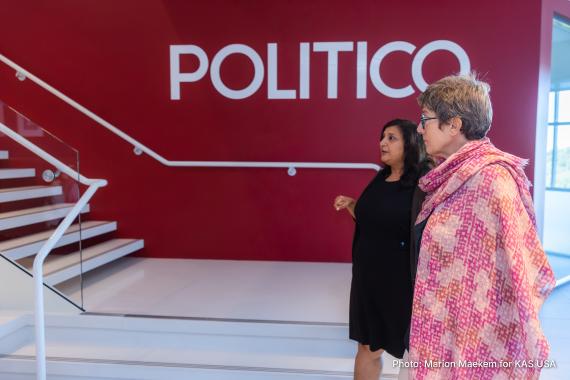
A meeting with senior editors and journalists from POLITICO shifted the focus from geopolitics to another pillar of democratic resilience: public trust.
The conversation examined political developments in both the United States and Europe, the rapidly evolving media landscape, and the challenges facing democratic discourse in an age of polarization, digital platforms, and artificial intelligence. Participants also discussed the political dynamics shaping the 2026 Midterm Elections and the broader implications for governance and public confidence in democratic institutions.
The exchange highlighted a growing reality facing democracies worldwide: safeguarding democratic discourse requires not only strong institutions and elections, but also independent journalism and informed civic engagement.
Strong democracies cannot function without strong information ecosystems.
Strengthening a Vital Transatlantic Partnership
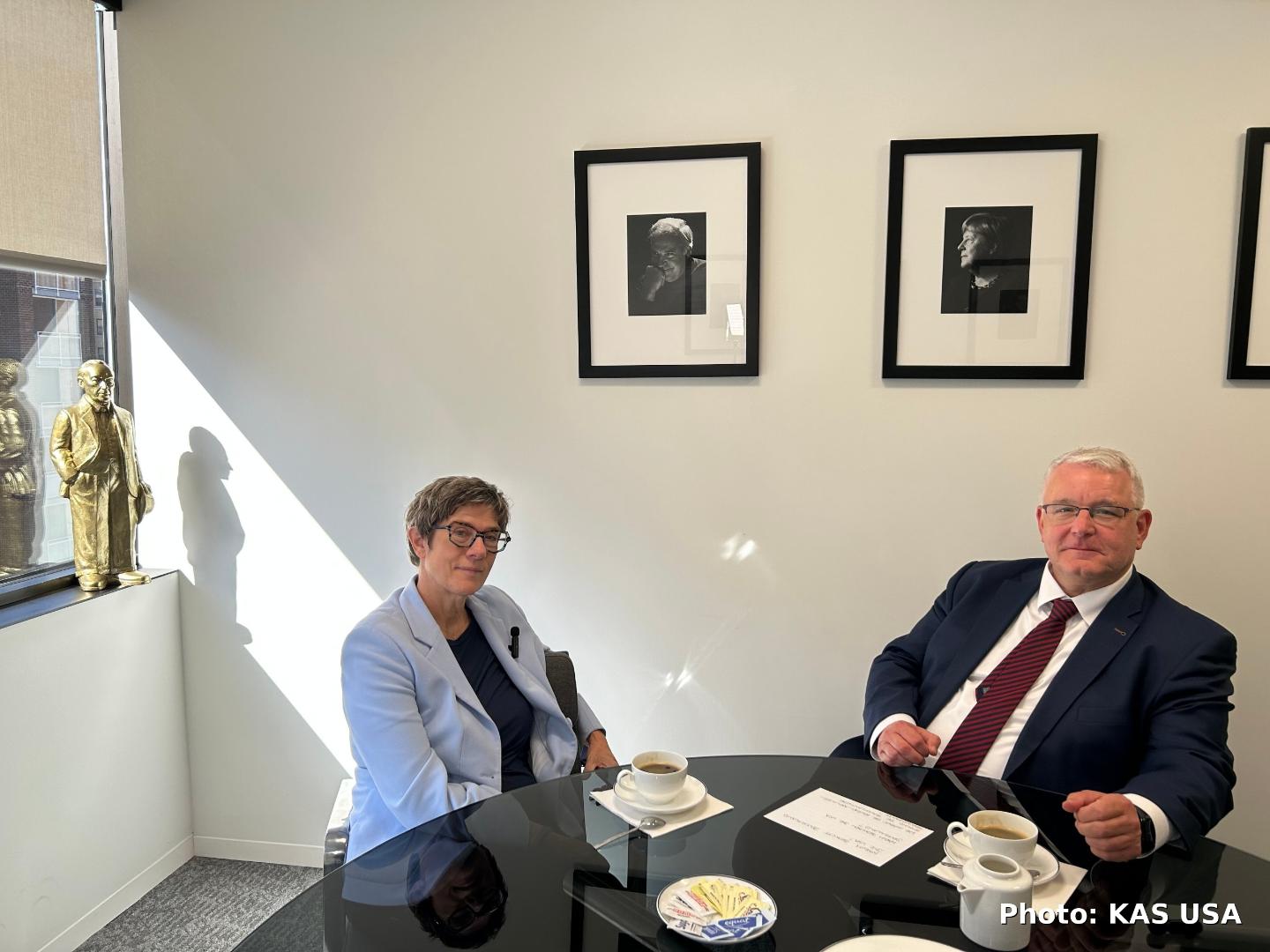
During a strategic exchange with German Ambassador Jens Hanefeld, discussions focused on current developments in Washington and their implications for Germany, Europe, and the transatlantic relationship.
The conversation underscored the importance of maintaining close ties between policymakers, diplomats, civil society organizations, and political foundations at a time of heightened geopolitical uncertainty. Both sides emphasized that strong alliances are built not only through government-to-government relations, but also through enduring personal and institutional relationships.
Standing with Israel and Combating Antisemitism
At the American Jewish Committee (AJC), a longstanding partner of KAS, discussions focused on the alarming rise of antisemitism, solidarity with Israel, and the defense of democratic values.
Both organizations reaffirmed their commitment to combating antisemitism and supporting Israel's right to security and self-defense. Looking ahead, KAS and AJC explored opportunities to deepen cooperation through their extensive international networks, particularly in Africa and Latin America, where both organizations seek to strengthen democratic institutions, civic engagement, and societal resilience.
The exchange reflected a shared conviction that the fight against antisemitism is inseparable from the broader defense of democratic pluralism and open societies.
Investing in Future Leaders
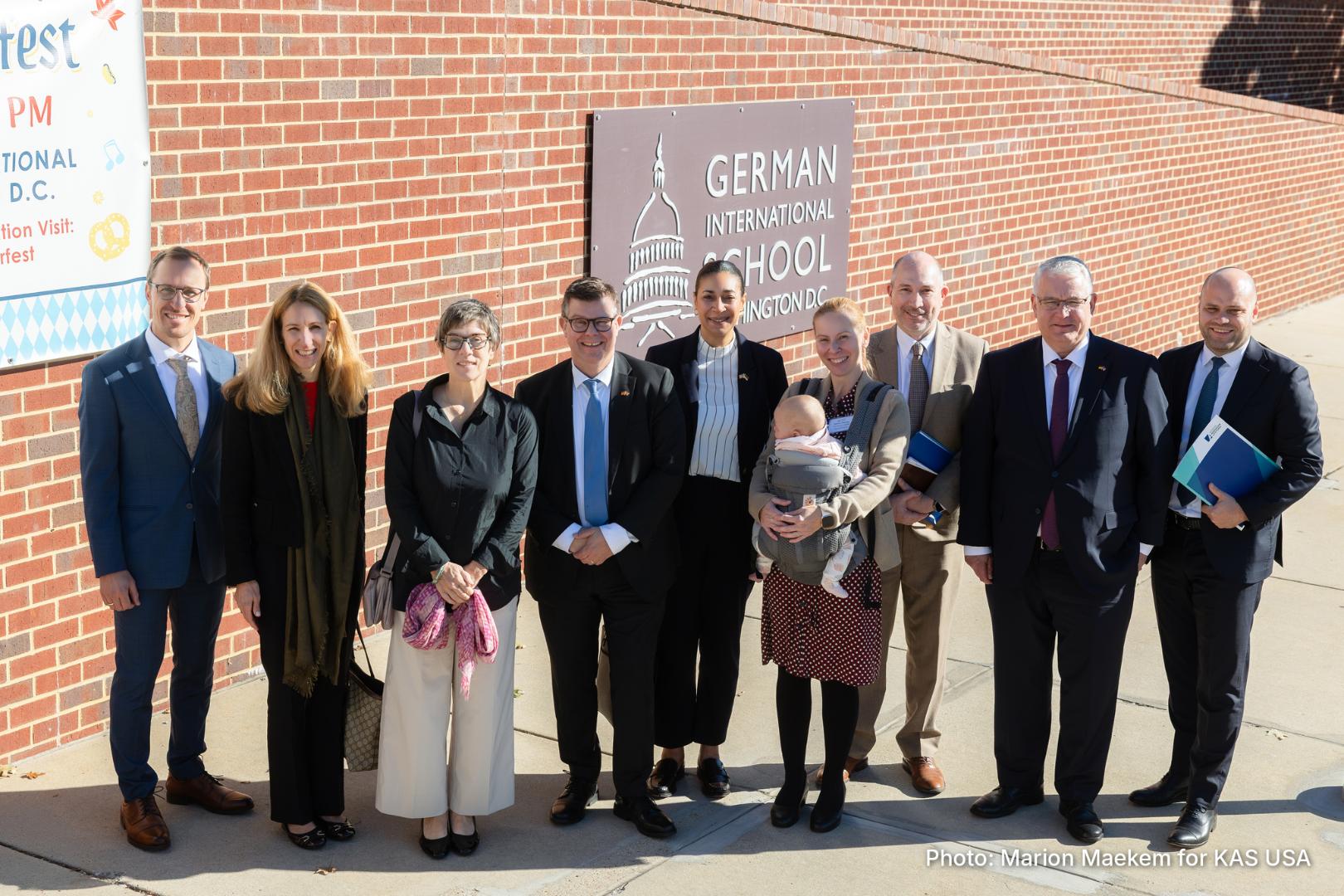
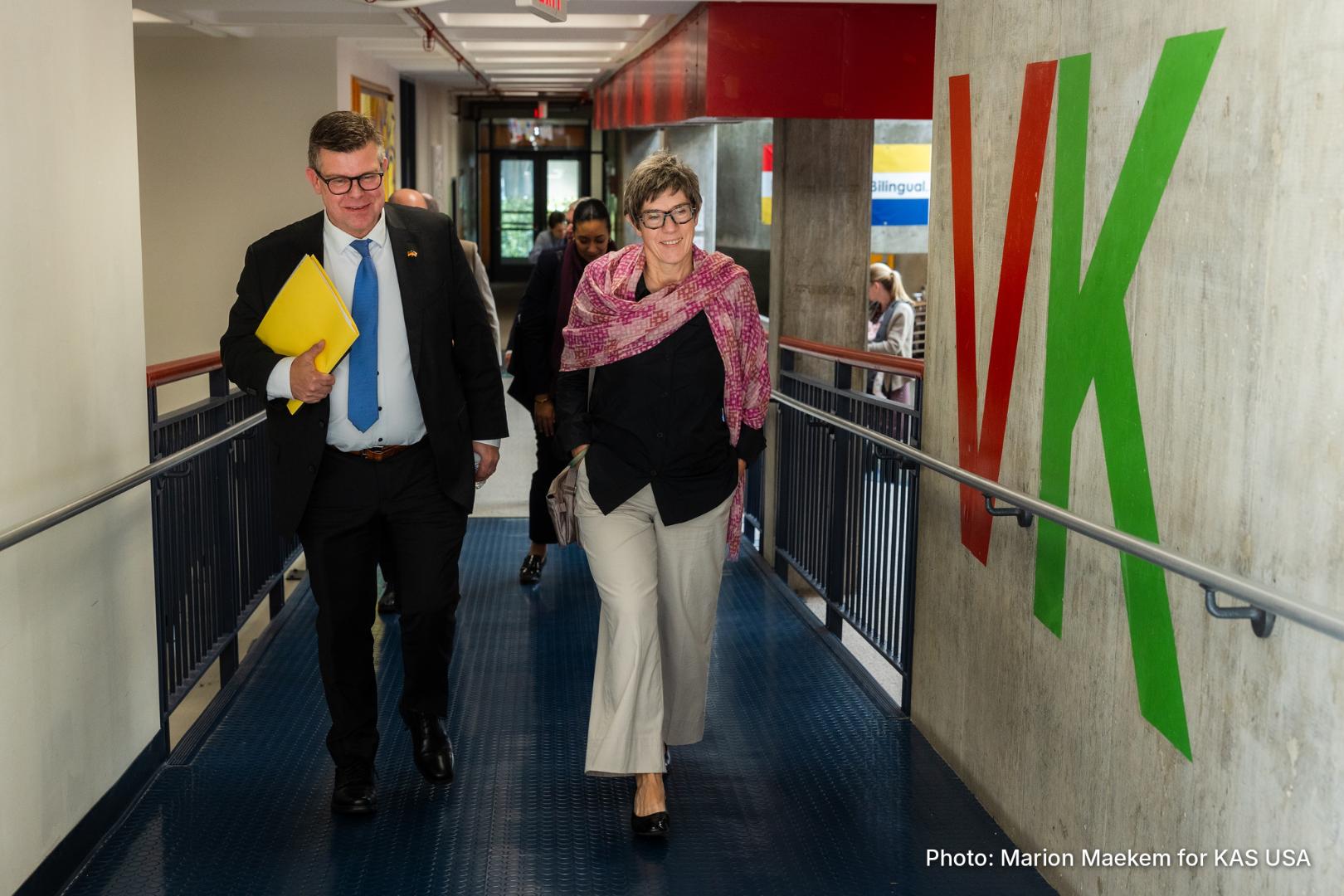
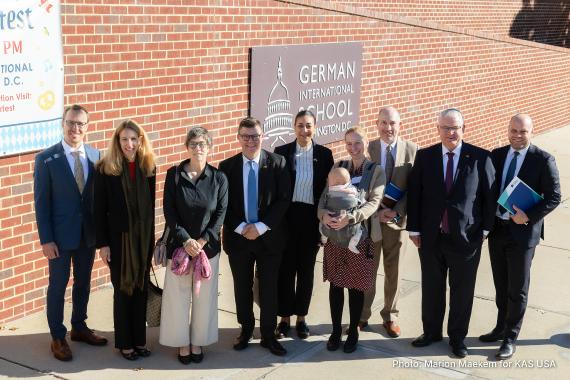
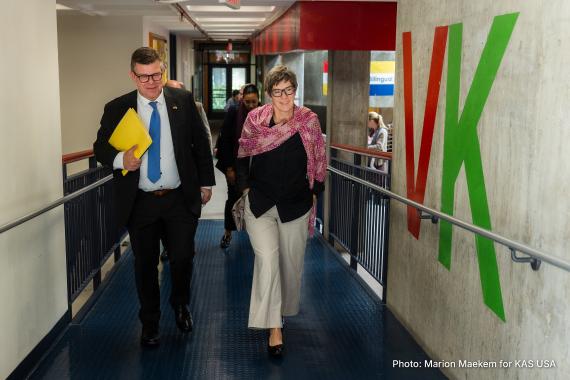
One of the most inspiring moments of the visit took place at the German International School Washington (GISW).
Following a tour of the campus and discussions about the German international school model, Chairwoman Kramp-Karrenbauer met with students for an open and wide-ranging conversation on leadership, democracy, and public service.
Students posed thoughtful questions about Russia's war against Ukraine, political developments in Germany and Europe, the rise of the AfD, and the responsibilities of democratic leaders during periods of uncertainty. Just as striking were their questions about her personal journey: what motivated her to enter politics, what challenges she faced along the way, and what continues to inspire her today.
Their curiosity, confidence, and willingness to engage with complex issues offered a powerful reminder that democracy's future depends on engaged young citizens who are prepared to assume responsibility themselves.
Confronting the Global Shadow War
Security returned center stage during Chairwoman Kramp-Karrenbauer's engagements with the Center for European Policy Analysis (CEPA).
Moderating discussions on the growing phenomenon of "shadow warfare," she joined policymakers, military leaders, and security experts in examining how authoritarian actors increasingly employ cyberattacks, sabotage, disinformation campaigns, attacks on critical infrastructure, and other forms of gray-zone aggression to undermine democratic societies.
A recurring theme was that many of today's most significant security challenges occur in the gray zone between peace and war. Democracies must therefore develop new tools to deter, identify, and respond to threats that may never trigger traditional military responses but nevertheless inflict serious consequences.
The discussions emphasized that resilience is no longer solely a military concept. It also involves protecting democratic institutions, critical infrastructure, information systems, and public trust.
The visit further deepened cooperation between KAS and CEPA, underscoring the growing importance of transatlantic collaboration on security and democratic resilience.
A Conversation on the Future of Conservatism and Democracy
The final public event of the week brought Chairwoman Kramp-Karrenbauer together with students and young professionals through the Alexander Hamilton Society.
The discussion began with a question at the heart of many of the week's conversations: how the mission of KAS has evolved amid growing geopolitical instability. Kramp-Karrenbauer argued that while the foundation's core commitment to democracy, freedom, and international cooperation remains unchanged, the challenges confronting those values have become more complex and urgent.
Participants also explored Europe's response to China, the importance of strengthening innovation and dual-use technologies, and the broader implications of Russia's efforts to exploit political divisions within Western democracies. Asked about the future of conservative and Christian Democratic parties in Europe, Kramp-Karrenbauer emphasized the need for center-right parties to renew their ideas and reconnect with voters while remaining rooted in the principles of Christian democracy.
The exchange highlighted a strong interest among emerging foreign policy leaders in the future of democratic governance and the transatlantic relationship, underscoring once again that lasting partnerships are built not only through institutions, but through ideas and people.
Shaping the Next Chapter of KAS
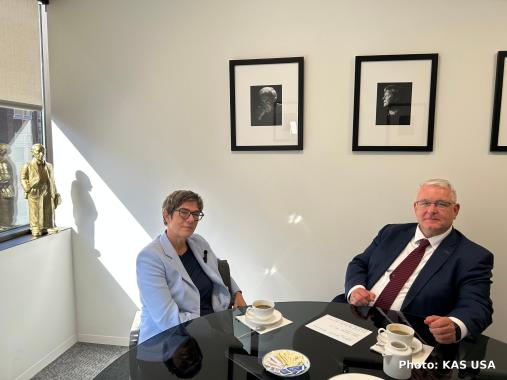
The visit concluded with an internal exchange with the KAS USA team, during which Chairwoman Kramp-Karrenbauer shared her leadership perspective and outlined priorities for the foundation's future work.
Discussions focused on strengthening KAS's global engagement, expanding international partnerships, and helping democratic societies navigate a period of profound geopolitical and societal change. While acknowledging the many challenges ahead, she emphasized the opportunities that emerge when democracies remain confident, resilient, and committed to cooperation.
It was a fitting conclusion to a week defined not by uncertainty, but by optimism, partnership, and purpose.
Looking Ahead
From discussions on transatlantic security and democratic resilience to conversations with students, journalists, diplomats, and future leaders, Chairwoman Kramp-Karrenbauer's Washington visit demonstrated the breadth of KAS's engagement in the United States and the enduring value of transatlantic cooperation.
Across every meeting, one lesson stood out: Democracy cannot be taken for granted. It must be defended through partnership, strengthened through dialogue, and renewed by each new generation willing to lead.