Details
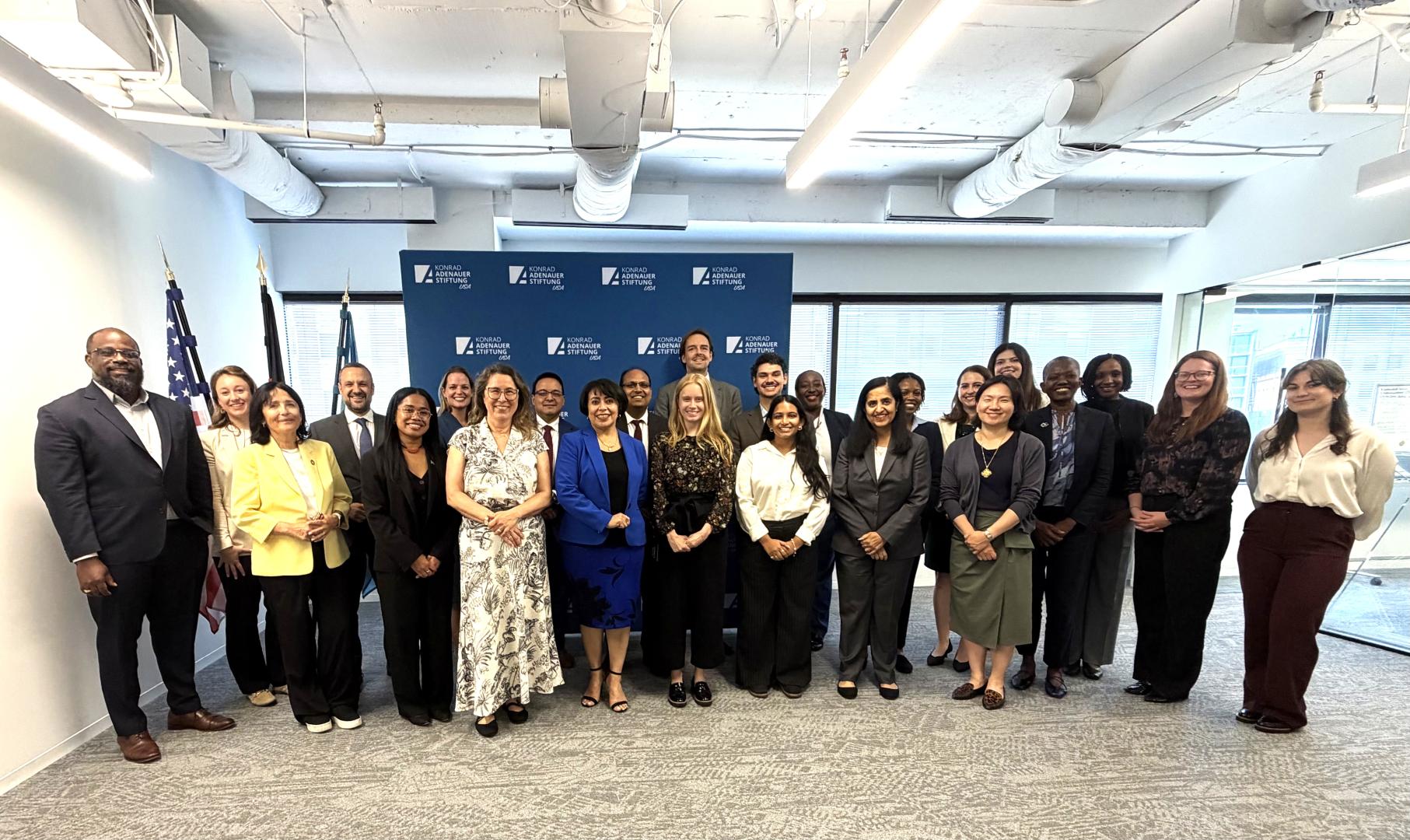
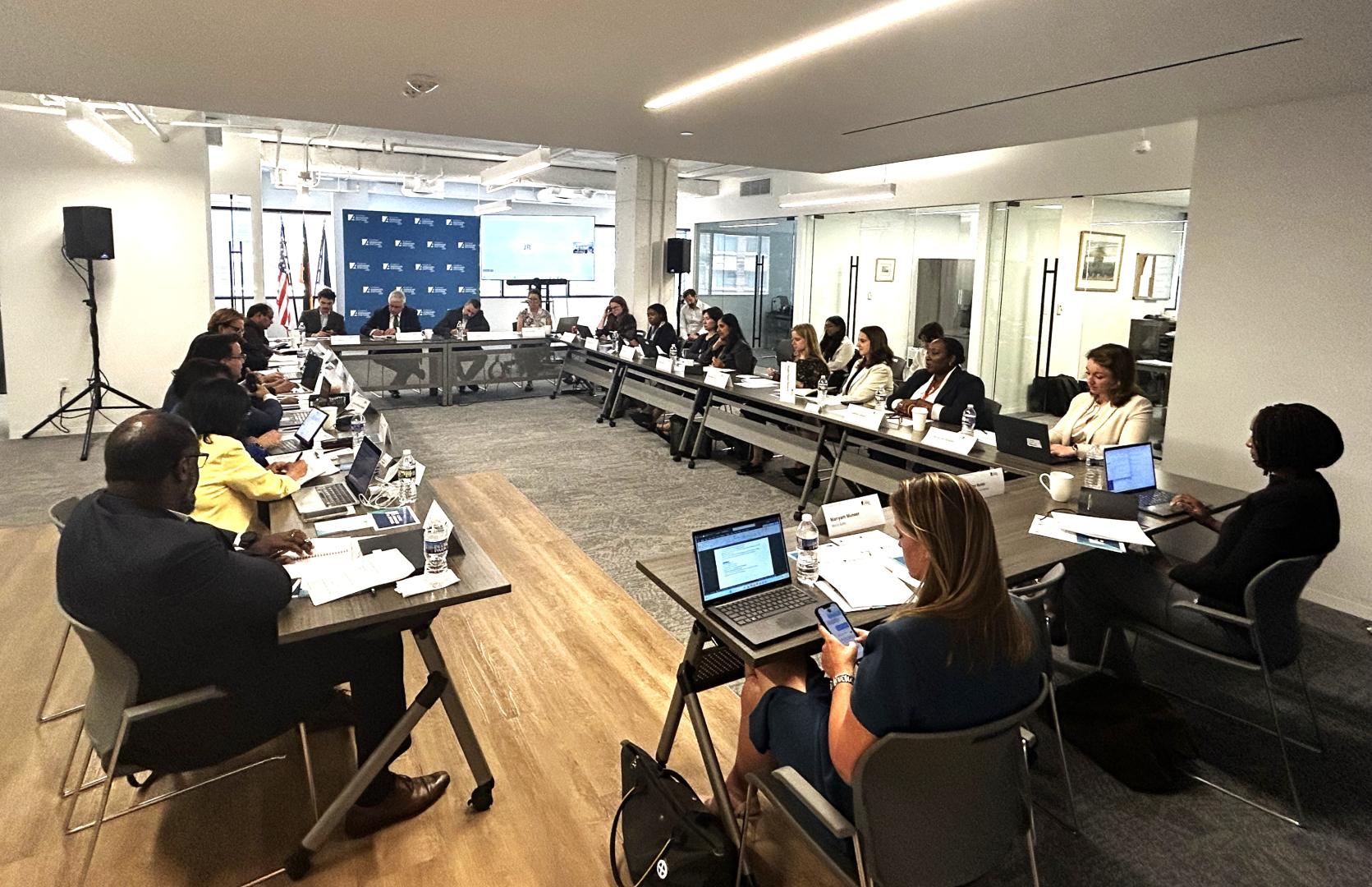
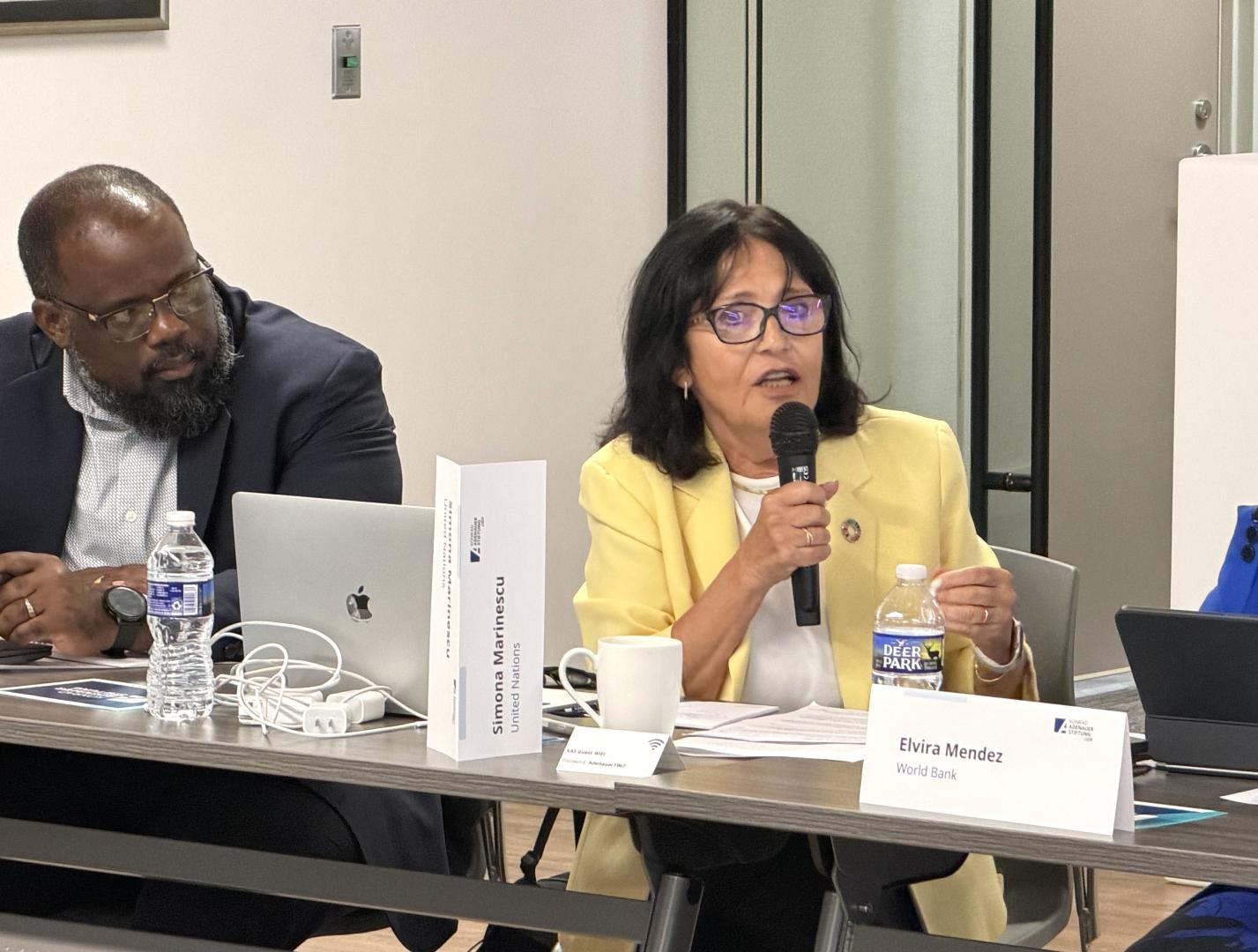
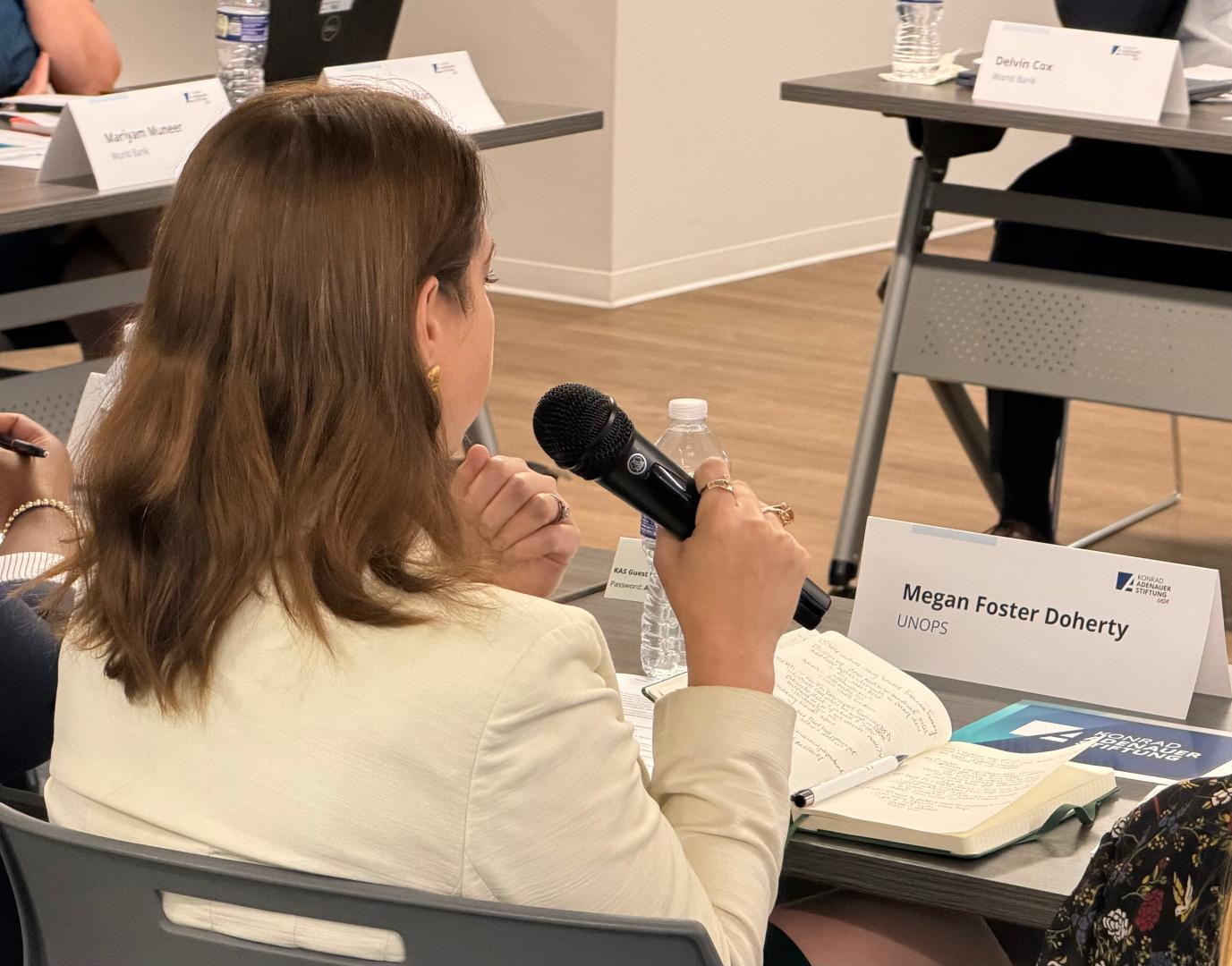
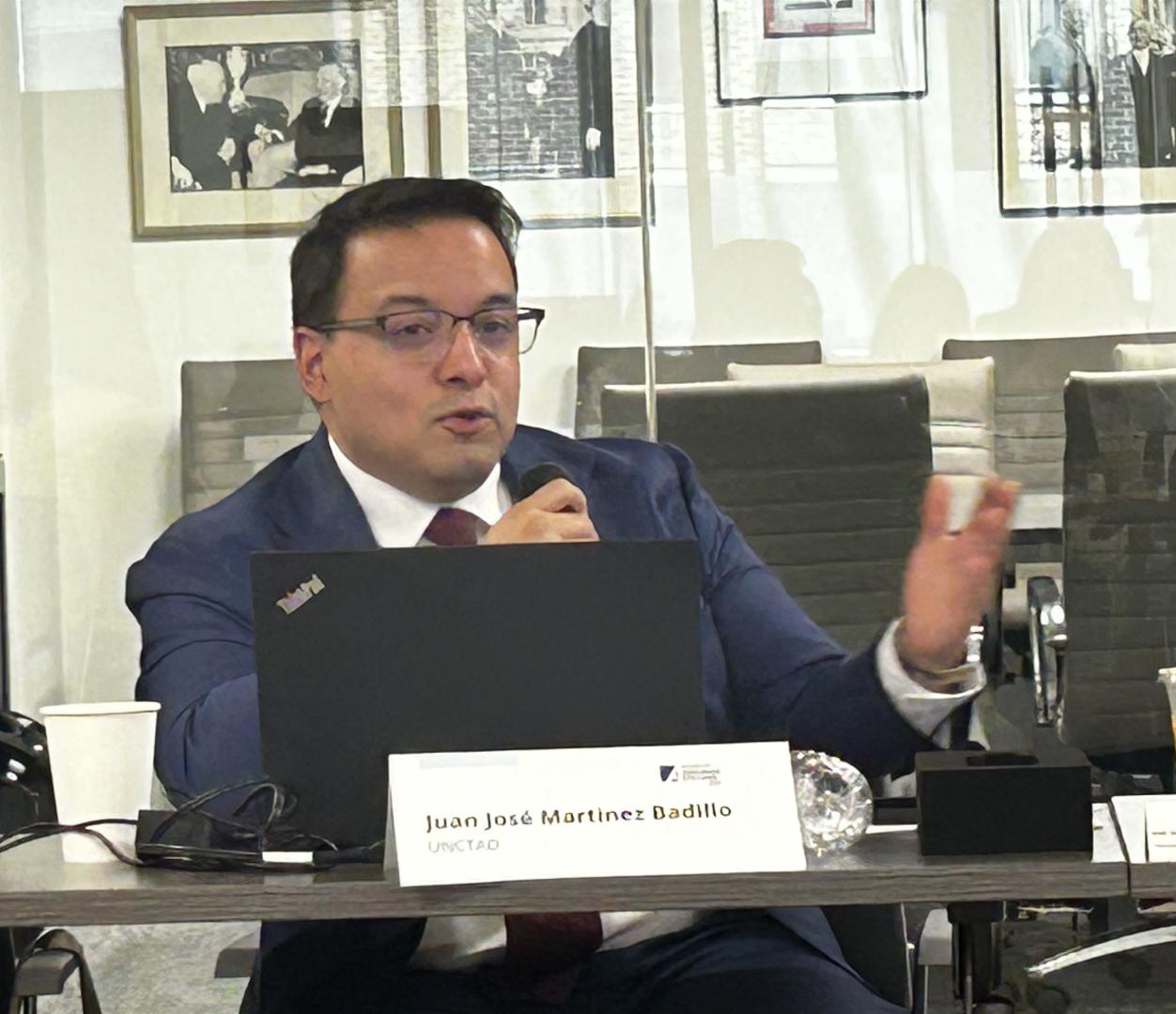
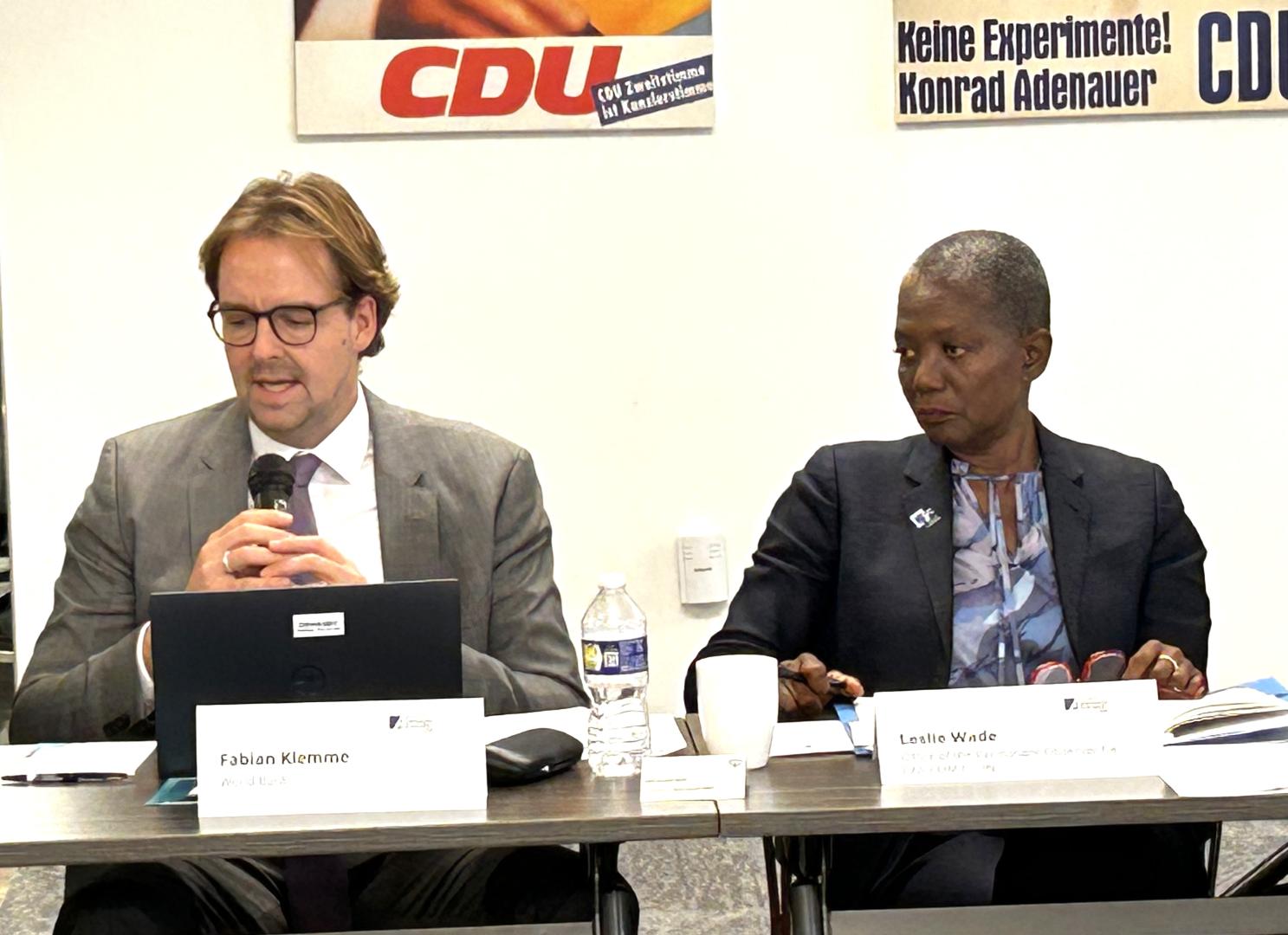
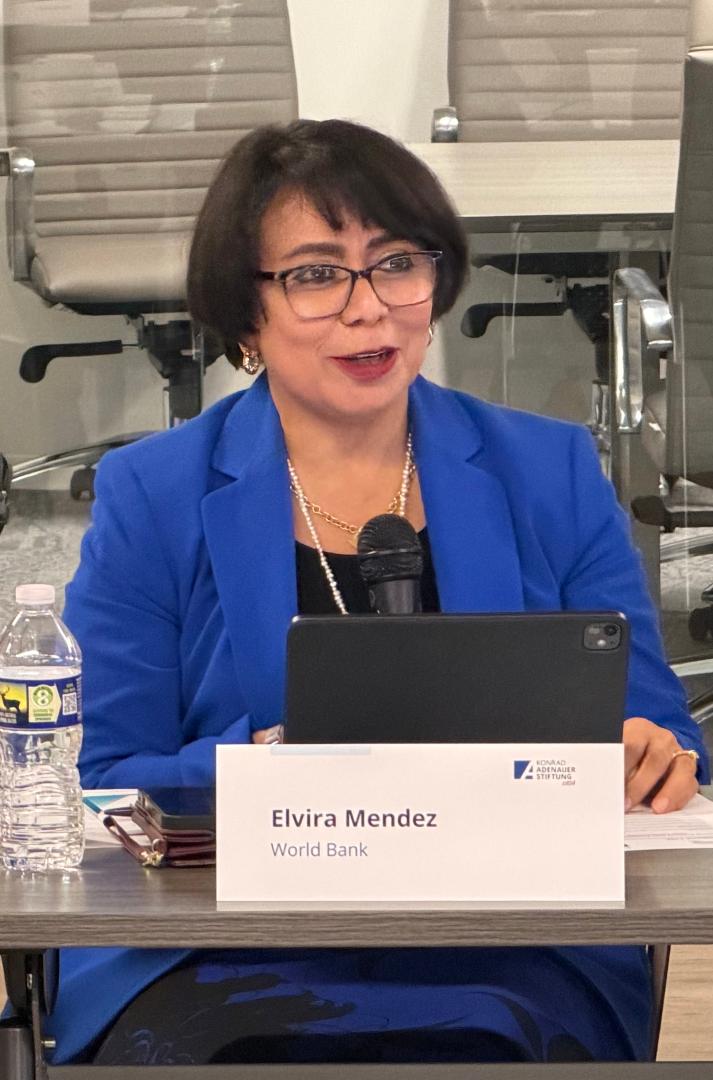
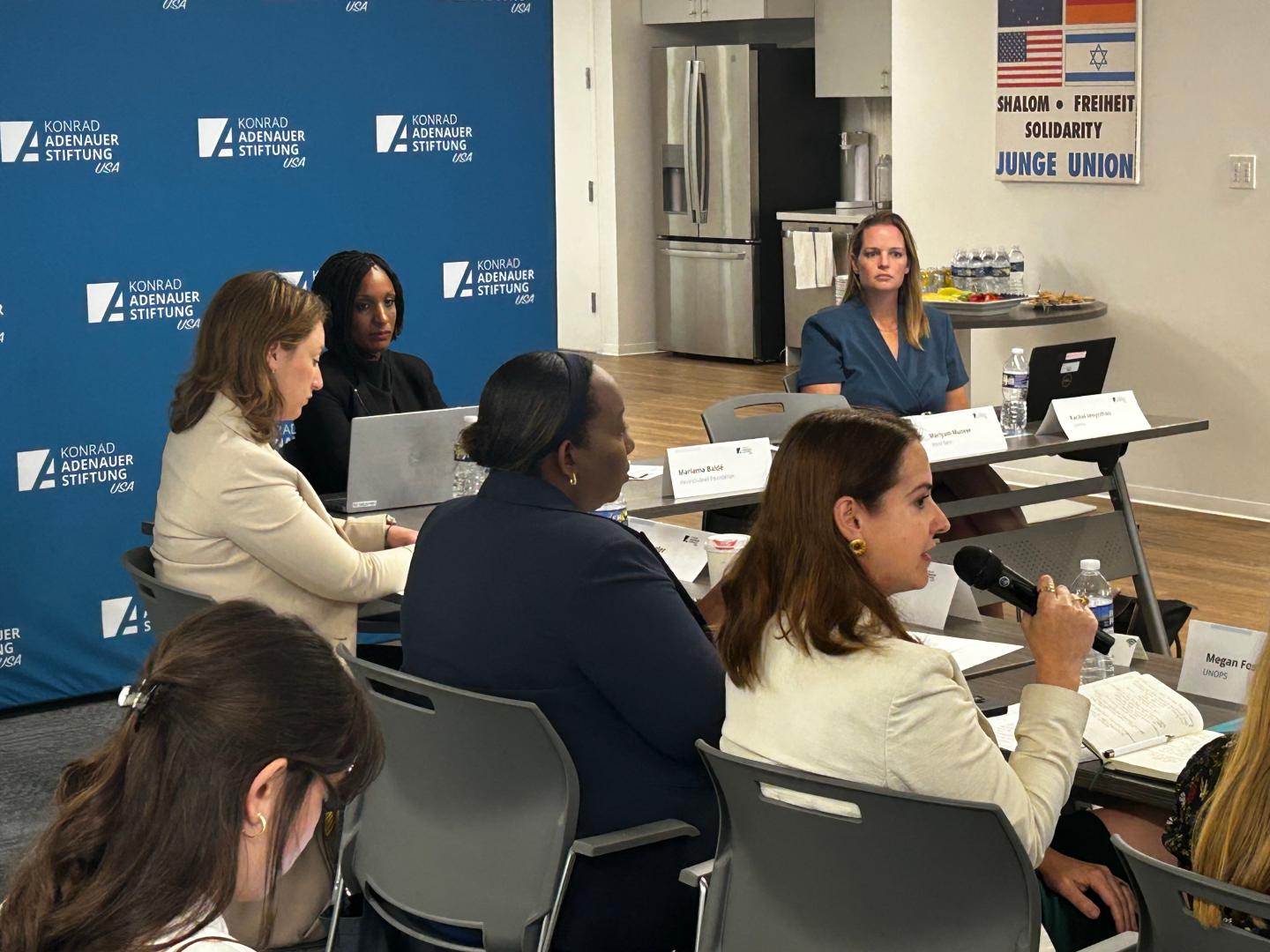
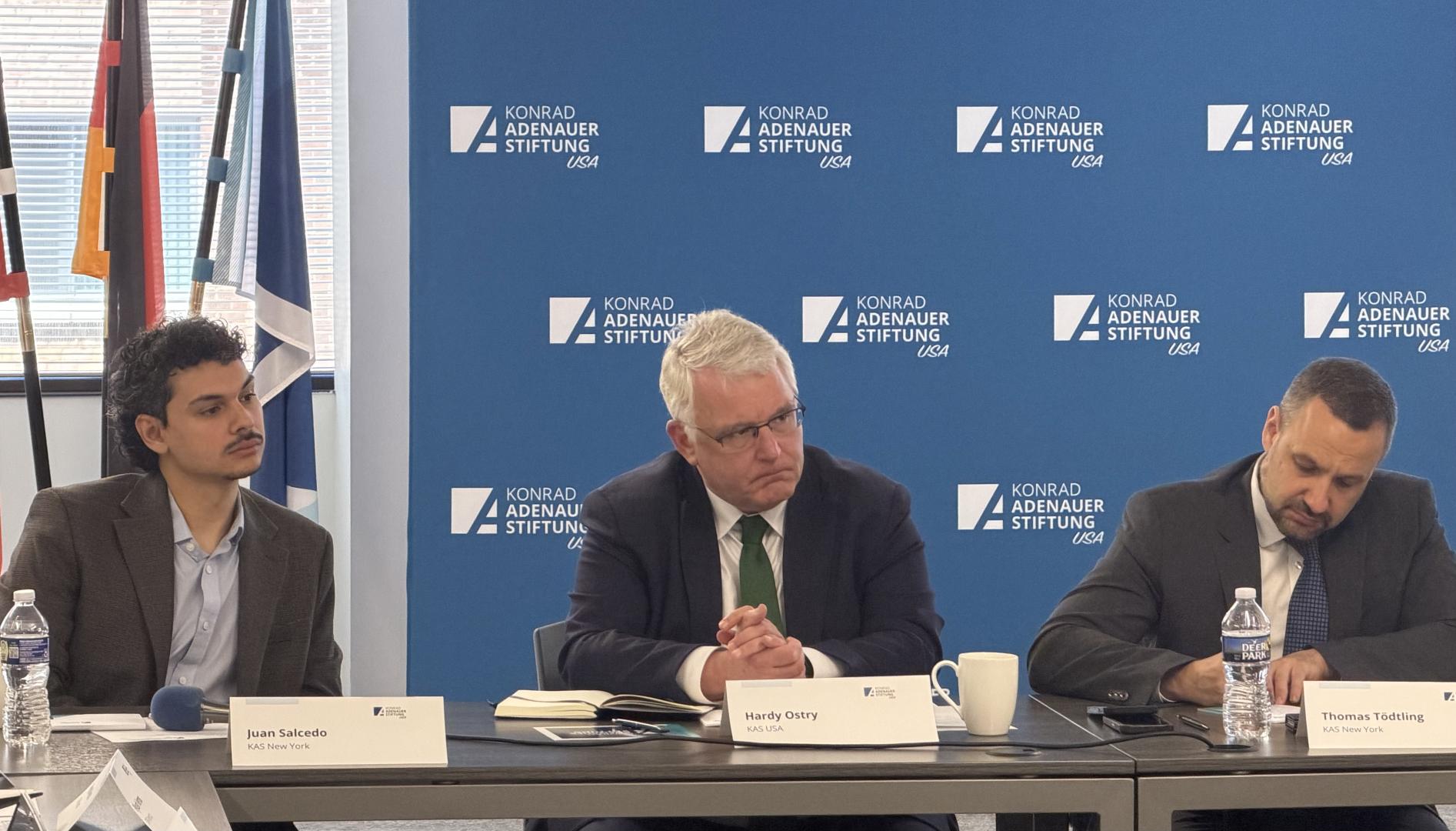
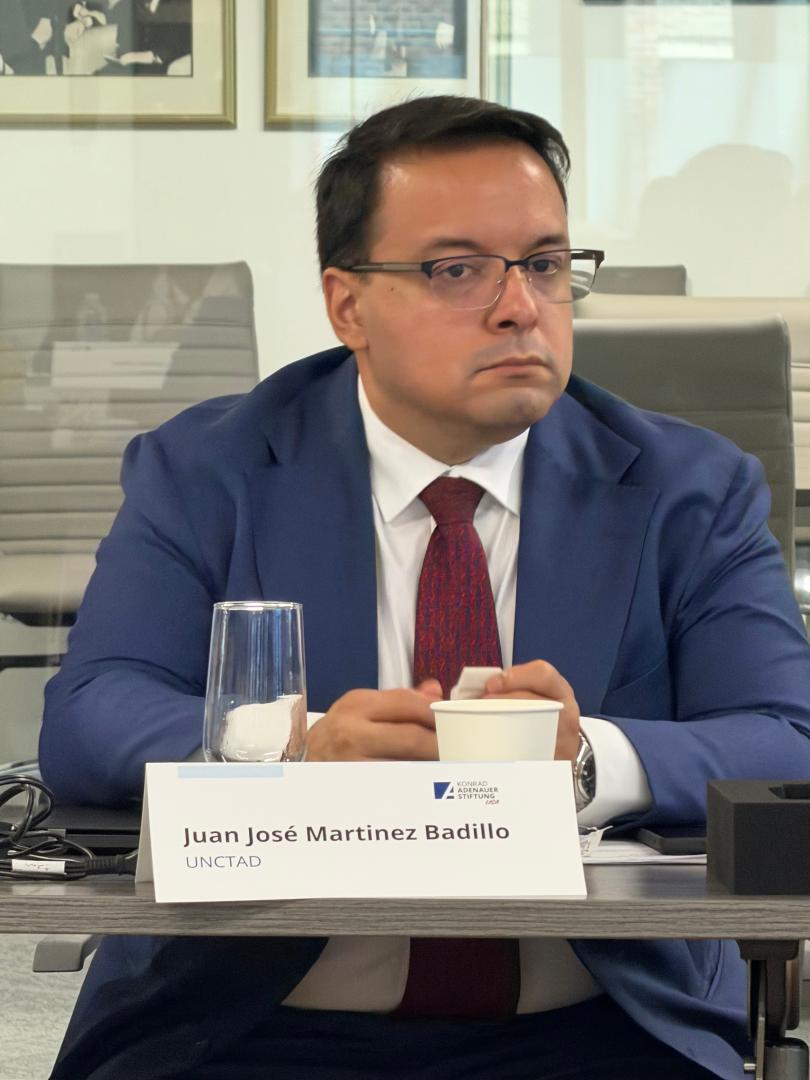
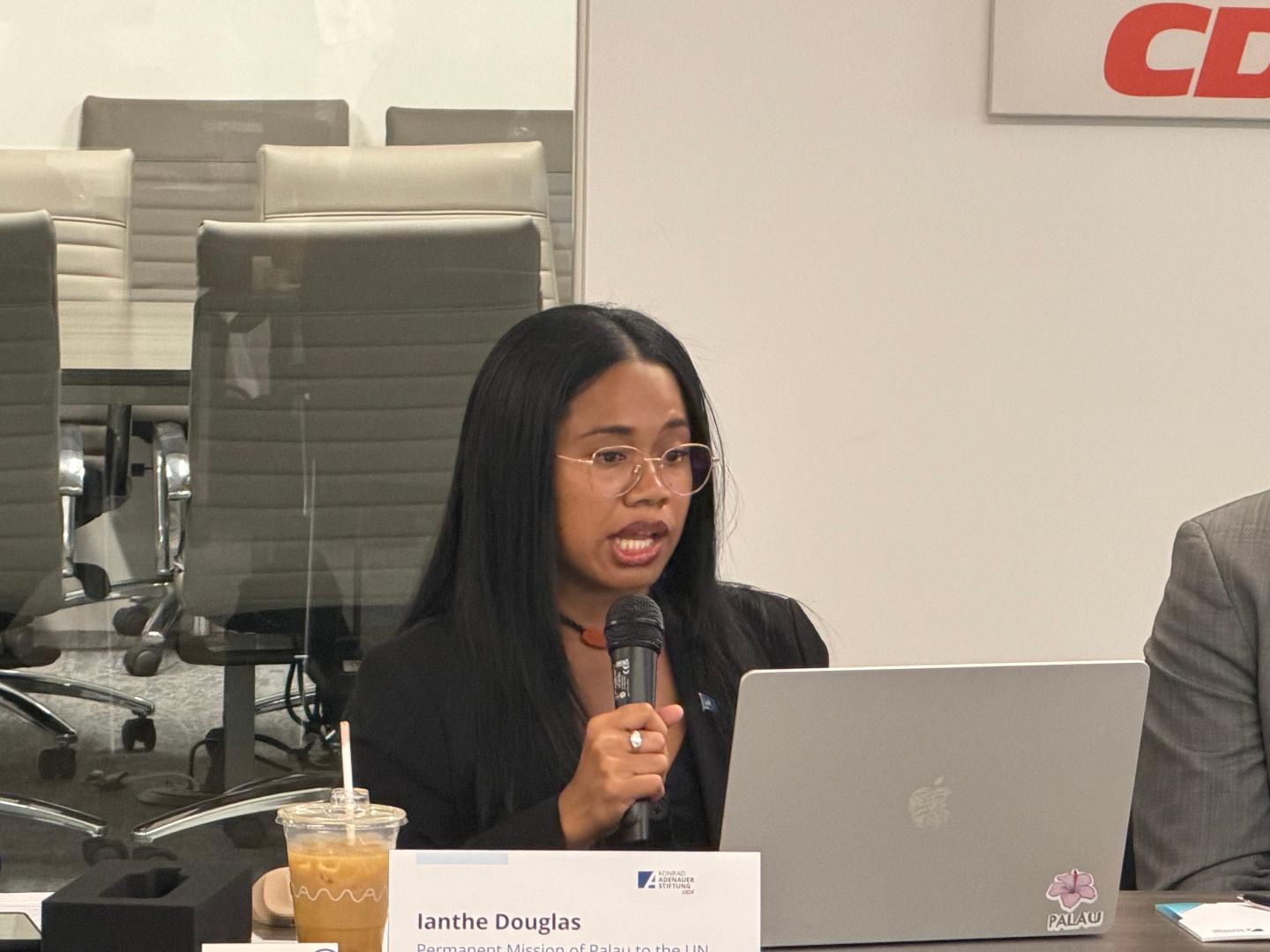
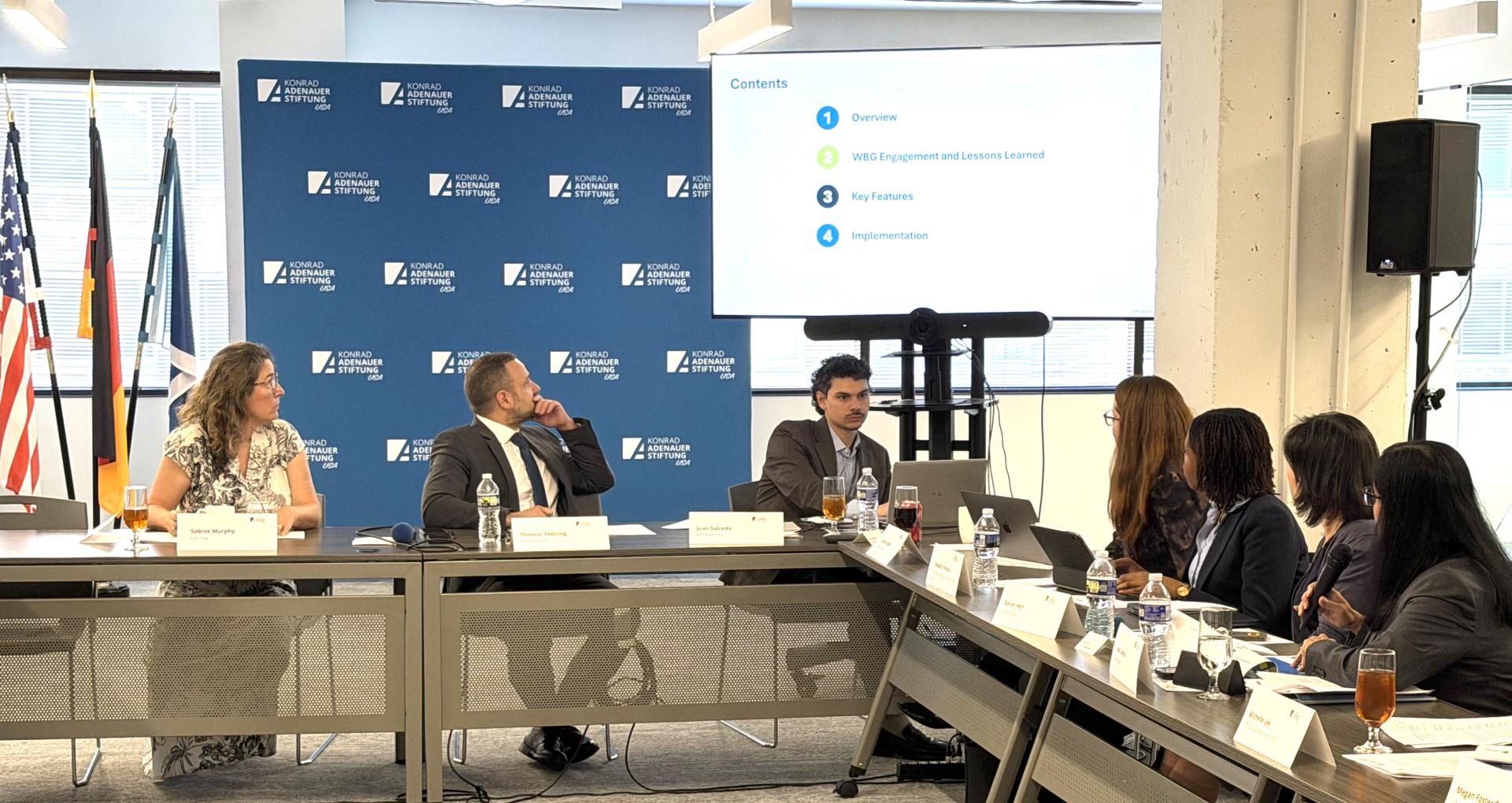
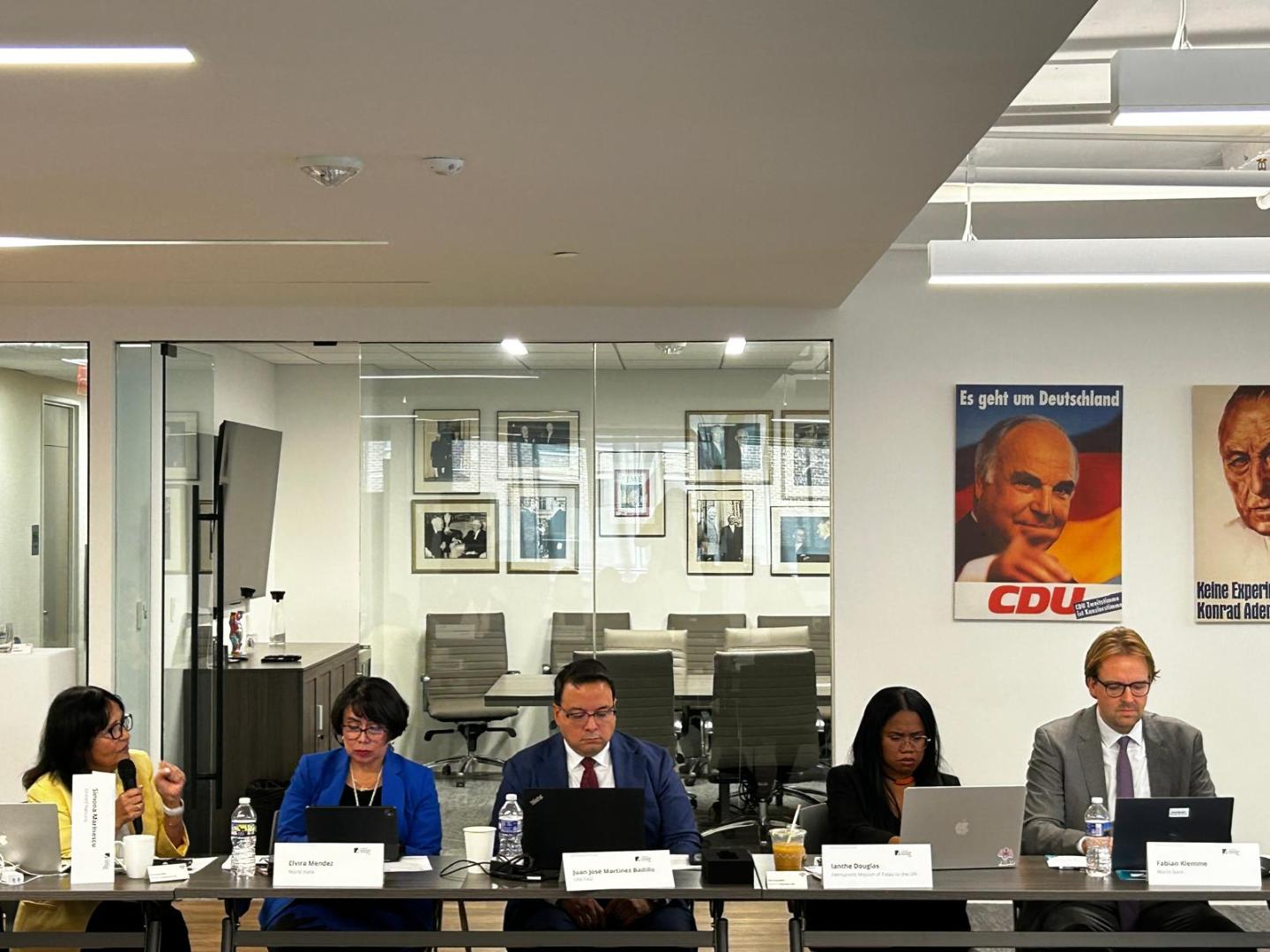
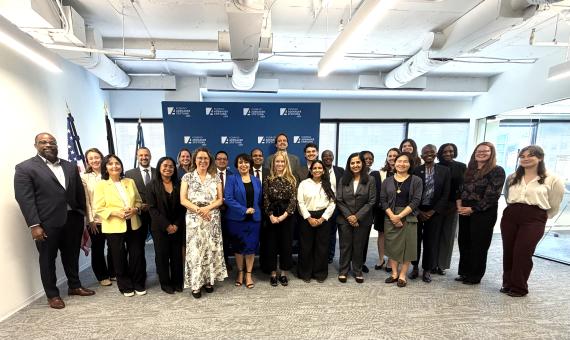
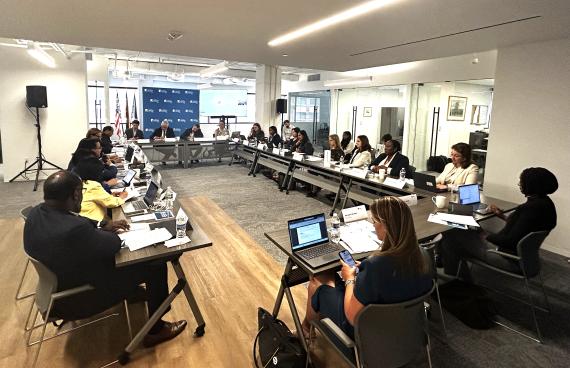
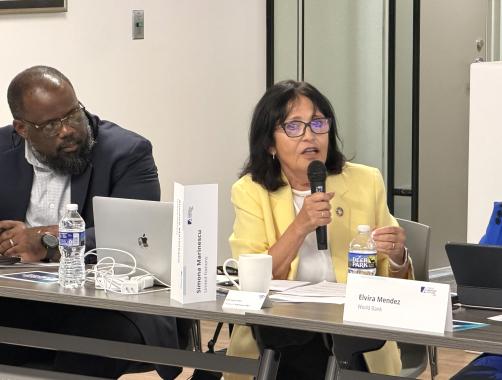
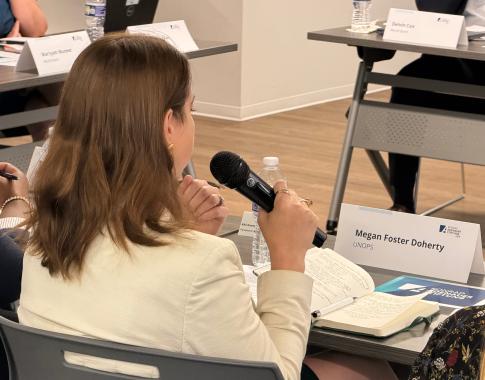
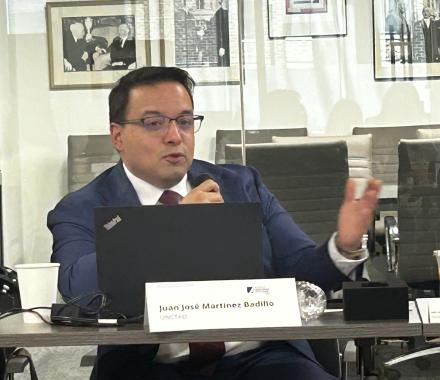
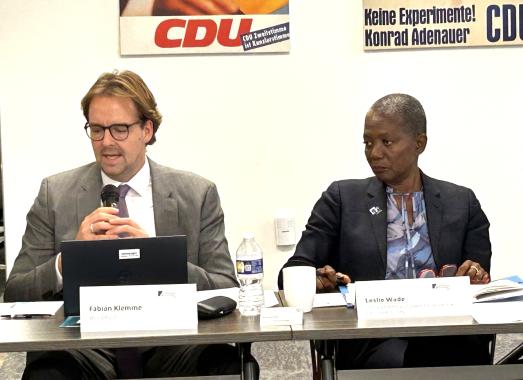
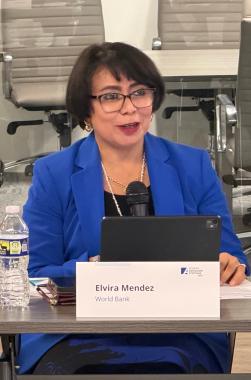
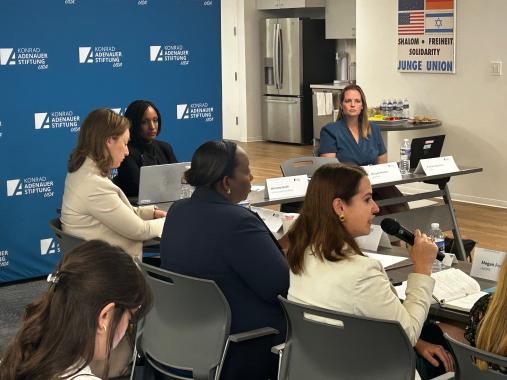
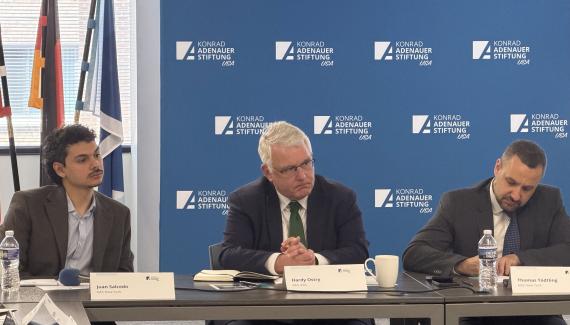
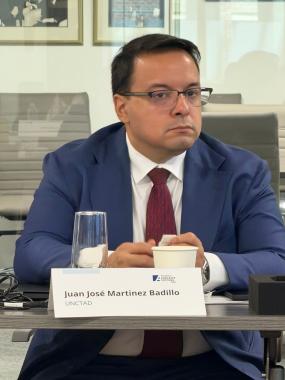
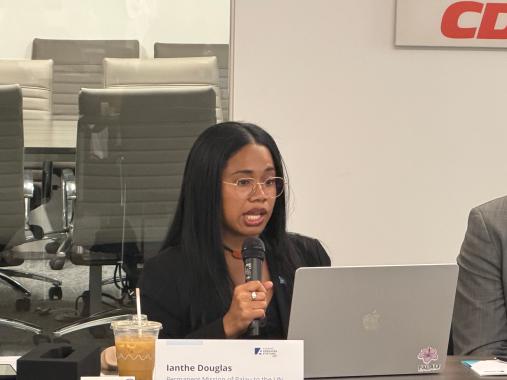
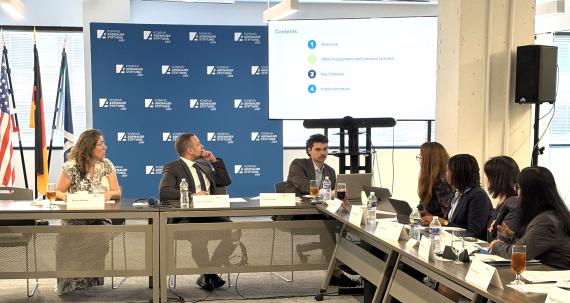
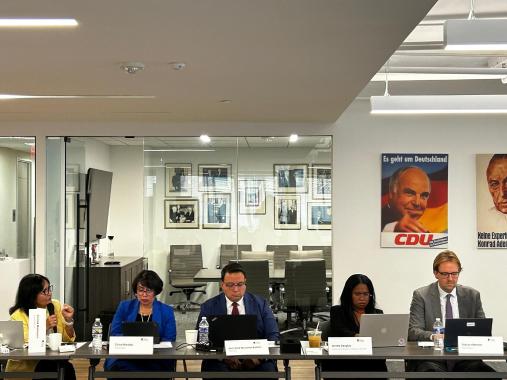
Great discussion this week on what it really takes to finance resilience in Small Island Developing States (SIDS). A few key takeaways stood out:
🔹 Debt is structural, not just fiscal
For many SIDS, debt isn’t simply the result of policy choices—it’s driven by geography, small scale, remoteness, and climate exposure. Fiscal discipline alone won’t solve a system where some countries spend multiples more on debt service than they receive in climate finance.
🔹 Fragmentation is the real bottleneck
Too often, the UN system, World Bank, IMF, and regional banks operate in parallel. For small administrations, this means navigating multiple processes, duplicative reporting, and high transaction costs. Joint diagnostics and aligned financing pipelines are just as critical as new funding.
🔹 Climate finance is not reaching those who need it most
SIDS receive only a tiny share of global climate finance and much of it comes as debt rather than grants. Even more concerning: flows are poorly aligned with actual vulnerability.
🔹 Capacity is the binding constraint
Across the board: limited technical capacity, thin project pipelines, and persistent brain drain. The question “who maintains it after the donor leaves?” came up repeatedly. Technical assistance must be embedded into financing—not treated as an afterthought.
🔹 Measuring vulnerability beyond GDP is essential—but only if used
Tools like the Multidimensional Vulnerability Index (MVI) are reshaping how we understand risk. The next step is ensuring these metrics directly inform eligibility and financing decisions.
🔹 Stronger collective voice, smarter collaboration
The new UNCTAD Borrowers’ Platform is a promising step—allowing SIDS to share practical solutions and lessons learned, turning lived experience into a shared asset and reducing reliance on costly external advice.
🔹 Momentum is building—with tools and capital
We’re seeing progress: increased World Bank commitments to small states, a shift toward scalable “lighthouse” projects, and growing emphasis on solutions that can be replicated across island contexts.
🔹 Coordination is already delivering results
UN–World Bank collaboration is proving effective—from disaster recovery to joint Caribbean initiatives—showing that we don’t need to start from zero; we need to build on what works.
🔹 The growth story goes beyond tourism
SIDS are not just vulnerable—they are opportunity-rich. Ocean economies, renewable energy, and digital pathways offer real growth potential. With the right mix of guarantees, blended finance, and domestic capital development, we can crowd in private investment without adding unsustainable debt.
Bottom line:
Resilience financing for SIDS isn’t just about more money—it’s about smarter systems, aligned institutions, and investing in capacity. Coordination is no longer optional; it’s the multiplier.
Thank you to our colleagues from KAS NY for this successful collaboration and all experts from the United Nations, the World Bank Group and think tanks for your invaluable contributions!