







Details
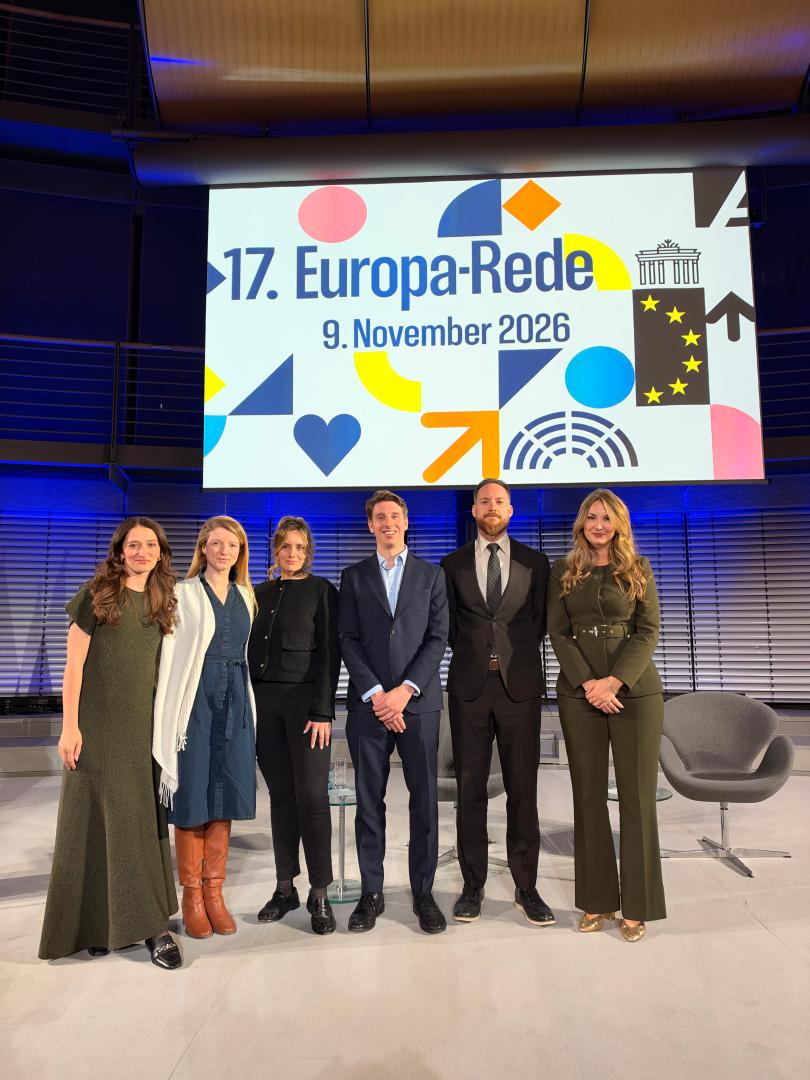
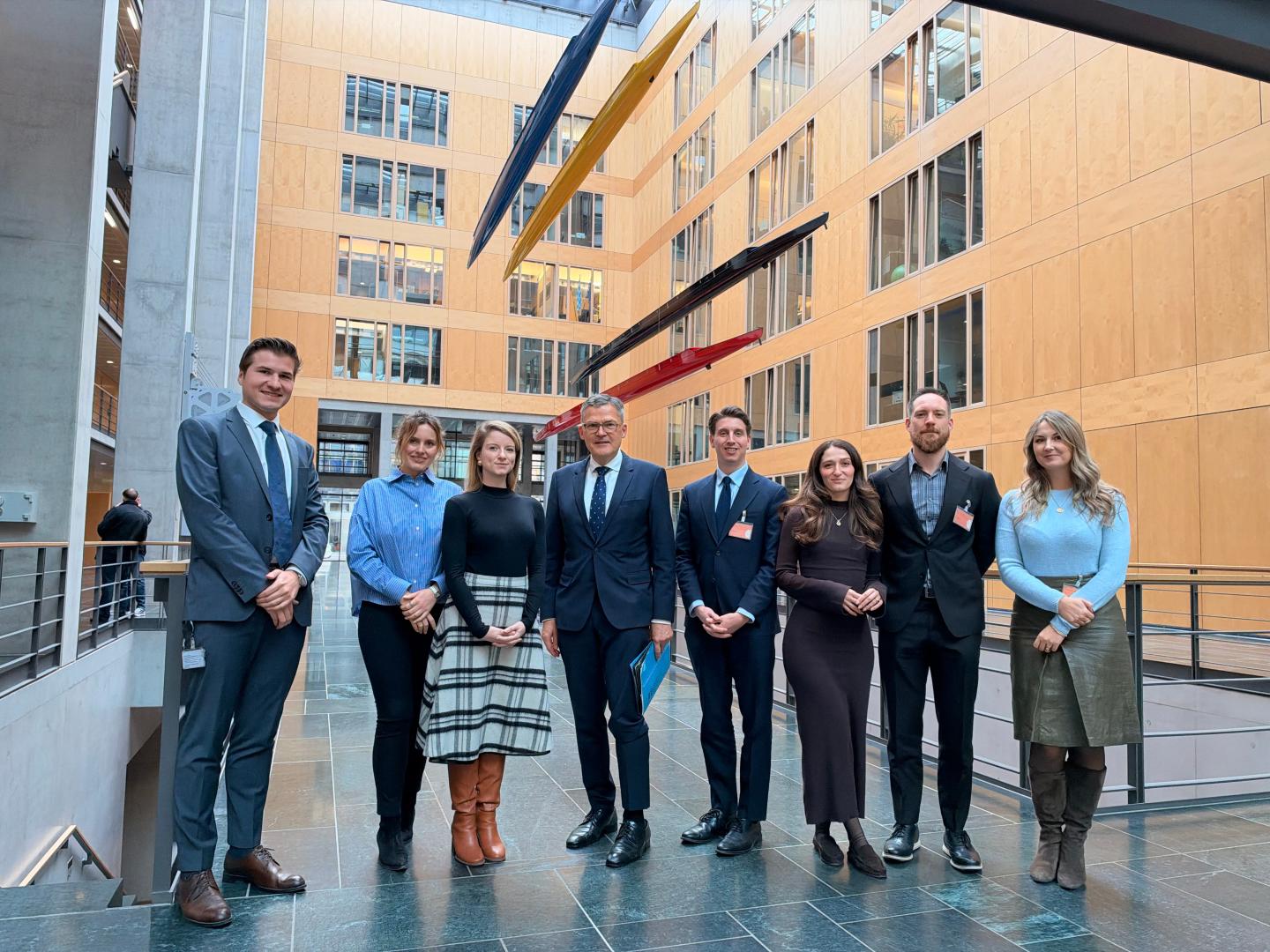
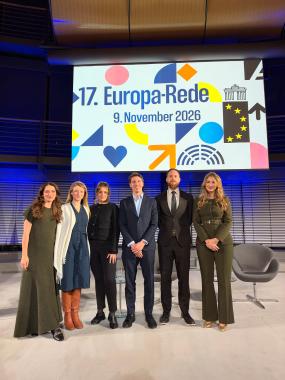
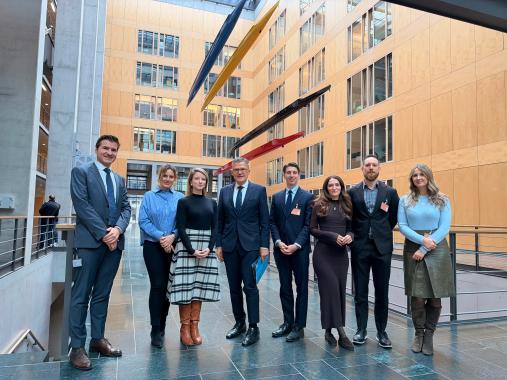
In Berlin, discussions with Bundestag members Jürgen Hardt, Roderich Kiesewetter, and Thomas Röwekamp, representatives of the Federal Foreign Office, Federal Ministry of Defence, and Federal Ministry of the Interior, as well as leading think tanks and security experts, focused on Germany’s evolving defense responsibilities, NATO, and European security.
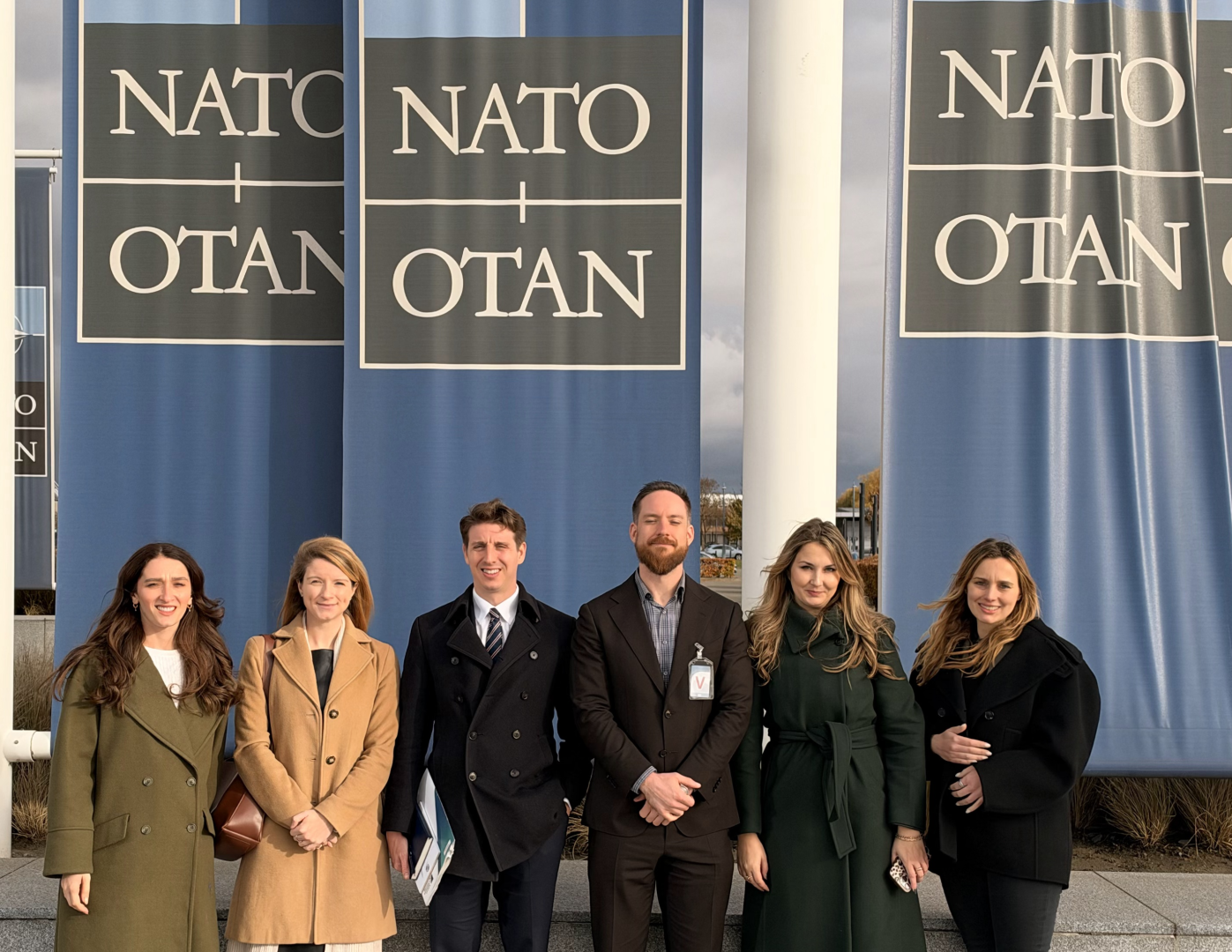
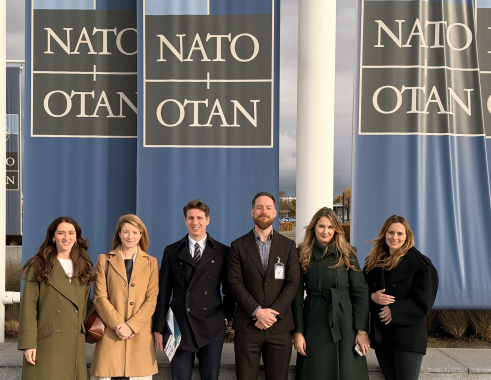
In Brussels, exchanges with Aili Ribulis (EEAS), Dominique Dahlmanns (German Permanent Representation to the EU), Peter Hefele (Wilfried Martens Centre), and Luigi Scazzieri and Giuseppe Spatafora (EUISS), as well as representatives of the U.S. and German Missions to NATO, explored European strategic autonomy and the future of the transatlantic partnership.
A central theme throughout the program was the window of opportunity for Germany and its European allies to strengthen their defense capabilities while Russia remains heavily engaged in its war against Ukraine. For years, voices across the U.S. political spectrum have called for greater European responsibility for collective security. Russia's invasion of Ukraine, together with shifts in U.S. foreign policy, has accelerated a process that many participants viewed as long overdue.
Yet the discussions also highlighted a persistent disconnect between the two sides of the Atlantic. While uncertainty over the future direction of American transatlantic commitments continues to concern European partners, Germany and its European allies have struggled to communicate the extent of their recent defense efforts and commitments effectively. This combination of American uncertainty and insufficient European communication was interwoven into discussions throughout the week, revealing how perceptions of the transatlantic relationship do not always reflect the changes already underway.
Coming from different political backgrounds and representing diverse areas of expertise within foreign and security policy, participants brought distinct perspectives to these shared challenges.
For KAS USA, bringing together emerging policy professionals is an investment in the future. The relationships built today can shape the decisions, institutions, and partnerships of tomorrow.